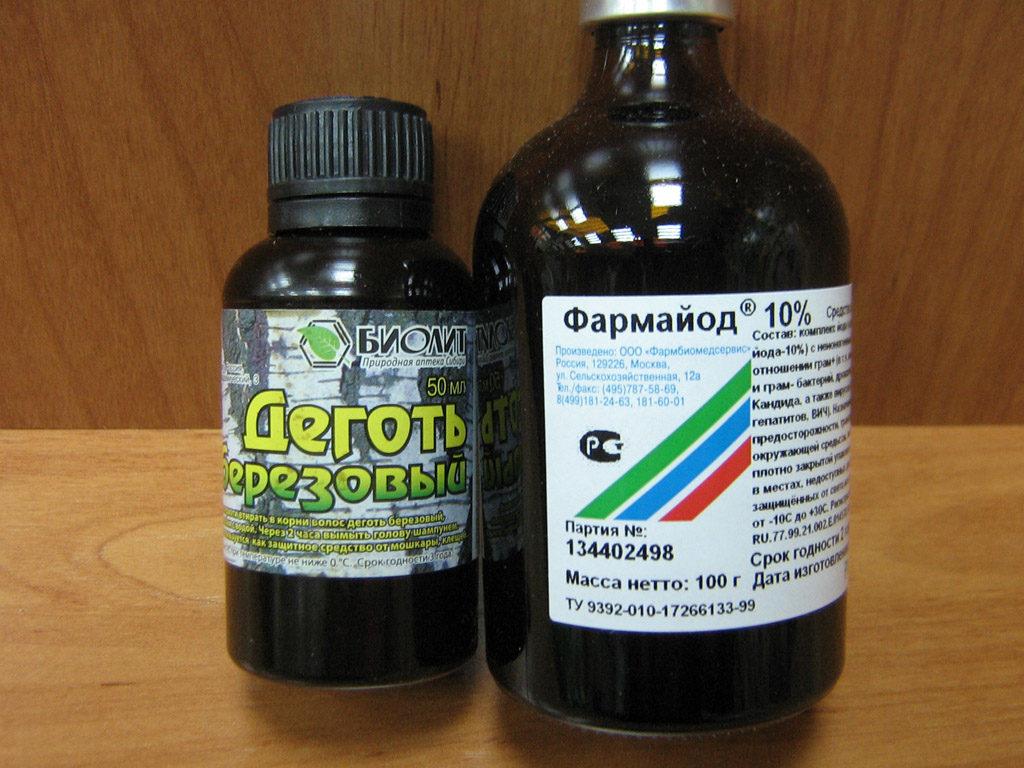
"Pharmaiod" is an effective disinfectant with a wide range of uses. It exhibits high antimicrobial activity and helps combat a wide range of gram-positive and gram-negative bacteria. It also has some effect on viral infections. To ensure the product is effective, it is important to strictly follow the instructions for use.
Active ingredient and mechanism of action
The drug "Farmaiod" is a broad-spectrum antiseptic disinfectant. It is sometimes mistakenly called "Farmoed." Its active ingredient is active iodine. This substance is distinguished by its pronounced disinfectant properties.
When the product is used, the active ingredient penetrates the parasite cells, suppressing their enzymatic systems and disrupting normal cellular metabolism. When iodine interacts with water, the cells release oxygen and undergo severe oxidation. As a result, the microorganisms die due to serious disruptions at the cellular level.
Farmayod is used to treat crops against fungi, bacteria, and other parasites. It is also suitable for disinfecting greenhouses and tools.
Dosage form and what it is used for
The product is available as a 10% aqueous solution. It is sold in glass or plastic containers with capacities ranging from 50 to 5,000 milliliters. It is effective against non-spore-forming microorganisms, viruses, and fungi. Iodine, which is present in the product, has anti-inflammatory, astringent, antimicrobial, and antifungal properties.
"Farmayod" has 2 main purposes:
- Disinfection. The product is used for emergency or preventative disinfection of premises, equipment, and instruments.
- Plant protection. This product is highly effective against bacterial, fungal, and viral infections.
Instructions for use
The dosage and number of treatments depend on the degree of soil contamination and the type of crops or objects. The instructions recommend adhering to the following guidelines:
- To disinfect the soil, use a solution of 1 milliliter of the product and 1 liter of water. It is recommended to use 2 liters of this solution per square meter of garden beds. Water the soil using a watering can.
- In a greenhouse or conservatory, use a solution of 100 milliliters of concentrate per 10 liters of water. Treatment can be done with a sprayer or by wiping down all elements of the structure and watering the soil. 100 milliliters of solution is sufficient for 1 square meter.
The use of "Pharmaiod" for plants is characterized by its own characteristics:
- Cucumber seeds should be treated before planting. To do this, soak them in a solution for half an hour. To prepare, use 1 milliliter of the solution per 1 cup of water. After treatment, rinse the seeds under running water.
- To treat tomato seedlings, it is recommended to spray them with a hand-held sprayer. This is done when the seedlings have four leaves. To prepare the solution, use 3 milliliters of concentrate per 10 liters of water. The second application is after planting in open soil, at a rate of 500 milliliters per plant. In this case, the solution requires 10 milliliters of concentrate per 10 liters of water.
- Potatoes can be sprayed and watered at the roots. Up to three applications should be performed during the season, spaced 10-12 days apart. To create an effective solution, use 4 milliliters of the solution per 10 liters of water. Apply 100 milliliters of the solution per square meter of planting. You can also apply 200 milliliters at the roots.
- For treating roses, bulbous plants, and other ornamental plants, use a 0.05% solution. This solution is recommended for treating bulbs before planting, watering the soil, or spraying on growing plants.
Safety precautions
The drug "Farmayod" belongs to hazard class 3. Therefore, when using it, a number of rules must be followed:
- wear safety glasses, rubber gloves and a respirator;
- If the product gets into your eyes or on mucous membranes, rinse them with plenty of water and consult a doctor;
- In case of accidental ingestion of the product and the appearance of signs of poisoning, immediate hospitalization is required.
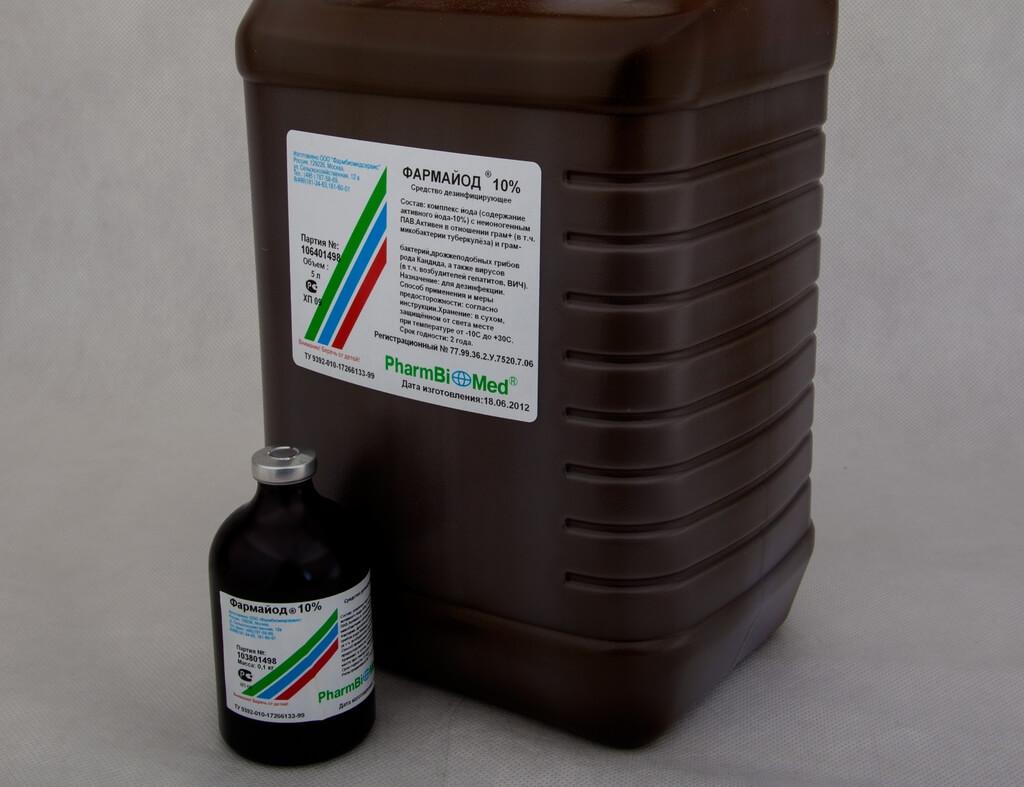
After completing the work, it is recommended to take a shower and put on clean clothes. Used containers must be disposed of.
What is it compatible with?
Iodine is a halogen, which destroys both beneficial and harmful microflora. Therefore, it is often combined with whey or "Phytoplasmin." It is also possible to colonize the soil with beneficial microorganisms. Various versions of "Baikal" can be used for this purpose.
How and how long to store
When stored properly, the product has a shelf life of 3 years. Store in an airtight container at a temperature no higher than 25 degrees Celsius. Keep out of the reach of children and pets.
It's important that containers containing the product are properly labeled and sealed tightly. Iodine evaporates quickly, causing it to lose its beneficial properties. This product is no longer effective in protecting plants.
What to replace it with
"Farmayod" can be replaced by the following analogues:
- Betadine;
- "Phytoplasmin";
- "Fitalovin";
- Fitosporin M.
Farmayod is an effective product that can be used to disinfect soil and greenhouses. It also effectively protects plants from various infections. To ensure the desired results, it is important to strictly follow the instructions for use.