
- How do the phases of the moon and zodiac signs influence planting?
- Moon phases in August 2026
- New moon
- Full moon
- Waxing Moon
- Waning Moon
- Lunar calendar for gardeners and vegetable growers by day for August 2026 (table)
- Favorable days
- Unfavorable days
- What crops can be planted in August according to the lunar calendar?
- Planting vegetables
- Greens and herbs
- Bushes, trees
- Flower beds and houseplants
- Suitable days for carrying out agricultural activities to care for the garden and vegetable garden
- We take into account the climatic features of the regions
- Folk omens
The gardener's lunar calendar for August 2026 will tell you what to do on each day of the month. If you organize your gardening work with an eye on the moon's phases, you can be sure of the consequences. Plants are sure to sprout and yield a bountiful harvest. Earth's satellite influences vegetation on our planet, so knowing the favorable dates will ensure that gardeners' efforts are not wasted.
How do the phases of the moon and zodiac signs influence planting?
The Moon is closest to Earth and is a satellite of our planet. It influences the gravitational field, causes the tides, and affects bioenergetics and the movement of sap in plants. The month begins with the New Moon, then the Waxing Moon continues until mid-August, when all the liquid flows upward. After the Full Moon, on August 15th, the Waning Moon begins, and plant sap flows downward, toward the roots. August ends with the New Moon.
In August, gardeners harvest their crops. Above-ground fruits are best picked during the waxing phase, when they contain the most nutrients. Root vegetables are harvested during the waning moon, when all the beneficial juices extracted from the stems and leaves are concentrated in the roots.
In the first ten days of August, you can sow greens, salads, or green manure as fertilizer in the space left after harvest. During the waning moon, you can plant radishes and onions. These early-ripening crops will have time to produce a harvest before the frost sets in.
The zodiac signs influence harvesting and planting in August. The Moon passes through all the signs in one month, staying in each for only 2-3 days. The most fertile and best for harvesting root crops are considered to be Taurus (August 21, 22, 23), Cancer (August 26, 27), Pisces (August 16, 17, 18), and for above-ground fruits - Scorpio (August 7, 8), Capricorn (August 11, 12, 13). Barren signs, during which planting and harvesting are not recommended, include Gemini (August 24, 25), Aquarius (August 14, 15), Leo (August 1, 2), and Libra (August 5, 6).

Moon phases in August 2026
Each month, the Moon goes through four phases. August begins with the New Moon. The Waxing Moon phase lasts until the 15th. It ends with the Full Moon, and by the end of August, the Waning Moon phase begins. The Moon's position relative to the Earth and its phases influence the health of plants.
![Favorable and unfavorable days for sowing according to the lunar calendar for gardeners and vegetable growers for [year]](https://harvesthub.decorexpro.com/wp-content/uploads/2019/02/luna-posevy-300x225.jpg)
New moon
August begins with the New Moon (the 1st). It's not advisable to plant or harvest on this day. However, you can loosen the soil, remove weeds, and kill insect pests. The next New Moon will occur on August 30th, followed by the Waxing Moon, which continues until September.
Full moon
After the New Moon, the Waxing Phase begins (starting on the 2nd). It ends with the Full Moon (August 15th). After that, the Waning Phase begins. During the Full Moon, as well as the day before and the day after August 15th, it is not advisable to plant or harvest.
You can treat crops with chemicals to control diseases, destroy insect pests, remove weeds, and loosen the soil.

Waxing Moon
The new moon phase begins after August 1st, that is, after the New Moon. The waxing moon phase (starting on the 2nd) lasts until the 15th. This is the most favorable period for harvesting fruits growing in the above-ground portions of plants. Crops respond well to foliar feeding during the first ten days of the month. During the waxing moon, you can plant plants that will bear fruit in the above-ground portions.
Waning Moon
After the Full Moon (the 15th) and until the end of the month, the Waning Phase begins. During this period, you can harvest root crops: dig up potatoes, carrots, beets, and onions. During the Waning Moon, you can plant plants that will yield underground crops, such as radishes, onions, and garlic.
Lunar calendar for gardeners and vegetable growers by day for August 2026 (table)
Gardening and vegetable gardening calendar for August 2026 (table):
| Days of the month | Gardening and vegetable gardening work |
| 01.08…02.08 | New Moon days, work is prohibited, you can spray plants with insect and fungal preparations. |
| From 03… to 06.08 | Harvesting the above-ground fruits. Seed collection. Sowing green manure in the cleared area. |
| 07.08 | The first quarter, you can harvest fruits and water and fertilize crops. |
| From 08…to 13.08 | Harvesting fruits and berries in the above-ground part, collecting seeds, medicinal herbs, transplanting and dividing perennials, planting strawberries. |
| From 14…to 16.08 | Full Moon days, work is prohibited. |
| From 17…to 22.08 | Harvesting root crops (potatoes, carrots, onions, garlic). Sowing winter root crops. Planting trees and shrubs. Pruning may be done. |
| 23.08 | Third quarter. Root vegetables can be harvested. |
| From August 24th to August 29th | You can harvest root crops, prune branches in the garden, and pick off diseased leaves. |
| 30…31.08 | New Moon days. It's best to avoid working with plants. You can spray the trees for pests and remove weeds. |
Favorable days
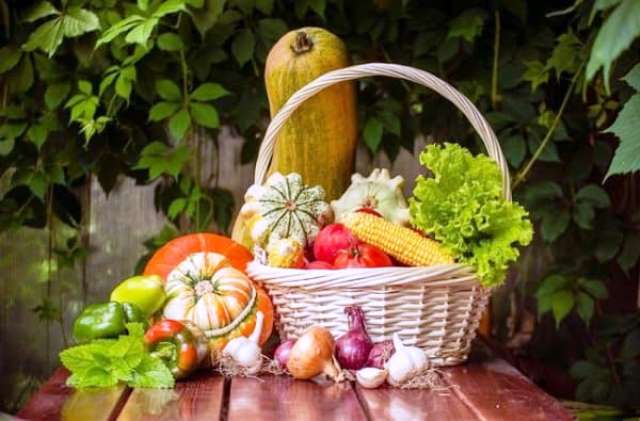
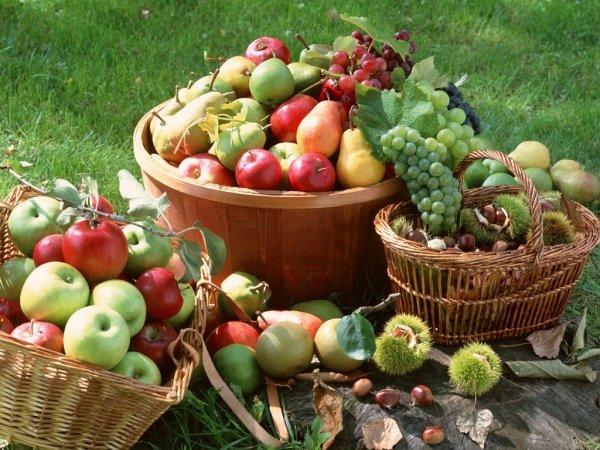
In August, the following dates are considered favorable for harvesting fruits and berries growing aboveground: August 3rd to 13th. According to the planting calendar, it's best to sow crops that will bear fruit aboveground from August 8th to 13th. Potatoes, carrots, and other root vegetables are best dug from August 17th to 29th. Crops that will yield belowground fruit are best planted from August 17th to 22nd.
Unfavorable days
Gardening is undesirable from the 1st to the 2nd, from the 14th to the 16th, and from the 29th to the 31st of August. On these days, you can rest, remove weeds, and treat your garden for insect pests and diseases.
What crops can be planted in August according to the lunar calendar?
Late summer is usually the time for harvesting vegetables, fruits, and berries. The cleared-up plot can be used to plant early-ripening crops that will have time to grow and produce a harvest before the frost sets in.
Planting vegetables
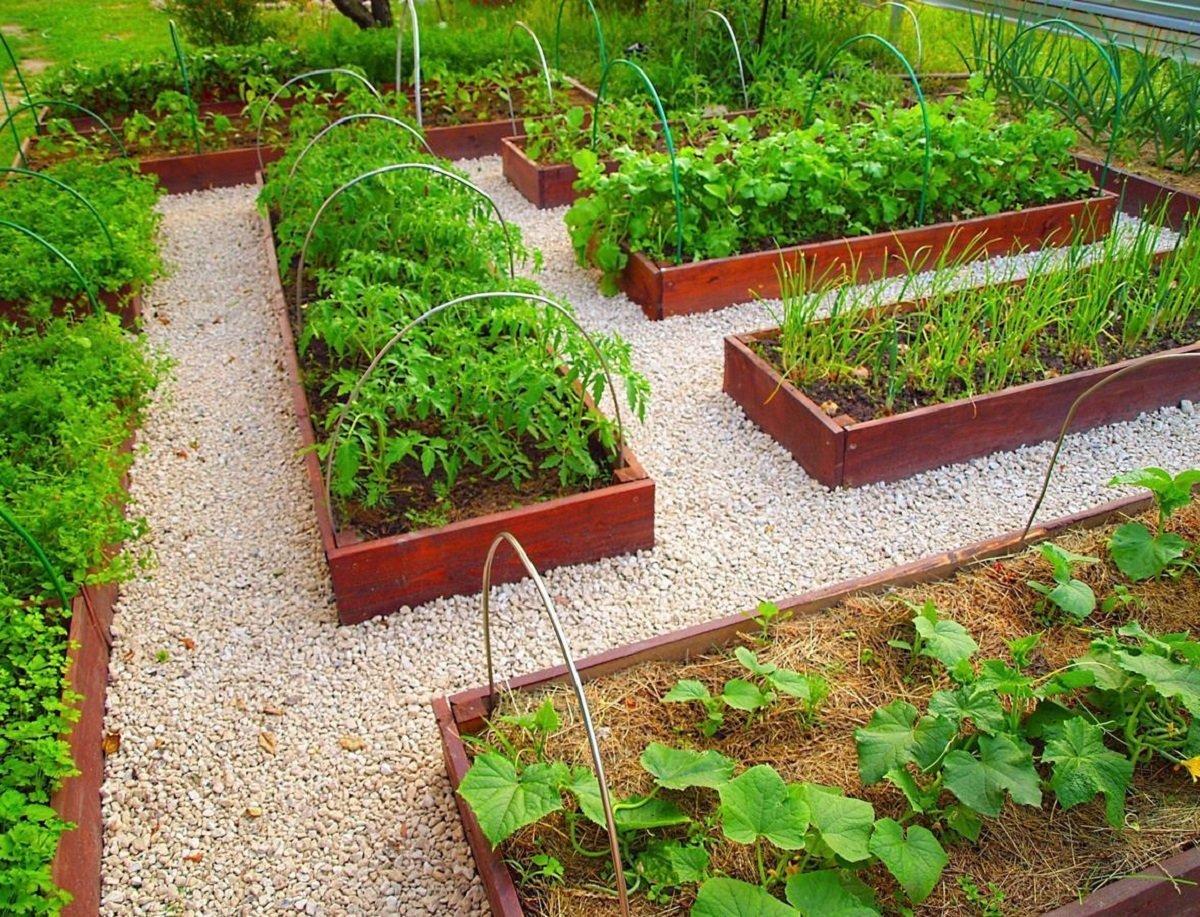
Radishes can be planted in the second ten days of August. New root vegetables will have time to grow before the cold weather sets in. Onions can also be planted during this period; their green shoots will also appear later this season. Kohlrabi and bok choy, with a short growing season, planted early in the month will grow until frost. Early-ripening zucchini, cucumbers, Chinese cabbage, and broccoli can be planted in a greenhouse in early August. These crops can be harvested until October.
Greens and herbs
In the first ten days of August, you can sow parsley, sorrel, dill, basil, arugula, and lettuce in the vacated space. Some plants will sprout before the cold weather sets in, while others will emerge in early spring after the snow melts. At the beginning of the month, you can sow green manure (phacelia, peas, oats); these will fertilize the soil and add nitrogen, which will feed the crops planted the following spring.
Bushes, trees
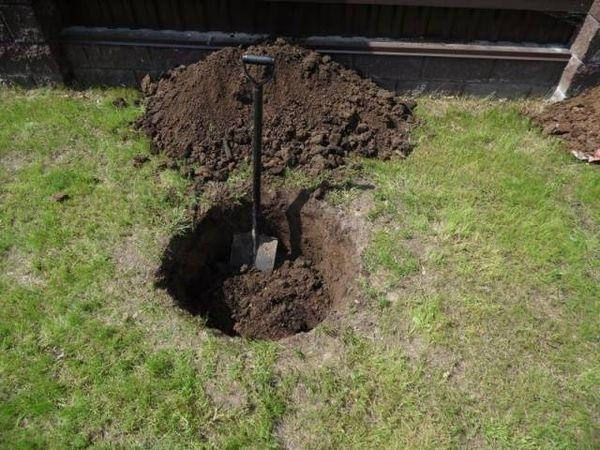
During the waning moon, that is, after the 15th or 16th, you can plant young trees and shrubs. They need time to establish themselves in their new location and develop a root system before the frost sets in. However, the planting site can be prepared as early as the beginning of the month.
Flower beds and houseplants
During the waxing moon, that is, in the first half of the month, you can divide the bush and transplant peonies, phlox, primroses, and lilies to a new location. During this same period, you can propagate irises by dividing the rhizomes and sow forget-me-not seeds.
In the second ten days of August, that is, during the Waning Moon, plant bulbous flowers: pushkinia, scilla, crocuses, hyacinths, daffodils, and chionodoxa. At this time, you can sow the seeds of snowdrops.
![Lunar sowing calendar for gardeners and vegetable growers for September [year]](https://harvesthub.decorexpro.com/wp-content/uploads/2019/09/7-10-300x200.jpg)
Suitable days for carrying out agricultural activities to care for the garden and vegetable garden
In August, they not only harvest and sow the plot with early-ripening crops, but also monitor the health of the crops and the condition of the soil.
After the 15th, you can trim diseased and dry branches on trees and shrubs, pick off fungus-infected leaves, and mummified fruits hanging on the branches.
After harvesting, the foliage can be sprayed with chemicals against diseases and pests (from the 16th to the 31st). In the second ten days of August, you can pinch back the tops of raspberries to help the bushes survive the winter more comfortably. After harvesting, fruit trees and shrubs are fed with superphosphate and potassium nitrate to encourage the formation of flower buds for the following season. After the 15th, perennial flowers can be fed with potassium and phosphorus.
After harvesting vegetables, the remaining space in the garden can be replanted with early-ripening crops. However, it's best to give the soil a chance to rest. In the second ten days of August (from the 16th to the 31st), you can remove weeds from the field and treat the soil with antifungal agents.
We take into account the climatic features of the regions
In August, fruit, vegetable, and berry harvests are held not only in central Russia but also in northern latitudes. In Siberia, the best time to pick cucumbers, peppers, and tomatoes is from the 2nd to the 14th. Then, potatoes and other root vegetables should be dug up before the cold weather sets in, that is, from August 16th to the 29th.
 After harvesting fruit in northern latitudes, there's no need to do anything in the garden. In the second ten days of August, you can start planting trees and shrubs.
Folk omens
Weather signs for August 2026:
- frequent thunderstorms mean a warm autumn;
- mosquitoes bite a lot - bad weather is coming;
- the leaves fall early - the cold weather will come early;
- a cool morning in August means clear and sunny weather during the day;
- on Apple Savior (19) a dry day means a dry autumn;
- Windy weather in August means a winter with snowstorms.
Related posts:
 Description of the Augusta apple tree variety, growing and care instructions
 Description of the best, most productive and new varieties of cucumbers for 2026
 Description and characteristics of the 30 best hazelnut varieties, cultivation
 Descriptions of the 20 best cherry varieties for the Moscow region, their planting and care
 Lunar sowing calendar for the gardener for March 2026, planting days
 Description of the best pepper varieties for greenhouses and open ground in 2026
 When to store onions in 2026 according to the lunar calendar
 Description and characteristics of the 45 best types of peaches, growing rules