
- Super-early varieties of bell pepper for 2025
- Tamara F1
- Sonata F1
- Quickly F1
- Caliph F1
- Early-Maturing Crops to Plant in 2025
- Triton
- Donetsk early
- Merchant
- Montero
- Novorossiysk
- Mid-season varieties of peppers
- Red and Yellow Bull
- Atlas
- Description and characteristics of late-ripening varieties
- Marshmallow
- Yellow bell
- Bogatyr
- What is best to plant in polycarbonate greenhouses?
- Chocolate Star of the East
- Gemini
- Latinos
- Night
- Pinocchio
- Popular crops for open ground
- Big Mama
- Dandy
- Martin
- Beloserka
- Gold medal
- Triton
- The most productive varieties
- Latino
- Barguzin
- Thick-walled and juicy peppers
- Queen
- Siberian format
- White gold
- Ox ear
- The Fat Baron
- Bagheera
- White filling
- Quinta F1
- The sweetest varieties
- Gemini F1
- Vasya-Vasilek F1
- Marshal F1
- Claudio F1
- Tall pepper for open ground and greenhouses
- Merchant
- Fiery
- Bullfinch
- Low-growing varieties
- New varieties bred in 2025
- Ranking of the largest species
- The best peppers of Dutch selection
- Good varieties with yellow and orange fruits
- Recommended varieties for planting in the Urals and Siberia
- Golden calf
- Sweet chocolate
- The firstborn of Siberia
- Novosibirsk
- An early miracle
- Moneybags
- What to plant in central Russia
- Boyar
- Antique dealer
- Arab
- Asti
- Annushka
- Popular varieties for the Moscow region
- Gogoshary
- Victoria
- Kolobok
- Winnie the Pooh
- Agapovsky
- Hercules
- Conclusion
Gardeners often plant peppers in their gardens to harvest a delicious crop in the summer. Before planting, it's important to choose the most suitable variety. To do this, you'll need to familiarize yourself with the characteristics of the best pepper varieties for 2025.
Super-early varieties of bell pepper for 2025
Gardeners who want to harvest ripe peppers earlier are better off sowing early-ripening vegetables in their plot.
Tamara F1
Many vegetable growers grow ultra-early pepper varieties like Tamara. This hybrid variety has a growing season of just 65 days. Tamara's advantages include:
- excellent foliage that protects the crop from sunlight;
- compactness of bushes;
- frost resistance.
Sonata F1
Considered the most productive and delicious red pepper, Sonata ripens 70 days after planting, making it an early-ripening variety. Each ripe pepper weighs up to 200 grams. Among Sonata's advantages are its ease of transport and resistance to viral diseases and frost.
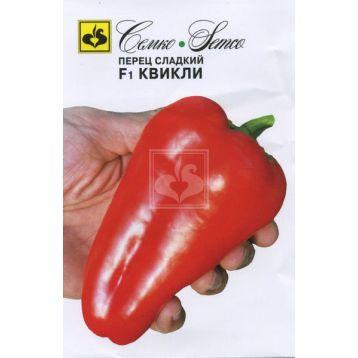
Quickly F1
A super-early vegetable intended for outdoor planting. The crop reaches technical maturity 80 days after transplanting the seedlings. The fruits are cone-shaped and smooth. Each ripe pepper weighs 120-135 grams. Quickly is resistant to low temperatures, viruses, and drought.
Caliph F1
A very early vegetable that ripens in 55-60 days. The pepper is initially white, but turns red as it ripens. Despite its frost resistance, in northern regions it is better to plant Khalifa in greenhouses.
Early-Maturing Crops to Plant in 2025
To harvest in the first half of summer, early varieties of peppers are planted.
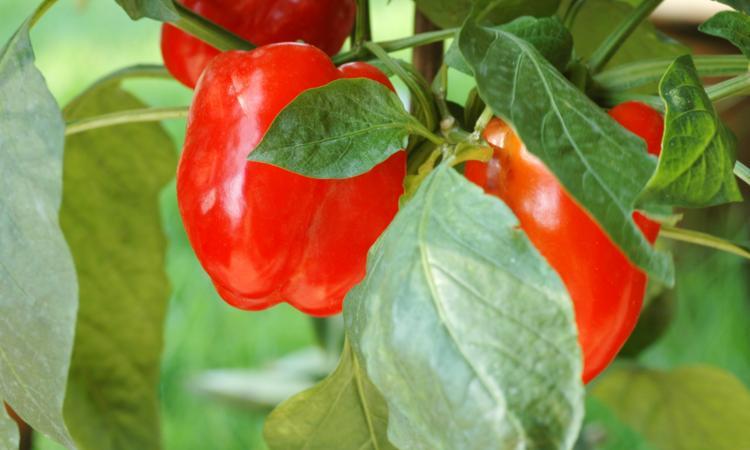
Triton
An early-maturing, low-growing vegetable that grows up to 50 centimeters. Triton is easy to grow, as it doesn't require regular pruning or tying to supports. The fruits are red and weigh 120-140 grams.
Donetsk early
This variety ripens three and a half months after sowing. Donetsky Ranny produces cone-shaped fruits with a rounded tip. The plant is resistant to frost and fungal diseases.
Merchant
A medium-sized vegetable, growing up to 85 centimeters. The bushes require staking and training. Kupets's distinctive feature is its high yield. It yields 3-4 kilograms per square meter.
Montero
A hybrid variety that takes about 100 days to ripen. Each plant produces 1.5 kilograms of peppers. Montero peppers are large, weighing 115-120 grams.
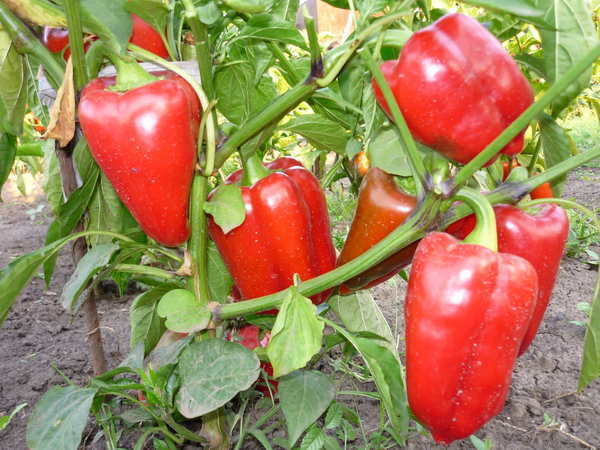
Novorossiysk
This early-ripening vegetable has a growing season of 80 days. Novorossiysk is frost-resistant and suitable for outdoor cultivation. The fruits weigh only 50-60 grams, but this does not affect the yield.
Mid-season varieties of peppers
There are several of the most popular mid-season varieties of pepper.
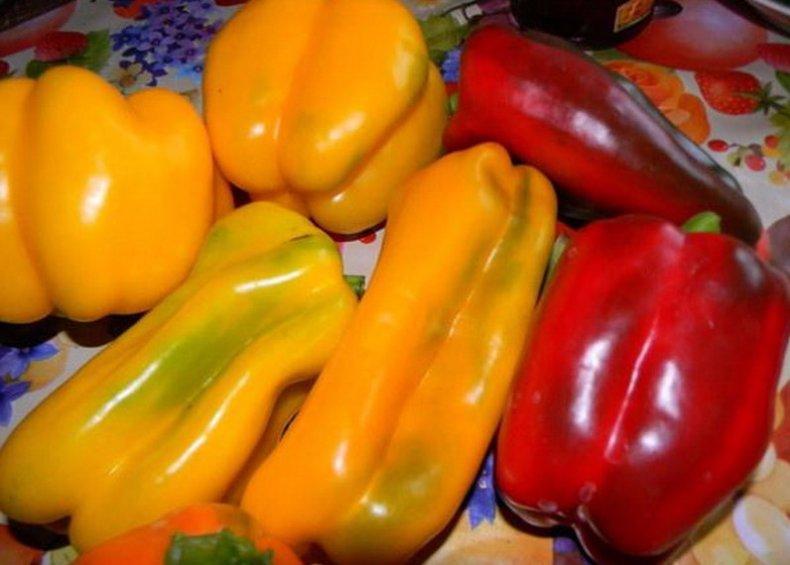
Red and Yellow Bull
The main advantage of these hybrids is their ability to withstand cold snaps without problems. Another advantage of the Red and Yellow Bull varieties is their large fruits, weighing three hundred grams. Mature peppers have an elongated, conical shape. Initially, the surface of the fruit is green, but gradually the skin turns red or yellow. The harvest produces crisp, juicy flesh with a balanced flavor.
Atlas
A high-yielding hybrid pepper that is resistant to most dangerous diseases. The Atlanta pepper's growing season lasts for a month and a half. Its main advantage is its gigantic fruits, which reach up to 25 centimeters in length. Atlanta is often used in cooking due to its excellent flavor.
Description and characteristics of late-ripening varieties
Vegetable growers who plan to harvest a ripe crop later prefer to grow late-ripening peppers.
Marshmallow
Experienced gardeners recommend planting Zephyr in greenhouses where temperatures will not drop below freezing. Growing under cover will yield a larger, riper harvest.
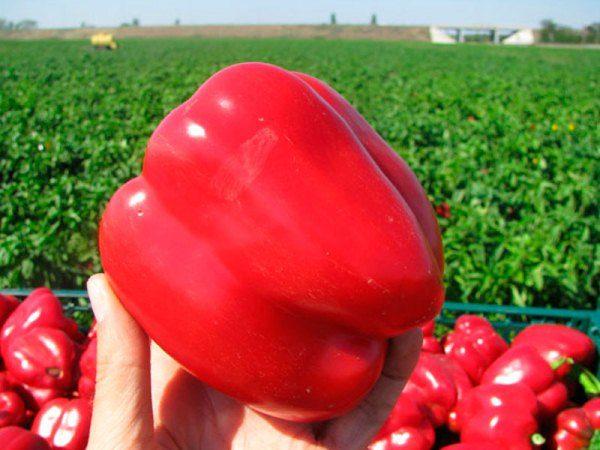
Zephyr is a medium-sized plant that doesn't require any additional support. Mature fruits are medium in size, weighing 165 grams. They have juicy, crisp flesh with a fragrant aroma and a slightly sweet flavor.
Yellow bell
This versatile variety grows easily in both open ground and greenhouses. Yellow Bell peppers grow up to 70 centimeters tall. During cultivation, they produce cuboid peppers that eventually turn yellow. The fruits are not very large, measuring 10-12 centimeters in length.
Bogatyr
The variety's distinctive feature is its tall, spreading bushes, 85-90 centimeters tall. Bogatyr produces large, cone-shaped peppers weighing 200-220 grams. They ripen within four months.
What is best to plant in polycarbonate greenhouses?
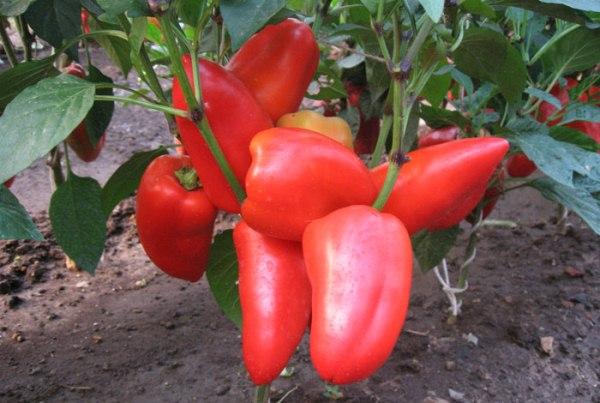
Not all pepper varieties are suitable for greenhouses. Therefore, it's important to familiarize yourself with the varieties that grow best in greenhouse conditions.
Chocolate Star of the East
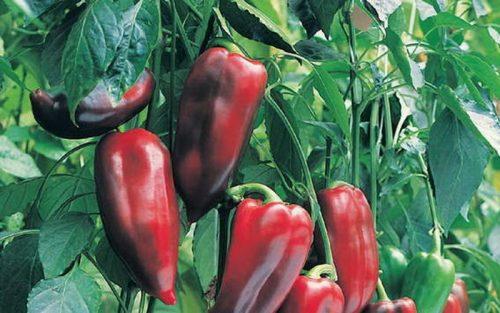
This variety is considered one of the most productive peppers, yielding over ten kilograms of fruit per square meter. The average fruit weight is 300-350 grams. The main difference from other varieties is the pepper's color, which is dark brown.
Gemini
A large-fruited, high-yielding vegetable that is resistant to disease and temperature fluctuations, Gemini is versatile and can be grown both indoors and outdoors. The peppers weigh 400 grams each, and each plant produces 7-8 peppers.
Latinos
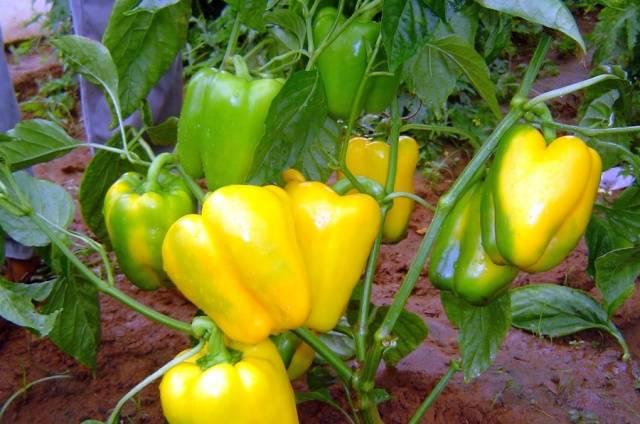
A vigorous, tall vegetable, the bushes reach one meter in height. Latinos is disease-resistant and tolerates drought. The peppers are cuboid in shape and have dense walls 5-6 millimeters thick.
Night
A semi-spreading standard plant, 170-180 centimeters tall. Nochka bushes often break due to the weight of ripe fruits, requiring staking. The ripe fruit is quite large, weighing up to 200 grams.
Pinocchio
An early-maturing greenhouse vegetable that matures within three months. Buratino grows semi-determinate bushes 75-85 centimeters tall. In summer, they produce a harvest weighing 125 grams. The fruits are noted for their flavor and transportability.
Popular crops for open ground
Before planting peppers outdoors, you should familiarize yourself with the descriptions of well-known varieties for open ground.
Big Mama
The variety grows semi-spreading bushes, reaching a height of 50-60 centimeters. Big Mama reaches maturity four months after planting. The plant is known for its high yield, with 2-3 kilograms of peppers harvested per plant.
Dandy
An early-ripening vegetable developed by breeders in Western Siberia, the Schegol variety is resistant to high humidity and frost. A mature vegetable weighs 200 grams, is orange, and has juicy flesh.
Martin
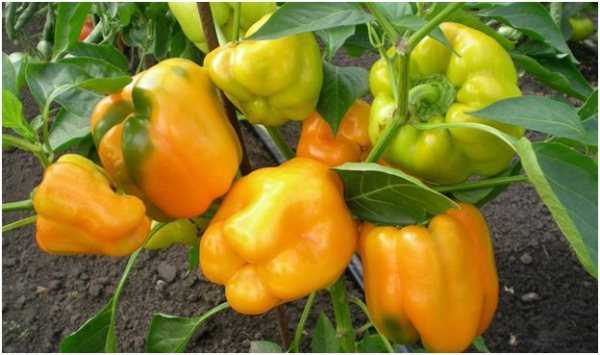
A mid-season plant with a 120-day growing season, Lastochka produces excellent yields, yielding 4-5 kilograms of pepper per square meter.
Beloserka
A mid-early vegetable suitable for outdoor planting, Beloserka bushes reach 40 centimeters in height. This compact size makes them suitable for growing in pots.
The fruits are cone-shaped, 7-9 centimeters long and weigh 90-100 grams.
Gold medal
The Gold Medal variety grows tall and has moderate foliage. Since the plant reaches 160 centimeters, it will need to be staked. The Gold Medal fruit is small, weighing 45 grams.
Triton
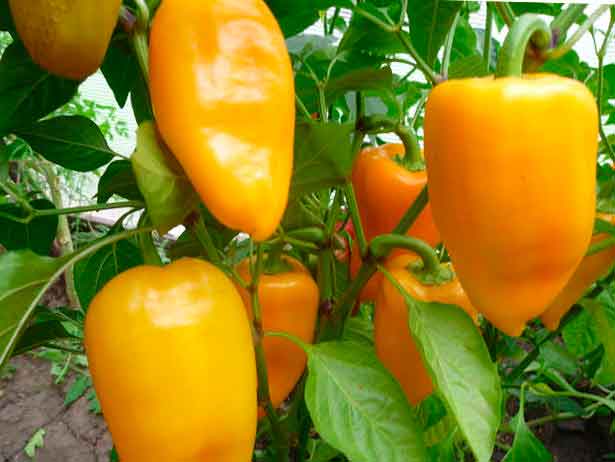
Triton grows well in any climate and is frost- and drought-resistant. Each plant can produce about 20-25 peppers weighing 140 grams. The harvested crop is used for preparing vegetable dishes or canning.
The most productive varieties
To obtain more ripe fruits, it is recommended to plant high-yielding varieties of vegetables.
Latino
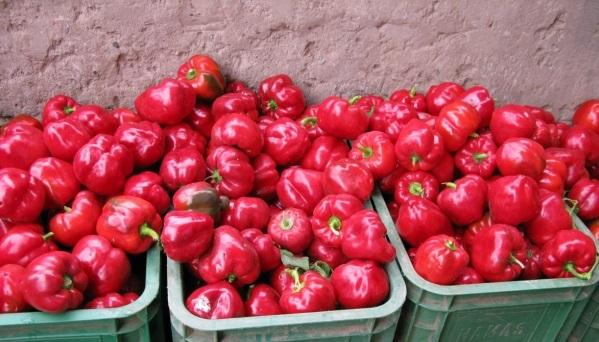
A high-yielding, large-fruited hybrid that's best sown in polycarbonate greenhouses. Ripening takes 110 days after emergence. Latino will need to be staked, as it grows up to one meter. The hybrid produces cube-shaped fruits that turn red when ripe. A single plant yields four kilograms of fruit.
Barguzin
An early hybrid vegetable that produces well when grown in a greenhouse. The low-growing plants reach 55 centimeters in height, after which they stop growing. They produce peppers that weigh at least 200 grams. Barguzin is distinguished by its prolonged fruiting period, lasting several months.
Thick-walled and juicy peppers
There are several varieties of peppers that differ from other varieties by their thick walls and juiciness.
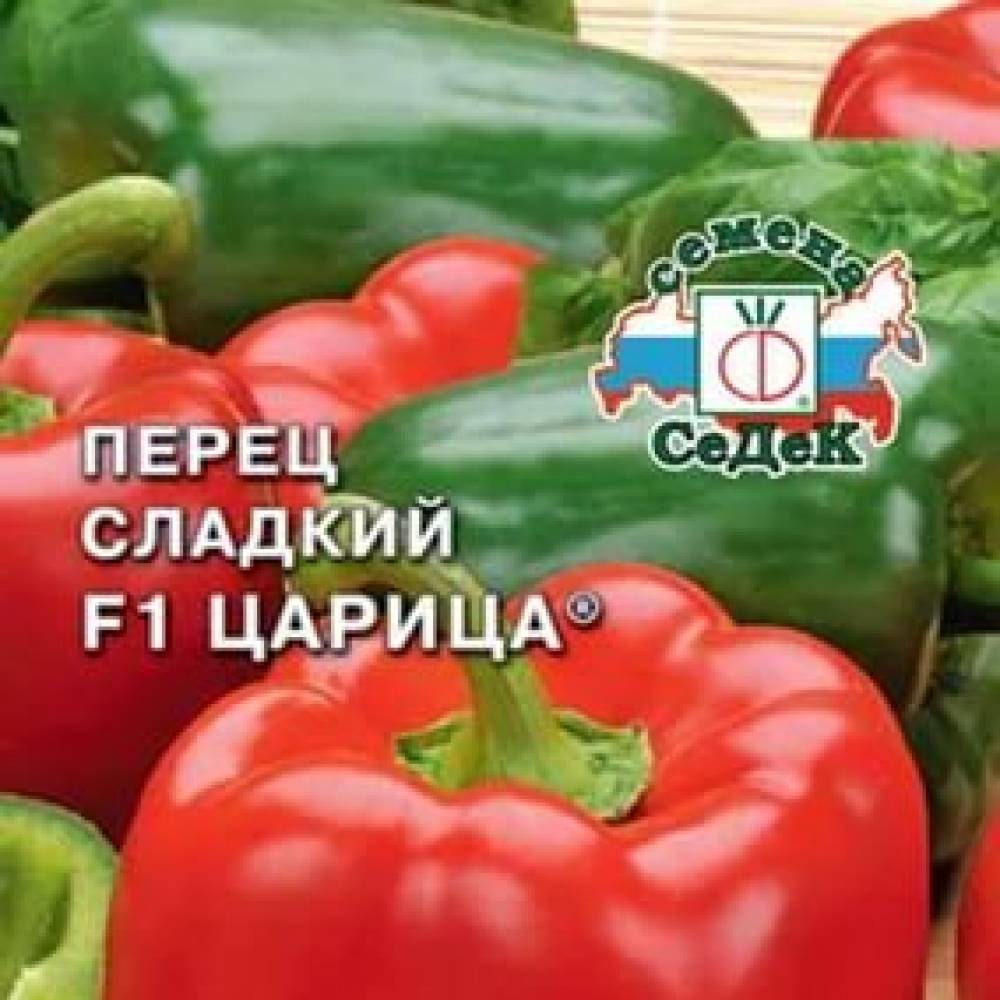
Queen
This vegetable is popular among gardeners due to its high yield, resistance to common diseases, and excellent taste. The fruits ripen two months after planting. They have a dense, thick wall that is resistant to cracking.
Siberian format
A large-fruited vegetable that requires greenhouse cultivation. Siberian-style peppers yield up to three hundred grams. The peppers are 12 millimeters long and 8 millimeters thick.
White gold
A low-growing pepper whose bushes grow up to 60 centimeters. The crop is cuboid in shape and pearly yellow in color. "White Gold" produces large-fruited peppers weighing 500-600 grams.
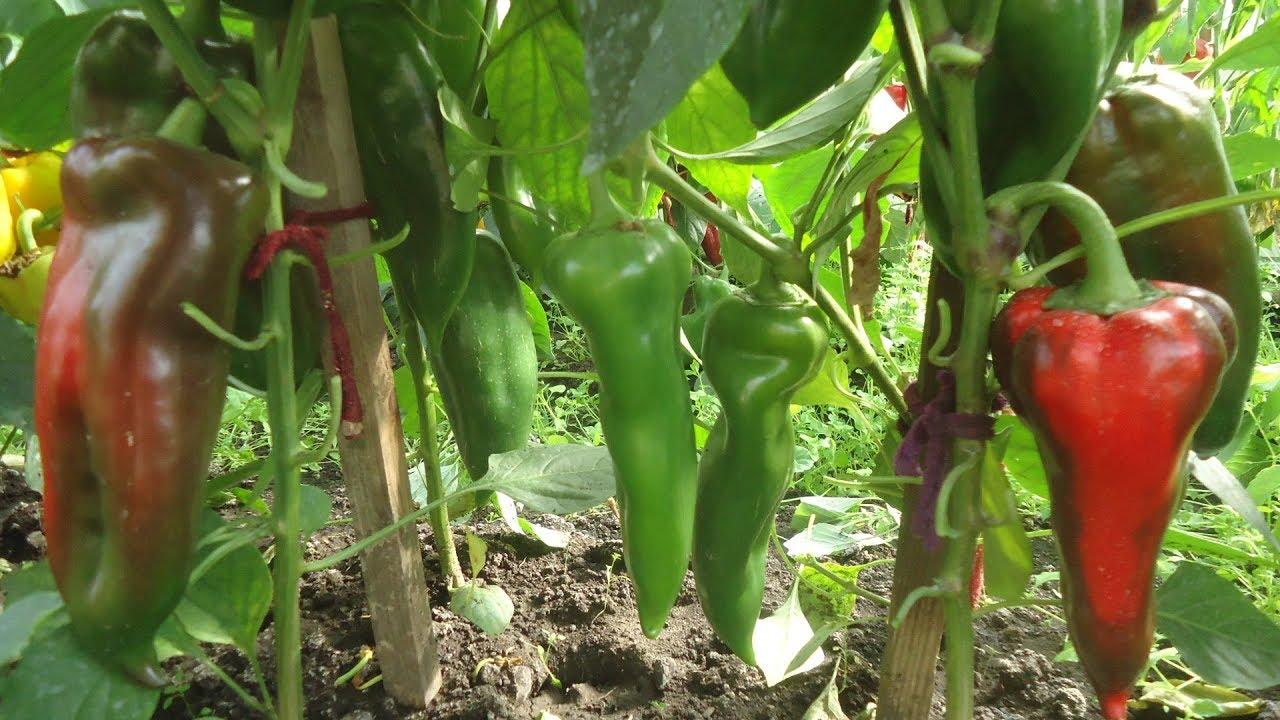
Ox ear
Ox-ear peppers are considered a mid-season vegetable crop, maturing within 65-80 days. Mature peppers are oblong in shape and have a pointed tip. The fruit reaches 17 centimeters in length and weighs 150 grams. When ripe, the peppers have a juicy wall 6-7 millimeters thick.
The Fat Baron
A mid-early plant, the peppers ripen in four months. The Fat Baron has excellent flavor, making it suitable for making delicious vegetable dishes. The yield is 5-7 kilograms of pepper per square meter.
Take a look Also

Bagheera
This vegetable grows on compact bushes, 40-60 centimeters tall. Its main distinguishing feature from other pepper varieties is the burgundy color of its ripe peppers. Ripe peppers weigh at least 170 grams.
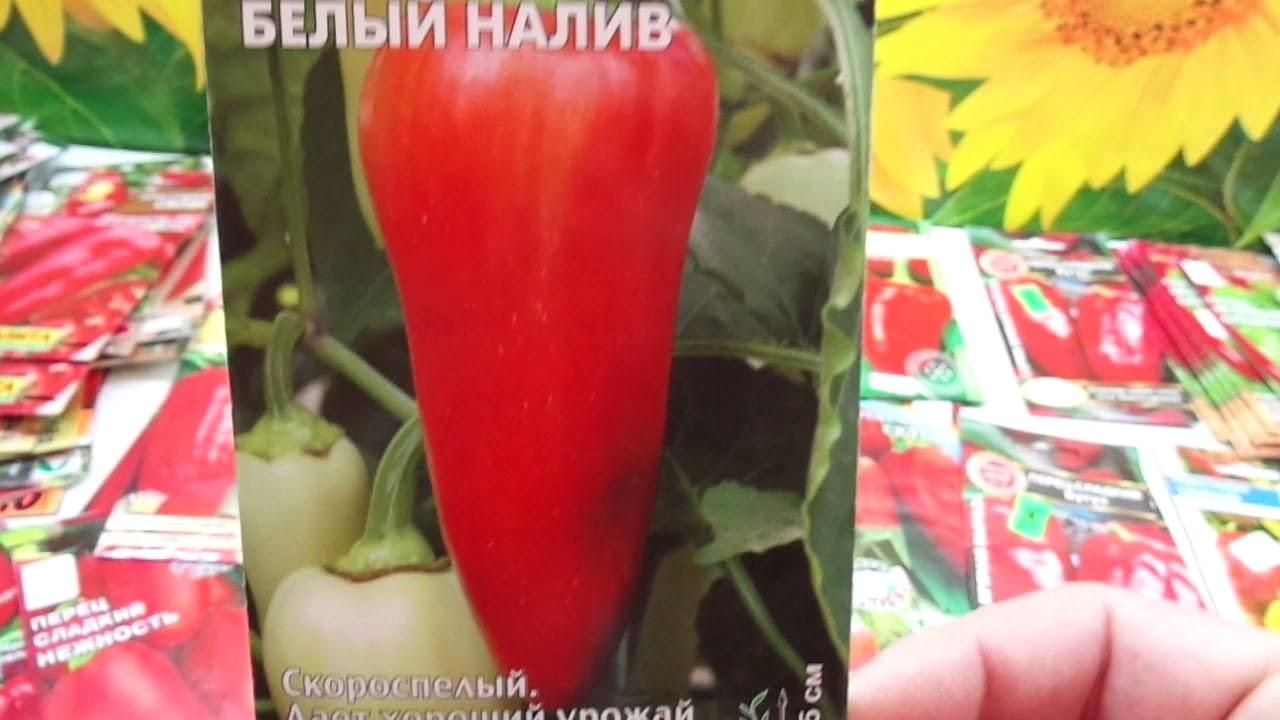
White filling
Lovers of juicy peppers plant White Naliv in their gardens. Each ripe pepper weighs up to 150 grams. They have a dense, bright red wall.
Quinta F1
A high-yielding hybrid pepper with medium-sized plants growing up to 55 centimeters. Quinta's yield is modest, weighing no more than 110 grams. The fruits are covered with reddish skin and have a 6-millimeter-thick wall.
The sweetest varieties
To grow tasty peppers, it is recommended to plant sweet varieties.
Gemini F1
Sweet pepper lovers prefer to plant the Gemini hybrid pepper. Its advantages include:
- large fruits weighing 150-180 grams;
- high productivity;
- ease of cultivation;
- sweetish taste of the harvest.
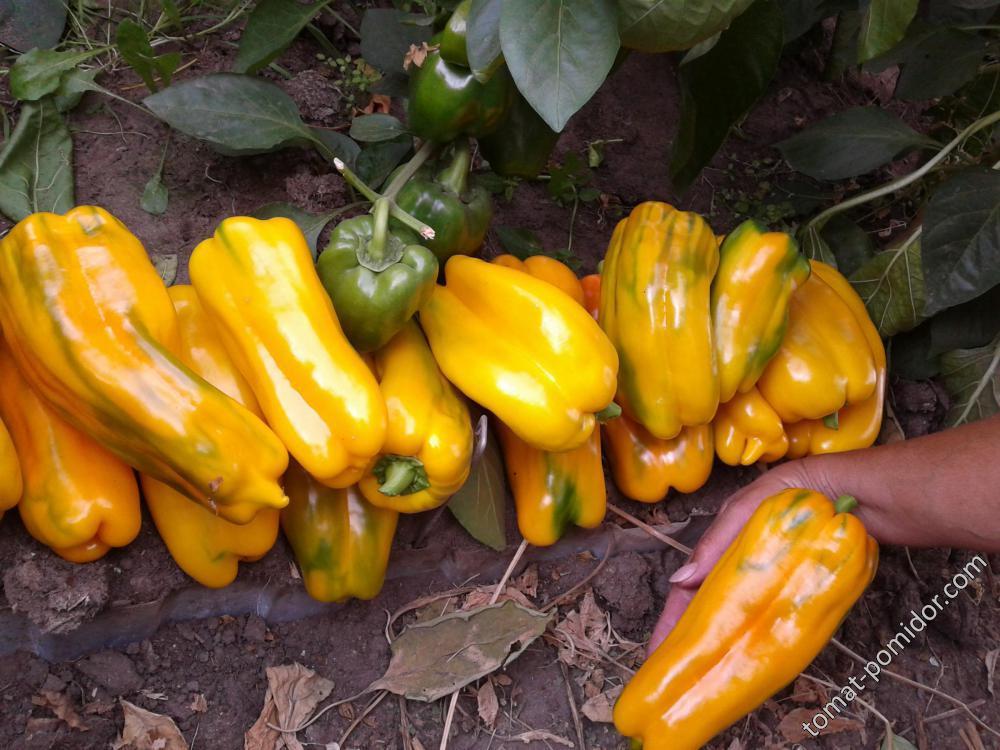
Vasya-Vasilek F1
A sweet hybrid variety that begins bearing fruit three and a half months after germination. Each plant produces 7-8 peppers weighing 270 grams. They are used for canning, processing, or freezing.
Marshal F1
A low-growing, compact plant with large fruits that grow up to 450 grams. Ripe peppers are not suitable for canning and are therefore eaten fresh.
Claudio F1
Lovers of sweet peppers should consider the Claudio hybrid. It is resistant to low temperatures and diseases. The thick-walled peppers weigh 250-260 grams and have a pleasant aroma and sweet flavor.
Tall pepper for open ground and greenhouses
Some vegetable growers don't have the space to grow peppers in a greenhouse, so they plant them outdoors. Tall vegetable crops are ideal for open ground.
Merchant
A tall pepper that reaches two meters in height when grown under optimal conditions. It fully matures 120 days after planting. The yield per square meter is 7-8 kilograms.
Fiery
A tall and productive plant recommended for outdoor planting. The advantages of the Flame Pepper include rapid ripening, frost resistance, and ease of care once planted. The average pepper weight is 130-145 grams.
Bullfinch
This hybrid variety was developed by Kirov breeders for outdoor cultivation. Among the advantages of Snegirok are its resistance to frost, pests, and diseases. The tall bushes grow up to 220 centimeters and require staking.
The fruits are prismatic in shape and have a smooth, glossy surface. They are red in color and weigh 100-130 grams.
Low-growing varieties
Some gardeners prefer to plant low-growing vegetables because they are easier to care for. The most popular low-growing peppers include:
- Chanterelle. This compact vegetable is best planted in greenhouses. The first ripe harvest is harvested 125 days after the young seedlings emerge. Chanterelles have orange peppers with a yellow tint, weighing 120-175 grams.
- Fakir. A high-yielding, low-growing plant with decent yields. The maximum height of the bushes is 40-60 centimeters. Fakir's main distinguishing feature is its strong skin, which allows for long-term storage of the harvested crop.
- Albatross. Albatross bushes grow to 30-45 centimeters. Each peppercorn is no more than eight centimeters in size. The main advantages of Albatross include resistance to changes in soil temperature and high yield.
New varieties bred in 2025
Vegetable growers who prefer to plant new varieties of vegetables every year should familiarize themselves with the latest pepper varieties:
- Gladiator. A large-fruited vegetable whose peppers grow up to 400-500 grams.
- Big Papa. An ultra-early hybrid that finishes fruiting 100 days after sowing.
- Patricia. A mid-season vegetable that ripens in the second half of summer. It produces large, fleshy fruits that are best eaten fresh.
Ranking of the largest species
To grow large-fruited peppers, you will need to familiarize yourself with the largest types of peppers:
- Burzhuy. An early-ripening hybrid with ripe fruits weighing up to three hundred grams. The harvest is juicy, fleshy, and has a pleasant aroma.
- Grenadier. A mid-season, high-yielding hybrid with enormous peppers weighing over 650 grams. Grenadier's advantages include shelf life, transportability, and high yield.
- Quadro. Developed by Siberian breeders for outdoor cultivation. Mature yields range from 350-380 grams and reach 10-12 centimeters in length.
The best peppers of Dutch selection
Many vegetable growers grow peppers bred in Holland. The most common varieties include:
- Gypsy. A Dutch pepper that is easy to care for and resistant to temperature fluctuations. Gypsy's fruits have a long shelf life due to their thick walls.
- Cockatoo. A tall vegetable best grown outdoors, cockatoo is known for its large peppers, which weigh up to 290 grams.
- Corvette. An early-ripening hybrid with small peppercorns weighing 60-70 grams.
Good varieties with yellow and orange fruits
There are several varieties of orange and yellow peppers that are most often grown by experienced vegetable growers:
- Orange Bull. A mid-early hybrid with huge bushes 1-2 meters tall. With proper care, the peppers will weigh up to half a kilogram.
- Yubileyny. A high-yielding vegetable, growing it yields 10-14 kilograms of peppers per square meter. After harvest, the crop can be stored for 3-4 months.
- Aphrodite. A large-fruited Czech variety that produces fruit until late summer. Ripe peppers are used in vegetable dishes and preserves.
Recommended varieties for planting in the Urals and Siberia
Many gardeners in Siberia and the Urals don't know which pepper to plant. There are six varieties of peppers that thrive in the Siberian climate.
Golden calf
This vegetable grows as a tall bush, reaching up to 120 centimeters. The plant requires regular side shoots and support. The Golden Calf produces medium-sized fruits weighing 155 grams. Each seedling yields 2-5 kilograms.
Sweet chocolate
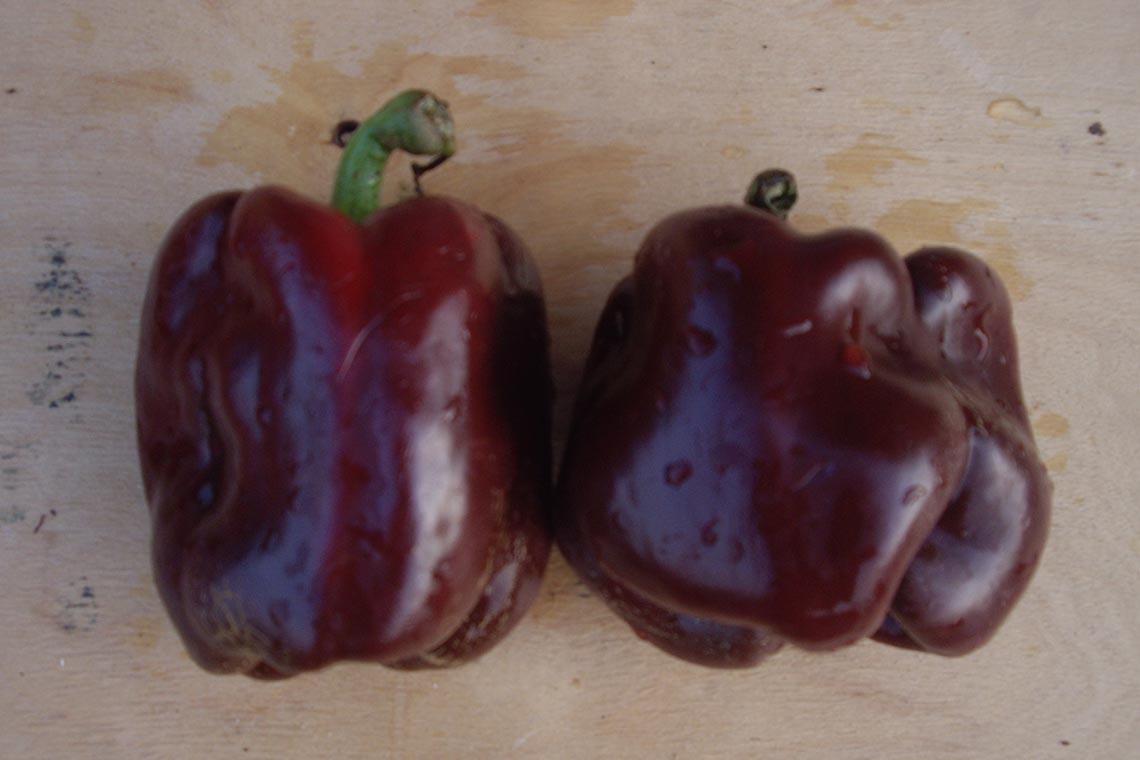
A mid-early Siberian variety, the harvest ripens 3-4 months after transplanting. Sweet Chocolate's main advantage is its frost tolerance and resistance to pests. The variety got its name because the peppers turn chocolate-colored after ripening.
The firstborn of Siberia
Siberian gardeners often plant the Pervenets Sibiri variety because it's resistant to severe frosts. The main advantages of this pepper variety include:
- productivity;
- compactness;
- rapid ripening;
- protection from pests.
Novosibirsk
Novosibirsk pepper is considered the best early-ripening Siberian variety. It produces fruit well, even with poor care. The yield per bush is 3-4 kilograms.
An early miracle
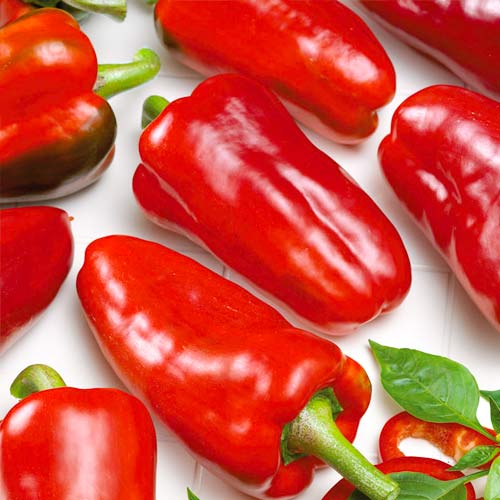
A compact plant with large, reddish fruits. Early Miracle ripens in early summer, 2-3 months after sowing. Peppers can be stored for 2-3 months at room temperature.
Moneybags
A sweet pepper that reaches full maturity in 155 days. The Tolstosum doesn't require staking or pruning, as it doesn't grow taller than 40 centimeters.
What to plant in central Russia
There are five types of peppers that are ideal for growing in the middle zone.
Boyar
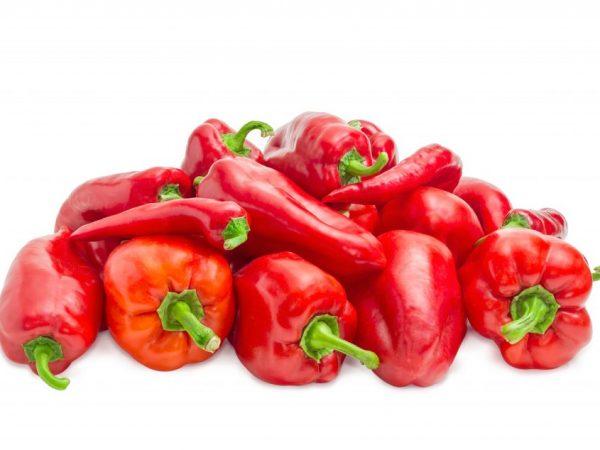
An early-ripening variety, resistant to fungal diseases, pests, and low temperatures. At least five kilograms of peppers are harvested per square meter.
Antique dealer
A vigorous plant that can reach up to two meters in the garden. The bushes often break under the weight of the fruit, so the stems are tied to supports. Antikvar produces large fruits weighing 350 grams. They are suitable for canning, freezing, and processing.
Arab
Many gardeners in the central part of the country grow Arap peppers because they are resistant to drought, high humidity, cold, and common diseases. Arap peppers are purple in color. The average pepper weight is 200-400 grams.
Asti
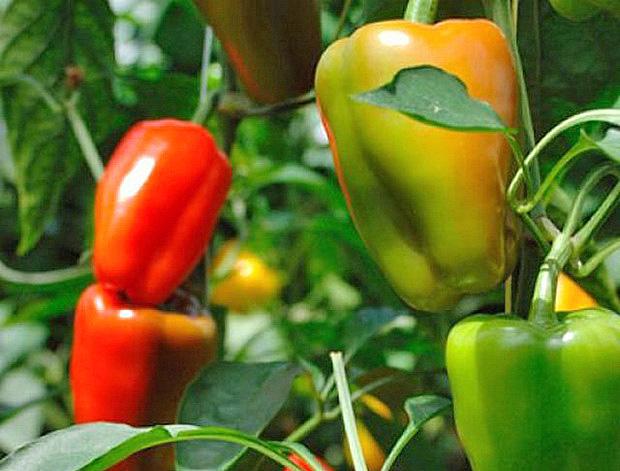
Lovers of early-ripening vegetables often buy Asti seeds. This pepper matures in 115 days. The harvested cube-shaped crop does not crack and has a long shelf life.
Annushka
This tall pepper is grown in greenhouses. When ripe, Annushka's harvest is distinguished by its pleasant aroma, juiciness, and excellent flavor.
Popular varieties for the Moscow region
Before choosing and purchasing pepper seeds for the Moscow region, you need to figure out which varieties are best grown in this region.
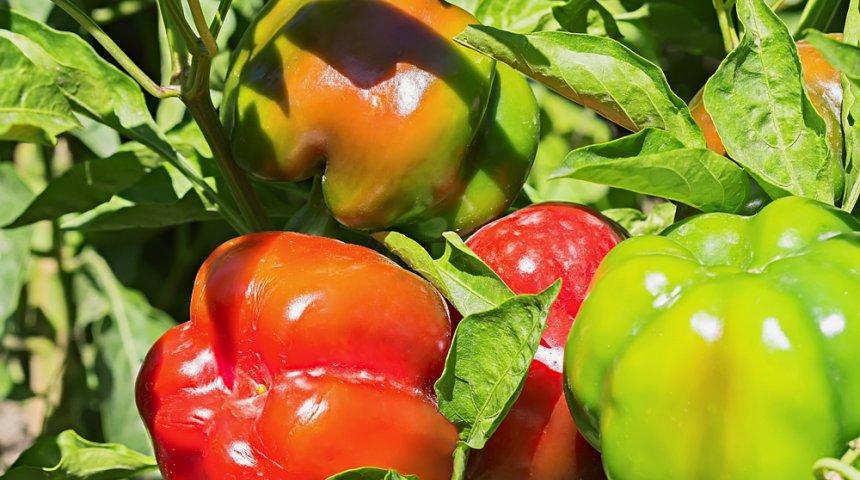
Gogoshary
Experienced gardeners recommend planting this vegetable in greenhouses, as the plants can die due to low temperatures. With proper care, the seedlings grow to 40-50 centimeters. Gogoshar fruits are oblong and oval in shape.
They can be colored yellow, purple or burgundy.
Victoria
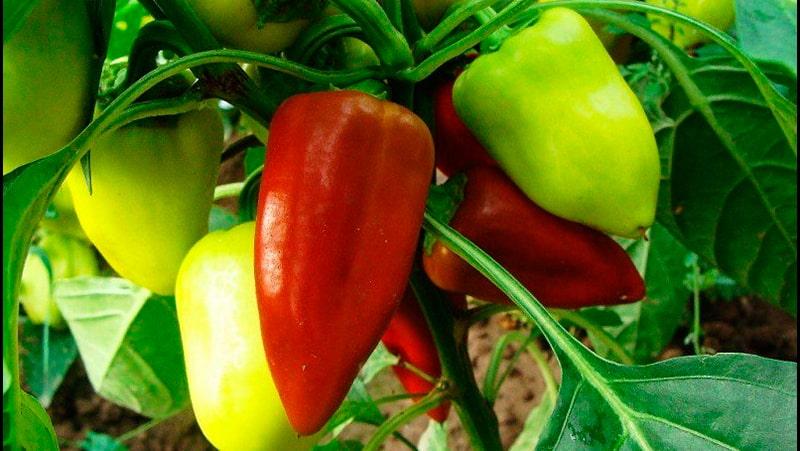
Victoria peppers ripen in 90-100 days, making them considered an early-ripening vegetable. In summer, small peppercorns appear on the bushes, which grow to 10-12 centimeters in length as they grow. Victoria peppers have very juicy and tender flesh, making them often used for canning.
Kolobok
Kolobok is suitable for growing on a balcony in small pots, as it doesn't grow taller than 30 centimeters. The variety's fruits are also small, weighing no more than 80 grams.
Winnie the Pooh
A low-growing pepper that can grow and bear fruit even in sub-zero temperatures. Peppers weigh no more than 50 grams and are 7-8 centimeters long.
Agapovsky
Agapovsky peppers should be grown in greenhouses to obtain a larger harvest. In summer, when the first fruits begin to appear, the plants are tied to supports. The variety also requires periodic pinching to speed up ripening. The average yield is 7-10 kilograms from 2-3 plants.
Hercules
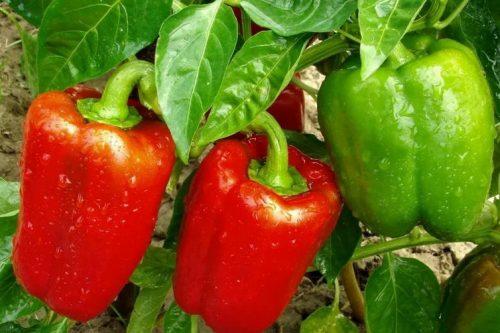
A mid-season variety with vigorous, branched bushes 1-2 meters tall. When growing Hercules, harvesting begins no earlier than July or August. When grown in a greenhouse, each pepper can weigh 550-600 grams.
Conclusion
Many people with their own gardens grow peppers. Before planting, it's important to familiarize yourself with the characteristics of the most popular varieties.
Related posts:
 TOP 30 best varieties of sweet peppers for greenhouses with descriptions
 Description of blight-resistant tomato varieties for open ground and greenhouses
 What varieties of tomatoes are best to plant in a polycarbonate greenhouse?
 Descriptions and names of varieties and the best types of radish, planting and care
 Description of the best varieties of cluster tomatoes and growing rules
 The best grape varieties for growing in the Urals, planting and care rules in summer
 80 Best Eggplant Varieties for Different Regions with Descriptions and Characteristics
 Descriptions of the 20 best cherry varieties for the Moscow region, their planting and care