
- Is it possible to grow peppers at home?
- Deciding on the variety
- Varieties of bell peppers
- Varieties of hot and bitter peppers
- Necessary conditions for growth and fruiting
- Temperature
- Lighting
- Air humidity
- Ventilation
- Capacity and soil composition requirements
- Preparatory stage
- Preparing the soil and pot
- Pre-sowing seed treatment
- Germination and care of seedlings
- Timing and technology of sowing
- How to properly care for seedlings?
- Picking
- We are replanting the plant
- We organize care for mature pepper bushes
- Regularity of irrigation
- Fertilizing
- Stimulation of pollination
- When is it worth replanting a crop?
- Plant shaping and pruning
- Disinfection and pest control
- When to Expect the Harvest: Rules for Harvesting and Storing Fruits
- How to get seeds at home
- What problems do you encounter when growing peppers at home?
Bell peppers are grown everywhere in gardens. Before planting outdoors, you should learn how to grow bell peppers from seeds indoors. By following all the proper growing practices for seeds and caring for seedlings, you'll be able to reap a bountiful harvest by fall.
Is it possible to grow peppers at home?
Peppers, like many other agricultural crops, are first grown indoors and then transplanted into the open ground. However, you can also leave the seedlings indoors and grow a harvest indoors. If you have a large glassed-in balcony, you can create all the necessary conditions for growing hot and bell peppers. Balconies are used not only for growing seedlings for subsequent planting in the open ground but also for growing crops indoors.
Bell peppers grow well on windowsills, on south or west sides. The key is to ensure the seedlings receive sufficient sunlight. Otherwise, they will become leggy. If natural light is insufficient, install artificial light lamps near the containers.
Deciding on the variety
Not all varieties of hot and bell peppers are suitable for indoor planting. For example, tall varieties will lack space and, consequently, will not thrive.
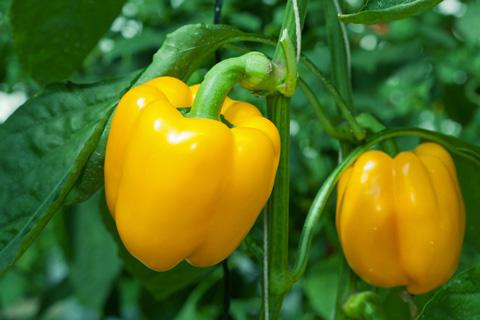
Varieties of bell peppers
For home conditions, compact, low-growing bushes that are easy to care for are best suited.
Sweet pepper varieties suitable for growing on a windowsill:
- Treasure Island is a mid-early variety, with the first peppers appearing on the bushes 90-105 days after planting. The peppers are heart-shaped and weigh approximately 60 g. The peel is 7-9 mm thick.
- The Firstborn of Siberia—fruit ripens 110-120 days after sowing. This large-fruited variety weighs approximately 100 g. The skin is a rich red-orange, and the flesh is aromatic.
- Dwarf – characterized by small, juicy fruits with a reddish tint to the skin. Ripe peppers weigh 70-82 g. They ripen 110 days after sowing.
- Gift of Moldova is a large-fruited variety with dark-red, sweet-tasting fruits. They weigh 90-95 g. This variety has a late ripening period, with the first ripe fruits appearing 130-138 days after sowing.
- "Akvarel" is another mid-early variety, with the fruit reaching technical maturity 110 days after planting in open ground. Mature fruits are small in weight, approximately 30-35 g.
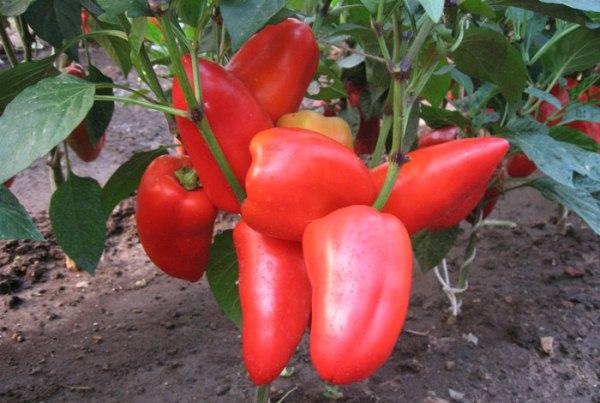 Planting tall bushes indoors is not recommended. These species have a strong root system that won't thrive in such conditions. This means they won't produce a harvest.
Varieties of hot and bitter peppers
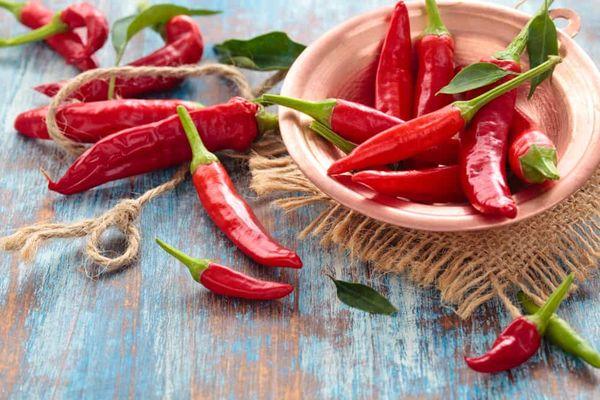
The best varieties of hot pepper Chili for growing at home:
- Hungarian Yellow is a hot pepper suitable for growing on a windowsill. The peppers are small and have yellow skins.
- Early jalapeño is a hot red pepper. The peppers are cone-shaped and have thick skin. They have a very spicy taste.
- Purple jalapeños are large, black-red fruits with an elongated, conical shape and fleshy pulp.
- The Magic Bouquet pepper got its name from the way its fruits are arranged in a "bouquet" of several. The peppers are 10 cm long and weigh approximately 20 g.
As with bell peppers, it is best to choose compact, small bushes for planting indoors.
Necessary conditions for growth and fruiting
Growing peppers is a simple process, although it does present many challenges at home. Many people who grow peppers at home don't always succeed the first time.
Temperature
Peppers don't grow well if they're kept in cold temperatures or regularly exposed to drafts, so it's important to provide them with the right temperature. It's also undesirable to expose plants to sudden temperature changes. During the day, the room temperature should be between 24 and 26 degrees Celsius, and at night, between 10 and 16 degrees Celsius.
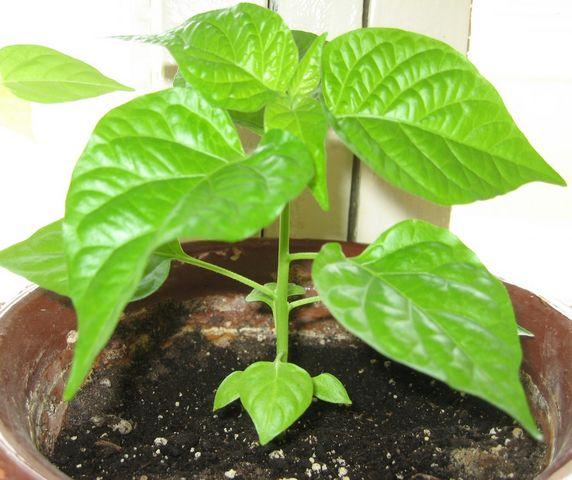
Lighting
When growing peppers, a common problem is insufficient sunlight, especially in winter when daylight hours are short. Plants should be exposed to at least 12 hours of light per day. Lights should be installed near the containers on a windowsill and turned on for several hours.
In summer, it's best to place containers on east- or west-facing windows. South-facing windows are not recommended in summer, as the sun is very strong at this time and can damage the plants. In winter, south-facing windows are suitable because the sun is less intense.
Air humidity
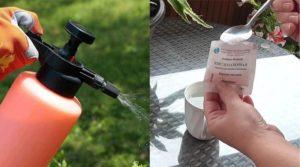
Peppers don't tolerate dry air well. This problem is especially common when growing peppers indoors during the winter. Heating can cause the air in your apartment to become too dry, especially near windows where radiators are located. To ensure proper growth and harvest, you should regularly humidify the air. For example, place a wet towel on the radiator or spray water near the containers.
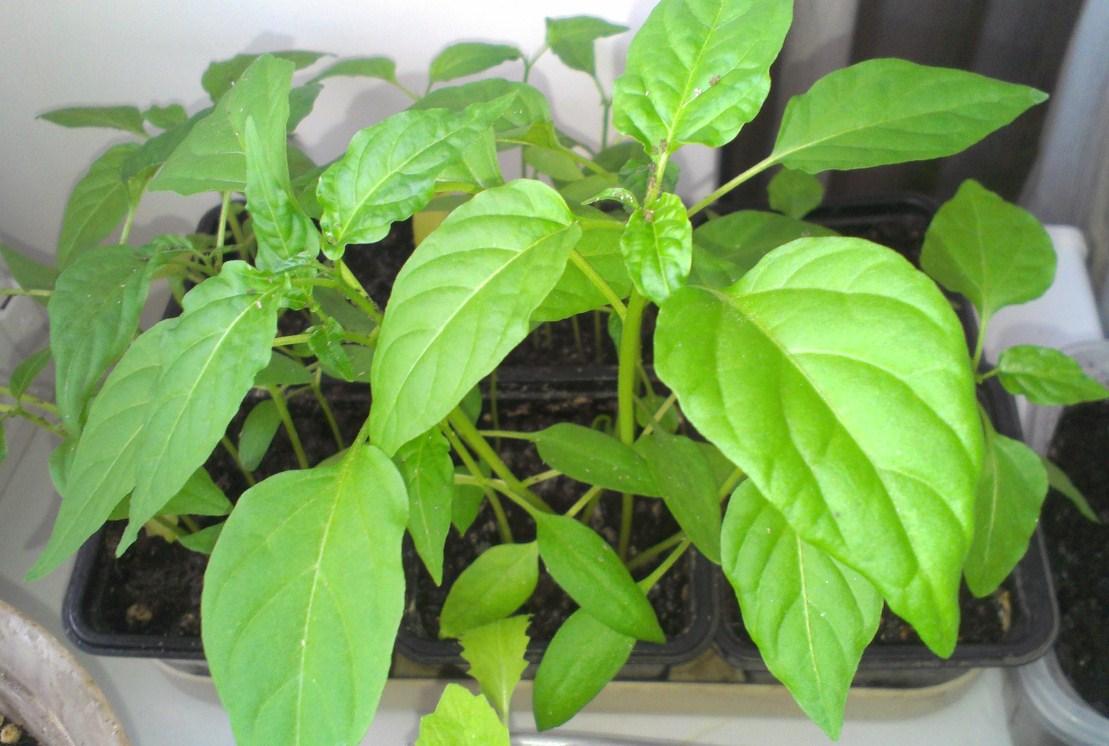
Ventilation
Stale air in an apartment negatively impacts the growth of the plants and the formation of fruit. However, opening windows near the boxes is not advisable. Drafts can kill the peppers.
Several times a week, containers with plants are moved to another room and the windows are opened for 10-15 minutes to ventilate the room.
Capacity and soil composition requirements
Peppers prefer fertile, loose soil. Black soil, loamy soil, or sandy loam are best. Pepper pots should be deep and spacious. For normal growth, the plants need ample space. A small container won't allow the root system to develop properly.
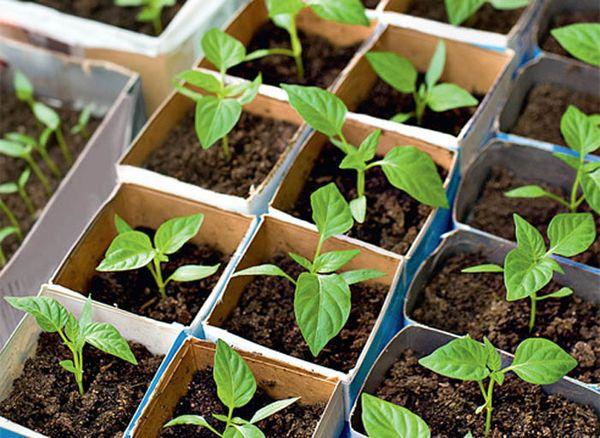
Preparatory stage
Planting bell and hot peppers is easy step by step. First, prepare the soil, containers, and planting material.
Preparing the soil and pot
The easiest way is to buy a ready-made soil mixture for vegetable crops.
To prepare your own soil mixture, you will need:
- 2 parts turf soil;
- 1 part humus;
- 1 part clean river sand.
Mix all the ingredients to create a homogeneous soil mixture. Place fine drainage material (pebbles, eggshells, or fine crushed rock) at the bottom of the container. Then fill the containers with it. After this, you can begin sowing the seeds.
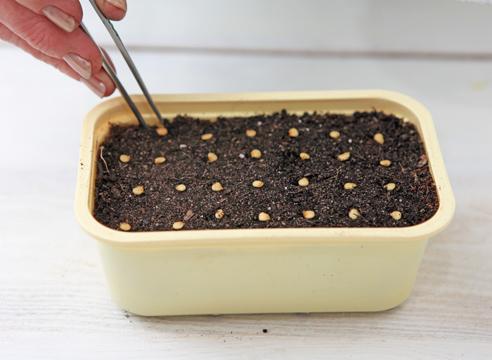
Before sowing seeds, pots should be washed in a weak solution of potassium permanganate to disinfect them.
Pre-sowing seed treatment
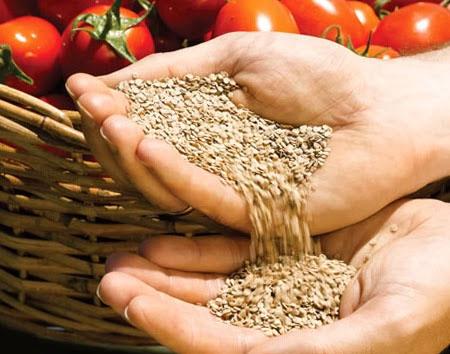
Before sowing, it's a good idea to separate the good seeds from the bad ones. To do this, dissolve 2 tablespoons of salt in 200 ml of water. Then, add the seeds. After a while, some will sink to the bottom. Seeds that float to the surface of the water are bad and unsuitable for planting. After this procedure, rinse the seedlings in water and dry them.
A few days before planting, germinate the seeds. To do this, moisten a piece of cheesecloth and place the seedlings in it. Then cover with a second piece of cheesecloth. Place the package in a warm place. It's important not to let the seeds dry out. Spray the cheesecloth with water regularly. After a few days, the seeds will begin to germinate. After this, they are ready for planting.
Germination and care of seedlings
The second stage of growing peppers is determining the sowing dates and the actual cultivation of seedlings.
Timing and technology of sowing
It's best to sow in late February. This way, the seedlings will have enough sunlight and won't need artificial lighting.
The process of planting bell peppers:
- fill the containers with soil;
- make several furrows in the ground, 1-1.5 cm deep;
- sow the seeds (it is better to throw one seed at a time and leave some space between them);
- lightly sprinkle with soil and water with warm water;
- then cover the boxes with cling film;
- The film is removed regularly to allow the soil to breathe and to water the seeds;
- After the sprouts appear, the film is removed.
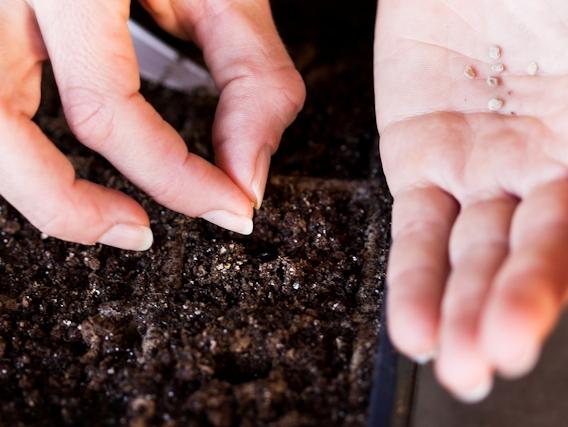
Hot pepper seeds are planted using the same technology.
How to properly care for seedlings?
Caring for indoor-grown bushes involves the same procedures as for those grown outdoors. Water the bushes regularly. Add mineral and organic fertilizers. Indoor bushes require more fertilizing than those grown outdoors. Another important procedure is pest and disease prevention. These problems also arise indoors.
Picking
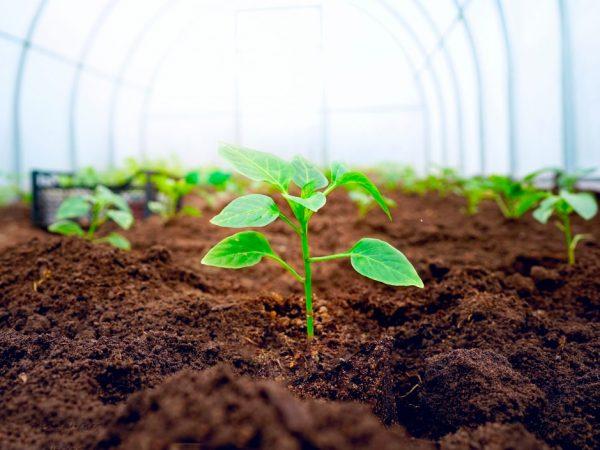
As soon as the first pair of full-fledged leaves appear on the bushes, they are transplanted into individual cups. Peat cups are best. The seedling is dug up along with some of the soil and placed in the new container. Water with warm water.

We are replanting the plant
A mature pepper plant needs to be repotted once a year. After a year in the same pot, the soil becomes poor, and the pepper stops producing fruit. After two years, the pepper plant stops producing fruit completely, as its life cycle ends. After two years, the plant can be discarded and a new one planted.
We organize care for mature pepper bushes
With proper care, bell peppers will produce a good harvest even when grown at home on a balcony.
Regularity of irrigation
Peppers prefer moist soil, but when grown in the winter and spring, the soil dries out quickly due to heating. Water the plants as the soil dries out. Use warm water for irrigation.
Fertilizing
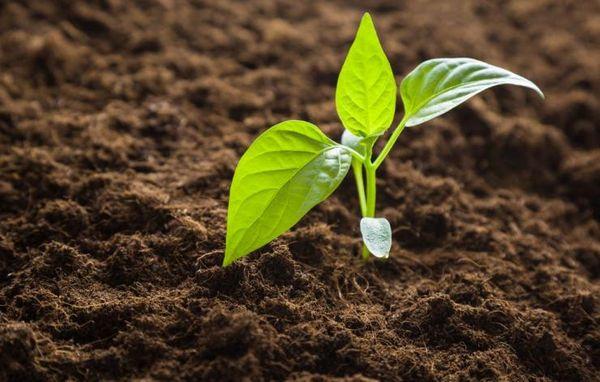
Peppers should be fed immediately after sprouts begin to emerge. Nutrients are applied once every two weeks after watering the plants. During the first half of the season, nitrogen-based fertilizers for indoor plants are most often used. Peppers can also be watered with rotted manure or chicken manure diluted in water. Once flowering begins, the plants are fed with phosphorus and potassium fertilizers. Organic fertilizers are used throughout the growing season.
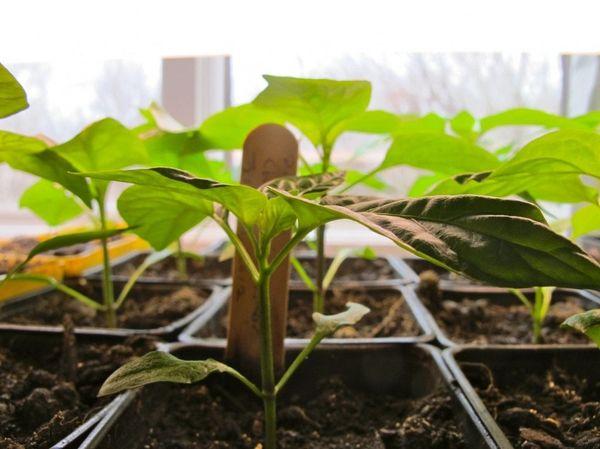
If the leaves begin to take on a "marbled" color, they are deficient in magnesium. If they begin to curl, add potassium nitrate or potassium sulfate to the soil.
Stimulation of pollination
The biggest challenge faced when growing peppers indoors is pollination. Attracting bees or installing hives is impossible. Pollinating the flowers is difficult otherwise. One method is to shake pollen off the flowers during flowering. But a more effective method is to purchase self-pollinating varieties suitable for greenhouses.
Take a look Also
When is it worth replanting a crop?
After transplanting, the pepper plants begin to actively grow foliage and root system. Once the plant has produced several pairs of full-fledged leaves and has grown tall, it is transplanted into larger pots. Avoid keeping the peppers in their pots for too long, as this negatively impacts the root system. It's better to transplant them into a larger pot sooner.
Plant shaping and pruning
Peppers don't require shaping or pruning. You can pinch the top to prevent the plant from becoming too tall and to encourage bushy growth.

Disinfection and pest control
Even when grown indoors, diseases and pests can be a problem. Blackleg is the most common disease affecting peppers. This disease appears during the shoot growth stage. Seedlings are watered with a weak solution of potassium permanganate and the frequency of watering is reduced. Disinfecting seeds and soil before planting helps prevent bacterial spot. If a plant is infected, it will simply have to be discarded.
Fusarium wilt can be prevented by treating the bush with Fundazol. Apply it to the planting material before planting.
Peppers can be susceptible to spider mites when grown indoors. To get rid of them, spray them with a soapy solution or garlic infusion. To prevent pests from appearing altogether, heat the soil and water it with a weak solution of potassium permanganate before planting.
When to Expect the Harvest: Rules for Harvesting and Storing Fruits
Peppers at the technically ripe stage are cut off, stems included. They are washed and refrigerated. They can be stored in this way for up to a week. To make them more suitable for use in various dishes, the peppers are diced and frozen.
How to get seeds at home
You can only obtain seeds from domestic peppers if they are not hybrid varieties. Seeds collected from F2 varieties do not germinate. Planting material from regular varieties is collected from the largest and healthiest peppers. To do this, remove the stalk containing the seeds from the pepper and clean them. Then, rinse the seeds and spread them on cheesecloth to dry and become loose.
What problems do you encounter when growing peppers at home?
When growing peppers indoors, problems arise due to the bushes not having enough space in the pot. Pollination is another issue. It's better to plant self-pollinating varieties indoors. Also, the bushes don't always get enough light.
Related posts:
 Description of the best varieties of ornamental peppers, growing and caring for them at home
 Planting, growing, and caring for peppers in open ground in the Moscow region: the best varieties
 TOP 40 New Year's 2020 Meat Recipes Using Pork, Beef, Chicken, and Lamb
 TOP 40 Hot Dish Recipes for New Year 2020: What to Cook
 Description of the best pepper varieties for greenhouses and open ground in 2025
 Description and characteristics of the Habanero pepper variety, cultivation and care
 10 simple Armenian-style pickled hot pepper recipes for the winter
 Planting, growing, and caring for bell peppers in open ground