
- Origin and description of the plant
- Appearance of the bush
- Flowering and crop yield
- Where are the fruits used?
- The benefits and harms of Habanero peppers
- Advantages and disadvantages of the variety
- What conditions are required?
- Soil requirements
- Illumination
- Temperature and humidity
- What diseases and pests are dangerous for Habanero peppers?
- Mite
- Rot
- Virus
- Nematodes
- Growing seedlings
- Optimal timing for sowing seedlings
- Preparing the soil and planting container
- Seed stratification
- Sowing rules
- The nuances of outdoor care
- Irrigation and fertilization of bushes
- Formation
- Pollination
- Crop rationing
- Preventive treatments
- Peculiarities of growing at home
- How to propagate peppers from seeds
- Experienced gardeners' reviews of peppers
The Habanero pepper is a plant of the Capsicum genus in the Solanaceae family. It is one of the hottest peppers among the capsicums, distinguished by its pungent flavor. The plant's pungency was rated using a scale developed by the American pharmacist Wilbur Scoville. Because of its pungency, the Habanero is often chosen for growing indoors.
Origin and description of the plant
This variety originates from South America. Breeders have improved one of the chili varieties, achieving a heat level of 300,000 Scoville units. This pepper is approximately 40 times hotter than the jalapeño.
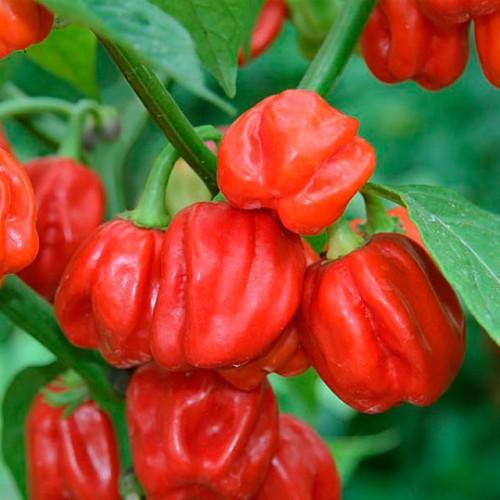
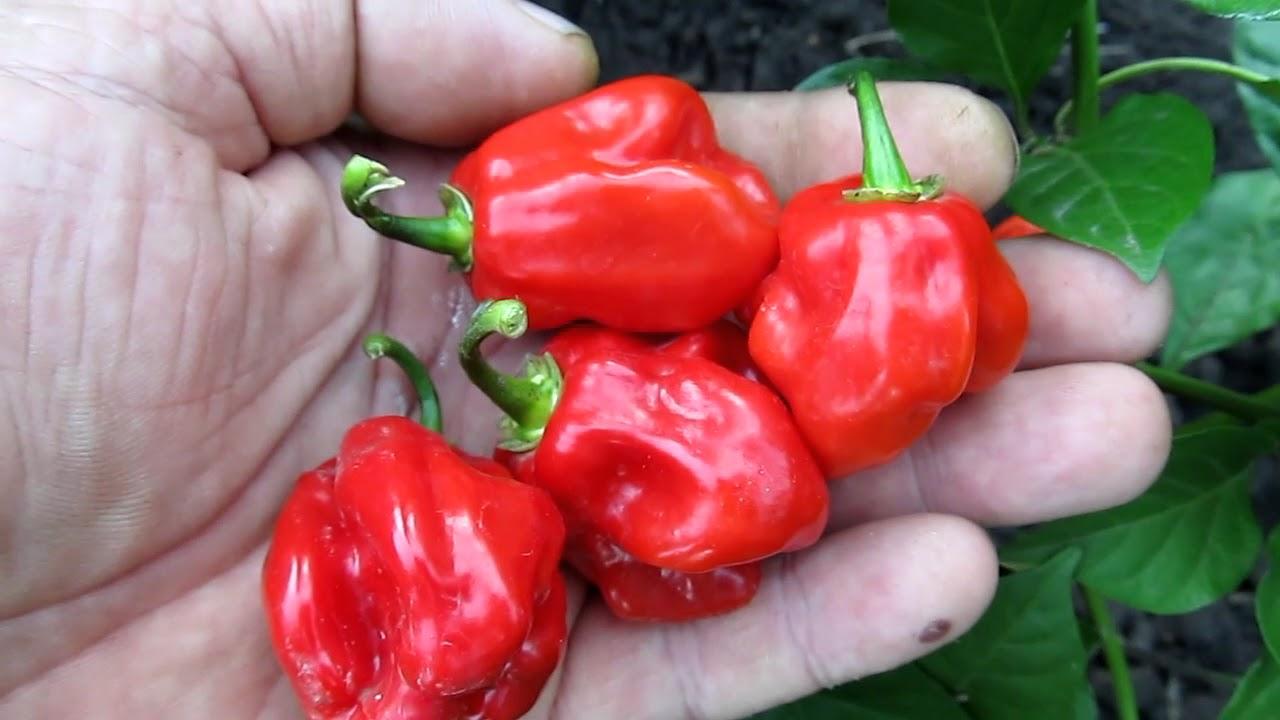
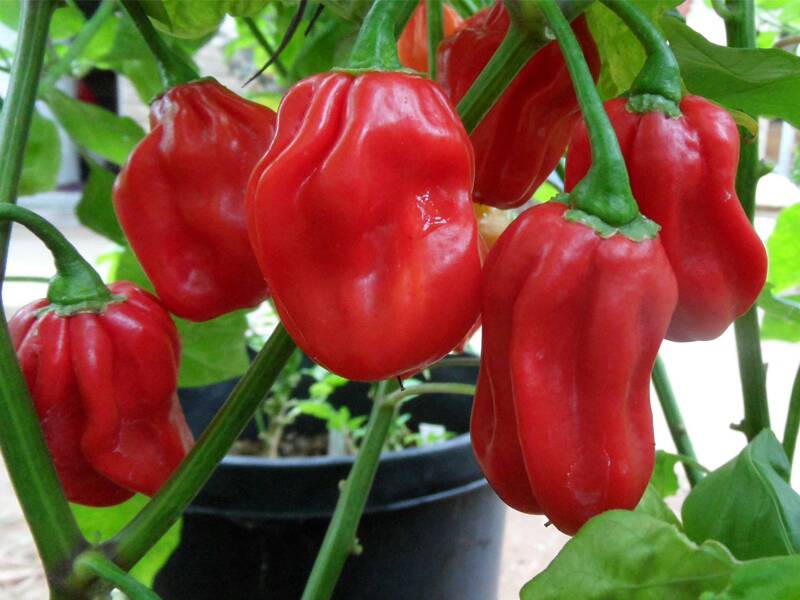
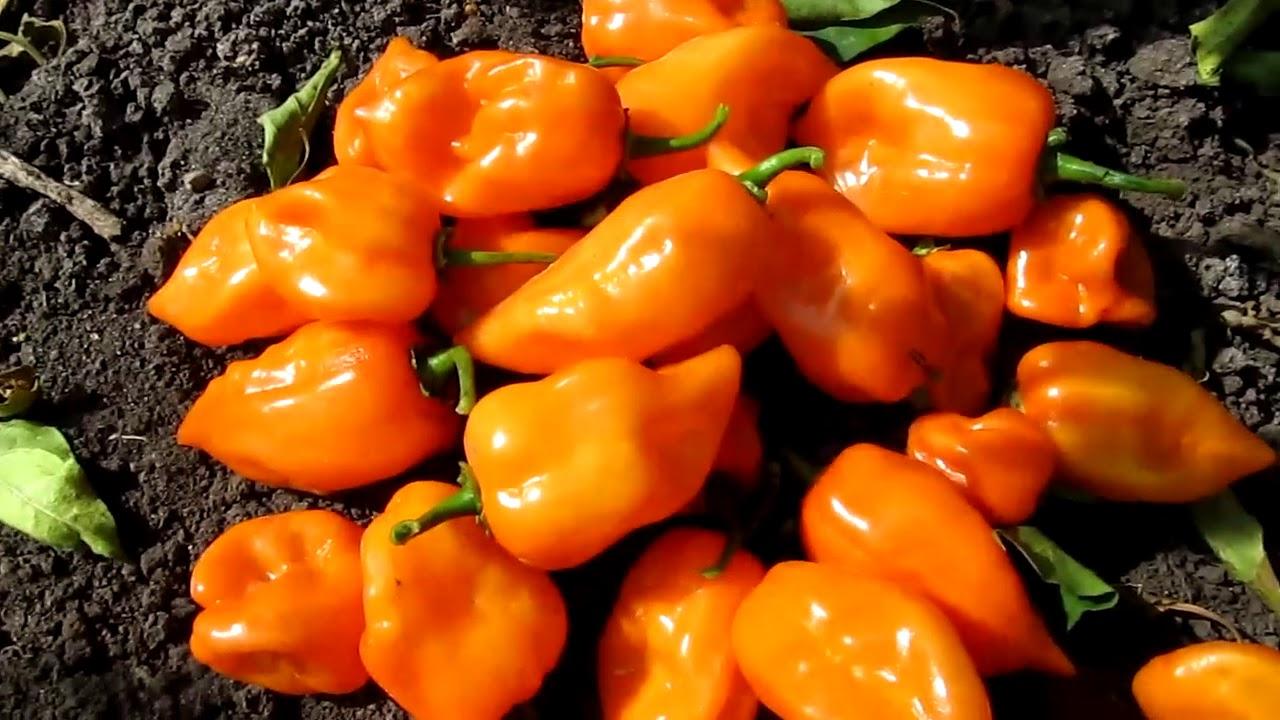
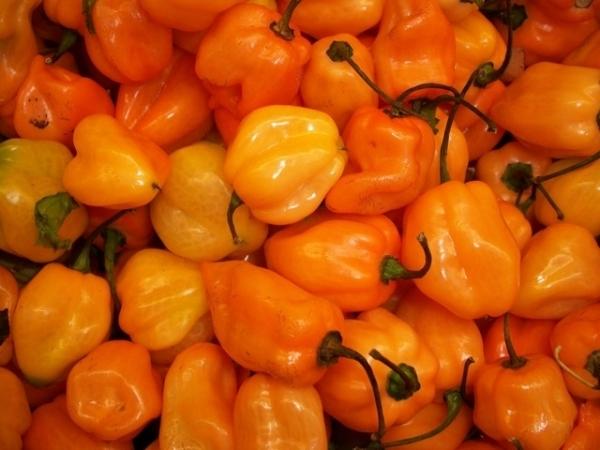
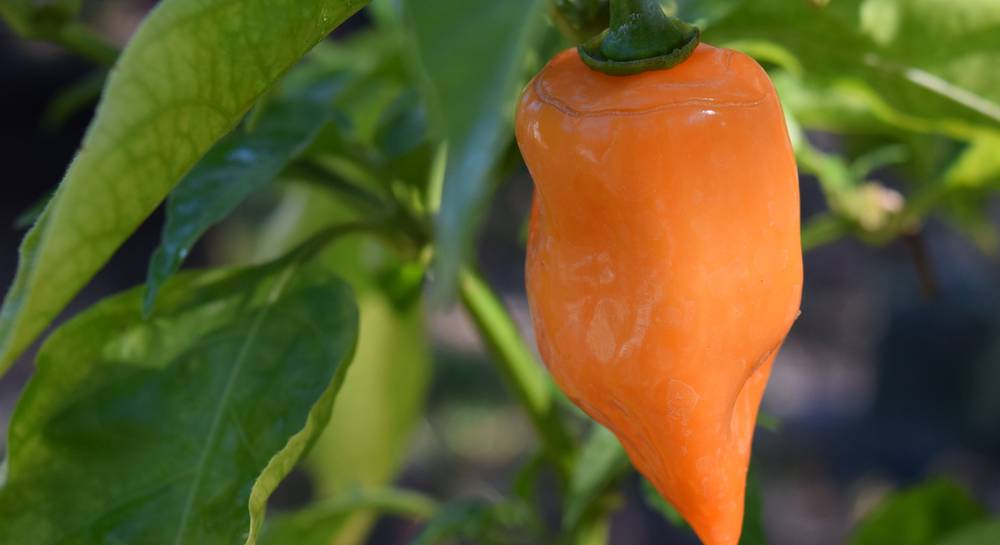
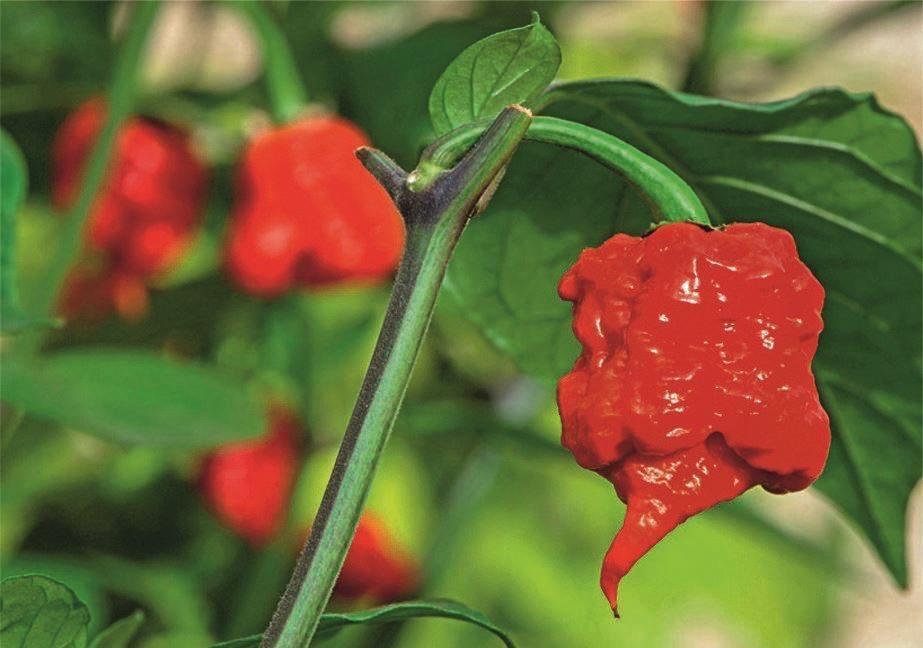
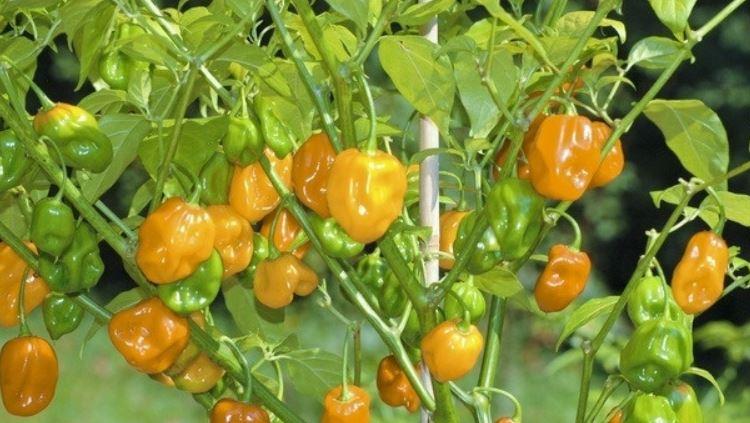
The bushes are vigorous, reaching a height of approximately 90 centimeters. Hand protection is recommended when harvesting. The fruits are 25-30 millimeters long and 35-40 millimeters wide. The pods are wrinkled, thin-walled, and resemble acorns. As they ripen, the pods change color from green to yellow. They can be used in Jamaican and Indian dishes.
The following varieties are distinguished:
- White - white pods that look like chewy candy.
- Fatali - pungency is 125-325 thousand units.
- Tigerpoo - orange pods.
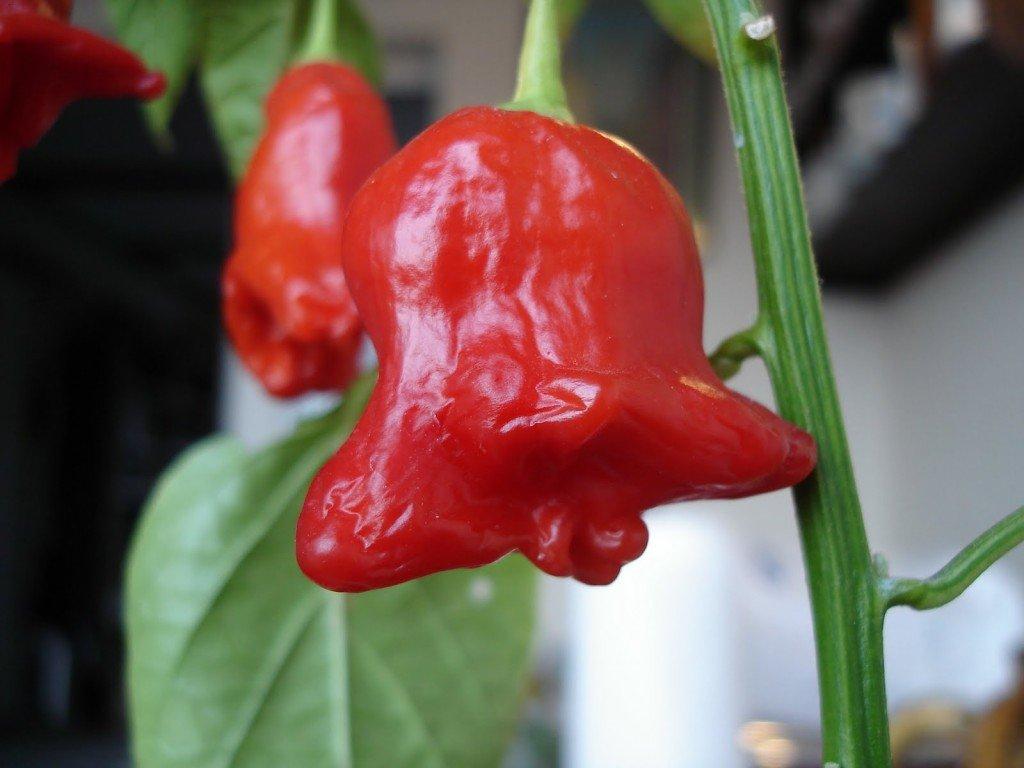
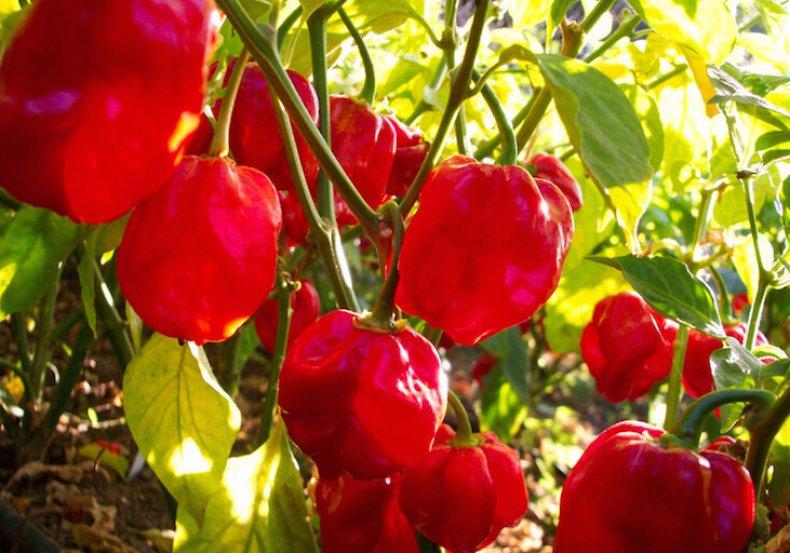
- Red Caribbean – bright red pods. Typically used in Mexican cuisine.
- Red Savina - fleshy pods.
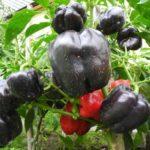
- Chocolate - brown pods with a slightly smoky and floral scent.
Habanero peppers contain a wealth of vitamins and microelements. Each fruit contains iodine, iron, calcium, phosphorus, and vitamins A, B, C, and D. Using the pepper for medicinal purposes should be done with caution. It's important to familiarize yourself with the contraindications and determine the correct dosage.
Appearance of the bush
The bush's stem is branched, and the leaves are shaped like eggs. The pods resemble small hearts and weigh about 50 grams.
Flowering and crop yield
Each plant can yield up to 2.5 kilograms of pods. A single bush can produce up to 95 pods. During flowering, the bush emits a rather pleasant aroma.
Where are the fruits used?
Habanero is primarily used in spicy dishes. Adding a little pepper gives the dish a very piquant flavor. The fruit contains capsaicin, which promotes hair growth. You can add a drop of juice to a hair mask.
The pods are also used to make plasters, serving as a kind of anesthetic. Pepper is also used to make frostbite remedies.
The benefits and harms of Habanero peppers
Benefits of the variety:
- increasing metabolic rate;
- slowing down aging;
- normalization of appetite;
- normalization of the gastrointestinal tract;
- general strengthening of the body;
- elimination of arthritis symptoms and discomfort in the spine;
- increasing resistance to stress.
Take a look Also
However, Habanero can also be harmful to some people. For example, it should not be consumed by those suffering from:
- heart and vascular diseases;
- gastrointestinal ulcers;
- allergy to capsaicin.
Advantages and disadvantages of the variety
The variety has the following advantages:
- fight against prostate cancer;
- anti-obesity remedy;
- lowering cholesterol levels;
- normalization of blood pressure;
- prevention of diabetes;
- antioxidant properties of the product;
- the possibility of using an anti-inflammatory remedy;
- cure of colds;
- cleansing the gastrointestinal tract from parasites.
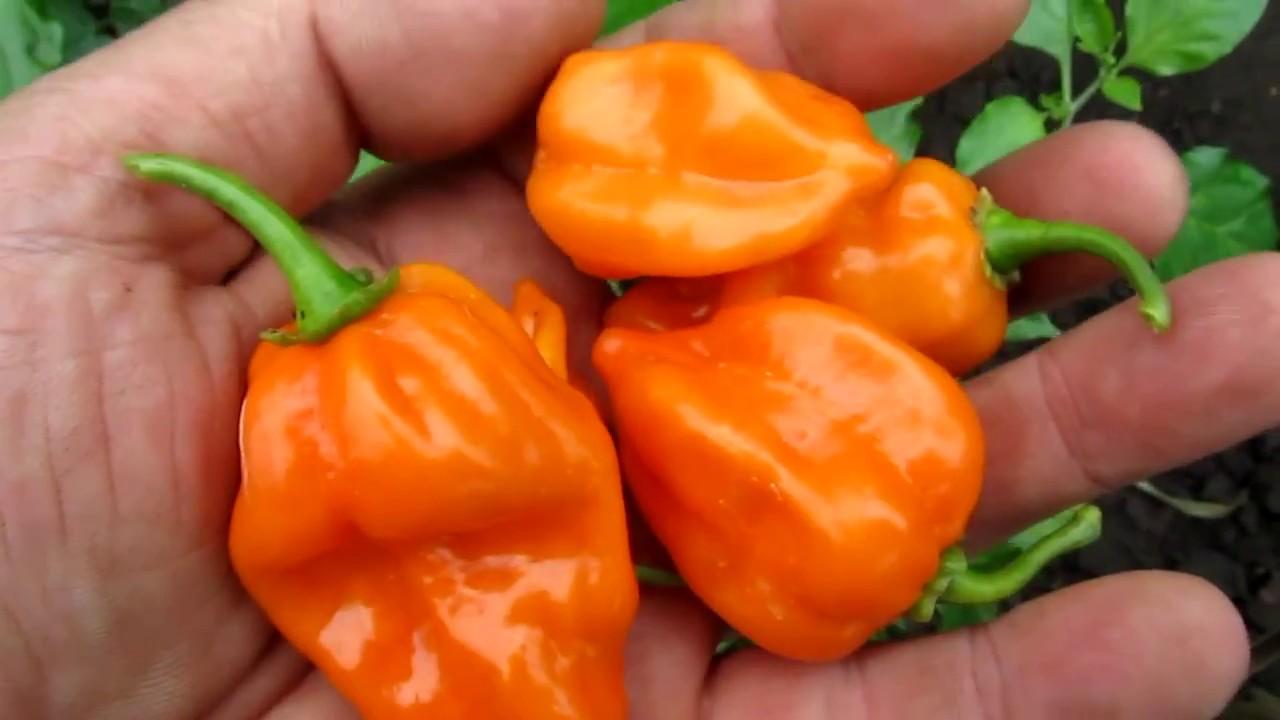
Another advantage of the Habanero is its undemanding growing conditions. It can be planted in pots filled with soil, in open ground, or in a greenhouse.
The disadvantages of the variety are as follows:
- unpleasant taste, pain when consumed;
- digestive discomfort;
- increased pressure;
- increase in temperature;
- irritation of highly sensitive skin.
What conditions are required?
This variety is considered heat-loving. If favorable conditions are created, it can be grown indoors.
Soil requirements
Peppers should be planted in slightly acidic soil, with a pH of approximately 5.5.
Illumination
The seedlings need sufficient warmth and sunlight. Remember that Habaneros are sensitive to drafts.
Temperature and humidity
Habaneros stop growing if temperatures drop below 16 degrees Celsius (61 degrees Fahrenheit). They should be grown either in a greenhouse or indoors. They thrive best at temperatures between 22 and 25 degrees Celsius (72 to 77 degrees Fahrenheit). They need regular, but not excessive, watering.
What diseases and pests are dangerous for Habanero peppers?
Pests eat the rhizomes and young shoots of the bushes, inhibiting their development. When temperatures drop, peppers can be attacked by fungi. Blackleg and fusarium wilt are the most dangerous.
Mite
You can get rid of ticks using wood ash infusions or insecticides. Organic products are preferable.
Rot
You can prevent the appearance of rot by following these rules:
- careful harvesting of fruits;
- removal of damaged leaves;
- removal of damaged petioles.
Virus
Plants infected with the virus must be removed. The virus is transmitted by aphids, so it's important to monitor the soil to ensure it's free of ants, which carry the aphid virus.
Nematodes
Damaged rhizomes should be immersed in water (temperature – from 50 to 55 degrees).
Growing seedlings
Peppers need to be grown in warm soil. Therefore, indoor cultivation is preferable. Even in southern Russia, gardeners are hesitant to plant peppers outdoors.
Take a look Also

Optimal timing for sowing seedlings
Peppers are planted in open ground or a greenhouse 9 weeks after sowing the seeds. Seeds should be sown 60-75 days before the desired ambient temperature is reached.
Preparing the soil and planting container
Pepper seedlings can be grown in homemade or store-bought soil. The soil should be baked in the oven and disinfected to remove pests and fungal spores. Store-bought soil does not require any additional treatment.
A container with drainage holes or special peat cups can be used as a container. The rhizomes should be protected from light. For this purpose, opaque containers are used.
Seed stratification
Before planting, seeds need to be prepared. To do this, follow this algorithm:
- take the seeds and place them in a slightly salty solution for half an hour;
- The seeds that float to the surface are removed. The seeds that remain at the bottom are washed with hot water;
- The seeds are soaked for 3 days. To do this, they are laid out on a wet cloth and placed near a radiator;
- While the seeds are germinating, heated water is regularly added to them.
Sowing rules
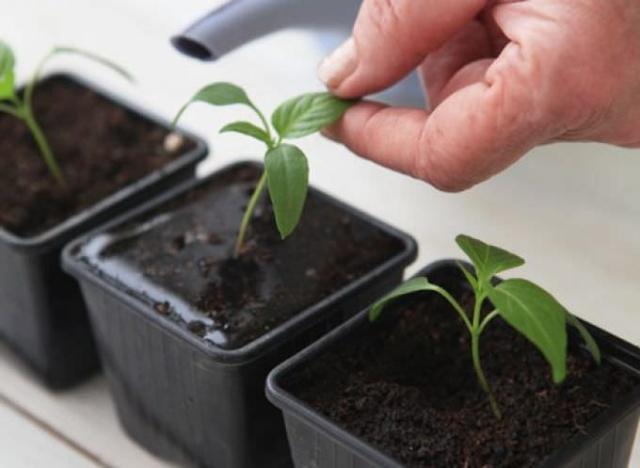
The soil should be warmed to 25 degrees Celsius and moistened. The seeds are planted in holes approximately 0.9 millimeters deep. The distance between rows of seeds should be 50 millimeters.
Sprinkle the seeds with soil and compact it. Water with a spray bottle to prevent soil erosion. Cover the containers with film, glass, or plastic until the sprouts appear.
The nuances of outdoor care
Habanero requires care similar to other legume varieties. Increased humidity, temperature, regular soil fertilization, and preventative measures will all help ensure a bountiful harvest.
Irrigation and fertilization of bushes
Once the seedlings are planted in open ground, they need to be watered regularly. The need for watering can be determined when the soil has dried to a depth of 20-30 millimeters. During rainy periods, the bushes should not be watered; instead, the soil should be loosened. During drought, the soil should be mulched to prevent moisture evaporation. Watering should be done with water heated by the sun's rays.
Two weeks after planting the seedlings in the garden, fertilize the soil with minerals. You can also use an infusion of cow manure or nettle. When the ovaries begin to form, potassium and phosphorus should be added to the soil. Nitrogen is not used to prevent shoot growth from impeding fruit development.
Formation
Trim some of the leaves. Pinch the top of the crown as it grows.
Pollination
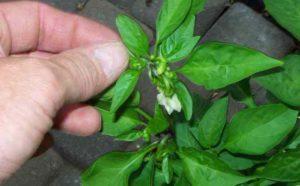
If you are growing Habanero on a windowsill or in a greenhouse, when the seedlings are blooming, spread the pollen over the flowers using a brush.
Crop rationing
When the bushes are in bloom, remove some of the emerging flowers. This will help strengthen the plants and increase the yield.
Preventive treatments
Before planting seedlings in the garden, treat the soil with Karbofos, Ultra, or Strela. After planting, spray the bushes with tobacco or onion infusion. If pepper plants are infested with aphids, whiteflies, or spider mites, wash the bushes with dishwashing liquid foam. Let the bushes soak in the foam for 60 minutes. Then remove the foam with warm water.
Take a look Also
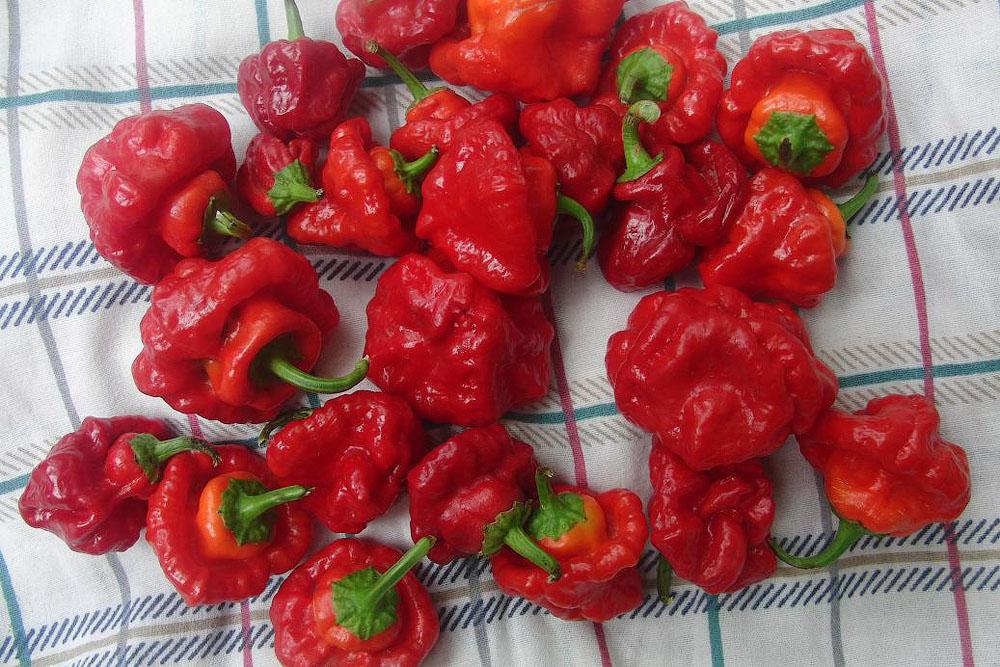
An infusion made from the pods can be used to water other plants. It protects crops from bugs, ants, and other pests.
Peculiarities of growing at home
Habanero peppers can be grown indoors, where they will produce fruit for approximately 12 months.
It is necessary to ensure that the optimal temperature and humidity are maintained, as well as that the plants are illuminated with lamps.
During the heating season, shrubs may be infested with spider mites. These mites attack plants when the air is not humid enough. To get rid of these pests, use a soap or garlic solution.
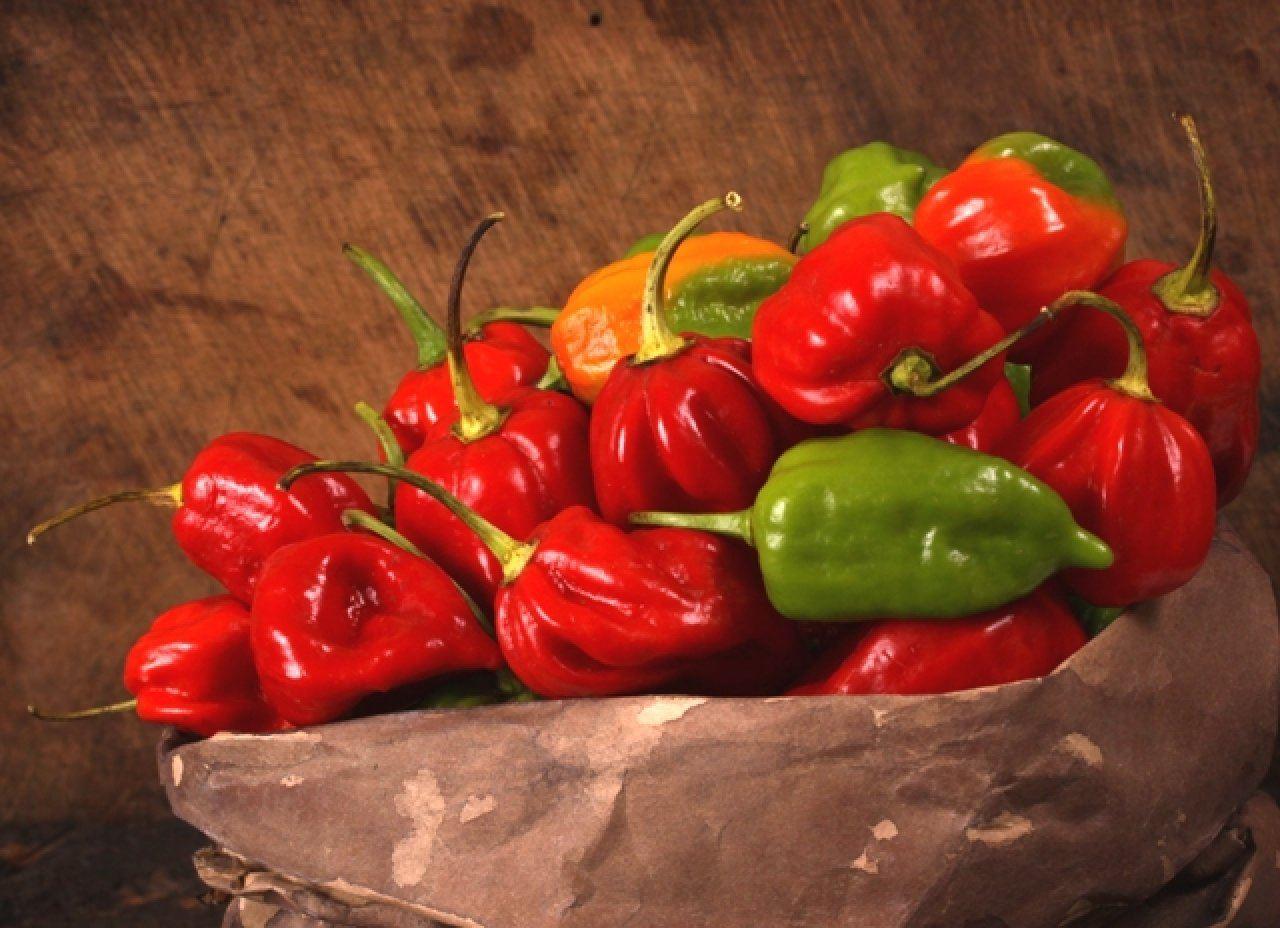 Habanero is often grown for ornamental purposes. The variety's distinguishing features are its beautiful leaves and vibrantly colored fruit. To ensure proper bush formation, side shoots need to be removed and the tops of the bushes need to be pinched occasionally.
How to propagate peppers from seeds
To propagate Habanero by seeds, you need to follow this algorithm:
- Wait until the ripe peppers hang on the bush for 10 days.
- Pick the fruit while wearing gloves. Spread them out to dry slightly. Avoid touching your skin with your gloves to avoid burning yourself.
- Make cuts on the pods and remove the seeds.
- Spread the seeds out and wait until they dry.
- Once the seeds are dry, distribute them into paper bags.
Experienced gardeners' reviews of peppers
Gardeners claim that habaneros can be successfully grown both on a windowsill and in the garden. However, they note the need to maintain optimal temperature, humidity, and lighting. People prefer to use the harvested pods as a hot spice. Habaneros are also often used in sauces.
Habanero peppers can be grown indoors for 8-9 years, with the plants producing fruit several times a year. They're not as difficult to care for as they might seem. They thrive in slightly acidic soil and tolerate drafts and cold air.
Related posts:
 TOP 40 New Year's 2020 Meat Recipes Using Pork, Beef, Chicken, and Lamb
 TOP 40 Hot Dish Recipes for New Year 2020: What to Cook
 Description of the best varieties of ornamental peppers, growing and caring for them at home
 Preparing pickled peppers in oil for the winter using simple recipes and storage conditions
 Description of the best pepper varieties for greenhouses and open ground in 2025
 TOP 20 delicious recipes for preparing bell peppers for the winter
 10 simple Armenian-style pickled hot pepper recipes for the winter
 Planting, growing, and caring for peppers in open ground in the Moscow region: the best varieties