
- Signs of boron deficiency and excess in peppers
- Advantages and disadvantages of boric acid
- Scope of application
- Seed treatment and disinfection
- Strengthening the root system of plantings
- Stimulation of the ovary
- Strengthening pepper bushes
- Pest and insect control
- Preparation of boric acid solutions and precautions
- How and when to use the product
- For soaking seed material
- As a foliar feeding
- Root treatment
- Using the drug against diseases and pests: the principle of action
- Fighting late blight
- Boric acid against ants
- Boric acid: which brand should you choose?
- Combined fertilizers with boric acid
- The most common mistakes
- Experienced gardeners' reviews of boric acid
Boron is a time-tested, effective tool used in growing garden crops. Spraying peppers with boric acid to strengthen the vitality of green plants not only increases yields but also serves as a disease preventative and insect pest control. Using boric acid guarantees a future harvest.
Signs of boron deficiency and excess in peppers
Boron has a positive effect on plant metabolism. A deficiency contributes to ammonia accumulation, which will adversely affect future harvests.
Signs of boron deficiency in peppers:
- The leaves of the plants are very small, do not grow, and are deformed (change shape).
- Flowers and ovaries fall off prematurely.
- The fruits are few and malformed.
- The growth of the root system slows down and the development of new shoots stops.
The increased boron content in peppers is also easy to determine by the appearance of the plants:
- The leaves turn yellow, wither and fall off.
- The shape of the leaves takes on a dome-shaped appearance.
- At the tips, the leaves begin to curl into a tube.
Boron overload, as well as its deficiency, negatively affects the cultivation of sweet peppers.
Advantages and disadvantages of boric acid
Experienced gardeners know how important it is to spray peppers and other garden crops with boron.
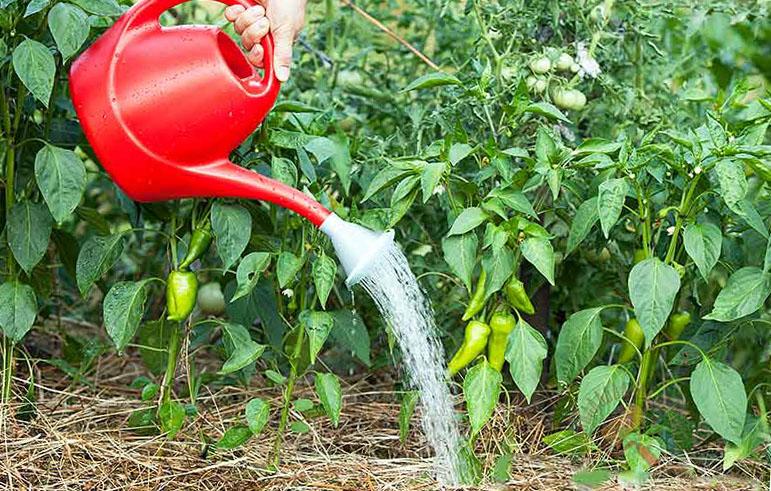
The benefits and harms of boron for peppers:
| Benefits of Boron Spraying | Flaws |
| Promotes accelerated plant metabolism, fruit formation, and preservation. In high humidity conditions, it prevents fruit rot. Strengthens pepper roots and stimulates new shoot development. | Boric acid is a chemical mixture, albeit weak, but excess boron will cause harm. It can burn the plant. To prevent this, use a spray bottle. |
| The yield increases. The fruit's flavor improves due to increased sugar content, and its shelf life is extended. | |
| Boron is especially useful when growing peppers outside the garden (on a balcony or windowsill). | |
| Boron is an easily digestible microelement that helps plants absorb other beneficial substances, such as calcium. | |
| Neutralizes the unwanted effects of overfeeding plants | |
| Serves as a preventative measure against diseases and harmful insects. |
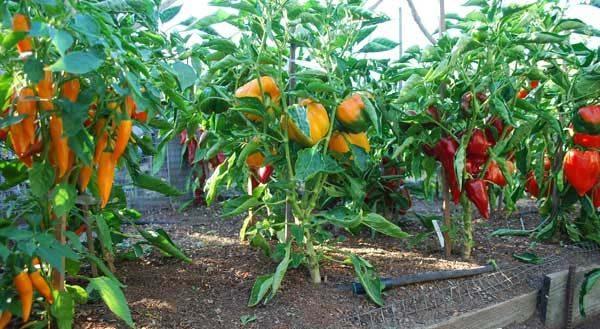
Important: To dissolve boric acid, it's best to use hot water, adding cold water until the desired volume is reached.
Scope of application
Boron acid is widely used by gardeners to preserve crops. It's used as a fertilizer, to stimulate seed growth, and to enrich waterlogged soils. It's also sprayed on peppers to promote rapid fruit development.
Boric acid is used in different ways:
- watered;
- spray;
- sprinkle dry powder.
Gardeners believe that spraying is the most effective method. It allows for controlled application, eliminates the risk of overfeeding, and can cover a large area in a short period of time.
Seed treatment and disinfection
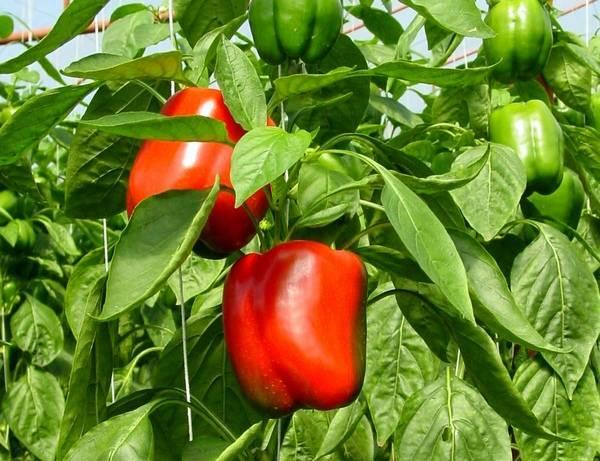
Some seeds may be contaminated with viruses, fungi, and other pathogens that become active during seed germination. To kill these pathogens, pepper seeds are disinfected. They are soaked in boric acid, which gardeners recognize as an effective preventative for late blight.
Prepare a weak solution: dissolve the dry preparation (on the tip of a knife) in 0.5 liters of water and add the seeds.
Gardeners recommend adding potassium permanganate to the boric acid solution, which kills all pathogens. After treating pepper seeds with boron and potassium permanganate, the plants are immune to infectious diseases. Most fungal infections (80%) originate from the seed, and only 20% originate from the soil.

Strengthening the root system of plantings
Peppers are fed with boron acid by watering the roots of the plant when signs of a micronutrient deficiency are noticeable. For this purpose, 2 grams of the preparation are dissolved in a bucket of water (10 liters). Boron strengthens the roots of peppers. They grow and develop faster, providing strength for the growth of young shoots. Boron is also used as an antiseptic, preventing root rot in high humidity.
The solution is applied directly to the roots of the peppers, avoiding the lower leaves and stems, and the soil is immediately loosened. The fertilizer will be more effective if organic matter, such as manure, is added to the solution. This is especially true when the peppers are losing leaves and buds. Young plants are watered with boron nitrate two weeks after being planted in their permanent location (a greenhouse or a garden bed).
 Important: To avoid burning, it is advisable to moisten the soil with clean water before applying boric acid to the roots.
Stimulation of the ovary
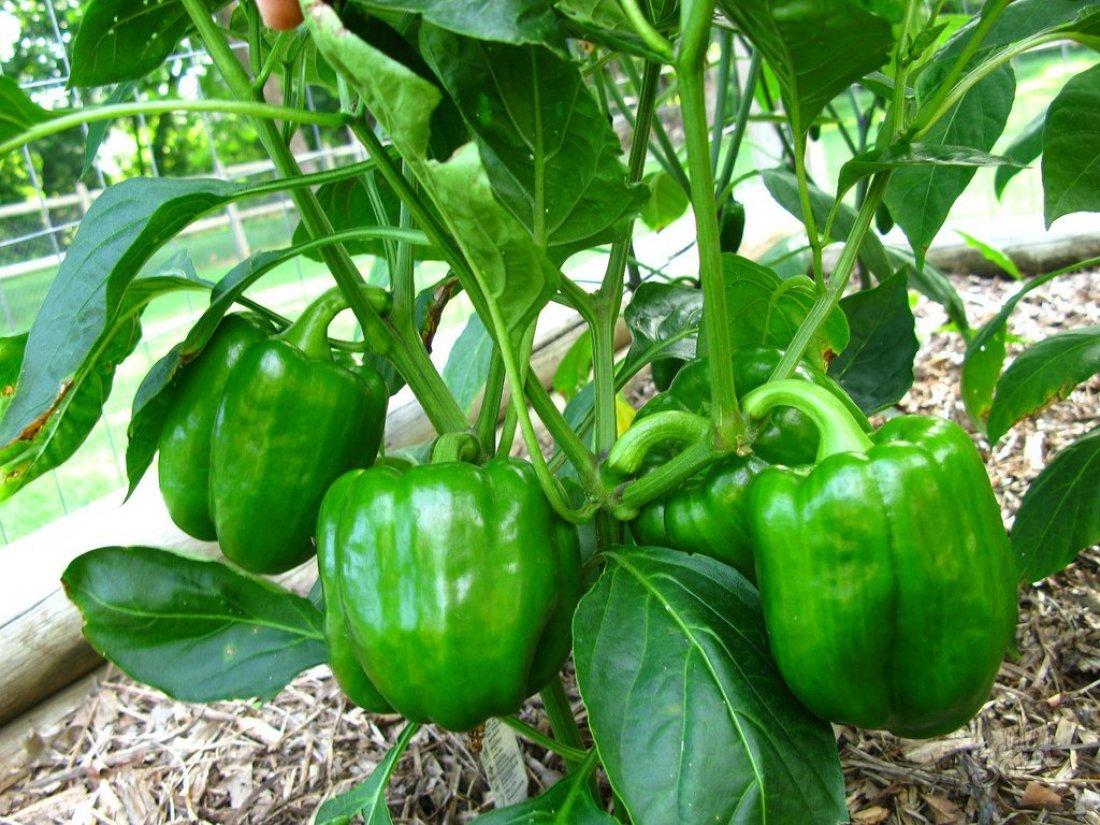
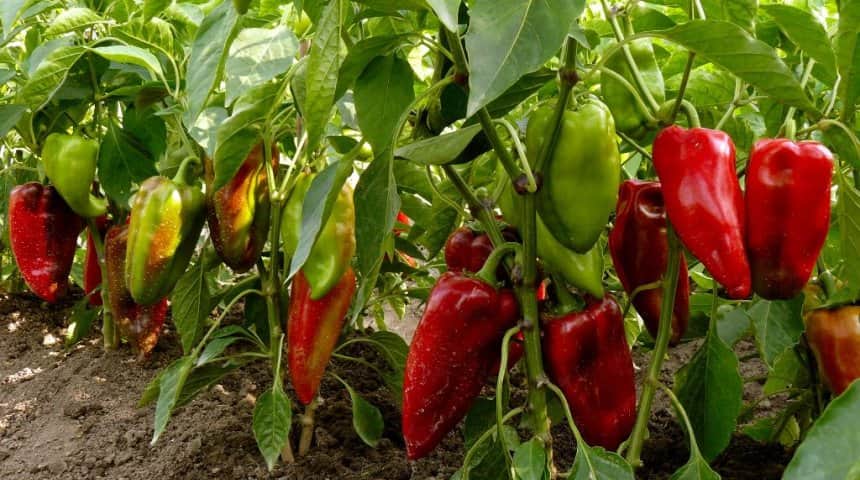
Sweet peppers are a crop that responds well to fertilizer. The most effective way to promote fruit set and development is by spraying them with boric acid. To prevent boron deficiency, spray the plants before flowering. Boron stimulates fruit set, which will impact the future harvest. The more fruit sets, the richer the harvest.
Strengthening pepper bushes
Boron is a micronutrient essential for the nutrition and growth of all plant parts: leaves, stems, and ovaries. Spraying young seedlings grown indoors, on balconies or windowsills, is especially important.
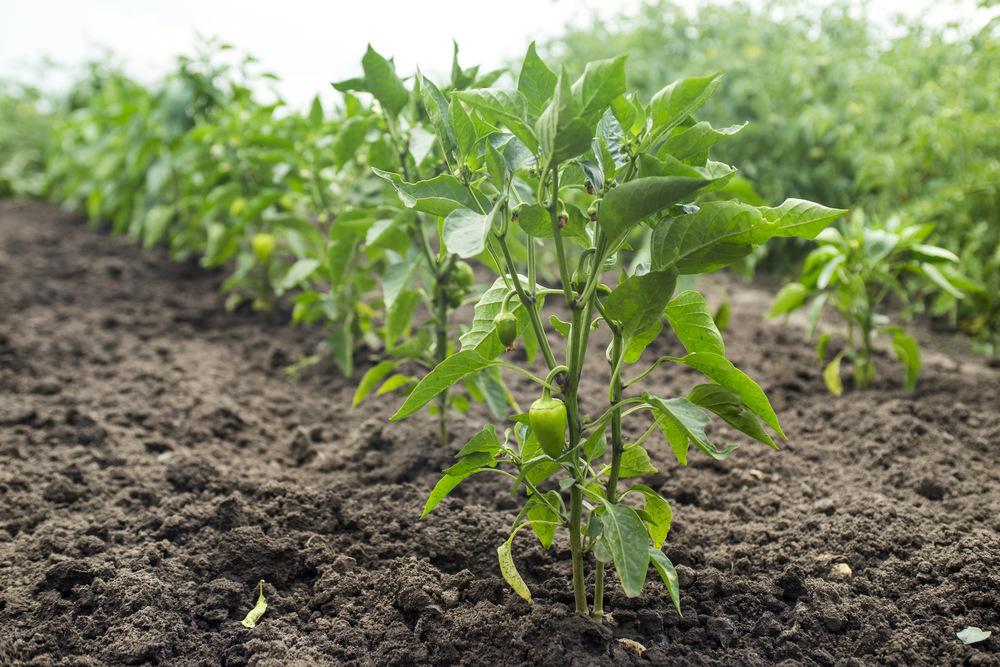
Since seedlings are weaker than plants grown in the garden, they need to be given ample nutrition. Spraying pepper bushes with boron is also necessary for plants with fallen leaves. It's advisable to add mullein or urea to prevent the pure chemical solution from becoming too strong.
Pest and insect control
Spraying peppers with boron not only strengthens the plants but also makes them resilient and disease-resistant. The solution disinfects and eliminates pests and pathogens such as blackleg, late blight, and verticillium wilt. Gardeners also use boric acid to control insects such as ants.

Preparation of boric acid solutions and precautions
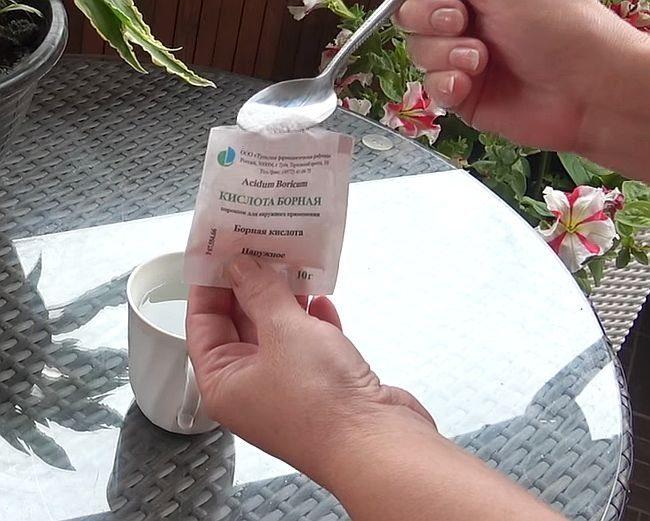
To prepare the solution, take the dry powder and water and dilute it for spraying. The product dissolves in hot water, so the water is heated to 85°C. Add the powder to 1 liter of hot water, stir, and add cold water to reach the required volume.
Boron acid is a weak chemical compound classified as hazard class 4. It does not cause a burn when in contact with skin.
When working with acid, even with a low hazard index, the following precautions should be taken:
- Prepare the solution wearing special protective clothing and gloves.
- To protect your respiratory system, use a respirator.
- After finishing working with the drug, you need to change clothes and wash your hands, neck, and face especially thoroughly.
- It is important to ensure that children and animals do not have access to the prepared solution.

The prepared spray solution is stored in a dark, cool place where there is no food, medicine, or drinking water nearby.
Boron is difficult to eliminate from the human body through the kidneys. It accumulates and deposits. Symptoms of boron poisoning:
- be sick;
- the skin peels and may become covered with a rash.
If these symptoms appear, consult a doctor immediately.
How and when to use the product
According to vegetable growers, spraying peppers, as opposed to other types of fertilizer, produces the best results. The spraying solution consumption rate is 1 liter per 10 m.2To avoid burning plants, spray the substance with a spray bottle so that it reaches all plants evenly.

Spray peppers for the following purposes:
- enhancing flowering, fruiting, stimulating the formation of new ovaries;
- improving the taste of fruits;
- increasing vitality, immunity to diseases and pests.
Peppers begin to be sprayed when there is a clear boron deficiency: leaves, ovaries, and flowers become smaller and fall off. The bush does not develop.
For soaking seed material
Before sowing, sweet pepper seeds are treated with boron. It not only disinfects but also stimulates rapid seed germination. To achieve this, the seeds are wrapped in gauze and placed in a boric acid solution (0.2 g dissolved in 1 liter of water) for 12 hours or 24 hours.
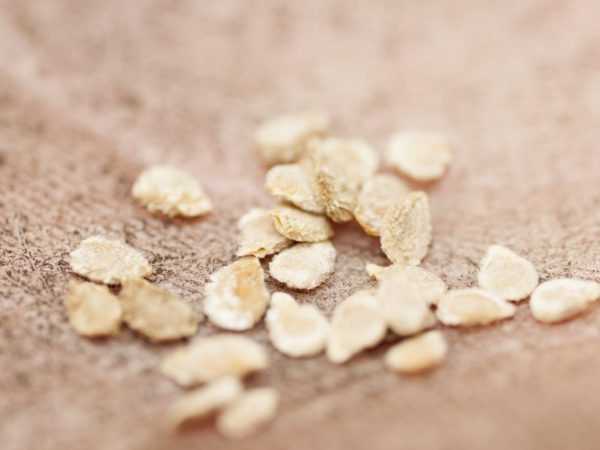
Conscientious gardeners sometimes prepare seeds for sowing by soaking them in a boron-containing mixture. They claim it's more effective:
- Onion peel (2 cups) is poured with 0.5 liters of hot water.
- Ash (1 tbsp) is diluted in 0.5 l of water.
- Add potassium permanganate (1 g), boric acid (0.2 g), soda (5 g).
- Mix all ingredients thoroughly.
After such treatment, the planting material is healthy, strong, and resistant to diseases and pests.
As a foliar feeding
Spraying is carried out 3 times for fruiting and feeding of peppers:
- when buds form;
- the first flowers appear;
- when the harvest ripens.
During the budding phase, treatment with boric acid enhances the growth of new buds and stimulates their development.

A second spray strengthens the ovaries and promotes the formation of new ones. To prepare a solution, dissolve 2 g of the preparation in 10 liters of water. Spray the fruit with the same solution to prevent rot. Pricked out seedlings can be fed with a mixture (0.5 g of boron per 1 liter of water). During the ripening period, peppers are sprayed to improve their flavor. They become sweeter. The concentration of the working solution is weaker (0.1 g of dry powder per 1 liter of water).
Important: Spray peppers in the evening, after sunset, or on a cloudy day.
Root treatment
Boric acid is rarely used as a root fertilizer, except in certain cases where there is an urgent need, such as boron deficiency or infection.
To prepare a boric acid solution, dilute 2 grams of acid in a bucket of water (10 liters). Spray this solution from a watering can with gentle pressure, directly at the roots. Before applying the fertilizer, be sure to water the peppers with plain water.
Using the drug against diseases and pests: the principle of action
Boric acid is sprayed on peppers to prevent fungal infections. Diseases such as late blight and phytoplasmosis can damage not only the fruit but also kill the plant.
To ensure the bush remains healthy, it is first treated with a mild solution of potassium permanganate (pale pink). A week later, it is sprayed with a boric acid solution. And a week later, with an iodine solution.
When treating the bushes, spray not only the bushes but also all equipment used for treatment. To combat insects that eat peppers, spray with a solution containing 1 tablespoon of grated laundry soap and 1 tablespoon of ash.
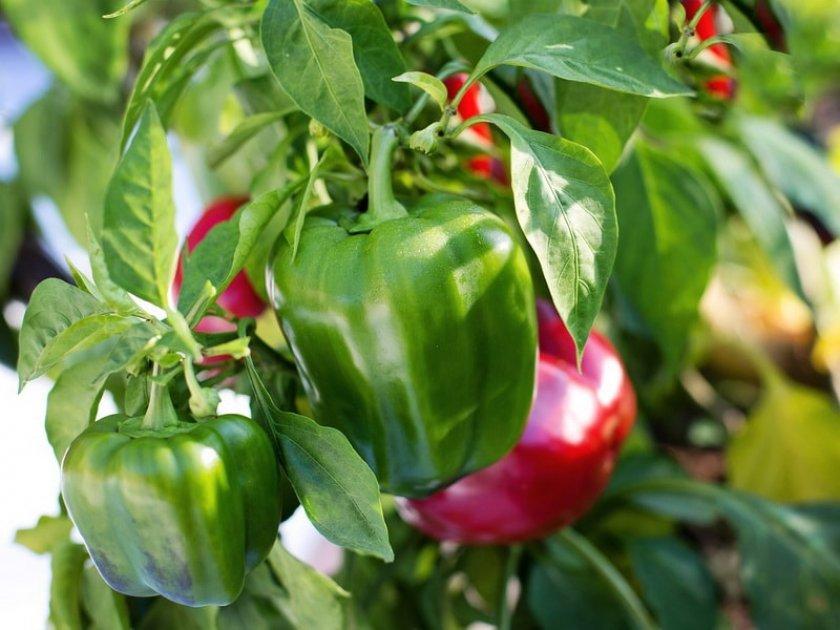
Fighting late blight
It affects many garden crops. To combat late blight, a combination of treatments is used. First, the bushes are treated with a weak solution of potassium permanganate, then with boric acid and iodine. The interval between sprayings is seven days.
Spraying with the following composition gives wonderful results:
- 1 liter of water;
- 2-3 drops of brilliant green;
- 0.2 g boric acid.
Boric acid against ants
You can get rid of ants by making bait. But you won't be able to eliminate the insects for at least two weeks. Making bait is easy:
- Dissolve 5 g of boric acid in hot water (half a glass).
- Add honey or jam (1 teaspoon), granulated sugar (5-6 teaspoons).
- Mix thoroughly, put the mixture in a saucer and place it on the ant trails.
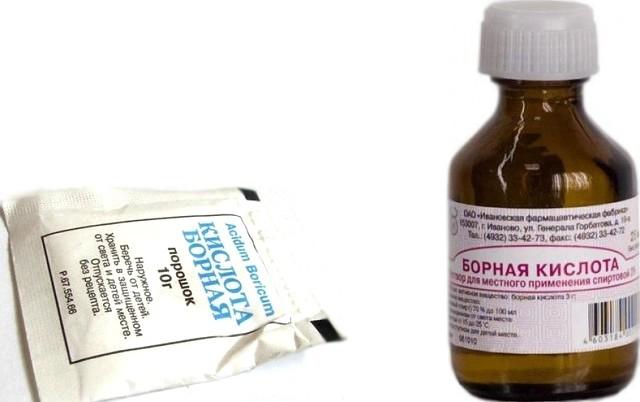
The baits are installed so that they are inaccessible to children and pets.
Take a look Also
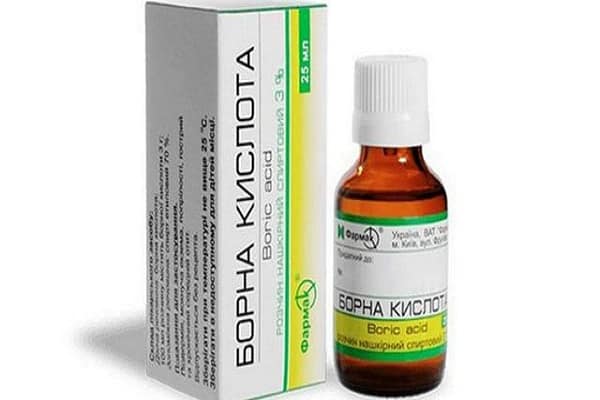
Boric acid: which brand should you choose?
The product is produced by many manufacturers, the most well-known of which are used by gardeners.
| Manufacturer | Product evaluation |
| Pharmbiomed | Boron contained in a regular package is easily absorbed by plants. |
| "Reagent" | Boric acid is packaged in special sealed bags, which gives the fertilizer a long shelf life. |
| Agro-cat | The fertilizer contains a small amount of boron (no more than 18%). Inexpensive |
| Agromaxi | The packaging is standard. There are detailed instructions on how to use the product. The price is the same as other manufacturers. |
| Agromag | The cheapest fertilizer compared to similar ones from other manufacturers |
Combined fertilizers with boric acid
Boron is an essential micronutrient for growing sweet peppers. However, for greater effectiveness, it is sometimes used in conjunction with other treatments.
For example, adding potassium permanganate to a boron solution is an excellent fertilizer for peppers in the spring. Boron and potassium permanganate are also combined when soaking seeds for disinfection.
Fertilizers with boron:
| Fertilizer brand | Grade |
| Mikrovit | Available in liquid form, it dissolves quickly. It is easily compatible with all acidic fertilizers. It contains many microelements. It is most effective in waterlogged soils. |
| Rexolin ABC | Stimulates seed germination and shoot growth. Used as a preventative measure against boron deficiency. |
| Speedfall Amino | The composition contains many plant amino acids, due to which the process of supplying useful substances to plants is enhanced |
| Microel | Contains many beneficial microelements. Accelerates plant photosynthesis. Strengthens vitality. |
| Organo-Bor | It is used on poor, infertile soils, as well as during dry periods. It increases drought resistance in plants. It is widely used with other fertilizers. |
All of these products contain boron, which is easily absorbed by plants. Boric acid interacts with the amino acids and microelements present in the products. By combining with them, it forms stable chemical bonds that enhance the product's effectiveness.
The most common mistakes
Gardeners often make mistakes when growing peppers, causing harm to the plants:
- Boron deficiency is often confused with boron overload. A more careful examination of the plant's appearance and awareness of the signs of boron deficiency and excess will help avoid this mistake.
- Root fertilizer is applied to soil that has not been previously watered with clean water.
- Spraying should be done on a sunny day. When exposed to sunlight, boric acid causes burns on plant leaves and shoots.
Experienced gardeners' reviews of boric acid
Experienced gardeners believe boric acid is essential at the dacha. They use it as a "first aid" remedy:
- When fruits of zucchini, peppers, and carrots rot.
- If tomatoes in a greenhouse get sick from the heat
- Peppers and eggplants don't want to set fruit.
- There are no ovaries on the cucumbers.
- Ants and other pests "overcame" us.
- Signs of late blight appeared on the leaves of the plants.
Andrey, 60: "I've been using boron to soak seeds for several years now. Germination is excellent, and the seedlings grow healthy and strong."
Gardeners believe all you need to do is dilute boric acid in water and spray the plants. Boron is a reliable aid in the fight for a healthy harvest.
Related posts:
 How to spray tomatoes with boric acid, cultivation and processing rules
 Boric acid application for plants, dilution and processing instructions
 What fertilizers and when to use for feeding tomatoes in a greenhouse
 How to properly spray cabbage with boric acid, application rules and proportions
 Spraying and feeding cucumbers with boric acid, application in the garden
 Description of the best pepper varieties for greenhouses and open ground in 2025
 Why peppers don't grow in greenhouses and open ground after planting, and what to do about it
 The best eggplant varieties for growing in a polycarbonate greenhouse: planting and care