
- Signs of poor seedling growth
- Why peppers don't grow: main reasons
- The sowing time was determined incorrectly
- Inappropriate temperature
- Insufficient lighting
- The picking was done incorrectly
- Mistakes when watering seedlings
- Unprepared soil
- Deficiency of micro- and macronutrients
- Incorrect transplant
- Bad, low-quality seeds
- Soil composition that is not suitable for peppers
- Development of the disease
- Insects and parasites
- We define the problem and look for solutions
- Agrotechnical techniques
- Covering young animals with film
- Adding fertilizer to the soil
- Folk remedies for helping weak pepper seedlings
- Watering with tea infusion
- Yeast feeding
- Ash
Growing bell peppers is a profitable and popular farming option. This vegetable is grown by both large farms and ordinary gardeners. To ensure a bountiful, high-quality harvest, it's important to understand why peppers don't thrive in a greenhouse after planting. Poor plant growth leads to a prolonged growing season, deteriorating fruit quality, and reduced yield.
Signs of poor seedling growth
When growing bell pepper seedlings, it's important to monitor the plant's appearance. Regardless of the variety, signs that seedling growth has stalled include:
- The stems are pale, thin and very elongated in height.
- The leaves are small or irregularly shaped.
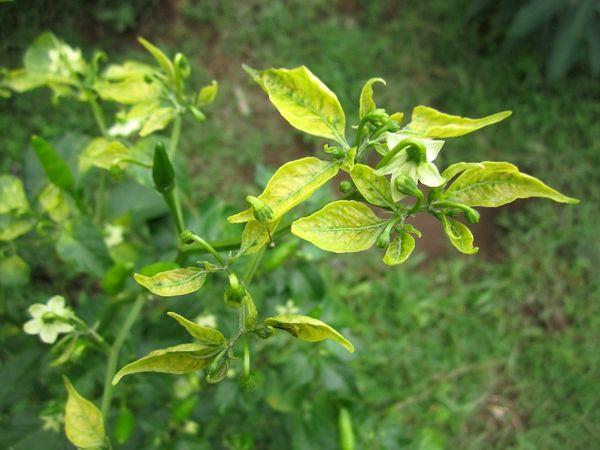
- Faded yellowish leaves.
- Dry or wet, discolored or darkened spots on the green parts of plants.
- Insufficient number of leaves.
- Curvature of stems.
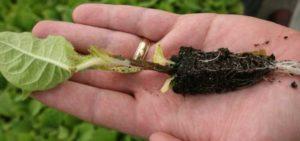
- The roots darken, the plants wither.
Why peppers don't grow: main reasons
Pepper growth depends on a combination of many factors, and problems with any one of them negatively impact the plant. Among the most likely causes of poor growth are:
- the peppers were planted too early;
- the seedlings are not developed enough;
- the plants are planted in cold, slightly warmed soil;
- violation of temperature and light conditions;
- picking until a viable root system is formed;
- improper watering;
- planting in uncultivated soil;
- deficiency or excess of minerals;
- transplantation errors;
- poor quality seed material;
- the soil composition is not suitable for peppers;
- the plant is infected;
- the seedlings were attacked by insects or parasites.
When growing peppers in gardens and beds without the use of greenhouses, the reasons for poor growth are similar.
The sowing time was determined incorrectly
According to agricultural practices, the appropriate time for sowing seeds for seedlings depends on the early maturity of the variety:
- early ripening seeds are sown 8 weeks before planting in the greenhouse;
- mid-season - 8-10 weeks;
- late-ripening - in 10 weeks.
If sown too early, the seedlings may overgrow. If the peppers flower before planting, they won't be able to establish themselves quickly, and their yield will decrease. The time it takes for seedlings to grow is reduced by 8-12 days if they are picked.
Inappropriate temperature
To obtain full-fledged seedlings, it is necessary to maintain a special temperature regime:
- ≈24 °C during the day;
- ≈17 °C at night.
Higher ambient temperatures lead to increased moisture evaporation, which in turn causes the soil to dry out. This causes pepper seedlings to dry out, and any seeds that have begun to germinate to die. After planting in a greenhouse, if the weather is too hot, it's advisable to increase the humidity and fresh air flow.
Insufficient lighting
Sweet peppers are light-loving plants and require 10 to 12 hours of direct sunlight. Insufficient light causes stems to deform. In spring, daylight hours are not long enough for normal pepper growth, so the growing area needs to be equipped with an additional light source. To achieve the right light spectrum for growth, use a strip of alternating two red and one blue LEDs.
The picking was done incorrectly
Most pepper varieties have difficulty transplanting, even when done correctly. Improperly performing this procedure can not only stunt seedling growth but also lead to their death. Seedlings should be transplanted according to the following guidelines:
- time of implementation: 2-3 weeks after emergence of seedlings;
- the transplanted plants must have 2 true leaves;
- The main root is not pinched.
Mistakes when watering seedlings
Peppers require a lot of water as they grow. If they don't get enough, the seedlings wilt and the tender leaves quickly wither. When watering, consider a number of requirements:
- It is better to replace irrigation of the root circle with spraying of plants.
- The water should be warm.
- The soil at the roots should not dry out.
Unprepared soil
To ensure good pepper growth in a greenhouse, the soil must be properly prepared for planting. It should be loose, warm, and fertile. The soil's nutritional value for peppers will be lost if tomatoes, eggplants, or potatoes were grown in it the previous season. Preparing the soil for planting seedlings includes:
- Digging and weeding the beds.
- Preparing ditches for water drainage.
- Pre-treatment with copper sulfate.
- Digging planting holes.
- Adding humus and mineral fertilizers.
Deficiency of micro- and macronutrients
At the beginning of the growing season, peppers require a large amount of nutrients. A deficiency of nitrogen, potassium, and phosphorus leads to weakened plants, curling, and deformed leaves. Fertilizers are always applied in the form of aqueous solutions, at least twice after planting in the greenhouse.
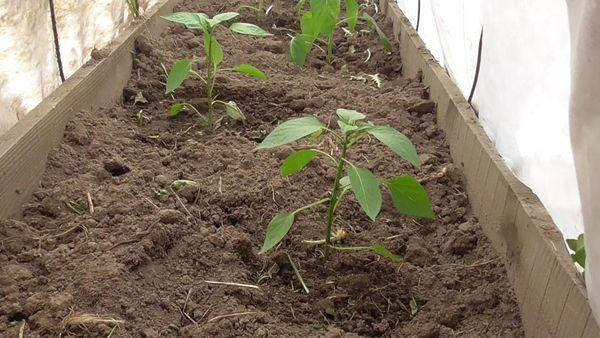
Incorrect transplant
Transplanting seedlings into a greenhouse at the wrong time will stunt growth. The soil temperature at a depth of 10 cm should warm to 15°C, then the plant will quickly resume growth. Stress caused by the fluctuations in soil and air temperatures significantly reduces the peppers' ability to establish well and begin fruiting on time. Furthermore, it is important to follow the planting pattern:
- 30 x 30 cm;
- 65 x 30 cm.
The stems are buried in the ground up to the first pair of true leaves, without removing any parts of the plant.
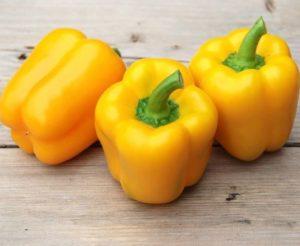
Bad, low-quality seeds
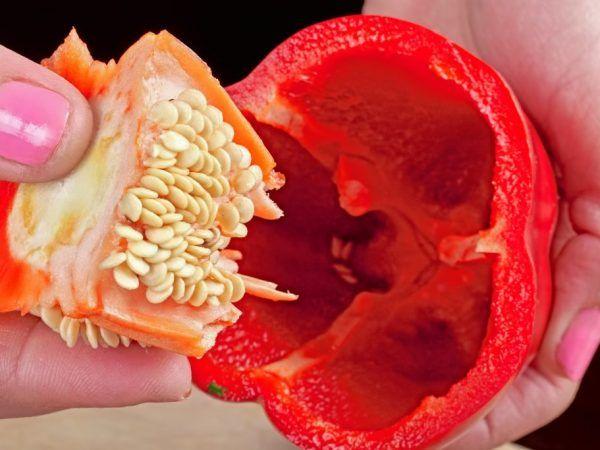
Pepper seedlings often die due to poor-quality planting material. Seeds remain viable for 2-3 years, after which they almost completely lose their ability to grow normally. Before sowing, seeds are tested for germination in a saline solution, removing damaged or weak seeds. They are then hardened, disinfected, and soaked in melt water for several days.
Soil composition that is not suitable for peppers
When planting seeds, it's important to select soil with suitable qualities for bell peppers. Avoid using soil left over from planting other crops or using soil from your garden. If you can't buy ready-made soil, you can use soil from where cucumbers or legumes were grown.
To ensure a high-quality harvest, use soil specifically designed for planting vegetable seedlings. When purchasing soil, carefully examine its composition and intended use, choosing reputable producers.
Development of the disease
Seedlings can be affected by bacterial infections that cause significant damage and are untreatable. These include gray or white mold and Alternaria leaf spot. Young peppers wilt, experience reduced growth, and may die. Infected specimens should be removed and destroyed as soon as possible to prevent the spread of the disease.
Insects and parasites
Young plants are especially attractive to pests. The tender growth of peppers attracts aphids, cutworms, and spider mites. These insects will not spread to plants that have been pre-treated with natural infusions:
- Luke;
- garlic;
- pine needles;
- calendula.
After treatment, the seedlings are shaded to prevent sunburn of the foliage.
We define the problem and look for solutions
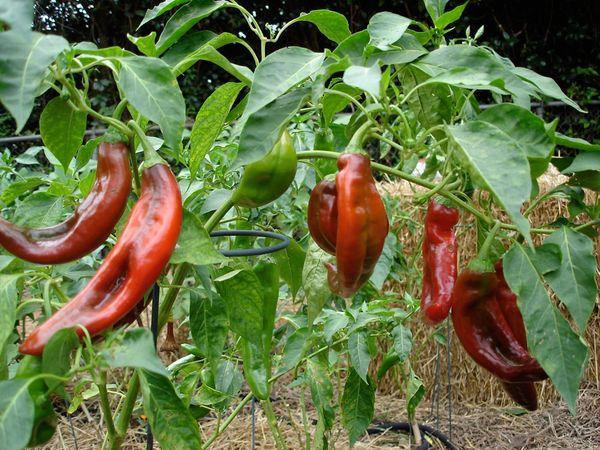
To restore bell pepper growth and restore the plants' health, it's necessary to determine the cause of the change in their condition. If improper care is the cause, the watering and lighting regimen should be reviewed. A sudden cold snap or night frosts indicate a lack of warmth and require additional shelter. Weak seedlings, on the other hand, require additional fertilizing.
Agrotechnical techniques
The following steps will help restore the viability of seedlings:
- Removing dead plants.
- Restoring the temperature regime within 23-25 °C.
- Protection from drafts.
- Ventilation of stagnant air.
- Changing the watering regime.
- Thinning.
- Mulching the root circle.
Covering young animals with film
To protect seedlings planted in May from recurrent frosts and low nighttime temperatures, additional insulation can be used. Young plants can be covered with plastic at night to retain heat. It is worth remembering that in warm weather the cover must be removed to prevent overheating under the sun's rays.
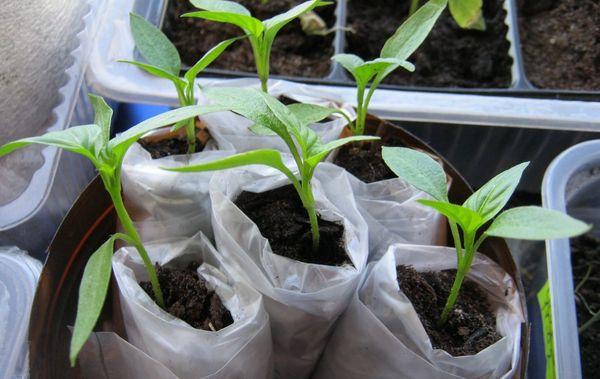
When growing outdoors, remove the plastic film in mid-June, when the plants are no longer in danger. In any case, the cover must be created very carefully, as the weak stems of the plants cannot support much weight. It is advisable to install supports around the perimeter or at each plant beforehand.
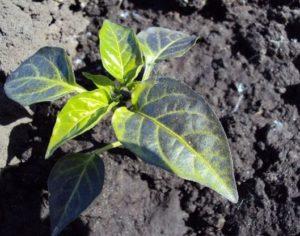
Adding fertilizer to the soil
To ensure intensive growth of peppers, it is necessary to apply fertilizer to the soil according to the following scheme:
- Two weeks after planting in the greenhouse, fertilize the soil with organic matter. A water solution of fermented manure or bird droppings will do.
- After another two weeks, the plants are fertilized with a mineral mixture. For this, prepare a mixture of 40 g of superphosphate, 40 g of ammonium nitrate, and 20 g of potassium sulfate per 10 liters of warm water.
An important condition for effective soil fertilization is the alternation of the application of mineral and organic substances.
Folk remedies for helping weak pepper seedlings
When growing organic vegetables, the use of industrially produced chemicals is prohibited. And when pepper growth slows, folk remedies are used.
Watering with tea infusion
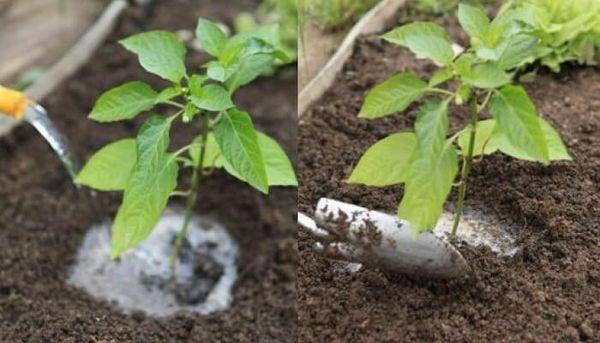
To enhance the growth of young peppers, you can use a fertilizer based on used tea leaves:
- For preparation, take 250 ml of used tea leaves.
- Pour in 3 liters of clean boiled water.
- The infusion is kept for 5 days.
- Water the plants evenly.
Yeast feeding
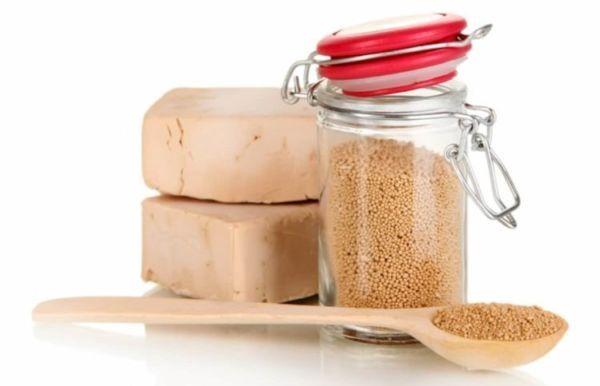
A natural preparation made from a fermented yeast and sugar solution infuses the soil with additional nutrients and helps plants regain their growth rate. The recipe is simple:
- Mix 30 g of nutritional yeast and 60 g of granulated sugar.
- Dilute the mixture with a liter of warm water.
- Water the seedlings at the root circle.
On the third day, a positive reaction to complementary feeding should appear, and the growth of the peppers should be restored.
Ash
Applying ash fertilizer helps significantly enhance plant protection against pests and balance soil pH. Wood ash, sprinkled around the roots of peppers, simultaneously performs several functions:
- retains moisture in the soil;
- prevents weeds from growing;
- normalizes pH levels;
- repels pests;
- inhibits the growth of pathogenic microorganisms.
Folk recipes are easy to prepare and do not require large material costs.
Related posts:
 Using boric acid for spraying and treating peppers
 What is the best way to feed tomato seedlings to make them plump?
 Description of the best pepper varieties for greenhouses and open ground in 2025
 What is the best way to feed peppers after planting them in a greenhouse? Which fertilizers should be used and when?
 Characteristics and description of the Gogoshary (Ratunda) pepper varieties, cultivation and care
 Methods for combating pepper diseases in seedlings, what to do if leaves and pimples are curling
 Why do pepper leaves turn purple and what can be done to treat it?
 The best eggplant varieties for growing in a polycarbonate greenhouse: planting and care