
- What nutrients do peppers need?
- How to feed seedlings and mature bushes in a greenhouse
- Organic fertilizers
- Manure
- Bird droppings
- Composite fertilizers
- Peat
- Ash
- Mineral fertilizers
- Potassium salt
- Urea
- Ammonia
- Ammophos
- Folk remedies for feeding
- Yeast
- Eggshell
- Banana peel
- Mullein
- Iodine
- Fertilizing technique
- Under the root
- Foliar application on green leaves
- Timing of fertilizer application
- After the dive
- After transplanting to greenhouse beds
- During the period of ovary formation
- During flowering and fruiting
- The most common mistakes
What do peppers need after planting in a greenhouse, and what should they be fed? Gardeners grapple with these questions every season. The harvest depends on the right choice of fertilizer. Only with a balanced diet can you grow large, thick-walled fruits.
What nutrients do peppers need?
During vegetative growth, bud formation, and flowering, peppers use a lot of nitrogen (N). Without fertilizing, symptoms of nitrogen deficiency may appear:
- pale green and yellow leaves;
- weak growth;
- a small number of buds and ovaries.
Nitrogen is primarily needed for growth. Potassium is equally important for sweet peppers. It contributes to fruit formation, influences the intensity and duration of flowering, and boosts immunity. During fruiting, bell peppers actively absorb phosphorus.
The rate of fruit ripening, its size, and root system development depend on the presence of this element. Magnesium also influences crop quality, as it promotes tissue formation. A deficiency manifests itself as yellowing of the leaves. Excess magnesium can be harmful, as it will delay fruit ripening.
How to feed seedlings and mature bushes in a greenhouse
The majority of nutrients come from the soil. Peppers deplete the soil over the course of a season. Therefore, it's necessary to restore soil fertility annually in a polycarbonate greenhouse.
Organic fertilizers
Adding organic fertilizer to the soil increases its humus content. Peppers respond well to this.
Manure
It's not recommended to add fresh manure to peppers. As it rots, it releases heat and can burn the roots. Instead, add compost to the soil. This is well-rotted manure. It loosens the soil, nourishes soil microflora, and contains nitrogen.
Humus is added in the fall when preparing the beds at a rate of 8-10 kg/m². By spring, the nutrients will have converted into a form easily absorbed by peppers. Fresh manure is used as a liquid fertilizer during pepper cultivation.
Bird droppings
To prepare the solution, use the droppings of pigeons or poultry (chickens, ducks, geese). You don't necessarily need chickens to feed your vegetables. Granulated fertilizers made from chicken droppings are available.
Composite fertilizers
Compost contains all the necessary nutrients. To produce it, a pile of plant residues (tops, leaves, grass) and food scraps is formed in a secluded corner of the garden. Fresh manure is added to speed up the composting process.
Peat
Natural fertilizer is added to the soil. It improves its structure and loosens it. There are two types available:
- Lowland peat.
- High-moor peat.
The first option is suitable for peppers. It does not increase soil acidity.
Ash
Wood combustion products are a source of trace elements and potassium. Dry ash is added to planting holes in the spring and used as an infusion in the summer. It reduces acidity, normalizing soil pH, and prevents the growth of pathogens and pests.
Mineral fertilizers
These are granular or powdered preparations. They are used when preparing the beds. Single-component formulations are most commonly used. Superphosphate and potassium salt are used in the fall. Urea is applied only in the spring.
Potassium salt
It contains chlorine, so it is only used for autumn bed preparation. Consumption rate: 30-40 g/m².
Urea
Another name for this fertilizer is urea. It contains 46% nitrogen. The granules dissolve easily in water. A solution is prepared in the summer. Root feeding is carried out regularly. Dry fertilizer is added during spring tilling of the beds.
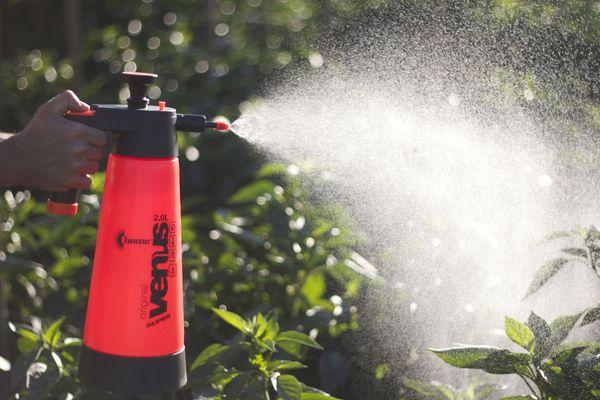
In emergency situations, peppers can be sprayed with a urea solution. Foliar spraying is recommended in the following cases:
- during spring cold snaps;
- in case of nitrogen starvation;
- for fungal diseases;
- from pests.
Ammonia
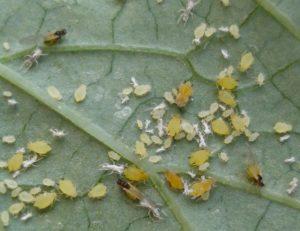
This is a group of fertilizers containing nitrogen in the ammonium form. In agriculture, ammonia water and liquid ammonia are used. Gardeners feed peppers with ammonia. Ammonia emits a pungent odor, so it is used as a preventative against aphids and mole crickets.
Ammophos
Fertilizer contains phosphorus in an easily digestible form. It is added to the soil during planting and used to correct phosphorus deficiency in peppers. The fertilizer is readily soluble in water, so it is applied to the roots and foliage.
Folk remedies for feeding
Folk methods help peppers withstand adverse weather conditions and increase yields.
Yeast
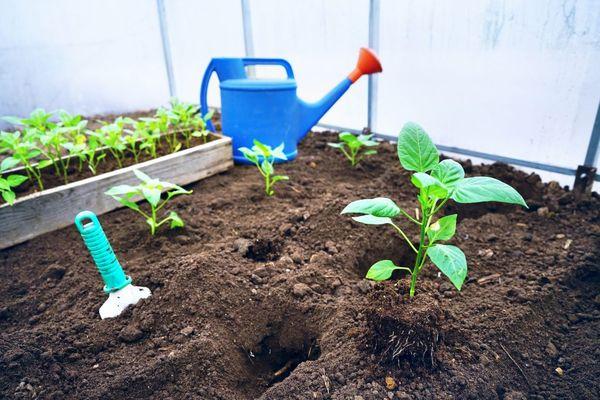
Yeast contains phosphorus, nitrogen, organic acids, and beneficial fungi. Liquid fertilizer is prepared from raw yeast. Use 500 g of yeast per 5 liters of water. For better fermentation, add 1 tablespoon of sugar. The mash is left to steep for 2 hours. Before use, dilute it with water 1:10. Pour 0.5 to 1 liter of water onto the plant.
Eggshell
The shells contain calcium, which improves the quality of the fruit (size, wall thickness, aroma). The eggshells are crushed and steeped in boiling water. The infusion is watered on the plants for 2-3 days.

Banana peel
The peel contains potassium, which peppers need during important growth stages (flowering and fruiting). Fill a 3-liter jar with fresh (or dried) banana peels. Fill it to the top with water. Let it steep for at least 2 days. Before using, add water to the "banana compote" (1:10).
Mullein
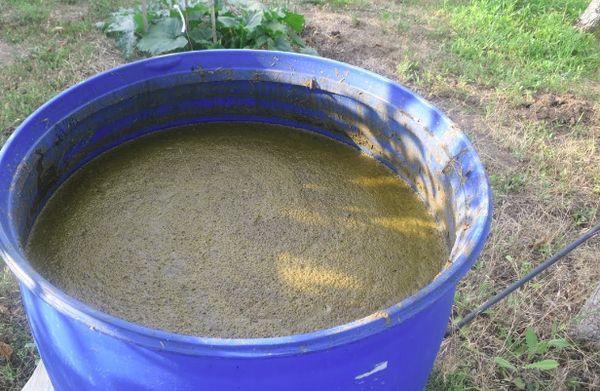
Prepared from fresh manure. Cow manure contains potassium and nitrogen. Place 1 part fresh manure and 5 parts water in a large container. The mixture is left to ferment for 2 weeks, stirring periodically. Before use, dilute with water 1:10.
Iodine
Add 1-2 drops of iodine per 1 liter of water. Peppers are sprayed during fruiting and during sudden weather changes. Iodine improves the flavor of the fruit, prevents fungal diseases, and stimulates metabolic processes.
Fertilizing technique
The planned root feeding schedule for sweet peppers involves three applications of mineral and organic fertilizers. Based on the peppers' development, a decision is made about foliar feeding. This is necessary during cold snaps, fungal diseases, insect infestations, and to prolong fruiting.
Under the root
For root feeding, prepare a liquid fertilizer—an infusion, decoction, or aqueous solution of mineral or complex fertilizers. Use settled, warm water. Pre-moisten the soil to protect the roots from burning. Water the soil around each bush with the fertilizer solution (0.5-1 liter).
Foliar application on green leaves
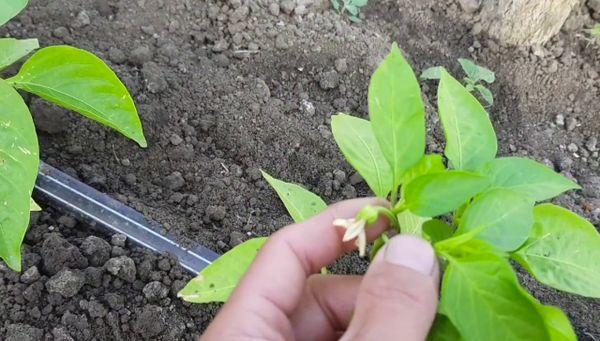
Foliar feeding is done in the morning or evening. Use commercial or homemade sprayers. Spray the leaves on both sides.
| Cause | Fertilizer | Consumption per 10 liters of water |
| Weak shoots, slow formation of the above-ground part | Urea | 1 tsp |
| Flowers and ovaries are falling off | Boric acid | 1 tsp |
| Few fruits | Superphosphate | 2 tsp |
Timing of fertilizer application
There are 4 periods in the development of pepper, when it needs nitrogen, phosphorus and potassium the most:
- When the 4th leaf appears.
- When the first buds are formed.
- During mass flowering.
- When fruits are setting and filling.
From the first to the third period, nitrogen should be the predominant fertilizer. During bud formation and flowering, potassium is increased. When the fruits ripen:
- increase phosphorus content;
- reduce the percentage of nitrogen by 2 times;
- reduce the percentage of potassium by 2.5 times.
After the dive
After a week, apply the first fertilizer. Kemira-Lux is suitable for this. This easy-to-use liquid fertilizer contains all the necessary nutrients:
- nitrogen - 16%;
- potassium - 27%;
- phosphorus - 20%.
Before transplanting, seedlings are fertilized twice more, every 7-10 days. Suitable fertilizers for seedlings include Orton Micro and Kristalon.
After transplanting to greenhouse beds
The roots of a transplanted plant begin to grow at full capacity two weeks after planting. During the initial growth period, peppers require nitrogen, potassium, and phosphorus. Effective fertilizing options are listed in the table.
| Solution No. | Fertilizer | Concentration | Consumption per bush |
| 1 | Mullein infusion | 1:10 | 1 l |
| 2 | Chicken manure infusion | 1:15 | 1 l |
| 3 | Ammonium nitrate | 40 g | 0.5 l |
| Superphosphate | 40 g | ||
| Potassium sulfate | 20 g | ||
| Water | 10 l |
These compositions can be used if peppers are planted in a greenhouse and in open ground.
During the period of ovary formation
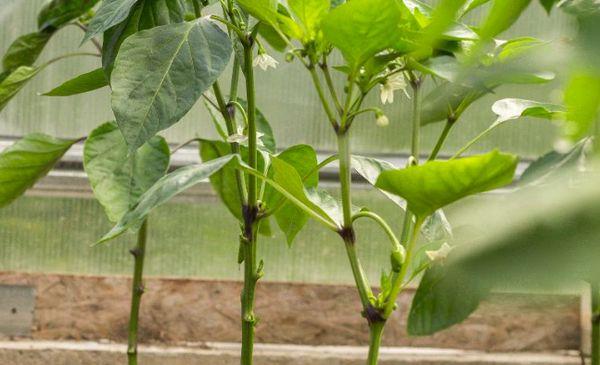
The harvest depends on balanced nutrition at this stage. Emphasis should be placed on potassium fertilizers:
- potassium magnesium sulfate;
- potassium sulfate.
During flowering and fruiting
Fourteen days after the first flush of flowering, peppers still require a large amount of nitrogen. Phosphorus and potassium are also needed, but their percentage in liquid fertilizer may be lower. A mullein infusion is used, supplemented with mineral compounds. Consumption per 10 liters:
- urea - 20 g;
- potassium sulfate - 30 g;
- superphosphate - 30 g.
Mullein infusion already contains nitrogen, so the proportion of urea is lower. The bushes are watered with this same mixture after the first harvest of fruit. The liquid concentrated fertilizer is diluted with water at a ratio of 1:10. Pour 0.8-1 liter under each pepper plant.
The most common mistakes
Only proper use of fertilizers will bring benefits. These helpful tips will help you avoid mistakes:
- It is better to apply organic fertilizers to the preceding crop;
- Most of the potassium-phosphorus fertilizers are applied during autumn soil cultivation;
- nitrogen compounds are added to the soil in spring;
- Frequent nitrogen fertilization causes the bushes to become overweight, they have low yields and weak immunity.
To avoid mistakes and grow a bountiful harvest, avoid overfeeding peppers. Feed them regularly, taking into account soil fertility.
Related posts:
 What can you feed peppers with after planting them in the ground? Mineral and organic fertilizers.
 What is the best way to feed tomato seedlings to make them plump?
 How and what to feed watermelons in open ground after planting, during flowering
 How to feed and what fertilizers are best for blueberries, soil acidification
 The best way to feed cherries after harvesting and during ripening
 What is the best way to feed carrots? Fertilizers and preparations, using folk remedies.
 What is the best way to feed cucumbers during flowering and fruiting?
 How to feed onions after germination and before harvesting to ensure they grow large throughout the season