
- The need to feed
- What substances does it need?
- Nitrogen
- Potassium
- Phosphorus
- Manganese and barium
- Bor
- Iodine
- How to choose fertilizer?
- Natural biostimulants
- Ash
- Mullein
- Compost
- Lime
- Nettle infusion
- Decoctions of burdock and chamomile
- Humate solution
- Diluted chicken manure
- Yeast
- Urea
- Ready-made complex fertilizers
- Fitosporin-M
- Trichodermin
- Gamair
- Glyocladin
- Uniflor-bud
- Agricola
- Important rules
- Feeding scheme
- First
- Second
- Third
- The last one
- Foliar
- What doesn't he like?
- Chlorine
- Soil deoxidation
- Pebbles, lumps of earth, wood chips and other solid particles
- Excess moisture
- Incorrect thinning
- Lack of moisture
The carrot harvest depends on the quality and timing of fertilizer application. Fertilizers are applied with both natural biostimulants (cow manure, compost, and others) and ready-made mixtures. Fertilizers containing nitrogen, manganese, and other micronutrients are especially important when growing carrots in poor soils.
The need to feed
Fertilizers are essential for rapid growth and normal development of carrots. Fertilizers also affect the taste of the root vegetable. Boric acid is especially important, as it:
- increases sugar content;
- regulates carbohydrate metabolism;
- supports protein metabolism.
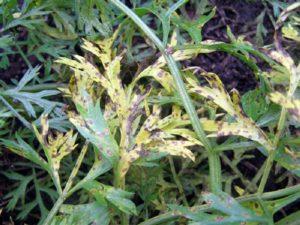
In the absence of sufficient amounts of boron and other microelements, necrosis of the tops develops (the green part dies off) and the veins in the carrots become dull.Excessive fertilization negatively impacts the health of root crops. Excessive micronutrients lead to a reduced shelf life and deterioration in taste.
The frequency of fertilizing depends on the soil characteristics. When growing in low-fertility soils, the crop is fertilized up to four times per season.
What substances does it need?
For normal development of carrots, the fruit and vegetable crop requires a constant supply of the following microelements:
- potassium;
- nitrogen;
- phosphorus;
- manganese;
- barium;
- boron (boric acid);
- iodine.
However, relying solely on fertilizers containing the micronutrients listed above is not recommended. For normal root crop development, a comprehensive supply of nutrients is required.
Nitrogen
Nitrogen is essential at the beginning of the growing season. Without this micronutrient, photosynthesis is disrupted, causing the root crop to become weak and develop slowly. However, because nitrogen stimulates the growth of fruit and vegetable crops, fertilizing should begin before summer. If the gardener continues to apply this element to the soil, the tops of carrots begin to grow excessively. This causes the root crop to suffer from a severe micronutrient deficiency, which leads to a reduction in shelf life and the size of the carrots.
Potassium
Potassium is applied during the period of active carrot growth. The mineral promotes photosynthesis, thereby ensuring normal root development. Potassium is also added to carrots during the second half of summer. In such cases, wood ash is used, which increases the size of the carrots and reduces the likelihood of weeds and pests in the garden.
Phosphorus
Phosphorus is also recommended for application after planting. A lack of this mineral causes the tops of carrots to take on a red or purple tint, indicating inhibited photosynthesis. This leads to smaller carrots and a deterioration in their flavor.

Manganese and barium
Treating the soil with potassium permanganate before planting reduces the risk of crop infection. However, this procedure is often neglected with carrots. This is because carrots do not require a constant supply of manganese and barium. However, a severe deficiency of these minerals causes spots to appear on the tops of the plants, and the roots do not gain sufficient weight.
Bor
Treating carrots with boric acid is considered essential. Without this micronutrient, the tops begin to die, which slows down the plant's development, and the roots don't accumulate enough sugar, negatively affecting their flavor. Boric acid is recommended for use in the second half of summer.

Iodine
Iodine is essential at all stages of carrot development, starting with seed germination. This micronutrient protects against diseases and pests and improves the flavor of the fruit.
How to choose fertilizer?
Carrots are considered an easy-to-grow crop. However, the plant has certain growing conditions. They don't thrive in poorly loosened and dry soil, or in soil fertilized with manure or chicken manure. Under such conditions, the roots shrivel and develop an unpleasant flavor.
Take a look Also

Natural biostimulants
To feed the crop use:
- ash;
- mullein;
- compost;
- lime;
- nettle infusion;
- a decoction of burdock and chamomile;
- humate;
- chicken manure;
- yeast;
- urea.
Treating carrots with folk remedies has fewer advantages than disadvantages. Natural biostimulants are chemical-free and don't require expensive ingredients. However, calculating the exact dosage for such products is difficult, which is why such fertilizers often cause harm to plants.
Ash
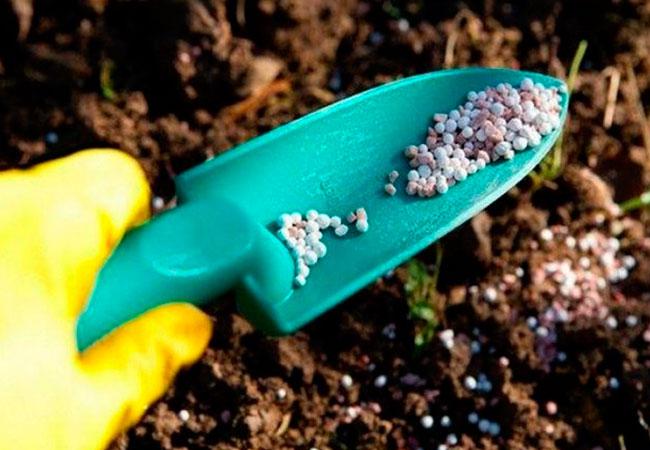
Fertilizing carrots with wood ash is recommended to increase the sugar concentration in the roots. This product can be used either in its pure form or as an ingredient in fertilizer. To prepare the fertilizer, mix 2 cups of ash with a bucket of boiling water and let it steep for several days.
Mullein
Most crops grown outdoors are fertilized with cow manure. This fertilizer is pre-mixed with water at a ratio of 1:5 and then applied between the beds. For carrots, aged and well-rotted cow manure is suitable. Fresh manure is harmful to root vegetables.

Compost
Compost is applied in the fall, after harvest, at a rate of 7 kilograms per square meter. This will improve soil fertility.
Lime
Lime is needed to alkalize the soil (to normalize the pH level in cases of high acidity). This procedure is carried out 3-4 weeks before planting. However, gardeners do not recommend using lime in carrot beds, as it causes the root vegetable to become branchy.
Nettle infusion
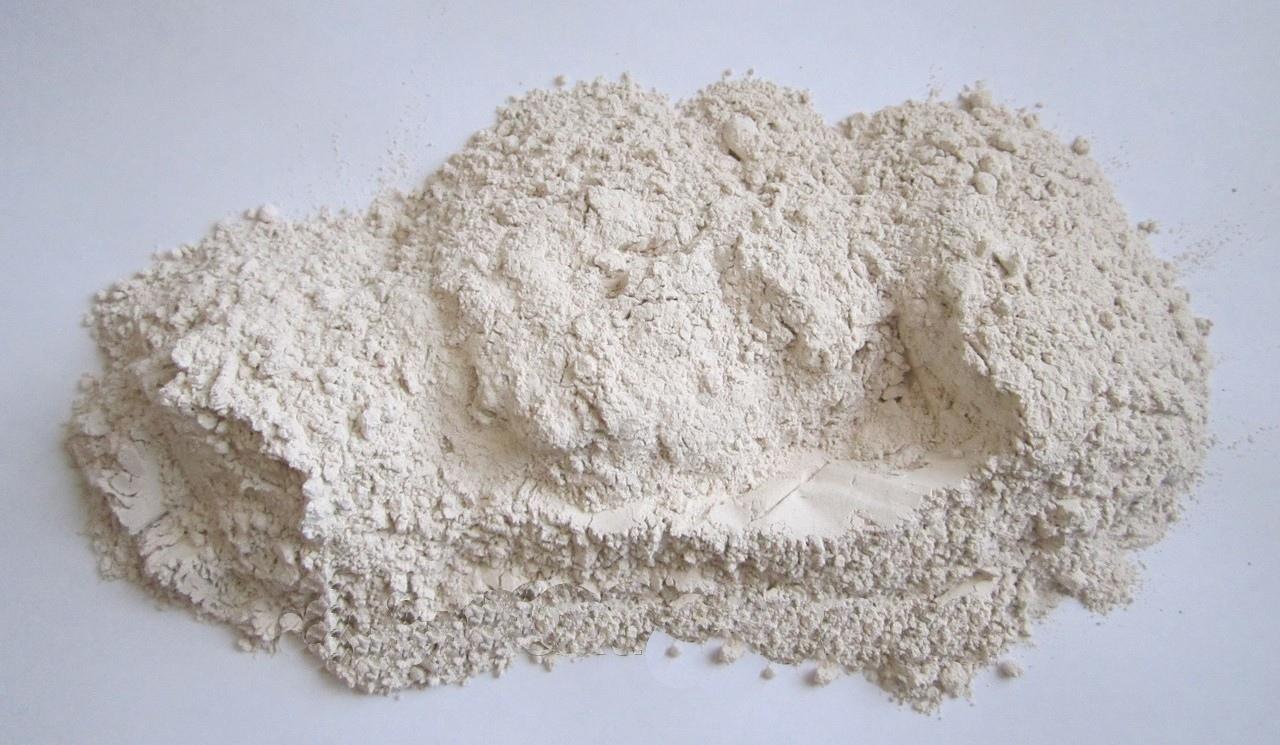
Nettle infusion is used during the root formation period. This folk remedy promotes sugar accumulation and prevents the development of disease. To improve the quality of carrots, gardeners recommend adding yeast and wood ash to the nettle infusion. The former accelerates the fermentation process, while the latter supplements the nutrient mixture.
To make an infusion, simply fill the prepared container ¾ full with nettles, add water, add the specified ingredients and leave in the sun for several days.
The resulting mixture should be applied to carrots at a rate of one bucket per bed.
Decoctions of burdock and chamomile
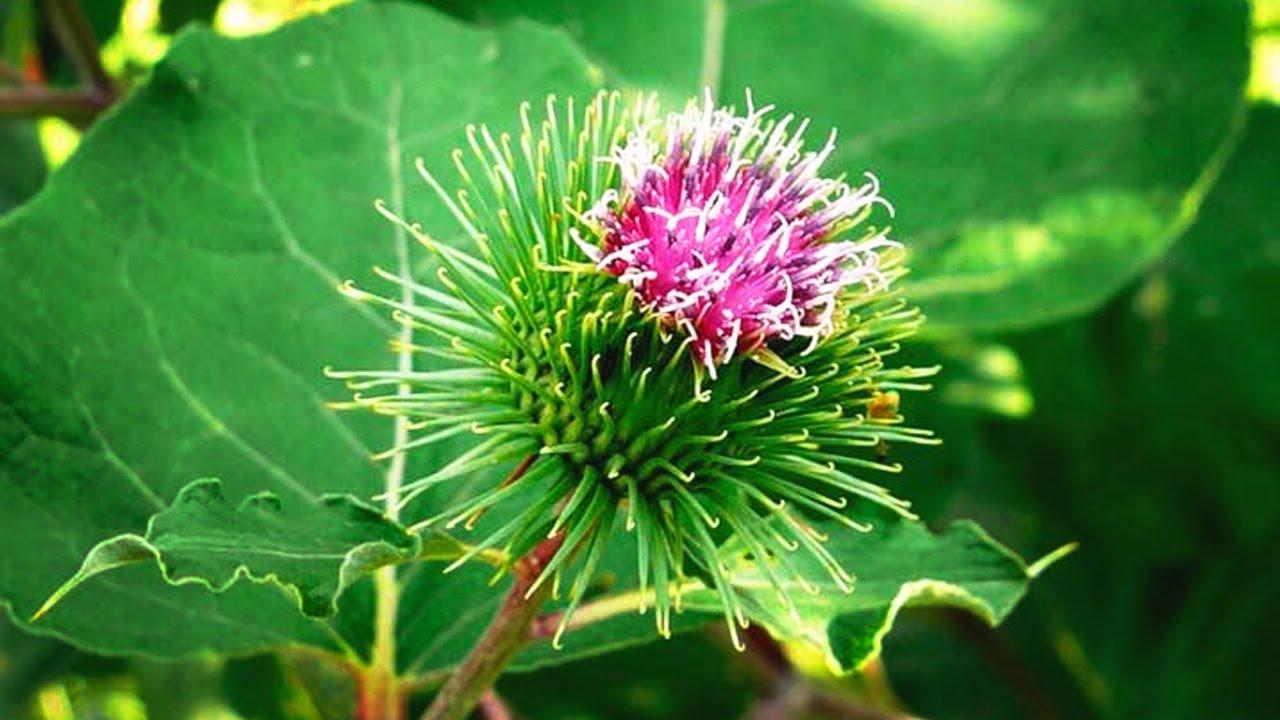
This recipe is suitable for all types of soil and is used to stimulate plant growth. A decoction of burdock and chamomile (mix the ingredients in equal proportions and add a bucket of boiling water) is recommended for watering carrots during the growth period.
Humate solution
Humates (natural humus) are used at different stages of carrot development. In its "pure" form, this substance is added to the soil a few days before planting. Three weeks before harvest, it is recommended to spray the tops with a solution of 1 gram of humate and 10 liters of water with the addition of nitrogen fertilizer. This procedure promotes the accumulation of sugars.
Diluted chicken manure
Before watering the garden bed, dilute chicken manure with water at a ratio of 1:10. Then let the mixture sit for 24 hours. After the allotted time, mix one part of the solution again with 10 parts of water. This mixture is recommended for use before planting carrots.
Yeast
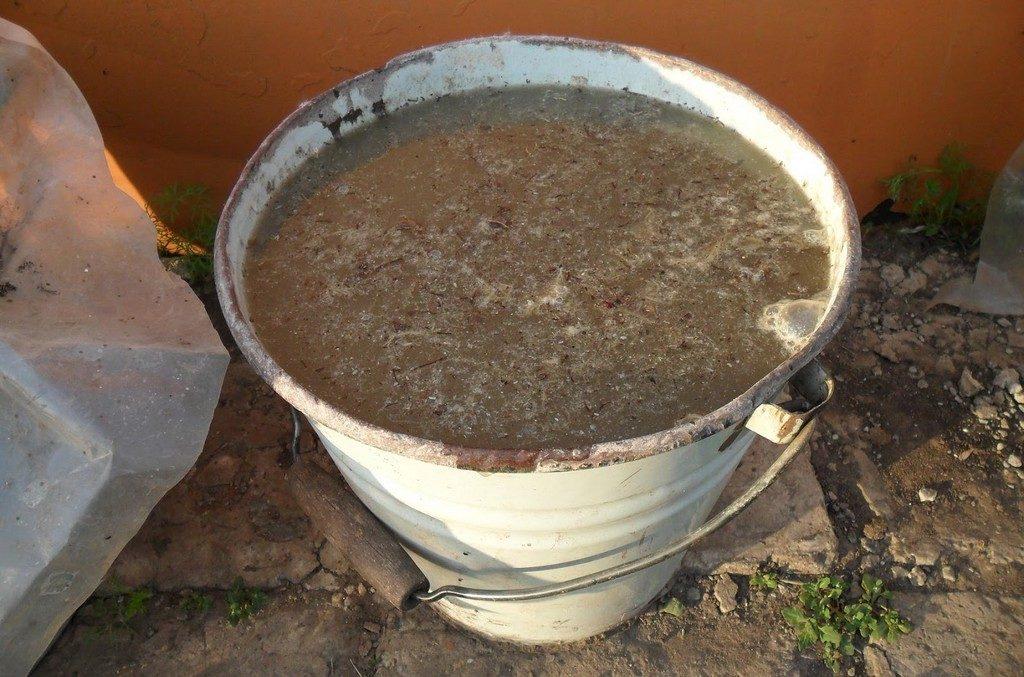
A yeast mixture is used to accelerate the decomposition of organic fertilizers. This product is applied simultaneously with natural biostimulants. It's important to use a small amount of yeast, otherwise the soil will become stony.
Urea
Urea is used when signs of nitrogen deficiency appear. It is also suitable for pest prevention. To do this, apply no more than 20 grams of urea per square meter.

Ready-made complex fertilizers
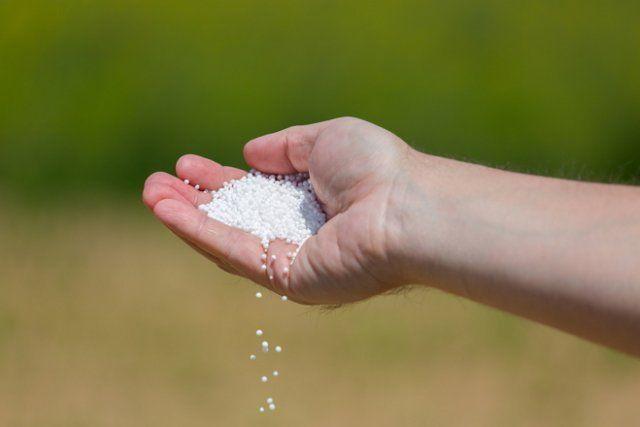
Carrots don't like organic fertilizers. However, if such fertilizers are applied in the fall, the crop grows well in the garden. Complex fertilizers containing the following are recommended for carrots:
- nitrophoska;
- nitroammophoska;
- azophoska;
- nitrophos;
- ammophos.
The specified fertilizers contain 2-3 components that stimulate the development of the crop.
Fitosporin-M
Fitosporin-M contains Bacillus subtilis, which simultaneously stimulates the decomposition of organic matter and inhibits the activity of pathogenic bacteria and fungal spores. This product is approved for use at all stages of root crop development. Fitosporin-M is available as a solution, powder, or paste. The latter two must first be diluted with water in the proportions indicated on the packaging.
The dosage of the substance is determined depending on the intended use. To accelerate seed germination, soak the seedlings in a Fitosporin-M solution for 2 hours. To disinfect the soil, dilute 5 grams of powder in 10 liters of water and apply the mixture to the soil.
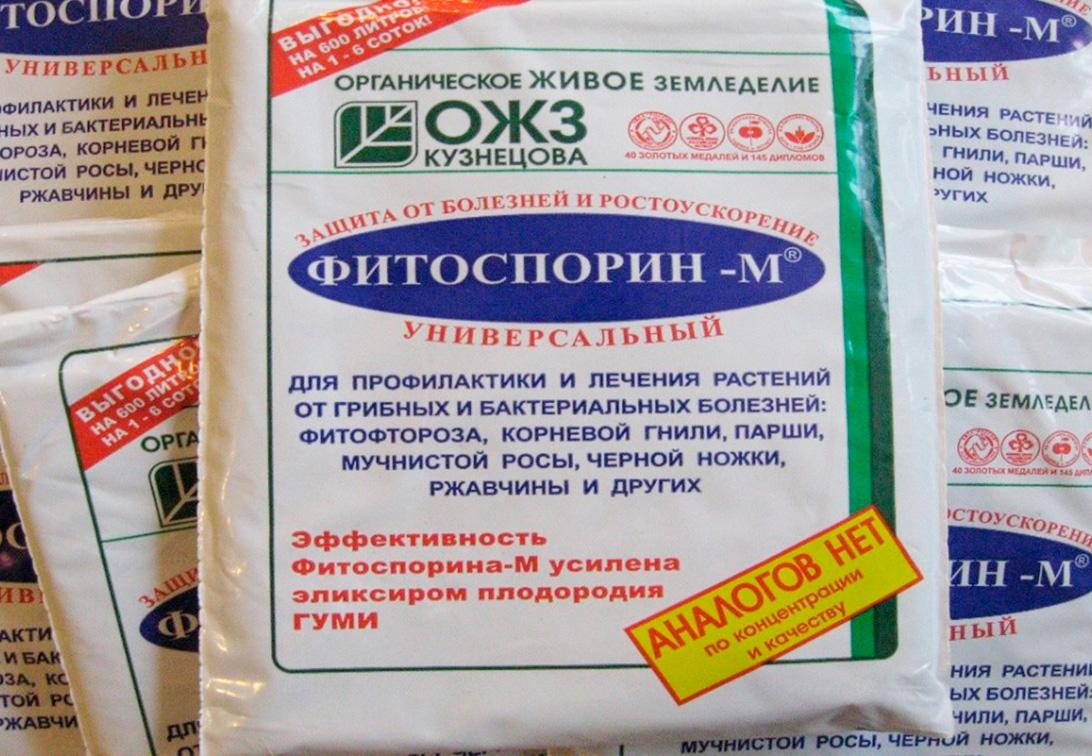 Fitosporin-M is safe for humans and compatible with most common insecticides. It can be used on carrots shortly before harvest (the roots must be thoroughly washed).
Trichodermin
Trichodermin is an antibiotic that inhibits the growth of fungal spores. The drug also stimulates the development of fruit and vegetable crops. Trichodermin is recommended for use only as a preventative measure, during winter or early spring. The drug is also used for soil disinfection.
Before treating the garden bed, weeds must be removed. This is because Trichodermin stimulates plant growth. Therefore, after applying the product to the bed, the number of weeds increases significantly.

Gamair
Gamair is primarily used to treat shrubs, trees, tomatoes, and cucumbers. However, it can also be used for pre-sowing treatment of carrot seeds or for treating root crops. This biological product, available in tablet and powder form, prevents the development of fungal diseases common in Russia's temperate latitudes.
Gamair is also able to improve the bacterial composition of the soil by destroying pathogenic microorganisms.
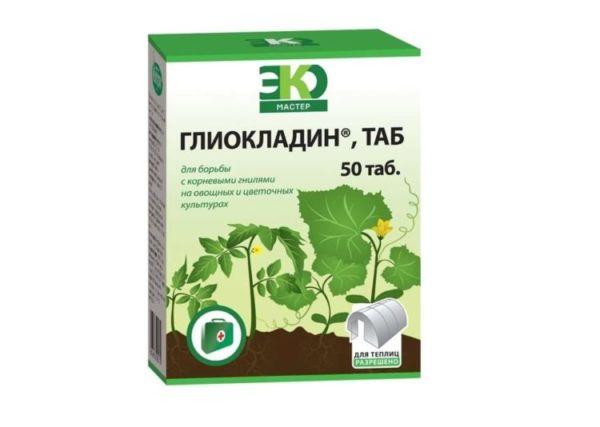
Glyocladin
Gliocladin has a broad spectrum of action. It is used in pre-sowing preparation of crops to prevent bacterial and fungal infections. Gliocladin is based on specific microorganisms that are safe for humans. The dosage is determined depending on the growing location of the plant being treated. Gliocladin is prohibited for spraying foliage or in acidic soils.
Uniflor-bud
Uniflor-Bud is a universal product suitable for a variety of fruit and vegetable crops. It contains a range of micronutrients essential for growth, with potassium being its primary component. Uniflor-Bud is used during pre-sowing seed preparation or after planting. In the latter case, the product is sprayed on carrot tops when signs of wilting appear.
Agricola
Agricola is an inexpensive fertilizer used for fruit and vegetable crops. It contains potassium, magnesium oxide, nitrogen, and phosphorus, essential for normal root development. Several varieties of this fertilizer are available, each suitable for specific crops.
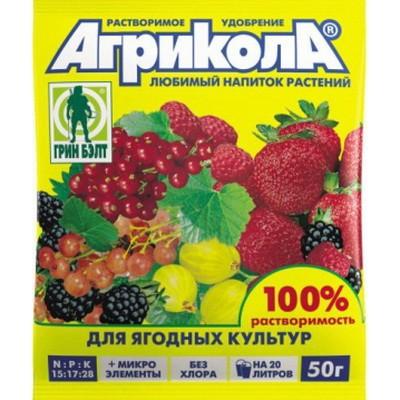
Agricola is applied to carrots three times per season. The first application is made 20 days after planting. Then, the plants are sprayed every 15 days. Before application, mix 25 grams of the product with 20 liters of water.
Important rules
To achieve quick sprouting of carrots, it is recommended to follow the following rules:
- apply liquid fertilizers to moist soil;
- nitrogen fertilizers are applied until halfway through the growing season;
- apply organic fertilizers in measured doses;
- avoid using fertilizers containing chlorine;
- Avoid planting carrots after liming the soil.
During the summer, only foliar (between rows) liquid fertilizers are applied. During this period, the plant is allowed to be fertilized no more than twice.
Gardeners also recommend applying mineral fertilizers shortly before harvest. This will reduce nitrate levels in the roots and make the carrots sweeter.
When fertilizing a crop, it is recommended to pay attention to the condition of the soil and tops, and use a specific product based on external signs.
Feeding scheme
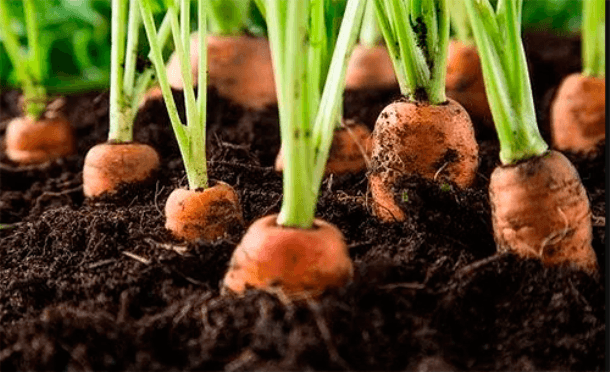
The carrot fertilization schedule depends on the soil type in which the crop is planted. Most often, the plant is fertilized up to three times per season, taking into account pre-planting bed preparation. However, if necessary, gardeners apply mineral fertilizers shortly before harvest.
First
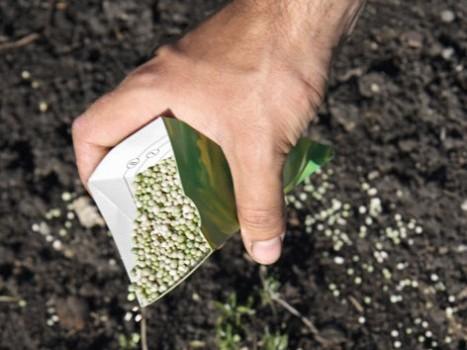
In the spring, a month before sowing, add vermicompost to the bed. Then, 2-3 days before planting, fertilize the soil with humates (usually wood ash). To speed up carrot growth, it's also recommended to apply mineral fertilizer at a rate of 65-85 grams per square meter.
Second
A month after the first shoots appear, the bed is fertilized with nitrogen. During this period, it is recommended to use urea (25 grams per 10 liters of water), nitrophoska (a teaspoon per bucket), or potassium humate (2 tablespoons per bucket).
Third
In the summer (20 days after the second feeding), mineral fertilizers containing nitroammophoska are added to the soil. During this period, it is not recommended to use organic matter or apply lime to the soil.

The last one
Fifty days after the first leaves appear, the final feeding is applied. In this case, use mineral fertilizers containing potassium sulfate. This feeding has a positive effect on the taste of the root vegetables.

Foliar
Wood ash infusion is commonly used as a foliar fertilizer. This prevents the development of bacterial and fungal diseases. To enhance flavor, gardeners use humates. The tops are applied last. The humates allow nutrients to "drag down" to the roots, enriching them with sugars and increasing the carrot's juiciness.
What doesn't he like?
Fertilizing according to the specified schedule isn't the only requirement carrots have for their growing location. The composition of the fertilizer, the care requirements, and the frequency of watering all influence the plant's development.
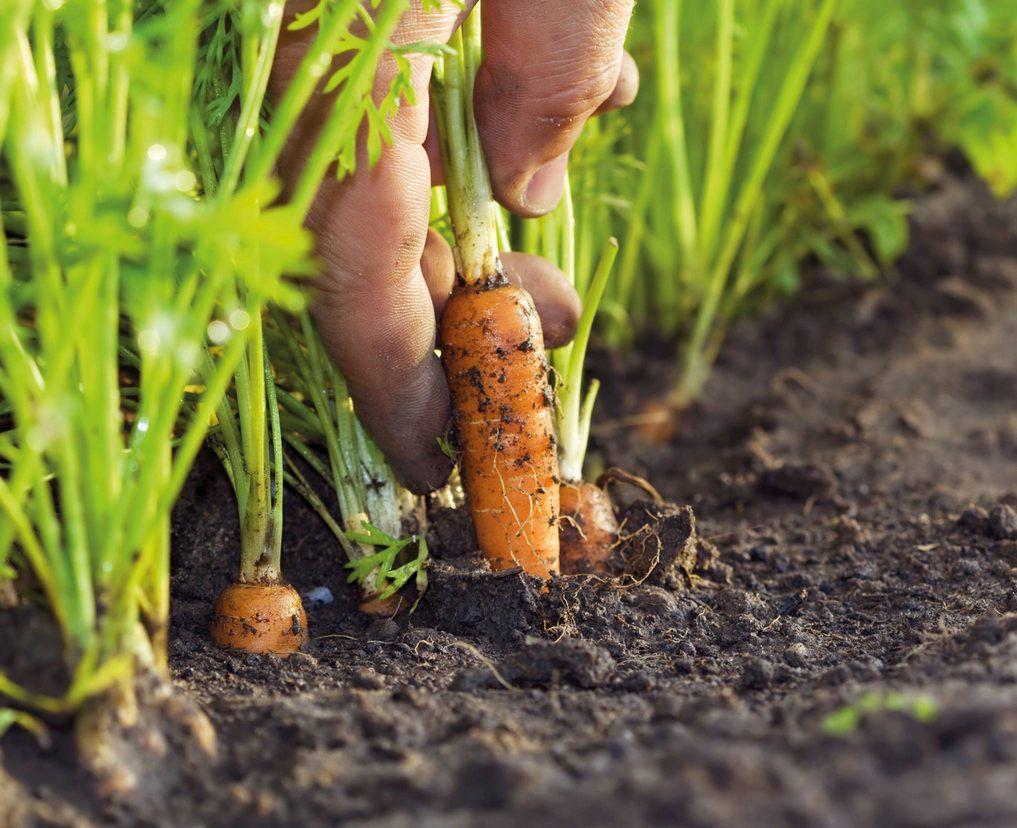
Fresh organic matter should not be used as fertilizer. Carrots are particularly sensitive to fresh or unrotted manure. This type of fertilizer causes the roots to rot in the soil. It's also important to carefully monitor the dosage of nitrogen-containing fertilizer. High concentrations of this substance in the soil cause the roots to branch out during development.
Chlorine
Fertilizers containing chlorine interfere with normal root development. When such fertilizers are added to the soil during the growing season, carrots become wrinkled or branched. Furthermore, the use of chlorine negatively impacts the taste of the fruit.

Soil deoxidation
Soil deacidification is possible by adding limestone and other pH-balancing substances. Woody fruits with low sugar content develop in such soil.
Pebbles, lumps of earth, wood chips and other solid particles
Heavy and frequent watering contributes to soil compaction, which deprives the root system of oxygen. Similar consequences occur when growing carrots in rocky soil.
To ensure the plant develops normally, it is recommended to loosen the bed after each watering or rain.
When preparing the soil for planting, gardeners often use wood chips. While sawdust has a positive effect on the soil, it takes a long time to decompose. Therefore, to prevent root crops from being starved of oxygen, the wood chips are soaked in water for several days before spreading them over the plot.
Excess moisture
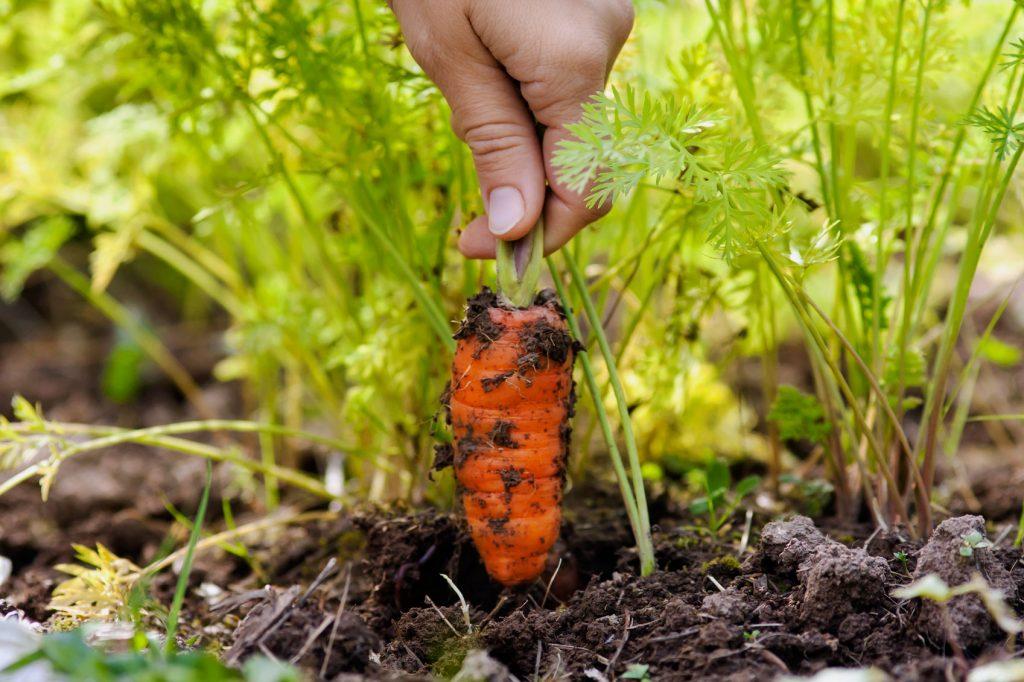
Carrots have a long growing season. Roots form within 4-5 months after planting. Carrots begin to mature after the tops stop growing. Therefore, the watering schedule depends on the current stage of the plant's development. During the first few months, carrots require frequent soil moisture.
However, after 4-5 months, it's recommended to water the bed no more than three times a week. Overwatering can cause the root crop to crack.
Incorrect thinning
Carrots are planted in a bed by scattering the seeds in a row in a prepared furrow. The main drawback of this method is that the adjacent root crops interfere with the normal development of neighboring plants. To prevent this, it's necessary to regularly thin the bed after the first leaves appear, removing some of the newly grown carrots. Failure to do so will deprive the plant of sufficient nutrients, causing the carrots to become deformed or develop additional growths.
Lack of moisture
During the growing season, the crop requires regular and abundant watering. Along with moisture, the root vegetable draws micronutrients from the soil, essential for normal growth and development. A lack of water causes carrots to become tough and fibrous. A lack of moisture also negatively impacts their flavor.
Related posts:
 Is it possible to plant carrots in July or at the end of June? What are the best days and care instructions?
 How to control carrot flies with medications and folk remedies
 Carrot care guidelines for outdoor cultivation to ensure a good harvest
 Timing and rules for planting carrots in winter, which variety is best to choose
 50 Best Carrot Varieties with Descriptions and Characteristics
 How to plant carrot seeds in open ground, timing and sowing methods
 Why didn't the carrots sprout and what should I do? How to plant them so they sprout quickly?
 Description of carrot pests and diseases and methods of control
I don't see anything wrong with specialized products. If the soil is poor, you simply won't be able to grow a good harvest without them. I've been using Nitrophoska for several years now, and the results are good.