
- Reasons for occurrence and description
- Life cycle
- What harm does it cause?
- Effective methods of control
- Agrotechnical
- Correct planting of carrots
- Use of proven varieties
- Selecting a site
- Neighborhood with onions
- Refusal of manure
- Landing time
- Autumn digging of the garden
- Correct predecessors
- Treatment with biological preparations
- Moderate watering
- Using egg trays when planting
- Using spunbond
- Use of chemicals
- Arrivo
- Decis
- Aktara
- Fitoverm
- Vantex
- Borey
- Inta-Vir
- Karate Zeon
- Corado
- Tzipi
- Rules of application
- Use of folk remedies
- Tomato tops decoction
- Wormwood decoction
- Onion infusion
- Ammonia
- Tobacco dust
- Mustard
- Black or red pepper
- Saline solution
- Pine infusion
- Naphthalene
- Birch tar
- Kerosene
- Comprehensive measures
- Helpful tips
The appearance of a small, dark fly in carrot beds threatens the complete loss of the root crop. These tiny insects reproduce quickly and, if left untreated, infest the fruit with larvae, which quickly consume the juicy young carrots. Even slightly damaged carrots become unpalatable, lose their shelf life, and quickly rot in storage. Let's look at what kind of insect the carrot fly is, how to control it, and the most reliable and necessary measures for eliminating this pest from the garden.
Reasons for occurrence and description
The carrot fly larvae's favorite food is the juicy root vegetables of several types of garden crops:
- carrot;
- celery;
- parsley;
- parsnip.
Carrot beds are an ideal place to lay eggs. Food is plentiful, and the crop is planted in neat rows. When the eggs hatch into larvae, succulent food is abundant. This pest prefers warm, moist places, but does not lay eggs in loose, unconsolidated soil. It seeks a place where the larvae can thrive and thrive.
Note: The smell of carrot tops attracts flies, and dense plantings create quiet, comfortable spots for breeding.
Overwatering and high soil moisture are favorable for the emergence of young. Carrot flies are widespread throughout the country, and the pest thrives especially well in high-humidity conditions.
Overwatering of beds and an excess of carrots per square meter of area provoke a rapid increase in the population.
The main reason for the annual appearance of carrot flies is the infestation of the soil with pupae and larvae. They survive the winter well and begin a new life cycle in the spring. Constantly using the same planting areas, poor crop rotation, and the lack of proper pest control are the reasons for the annual invasion of carrots.
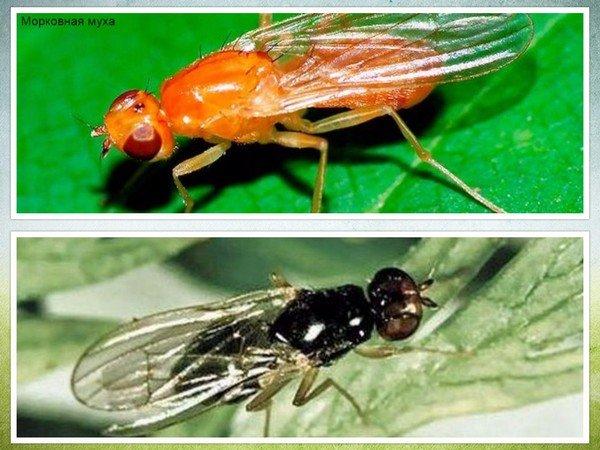
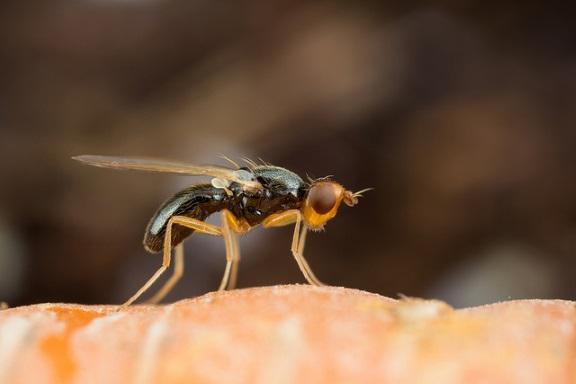
The carrot fly looks like a common fly: its body is 4-5 millimeters long, and its upper body is black. The photo shows that its head is brownish-red, and its legs are dirty yellow. Its wings are transparent and veined, like most fly species. A characteristic feature of this species is its low flight, which is used by gardeners to control the insect.
Life cycle
This fly species goes through a complete development cycle. Adults lay eggs twice per season. The first season begins in May and ends with the laying of eggs (about 100) in the tops of root crops protruding above the soil. In the absence of carrots, the fly will lay eggs in turnips, celery, and dill roots in the garden.
The fly flies low, feeding on the nectar of umbelliferous plants. The egg-laying period extends over 30-45 days.
The eggs are small (0.6 mm), and the larvae hatch after 10-14 days. It is the larvae that are the root crop pests. They begin feeding immediately, gnawing tunnels through the carrot flesh. The larvae are 6-7 mm long and resemble brown worms.
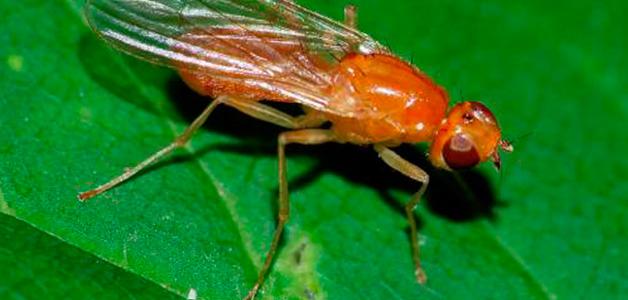
They go through two stages, lasting a total of 60-75 days. After this, they crawl into the soil and pupate. New flies emerge in July-August. The pupae successfully overwinter in the soil, and with the arrival of spring, they continue their metamorphosis, giving birth to new flies.
What harm does it cause?
Carrot pests include maggots, which, if left untreated, can cause serious damage to the crop. Eggs and maggots are deposited in storage during harvesting and continue to feed on carrots throughout the winter. Even mildly infested carrots lose flavor and quickly rot.
This small fly is difficult to spot near garden beds. Signs of infestation on crops and fruits:
- change in the color of the tops - the leaves become an unnatural red-purple color, gradually turn yellow and dry out;
- when the top of the carrot is exposed, brown spots from the movement of the larvae are visible;
- the extracted carrots are covered with brown spots and have an unpleasant odor;
- the fruits are twisted and deformed.
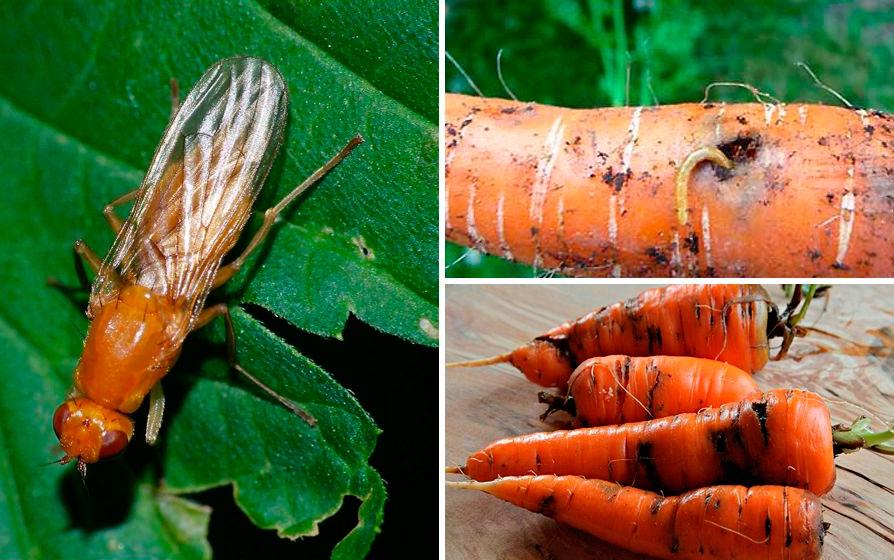
Pathogenic microorganisms and fungal spores penetrate the damaged surface. The carrots rot in the ground, the green parts wither and fall off. Even if they're not completely dead, they become unfit for consumption—the flesh becomes tough, and the juiciness and flavor are lost.
Effective methods of control
Controlling carrot fly is not easy; prevention is considered the most effective. Once the eggs are laid and the root vegetables are infected, a good harvest is out of the question.
All control methods are used together, taking a comprehensive approach. Well-thought-out agricultural practices prevent the appearance and spread of the fly. Folk and chemical methods repel and destroy both adults and larvae from garden beds.
Agrotechnical
Knowledge of agricultural practices, that is, the farming techniques necessary for the crop's healthy growth, helps reduce the risk of pest infestation. Carrot growing techniques involve many necessary conditions. Let's examine them in detail.
Correct planting of carrots
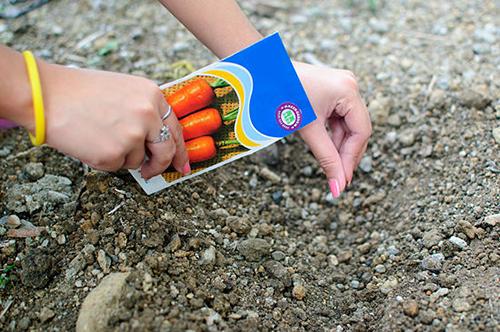
Carrots should not be planted too densely. When using questionable seeds, gardeners tend to scatter them too widely, fearing that a significant portion will fail to germinate. Experienced gardeners, to protect against carrot flies, plant carrots in separate small groups, spaced well apart. Avoid large plantings with dense foliage and intense shade, where it's constantly damp and the leaves rub in the wind, attracting the flies with their scent.

An overabundance of plants in a garden bed creates conditions for the fly to quietly breed in the thicket. When thinned, the aroma of carrots spreads throughout the area, attracting the pest and finding a desirable place to lay eggs and hatch their young.
The best option is to purchase high-quality ones seeds and planting carrots at a distance of several centimeters so that there is no need to thin out.
Use of proven varieties
There are no carrot varieties that the fly fears and avoids. No crop demonstrates complete resistance to the pest. A study of carrot fly preferences has shown that it is attracted to varieties with high levels of chlorogenic acid in the foliage. Excess carotene and sugar in the fruit are detrimental to the growth of the fruit.


Breeders have created varieties with sweet fruits and tops that don't attract adult insects. It's worth noting that if there's a nearby bed of other carrot varieties, the fly will fly there, but in their absence, it will use the existing ones for reproduction. Let's highlight several varieties considered the most resistant to the pest.
Vitamin 6
It is grown in all regions of the country, including the coldest. Its sugar content is 7-11%, which, according to breeders, protects against carrot root fly. The root is cylindrical with a blunt end. It weighs up to 170 grams and is centimeters in diameter. The core is indistinct, star-shaped. The harvest is in August-September.
Vitaminnaya 6 is distinguished by its good shelf life, resistance to cracking and drying out in storage. Its sweet taste and high carotene content make it beneficial when fresh.

Perfection
A late-ripening variety, used for winter storage. High carotene and sugar levels. Perfection tolerates drought and lack of water well, and with proper irrigation, it resists carrot fly well. Perfection's cylinders weigh up to 190 grams, and the variety yields up to 4.5 kilograms of fruit per square meter. Can be sown in winter.
Losinoostrovskaya 13
This variety yields up to 7 kilograms per square meter. The fruits are a distinct orange color and store well until late spring. Each root weighs up to 100 grams, and the skin is loose and glossy.
Grown in all regions, the variety is resistant to bolting and low temperatures. The fruits grow downwards and do not emerge above the soil, so they do not turn green at the top. They are used in a variety of ways, including for baby food and juice production.

Nantes 4
A popular variety, characterized by uniform, even fruits. It can be stored until the next harvest without losing quality. Nantskaya 4 cylinders grow up to 160 grams, with an indistinct core—juicy and slightly rounded or angular. Nantskaya 4 is the best variety of the Russian selection group, successfully growing in many regions with different climates. It requires regular watering and loosening of the soil, and is planted in well-lit areas.
Incomparable
This variety is cultivated in most regions and has been known since 1943. It is distinguished by its few eyes and thin lateral roots. The flesh is even in color, with a faceted center. It is a late-ripening variety, maturing in up to 120 days. It keeps well, retaining its flavor throughout storage. This variety is recommended for fresh consumption due to its excellent flavor.

The fruits of the Incomparable are bright orange, weigh up to 210 grams, and yield up to 7 kilograms per square meter of beds.
Calgary F1
This variety is considered resistant to the carrot fly. The obtuse-conical fruits grow up to 22 centimeters. They store well without losing flavor or cracking. The yield is high, and the carrots mature in three months. Other varieties considered resistant to the carrot fly by gardeners include Nantik Rezistafly F1, Amsterdam, and Shantane.
Selecting a site
Carrots need frequent watering, but avoid damp, low-lying areas for planting. It's best to choose a small hillock exposed to the sun and wind. Good ventilation will provide additional protection from carrot fly. If the surrounding area is not damp, the insect will seek out more humid areas.
The best neighbors for carrots:
- onion;
- garlic;
- strawberry;
- tomato;
- potato;
- peas, beans;
- salad;
- radish.
Do not plant near carrots due to the risk of common pests:
- dill;
- parsley;
- celery;
- horseradish;
- beets;
- under the apple trees.
There should be no dense weeds nearby, as these are a habitat for adult insects. Carrot flies also love wild umbelliferous plants and nest in their bushes.
Neighborhood with onions
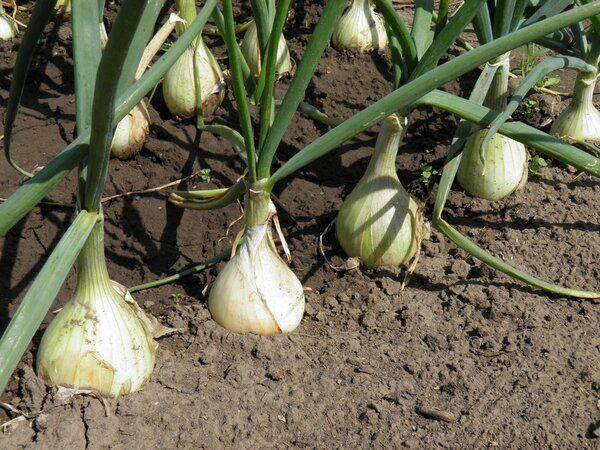
Agronomists confirm the beneficial interaction between onions and carrots. The crops mutually protect each other from pests.

The scent of onions repels carrot flies, and the tops of onions repel onion flies. Gardeners skillfully exploit this attraction by planting crops in parallel rows.
What is important to consider:
- different watering times; it is better to plant crops not together, but in separate beds, with separation;
- Onions and carrots need to be planted at the recommended times, which again requires separate beds.
By observing these conditions, gardeners improve the development and protection of both plants.
Refusal of manure
Traditionally, manure is considered beneficial only during the growing season. Carrot beds are not fertilized with manure. If organic matter has been added, you'll have to find another plot for carrots and plant them in this one next year.

Carrots grown on manure will grow with coarse lateral roots, bearded, and flies will happily lay eggs near loose fertilized soil.
Landing time
The best protection against the fly is to plant as early as possible, before the larvae have become active in the soil. The best time is mid- to late May, depending on the region.
Autumn digging of the garden
Fly larvae and pupae remain in the soil, becoming dormant for the winter, and then continue to develop in the spring. Digging the area in the fall can disrupt favorable conditions for overwintering. It's important to remove all organic matter from the soil, including roots, carrot pieces, and tops. Particular care should be taken to remove insect eggs and larvae from the soil.

In winter, they dig to the maximum depth, leaving the layers of soil unbroken and turning them over, bringing the inner soil to the surface. This allows the soil to ventilate and freeze more deeply. Comfortable wintering conditions are disrupted, and the larvae and pupae die.
Correct predecessors
Crop rotation is used to improve soil composition and protect against pests. Properly selecting crop rotations reduces the risk of common insects and diseases. Carrot beds are regularly moved to a new location to prevent larvae and pupae from dying in the soil without their preferred food source. Carrots can be returned to their original location only after three years. Let's determine the best predecessors for carrots.
Tomato
Tomatoes do not share the same pests as carrots, so the following year they can be sown in the same place as tomato beds.

Garlic
Fragrant garlic contains essential oils that are unattractive to carrot fly. Particles remaining in the soil from last year will protect carrots from the fly next season.
Onion
According to agronomists, onions are the best companion, predecessor, and neighbor for carrots. The mutual influence of the crops helps them cope with pest infestations. The green part of the onion can repel carrot flies, and parts of the bulbs remain in the soil and continue to protect carrots the following year.

Treatment with biological preparations
Using biological products on carrot seeds and young plantings boosts immunity and stimulates growth and development. Carrots become more resistant to pests and better able to withstand temperature changes.
Azotophyte
The bio-product is based on nitrogen-fixing bacteria, which nourish seeds and young shoots with nitrogen. This accelerates the growth of carrot foliage and gives the plants the strength to resist the carrot fly infestation. It also contains fungicides, amino acids, and vitamins, helping protect young shoots from adverse conditions and diseases.
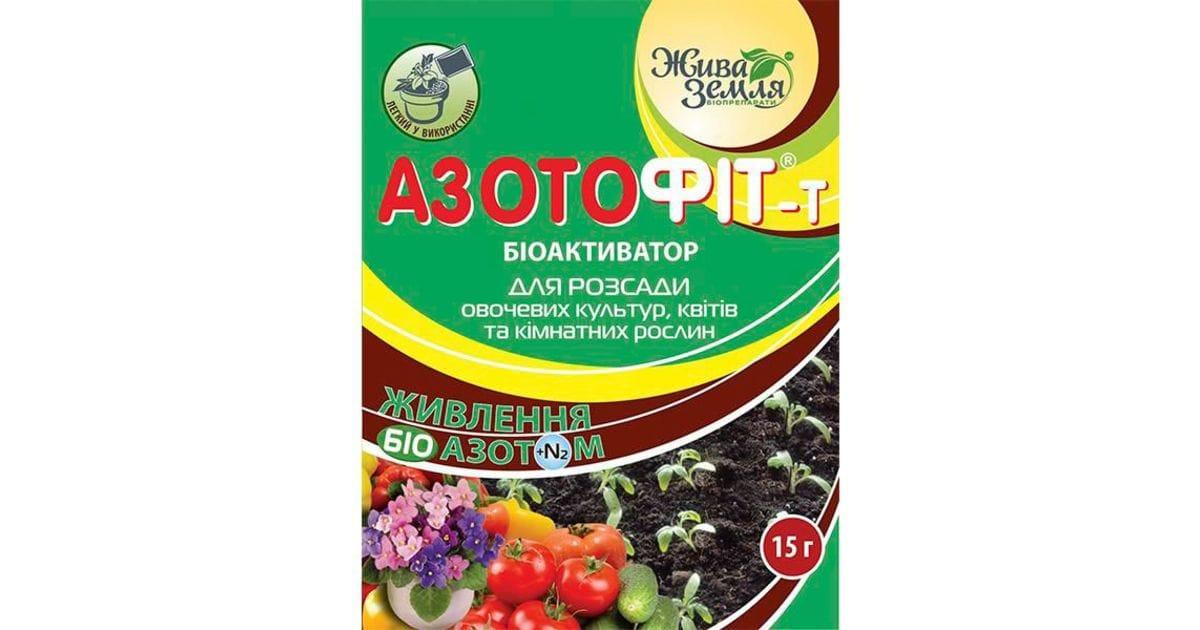
When preparing the seed, soak the seeds for 1-1.5 hours in an Azotofit solution and then dry. During the growing season, water the roots and spray the tops regularly, every 10-14 days.
The drug Trichodermin
The product is classified as biological; it is prepared on the basis of the Trichoderma Lignorum fungus, vitamins and barley extract.
To increase the resistance of carrots, several methods are used:
- seed treatment;
- watering the soil in autumn, spring, and beds during growth;
- spraying the green part.
Trichodermin protects carrots from different types of pests, strengthens the immune system, accelerates the growth and ripening of fruits, and increases crop yields.

Moderate watering
Carrots require regular watering to grow, but excess moisture attracts carrot fly. It's important to choose the right watering schedule to prevent water from stagnating in the soil and to ensure it flows to the roots. In damp weather, reduce watering and ensure proper drainage.
Mulching the beds with organic matter is a good way to retain moisture. Mulch covers the soil and carrot tops, preventing weeds from growing. When the top layer of soil dries out, it's helpful to loosen the soil rather than water it again.
Using egg trays when planting
Resourceful gardeners have come up with a simple way to give each carrot its own space, preventing it from becoming overcrowded and requiring thinning. Cardboard egg crates are used in several ways when planting:
- Sowing carrots indoors in cardboard egg cartons. Once the weather is right, the cells with young seedlings are transferred to prepared beds. When planting, make holes under the carrot seedlings to help them break through the bottom.
- Using cells to mark out the beds. They are simply pressed into the soil and then removed. Seeds are planted in the holes, ensuring the correct distance between each carrot.
- The cells with holes cut into them are laid out in the garden bed, buried in the soil, and filled with soil. Seeds are dropped into the nests designated for the eggs.
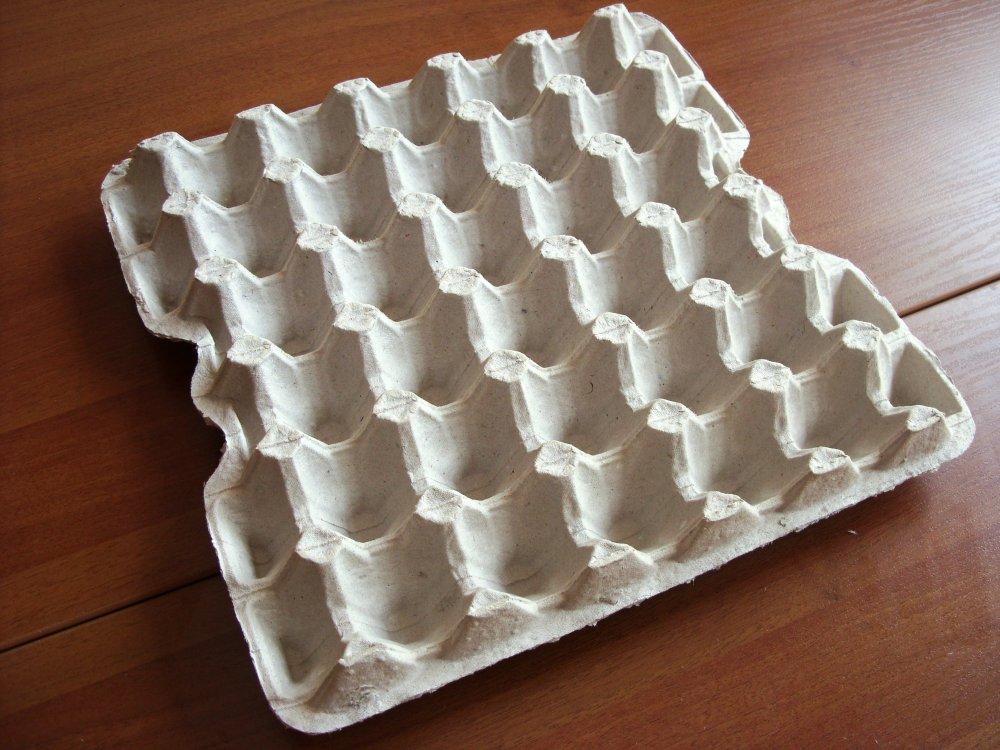
The containers themselves act as mulch, decomposing in the soil.
Using spunbond
Carrots grow well in cool temperatures, but covering the beds with spunbond creates more comfortable conditions for seed germination and the development of young plants. If the beds are covered tightly, flies will be unable to penetrate and lay eggs.
Some gardeners cover their crops with non-woven material only until mass germination occurs. Others leave the spunbond on for a longer period, especially when growing early varieties of carrotsWhen using covering material for a long time, the edges must be carefully sealed to prevent carrot fly from penetrating the seedlings.

Use of chemicals
Many gardeners prefer to use chemicals against carrot fly. When is this justified and necessary?
- in case of annual fly invasion, severe infestation of the area;
- on large carrot plantations;
- the impossibility of planting crops far from last year's beds.
The industry offers a wide range of chemicals that are effective against carrot fly.
Important: the range of action of the preparations is wide; one product can protect carrots from different types of pests without having to determine the exact species.
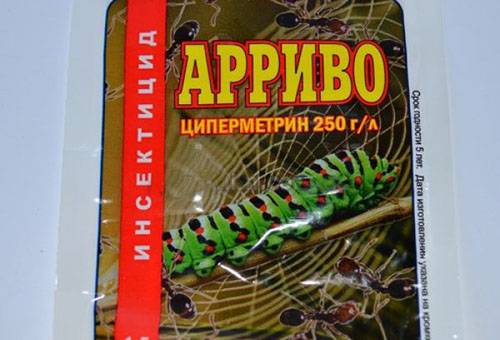
Arrivo
Spray onto the tops at a rate of 1.5 milliliters per 10 liters. Treatment once or twice during the fly season is sufficient.
Decis
It effectively protects carrots from various types of flying pests. It is not washed off by rain. Decis should not be used if there are bees or hives in the area. It is toxic to some types of garden and vegetable crops.
Aktara
The advantage of this product is its ability to be applied to the soil and its systemic action. Thiamethoxam penetrates the roots, killing pests with the sap and pulp. It is also used for spraying the tops of the plants.
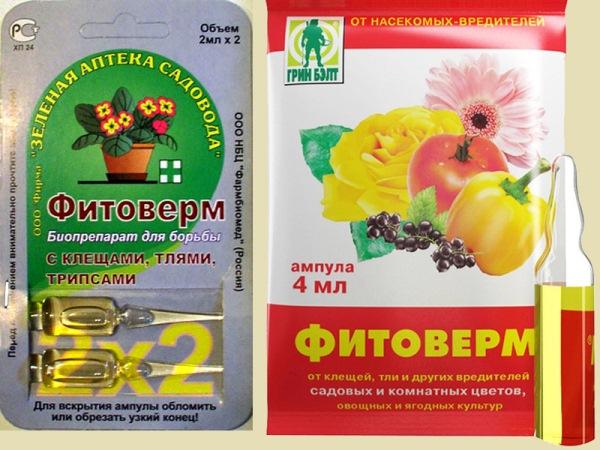
Fitoverm
Belongs to the group of biological products. Fitoverm's action is slightly delayed – 24-72 hours. The product is low in toxicity. Repeated treatments will be required to completely eliminate the flies.
Vantex
In case of widespread carrot fly infestation, spray the plants with the maximum recommended dose, thoroughly soaking all the tops. Shake the product during application, as it consists of microcapsules that quickly settle in the solution.
Borey
The product contains two insecticides that provide different modes of action. This destroys both hidden larvae and adult insects. Carrots can be treated at any time; Borey does not decompose in hot weather or sunlight.
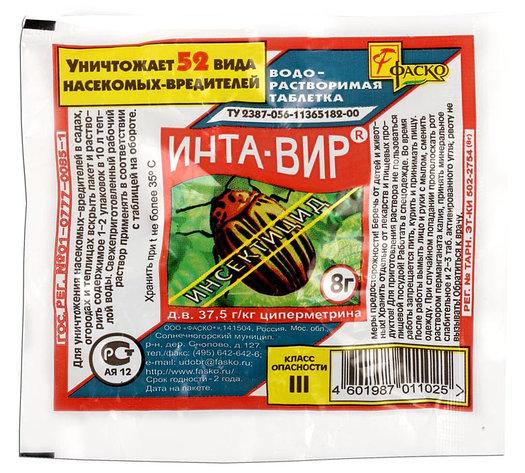
Inta-Vir
The insecticide mimics the structure of natural substances found in some plants. It effectively controls carrot rootworms and 50 other pests. One of Inta-Vir's drawbacks is that the rootworms quickly become accustomed to its effects. It should not be used more than once a year, and it has no effect on larvae or eggs.
Karate Zeon
The new product has a record-breaking duration of action—4-12 weeks—and protects carrots throughout the entire fly season. It only inactivates the eggs; all other stages of the insect's life are within Karate Zeon's range.
Corado
The product is quickly absorbed into carrot tissue and begins to work within 2-3 hours. It is active against all stages of the fly's development. Corado is harmless to plants, but it is highly harmful to bees. It persists in the soil for up to 8 months.
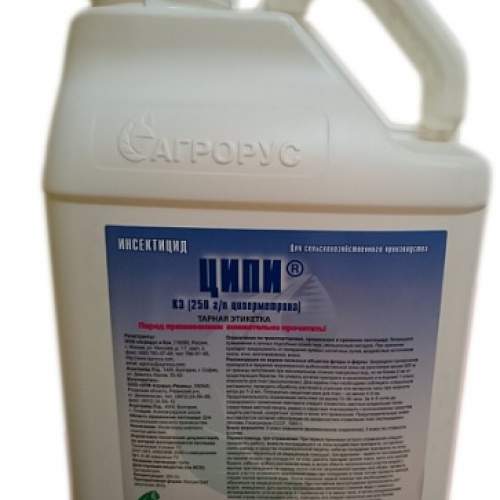
Tzipi
An imported insecticide. It boasts high potency and low dosages for effective action. It requires two treatments. It begins to work within a few hours. It has an active ingredient similar to Arrivo.
Rules of application
Complete elimination of carrot fly is only possible with proper use of insecticides. It is strictly recommended not to use too little or too much. Low concentrations will not eliminate the fly, while high concentrations will cause significant damage to plants and the environment.
It's important to read the instructions and adhere to the spraying schedule, weather conditions, and other recommendations. It's important to follow the recommended application schedule—even if the flies have disappeared, reapply the spray at the specified intervals.
Almost all chemicals are classified as hazard level 3. Personal protective equipment must be worn, and children and pets must be kept away from the area. Chemicals must not be sprayed before harvesting. After treatment, carrots must not be eaten; it's important to explain this to children.
Take a look Also


Use of folk remedies
Plants and household items are used to repel the fly—it dislikes many odors and flies elsewhere. It's important to take protective measures at the beginning of summer, when the carrot fly is just beginning to look for a nesting site. Here are the most common ones. methods for protecting carrot plantings.
Tomato tops decoction
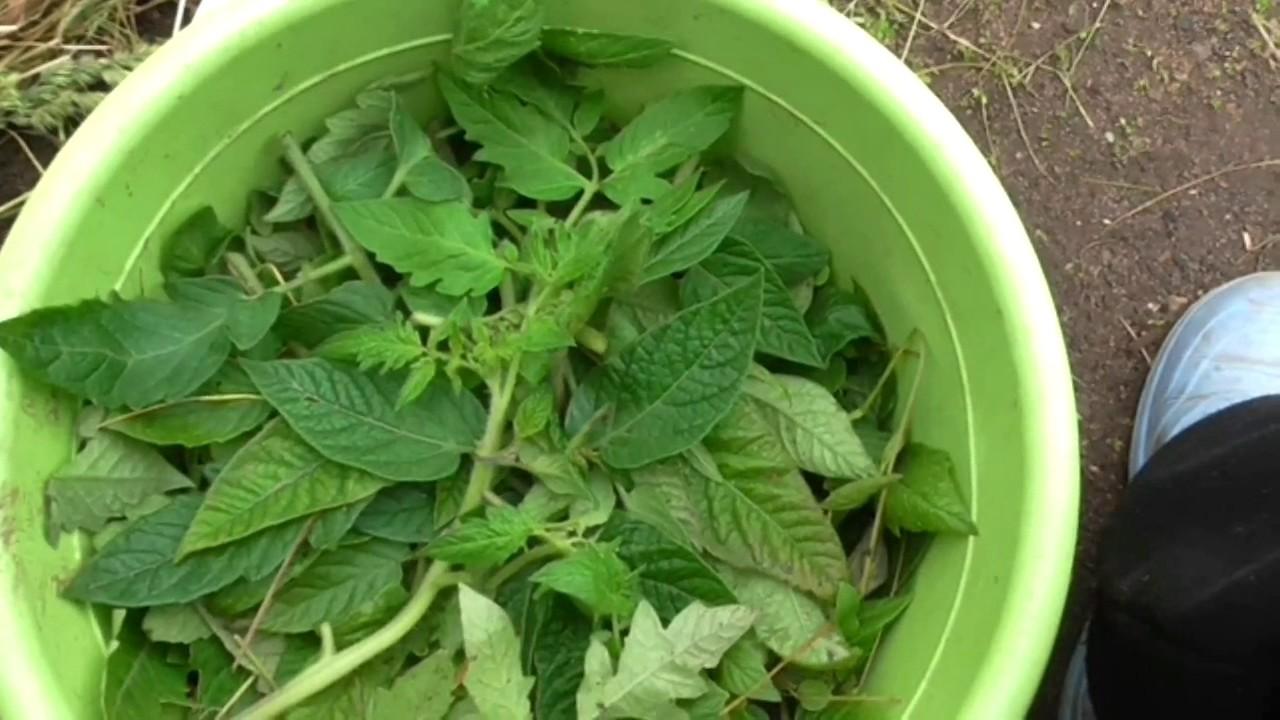
Tomato tops should not be discarded if you need to combat carrot fly. Boil 2 kilograms of chopped tops in 5 liters of water for 30-60 minutes. Cover the bucket and let it steep for 4-5 hours. When using, dilute with 3 parts water and add 30 milliliters of unscented liquid soap.
Wormwood decoction
Fill a bucket to the top with fresh wormwood. Pour boiling water over it and simmer for 10 minutes. Drain and strain the infusion. When using, prepare a solution at a ratio of 1 part wormwood decoction to 8 parts water. Spray the green parts and water the soil. Place wormwood between the rows, regularly adding fresh clumps.
Onion infusion
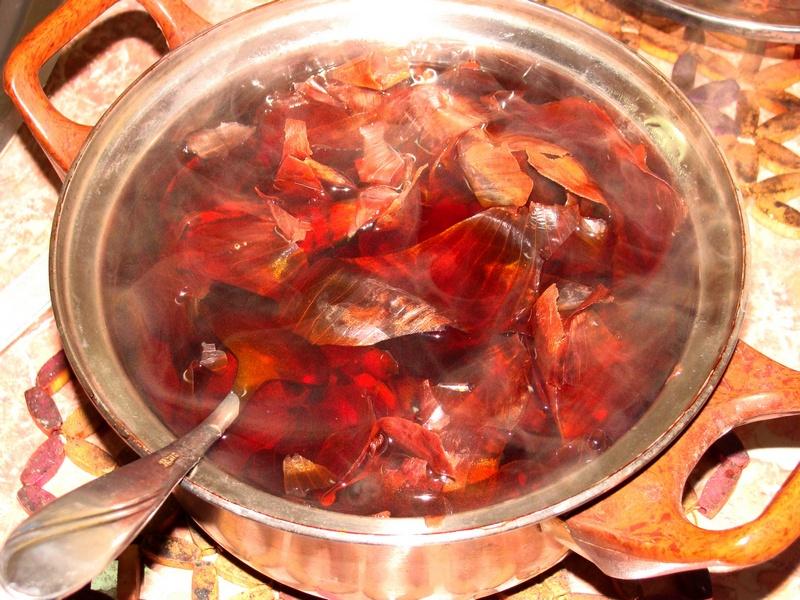
Prepare an infusion of 300 grams of chopped onion per 2 liters of boiling water. Let it steep for 24 hours. Make a garlic infusion in the same proportions. You can mix the onion and garlic in any proportions, following the directions given. Spray the greens, the tops of the carrots, and the surrounding soil.
Ammonia
Add a tablespoon of alcohol to 4 liters of water. Do not exceed the recommended dosage, as this may harm the carrots.
Tobacco dust
Tobacco dust is carefully mixed with sand and sprinkled on the soil between the rows and on the sides of the bed.
Mustard
To protect carrot beds, sprinkle dry mustard around the plants. Note that wind and rain quickly wash away the light powder.

Black or red pepper
Both types of ground pepper are used to repel flies with their scent. Some gardeners make a decoction of red hot pepper, water it around their garden beds, and spray it on carrot tops.
Saline solution
Spray the green part of the carrots with a saline solution. The solution is 20 grams of salt per 10 liters of water. Stir until completely dissolved and add to a spray bottle.
Pine infusion
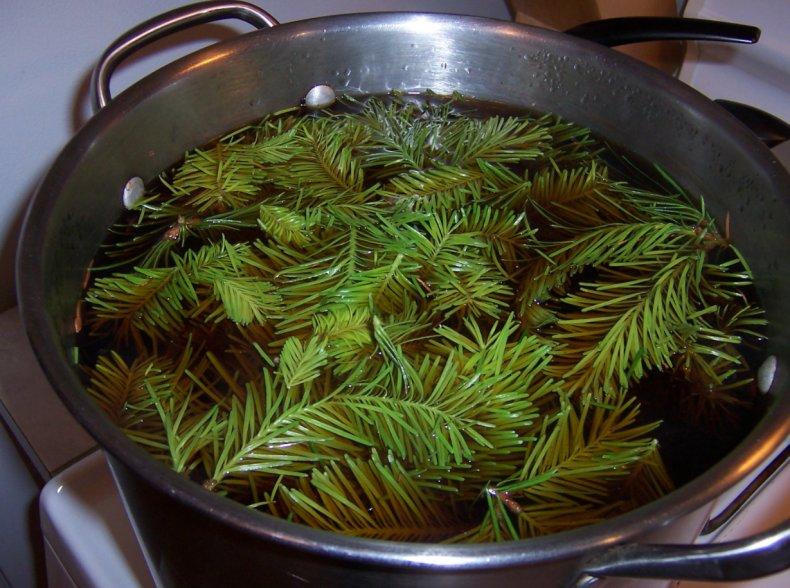
The distinct scent of coniferous essential oils is unpleasant for carrot flies. Pine needles are used in several ways:
- They make mulch for carrot beds using coniferous remains – needles, bark, branches;
- prepare a solution of pine extract for spraying carrot tops - 250 grams of dry matter per bucket of water;
- young needles with small branches (250 grams) are poured with water (a bucket) and left for 24 hours.
The solutions are sprayed on the tops and around the beds.
Naphthalene
Place mothballs in plastic bottles or containers with many small holes. Place them in and around the garden bed. It's important that the odor is noticeable.
Birch tar
A thick, fragrant solution repels carrot flies with its scent. Add a tablespoon of tar to a bucket of water. Sprinkle the seed furrows with it when planting. A second application is carried out in July. Add 20 grams of finely ground laundry soap to the solution.
Kerosene
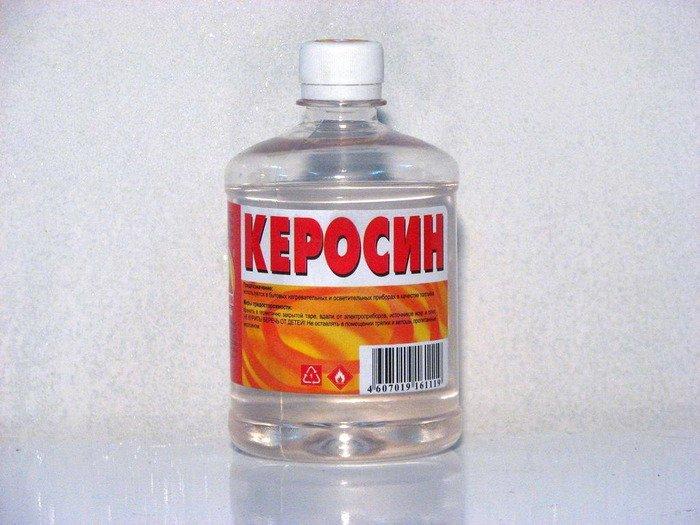
Small containers of kerosene are placed near the garden beds. Plastic bottles can be used. Fill the containers 1/5 full with kerosene, make multiple holes in the top, and press the container into the soil.
Spray only very small bushes (2-3 leaves). Apply 100 milliliters of kerosene per liter of water.
Comprehensive measures
Getting rid of carrot pests is not easy. Only a combination of measures, including agricultural and traditional methods, and, in severe infestations, the use of insecticides, can help.
It's important to plant and water carrots correctly. Use preventative measures to prevent infestation. Diseased carrots should be removed immediately. If larvae have already infested the soil, they will spread to neighboring plants. In this case, only systemic insecticides can help.

Helpful tips
Here are some helpful tips on how to save your crops from carrot fly:
- Flies are attracted to dense, fragrant foliage, so plant carrots sparingly. Seeds on tape or pelleted seeds will help.
- Mulch the beds with peat, flies don’t like its smell.
- Use biological products to increase carrot resistance to diseases and pests.
- It's best to thin carrots early on a cool morning, before the flies have emerged. Fill the resulting holes with soil and compact them. Remove the uprooted plants from the area to discourage pests from being attracted by the smell. After thinning, mulch the soil with peat and scatter repellent plants such as onions, garlic, and pine needles.
- Before storing, inspect all root vegetables and discard even slightly infected ones.
- If agricultural and traditional methods fail, to avoid losing your carrot harvest, use chemical pesticides. These are designed to target different pests, killing not only carrot flies but also whiteflies, nematodes, and other pests.
To grow healthy, juicy carrots, many gardeners must constantly battle the carrot fly. Success comes to those who harmoniously combine various methods.
In many cases, chemicals are the only effective treatment, but they must be used carefully to avoid killing the bees, harming the soil, people, and future harvests. Adherence to good agricultural practices is crucial, so that crops can help and protect each other. This will help you combat the carrot fly and reap delicious, juicy fruits.
Related posts:
 Is it possible to plant carrots in July or at the end of June? What are the best days and care instructions?
 Carrot care guidelines for outdoor cultivation to ensure a good harvest
 What is the best way to feed carrots? Fertilizers and preparations, using folk remedies.
 How to control onion flies using natural and chemical methods
 Description of carrot pests and diseases and methods of control
 Timing and rules for planting carrots in winter, which variety is best to choose
 50 Best Carrot Varieties with Descriptions and Characteristics
 How to plant carrot seeds in open ground, timing and sowing methods