
- Advantages and disadvantages of late planting
- Pros
- Carrot fly and leafhopper
- Fast germination
- Long daylight hours
- Storage of the harvest
- Cons
- Frequent watering
- Rapid weathering of the soil
- Rain knocking out seeds
- Selecting a variety based on the region
- When to plant?
- Suitable varieties for sowing
- Napoli
- Orange Muscat
- Laguna F1
- Alenka
- Queen of Autumn
- Olympus
- Sweet winter
- Valeria
- Moscow Winter A-515
- Losinoostrovskaya
- Red Giant
- Samson
- Anastasia
- Shantane
- Nantes
- Soil preparation
- Digging
- Fertilizers
- Lime
- The best predecessors
- Tomatoes
- Potato
- Seed preparation
- How to sow
- Caring for crops
- Weeding
- Watering
- Fertilizing carrots
- Picking
- Thinning
- Loosening
- Pest and disease control
- Orange peels
- Naphthalene
- Bordeaux mixture solution
- Neighborhood with onions
- Possible problems
- Rainy summer
- Frosts in September
- Failure to follow instructions
Carrots are a vegetable crop that requires a long growing season. However, some varieties can reach full maturity in as little as 90 days. The approach to late planting is crucial. If you sow dry seeds the usual way, the yield will likely be small. However, if you prepare them properly, you'll have a successful carrot harvest. And you can proudly answer yes to the question: can you plant carrot seeds in July?
Advantages and disadvantages of late planting
In many Russian regions where warm weather continues until late autumn, carrots are successfully grown starting in July. By this time, some crops have already ripened in the garden, freeing up space. What else do you need when you can't plant carrots on time? Late planting has several advantages.
Pros
Plan to sow carrot seeds in June or early July, no later. The full growing season for carrots is 90 days, or three months. For us, July, August, and September seem to be sufficient. However, September isn't always blessed with warm weather. Nighttime temperatures can drop to freezing, although this isn't a problem for carrots, who thrive.
So, the timing is clear. The carrots will be ready for harvest by October. What other benefits can be gained from this growing method?
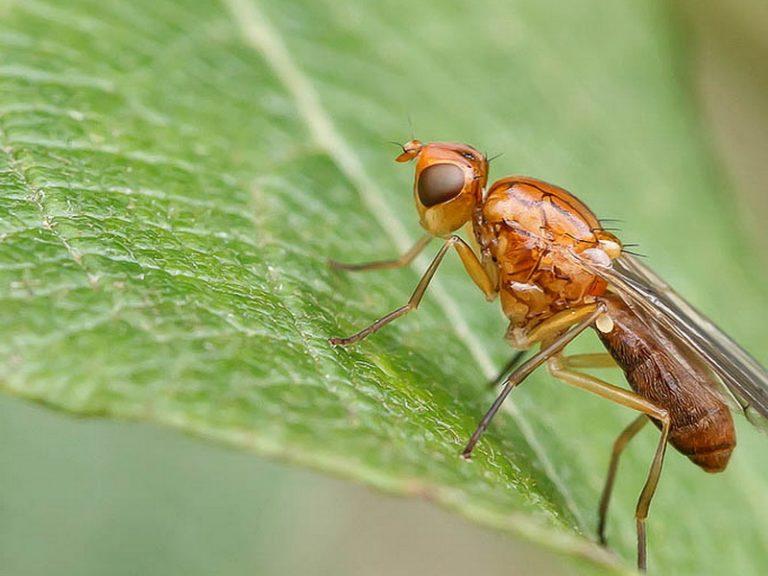
Carrot fly and leafhopper
Carrot flies and psyllids are insect pests that love carrot tops. Their emergence begins in mid-May and continues until early June. If carrots aren't planted during this time, you won't have to deal with the problem. The second wave of pests occurs in mid-August, by which time the young seedlings will have become established and are safe from pests.
Fast germination
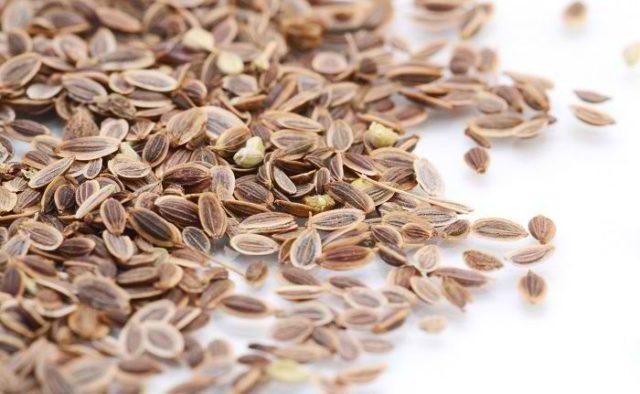
The seeds are sown in well-warmed soil, germinate quickly, and begin to grow. With the usual sowing time of April or May, germination takes about 30 days. This is due to the rich supply of essential oils in the seed coat, which play a protective role. These oils dissolve only at high temperatures.
Therefore, July is the best time for sowing; the oils evaporate quickly, causing the seeds to germinate. The time until germination is reduced almost in half.
Long daylight hours
In July, there are no significant temperature fluctuations, which is favorable for carrots. The weather is virtually stable, and the plant is subject to little stress. It tries to quickly make up for lost time, which means it quickly gains green mass and develops roots.
Add to this the length of daylight hours. In July, the sun rises early, and there are still about 16-18 hours before sunset; light is essential for photosynthesis, the process responsible for plant growth.

Storage of the harvest
It's believed that late planting preserves the harvest well. The root vegetables, while in the ground, absorb all the warmth, which helps preserve all the nutrients for a long time. Even after the first frost, vegetables are safe to leave in the ground, and late root vegetables can be stored in the cellar until the next harvest.
Cons
Of course, the absence of pests and the presence of constant warmth are advantages, but late planting of carrots can have some disadvantages.
Frequent watering
July is considered the hottest month. Planted beds require constant irrigation. July carrots should be watered daily, preferably in the evening. This should continue until the roots form. After that, watering is reduced to twice a week.

Rapid weathering of the soil
Winds are an unfavorable phenomenon. Besides removing fertile soil particles and mulch, they also constantly remove moisture retained in the soil.
Rain knocking out seeds
This is another undesirable process that occurs in July. Repeated rains, although they can occur in May, knock out the top layer of soil along with the seeds.
Selecting a variety based on the region
Not all carrot varieties are suitable for late planting. Choose carefully. The variety should be zoned for your region, be early maturing, and be disease-resistant.

When to plant?
Carrots planted in July typically don't produce abundant harvests. This means that the fruits weigh up to 100 grams and are up to 12 centimeters long. Therefore, it's important to pay attention to the sowing time, as a week or even a day of delay can cost you a harvest.
- In the southern and central regions, seeds should be sown by July 15th—midsummer. This is the optimal ripening time for early carrot varieties. If you plant after this date, the harvest will be unsuitable for storage, and the roots will not attain the desired sweetness and firmness.
- In the Trans-Urals and Siberia, as well as in the northern regions of the country, vegetable crops should be planted in late June or before early July, as the summer is short and there won't be enough time for them to fully ripen. The last ten days of June are the most favorable planting season. If this condition is neglected, the fruits won't have time to form even before the first frost, and for carrots, -6°C (-6°F) is critical.
Take a look Also

June-July is considered the last deadline, otherwise you will get weak root crops that will quickly wither and die.
Suitable varieties for sowing
Not all varieties can be planted in July. It all depends on the maturity period. If it takes more than 90 days, it's best to avoid these varieties. In general, orange root vegetables have varying growth periods, ranging from 55 to 135 days. Before choosing an early-maturing variety, you should weigh the pros and cons, consider the soil structure, and the climate in your region.
- For the central part of Russia, the following varieties are suitable for July planting: Tushon, Artek, Nandrin and Alenka.
- In Siberia you can plant: Cascade, Khrust, Canada, Topaz.
- In the Urals, the following varieties are grown: Tenderness, Samson, Incomparable, Alenka.
These varieties have time to ripen before the onset of autumn heavy rains and the first frosts.
Napoli
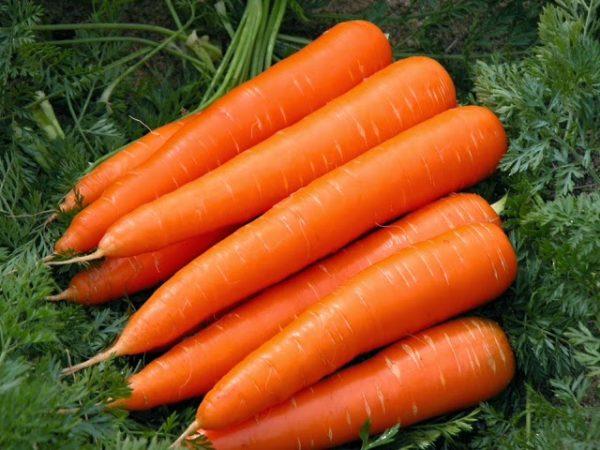
The Napoli F1 carrot is considered the earliest to ripen. This hybrid was developed in Holland. It requires little care, but soil plays a crucial role in achieving a large harvest. The roots reach 20 centimeters in length and weigh 180 grams. The foliage is compact, not overgrown, and the fruits are bright orange. Full maturity takes 90 days.
The plant prefers loose, well-drained soil with a neutral pH. Poor soils with a dense structure (clay) are not suitable for growing. Carrots prefer well-fertilized soil.
Orange Muscat
After the first shoots emerge, it will take 85 days to harvest. Therefore, this variety is suitable for late planting. It's important to time the sowing period.
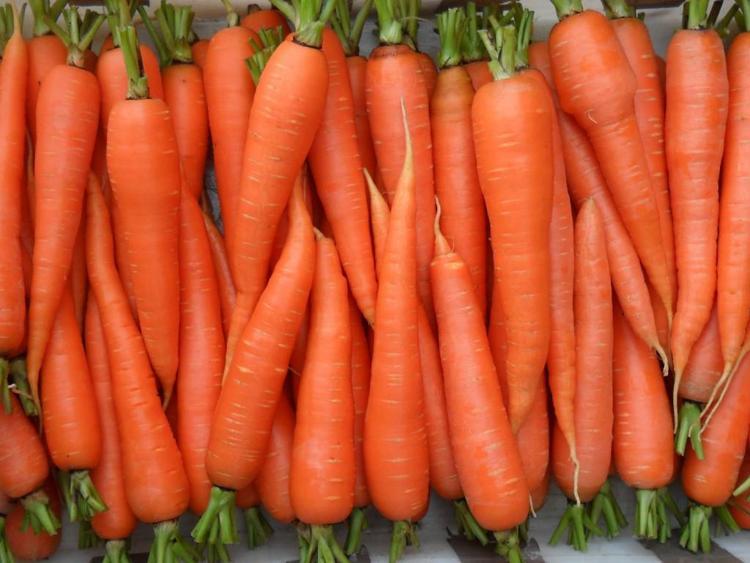
Orange Muscat is a small carrot, rarely weighing more than 80 grams, but is prized for its long shelf life. The fruits are blunt-ended, bright orange, and lack a distinct core. They are sweet and crunchy, perfect for vitamin-rich salads.
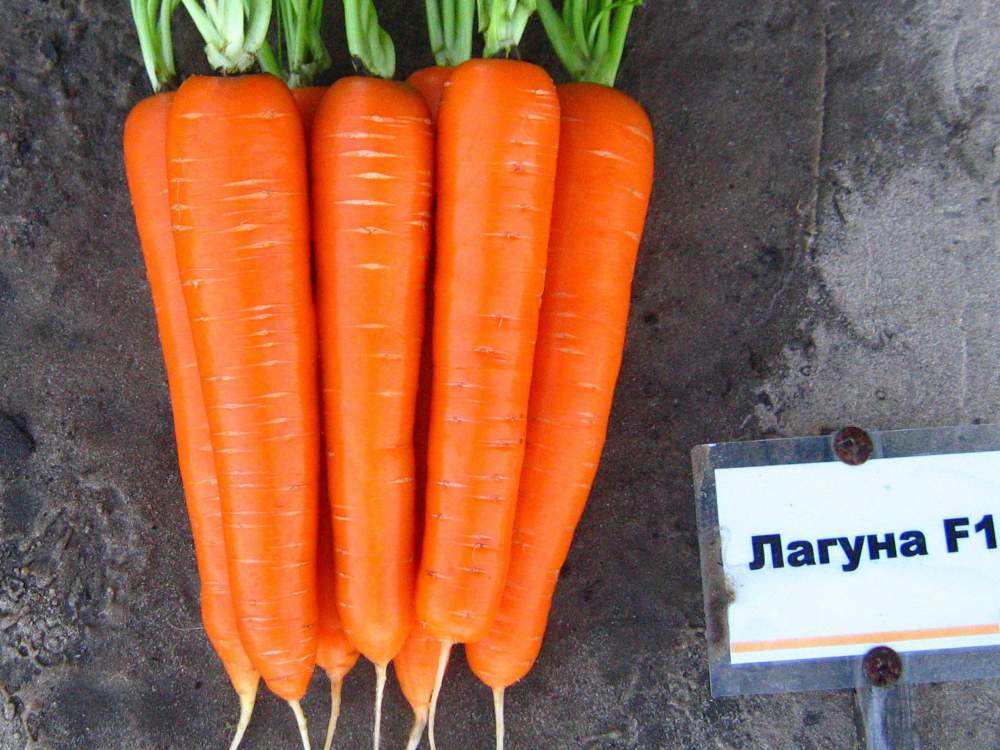
Laguna F1
This carrot variety was bred in Holland, and is of the Nantes variety. Its technical maturity period is 80 days, which is essential for late planting. Laguna carrots thrive when planted in July. However, they are not suitable for growing in Siberia.
The carrots are 18-20 centimeters long, and weigh up to 135 grams. Laguna carrots are an excellent dietary product, with sweet flesh and a rich array of nutrients.
Alenka
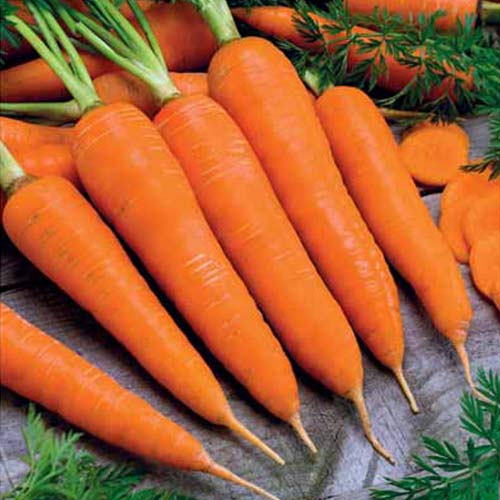
A very beautiful carrot. The root is a perfect cylindrical shape with a pointed tip. All carrots are born with a virtually identical shape and a rich orange color. The root is convenient to use, reaching up to 18 centimeters in length.
Ripening period: up to 90 days. Alenka is grown in virtually every corner of Russia. It tolerates light frosts well and is resistant to leaf spot and carrot fly. It can be stored for up to 1 year in a cool, dry place.
Queen of Autumn
This variety is rightfully considered a vegetable crop. It is prized for its healthy, smooth, and very large roots. They reach up to 25 centimeters in length and weigh up to 180 grams. It is a late-ripening variety, with a ripening period of 130 days. "The Queen of Autumn" is primarily sown in May or early June; it is not suitable for late planting.
Olympus
This late-ripening variety ripens approximately 150 days before harvest. The fruits have a long shelf life and can be consumed practically until the next harvest, provided they are stored properly.
The fruits are elongated, up to 20 centimeters long, weighing 130 grams. They are versatile in culinary recipes and eaten fresh. While the sweetness is subtle, the fruits are characterized by their smooth shape.
Sweet winter
One of the carrot varieties that stores very well due to its dense structure. It's a mid-season variety, ripening in 120-150 days with proper care. The roots are resistant to wireworms and will keep until the next harvest without losing their marketable appearance.
Valeria
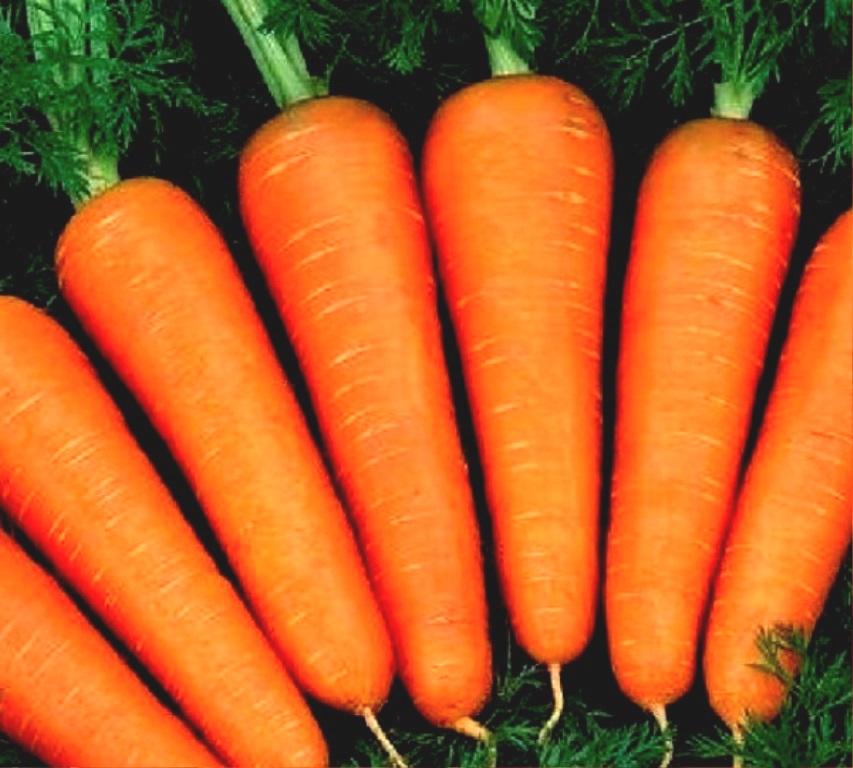
A productive variety with a reddish color. The core is orange. The flesh is sweet and firm, ensuring a long shelf life. This late-ripening variety is ideal for growing in Siberian regions.
Moscow Winter A-515
This mid-season variety is zoned for the Moscow region. The root is conical, significantly widened at the base. The color is light orange. This carrot is intended for winter sowing. Sowing begins in late October or early November, ensuring the bed is well-covered. This cultivation technique is suitable for producing a harvest with long shelf life. Seed germination reaches 90%. For fresh consumption and processing, carrots are sown in mid-May.
Losinoostrovskaya
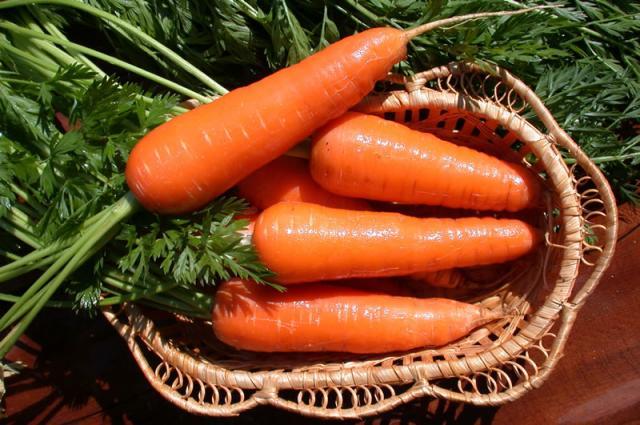
This is an early variety; harvesting begins three months after germination. Therefore, if climate conditions permit, sowing can be delayed until mid-July. The fruits weigh up to 170 grams and reach 17 centimeters in length. Carrots require thinning of the beds when planted densely. If this is not done, the roots will become elongated and will quickly wilt during storage.
Red Giant
The most popular late-ripening variety. The size of the fruits is striking: 25 centimeters long and 6 centimeters in diameter. This carrot is particularly resistant to cracking. Despite its size, the fruits have a small core. It is versatile in use.
Samson
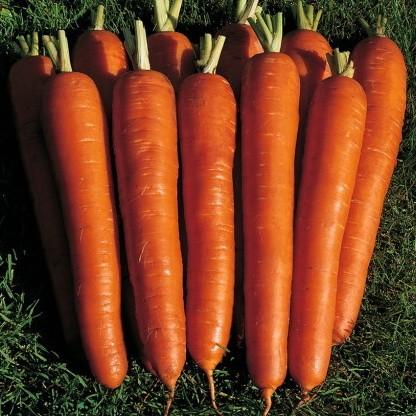
The ripening period is 115 days, and the variety is suitable for sowing in late June, but only if climate conditions permit. The roots are smooth, long, and light orange. The flesh is crisp, juicy, with a subtle sweetness. Suitable for long-term storage.
Anastasia
Anastasia carrots are loved for their early harvesting time and excellent taste. The carrots are cylindrical, perfectly shaped, and are rarely prone to curvature during growth. They reach 22 centimeters in length and weigh 160 grams. The flesh is rich and juicy, with a very sweet taste.

Shantane
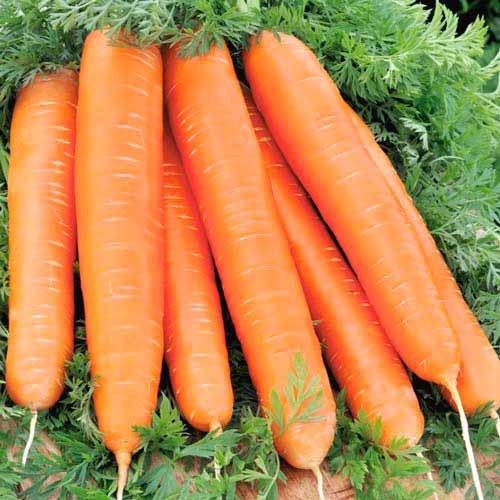
One of the most popular varieties, suitable for cultivation throughout Russia. It ranks second in popularity after Nantes. The fruits are not very long, conical in shape, with a blunt tip. The flesh is juicy and sweet. The fruits do not emerge from the soil during growth.
Nantes
Carrot ripening period is 100 days. Variety Nantes carrots This variety has been popular since the post-war period, and demand for it is only increasing today. The fruits are smooth, cylindrical, and require thinning. The flesh is juicy and sweet, without a noticeable, hard core. It stores well until the next harvest.
Soil preparation
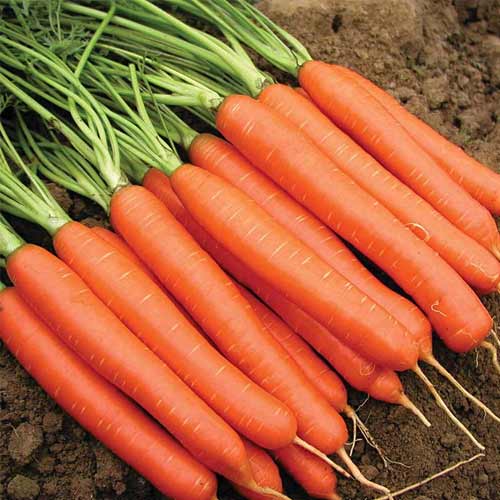
To ensure carrot seeds germinate quickly, it is important to prepare the soil, make it loose, and ensure good access to air and moisture.
Important! It is not advisable to sow carrots in beds where carrots were grown last year, as this will attract a large number of pests and pathogens.
The plot for the garden bed should be selected in a well-lit area, since July planting is a critical time, and carrots need enough sun to form the fruit and enhance its growth.
Digging
In the area previously designated for the garden bed, thoroughly dig the soil with added fertilizer. The digging depth should be at least 20 centimeters (per spade blade). Deep digging will loosen the soil and remove any stones that could interfere with root crop growth, allowing for a smooth harvest of vegetables.

Fertilizers
When digging the soil, it is necessary to add fertilizers that promote rapid growth of green mass and fruit formation.
- The surface of the dug soil should be sprinkled with sifted wood ash, as ash contains potassium, which is necessary for rapid growth.
- Well-rotted compost is spread over the already-sown bed, providing nutrients throughout the season. However, it's best to do this in the fall so the seeds in the compost have time to germinate before the carrots are planted in July.
- A couple of days before sowing, mineral fertilizers are added to the bed under digging: superphosphate - 15 grams, urea - 15 grams, potassium salt - 20 grams, nitrophoska - 30 grams.
Further fertilizing is done as needed during carrot growth. This fertilizing should not be neglected, as time is limited, and minerals will accelerate growth and maturation.

Lime
Lime is added in cases of severe soil acidification. 600 grams are added per square meter during tillage.
The best predecessors
Many gardeners practice crop rotation in their plots, which maximizes their yields. Each vegetable crop has its own precursor, which allows it to thrive. Or it has a poor precursor, which either stunts its growth or prevents it from growing at all.
Carrots are also finicky in this regard. You won't get a high yield in every situation. So, which crops should you plant carrots after?
Tomatoes
This crop is considered the best predecessor because it depletes the soil less. Tomatoes have a taproot system, and the central root extends deep, drawing nutrients from the lower soil layers while leaving a reserve of nutrients for the carrots.

Potato
It would seem that both crops have roots, but why is one sown after the other? They even share the same soil pests. Every time after potato harvesting, the soil is deeply dug or plowed, which kills all pathogenic microbes and viruses over the winter. Furthermore, potatoes leave behind a large amount of potassium, essential for growing carrots.
Seed preparation
Seed preparation is a crucial step in late carrot sowing. While it takes a month for carrot seeds to germinate with a typical May sowing, it's important to speed up this process. This is done as follows:
- Pelleting of planting material. This process involves applying a nutrient coating to the seeds. Fresh cow manure, peat, and compost are mixed in equal parts and the seeds are soaked in the mixture. After 10-15 minutes, the seeds are removed and dried. This procedure is performed 7 days before sowing.
- If carrot seeds are large, they can be soaked to swell and then sown individually. This eliminates the need for thinning the seedlings, meaning there is less risk of damage to the seedlings.
- Another method is to soften the carrot's skin, which is very dense. Pour ice water into one container, and boiling water into another. Dip the seeds first in the boiling water for 3 seconds, then in the ice water. The timing is crucial, otherwise the carrots will cook. Repeat this process three times. Sow the seeds dry, mixed with sand.

You can choose any of the options for accelerating seed germination. If you don't want to mess around, you can use a growth stimulator, soak the seeds in it, and then sow them. In any case, by breaking up the seed coat and providing them with additional nutrition, seedlings will emerge two weeks earlier.
How to sow
It would seem easy to sow. We're used to doing it every year. Today, gardeners resort to various tricks to avoid the hassle of pulling and save time. They use egg cells, plant in bunches, or with sand. There are many methods.
Planting process:
- Furrows are made on the prepared bed and watered generously.
- Then sprinkle the seeds in any way.
- Cover with soil on top and pat lightly.
- The planting depth is no more than 2 centimeters.
- Water the surface of the bed using a watering can with a fine spray.

 Avoid pouring too much water from above, as there's already enough water inside the furrows. Overhead watering can wash away the seeds and cause a crust to form.
Caring for crops
Care must be carried out correctly, in the following sequence.
Weeding
Weeds should be pulled out as soon as they appear. Don't allow them to grow beyond the carrot seedlings, as removing them can damage the plant's root system or pull the plant out along with the weed. Remove all parts of the weed, including the root.
Watering
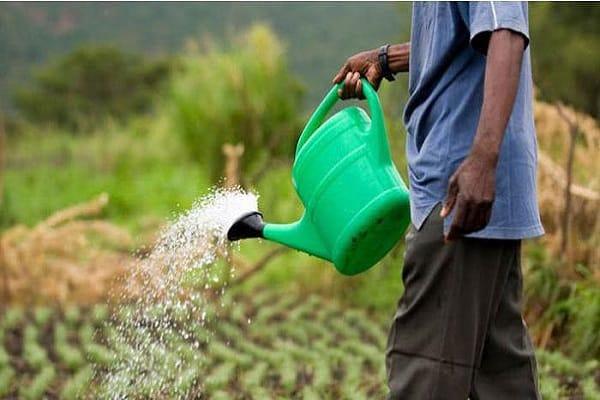
After planting carrots, water the beds daily in the evening to ensure the plants absorb sufficient moisture overnight. Once the plants begin to actively grow, reduce watering and water only when they dry out. If the roots are not moistened enough, they will be woody and not sweet.
Fertilizing carrots
Carrots are fed 25 days after the first shoots emerge. Nitroammophoska and wood ash are added to ensure the plants have access to nitrogen and phosphorus. If the bed has humus and mineral fertilizers were added during tilling, there is no need to feed the carrots further.
Picking
This process involves replanting the plants. This is done if the carrots have sprouted unevenly. From the densely sprouted area, several seedlings are taken, along with the soil, and transplanted into the hole where the carrots failed to sprout, with soil added around them.
Important! It is necessary to pick before the ovary forms.
Thinning
This procedure begins after the second pair of leaves appears. Leave 3 centimeters between adjacent seedlings. The second thinning is done a week later. Carefully remove the weakest shoots, leaving enough space for the root crop to develop well. This may depend on the carrot variety. If the diameter is 6 centimeters, then 7-8 centimeters should be left.
Loosening
Loosening the soil will allow air to reach the roots. Loosen the soil after watering or rain, especially if the surface of the bed is crusty. Use a fine hoe or mattock to work between the rows, avoiding the main furrows where the carrots are planted.
Pest and disease control
Carrot fly, which reappears in August, can be a pest, as can slugs, aphids, and leafhoppers. To avoid this and other pests in your garden, you can use a few tricks that many gardeners use.
Orange peels
Citrus zest contains numerous essential oils that repel insects. Orange peels are dried and then steeped in water for 5 days. The infusion is watered during pest infestations (aphids, thrips, and cutworms). Besides its insect-repelling properties, orange infusion also has another beneficial property: it's an excellent fertilizer, enriching the soil with calcium, potassium, magnesium, and phosphorus.

Naphthalene
For this fly control method, you'll need a small plastic container. A 0.5-liter PET bottle works well. Poke small holes all over the bottle, place a mothball inside, and screw the cap on. Place several bottles in the carrot beds. When exposed to sunlight, the tablet begins to emit an odor that's unpleasant for the pests.
Bordeaux mixture solution
Carrot beds are sprayed with a 1% Bordeaux mixture solution to prevent diseases and pests. It is very effective against rhizoctonia, brown spot, powdery mildew, and fusarium.
Neighborhood with onions
This successful combination is used against carrot flies. The insect dislikes the smell of onions and garlic. Carrot beds are planted next to onion beds. Onions can be planted in the same bed, alternating strips with carrots.

Possible problems
When planting carrots in July, gardeners may encounter a number of problems, primarily those caused by nature.
Rainy summer
Such incidents can occur not only in July. If the weather is rainy, the beds should be loosened more frequently to speed up evaporation of moisture from the soil surface. If there is no rain, carrots should be watered frequently and sprayed with foliar spray.
Frosts in September
September, when carrots are planted late, marks the third month of the growing season. The roots begin to gain strength, developing sweetness and nutrients. Low temperatures (-4 to -6 degrees Celsius) aren't harmful to carrots, but if the temperature drops below that, growth stops, and the carrots will become wilted and may spoil during storage.

Failure to follow instructions
Growing carrots should be done consistently. For July planting, it's important to prepare the seeds; otherwise, the seedlings will emerge late, and you may not get a harvest. Therefore, following these instructions for late carrot sowing can be the key to success.
Carrots are a vegetable crop that can be grown in several ways: before winter, in May, and in July. Planting in July has its advantages and disadvantages. The most important advantage is the absence of carrot flies and other pests. While carrots require plenty of warmth and light, low autumn temperatures and incessant rains in August can significantly damage the harvest. To avoid this, it's important to follow all the planting and care guidelines for carrot beds.
Related posts:
 Carrot care guidelines for outdoor cultivation to ensure a good harvest
 How to control carrot flies with medications and folk remedies
 Timing and rules for planting carrots in winter, which variety is best to choose
 50 Best Carrot Varieties with Descriptions and Characteristics
 What is the best way to feed carrots? Fertilizers and preparations, using folk remedies.
 Why didn't the carrots sprout and what should I do? How to plant them so they sprout quickly?
 How to plant carrot seeds in open ground, timing and sowing methods
 25 Best Early-Maturing Carrot Varieties with Descriptions and Characteristics