
- Peculiarities
- How to choose the best variety
- Basic tips and steps for growing
- Planting diagram
- Flat
- Linear
- High
- Preparing the landing site
- Care
- Watering
- Weeding and loosening
- Top dressing
- Description of the best early varieties
- Shantane Kuroda
- Cordoba
- Royal
- Royal
- Red core
- Red core
- Nandin
- Amsterdam
- Lagoon
- Carotel
- Saturn F1
- Caramel
- Napoli
- Royal Chanson
- Alenka
- Boltex
- Bureau
- Mango
- Nantes 4
- Red as
- Tushon
- Artek
- Vitamin
- Children's sweetness
- Abaco
- Reviews
Carrots are divided into varieties based on the ripening process: early-ripening, mid-season, and late-ripening. Early-ripening varieties are recommended for growing in regions with short summers. They allow harvesting before frost and have a long shelf life. The plants require little maintenance.
Peculiarities
Early-ripening carrot varieties ripen 2-3 months after sowing. This allows for fresh carrots to be consumed mid-season, when other crops are just beginning to ripen.
How to choose the best variety
To select a carrot variety, you need to determine the purpose of cultivation. Early-ripening carrots are suitable for growing in regions with short summers. To ensure a good harvest, it is recommended to use carrot varieties that are resistant to infections and harmful insects and have a high yield.
Basic tips and steps for growing
Carrots are planted in early spring, after the snow has melted and the soil has warmed and dried slightly. Before planting, the seeds are prepared. They are placed in cheesecloth and buried in the soil, then removed and planted in rows. To ensure good growth and development, several planting rules must be followed:
- the distance between rows should be about half a meter;
- the width of the beds is 1.5 meters, on such a bed there are 3 rows;
- seeds are placed at a distance of 2 cm from each other;
- the depth of the furrows is 2 cm;
- After the seedlings emerge, thinning is carried out so that each plant is located at a distance of 4-6 cm from the next.

Planting diagram
The planting scheme is carried out in three ways: flat, row, high.
Flat
Rows are formed on a flat bed, into which the seeds are evenly distributed. Overwatering can cause moisture retention. After germination, the rows of plants must be thinned.
Linear
The seeds are distributed along the ridge of the bed. This creates favorable conditions for weeding. However, when watering and fertilizing, the liquid runs off, and the plant does not receive sufficient moisture and fertilizer.

High
Sowing is done in raised beds. Deep rows are made, the seeds are placed, and buried. This method allows for monitoring the quality of watering.
Preparing the landing site
Choose a well-lit area for the planting site. If the soil is fertile, don't add anything; if it's not, apply 15-20 grams of nitrogen fertilizer per square meter of planting area. The soil should be loose and dry. Root crops don't like drafts, so take this into account when choosing a location.
Carrots should not be planted in the same place every year, nor after the following crops:
- dill;
- parsley;
- celery;
- parsnip.
Root crops develop well in the soil after cultivation:
- tomatoes;
- Luke;
- garlic;
- potatoes;
- white cabbage;
- cucumbers.
Care
To get large fruits, you need to monitor the watering regime, fertilize, weed, and loosen the soil.
Watering
Water every two days. If the roots are not moistened, they will taste bitter and develop more slowly. Water throughout the growing season until harvest. Add enough water to soak the soil to a depth of 25-30 centimeters.

Weeding and loosening
Weeding is essential. The presence of weeds nearby negatively impacts carrot development; the fruits will not gain size, as some of the soil's nutrients are consumed by the weeds. The first weeding should be done before the seedlings emerge, if necessary.
Carrots prefer loose soil. If crusts form on the soil surface, the fruits will grow crooked and irregularly shaped. Loosening is carried out regularly, after rain and watering, when the soil dries out a little.

Top dressing
Fertilizers are applied twice per season. The first application is done 30 days after the first leaves emerge above the soil, and the second application is done 30 days later. Fertilizers are applied in dissolved form during watering. To do this, add 15 grams of nitrophos, 400 grams of ash, 20 grams of saltpeter, 15 grams of urea, and 15 grams of superphosphate to 10 liters of water.
Description of the best early varieties
Early carrot varieties were developed by breeders around the world. Each took into account the specific weather conditions and tried to develop a variety that was as easy to grow as possible.

Shantane Kuroda
The fruits are conical, elongated, and bright orange. They have a sweet taste. They grow up to 22 cm in length and have a strong immunity. The leaves are tightly folded, making harvesting easy. They store well for a long time. They are suitable for growing in central Russia.
Cordoba
Carrots ripen 95-125 days after transplanting. They form smooth, elongated roots, reaching 18 cm in length, with a rich, vibrant orange color. They also develop strong leaves, making harvesting easy.
Royal
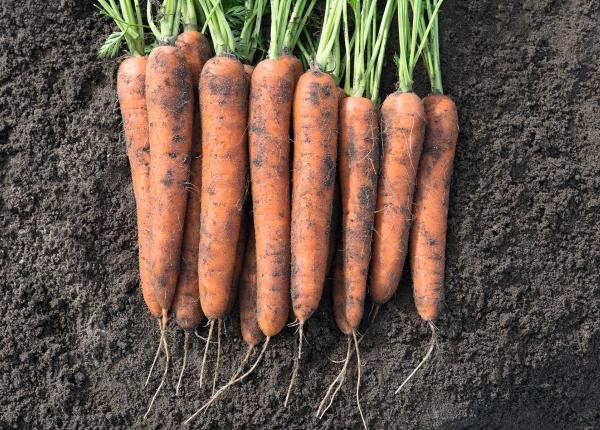
The following subspecies are available: Berlicum and Forto. Ripening occurs 150 days after planting. The carrots are elongated and cone-shaped, 19-22 cm long and up to 4 cm thick. The average fruit weight is 150 grams. The color is orange or orange-red. The vegetables are sweet, juicy, and rich in carotene.
Royal
It produces smooth, elongated, cone-shaped vegetables. It has an orange color. It grows up to 25 cm long, and the average carrot weight is 180 grams. It has a pleasantly sweet flavor. The flesh is firm. The plant's leaves are gathered into a tight cluster.
Red core
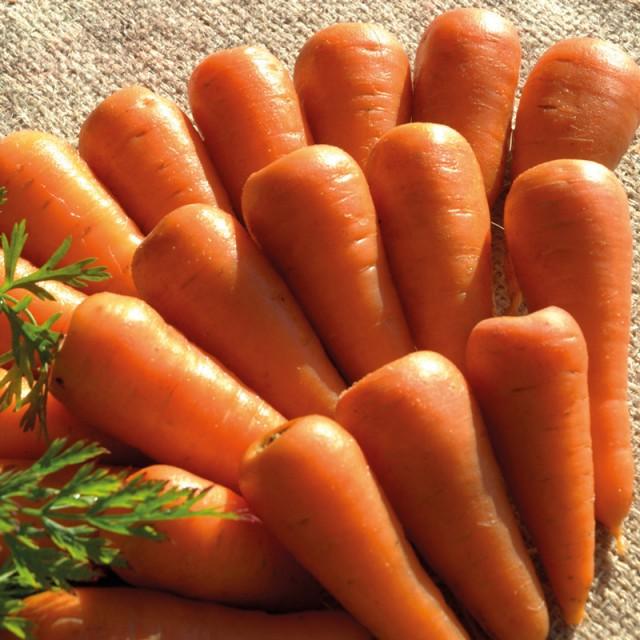
Root vegetables are ready for harvest 105-115 days after planting. The carrots are long, elongated, and cone-shaped, reaching a maximum length of 18 cm. They are renowned for their flavor. This variety is suitable for processing and eating raw. A distinctive feature is the distinct carrot aroma.
Red core
A hybrid of the Shantane variety. Grows in all climates. The growing season lasts 85 days. The fruits reach a length of 10-16 cm. The shape is elongated, cone-like, straight, with pointed ends. The average weight of the vegetable is 300 grams. It has a characteristic carrot aroma.
Nandin
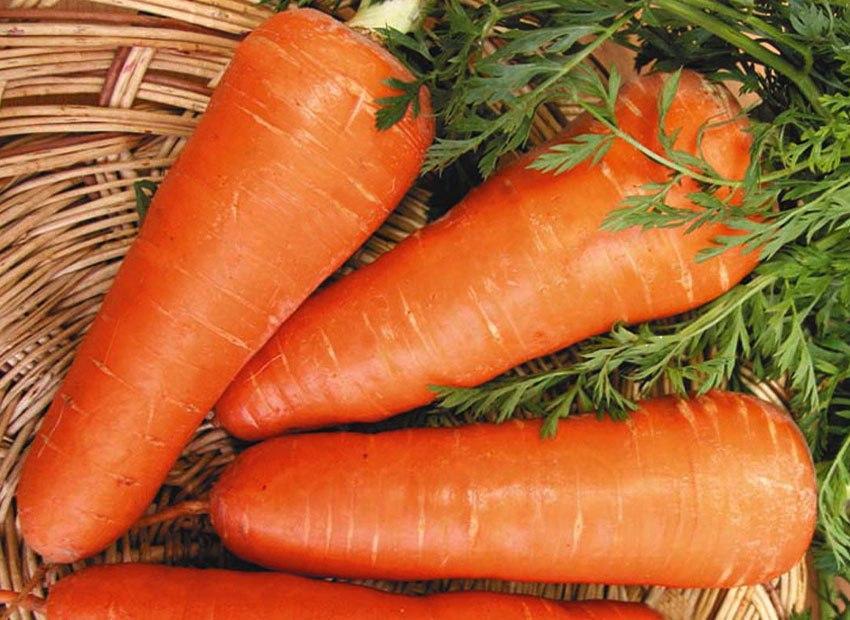
The growing season lasts 90-110 days and is suitable for growing in any climate zone. Carrots produce elongated, regular-shaped fruits that are smooth and free of cracks. The ends are rounded. A mature carrot weighs between 160 and 240 grams and reaches 18-20 cm in length.
Amsterdam
Developed by Polish breeders, this variety produces large, sweet, cylindrical fruits. The fruit size ranges from 14 to 20 cm, with an average weight of 165 grams. It fully ripens within 90 days of planting. One square meter yields 6.5 kg.
 Important! Overwatering will prevent carrots from changing shape or cracking.

Lagoon
An early variety that allows harvesting to begin 60 days after the first leaves emerge. It contains a high amount of carotene. Fruits reach 22 cm in length. The orange coloration and smooth, cone-shaped fruits are ideal.
Carotel
The fruits contain 13% carotene. Carrots range in length from 13 to 15 cm. They are resistant to bolting and have strong immunity to pests and diseases. They weigh 80-160 grams. Full ripening occurs 100-110 days after transplanting. The flesh is sweet and juicy.
Saturn F1
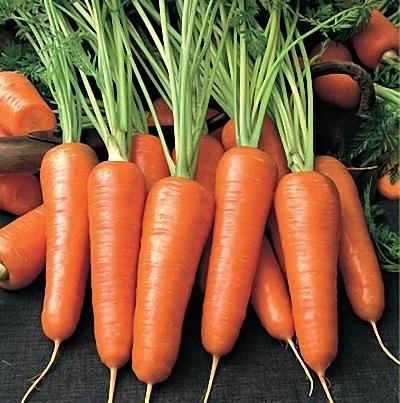
An ultra-early variety. Carrots ripen 50-55 days after transplanting. The fruits reach 18 cm in length and 3-4 cm in diameter. They are elongated, smooth-skinned, and dark orange in color. The leaves are firmly attached to the fruit, firm, and dark green.
Caramel
The harvest is 70-110 days after planting. This high-yielding variety has a pleasant flavor and is rich in sugar and carotene. It is orange in color. The shape of the fruit is elongated and cylindrical, reaching 17 cm in length. Each fruit weighs 90-165 grams. The plant has a spreading rosette, with medium-sized, bright green leaves.

Napoli
An early-ripening variety. The roots reach 15-20 cm, weighing 120-180 grams each. The fruit is bright orange in color. Harvesting occurs 90 days after planting. The fruit ends are rounded, and the skin is smooth and shiny. Suitable for growing in any climate.
Royal Chanson
An early variety of the Shantane type. It produces roots 15-16 cm long and up to 7 cm in diameter. Ripening takes 100 days from planting. It has a sweet, pleasant flavor. It can be eaten fresh or processed. The color is orange. The plums are dense, large, and tightly attached to the fruit.
Alenka
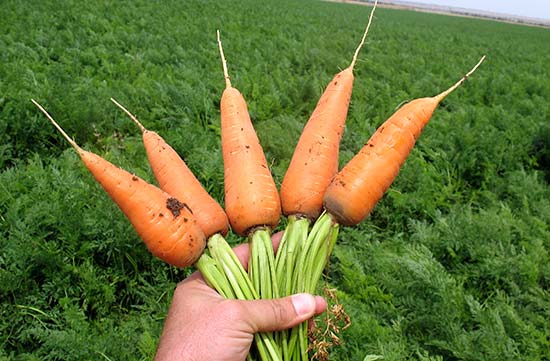
Carrots reach maturity 85 days after being transplanted into the soil. They have an elongated, conical shape with a blunt end, up to 16 cm long. Each carrot weighs an average of 100 grams. They have a pleasant taste. The culture loves fertile soil and plenty of moisture.
Boltex
Suitable for early sowing. Harvesting begins 120 minutes after planting. The roots are smooth, straight, and elongated, with a rounded base. The variety is resistant to bolting and cracking. It has a characteristic carrot aroma and a sweet taste. Average length is 15 cm, and the carrots are large, weighing up to 350 grams. They store well after harvest. They form a dense rosette of green leaves.
Bureau
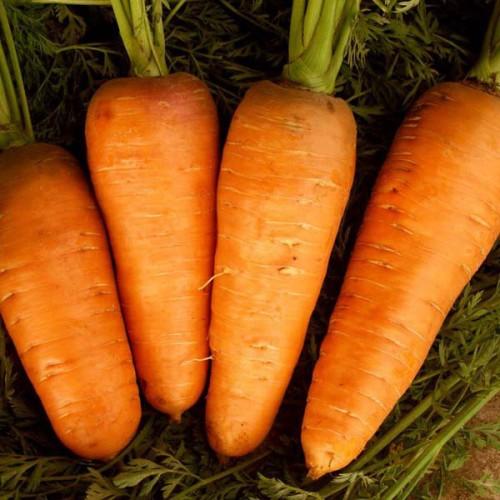
An early variety, the growing season lasts 65-70 days. The fruit length ranges from 16 to 18 cm and has a distinctive bright orange color. The small core of the fruit is a distinctive feature. It has a pleasant sweet flavor. It can be stored for 3-4 months after harvest.
Mango
This variety was developed by French breeders. It is characterized by a pleasant taste, with juicy, sweet, and tender flesh. It reaches 18 cm in length, weighing between 95 and 160 grams per vegetable. Its color is very vibrant, almost red. It stores well throughout the winter after harvest.

Nantes 4
A mid-season variety. High in sugar and carotene. The carrots are resistant to cracking and mechanical damage. The fruits are elongated, cylindrical, with an elongated lower end. It is grown throughout the Urals, Siberia, and Transcarpathia. It has a high yield, with up to 7 kg harvested per square meter.
The growing season lasts 85 days. The vegetables reach 18 cm in length, 5 cm in diameter, and weigh between 90 and 170 grams.
Red as
A mid-early variety, ripening in 95-100 days. The fruits are long and elongated, reaching 20 cm in length, with a pointed tip. Each fruit weighs an average of 150 grams. The variety is resistant to sudden temperature drops and bolting. The color is orange. The leaves are spreading, large, and adhere closely to the fruit.
Take a look Also

Tushon
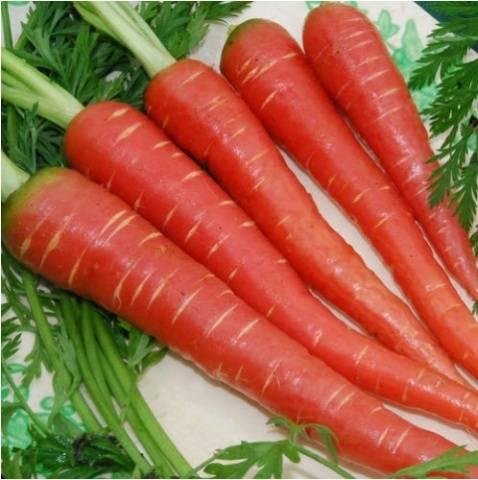
This variety is very popular with gardeners. Seeds can be sown in early spring and tolerate low temperatures well. Fruits reach 22 cm in length and weigh 150 grams. The skin is thick and features small, symmetrical eyes. The color is orange. It is used fresh, for preserves, juices, and freezing. This variety grows well in Siberia and the Urals.
Artek
Harvesting takes place 65-85 days after planting, depending on weather conditions. The fruits are orange-red in color. They are 16 cm long and 4 cm in diameter, with a thickened end. Each fruit weighs between 80 and 160 grams. The skin is smooth and has small eyes. The core makes up 40% of the fruit. The flavor is sweet, pleasant, and not bitter.
Vitamin
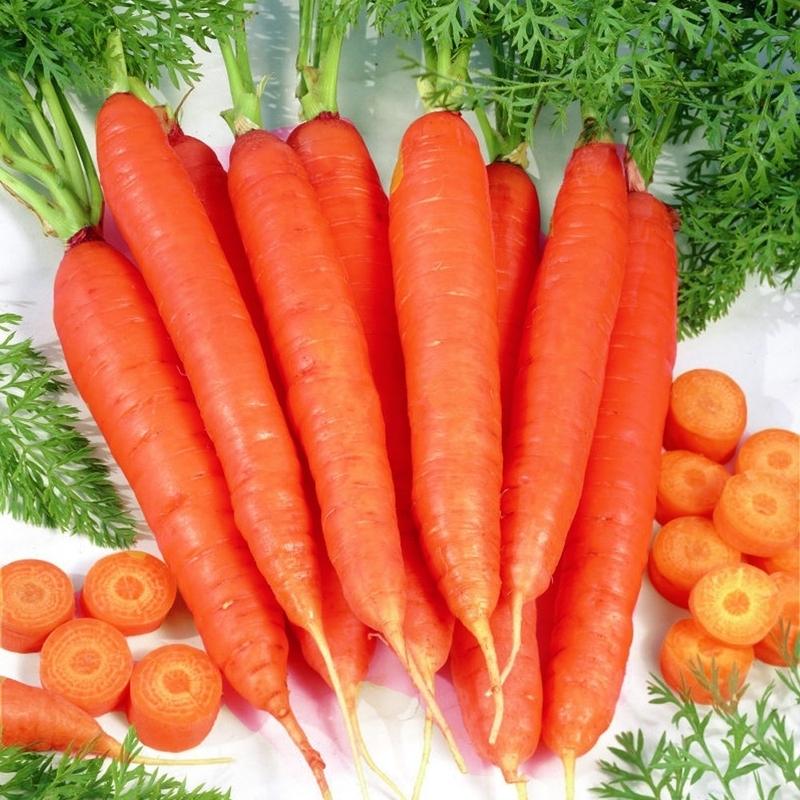
The growing season lasts 75-100 days. The carrots reach 18 cm in length and weigh 180 grams. The core is star-shaped and small. The leaves are green, large, and adhere tightly to the root. Carrots store well and require no special storage conditions.
Children's sweetness
Carrots are red-orange in color. Each carrot weighs 90-130 grams. The growing season lasts 100 days. They have a pleasant flavor, and the flesh is sweet and tender. The leaves are large, spreading, and form a dense rosette. They are green or dark green.
Abaco
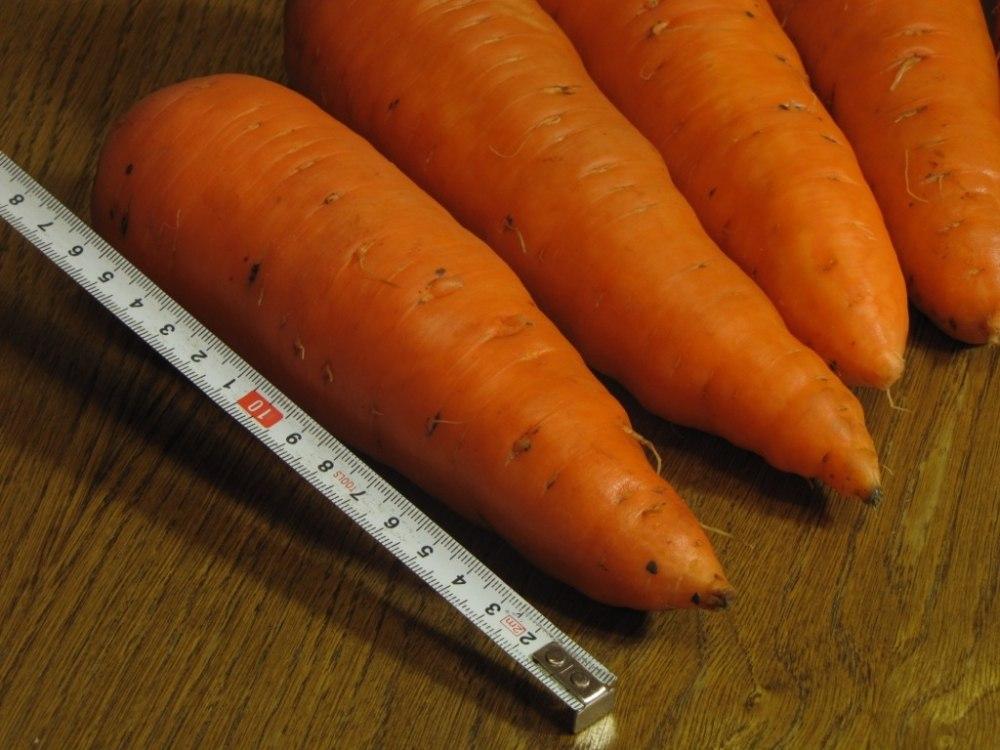
This variety was developed by Dutch breeders. Harvesting begins 110 days after sowing. The leaves are large, firm, dark green, and finely dissected. The fruits are medium-sized, ranging from 12 to 20 cm in length, weighing 105 to 220 grams. The carrots are elongated and cylindrical, with a blunt lower end. They have a pleasant, sweet flavor.
Reviews
Alena, 38, Moscow: "I plant carrots every year. This year I tried an early-ripening variety. I tried Red Ace and Nantskaya on the recommendation of my neighbors. They grew nice, large carrots. The soil in my garden is very wet, so I thought they'd crack, but no, the Nantskaya held up very well. The carrots have a sweet taste, and the center isn't very large."
Alexey, 35, from St. Petersburg: "I've been using early-ripening carrot varieties for a long time. By the end of summer, we're already eating carrot salads. My favorite varieties are Alenka and Mango. They produce a large harvest. The fruits are sweet and juicy. In winter, I store them on the balcony, covering them with a warm cloth during frosts, and they last until early spring."
Related posts:
 Is it possible to plant carrots in July or at the end of June? What are the best days and care instructions?
 How to control carrot flies with medications and folk remedies
 50 Best Carrot Varieties with Descriptions and Characteristics
 Carrot care guidelines for outdoor cultivation to ensure a good harvest
 What is the best way to feed carrots? Fertilizers and preparations, using folk remedies.
 Timing and rules for planting carrots in winter, which variety is best to choose
 Description of the best pepper varieties for greenhouses and open ground in 2025
 The best grape varieties for growing in the Urals, planting and care rules in summer