
- Rules for selecting seeds
- Purpose
- Time of year
- Features of the region
- Additional criteria
- Shelf life
- Vitamin content
- Taste
- Appearance
- Productivity
- Features and types for open ground
- Early
- Fun F1
- Tushon
- Lady
- Laguna F1
- Sugar finger
- Alenka
- Caramel
- Darling
- Amsterdam
- Dutchwoman
- Dragon
- Nandrin
- Boltex
- Shantane
- Average
- Honey
- Type Top
- Vitamin
- F1 Olympian
- Perfection
- Mo
- Losinoostrovskaya
- Nantes
- Sweet tooth
- Moscow winter
- Samson
- Incomparable
- Red core
- Karini
- Late
- Bayadere
- Vita Longa
- Red Giant
- Red without core
- Flyovi
- Karlena
- Queen of Autumn
- Cascade F1
- Emperor
- Unusual
- White
- Red
- Black
- Yellow
- Forage varieties
- Common mistakes when choosing
Carrots are a root vegetable that ranks among the top vegetable crops rich in vitamins and beneficial elements. They contain carotene, vitamin A, and elements that help combat the symptoms of vitamin deficiency. Planting this vegetable in gardens and homesteads requires selecting carrot varieties suitable for a specific region.
Rules for selecting seeds
Among the variety of varieties created through selective breeding, hybrids are distinguished by their main purpose, planting method, and ripening time.
In addition, planting material comes in several types:
- single seeds (planting material may be a loose leaf of one of the species; the total weight in grams may be indicated on the packages);
- granules (hybrid seed types are placed in granules enriched with nutrients, this type of planting helps to better control seedlings);
- on tape (seeds are glued to the tape, this method of planting helps to plant in the ground faster).
Purpose
Cultivated carrots are also known as garden carrots. They are intended for edible use. They are suitable for dressings, winter preserves, and pair well with meat, fish, and desserts. Carrots are a vegetable with medicinal properties. They are used:
- in case of vitamin deficiency;
- if you have vision problems;
- to normalize digestion;
- for the prevention of anemia of various origins.
Cultivated carrots are divided into table and fodder varieties. Wild carrots also occur in the wild. This species became the basis for the cultivated variety.
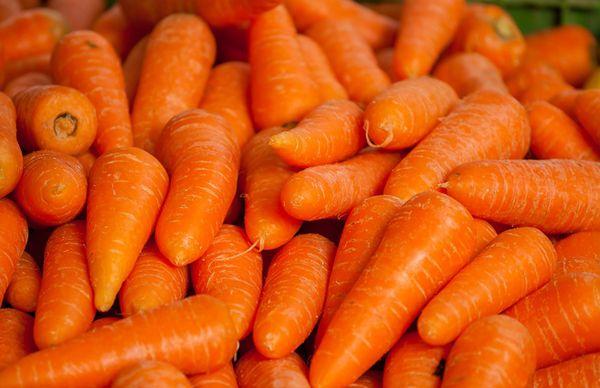
Carrots are stored with other root vegetables in cool, dark rooms with moderate humidity. The above-ground and underground parts of the carrot are used for cooking and medicinal purposes. Roots and tops are heat-treated, dried at relative humidity, or stored raw.
Time of year
When selecting planting material, gardeners rely on basic requirements. These determine the future harvest, both its quantity and quality. Mid- and late-ripening varieties are suitable for regions with low nighttime temperatures. Early-ripening varieties are chosen for the southern regions of the country.
Ripening period:
| Early | Up to 90 days |
| Average | From 90 days |
| Late | From 110 days |
Experienced gardeners recommend planting one or two varieties per season. This way, the harvest will ripen gradually, with some used for processing and the rest for storage.
Features of the region
The ability of seedlings to adapt and produce fruit depends on the temperature conditions at the planting site. Carrots are a frost-tolerant vegetable crop. Seeds are sown before the soil warms up. Minimum temperatures can reach 5 to 7 degrees Celsius.

Carrots don't require additional cover to germinate. Once shoots form, they are cared for as usual, with mandatory thinning. Late-ripening varieties are harvested 150 days after sowing, in September, so these hybrids are recommended for planting in temperate climates. For areas with low nighttime temperatures and an early autumn, mid-season varieties are recommended.
Additional criteria
Gardeners consider related characteristics when choosing a variety. It's important to determine in advance:
- when is the harvest planned;
- where it will be stored;
- What conditions can be provided for storage?
Shelf life
Late-ripening varieties have improved storage properties. They are not susceptible to rot, but their texture is firmer and denser.
Carrots are prone to rapid moisture loss and drying out, so hybrids with increased juiciness are selected for storage. Storage method is also important. Wooden boxes with cool temperatures are ideal for storing carrots.
Vitamin content
Carrots contain carotene, minerals, and B vitamins. Vitamin content is the percentage of nutrients they contain. The amount of carotene they contain can be determined by their color.
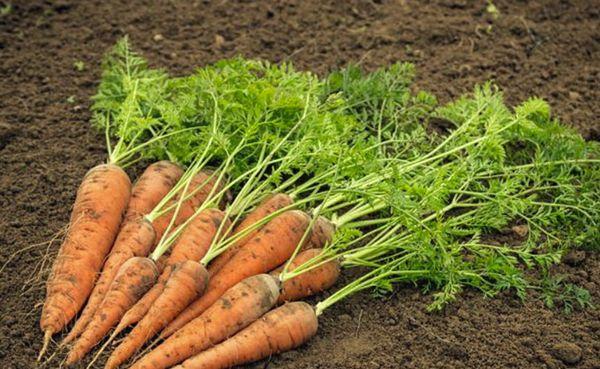 Information! The richer the color of a carrot, the more carotene it contains.Currently, hybrids of white, yellow, and black colors have been bred through selection, in which the carotene content is reduced to a minimum.

Taste
Selection criteria depend on the vegetable's juiciness and sweetness. Sweet varieties are suitable for making juices, carrot purees, and desserts. Unsweetened hybrids are used for vegetable preserves; they are suitable for long-term storage and can be a basic ingredient in vegetable side dishes served with meat or poultry.
Appearance
This criterion is determined by several components. Carrots can take one of the following forms:
- cylindrical;
- conical or elongated;
- oval, blunt-pointed.
Among the variety of colors, there are dark, purple, green, red and yellow shades.
Productivity
Carrots are a vegetable grown outdoors in soils rich in potassium and phosphorus. Many varieties have low yields but boast rich flavor.
Features and types for open ground
Among the hybrids intended for open ground, there are varieties of early, mid-season and late ripening types.
Early
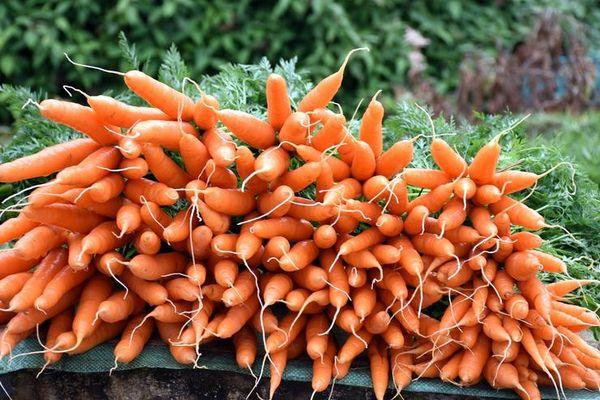
Early ripening means ripening within 100 days of planting. Early varieties are not suitable for long-term storage. They are generally sweet and juicy.
Fun F1
A hybrid developed by breeders in the West Siberian District. It takes 90 to 100 days from sowing to harvest.
The flesh is dense, juicy, and sweet. There are almost no empty spaces in the center. It's suitable for making juices, desserts, and as an additive to sweet dishes. Each piece weighs up to 200 grams and is up to 20 centimeters long.

Tushon
The period from sowing to harvest is 75-80 days. The deep orange roots grow up to 20 centimeters and weigh up to 150 grams. This variety is characterized by high yields.
Lady
The cylindrical fruits grow smooth and flawless. They reach up to 20 centimeters in length and weigh up to 200 grams. This variety adapts to various climates and, with proper care, produces high yields.

Laguna F1
Ripening period: 80 to 90 days. The shape of the vegetables is regular, oval. They weigh 150-200 grams and are 20 centimeters long. This variety is known among gardeners for its ability to adapt to a variety of temperatures.
Sugar finger
The fruit color ranges from yellow to yellow-orange. The shape is cylindrical, without dents or imperfections. This variety has a minimal ripening period, with harvesting possible as early as 65 days.
Alenka
The small fruits, up to 15 centimeters long, are conical in shape with a blunt end, and weigh 100-150 grams. The flavor is described as juicy, sweet, and rich in juice.
Caramel
The name was chosen because the variety has a sugary taste and is used for baby food.
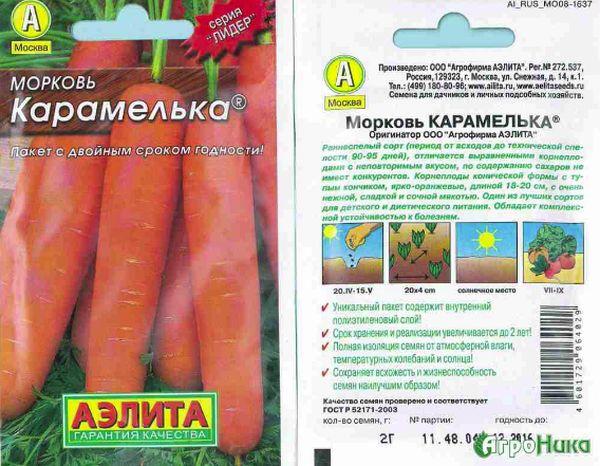
The carrots reach 15 centimeters in length, with blunt ends. The skin is thin and easy to peel. The hybrid is highly resistant to pests and diseases.
Darling
This is one of the varieties that, despite ripening early, has a long shelf life. It has a sweet, juicy flavor. Its high carotene content gives it a vibrant orange hue.
Amsterdam
This Dutch hybrid ripens in 80-85 days. The fruit is cylindrical with a blunt end. It grows up to 18 centimeters and weighs 150 grams. It is characterized by high yields, is resistant to budding, and does not crack during storage.
Dutchwoman
Technical maturity occurs in 90-100 days. Many gardeners consider it a mid-season variety. The hybrid was bred with genetic resistance to yellowing and is resistant to diseases and pests. The average carrot is 16-18 centimeters long. It thrives in loamy soils.
Dragon
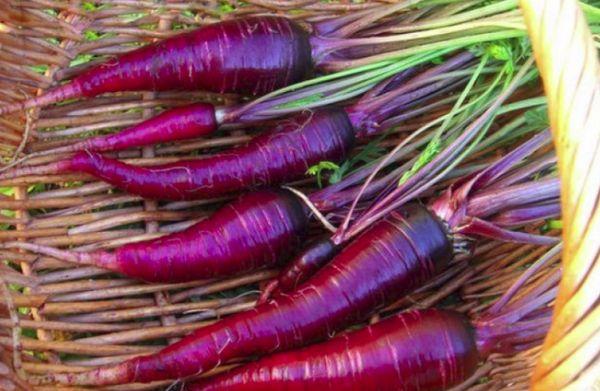
This variety, developed in America, is characterized by its purple fruit. The flesh inside remains the familiar orange color. The cone-shaped fruits grow up to 25 centimeters, with thin tips. The flavor is described as sweet and spicy.
Nandrin
The hybrid's distinctive feature is its stable yield. It is grown on farms where income depends on the yield. This carrot was bred by Dutch scientists. The fruits can weigh up to 300 grams and reach a length of approximately 15-20 centimeters. The flesh is orange and juicy, suitable for any dish or preserve.
Boltex
This hybrid is popular in regions where pre-winter sowing is practiced. The variety is stable, reaching technical maturity in late spring or early summer. The vegetables grow up to 20 centimeters long and have a medium orange color.
Shantane
A French variety. The fruits are large and uniform, averaging 200 grams in weight and about 20 centimeters in length. The flesh is juicy, and the cores are solid. This carrot is suitable for both commercial and home garden cultivation.
Average
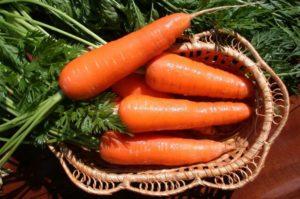
Mid-season hybrids begin to ripen in 100-120 days. A characteristic of these varieties is that seedlings are slow to emerge. This characteristic may be a warning sign for gardeners. In fact, mid-season carrots combine several characteristics of early hybrids and have a longer shelf life due to their denser texture.
Honey
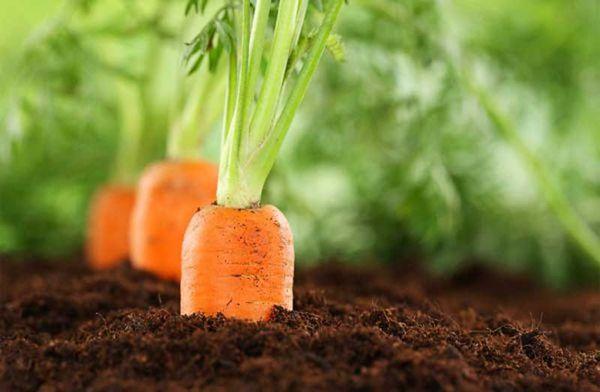
A sweet, juicy hybrid with a period from sowing to harvesting of approximately 80-90 days. Its deep orange color indicates a high carotene content. As its name suggests, this carrot is popular among connoisseurs of sweet carrots.
Type Top
This variety is known for its fruits, which do not crack after picking, have a long shelf life, and possess excellent flavor. They grow up to 25 centimeters and weigh approximately 250 grams.
Vitamin
The bright orange roots can reach 20 centimeters. The yield is characterized as high. The vegetable reaches technical maturity in 110 days. According to research, the vegetables contain elevated levels of B vitamins.
Carrots are stored well and do not crack during transportation.
F1 Olympian
The carrots are cone-shaped, weighing approximately 130 grams and reaching up to 25 centimeters. The firm, juicy flesh with a thickened skin is suitable for preserves. They are eaten fresh and are suitable for storage. This variety is not recommended for juicing due to its low water content.

Perfection
These smooth, thick, cylindrical carrots mature in 150 days. Their skins are firm and the flesh is juicy. The cores are not prone to cavities. The fruits reach almost 30 centimeters in length and weigh 130 grams.
Mo
A mid-late variety with uneven ripening. Known for its consistent yield. The fruits are generally cone-shaped. They store well in ventilated areas.
Losinoostrovskaya
This hybrid is popular due to its high carotene content. It is often used for winter planting. It tolerates frosts and has a good germination rate. The vegetables grow up to 17 centimeters tall and weigh approximately 130-150 grams.
Nantes
This carrot variety is considered the best among mid-season varieties. Technical maturity ranges from 90 to 105 days. The root is considered medium-sized, reaching 150 grams in weight and 17-18 centimeters in length. The diameter of the carrot is 4.5-5.5 centimeters. The roots have a delicate flavor, and the core is small and free of cavities. This carrot is suitable for preserves, desserts, and storage.
Sweet tooth
The fruits are firm, with juicy flesh and a moderate juice yield. An average carrot can weigh up to 200 grams, and its length is about 25 centimeters.

Moscow winter
This hybrid is sown before winter and has high yields. It is suitable for fresh consumption in autumn and winter and has a long shelf life.
Samson
A versatile variety, ripens in 120 days and is resistant to disease. It does not tend to flower. It does not crack during storage.
Incomparable
A cone-shaped hybrid, the carrots reach 5-6 centimeters in diameter. The fruit is 25 centimeters long and weighs up to 150 grams. It has excellent shelf life.
Red core
An American variety with increased carotene content, it ripens 120 days after sowing. It is cylindrical in shape, thickening toward the above-ground portion. Recommended for autumn and winter use.
Karini
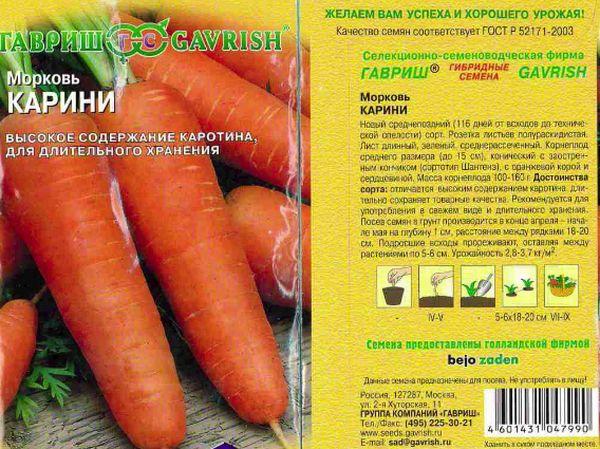
The conical fruit weighs up to 130 grams and is up to 17 centimeters long. It is used for storage because it retains its nutritional qualities and firm texture for a long period.
Late
Late-ripening carrot varieties are suitable for longer storage. These include varieties with a growing season of over 110 days.
Bayadere
Large fruits, reaching 30 centimeters. Harvesting takes place 140 days after sowing.
Vita Longa
A Dutch variety that is harvested 150 days after sowing. The roots are large, reaching up to 300 grams. The conical shape with a blunt end makes it convenient for cooking and preserving.
Red Giant
The carrots reach 7-8 centimeters in diameter and are a short, thick variety. Firm carrots can be stored in cool, dry places for about 6 months.
Red without core
Large-fruited carrots with a dense structure and a narrow, thin core. They grow in all types of soil and are resistant to diseases and pests.

Flyovi
The hybrid is harvested on the 175th day. The fruit is short and cone-shaped, with a firm, dense texture. The flavor is sweet and spicy, with a slight release of juice when cooked.

Karlena
A high-yielding variety, ripening 130-140 days after sowing. The fruit has rounded ends and weighs up to 180 grams.
Queen of Autumn
The conical carrot shape is thicker above ground. It weighs 150-180 grams and grows 20 to 25 centimeters in length. The variety's high yield is due to its adaptability to any conditions. This hybrid is especially popular in areas where the main harvest is traditionally held in the fall. The "Queen of Autumn" can be stored for 3-5 months under basic conditions.
Cascade F1
The small, conical fruits reach an average weight of 70 to 120 grams. This hybrid has excellent shelf life. It is popular for its ability to be stored for up to six months without losing its flavor. It is recommended for cultivation in the central region of the country.

Emperor
With a high carotene content, this variety has a small core. The flesh is firm and juicy. It is conical in shape, weighs 90 to 110 grams, and is 20 centimeters long. It is grown in loose, light soils with the addition of potassium fertilizer.
Unusual
Among the wide variety of varieties, there are multicolored fruits. Many are as popular as the familiar bright orange vegetables. The disadvantages of unusually colored varieties include their poor storage quality. They are not susceptible to rot, but they dry out quickly and lose their flavor.
White
This variety is not popular, despite its unique vitamin composition. Although it lacks carotene, it is rich in B vitamins.
Red
Lycopene is responsible for this variety's color. Red hybrids also have a high carotene content. They are suitable for garnishes and used as auxiliary ingredients. Their flavor makes them suitable for dietary use.
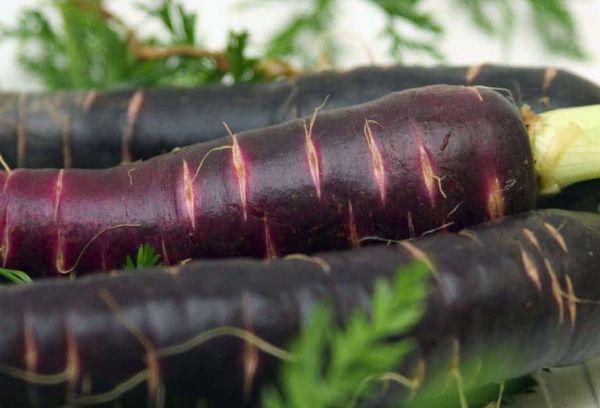
Black
This vegetable crop is not in demand in Russia. It is grown in the Mediterranean region. The black fruits reach 15 centimeters in length and weigh 200 grams. The root is black on the outside, but the flesh inside is purely white.
Vegetables of this variety are divided into early, mid-season, and late. Late-season varieties are suitable for long-term storage.
Yellow
This variety matures in up to 115 days. The fruit is yellow, most often conical. The average weight is 130 grams, and the average length is 70-90 centimeters. It has poor shelf life and is not suitable for storage or transportation, so it is primarily consumed fresh.
Forage varieties
These varieties are mixed with greens, tops, and other additional ingredients and used to feed livestock and poultry. Demand for these feed types depends on their juiciness, nutritional value, and texture.
Advantages of fodder carrots in agriculture:
- possibility of early sowing;
- resistance to recurrent frosts;
- ability to withstand transportation and long-term storage.
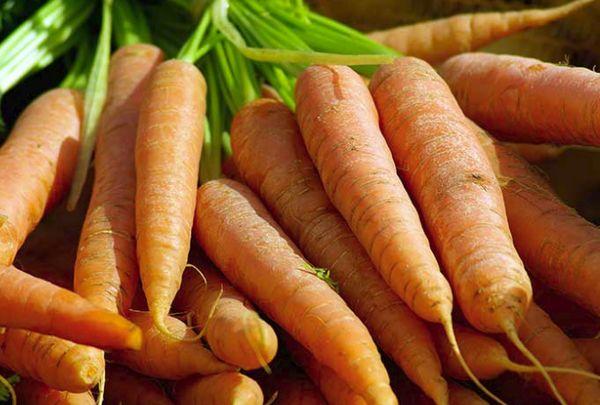
Among the many varieties, farmers favor white fodder carrots. These varieties boast high yields. Red fodder carrots are rich in carotene and are suitable for feeding young animals and poultry.
Common mistakes when choosing
Reduced yield, freezing, or a decrease in taste characteristics are the result of an incorrect approach to choosing a carrot variety.
When planning plantings, there are several factors to consider:
- climatic conditions;
- precipitation during the spring-summer season;
- the purpose and further use of the bulk of the harvest;
- soil condition;
- location of the site.
Root shape and ripening time are important. Short-fruited varieties are used for early sowing. Only late-ripening varieties are suitable for long-term storage.
Only certain varieties zoned for this type of cultivation can be sown before winter. Furthermore, attention should be paid to the plants' soil requirements. Some varieties are drought-intolerant and require ample watering.
Related posts:
 Is it possible to plant carrots in July or at the end of June? What are the best days and care instructions?
 How to control carrot flies with medications and folk remedies
 Carrot care guidelines for outdoor cultivation to ensure a good harvest
 25 Best Early-Maturing Carrot Varieties with Descriptions and Characteristics
 Timing and rules for planting carrots in winter, which variety is best to choose
 The best eggplant varieties for growing in a polycarbonate greenhouse: planting and care
 What is the best way to feed carrots? Fertilizers and preparations, using folk remedies.
 TOP 30 best varieties of cold-resistant cucumbers with descriptions and characteristics