
- Pros and cons of cold-resistant and shade-tolerant varieties
- Recommended growing regions
- The nuances of caring for crops
- The best varieties of cold-resistant cucumbers for open ground and greenhouses
- Amur F1
- Valaam F1
- Blizzard F1
- Lapland F1
- Tundra F1
- Eskimo F1
- Dolomite F1
- Eliseevsky F1
- Ant F1
- Mill
- Cheboksary resident
- Sultan
- Suomi
- Cheetah
- Cucumbers at the Pike's Command
- TLC
- Recommended shade-tolerant varieties with descriptions and reviews
- Muromsky 36
- F1 Company Secret
- Moscow Region Evenings F1
- F1 athlete
- Poplar F1
- Berendey F1
- Maryina Roshcha F1
- Arbat F1
- Pallas's cat
- Show-off
- Lord
- Danila
- Flagship
- Balalaika
- Bully
Most gardeners, when choosing cucumber varieties, can't rely solely on ripening time and taste. In many regions of the country, a crucial characteristic of cucumbers is their ability to withstand low temperatures. Cold-hardy and shade-tolerant cucumber varieties are among the most sought-after and essential in many areas of the country. Only such crops offer the hope of a decent harvest.
Pros and cons of cold-resistant and shade-tolerant varieties
First, let's clarify what is meant by cold hardiness in cucumbers. This refers to the cucumber's ability to withstand and survive temperatures down to +2°C without slowing down its growth process. It's important to note that no cucumber variety can withstand temperatures below freezing; cucumbers are not inherently frost-hardy.
Many gardeners choose cucumbers that thrive in low temperatures. In most regions of Russia, cold weather may return in May and June. What are the benefits of growing cold-hardy cucumbers?
- Continuation of vegetation processes during cold weather.
- Harvesting over a long period. Some cold-hardy cucumber hybrids are late-ripening, with a long fruiting period, producing cucumbers until frost.
- The fruits can be used in any way – for pickling, canning, or fresh.
- Hybrids are resistant to major cucumber diseases and pests.
Shade-tolerant cucumbers easily tolerate some lack of sunlight. This doesn't mean they can be planted in a dark corner where the sun never shines.
Note: Shading is allowed for some time, but it cannot be long and last all day.
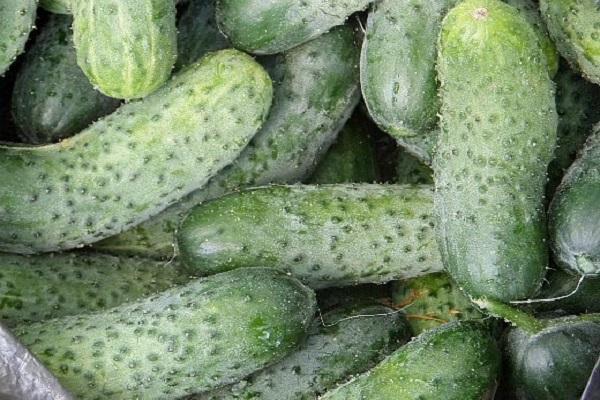
Most gardeners who plant cold-hardy varieties note that they withstand temporary weather changes, producing a harvest within the specified timeframe. There are no complaints about the taste; the aroma, tender skin, and characteristic cucumber flavor are excellent.
Recommended growing regions
Gardeners themselves decide whether they need cold-hardy varieties. They can be grown in any region. Their excellent taste, long fruiting period, and independence from weather make hybrids popular everywhere. Agronomists recommend the following regions of Russia for cultivation:
- middle zone, Moscow region;
- Ural;
- Siberia;
- Upper and Middle Volga region;
- northern regions.
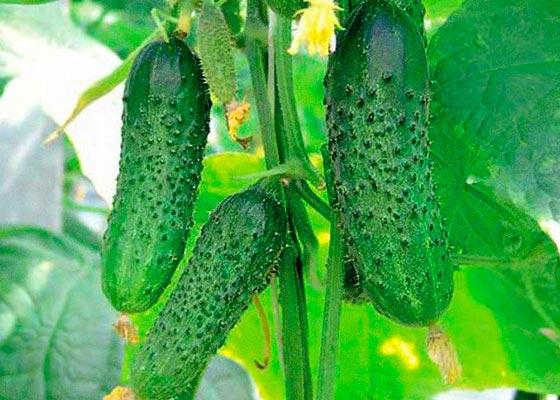
For regions with short, cold summers, short-season varieties are recommended. Late-ripening varieties that bear fruit in 55-70 days are best avoided. Many prefer bush and short-vine hybrids, which ripen in record time and produce a quick harvest. An additional advantage is the small size of the bush, which makes it easy to cover the plants at subzero temperatures.
The nuances of caring for crops
When growing cold-hardy cucumbers, follow standard agricultural practices. Here are a few basic guidelines to help support cucumber crops during sudden temperature drops:
- mulching the soil; it is precisely in cold soils that disease infection and vegetation cessation occur more quickly;
- if there is a risk of frost, sprinkle the area with 5-10 liters per square meter;
- smoke pollution of crops;
- covering with branches and film at night and when there is a threat of frost;
- planting around tall plants;
- use of phytohormones, growth stimulants.
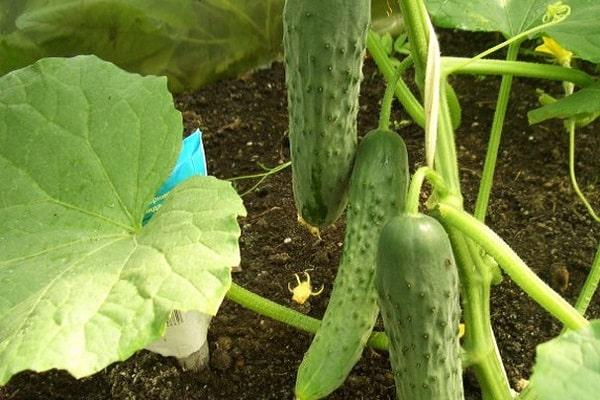
Treatment with brassinolides (Epin) helps to increase cold resistance.
The best varieties of cold-resistant cucumbers for open ground and greenhouses
Open ground allows for the cultivation of bee-pollinated varieties, but the best solution in cold climates are parthenocarpic species that do not rely on pollination.
Amur F1
A favorite among gardeners is the self-pollinating hybrid Amur. The first harvest is 40 days after germination. It forms its own vines and requires little pinching. Cucumbers are evenly distributed along the vines. The cucumbers are 12-15 centimeters long and weigh 90-110 grams.
When grown on a trellis, they are more disease-resistant. A drawback is their short fruiting period (one month). Cucumbers should be picked regularly (every 2-3 days), as their flavor declines as they become overgrown.
Valaam F1
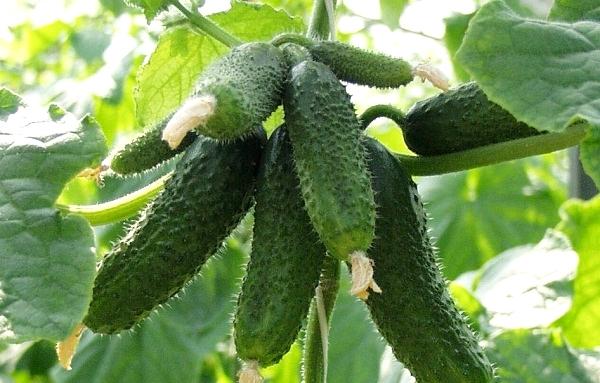
A super-early variety – 38-40 days before the first fruits appear. Five to six gherkins form in clusters on lateral shoots. The fruits are small – 5-6 centimeters – and do not overgrow, with large, tubercles. The ovoid shape of the fruit is marked by whitish stripes and covered with a light waxy coating.
The downside is the tough, dense skin, which increases the shelf life (10 days). The flesh is tender and juicy, completely free of bitterness.
Blizzard F1
The hybrid's stem grows indefinitely, with weakly developed lateral shoots. Bunches contain 3-5 ovaries. The fruits are small, 6-8 centimeters in diameter, but when overgrown, they begin to expand, resembling barrels. According to gardeners, it's best to pick the cucumbers when they're 5-6 centimeters in size to prevent them from becoming hollow. They can be eaten fresh or used for any kind of preserves.

Lapland F1
The F1 hybrid is characterized by high tolerance to low temperatures, fully justifying its name. Vegetation is not inhibited by cold snaps. Even with the fall temperature drop, the ovaries continue to develop, and the cucumbers grow. Cucumbers grow in bunches of 3-6. The fruits are 8-9 centimeters in size, dark green, with subtle stripes. Pollination is not required; they are grown outdoors and in greenhouses.
Important: It is recommended to plant cold-resistant hybrids as seedlings.
Tundra F1
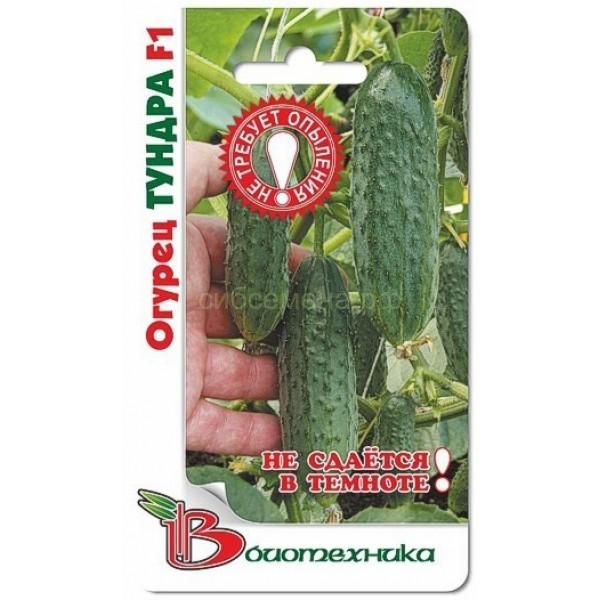
This hybrid with a harsh name thrives in low temperatures and low sunlight. The bushes bloom fully and produce fruit. It's parthenocarpic and doesn't require pollination. Cucumbers have firm skin and juicy flesh. They grow 6-8 centimeters, with 3-4 cucumbers per node. This hybrid was bred for northern regions and continues to produce fruit until frost.
Eskimo F1
Cucumbers exhibit high cold tolerance, not slowing down growth at temperatures of 5-7°C. This parthenocarpic hybrid produces cylindrical fruits weighing up to 110-120 grams.
The bush is low-growing and not overly dense with foliage, making it easy to care for and easy to harvest. It's well-ventilated, making it virtually disease-free. The thick skin retains its crispness when pickled, and the beautiful fruits look great when canned.
Dolomite F1
A Dutch hybrid with small, sparsely branched plants. The cucumbers are finely tuberculated and densely pubescent. The cucumbers are dotted with small tubercles. The fruits are uniform in size and easy to harvest at the pickle stage.
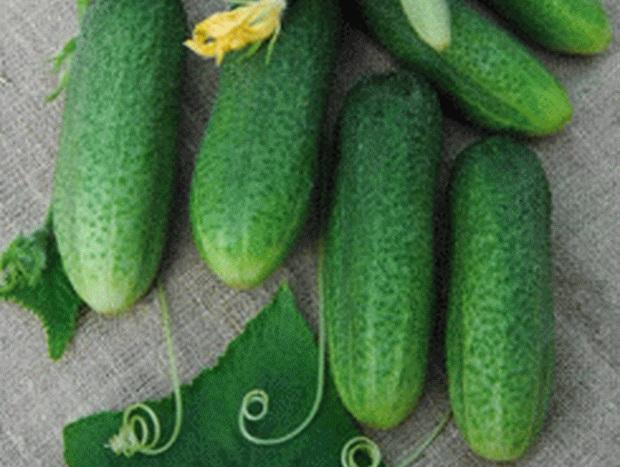
They don't require pollination. They tolerate any stress well, including lack of heat and moisture. They quickly recover and continue growing. They are delicious when pickled.
Eliseevsky F1
The flowering is mixed and pollinated by bees. It is mid-season, maturing in 55-60 days. It requires no staking or shaping. The fruits are juicy and fragrant, up to 11 centimeters long. They are traditionally used for pickling in barrels.
Ant F1
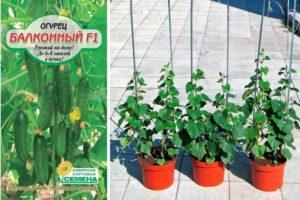
The Muravey hybrid grows well in greenhouses and open ground. This variety is often grown indoors. Pollination is not required. The ovaries form in clusters, with 3-7 ovaries. The cucumbers have numerous tubercles, grow up to 110 grams, and are genetically free of bitterness.

Mill
The Melnitsa hybrid's remarkable elongated fruits (15-18 centimeters) have large tubercles. It belongs to the high-yielding Zozulya hybrid group.
They grow well in unheated greenhouses and open ground. They have excellent flavor and are used fresh and in preserves.
Cheboksary resident
The early-ripening Cheboksarets variety begins bearing fruit in 36-38 days. It thrives in cooler temperatures and with little watering. The cucumbers are smooth, densely covered with small bumps. Suitable for growing in winter greenhouses, it can be used in any form.
Sultan
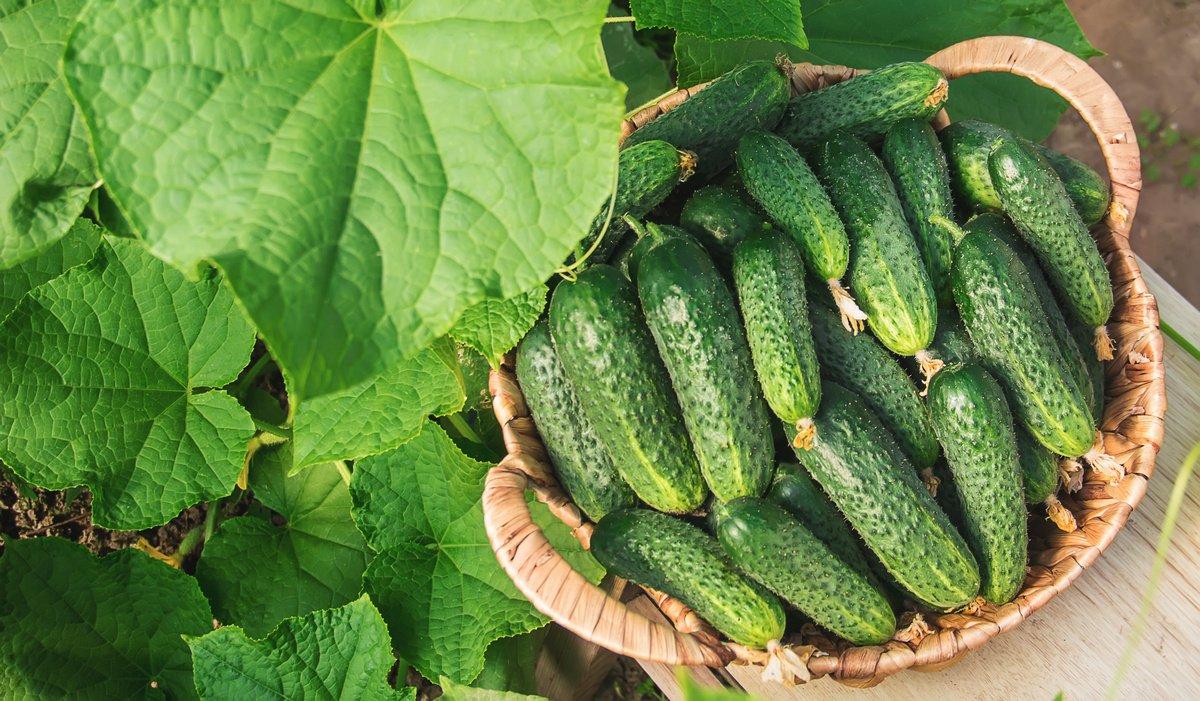
The hybrid Saltan begins bearing fruit in 45-48 days from uniform germination. Its advantages include a long harvest period and high resistance to fungal diseases.
Suomi
The Finnish name of the hybrid is Suomi. The first cucumbers will be on the table in 35 days. The plant easily tolerates temperature fluctuations without slowing the growth of ovaries and gherkins. The small-tuberculate cucumbers grow to 7-9 centimeters, are suitable for whole-jar pickling, and are also delicious fresh.
Cheetah
The Gepard hybrid is parthenocarpic; cucumbers set fruit without pollination. The fruit has a bumpy surface and grows up to 15 centimeters in size. They are resistant to fungal diseases.
Cucumbers at the Pike's Command
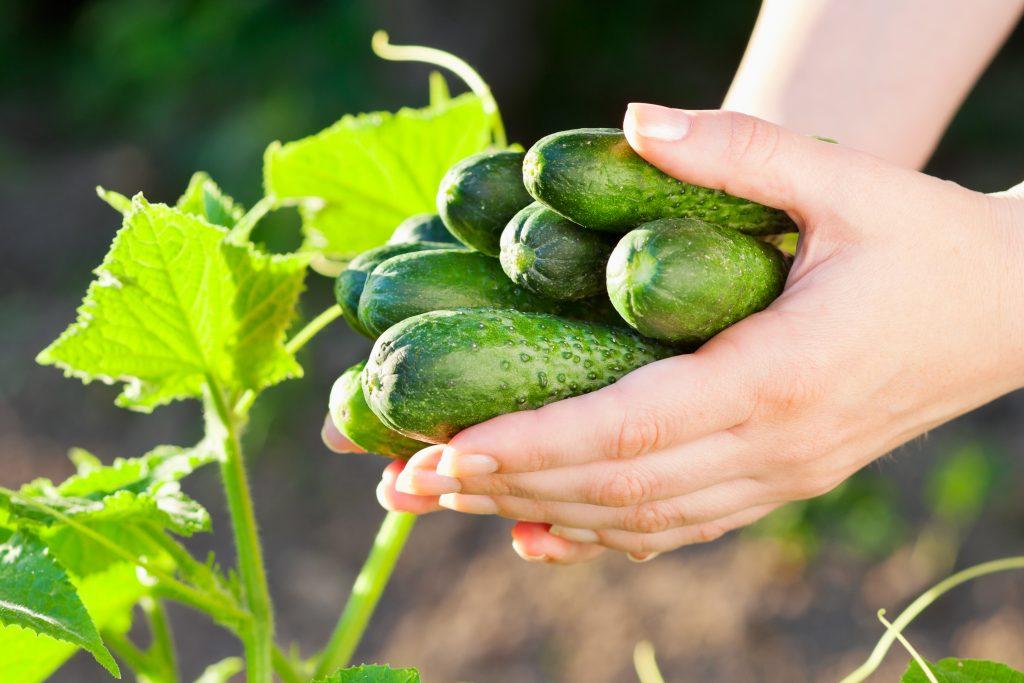
This hybrid with a fairytale name produces fruit until late autumn and easily tolerates low temperatures. The "Pike" hybrid is parthenocarpic, with a single-stemmed bush with few side shoots.
The fruits of the hybrid At the Pike's Command are sweet, juicy, smooth, and store well.
TLC
The TSKh or TSKhA series hybrids (442, 28) are cucumber varieties with different pollination methods. They are recommended for growing in winter greenhouses, where they produce high-quality cucumbers (elongated, 18-22 centimeters). They are shade- and cold-tolerant.
Recommended shade-tolerant varieties with descriptions and reviews
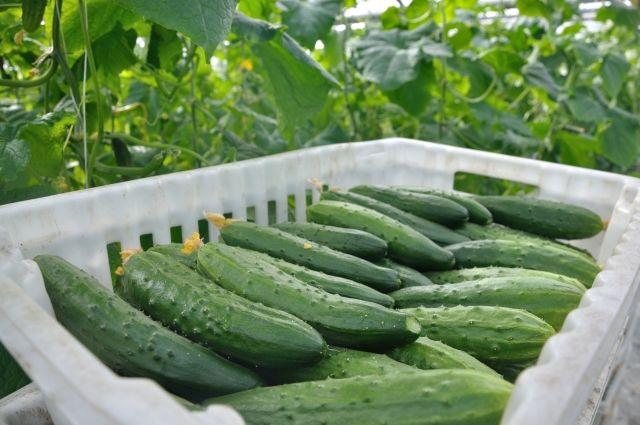
Shade-tolerant varieties are among the favorites of gardeners with small plots where it's difficult to find much space for cucumber beds. Reviews of these hybrids are generally excellent—the main thing is that the bed receives some sun for part of the day.
Muromsky 36
One of the older, popular varieties, it tolerates regular temperature drops and low light levels well. It ripens quickly – in 36-38 days. It's not particularly productive, but it's highly reliable. It's best to pick cucumbers early (at 8 centimeters), as this will reduce their marketability and flavor, as the cucumbers turn yellow and become tougher.
F1 Company Secret
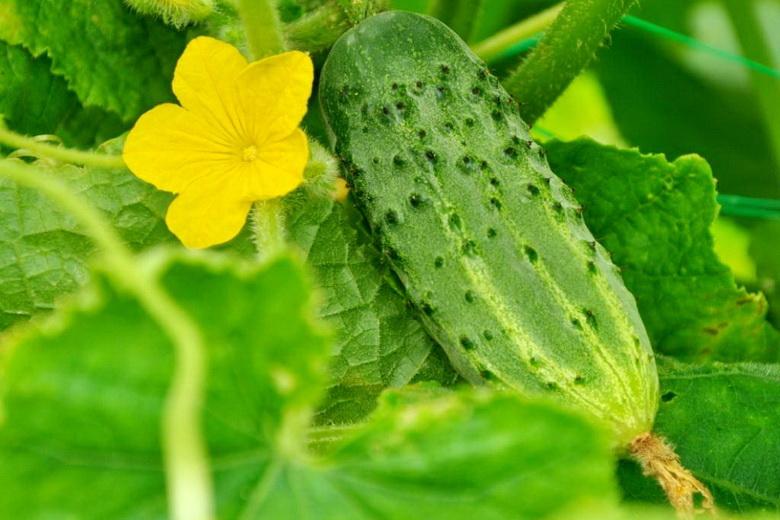
The cucumbers of the "Secret Firmy" hybrid grow up to 14 centimeters tall and have a pointed tip. They are suitable for any use. Large, branched bushes should not be planted too close together; they require staking and pinching.
Moscow Region Evenings F1
Self-pollinating hybrids of this variety ripen in mid-season (45 days). The bush is a climbing plant and requires staking. The cucumbers are of excellent quality—sweet and juicy, weighing up to 110 grams. They are suitable for all types of use.
F1 athlete
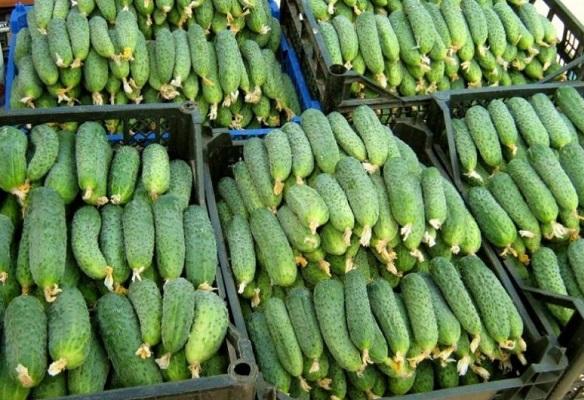
This shade-loving hybrid requires some shade to prevent the cucumbers from becoming bitter. The strong central stem grows up to 3 meters throughout the season. The fruits are elongated (20 centimeters), with large bumps. The cucumbers have a delicious crunch when pickled or eaten fresh.
Poplar F1
A hybrid with small cucumbers, pollinated by bees. The cucumbers have numerous tubercles and have excellent marketable appearance and flavor. Fruiting period is 110-130 days. The first cucumbers appear after 43-48 days. Suitable for all-purpose use.
Berendey F1
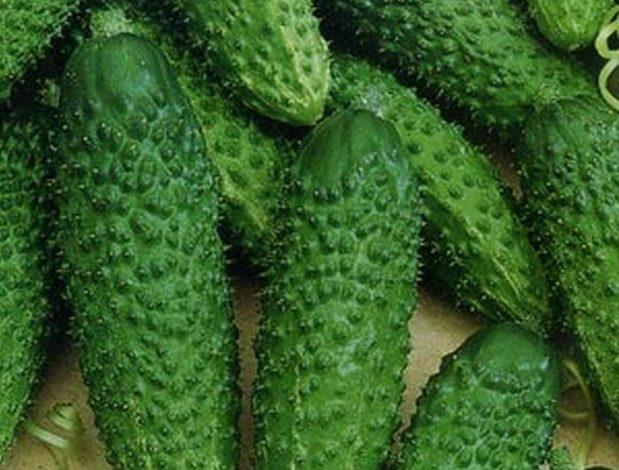
This hybrid cucumber ripens in 50 days and is considered a mid-season variety. Gardeners appreciate it for its ability to grow in shaded areas, small plots, and overcrowded areas.
The fruit is 12-14 centimeters in size, with small white spines. Delicious fresh and in preserves.
Maryina Roshcha F1
This cluster hybrid tolerates low light, but when grown in full sun, the number of ovaries and gherkins increases significantly. The fruits have light-colored spines and grow up to 12 centimeters. The bush bears fruit until the onset of severe cold weather.

Arbat F1
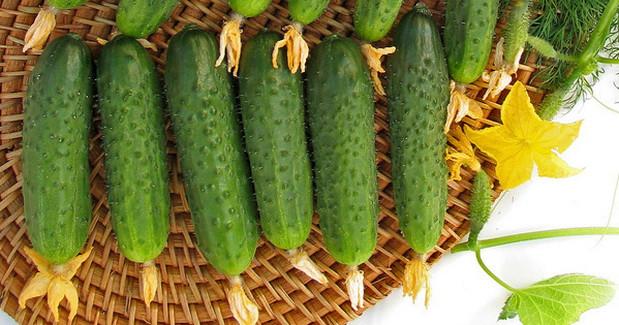
Arbat is considered a shade-loving hybrid. Bushes with numerous side shoots require secure support. The skin of the fruit is smooth and tender, and the cucumbers grow up to 15 centimeters. They make excellent salad cucumbers, retaining their crispness well when preserved. According to most gardeners, they ripen quickly in cold summers with little sunshine.
Pallas's cat
The Pallas's hybrid belongs to the bee-pollinated group. Excellent flavor and elongated cylindrical fruits make this variety popular with gardeners. Yields up to 7 kilograms per bush.
Show-off
"Don't give up in the dark" is the goal of the Zadavak cucumber, as stated on the seed packet. The plants thrive in low-light conditions. The hybrid's cucumbers are smooth, up to 8 centimeters, with large bumps. They are suitable for all-purpose use.
Lord
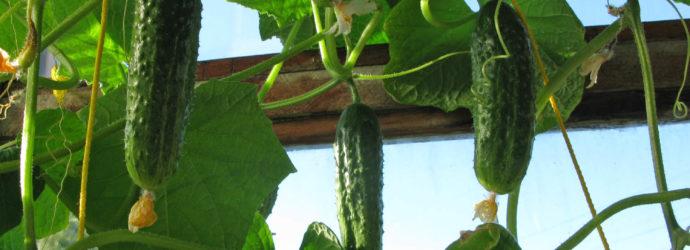
Lord, a first-generation hybrid, is characterized by rapid stem and side shoot growth. It requires shaping and staking. Cucumbers are smooth, bright green, and up to 11 centimeters tall. It produces excellent fruit in late summer, when sunlight and heat are limited.
Danila
The Danila hybrid produces cucumbers up to 15 centimeters in size, suitable for pickling, marinating, and fresh eating. These early-ripening cucumbers easily tolerate shade and low sunlight. They store well without losing their flavor or freshness. They ripen very quickly, making them popular for preserves.
Flagship
One of the cold-hardy varieties, it grows well in low sun conditions. This hybrid is mid-early in maturity, with the first harvest occurring in 45-47 days. This flagship variety grows up to 10 centimeters and is suitable for all-purpose use.
Balalaika
The Balalaika hybrid produces consistent yields in shaded beds. The bush is small, without pronounced branching. The fruits are uniform, up to 11 centimeters in size, with excellent flavor and aroma. The yield decreases during droughts and insufficient watering.
Bully
The shade-tolerant Zabiyaka hybrid is considered mid-season. Bunches of 4-5 cucumbers form on side shoots. These cucumbers are praised for their abundant harvest and high-quality fruit. The cylindrical cucumbers grow up to 10 centimeters. They are versatile.
Planting cold-hardy varieties allows for full harvests of this heat-loving crop in any region of the country. Shade-tolerant hybrids are especially popular with gardeners, as cucumber plants produce their full harvest even in less sunny summers. By choosing the right varieties and following proper cultivation practices, you can enjoy delicious cucumbers right up until the first frost, even in colder regions.
Related posts:
 TOP 30 best determinate cucumber varieties with descriptions
 Top 50 Best Cucumber Varieties for Polycarbonate Greenhouses with Descriptions
 Description of the best varieties of pickling and barrel cucumbers for greenhouses and open ground
 Description of the best early-ripening cucumber varieties for open ground and greenhouses
 TOP 40 best late-season cucumber varieties for open ground with descriptions
 35 Best Powdery Mildew-Resistant Cucumber Varieties with Descriptions
 TOP 20 best varieties of medium-sized cucumbers with descriptions and characteristics
 The best eggplant varieties for growing in a polycarbonate greenhouse: planting and care