
- What are pickling cucumbers like?
- The main advantages and characteristics of the culture
- How to choose: understanding the variety
- Types and description of pickling varieties
- Vyaznikovsky
- Parisian gherkin
- Fabulous
- Far Eastern
- Muromsky
- Coastal
- Crisp
- Nezhinsky
- Filippok F1
- Monastic
- Barrel pickling
- Salty ears
- Son of the Regiment F1
- Moth F1
- Reliable F1
- Cornet F1
- Deadbolt F1
- Snack F1
- Smiley F1
- North Pole F1
- You'll crunch F1
- Levina F1
- Capricorn F1
- Children in the garden
- Village Pickles F1
- Village F1
- Popular varieties for winter preparations
- Game
- Aquarius
- Phoenix
- Courage
- Cuckoo
- Hector
- Hermann
- Marinda
- Moscow Region Evenings
- The best universal varieties for open ground
- Fontanelle
- Bushy
- Baby
- Tips and recommendations for crop care
The taste of vegetables is influenced not only by the processing method and marinade composition, but also by their characteristics. Salad hybrids are only suitable for fresh consumption, as they become soft and flavorless when cooked. And no matter what recipe a cook uses, these fruits will not retain their crunch. Breeders have developed numerous hybrids, some of which are suitable for canning, others are better pickled, and barrel cucumbers have an excellent flavor. Pickling varieties retain their properties after processing, do not acquire bitterness, are delicious fresh, and are suitable for pickling.
What are pickling cucumbers like?
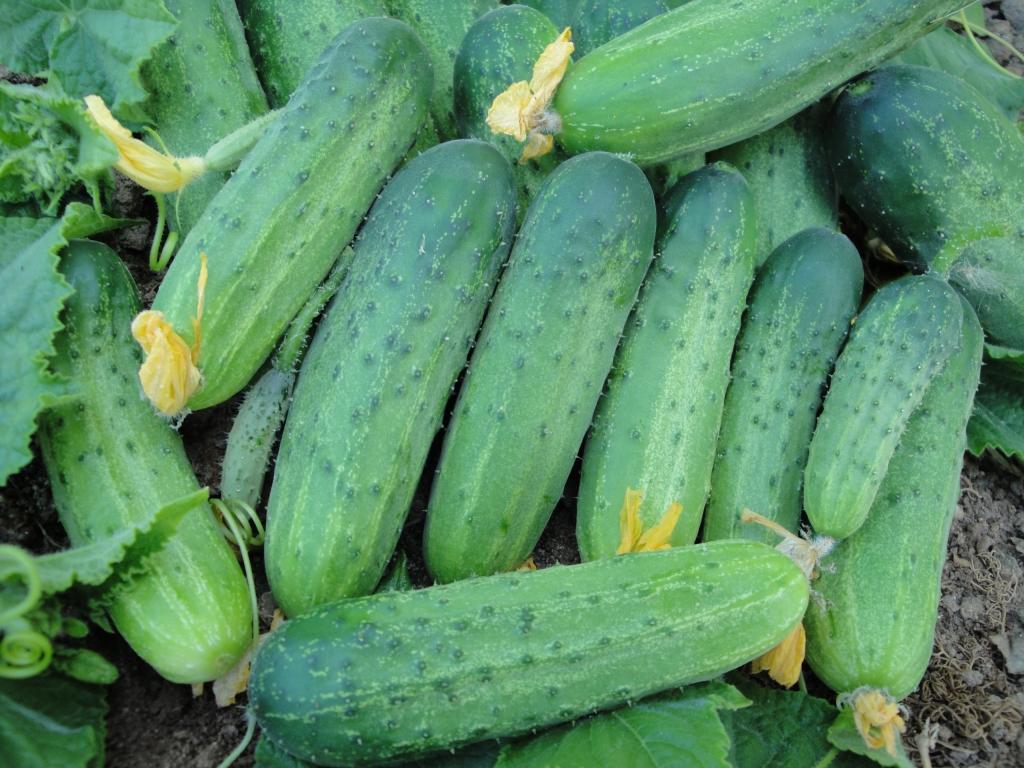
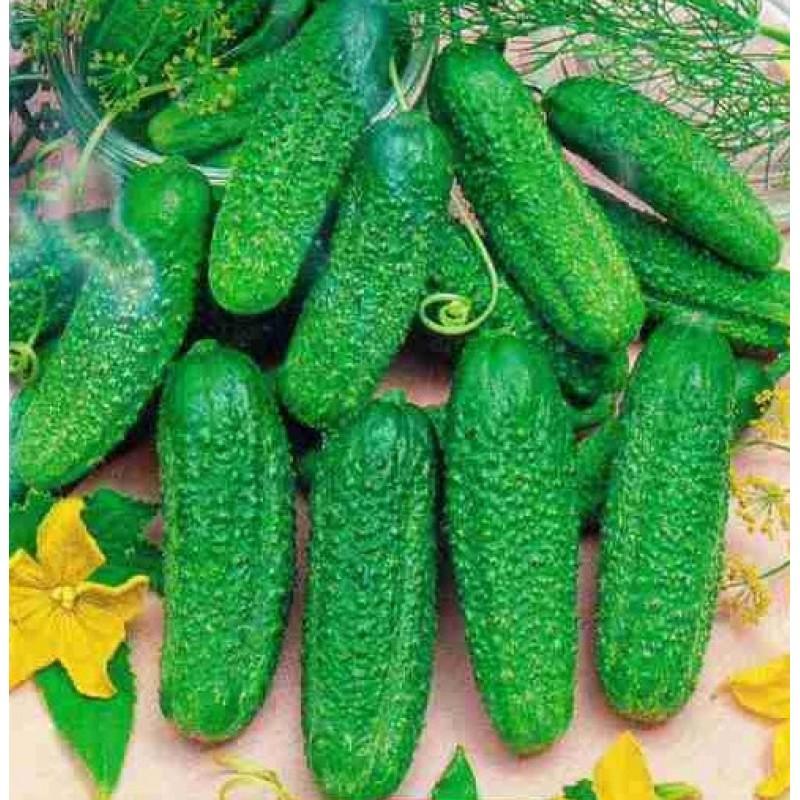
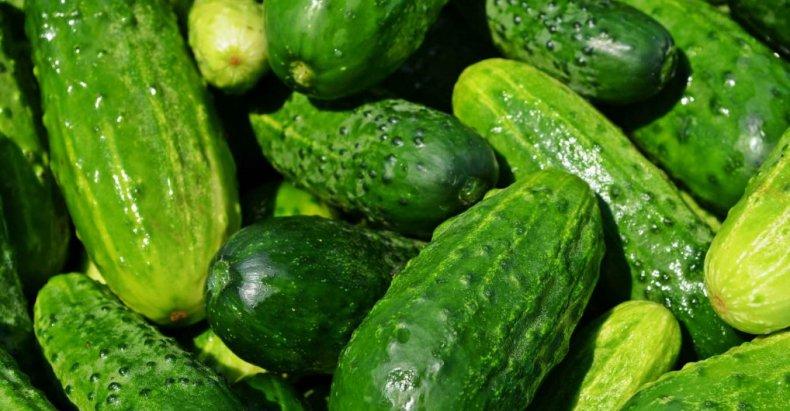
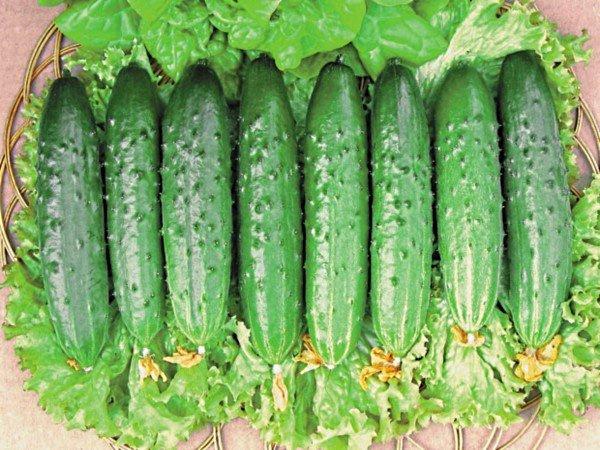
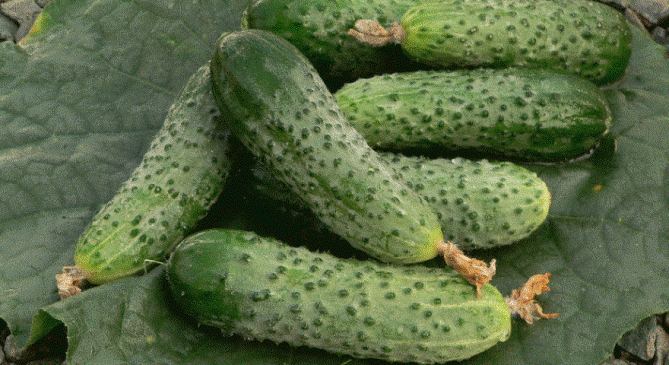
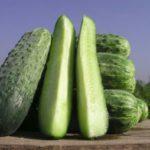
If you look closely, you can identify the fruits that are used exclusively for salads. The cucumbers are thin-skinned, dark-colored, thornless, and long. These cucumbers are delicious fresh, but not suitable for pickling. Varieties with cylindrical fruits, light stripes, and skin covered with spines and bumps are excellent for pickling.
Breeders have developed hybrids and common varieties whose cucumbers are used for various purposes and differ in appearance from both salad and pickling cucumbers. The fruit is spindle-shaped, with a light-colored skin featuring small bumps.
The main advantages and characteristics of the culture
No holiday table is complete without pickled cucumbers, but the quality and flavor of the cucumbers are influenced by the density of the flesh. Fruits with skins covered with large tubercles have well-developed vascular bundles, located transversely to the surface. This ensures that even when soaking cucumbers in hot water, the flesh remains crisp, and the taste of the cucumbers is not affected; they do not become watery or bitter.
The advantages of pickling varieties include:
- friendly ripening:
- high productivity;
- universal use.
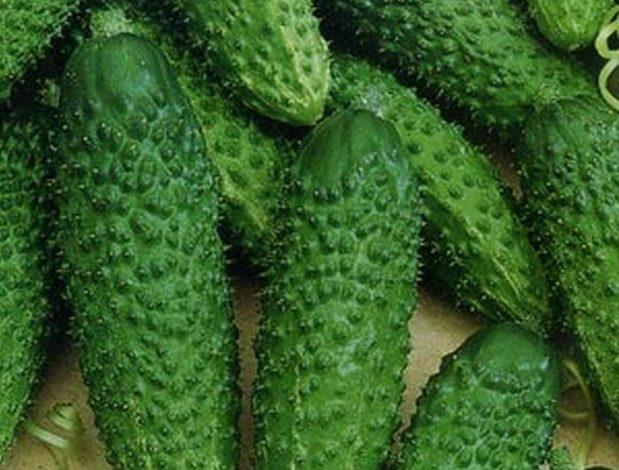
In addition to standard barrel cucumbers, hybrids have been developed that, in addition to these characteristics, also possess disease immunity. However, gardeners who grow cucumbers for pickling must buy seeds annually, as hybrids lack them.
How to choose: understanding the variety
The range of cucumber varieties is astonishing; for canning and other preparations, it is recommended to choose cucumbers that are adapted to the local climate and soil composition.
The following fruits are used for pickling:
- with large tubercles and black spines;
- with dense pulp;
- with a small number of seeds;
- with dark, sweet skin;
- without any voids inside.
Gherkins should be no longer than 13–15 cm. Gherkins 4 or 5 cm in size are pickled; larger cucumbers are pickled in a brine of dill, mustard, and spices, resulting in a spicy, crunchy snack that's irresistible.
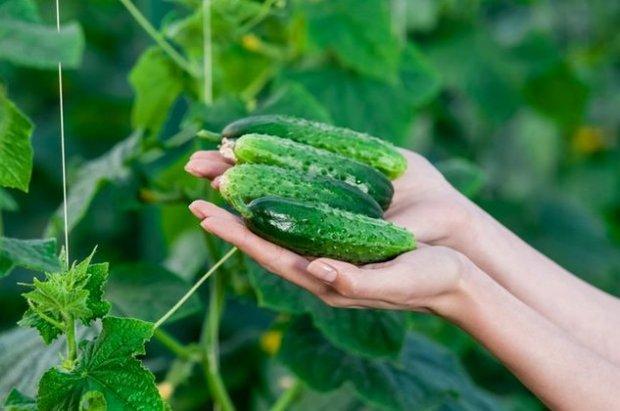 When preparing cucumbers, the spines break off, creating pores in the skin through which the solution penetrates the flesh. Smooth cucumbers are very slippery, while bumpy cucumbers are easy to place in the barrel.
Types and description of pickling varieties
Vegetables love warmth and sun. In the south, these are sufficient for crops, but in temperate climates, cucumbers are planted under plastic, where they produce well. Pickling varieties and hybrids, regardless of growing conditions, are suitable for barrel storage, marinating, and canning.
Vyaznikovsky
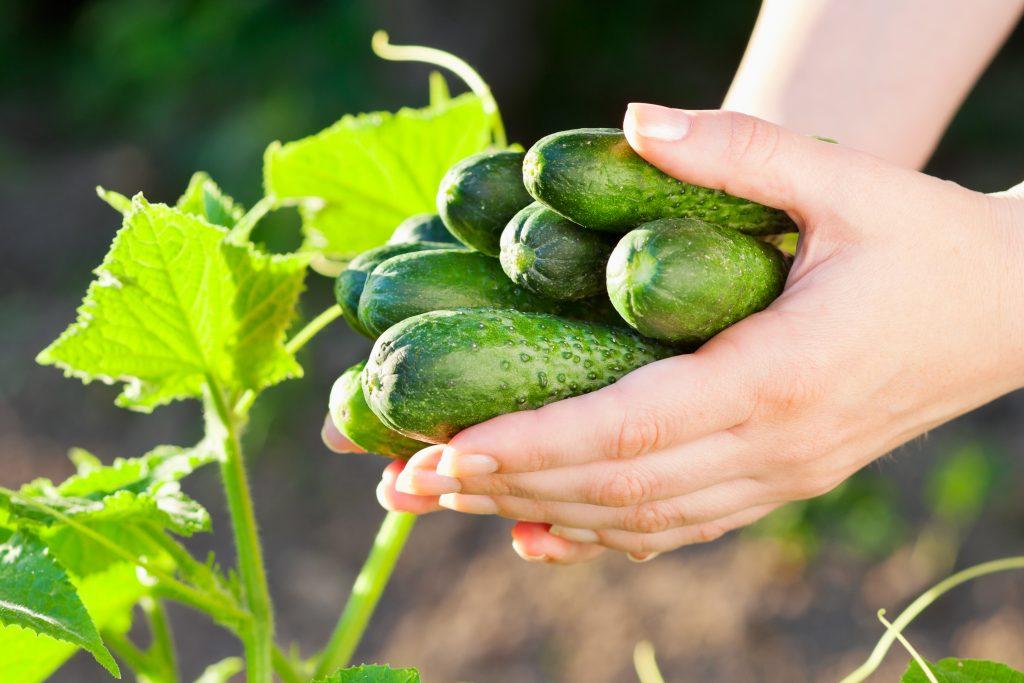
The cucumber originated at the beginning of the last century, but remains popular among gardeners. It is grown not only in the central part of Russia but also in Moldova and Ukraine. The fruits of the Vyaznikovsky variety are distinguished by:
- light green color;
- elongated shape;
- pleasant aroma;
- dense pulp.
With proper agricultural practices, this variety produces a good harvest even in adverse weather conditions. The plant can withstand light frosts.
Parisian gherkin
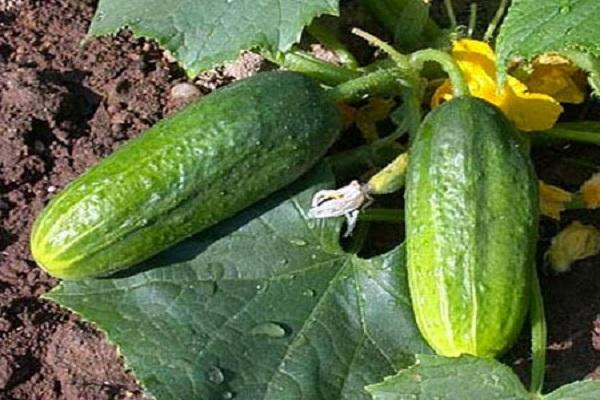
This easy-to-grow variety is not only planted in gardens but also cultivated commercially. The fruits grow to just 10 cm in length, are covered in numerous spines, have a sweetish flavor, and become crunchy when processed.
Fabulous
The hybrid bushes, created by Russian breeders, have long stems, producing up to eight shoots. On the 45th day after sprouting, the oval, 12-cm-long fruits, covered with tubercles, are harvested.
The hybrid does not suffer from bacteriosis and is resistant to viruses.
Far Eastern
The variety thrives in a variety of climates, tolerating drought and prolonged rainfall. Fruit sets until late autumn and is harvested two or three times a week. The cucumbers, up to 20 cm long, weigh 150–180 g when ripe. The skin, with black spines, is decorated with white stripes and covered with a beautiful purine bloom.

Muromsky
This early-ripening variety shows no sign of slowing down, despite being bred a long time ago. Bushes, abundantly covered with richly colored foliage, form vines that grow up to 1.5 m in length. The oval gherkins weigh only 50–60 g, with skin that separates in light stripes and is studded with black spines. The dense, firm flesh contains small seeds.
Coastal
This bee-pollinated variety boasts high yields but requires warmth. The bushes form long vines that are attached to supports. Ovaries are formed in clusters at the leaf nodes. 3.5 kg of cucumbers are harvested per square meter, possessing:
- cylindrical shape;
- tuberculate surface;
- sweet and crispy pulp.
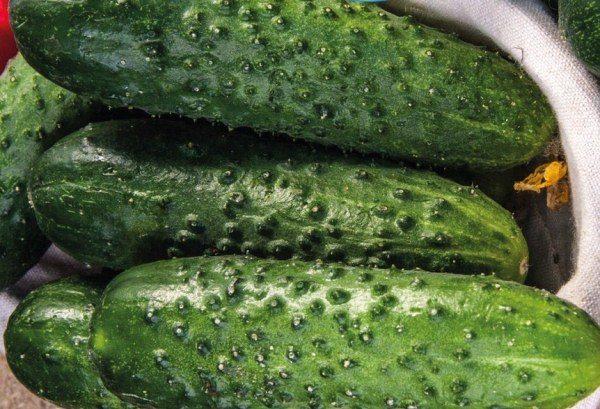 Cucumber seeds germinate readily, and the fruit is not bitter. The plant is immune to anthracnose and, with proper cultivation and care, is not susceptible to powdery mildew.
Crisp
This variety thrives in open garden beds; in cool climates, cucumbers thrive in a greenhouse. The flowers on the bushes are pollinated by insects, and after six weeks, the cucumbers, with large black spines weighing 80 grams, ripen. The flesh of the cucumbers is crisp and delicious.
Nezhinsky
This variety, developed in northern Ukraine, continues to be a favorite among gardeners despite the emergence of more productive hybrids. The bushes grow very quickly, forming 2-meter-long vines. Nizhyn cucumber valued:
- for excellent taste;
- firm and juicy pulp;
- presence of crunching.
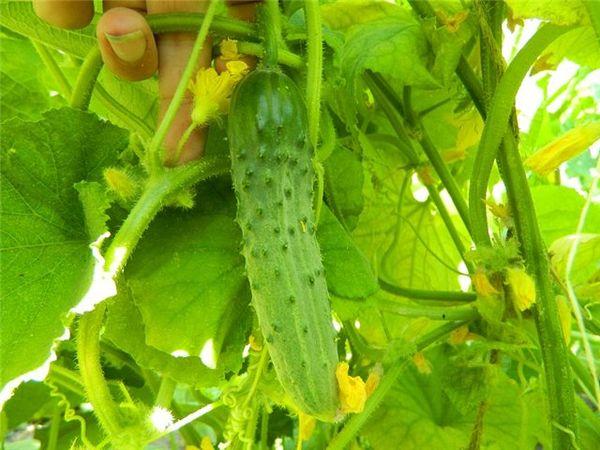
This variety is cold-hardy and drought-tolerant. The skin of the cucumbers is much thinner than that of other pickling cucumbers.
Filippok F1
Gardeners plant this indeterminate hybrid, which requires bees for pollination, not only because of its high yield, but also because its fruits are ideal for pickling.
Small cylindrical cucumbers are produced in large quantities on branched bushes.
Monastic
In an open, sunny bed, this early, mixed-pollination variety produces abundant fruit. The cucumbers, decorated with light stripes and black spines, retain a pleasant flavor after heat treatment, are free of air pockets, and ripen in six weeks.

Barrel pickling
The name of this Russian-bred variety immediately indicates the purpose for which these cucumbers are planted. Naturally pollinated bushes produce early-ripening fruits with black spines 8–9 cm long.
Salty ears
The parthenocarpic variety's yield doesn't decline in rainy weather, when bees aren't flying. The female flowers don't require pollination.
The Salty Ears hybrid bush produces 5–7 kg of small, sweet fruits; they are never bitter, and the small gherkins look original in a jar.
Son of the Regiment F1
This hybrid variety, rarely susceptible to disease, delights with a harvest of crisp, crisp fruits that set so densely that they need to be picked daily. Gardeners use the white-striped, bumpy-covered cucumbers for pickling.
Moth F1
Gardeners write rave reviews about this hybrid, which boasts a long and abundant fruiting season. A bed measuring one square meter yields 9–10 kg of cucumbers. After the fruit sets, the crispy gherkins are picked within two days to prevent them from becoming overgrown.
Reliable F1
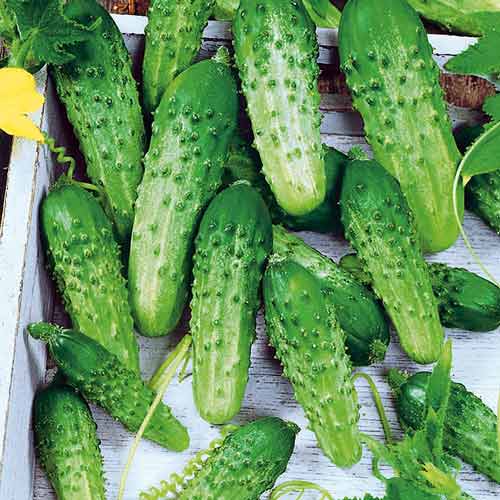
This indeterminate variety produces shoots that need to be tied to a support. The tall, vigorous bushes are pollinated by insects but produce an excellent harvest of fruit that ripens in 40 days. The advantages of the Nadezhny cucumber include:
- attractive appearance;
- absence of bitter taste;
- excellent taste of dense pulp.

The plant withstands the vagaries of nature and rarely suffers from disease. The cucumbers, weighing 110 or 120 grams, are undamaged during transportation and keep well in storage.
Cornet F1
This productive hybrid tolerates cold temperatures, withstands drought, and is disease-resistant. The bushes produce numerous, richly green fruits. The Kornet cucumber variety boasts an attractive shape, juicy, firm flesh, and pimples.
Deadbolt F1
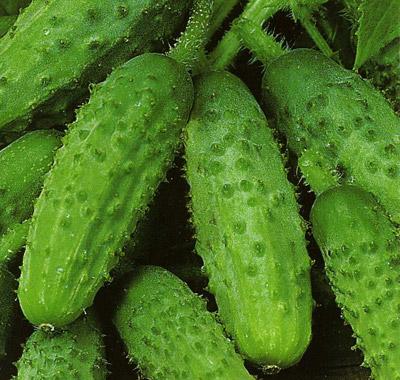
The hybrid is planted outdoors, as it tolerates both cold and rain. The vines produce clusters of several cucumbers. The richly colored cucumbers weigh no more than 90 grams and are covered with pimples and white spines. The cucumbers retain their crispness even after pickling.
Snack F1
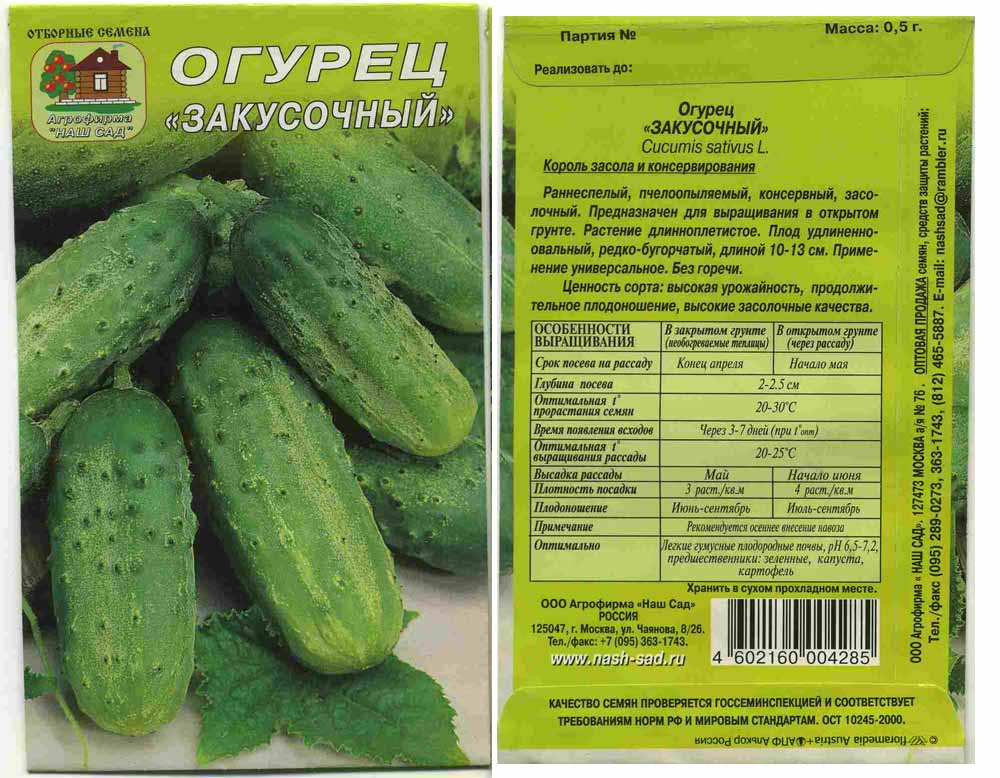
This indeterminate variety was developed by breeders for outdoor planting. Medium-sized bushes produce mixed-type flowers pollinated by wind and insects. The short fruits of the Zakusochny hybrid are lightweight, have firm flesh, and are suitable not only for salads but also for pickling.
Smiley F1
This variety quickly adapts to cold snaps, drought, and cloudy, damp weather, producing fruits that ripen very early and have a unique shape. Round Smiley cucumbers have a beautiful dark green color, reach just 5–6 cm in length, and weigh just over 40 grams.
North Pole F1
The hybrid's name reflects the regions for which Russian breeders developed it. The plant produces abundant fruit in a plastic greenhouse, with the first green shoots ripening within 40 days of sprouting.
The North Pole withstands temperature fluctuations, and the cucumbers ripen unevenly, which is why the fruiting period is prolonged.
You'll crunch F1
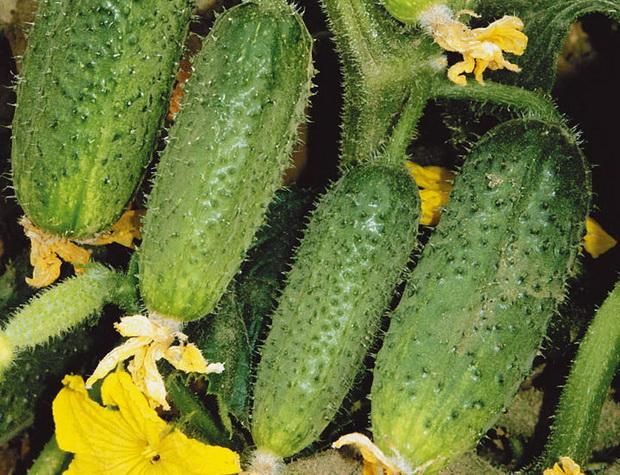
In regions with cool summers, cucumbers are grown from seedlings. This parthenocarpic hybrid also thrives when sown directly into the ground. The Obkhrustish's variety produces female flowers and bears fruit without the help of bees. The 8-cm-long cucumbers, with frequent tubercles on the surface, do not overgrow, have a distinct aroma, and excellent flavor.
Levina F1
Many gardeners love the small cucumbers that fit in a small jar, and when choosing varieties for planting, they choose the Levin hybrid. The bushes that produce miniature gherkins bloom all summer, and the tender, pimpled fruits ripen very quickly.
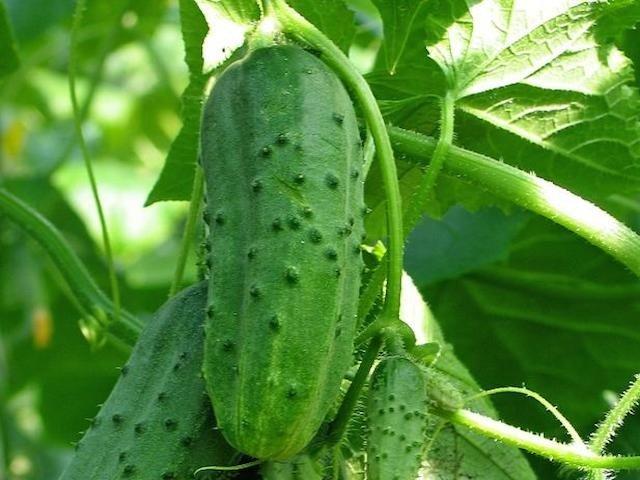
Capricorn F1
This variety, developed in hot climates, quickly adapted to the cool and damp climate, acquired immunity to diseases, and delights with beautiful miniature cucumbers of uniform size.
Children in the garden
This hybrid with both male and female flowers impresses with its high yield in open ground, where it is pollinated by the shoulders and produces small, tubercled green fruits. The sweet fruits retain their crunch when pickled and do not develop a bitter taste, making "Rebyatki na Gryazke" so prized. The variety is immune to the mosaic virus and is resistant to root rot and spotting.
Village Pickles F1
Cucumbers ripen in just 40 days on the bushes of this self-pollinating hybrid of Russian origin. The variety thrives in a wide range of climates and produces fruit until autumn. Gardeners appreciate the short cucumbers of Derevenskoye Raznosol for their pleasant taste, subtle aroma, and the fact that they don't develop air pockets in the dense flesh.
Village F1
This hybrid variety is characterized by average productivity, but is resistant to cold temperatures, is virtually disease-free, and grows both under plastic and in the open. The oblong fruits with sparse tubercles are excellent in salads and pickles.
Popular varieties for winter preparations
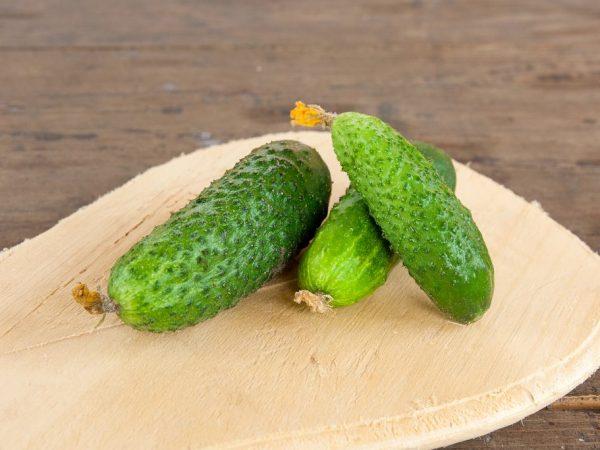
Many housewives roll cucumbers into jars, and in a cool room they do not lose their flavor and remain firm for more than a year.
Game
The fruit of this naturally pollinated, high-yielding variety ripens mid-season, forming abundant fruit on low bushes. The oval-shaped cucumbers are sparsely covered with spines, decorated with white stripes, and weigh less than 70 grams.
Aquarius
The description of this Russian-bred variety and the characteristics of its fruit have attracted the interest of many gardeners, even though the plant thrives on sun and requires the attention of bees. Vodolaya cucumbers, with their dense tubercles, have a beautiful oval shape, thin skin, and tender flesh.
Phoenix
This hybrid was developed for outdoor planting back in the 1980s, but has remained popular with gardeners. The fruits begin to ripen after two months, but set before frost. Cucumbers grow to 12–16 cm in length, weigh an average of 60 g, and remain green.
Courage
On bushes with developed roots, the ovary forms in bunches, and in its place grow fragrant cylindrical fruits with white spines and crispy flesh.
Cuckoo
This self-pollinating variety, developed for greenhouses, produces a large number of gherkins regardless of weather conditions. Large, light-striped fruits grow to 16–20 centimeters in length within six weeks.
Hector
This determinate hybrid, developed in the Netherlands, is a favorite among farmers, as the first cucumbers begin to be picked within a month. Gardeners plant Hector F1, which doesn't require bush training, for its delicious, small-sized cucumbers.
Hermann
This easy-to-grow variety produces fruit well, even for novice gardeners. The bushes produce female flowers that don't require pollinators. The gherkins, which are harvested after 36 or 38 days, develop a rich green color when grown in full sun and fade when planted in the shade.
Marinda
This hybrid, which bears fruit both under plastic and outdoors, produces 6–7 cucumbers per node with regular watering and fertilizing. When ripe, the cucumbers weigh up to 70 grams, and the flesh, containing small seeds, is completely filled with air.
Moscow Region Evenings
This indeterminate hybrid produces long vines that produce clusters of ovaries even in the absence of sun. This Russian-bred variety yields 15–17 kg. The cylindrical, dark green fruits boast excellent flavor and juicy flesh.
The best universal varieties for open ground
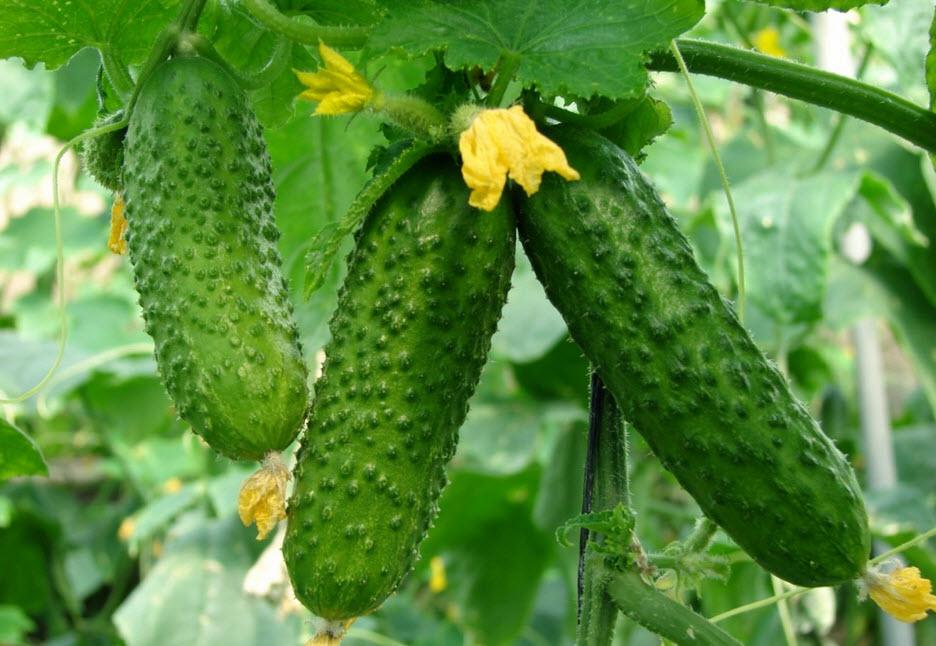
Although many hybrids have been developed that produce high yields in greenhouses, in regions with long summers, gardeners sow cucumbers in open beds.
Fruits ripened in the sun acquire a special aroma.
Fontanelle
A favorite variety among gardeners, although pollinated by bees, it produces ovaries in clusters. The cucumbers ripen unevenly, so they are harvested almost until autumn. The fragrant, sweet cucumbers, decorated with white stripes and covered with black spines, weigh no more than 100 grams and are suitable for pickling and marinating.

Bushy
This compact plant with short stems takes up little space and looks unique in the garden, especially when covered with neat fruits. The green egg-shaped cucumbers are delicious and juicy, with plenty of seeds in the flesh, but no empty spaces.
Baby
This miniature variety attracts gardeners with its early, bumpy-skinned cucumbers, which ripen very quickly. The cucumbers need to be picked daily; they store well and are used for pickling.

Tips and recommendations for crop care
To ensure cucumbers have a pleasant taste and ripen in abundance, water the plants with water heated by the sun to 22–24 degrees Celsius. It's best to start watering in the afternoon. In hot, dry weather, the crop requires more moisture, otherwise the fruits will become bitter.
During flowering, the bushes should be sprayed with sugar or boric acid; bees love these treats. The fruits should be picked regularly to prevent them from depleting the plant. Cucumbers are fed with manure, urea, superphosphate, and every week a glass of ash is mixed in water and poured under the bushes.
Related posts:
 Description of the best early-ripening cucumber varieties for open ground and greenhouses
 Top 50 Best Cucumber Varieties for Polycarbonate Greenhouses with Descriptions
 Description of the best, most productive and new varieties of cucumbers for 2025
 TOP 30 best varieties of cold-resistant cucumbers with descriptions and characteristics
 35 Best Powdery Mildew-Resistant Cucumber Varieties with Descriptions
 TOP 30 best determinate cucumber varieties with descriptions
 Description and characteristics of the best varieties of bunch cucumbers and how to grow them
 Description of the best and most productive cucumber varieties for open ground