
- What to look for when choosing a variety
- What types of cucumbers are there for greenhouses?
- By degree of ripeness
- By appointment
- Differences in cold resistance
- Differences in cucumbers by pollination method
- By the type of branching of bushes
- Differences in the duration of fruiting
- The best cucumber varieties for polycarbonate greenhouses
- Fast and Furious F1
- Annushka F1
- Paramon F1
- F1 button
- Perenta F1
- Dynamite F1
- Dragonfly F1
- Beethoven F1
- The best Dutch varieties for greenhouses
- Vocals
- Gunnar
- Masha
- Hermann
- Long-fruited varieties for greenhouses
- Chinese snakes
- White delicacy
- Provencal capital
- Cuckoo
- Bush cucumbers for greenhouses
- Strongman
- Strongman
- Baby
- Early greenhouse varieties
- String bag
- Fan
- Courage
- Dmitry Donskoy
- Recommended varieties for growing in winter greenhouses
- Moscow Region Evenings
- Moscow greenhouse
- Meringue
Breeders have developed numerous hybrids for growing vegetables in greenhouses, varying in ripening time, fruit size and color, and pollination method. When choosing cucumber seeds, consider how the cucumbers will be consumed. Some cucumbers are suitable only for salads, while others are suitable for canning. Keep this in mind when choosing hybrid seeds for planting in a polycarbonate greenhouse. Beginners often purchase the best cucumber varieties based on advice and reviews from neighbors.
What to look for when choosing a variety
The colorful packaging in which vegetable seeds are sold indicates their harvest date, their immunity to certain diseases, whether they are grown in a greenhouse or a garden bed, and their region of origin. Tall cucumbers produce a good harvest, but the bushes need to be regularly tied up, and determinate varieties require timely pinching of the tops. With proper cultivation practices and care, any vegetable will produce abundant fruit, but not all cucumbers are suitable for canning.
What types of cucumbers are there for greenhouses?
Hybrids that pollinate without bees are more suitable for indoor cultivation. Varieties differ in fruit size, branching and height of the bush, fertility, cultivation method, and many other characteristics.
By degree of ripeness
Cucumbers grown in a polycarbonate greenhouse ripen at different times. Early varieties are harvested 45 days after the first shoots emerge, while mid-season hybrids ripen within 46–50 days. Late cucumbers they are torn off after almost 2 months.
By appointment
The fruits of this vegetable crop vary in their culinary properties. The green cucumbers of some varieties are suitable for all-purpose use. Other cucumbers are not suitable for pickling, but are instead sliced into salads and eaten only fresh.

Differences in cold resistance
Heat-loving vegetables don't tolerate frost and often die when temperatures drop to +7°C for a few days. However, F1 hybrids can withstand temperatures as low as +2°C. Cold-hardy varieties produce delightful greens in cool weather, growing both in a greenhouse and in the garden.
Differences in cucumbers by pollination method
Parthenocarpic hybrids are bred for growing indoors. They lack seeds, and the fruit is formed by female flowers without the help of insects. These varieties produce a stable harvest regardless of the weather.
Self-pollinated cucumbers have flowers containing stamens and a pistil. This unique structure allows the formation of fruits with seeds. Plants are grown in greenhouses, protected from insects. Bee-pollinated varieties produce ovaries only on the female flowers.
By the type of branching of bushes
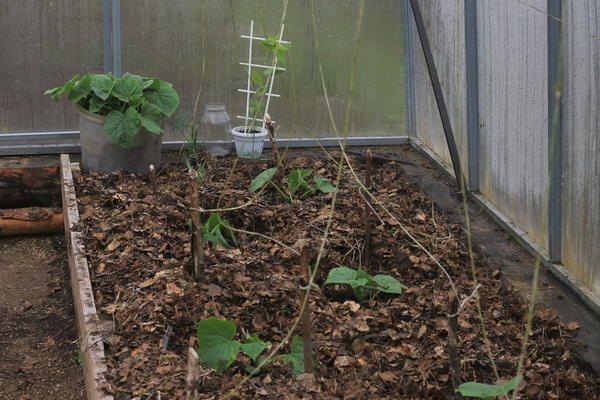
Not only do cucumbers vary in diameter, weight, and length, but the plants themselves also differ in appearance. Some cucumbers are bush-type, with short, branched shoots that grow without support. Other varieties develop vines, requiring timely staking.
Differences in the duration of fruiting
In the garden, cucumbers are harvested for about three months, or even less, after which they die. Varieties of cucumbers with weak branching produce a harvest in a short period. In heated greenhouses, it's best to grow hybrids with strong branching, which have a long fruiting period.
Take a look Also

The best cucumber varieties for polycarbonate greenhouses
When choosing vegetables to plant in a greenhouse rather than in the field, experienced gardeners consider the type of pollination, the culinary properties of the fruit, and the branching characteristics.
Fast and Furious F1
Recently, breeders created a parthenocarpic hybrid that grows both in a greenhouse and in a garden bed, producing a prolific harvest. On low bushes, up to two dozen gherkins ripen simultaneously. Up to five ovaries form in a single axil.
Cucumbers are harvested after 40 days. When ripe, the fruits acquire a dark color, weigh up to 100 g, and yield 12 kg per square meter. Forsage is not affected by:
- powdery mildew;
- bacteriosis;
- mosaic.
The bushes grow quickly. The medium-sized, pleasant-tasting cucumbers are suitable for pickling.
Annushka F1
This high-yielding hybrid, developed in Holland, has become a favorite among gardeners. This insect-pollinated cucumber produces fruit well in greenhouses. Ovaries form in clusters at the nodes, and the first cucumbers on the low bushes are harvested 45 days after sprouting. The Annushka hybrid cucumbers are distinguished by:
- ribbed surface;
- oblong shape;
- juicy pulp.
The fruits are 12 cm long and weigh 100 g. This pickling variety is valued for its excellent taste, its immunity to diseases, and the fact that the cucumbers have no voids.
Paramon F1
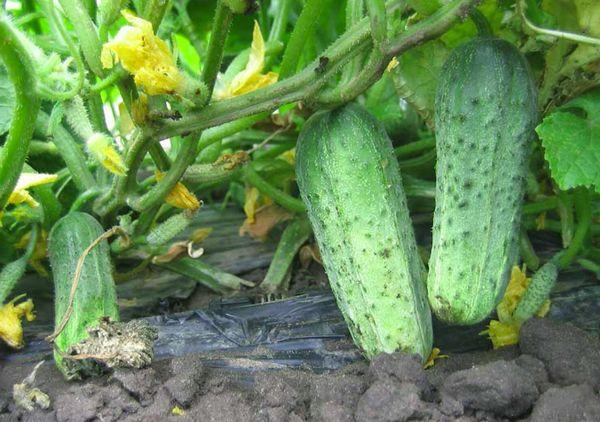
The hybrid thrives in polycarbonate and glass greenhouses. The limited-branching bushes produce only female flowers, with 2 to 6 fruits per node. Paramon gherkins are harvested 38 days after sowing. The uniform cucumbers, decorated with symmetrical tubercles, are less than 4 cm in diameter and weigh an average of 100 g.
The plant has immunity:
- to a viral infection;
- to cladosporiosis;
- fruit and root rot.
When forming bushes, the top is pinched, which stimulates the growth of lateral shoots.
F1 button
A popular self-pollinating variety among gardeners, this early-season pickling delights with its small gherkins. Four to five miniature emerald-colored cucumbers form at the leaf nodes of the compact bushes. The Knopa variety is prized for its sweet, crisp, thin-skinned fruits.
Perenta F1
The hybrid's characteristics make it suitable for commercial cucumber cultivation. The indeterminate plant's hairy stems cling to supports. Although Perenta is pollinated by bees, farmers harvest 700–800 kg of uniform, beautiful cucumbers of a uniform color per hectare. The cucumbers, 10 cm long, are free of thorns. Each fruit weighs less than 70 grams.

Dynamite F1
In polycarbonate greenhouses, gardeners grow an indeterminate hybrid with female flowers. On tall bushes of the parthenocarpic Dynamite variety, ovaries are set in clusters. In their place, oblong gherkins form. As the fruits ripen, blurred stripes appear on the fruit, and the surface becomes covered with tubercles.
The harvest begins after 40 days, and up to 15 kg of cucumbers are harvested per square meter per season, which are suitable for both salads and pickling.
Dragonfly F1
Many gardeners have already appreciated the taste of parthenocarpic hybrid gherkins, which, compared to other cucumber varieties, tolerate cold weather well. Furthermore:
- They are immune to viral infections.
- Not susceptible to olive spot.
- They do not suffer from powdery mildew.
This high-yielding hybrid with the interesting name "Dragonfly" impresses with its impressive ovary count, with up to 5 to 8 fruits per node. The crisp, firm cucumbers are suitable for salting and pickling.

Beethoven F1
This greenhouse hybrid does not tolerate wind or drafts, but indoors, the yield per square meter exceeds 17 kg. Tall bushes form long vines, producing only female flowers.
The fruits of the Beethoven variety, which weigh more than 100 g, are covered with dark skin and densely dotted with tubercles.
The dense flesh is completely free of air pockets. The cucumbers ripen in six weeks and are prized for their excellent flavor, long shelf life, and are used for pickling.
The best Dutch varieties for greenhouses
The weather in the Netherlands doesn't offer much sunshine, which is probably why breeders have created many vegetable hybrids that produce well in greenhouses.
Vocals
One of the most productive parthenocarpic cucumbers, this variety boasts tall plants that can produce up to 20 fruits. The crisp, seedless flesh of the cucumbers is perfectly smooth and perfectly shade-tolerant, and rarely suffers from disease. The first 100g cucumbers ripen in 40 days, and fruiting continues until October.
Gunnar
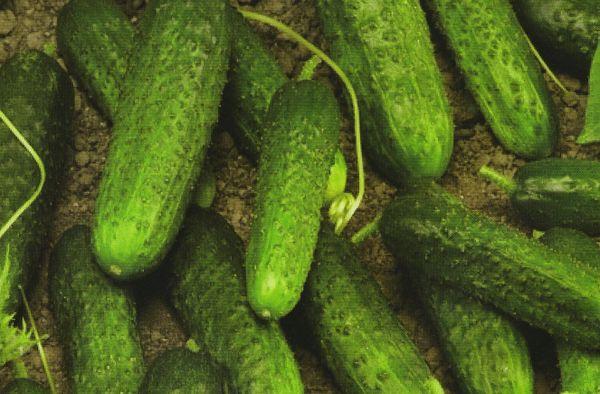
This indeterminate variety is very popular among gardeners. Five cucumbers are formed in the leaf axils at once, and the yield per square meter reaches 20 kg. Oblong Gunnar's cucumbers They are covered with a skin of a rich, uniform color, and the flesh has a unique taste and is rich in vitamin C.
Masha
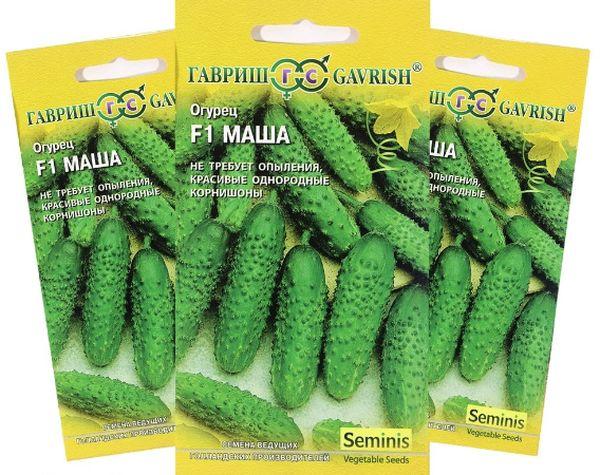
Gardeners plant this determinate hybrid in a greenhouse for an early harvest. The low bushes are not trained, but the shoots are pinched. The cucumbers, which are harvested after 37 or 38 days, have a pleasant flavor, are not bitter, and are ideal for pickling; they are only 8 cm long.
Hermann
When buying cucumber seeds, gardeners always look for the ripening date in the description. Many were attracted by a super-early hybrid whose flowers require no pollination. The German variety tolerates heat and inclement weather well and produces female flowers. Up to seven cucumbers are set in the axils, which are picked as early as 35 days after sprouting. The crisp cucumbers weigh only 70-80 g and have a pleasant taste. They are not suitable for commercial cultivation.
Long-fruited varieties for greenhouses
Hybrids with elongated cucumbers are being created not only by breeders from Asia; productive cucumbers have also begun to be developed in Russia, Ukraine, and Moldova.
Chinese snakes
The powerful, spreading bushes are distinguished by their long fruiting period, but the cucumbers do not ripen early, but after almost 2 months.
Thin, elegant cucumbers grow 40 or 50 mm overnight, and when they are picked, they reach 50-60 cm in length.
White delicacy
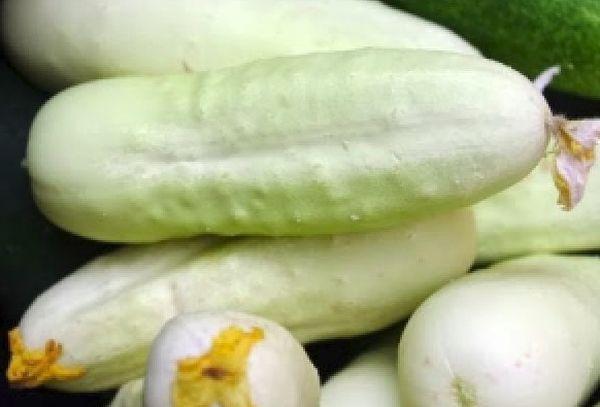
This fruitful hybrid is popular with gardeners because its cucumbers have a distinctive coloring but are more modest in size than Chinese snake cucumbers. The fruits weigh about 100 grams and are the same length as regular elongated cucumbers, but the skin is almost white.
Provencal capital
This hybrid, developed just a few years ago, has gained popularity among gardeners thanks to its amazing productivity, as everyone wants to harvest 20 kg or more of large, long cucumbers per square meter.
The bushes are characterized by unrestricted growth, weak branching, and the leaf axils produce not one, but three fruits at a time. When ripe, the cucumbers weigh up to 220 g and are not suitable for canning.
Cuckoo
The long-fruited variety, cultivated since the 1990s, remains popular. In greenhouses, this hybrid delivers a consistent yield; cucumbers begin to be harvested after six weeks, but fruiting continues for a long time. The cucumbers possess:
- cylindrical shape;
- thin skin;
- dense pulp.
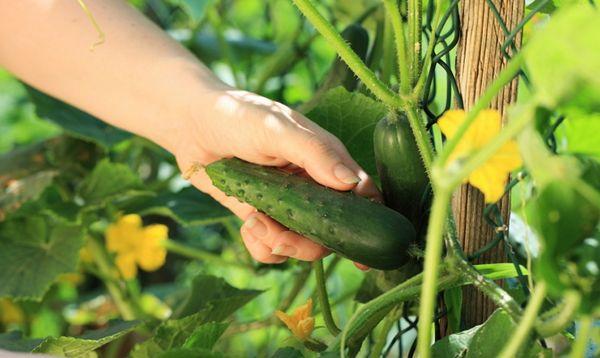
Some specimens weigh almost 300 grams and grow up to 22–24 cm in length. The Zozulya variety does not produce side shoots; the female flowers are self-pollinated.
Bush cucumbers for greenhouses
In greenhouses where space is limited, parthenocarpic hybrids are usually planted, leaving a single stem and pinching out side shoots. Bush cucumbers are pollinated by bees, form short vines, and thrive in the garden.
Strongman
This compact plant thrives and fruits in a greenhouse, producing two types of flowers. The bushes are sparsely branched, with up to three fruits set in the leaf axils. The small, tuberculate greens weigh about 60 grams.

Strongman
Wind- and insect-pollinated cucumber seeds are planted in garden beds and fields, but in cool climates, gardeners grow the bush variety in a greenhouse. The early-ripening cucumbers have a beautiful elliptical shape, are prized for their excellent flavor, and are suitable for pickling. Small Krepysha cucumbers store well without processing.

Baby
This early variety, whose seeds germinate quickly and densely, produces fruit well in greenhouses and hothouses. The bushes, which reach up to half a meter in height, produce ripe cucumbers weighing 80–90 g. They are covered with a dense, crispy skin and are ideal for pickling. Malyshka has an average yield, but is virtually disease-free.
Early greenhouse varieties
Gardeners plant early-ripening hybrids to quickly try fresh cucumbers, which are not usually used for canning, but are eaten in salads and supplied to the market by farmers.
String bag
This indeterminate variety is self-pollinating. It produces a good harvest in a greenhouse with proper training. At least two fruits are set in the leaf axils located on the main stem. The large, ribbed cucumbers are covered with spines, have a pleasant flavor, and are even suitable for pickling.

Fan
This parthenocarpic variety boasts a surprisingly high yield, which is unusual for early hybrids. The plant is easy to care for, with few shoots. Ovaries are set without pollination. The short cucumbers are smooth-skinned and free of bumps and thorns.
Courage
This variety is very popular among gardeners because it always responds to care with a good harvest. The tall bushes produce clusters of fruits. The skin of the Kurazh hybrid cucumbers is decorated with light stripes, and the flesh is juicy and crisp. The cucumbers grow up to 12–14 cm long and ripen very early.
Dmitry Donskoy
Several years ago, breeders created a variety that produces fruit well both in the greenhouse and in the garden, is immune to cladosporiosis, but is susceptible to powdery mildew. The tall bushes produce almost no side shoots, and the ovaries, which are formed in the leaf axils, ripen into smooth, green fruits covered in a beautiful purine coating.

Recommended varieties for growing in winter greenhouses
In a heated greenhouse, vegetables can ripen year-round, but to achieve this, you need to select self-pollinating cucumbers with short bushes.
Moscow Region Evenings
This variety, which produces only female flowers, thrives in low light and produces fruit for a long time. Ovaries are formed even in the shade, with 3-4 cucumbers emerging from the axil. Ripe cucumbers weigh no more than 100 g, with dark skin marked with white stripes.
Moscow greenhouse
This tall variety produces several fruits per node, which are impressively heavy when ripe. Individual cucumbers weigh up to 400 g. The cucumbers, covered with dark, shiny skin and free of tubercles, grow up to 35–40 cm in length. Yields reach 25 kg with proper main stem training.
Meringue
This Dutch hybrid tolerates high temperatures, tolerates cold snaps, and requires no pollination. Cucumbers on tall bushes ripen early, don't overgrow, retain their rich color, and have excellent flavor.
Related posts:
 TOP 30 best varieties of cold-resistant cucumbers with descriptions and characteristics
 Description of the best varieties of pickling and barrel cucumbers for greenhouses and open ground
 TOP 30 best determinate cucumber varieties with descriptions
 Description of the best early-ripening cucumber varieties for open ground and greenhouses
 35 Best Powdery Mildew-Resistant Cucumber Varieties with Descriptions
 TOP 20 best varieties of indeterminate cucumbers with descriptions
 Description of the best, most productive and new varieties of cucumbers for 2025
 Description of the best varieties of Chinese cucumbers, planting, growing and care