
- Features and description of the culture
- Advantages and disadvantages
- Where is it recommended to grow the crop?
- Features of planting cucumbers
- We decide on the variety and prepare the seeds
- Soil preparation
- Sowing seeds and germinating seedlings
- Timing of planting in the ground
- Rules for caring for bushes of the Chinese variety
- Watering
- Top dressing
- Formation of the whip
- Loosening and mulching the soil
- Insect and disease susceptibility: control methods
- Popular varieties of Chinese cucumber
- Chinese cold-resistant F1
- Chinese disease-resistant F1
- Chinese miracle
- Real Man F1
- Alligator
- Chinese Farmer F1
- Heat-resistant F1
- Shanghai F1 Champion
- Chinese climbing
- Beijing Gourmet F1
- Beijing Delicious F1
- Soaring to the Sky F1
- Confucius's Favorite F1
- Emerald Stream
- Chinese snake or serpent
- Gin
In garden plots, these long Chinese cucumbers are often found with only 2-3 vines. Even in such numbers, gardeners still plant this wonder vegetable for its flavor and unusual shape. Not only adults but also children enjoy crunching on cucumbers. The Chinese cucumber is always born without bitterness, and growing it is relatively hassle-free, with harvests lasting until late autumn. Today, many cucumber varieties and hybrids have been developed that take into account all the harsh climatic conditions of Russia's regions. However, some nuances in cultivation still remain.
Features and description of the culture
The Chinese cucumber is interesting in every way. Its name suggests it belongs to the cucumber genus, but it has some distinct subspecies:
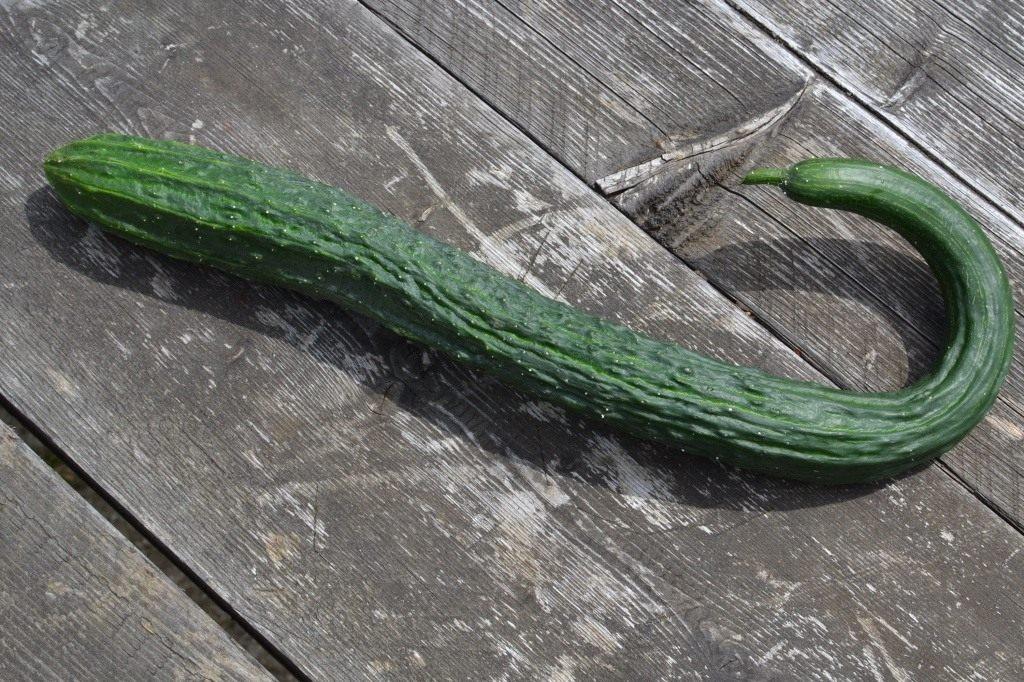
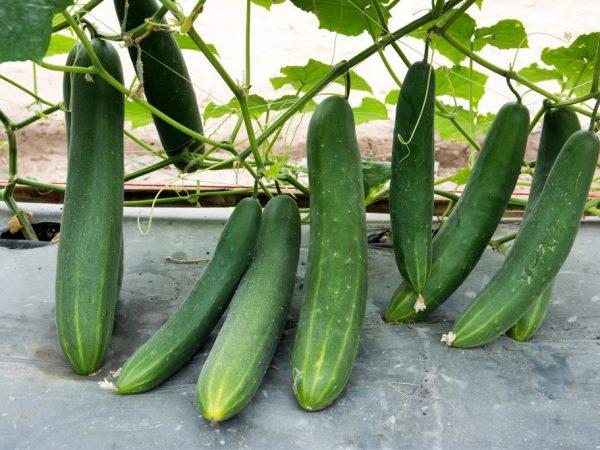
- The cucumber's elongated form. Each cucumber is enormous, ranging in length from 50 to 80 centimeters. If you grow a giant cucumber on a trellis or tied up in a greenhouse, it's easy to grow an even longer specimen, as its potential for growth is limitless.
- Cucumbers have a distinctly different flavor from other vegetables. They lack bitterness, and their flesh is slightly sweet.
- Does not form voids or become coarse during ripening.
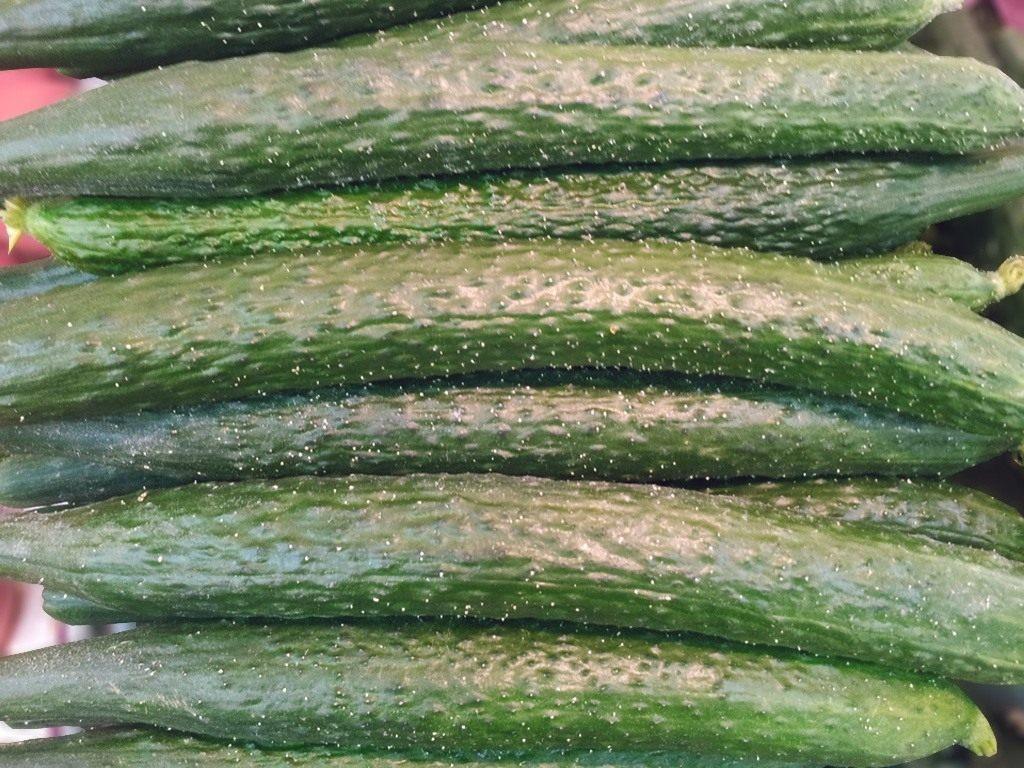
The cucumber's appearance is also unforgettable. It's a rich green, usually with dark tones. The skin has prickly "pimples," though some varieties are smooth and non-prickly. Hybrids are distinguished by early maturity and abundant fruiting. The first harvest is harvested a month after germination, approximately 35-40 days.
Advantages and disadvantages
Cucumbers are grown in all conditions: in greenhouses, hothouses, and outdoor garden beds. When developing Chinese cucumber varieties, all the disadvantages of common vegetables were taken into account:
- high resistance to diseases;
- low light requirement, cucumber can grow in partial shade;
- absence of barren flowers;
- abundant fruiting, up to 30 kg from one bush with proper agricultural technology;
- they use a part, that is, they cut off half of the cucumber right at the root, after some time it grows back;
- good presentation even when overripe, the cucumber does not swell, does not turn yellow, does not become empty;
- All available varieties are cold-resistant and hardy in hot conditions.
But even with the existing advantages, there are still nuances that breeders still need to work on:
- cucumber has a short shelf life, which is why it is not used for transportation over long distances;
- Many varieties of Chinese cucumbers are covered with an abundance of sharp, scratchy thorns;
- used for fresh consumption, less often for pickling;
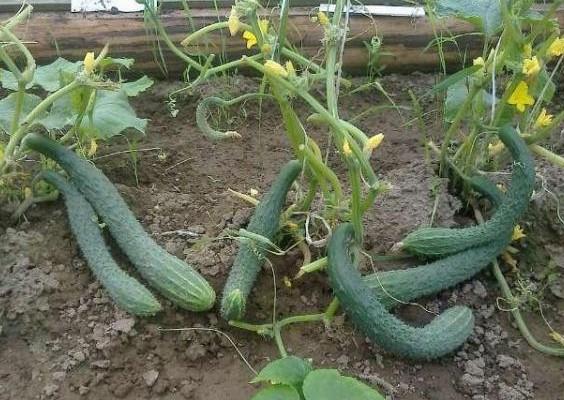
- require vertical cultivation, otherwise the result will be ugly, crooked cucumbers.
To all this it should be added that many summer residents note poor germination of Chinese cucumber seeds.
Where is it recommended to grow the crop?
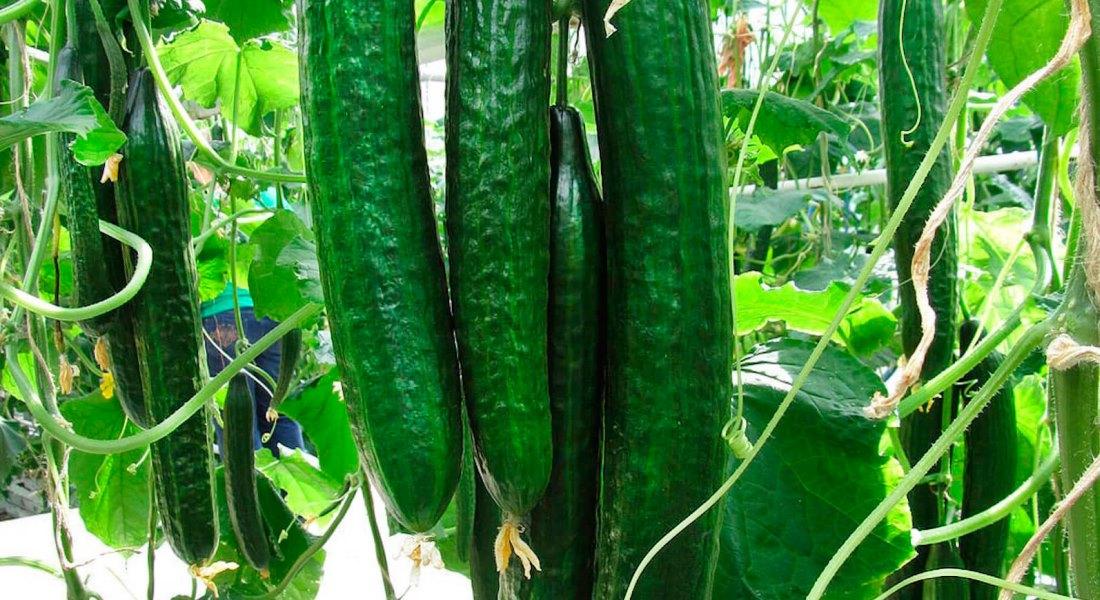
Cucumbers thrive in vertical growth. If you can grow them in open ground, it's worth taking advantage of it; if not, it's best to grow them in a greenhouse. For an early harvest, it's recommended to grow cucumbers in a greenhouse. This method produces perfectly straight, long cucumbers.
Many gardeners, given their means, grow giant cucumbers outdoors. The beds are placed directly on the soil. This will give the cucumbers a unique shape, but the taste will remain the same.
Greenhouse cultivation provides the plant with more optimal growing conditions than in open ground.
Unstable weather, hot days and cold nights, and frequent, incessant rain will all negatively impact flowering, fruit set, and ripening of cucumbers. Therefore, the best option is a greenhouse with a polycarbonate or glass covering. If this isn't available, cucumbers can be grown in a hotbed, but the size of a hotbed doesn't allow for vertical cultivation.
Features of planting cucumbers
Growing these vegetable giants is not difficult. The cultivation techniques are identical to those for planting and caring for regular cucumbers. Here's what you need to do to get early, tasty green "snakes."
We decide on the variety and prepare the seeds
Before heading to the store, it's best to decide on the variety to avoid wasting time reading all the descriptions on the packages. It's important to carefully select a variety that will meet all the growing conditions in your region.
Buying 1-2 bags is enough, as cucumbers produce a bountiful harvest, and just a few vines will provide a family with crisp vegetables. Some varieties are not suitable for pickling at all, so don't substitute Chinese cucumbers for your favorite pickling varieties.
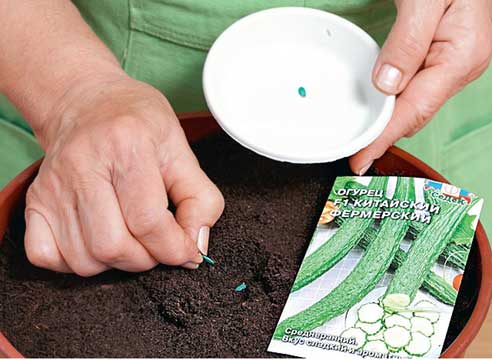
The seeds need to be prepared for planting. This means soaking them in water to germinate. After a few days, the seed pods will sprout, and you can begin planting them as seedlings or in holes in outdoor garden beds.
Take a look Also

Soil preparation
When growing cucumbers in a greenhouse, soil preparation begins in the fall. In greenhouse beds, the soil is mixed with two parts sawdust, two parts sod, and four parts humus. This substrate should be fertilized with a mixture of 10 liters of water and the following:
- saltpeter - 20 grams;
- wood ash - 250 grams;
- potassium magnesium sulfate - 15 grams;
- double superphosphate - 40 grams;
- urea - 10 grams.
With this autumn feeding of cucumbers, there will be no need to fertilize the plants during the next growing season.

For open ground, simply digging a bed isn't enough. This requires some work as well. Humus is mixed with straw and mixed into the soil in the bed. Water thoroughly and cover with plastic. After a week, begin sowing the seeds.
Sowing seeds and germinating seedlings
Sowing seeds in outdoor garden beds is fairly simple. Typically, a cucumber bed is made in the form of a trench with a furrow in the middle. Holes are made in this furrow at intervals of 20-25 cm, into which pre-sprouted seeds or sprouted seedlings are placed. The soil is lightly patted down with your hands and watered with a watering can.
Avoid any other watering, as this can cause soil erosion and wash the seeds to the surface. The beds can be mulched.
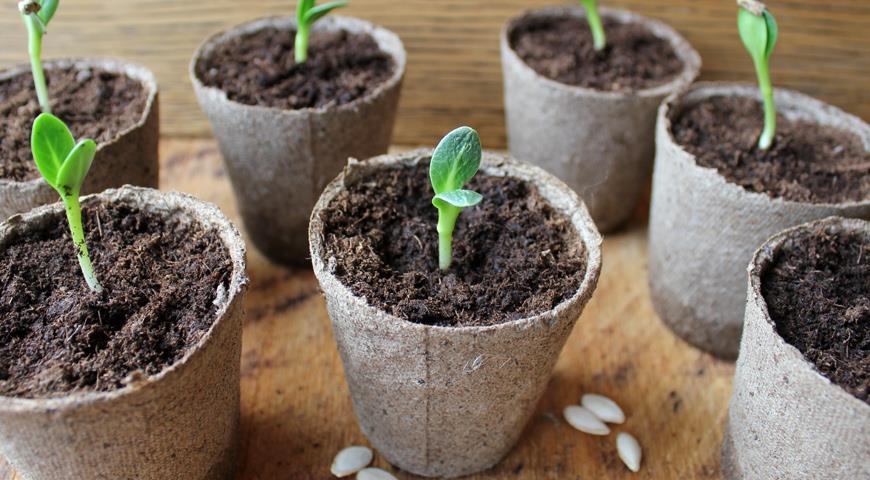
For the greenhouse, you'll need seedlings. To grow them, you typically use cups up to 12 cm in diameter. Peat cups are best. When planting later, the roots won't be damaged, as the cups are completely buried in the soil.
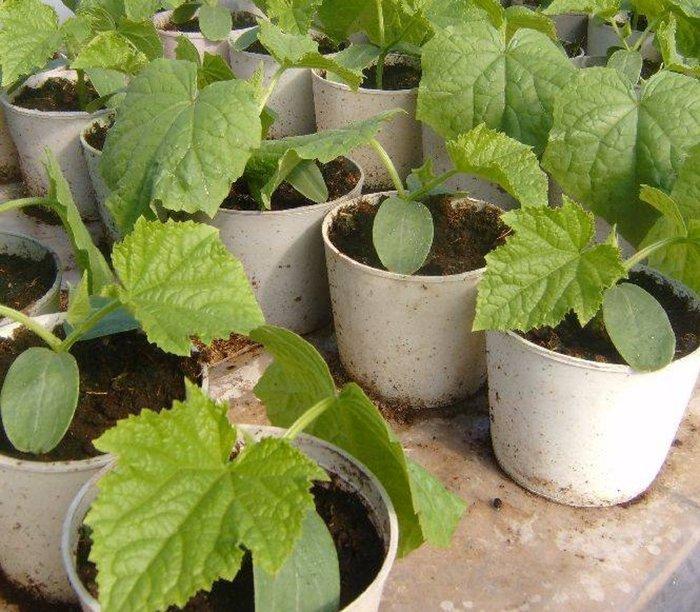
The seedlings are grown in the following way:
- The seeds are treated in a solution of potassium permanganate and then dried.
- Fill each cup with fertile soil, taken from a prepared bed. Plant two seeds per cup in case one doesn't sprout. Place the seeds at a depth of 1 cm.
- Water the soil thoroughly and cover with plastic wrap. It's important to place the cups in a room where the temperature is around 30 degrees Celsius.
- Once the cucumber seedlings emerge, the film is removed. The seedlings are watered and sprayed; they require no other care.
- If two cucumbers have grown in a pot, on the 15th day after the emergence of seedlings, one of them, the most flimsy one, is removed.
- Cucumber seedlings are planted in a greenhouse from the 15th to the 30th day of growth.
When calculating the distance between seedlings, remember that Chinese cucumber grows almost as a single vine and produces few side shoots. Therefore, leaving 20-30 cm between neighboring plants is sufficient.
Timing of planting in the ground
Cucumber seeds are planted outdoors from May 1st to 10th, provided the soil is warm enough and nighttime temperatures do not drop below 15°C (59°F). Otherwise, the planting dates shift. These dates vary across different regions of Russia, so it's important to consider climate conditions.
It is always warm in the greenhouse, so the last ten days of April or the first days of May are suitable times for any region.
Even in rainy and cloudy weather, the shelter is always warm. It's important to install a thermometer to monitor the temperature at the top of the greenhouse and in the soil. If the temperature drops, install special heating lamps.
Rules for caring for bushes of the Chinese variety
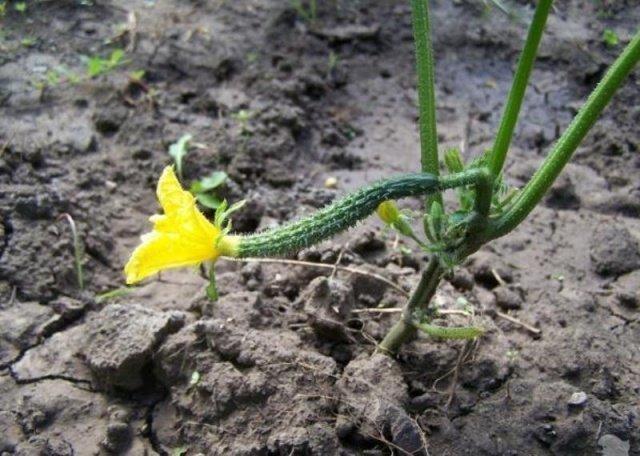
Chinese cucumbers are usually planted alongside other cucumbers, with several vines placed somewhere off to the side. Therefore, caring for Chinese cucumbers is similar to caring for regular cucumbers.
Watering
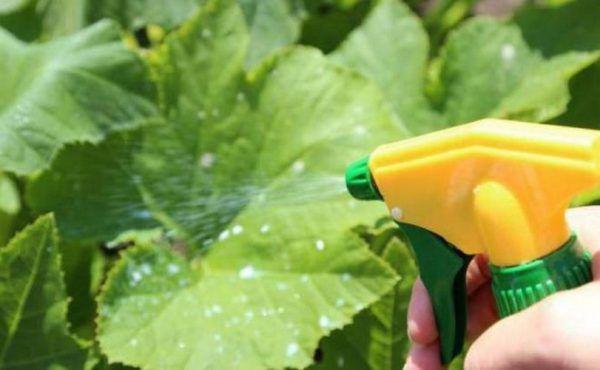
When grown in a greenhouse, cucumber beds are watered generously twice a week, as moisture evaporates slowly from the soil surface. However, the leaves and stems are sprayed daily. Use settled water, meaning it should be at a temperature above 12 degrees Celsius.
In open ground, snake-shaped cucumbers are watered morning and evening in hot weather. In cloudy weather, they are watered as the soil dries. Sprinkler irrigation is used. This method involves providing water to the plants from a watering can or a hose with a spray nozzle.

Top dressing
If fertilizer was applied to the garden bed in the fall, this step is unnecessary. In a greenhouse, cucumbers need to be fertilized several times during the season: two weeks after planting the seedlings in the soil, at the beginning of flowering, and during the fruiting period. A urea solution can be sprayed to increase yield.
You can use a "Chinese mixture," a homemade fertilizer that promotes growth, acts as a pest and disease control agent, doesn't linger in cucumbers, and is safe for humans. It's made as follows:
- Mix the ingredients: 1 gram each of boric acid, potassium permanganate, iron sulfate, 3 grams of copper sulfate, 100 grams of urea.
- First, dissolve urea in water. In a separate glass, dilute boric acid. Then pour it into the resulting water with urea, then add potassium permanganate and copper sulfate.
- Spray once every two weeks. You can pick the plants after just a couple of days.
The same technique can be used in outdoor garden beds. At the five-leaf stage, cucumbers are fed with an infusion of fresh mullein. The solution is prepared at a rate of 1 liter of mullein per 10 liters of warm water. The cucumbers are fertilized again in two weeks. Chicken manure is used. Use 0.7 kg of manure per 10 liters of water. Water around the bush, avoiding contact with the plant.

When the cucumbers bloom, you can feed them with a water solution of wood ash at a rate of 1 cup of ash per bucket of water. At the end of fruiting, feed them with the same chicken manure or complex mineral fertilizers.
Formation of the whip
As the cucumber plants grow, trellises are installed in the open ground and netting or ropes are strung up. In the greenhouse, a vertical support is installed to which the central shoot will later be tied.
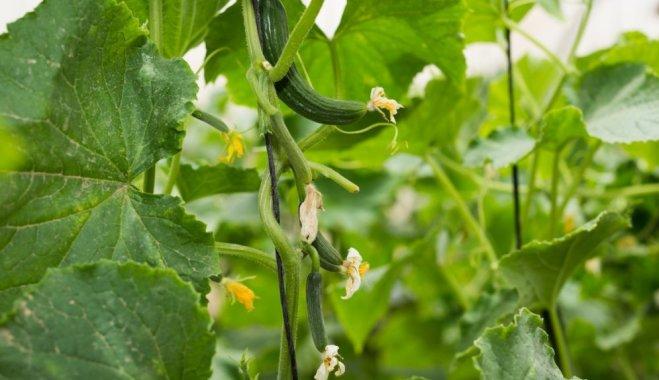
Once the main stem forms, lateral shoots emerge from it. Starting from the root, count five shoots, which should be plucked or cut off very carefully to avoid damaging the plant and the root.
Loosening and mulching the soil
The root system of cucumbers prefers loose, airy soil, so when removing weeds with a hoe, it is loosened slightly. Since the roots of cucumbers are located close to the surface, the loosening depth should be no more than 5 cm.If the roots become exposed during watering, they are hilled up, loosening the soil around the roots and creating a small mound to conceal part of the plant.
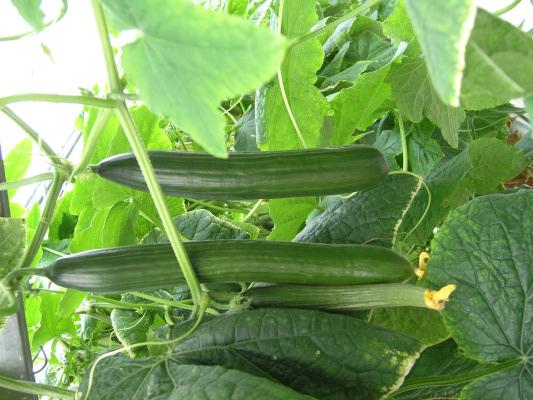
Mulching is an important agricultural practice that prevents soil cracking and helps retain moisture for a long time. Peat, chopped grass mixture, sawdust, dry manure, and chopped straw are all used as mulch for cucumbers. Cucumbers love air, and mulch allows oxygen to penetrate the soil better and prevents compaction.
Some gardeners even practice growing crops on an air cushion, that is, on a bed of straw or dry grass.
Insect and disease susceptibility: control methods
Despite cucumbers' resistance to diseases and pests, they still encounter them. Common problems include spider mites, powdery mildew, and aphids. To prevent these problems, it's important to follow proper agricultural practices. A common cause of this disease is excess moisture in the soil.
Preventative measures to protect cucumber vines:
- Maintain distances between neighbors in the garden bed.
- Monitor the condition of the soil under the cucumbers to ensure there is no excess water.
- Sprinkle with mulch, which will reduce the likelihood of weeds appearing that attract harmful insects.
- If the vines of Chinese cucumbers are already affected, use a solution of herbicides or insecticides.
- Inspect the plants for damage. If any is found, remove the vine from the bed and destroy it outside the cucumber plantings.
- Folk recipes are used: infusion of garlic, onion peel.
In any case, cucumbers love care and attention, and with such care, diseases and pests are not a problem.
Popular varieties of Chinese cucumber
It cannot be said that China is the birthplace of Chinese cucumbers, since today domestic breeders are very actively working on various hybrids and varieties.
Chinese cold-resistant F1
A mid-season cucumber variety. The first cucumbers appear 1.5 months after germination. This parthenocarpic variety requires no additional pollination. It is a vigorous plant, producing numerous lateral shoots. The fruits are not particularly long, reaching only up to 50 cm. The skin is bright green, with bumps and numerous spines. Cucumbers weigh up to 300 g.

Chinese disease-resistant F1
This cucumber variety is shorter, reaching up to 35 cm and weighing 0.5 kg. Fruiting begins 45 days after germination. The name speaks for itself. It is virtually immune to powdery mildew and other diseases. The flesh is sweet, the skin is slightly bumpy, and there are minimal sharp thorns. The vine grows up to 2.5 m in height, but produces few side shoots.
Chinese miracle
The Chinese Miracle cucumber is usually purchased in combination with early-ripening varieties, as it begins bearing fruit 70 days after planting, ensuring consumption during the autumn months. The cucumber tops reach up to 2 m in height, with lateral shoots present but not actively growing.
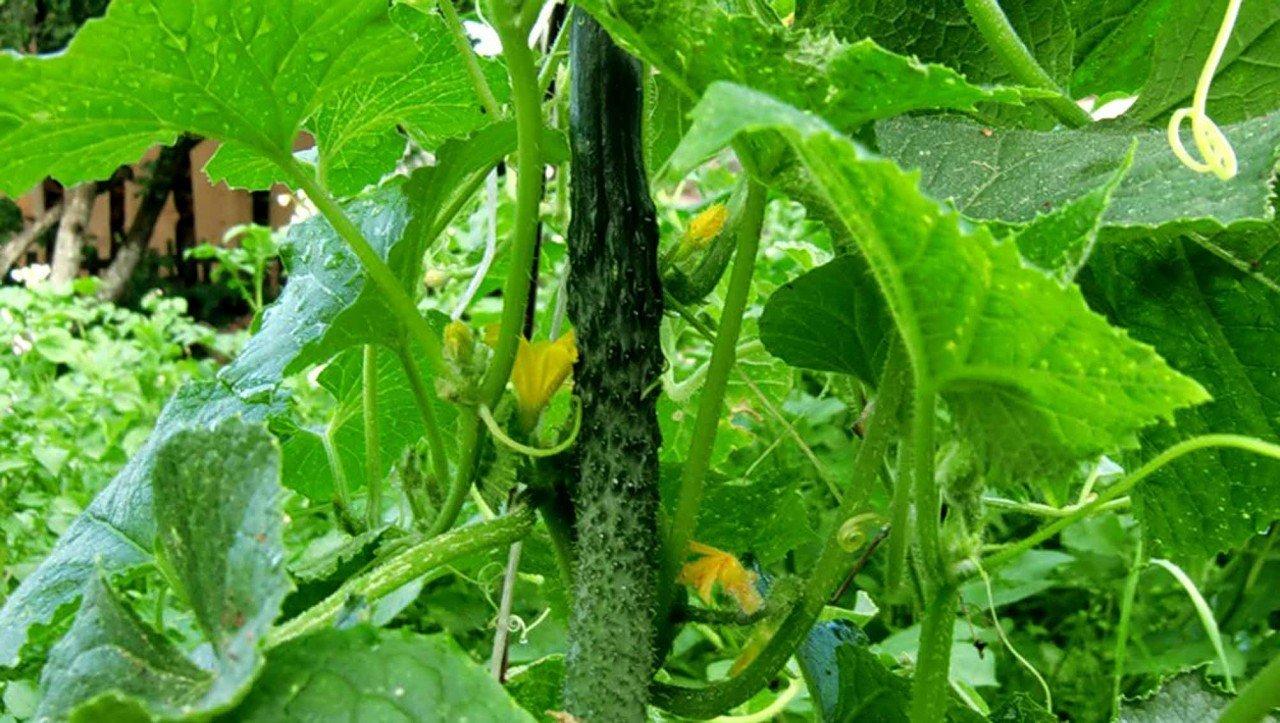
The cucumbers reach 45-50 cm in length and weigh 500 g. They are dark green with minimal tubercles. They are cylindrical in shape and can bend even when grown vertically.
Cucumbers are easy to care for, but they do require plenty of light, warmth, and moisture. The variety is disease-resistant.
Real Man F1
The name is very appropriate for this cucumber hybrid, as it is a hardy plant. It tolerates light shade, cold, heat, diseases, and pests. This cucumber hybrid bears fruit early, so with proper care, it can be harvested all summer long. It can be grown both outdoors and in a greenhouse. The first cucumber can be harvested as early as 48 days after germination.

The fruits are long, up to 40 cm, but fairly small in diameter, making them excellent for salads. The skin is green with numerous bumps covered in spines. These cucumbers are difficult to pick because the vines have some unevenness that scratch the skin.
Alligator
This early-ripening hybrid can be grown using any method. The plant is not self-pollinating, so in greenhouses and hotbeds, self-pollination is necessary using a brush. The fruits can be picked until October, which is significant for cucumbers, as many other vegetables have already finished fruiting by this time.
The fruits have a good marketable appearance. The skin is dark green with small bumps. The flesh is tender and slightly sweet. The cucumbers weigh up to 300 g. Alligator is the most popular among the many other varieties.


Chinese Farmer F1
Farmer F1 is designed for outdoor cultivation. It combines all the varietal characteristics that require it. Cucumbers form only a central stem, without producing side shoots. It requires support, as the plant grows up to 3 meters in length.
The main characteristics of cucumbers are their early maturity and high yield. They have a long shelf life, making them suitable for long-distance transportation. They are versatile and ideal for canning.
Cucumbers reach 45 cm in length and have a small center with seeds that don't become tough when overripe. The juicy flesh makes a wonderful addition to a healthy diet.
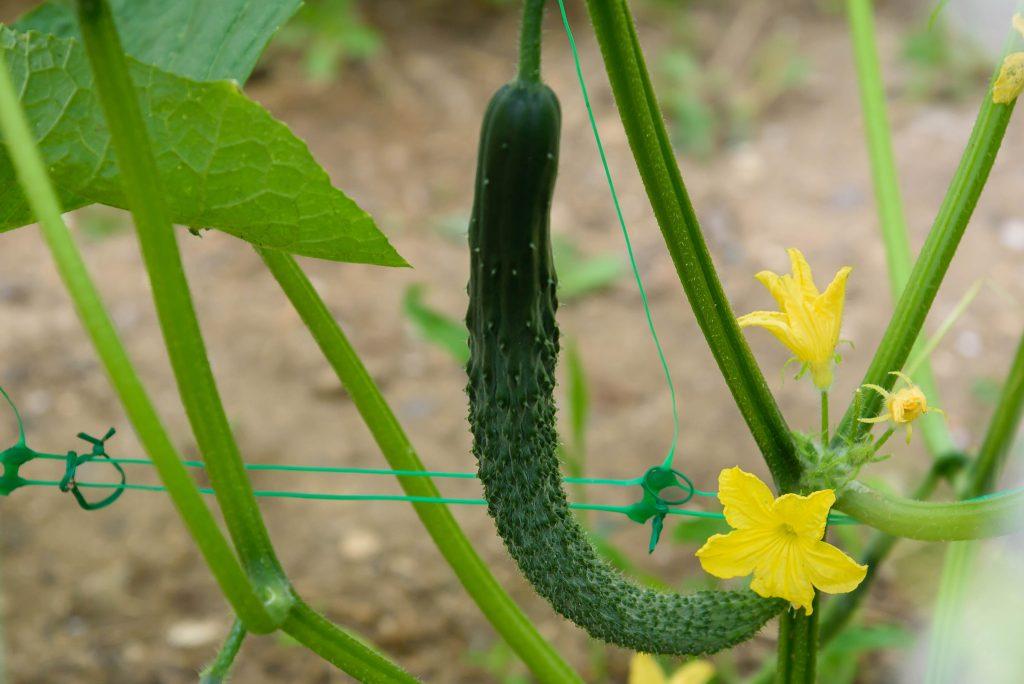
Heat-resistant F1
A mid-early variety. Ripens in 45 days. The vine reaches 2.5 m in height, with a loosely twining habit. It does not require human or insect pollination. Suitable for any growing conditions.
Very long cucumbers, weighing up to half a kilogram. They are a rich, bright green, heavily ridged with small spines. When overripe, the flesh hardens and becomes tasteless. The harvested cucumbers can be stored for up to 10 days, after which they become soft.
Shanghai F1 Champion
Today, the Shanghai Young Man is little known among gardeners, but has become a favorite of many. The plant is a true giant; unless the top is trimmed, it continues to grow. It is used for greenhouse cultivation.
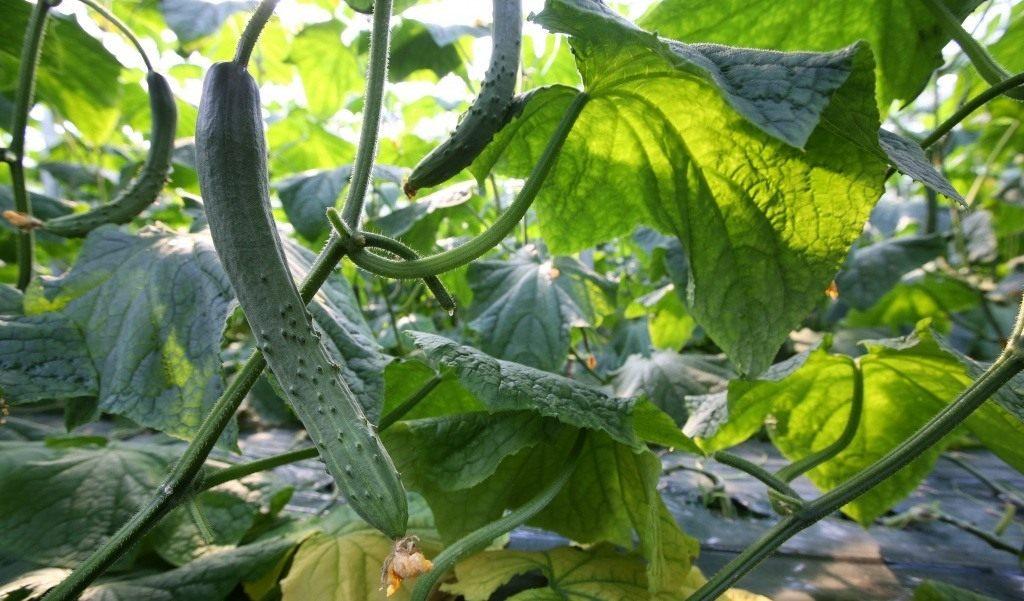
The cucumbers are quite long and slightly curved. Their skin is thin and soft, with virtually no bumps. The young cucumbers are very crisp. Yields up to 13 kg per bush. They are not used for winter preservation.
Chinese climbing
This is a late-ripening hybrid. Ripening takes 70 days. The plant requires additional pollination when grown in a greenhouse. The central shoot is quite long, with minimal lateral shoots. Judging by its appearance, it's difficult to call these cucumbers "Chinese," as they are only 12 cm long. The surface is dark green, heavily ridged, and spineless. Cucumber is resistant to powdery mildew, cold and heat. It thrives without moisture, but periodic watering is still necessary.
Beijing Gourmet F1
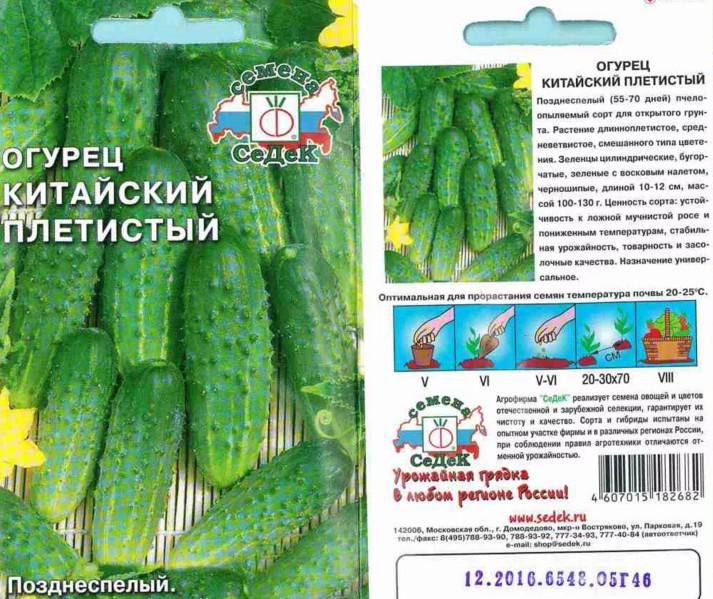
An early-ripening parthenocarpic hybrid for growing under plastic cover and outdoors. Ripening time is 48 days. The long cucumbers ripen very evenly. Fruits measure 35 cm and 300 g. Eat directly; do not pickle.
Beijing Delicious F1
This variety boasts excellent germination and is easy to care for. The cucumbers become very twisted during ripening, making them unpopular among gardeners. They are very long and thin, with numerous clinging spines that make them difficult to harvest.
Soaring to the Sky F1
The name of these cucumbers speaks for itself. The gigantic size of the vines terrifies gardeners. But the cucumbers are beautiful, up to 12 cm, with an abundance of tubercles. They are ideal for pickling, as the flesh is firm and the seeds are small. They ripen evenly.
Confucius's Favorite F1
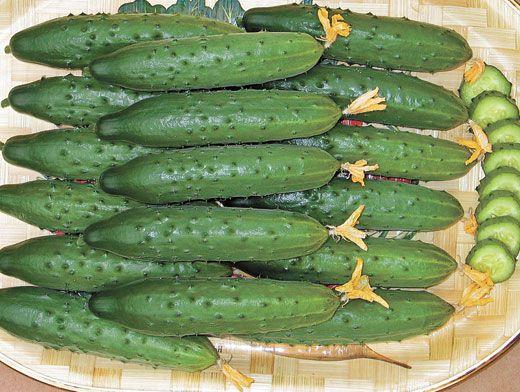
According to reviews from gardeners and greenhouse owners, this is the only Chinese cucumber that hasn't had any problems growing. It ripens in 45 days and produces fruit all summer, until October.
Cucumbers grow up to 38 cm in length. The flesh is juicy and doesn't develop bitterness even in hot weather. The variety is disease-resistant and doesn't require fungicide treatment. It's cold- and heat-resistant. These qualities place this cucumber in the top three.
Emerald Stream
A mid-season hybrid of Chinese cucumbers, ripening in 46 days. The plant is medium-sized, with weak lateral branching. The emerald-colored fruits are quite long, up to 50 cm. The flesh is juicy and sweet, and is not suitable for canning. The skin has bumps.
Chinese snake or serpent
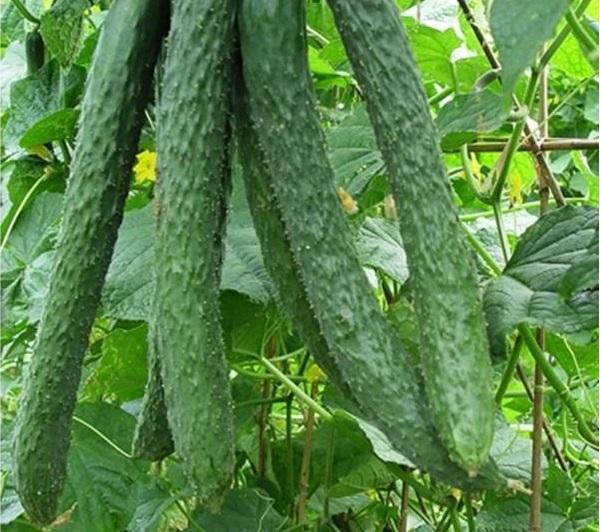
A very early cucumber hybrid, ripening in 35 days, making it popular. The variety is pollinated by bees but requires additional pollination in a greenhouse. The central stem reaches over 3 meters in height, with lateral shoots appearing in small numbers.
The cucumbers are 50 cm long, curved, and heavily ridged. A cross-section reveals a small number of seeds, which do not become hard when overripe. Juiciness is poor, as the fruit is very thin and brittle.
Gin
An excellent variety for winter canning. Cucumbers with firm flesh and minimal seeds. The surface is bumpy, making them easy to wash. Length: 40 cm, straight, without curves. The thickness is uniform from end to end. Very disease-resistant.
According to reviews from gardeners and homesteaders, Chinese cucumbers are replacing many traditional vegetables that were popular until recently. These "snakes" are easy to grow, require little care, and are resistant to diseases and both low and high temperatures. Varieties suitable for winter storage are also available.
Related posts:
 Description of unusual methods for planting and growing cucumbers
 How to plant cucumbers in open ground under film: timing and cultivation technology
 Description of the best varieties of pickling and barrel cucumbers for greenhouses and open ground
 Description of the best, most productive and new varieties of cucumbers for 2025
 TOP 30 best determinate cucumber varieties with descriptions
 Description of the best varieties of bee-pollinated cucumbers, rules for their formation and care
 Top 50 Best Cucumber Varieties for Polycarbonate Greenhouses with Descriptions
 Why cucumber leaves are drying out and what to do, how to treat them in a greenhouse and in the ground