
- Do I need to soak cucumber seeds before planting?
- Methods of performing the procedure
- Optimal timing
- How to soak cucumber seeds before planting in the ground?
- Selecting seeds
- Calibration
- Soak
- Disinfection
- Stratification
- Treatment with mixtures
- How to plant sprouted seeds?
- Is it possible to check the germination of seeds before planting them in the ground?
- Advice from experts
- Conclusion
Cucumbers are considered the most popular vegetable grown by many gardeners. Experts recommend soaking cucumber seeds before planting. However, before doing this, you'll need to understand the specifics of pre-sowing soaking.
Do I need to soak cucumber seeds before planting?
Before sowing cucumber seeds, it's recommended to determine whether soaking is necessary. To answer this question, carefully examine the packaging the seeds come in. Some seeds require soaking in water and a potassium permanganate solution before planting.
Some hybrid cucumber varieties don't require soaking, so the seed packets are labeled "Do not soak." These seeds have been soaked and treated beforehand.
There are several main reasons why experienced gardeners recommend soaking:
- Improving germination. It's no secret that untreated seeds germinate rather slowly in soil. To speed up the emergence of the first shoots, soak cucumber seeds in a container of warm water for 25-35 minutes. Due to the effect of liquid, the seed coat will become softer, due to which the germination rate will increase several times.
- Disinfection. The surface of seeds often harbors pathogens that can cause dangerous diseases, which can kill the seedlings. To prevent the emergence and further development of diseases, seeds selected for planting are disinfected. Experts recommend using a mixture made from potassium permanganate as a disinfectant solution.
Methods of performing the procedure
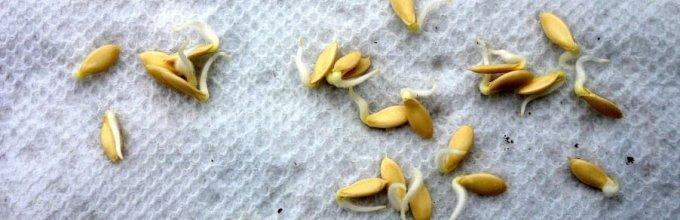
Gardeners growing cucumbers often encounter very low seed germination rates. Therefore, to minimize the likelihood of this problem, they resort to soaking the seeds. There are several basic methods used during pre-sowing preparation:
- Using gauze. Thin gauze or regular cloth is most often used when working with seed material. To do this, tear off a small piece of cloth onto which the seed will be placed. The cloth is then thoroughly sprayed with warm water until it is thoroughly soaked. The seeds are then placed on the cloth surface. Cover them with a second damp gauze cloth and transferred to a warm place for further germination.
- Soaking in a jar. To speed up the germination of seeds, use this method. As with the previous method, place the seeds on a damp cloth. Then wrap them in the cloth, place them in a glass jar, and seal with a lid. Remove the cucumbers from the container only after a week.
- Using vodka. Another common method for improving seed germination is vodka. This method is used on the day of planting. First, all the seeds are carefully wrapped in cheesecloth and dipped into a container filled with vodka. They are soaked for twenty minutes, then dried and immediately sown.
- In a bottle. This method requires cutting a plastic bottle in half and placing toilet paper inside. Then, spray the surface of the paper with a spray bottle and sprinkle the seeds on top. Carefully place the bottle in a plastic bag and keep it in a room with a temperature of at least 20 degrees Celsius for two weeks.

Optimal timing
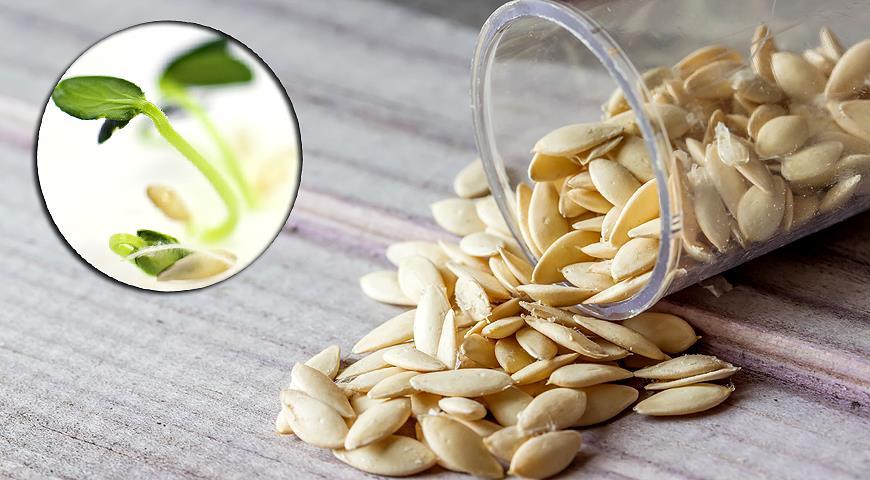
To properly carry out the procedure, you need to determine the soaking time for the seeds in advance. To do this, you'll need to decide where the cucumbers will be grown.
For example, if the seedlings will be sprouted in a greenhouse, soaking is carried out in early May or at the end of April.
Vegetables are planted outdoors only after the last frost has passed and the air temperature remains stable at 5-10 degrees above zero. Therefore, in this case, the procedure is carried out in the second half of May or even early June.
To accurately select the optimal time, you should not only pay attention to temperature readings but also use the lunar calendar. It can help you choose the optimal day for planting and pre-planting preparation.
How to soak cucumber seeds before planting in the ground?
Before planting vegetables, you need to learn how to soak cucumber seeds.
Selecting seeds
When choosing seed material, pay attention to the following distinctive features of varieties:
- Ripening time. The main factor considered when selecting seeds is early maturity. Experienced gardeners recommend choosing an early-ripening F1 hybrid variety, which will ripen within six weeks.
- Taste. When selecting seeds for further cultivation, consider the variety's taste. It's essential to buy Shchedrik, Break, and Kurazh, which have juicy and crunchy fruits.
- Pollination. When growing cucumbers outdoors, you can choose high-yielding bee-pollinated varieties.
Calibration
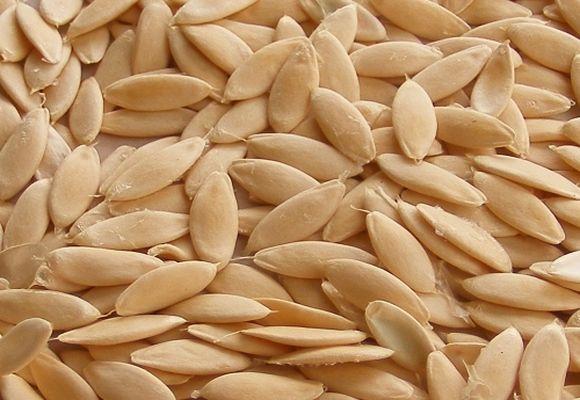
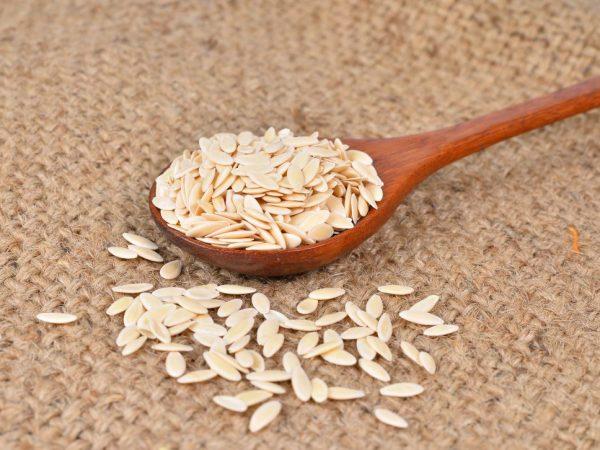
Before planting, all seeds are calibrated and sorted in advance. First, remove the smallest seeds, which will definitely not germinate after planting. Then, the selected seeds are placed in a cup with a salt solution prepared by adding 20-30 grams of table salt to a liter of water.
Soak all the seeds in water for about 20-35 minutes, after which some will begin to float to the surface. Discard any seeds that float, as they are unsuitable for germination and planting. Dry the remaining cucumbers and prepare them for further soaking.

Soak
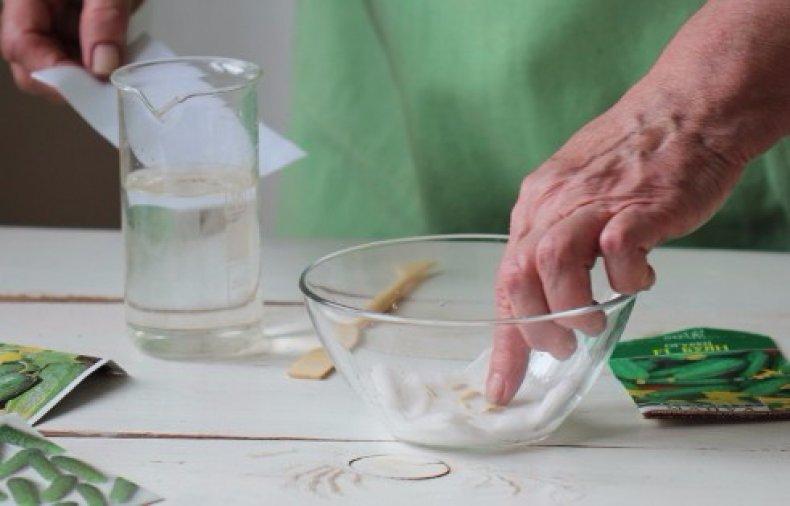
To ensure better growth in the future, seedlings are soaked and germinated beforehand. Varieties that show no germination issues are placed in a container filled with water warmed to room temperature or hydrogen peroxide. The seeds are removed from the liquid only after 20-25 hours. They are dried and planted in soil.
If the chosen variety has thick-shelled seeds, soak them in liquid for 2-3 days. The water will need to be changed every 5-8 hours.
Disinfection
Disinfection is a mandatory procedure during pre-sowing work with seeds. Common potassium permanganate is often used for this purpose. To prepare your own solution, add 20-25 grams of potassium permanganate to warm water. The seeds are soaked in the solution for 24 hours, then washed and dried.
To disinfect the seeds, they are also soaked in hot water. Many people wonder how long this procedure should last. If the water temperature is 55-60 degrees Celsius, the soaking should last no longer than half an hour.
Stratification
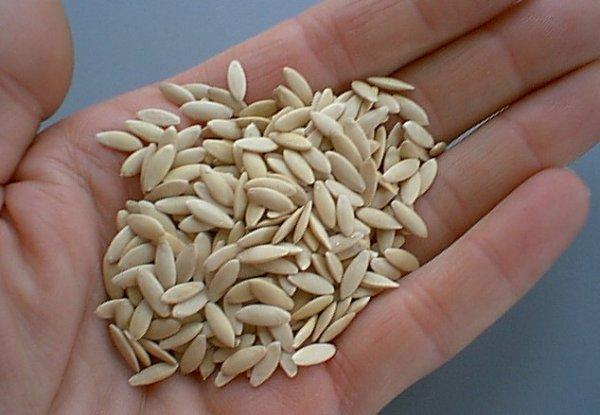
Not all vegetable growers have a greenhouse, so many plant their vegetables outdoors. To protect the plants from spring temperature fluctuations, stratify or harden the seeds in advance. To do this, lay 2-3 layers of cheesecloth on a flat surface, and place the seeds on the surface. Cover them with warm water and let them germinate for 2-3 days.
When the first sprouts appear, they are transferred to a balcony or refrigerator, where the temperature is maintained at 1-2 degrees Celsius. Hardening off lasts 12-15 hours, after which the sprouted cucumbers are brought into a warmer environment. The procedure is repeated after 6-8 hours.
Treatment with mixtures
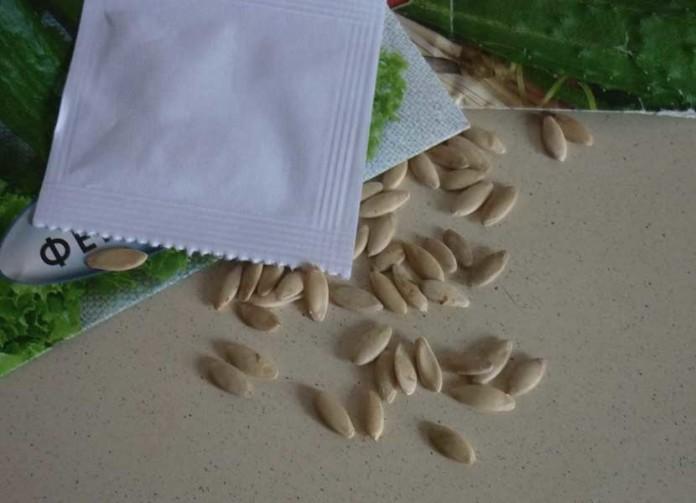
Before planting cucumbers in open ground, they are treated with a mixture. This is necessary to speed up the ripening of the crop and improve the yield of the planted plants. The soil should be treated the day before planting.
Many people wonder what they can soak cucumber seeds in before planting to speed up germination. Most gardeners use a mixture made from wood ash and Epin Extra. To create it, add 25 grams of ash to a liter of water heated to 40 degrees Celsius (104 degrees Fahrenheit). The mixture is then transferred to a dark place and left to steep for two hours. Cucumber seeds are placed in a container with the mixture and soaked for about ten hours.
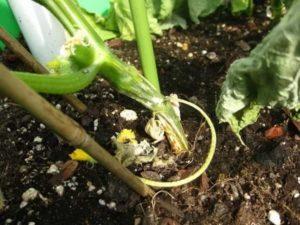
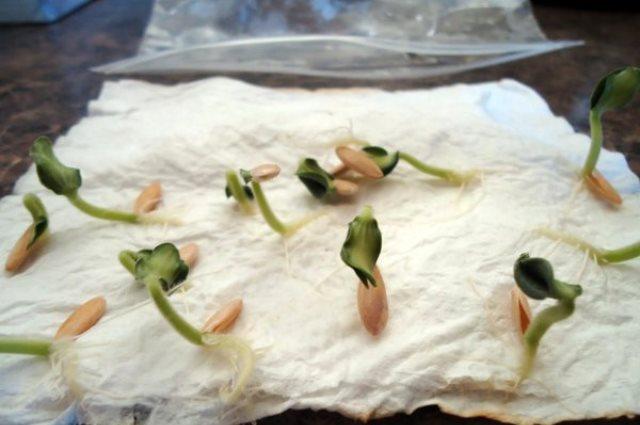
How to plant sprouted seeds?
Planting begins when the air temperature is 12-15 degrees Celsius. Small holes are made 20-30 centimeters apart, into which the sprouted seedlings are planted. No more than two seeds are placed in each hole. All planted cucumbers are covered with soil and watered with warm water.
Is it possible to check the germination of seeds before planting them in the ground?
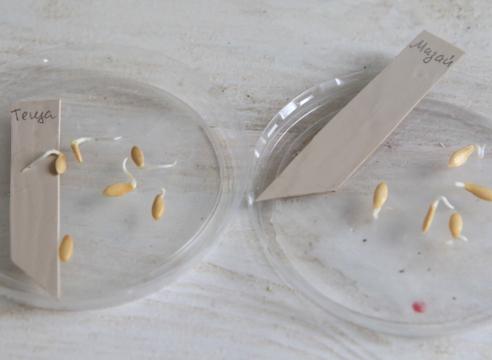
Some claim that it's impossible to check the germination of seeds before planting, but this isn't true. To ensure the seedlings will grow properly, carefully place them on a paper or napkin surface. Then wrap the seeds in a blanket and place them in plain water or a water solution with aloe vera juice added. After a week, you'll be able to see which seeds have sprouted and which haven't.
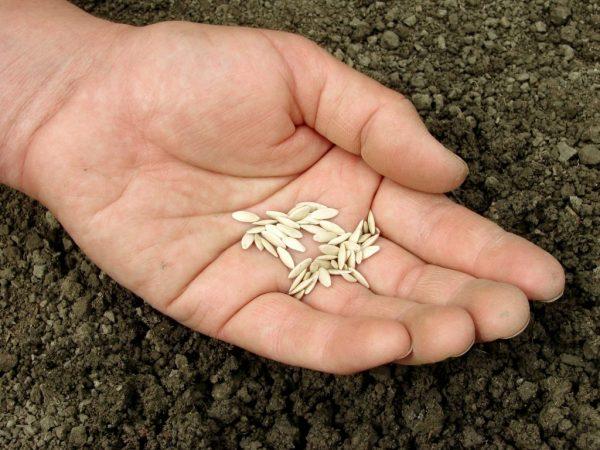
It is better to get rid of seed material that has not yet begun to hatch, as it is unsuitable for further planting in the garden.
Advice from experts
There are several recommendations that you should read before soaking seeds:
- Before soaking, the largest seeds with a clean and smooth surface are selected;
- Do not use boiling water for the procedure, as the hot solution may damage the material;
- During the soaking process, you need to change the water regularly so that it does not have time to cool down;
- When planting sprouted cucumbers, you need to make sure that the soil is warmed up to 8-10 degrees, as cold soil slows the growth of young seedlings.
bsp;
Conclusion
Almost all vegetable gardeners and summer residents grow cucumbers. To speed up germination, soak the planted seeds beforehand. However, before doing so, it's important to understand the specifics of cucumber soaking and the recommendations of experienced gardeners who will help you do it right.
Related posts:
 Carrot care guidelines for outdoor cultivation to ensure a good harvest
 Is it possible to soak treated cucumber seeds before planting and how to do it correctly?
 How to prepare tomato seeds for planting seedlings
 How to properly prepare cucumber seeds for sowing in open ground
 How to quickly germinate cucumber seeds before planting at home
 The best eggplant varieties for growing in a polycarbonate greenhouse: planting and care
 How to properly plant cucumber seedlings at home and what to feed them with
 How to properly collect cucumber seeds at home with your own hands