
- Choosing the right seeds
- Seed storage
- Preparing the seeds
- Selection of the best specimens
- Do seeds need to be treated before planting?
- Hybrid seeds
- Varietal seeds
- Encrusted seeds
- Pelleted seeds
- Preheating
- Disinfection and disinfection
- Thermal methods
- Chemical etching methods
- How to soak seeds
- Harm or benefit
- Can treated cucumber seeds be soaked before planting?
- Soaking time
- Saline solution
- Soda solutions
- Biologically active drugs
- In the ashes
- Aloe juice
- Manganese solution
- Extracts from young sprouts
- Epin
- Features of the process
- Germination
- Improving plant immunity
- Treatment with growth stimulants
- Hardening or stratification
- Bubbling - oxygen treatment
- Planting seedlings
- Into the greenhouse
- Into open ground
Cucumber varieties are grown in almost every garden today. Often, despite all efforts and diligence, the gardener fails to achieve good seedlings, strong shoots, and the yield promised by the seed producer. Experienced gardeners consider pre-sowing preparation of the planting material to be the key factor in successful cultivation, so it's important to know how to treat cucumber seeds before planting.
Choosing the right seeds
The most important step in the long process of growing cucumbers is choosing the right seeds. Making a mistake and using poor-quality planting material will result in a poor harvest. Avoid trying to save money by purchasing from dubious sources.
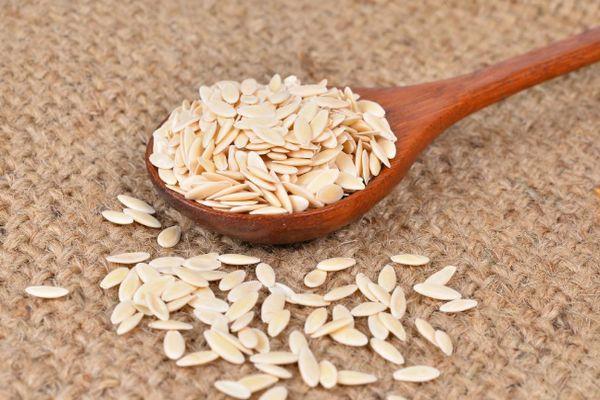
It's best to purchase proven varieties from a reputable company, whose modern testing and quality control technologies guarantee seed quality. When choosing, consider the manufacturer's recommendations regarding suitable growing regions, required temperature conditions, and care.
The quality of the planting material is indicated by its fullness and weight. Checking for defects is easy: simply soak the seeds in a saline solution made from 30 grams of salt and 1 liter of water. Soak the seeds for 15 minutes, after which the bad ones will sink to the bottom, while the good ones, suitable for planting, will float to the top.
Seeds that float to the surface are "empty" seeds; they are unable to germinate or provide sufficient nutrients for growth. Suitable planting material selected in this way should be rinsed with plain water after inspection.
Seed storage
It's important not only to purchase good quality material, but also to store it. It's recommended to store it at a temperature of 15-20 C. When collecting the plant material yourself, thoroughly dry it and place it in a paper bag. It is recommended to label the bag with the collection date. The shelf life of planting material should not exceed 6 years.
When purchasing ready-made seeds, the permissible expiration date must be indicated on the packaging.
Many gardeners use a method that involves gluing seeds onto paper strips. This involves applying a paste made from flour or potato starch to a 3-cm-wide strip of paper. The seeds are spaced evenly to ensure uniform germination. The strips are allowed to dry completely, then rolled into a roll and tied with string. It is important to store seeds in a place inaccessible to mice and other rodents.
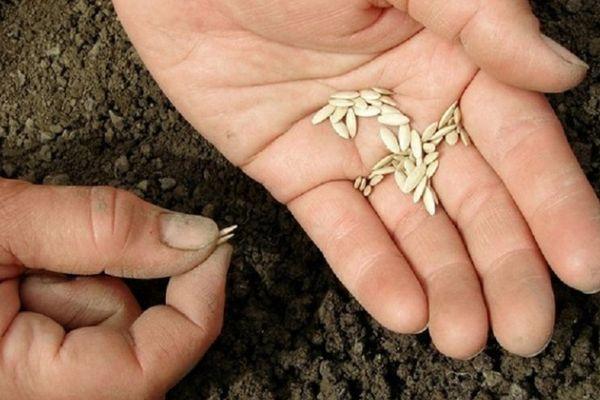
Preparing the seeds
Before planting, seeds must be sorted. The need for soaking must be determined based on the variety and the manufacturer's recommendations. The following steps are mandatory:
- disinfection;
- withdrawal from a state of rest;
- growth stimulation.
Choosing the right soil is equally important when growing cucumbers. Soil can be purchased at a store or made at home. For planting, use 500 ml containers.
Selection of the best specimens
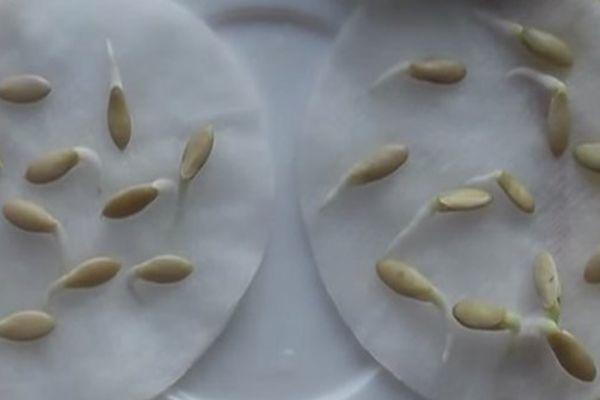
Before sowing, select high-quality seedlings and test for germination. Only empty, damaged seeds are removed from the seedlings. A small number are placed on a damp cloth, cheesecloth, or saucer and visually inspected after a few days. On average, the first sprouts appear within 2-3 days.
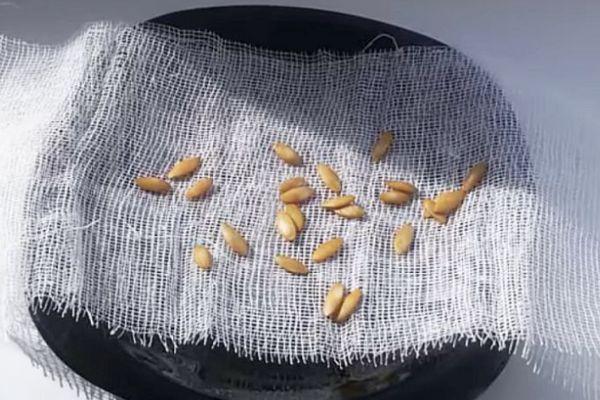
The procedure is as follows:
- remove defective seeds;
- 10 pieces are placed in a humid environment;
- Place polyethylene on top of the saucer or, if gauze is used, carefully cover it with a layer of fabric;
- kept for several days at a temperature of 20 to 23 C.
It's important to periodically check the moisture level. If necessary, add water to the container or spray the fabric. Seeds that are 60% germinated are suitable for sowing; that is, at least 6 out of 10 seeds should germinate.
Do seeds need to be treated before planting?
Only natural seeds or those that haven't been specially treated by the manufacturer to improve germination should be soaked before planting. If the seeds have an unnatural color or coating, they have definitely been treated and should not be soaked. Some varieties are visually indistinguishable from natural seeds; in this case, pay attention to the labeling on the packaging. Seeds marked "treated" on the paper bag do not require any additional treatment.
Hybrid seeds
These varieties are created by crossing two different cucumber varieties. Breeders extract the best qualities from each, so the new plant is an improved version of both parents. A distinctive feature is that only the first-generation seeds possess these properties, and if they are used further as fruits from a mature plant, they lose their properties.

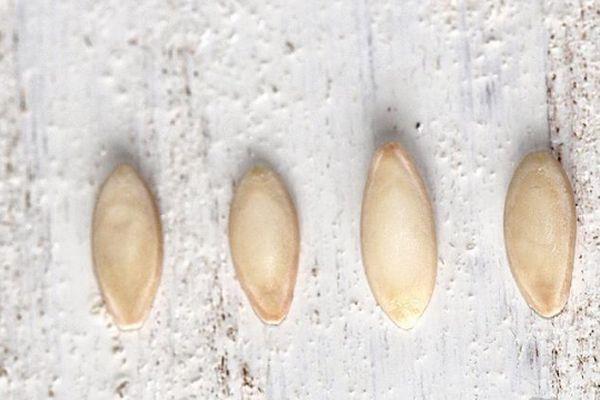
Hybrid varieties have a better flavor without bitterness, and the plants are resistant to temperature fluctuations, stress, and cucumber diseases. The presence of the "F1" symbol on the packaging indicates that the plant is a hybrid. Hybrid seeds are classified as bee-pollinated or non-pollinated, which is important to consider when growing cucumbers and choosing a planting site. The latter can be planted both in open beds and indoors.
Varietal seeds
Today's gardening market offers a wide variety of seeds, including varietal seeds. Each of these varieties has distinctive characteristics that distinguish it from other plant species. These characteristics may relate to shape, taste, yield, or other plant characteristics. A distinctive feature is that these varieties can be used to produce natural seed material. This allows the plant to retain its varietal qualities when grown again.
Encrusted seeds
Encrusted seeds are immediately recognizable by their appearance. They are brightly colored and coated with a protective layer of pesticides. This feature helps protect the plant from future diseases.
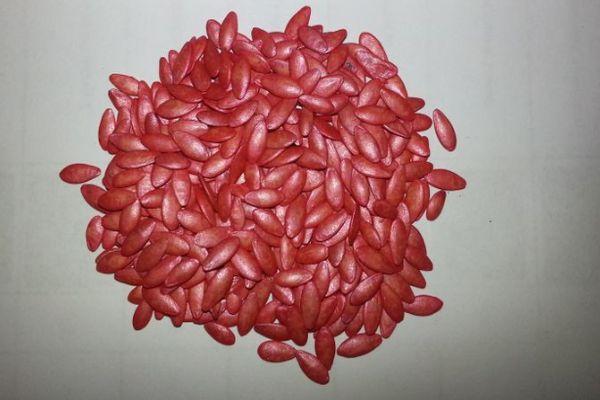
Pelleted seeds
The seeds resemble peas in appearance. This technology is used for small seeds. The main purpose of the coating is to facilitate the sowing process and to provide further prevention of various cucumber diseases.
Preheating
Preliminary preparation of planting material is preceded by a warming procedure, which is performed immediately after sorting and selecting high-quality raw materials. This simple procedure will improve the yield and strengthen the plant's immune system. This can be done on a radiator, with the seeds placed on a fabric base and kept under a heating device for 2-3 days.
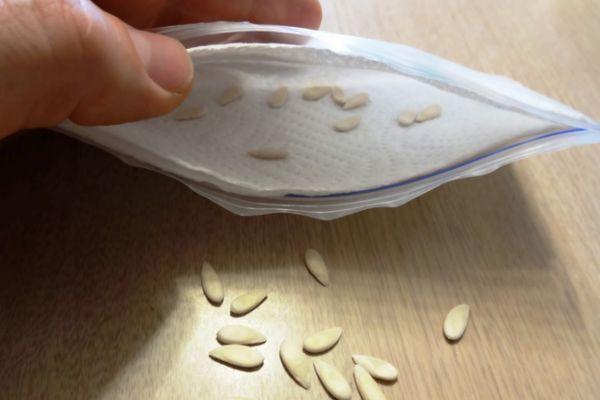
Seeds can be warmed outdoors using direct sunlight. An alternative to direct sunlight is to use an ultraviolet lamp, which exposes the seeds to artificial light for 50 to 70 seconds. This radiation simultaneously disinfects the seeds, increasing germination rates by an average of 1.5 to 2 times.
Special warm solutions can be used for warming purposes, which simultaneously achieve the goal of disinfection. For this, cucumber seeds are placed in a solution of potassium permanganate or hydrogen peroxide at a temperature of 40 C. The planting material must be kept in liquid for 20 minutes.
Disinfection and disinfection
Experts advise treating cucumber planting material against diseases only in certain cases. Acceptable treatments include:
- the material is collected by hand;
- there are doubts about the quality;
- The seeds were purchased and were not subjected to any special treatment by the manufacturer.
In the latter case, there is no need for disinfection or sanitization. Such measures are carried out by the manufacturer when packaging the planting material. If you have any doubts about the origin and quality of the seed, it's best to avoid it and purchase seeds directly from the manufacturer.
Thermal methods
Heat treatment is performed before planting in open ground or greenhouses. It is recommended to do this with caution; if the temperature regime is not met, the seeds will be irreversibly damaged. There are several options for heat treatment.
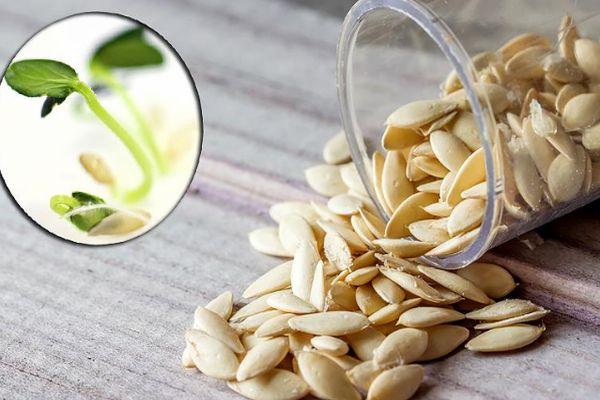
To carry out the treatment, it is necessary to keep the cucumber seeds at a temperature of 60 C for 2 hours.
Warming can be done in an oven, on a radiator, or under an electric lamp. Seeds can be planted in warm soil; in this case, the greenhouse must be warmed before planting, and sowing should only occur when the ambient temperature reaches stable above-zero temperatures.
Chemical etching methods
Chemical methods are the most commonly used. Their advantages include ease of use and effectiveness, as they significantly reduce the risk of plant diseases. How to treat cucumber seeds:
- prepare a 1% solution of potassium permanganate, for which 1 g of the solution is used per 100 ml of water;
- Place cucumber seeds in liquid for 20 minutes;
- Rinse the seeds under running water and dry.
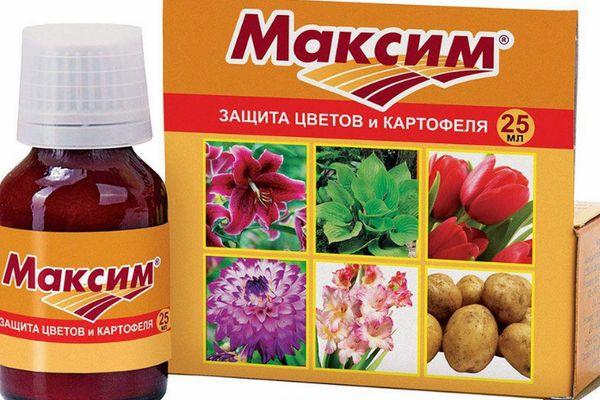
When using chemical methods, it's important to remember that they are harmful not only to pathogenic but also to beneficial microflora. Therefore, it's important to follow the instructions for treating planting material, and not exceed the recommended dosages or retention time. More aggressive chemicals, such as "Maxim," can be used for treatment.
How to soak seeds
Today gardeners are in question, Should cucumber seeds be soaked before planting?, have split into two camps. Some believe such a procedure is necessary, while others consider it unnecessary.
Harm or benefit
High-quality cucumber seeds, when sown dry, can germinate as early as three days at 25°C, so many opponents see little benefit in soaking and don't consider it necessary. They offer the following arguments:
- Hybrid varieties are protected by producers with a special layer that dissolves when soaked;
- The emergence of unprotected seedlings reduces the plant's immune properties, making it less resistant to environmental factors such as high or low temperatures, insufficient moisture, or heavy rainfall.
Proponents report the following benefits of the soaking procedure:
- acceleration of germination;
- disease prevention;
- reducing the risks of improper storage;
- obtaining more uniform seedlings.
Each point of view is valid, so everyone is free to decide for themselves whether to soak seeds before planting. It's recommended to try both options to decide which one is best.
Can treated cucumber seeds be soaked before planting?
Pre-planting seed treatment for cucumber varieties is advisable if the manufacturer has not provided any special treatment. Soaking the seed can eliminate non-viable material and speed up seed germination. Before soaking, a control procedure is mandatory and only full-bodied seeds without any defects are selected for the procedure.
Soaking treated seedlings is impractical. Manufacturers coat the planting material with a special layer containing active ingredients designed to prevent future plant diseases. Immersion in liquid destroys the protective coating, rendering the seeds ineffective. Considering that such treated seeds are significantly more expensive, this is a waste of money.
Soaking time
Many gardeners are at a loss when choosing a soaking solution, trying to figure out the best way to treat cucumber seeds before planting. There are several possible options, and the soaking time for the planting material depends on the chosen method.
Regardless of the method chosen, you must adhere to the following rules:
- the procedure is carried out only after disinfection of the planting material;
- the volume of liquid should be sufficient to completely immerse the seeds in the solution;
- During the holding time, it is necessary to stir the mixture several times using your hand or a spatula.
Soaking time can vary from 20 minutes to 1 hour. Next, the seeds are placed in a growth stimulator for 12 hours. After this, they are placed in a moist environment for 2 or 3 days. They are then planted in pre-prepared soil.
Saline solution
A salt-based solution is a universal treatment option. This method allows you to determine the germination rate and determine which cucumber seeds will be viable and which will be useless for growing. How to prepare the solution correctly:
- 6-10 g of table salt;
- 1 glass of warm water.
Fill the bowl with the seedlings and cover with liquid. After 8 minutes, collect the seeds that float to the surface; they are unsuitable for planting.
Soda solutions
Baking soda has an antimicrobial effect, and treating seeds with a baking soda-based solution before planting can prolong fruiting. The solution is prepared by mixing 1 liter of water and 1 teaspoon of baking soda. The seeds are soaked in the solution for at least 24 hours.
Biologically active drugs
Organic products are often used to treat cucumber seeds. The advantages of these methods are safety, cost-effectiveness, and simplicity. The ingredients used are readily available and often readily available.
In the ashes
At home, you can use wood ash, which has a special chemical composition that favorably affects plant growth. An infusion is prepared from 1 liter of boiled water and 2 tablespoons of ash. The liquid is infused for 2 days, after which the seeds are soaked in it for 6 hours.
Aloe juice
Soaking cucumbers in flower juice stimulates growth and strengthens the plant's immune system. A solution is prepared from the previously prepared juice. To do this, cut off the lower leaves and refrigerate for two weeks. Then strain the juice. Dilute the resulting liquid with a small amount of water, and soak the seeds for 24 hours.
Manganese solution
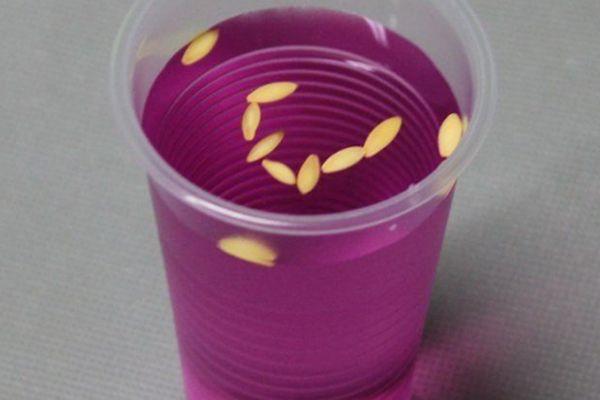
A solution of potassium permanganate is often used to treat planting material. A 1% solution is prepared using 10 g of potassium permanganate dissolved in 1 liter of water at 30°C. Cucumber seeds are soaked in the solution for 30 minutes, then rinsed with water.
Extracts from young sprouts
The extract is obtained from sprouted barley or wheat. The increased levels of biological substances, when applied to cucumber planting material, stimulate their development and further growth. To prepare the extract, the sprouted grain sprouts are ground in a mortar, covered with water, filtered, and then soaked.
Epin
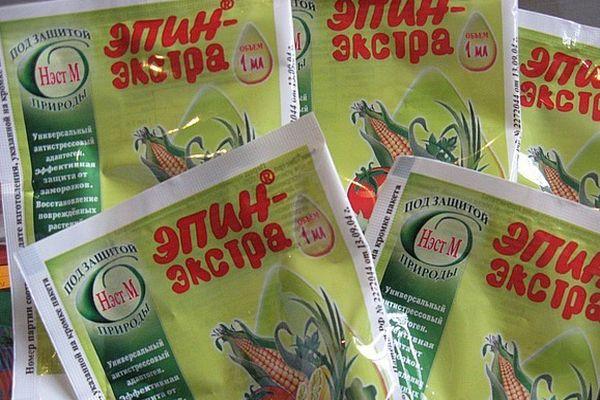
The product has a broad spectrum of action. It acts as a regulator and can control the plant's nutrient balance. Using the product allows seedlings to germinate faster, strengthens the plant's immune system, and improves its resistance to damp conditions caused by heavy rainfall or flooding. A solution is prepared by adding 100 ml of water and 1 or 2 drops of the product. The seeds are soaked in the biostimulant for 20 hours.
Take a look Also
Features of the process
Working with cucumber planting material is quite time-consuming, but it allows you to improve the quality and volume of the future harvest.
Germination
Home germination methods for planting can speed up the emergence of the first sprouts. After selecting the highest-quality seeds, disinfecting them, and stimulating growth, you can begin the germination process for planting. The following methods can be used:
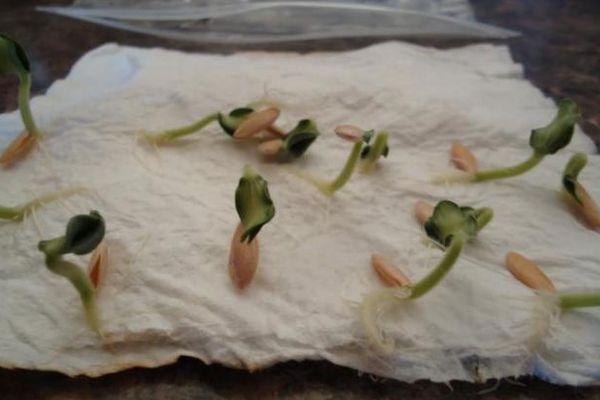
- placing the grains in damp gauze;
- using a container with water in which to soak the seeds.
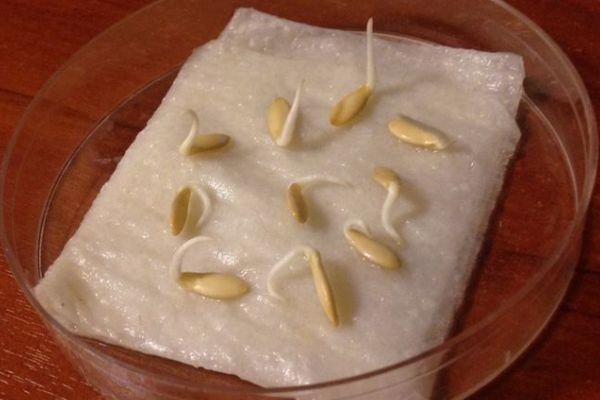
The first method is most commonly used, and the cloth containing the cucumber seeds is placed in a place with a temperature of 28 to 30°C. When using the second method, many gardeners worry that the seeds will "suffocate," which is unjustified.
The total time for soaking the seedlings should not exceed three days; typically, after 18 hours, the seeds will have significantly increased in volume and swelled. The hatched sprouts are planted in prepared soil in pots, or the cucumber seedlings are prepared in their permanent growing area in a greenhouse.
Improving plant immunity
One of the primary sources of cucumber diseases in greenhouses is ?????. Planting infected seeds can lead to subsequent fungal, bacterial, or viral infections. This problem is undetectable during the germination period and is only visually detectable 2 or 3 weeks after planting in the permanent growing location.
To improve your immune system, simply use the following methods:
- To prevent superficial infections, use a method of briefly soaking the seed material in a 0.5% potassium permanganate solution, 15 minutes is sufficient;
- carry out heat treatment by keeping it for 2 hours in an oven or on a radiator at a temperature of no more than 60 °C.
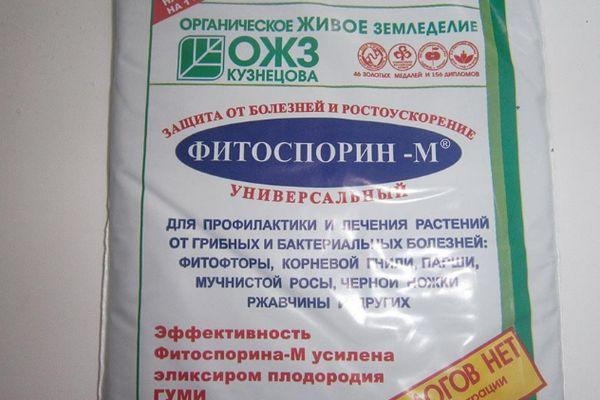
To enhance protective properties, gardeners often choose chemical products such as Alirin-B, Planriz, and Fitosporin. When using these products, it's important to follow the manufacturer's recommendations, as improper use can negatively impact the development of the cucumber seed embryo.
Treatment with growth stimulants
Today, there's a huge range of growth-stimulating products available. Their purpose is to accelerate plant growth and improve fruiting. Gardeners most frequently use Ambiol, Epin Extra, and Zircon. Each product comes with a chart detailing the application instructions.
Hardening or stratification
The method involves cold-treating the seeds. Many scientists question the positive effects of this method, recommending hardening the seedlings rather than the planting material. However, many gardeners use this method, placing the treated seeds in the refrigerator for a certain period of time, typically up to 24 hours.
Bubbling - oxygen treatment
The bubbling process involves treating the planting material with oxygen or air in an aqueous environment. At home, gardeners often use compresses designed for aquariums. This involves directing a stream of air into the water containing the seeds, keeping them suspended and constantly agitated.
This process leads to faster swelling of the seeds, and by removing inhibitors, plant growth is accelerated, as these substances inhibit the process. For cucumber varieties, the oxygen treatment time is 20 hours.
Planting seedlings
When planting seedlings, it's important to consider the plant's ability to thrive in a specific soil and pollination requirements. There are varieties for greenhouses, for open-air gardens, and universal varieties that can be planted both outdoors and indoors.
Into the greenhouse
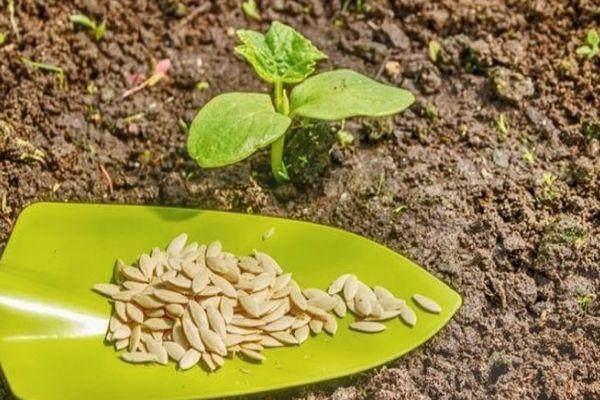
The seedlings are planted in the greenhouse after treatment, with the soil prepared in advance. It is recommended to treat the planting site with bleach in the fall. Immediately before planting, the soil is thoroughly dug over and treated with a bright pink solution of potassium permanganate.
The seeds are planted in small furrows 1.5-2 cm deep. The top of the hole is sprinkled with a soil mixture diluted with wood sawdust.
Into open ground
Planting in open ground occurs after the threat of frost. When using seedlings, work begins when the seedlings have 4 to 5 leaves. For most cucumber varieties, this occurs 20 days after germination. Dig planting holes, water them, and carefully insert the plant's root system or container if using peat pots. Firm the soil around the shoots and water.
Related posts:
 How to care for cucumbers in open ground from planting to harvesting
 Description of unusual methods for planting and growing cucumbers
 How to quickly germinate cucumber seeds before planting at home
 Carrot care guidelines for outdoor cultivation to ensure a good harvest
 How to properly plant cucumbers in open ground with seeds, and at what depth
 How to soak cucumber seeds before planting and is it necessary?
 Description of the best varieties of Chinese cucumbers, planting, growing and care
 How to properly plant cucumber seedlings in a greenhouse and care instructions
I soak the seeds before planting. They really do germinate faster than the dry method. I use a bioactivator. BioGrowThanks to this remedy, the third harvest has been disease-free.