
- What conditions do cucumbers need?
- Technology for growing cucumbers in open ground
- Recommended predecessors for cucumbers
- Preparing the site and forming the beds
- Optimal time for sowing
- Planting cucumber seeds
- Seed preparation
- Planting seeds
- Features of caring for cucumbers in an open area
- Irrigation
- Fertilizing crops
- Hilling
- Loosening the soil
- Help with pollination
- Shaping or pinching
- Protection from diseases and pests
- Methods for increasing cucumber yields
- Harvesting and storage
- Methods of propagation of your favorite varieties
- Difficulties and problems when growing cucumbers in open ground
- The cucumbers are bitter
- The green ones aren't growing.
- Lack of ovaries
- Wilting of cucumbers
- The lower leaves turn yellow and dry out.
- The ovaries turn yellow and fall off
- Tips and advice from experienced gardeners
It's important to follow certain care guidelines for cucumbers grown outdoors. By choosing the right planting location, considering previous crops, and treating the seeds before sowing, you'll be able to grow healthy seedlings. Proper care will allow you to harvest a bountiful and delicious crop of cucumbers. To avoid problems, follow proper agricultural practices and heed the advice of experienced gardeners.
What conditions do cucumbers need?
For normal development of cucumbers the following conditions are necessary:
- warm;
- lots of light;
- constantly moist soil;
- good nutrition;
- careful care, which involves tying, shaping, loosening and weeding the soil.
Technology for growing cucumbers in open ground
Cucumbers can be planted outdoors using seeds or seedlings. It's important to pay attention to the quality of the planting material. Seeds should be large, dense, and free of defects.
The best way to grow cucumbers is to prepare the seedlings in advance, as they are sensitive to environmental influences. The seedlings must be healthy and strong. Only then will the cucumbers grow well and produce a bountiful harvest.
Recommended predecessors for cucumbers
It's best to plant cucumbers in the same area where tomatoes, cabbage, peppers, beans, and peas were harvested. It's not recommended to grow cucumbers in the same spot two years in a row.
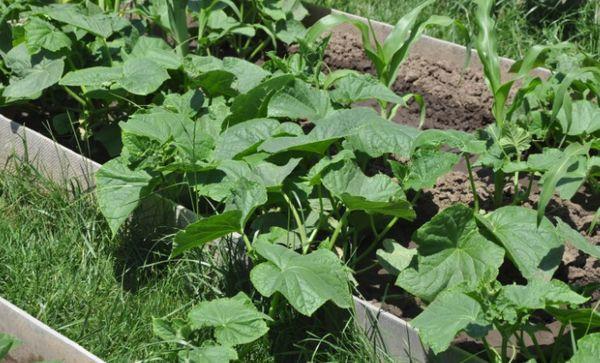 Planting after melons and gourds is not recommended, as they and cucumbers suffer from the same diseases.
Preparing the site and forming the beds
Choose a site that receives good sun and is slightly elevated. The beds should be protected from drafts. Drafts negatively affect the formation of female ovaries, weaken the plant's immune system, and slow its growth.
The plot for planting cucumbers at the dacha begins to be prepared in the fall. The soil is dug deep and organic fertilizer is added. In the spring, the plot is dug again and mineral components are added.
Optimal time for sowing
Cucumbers should be planted only in well-warmed soil. The soil temperature at a depth of 10 cm should be 15 degrees Celsius. This period most often coincides with the end of May and the first half of June.
Don't wait until late June to plant cucumbers. By this time, the summer weather is already quite hot. Temperatures above 27°C (80°F) have a negative impact on young cucumber seedlings.
Planting cucumber seeds
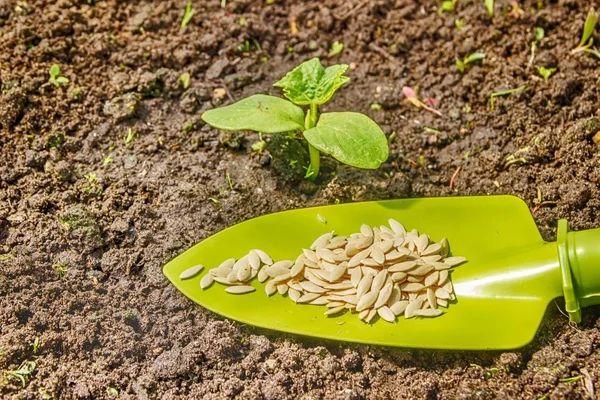
Before planting cucumber seeds, they need to be selected, disinfected, and preferably germinated.
Seed preparation
You can collect cucumber seeds yourself or buy them in a store:
- Only large, dense seeds are selected for planting. Selection is done manually or using a saline solution. Place the seeds in a glass of salt water and let them sit for 20 minutes. During this time, any poorly-sown seeds will float to the surface and should be discarded.
- The remaining seeds are washed in running water and dried.
- Pathogenic microorganisms may be present on the surface of the material. To disinfect the seeds, immerse them in a solution of potassium permanganate or copper sulfate.
- It's helpful to soak cucumber seedlings in growth stimulants. Epin or a solution containing aloe vera juice are suitable.
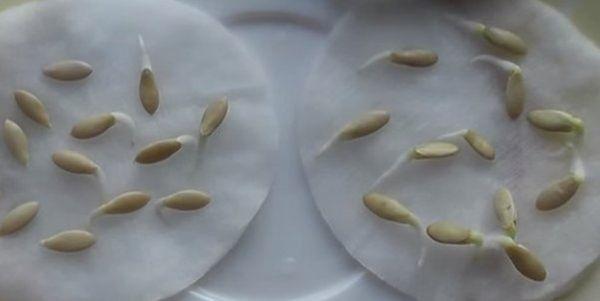
- To germinate, the seeds are spread on a damp cloth surface, covered with another layer of damp material and left in a warm place until the first sprouts appear.
Take a look Also
Planting seeds
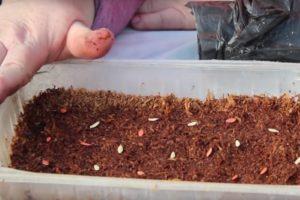
Planting cucumbers is simple. Dig holes 5.5 cm apart in a prepared area. The planting pattern can vary: stagger the holes, or plant them in one or two rows. The hole depth is approximately 2 cm.
Place several seeds in each hole. Sprouted seeds are placed sprout-side down, while dry seeds are placed on their sides. Cover the planting material with soil. As soon as the first shoots appear, thin out the seeds, leaving the strongest seedlings.
When growing cucumbers from seedlings, plant 3-5 seedlings per square meter. Avoid planting them too close together, as this will deprive them of sunlight and air.
Features of caring for cucumbers in an open area
Proper care greatly influences the quality and quantity of the cucumber harvest.
Irrigation
An important aspect of caring for cucumbers is establishing the correct watering regime:
- Prolonged water shortages lead to reduced yields and a deterioration in the taste of the cucumbers. The plant begins to dry out, turn yellow, and wilt.
- Excess moisture causes the development of infections and rotting.
When watering cucumbers, you need to follow these rules:
- the first days after planting cucumbers in the ground, abundant watering is required;
- as soon as the cucumbers take root and gain strength, irrigation is reduced to once every 5 days;
- during the flowering and fruiting period, watering is carried out every other day or daily;
- for young seedlings, calculate 9 liters of water per 1 sq. m;
- each adult bush should require 8 liters of water;
- for humidification, prepare water in advance; it should be warm and settled;
- the watering procedure is carried out in the morning or evening hours, 1 hour before sunset;
- When watering the soil, avoid getting moisture on the green part of the plant;
- It is best to organize drip irrigation;
- After moistening, it is advisable to loosen the soil.
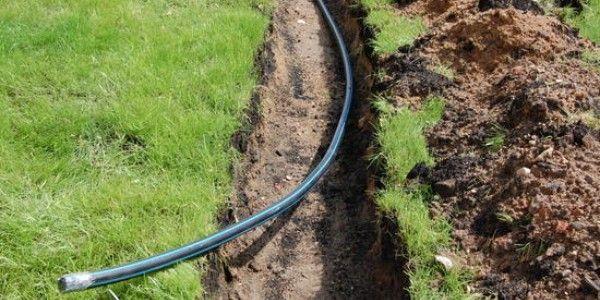 During rainy weather, watering should be stopped. To prevent waterlogging, dig furrows around the beds.
Fertilizing crops
To ensure good flowering, the formation of strong ovaries, and the ripening of delicious fruits, cucumbers need to be fed several times per season:
- Organic fertilizers are considered effective. Liquid solutions are made by dissolving mullein or bird droppings in a bucket of water.
- During the initial stages of development, cucumbers require nitrogen as their mineral component, while phosphorus and potassium are essential during flowering and fruiting. Gardeners often use a mixture of urea, potassium sulfate, and superphosphate.
- Among folk recipes, compositions based on yeast, wood ash, whey, and onion peels are popular.
Hilling
Hilling up exposed roots is done several times per season. This procedure will improve the growth of new root shoots and prevent fungal infections.
Loosening the soil
After watering, it's recommended to loosen the soil. This will prevent a dry crust from forming and allow air to reach the roots without obstruction. It also improves the distribution of nutrients.
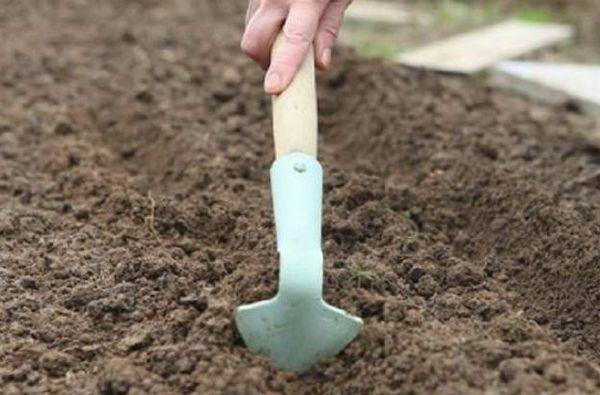
Cucumbers' root systems are located close to the soil surface. They extend only 28-35 cm deep. Therefore, loosening the soil close to the roots is not recommended. Loosening the soil near the plants is acceptable.
Help with pollination
When growing cucumbers in open beds, pollination is usually unproblematic, as insects can easily approach the flowers. However, there are seasons when bees are scarce and there aren't enough to cover all the plants. As a result, cucumber vines produce few fruit ovaries.
To increase the number of ovaries, you need to help the plant pollinate. A small brush, first brushing the male flowers and then the female ones, will help. You can also simply shake the plant stem periodically during flowering.
Shaping or pinching
When growing cucumbers, it's advisable to shape and pinch the bush. This procedure offers numerous advantages:
- the amount of harvest increases;
- the risk of developing infections is reduced;
- the care of the crop is made easier;
- the pollination procedure proceeds more favorably.

The formation scheme of a cucumber vine looks like this:
- As soon as the cucumber bush reaches 30 cm in height, a support is installed for tying;
- leaves and lateral shoots that grow in the axils of the first four leaves are removed;
- the next few lateral shoots are pinched, leaving a 19 cm long shoot;
- subsequently, all lateral shoots are shortened to 35 cm;
- As soon as the central stem reaches the top point of support, the top is pinched.
Protection from diseases and pests
Cucumber diseases They can be caused by bacteria, fungi, or viruses. The most common vegetable diseases are powdery mildew, anthracnose, downy mildew, bacterial wilt, and fusarium.
The following preparations will help protect plants: Bordeaux mixture, Fundazol, Fitosporin, Quadris, Hom, Topaz, and Maxim.
Pests not only eat the plant's leaves and roots but also spread dangerous infections. Cucumbers are often attacked by melon aphids, whiteflies, and spider mites.
Pest control is carried out using such preparations as Karbofos, Aktofit, Aktara, Aktellik, and Fitoverm.
Preventive measures include seed treatment before planting, soil disinfection in the beds, timely weed removal, and correct fertilizer dosing.

Methods for increasing cucumber yields
Proper planting and care aren't the only options for healthy cucumber growth. Some techniques will help increase the number of ovaries and cucumbers:
- Planting different cucumber varieties and hybrids in the same plot is recommended. This promotes cross-pollination.
- Stop watering before the flowering period begins. The main thing is not to leave plants without moisture for long periods.
- Removing the first set of fruit helps increase the yield. This will strengthen the roots and give the plant the strength to produce more fruit.
- Some experienced gardeners practice girdling. They make shallow cuts around the stem below the first pair of leaves. This allows nutrients to accumulate in the upper part of the plant.
- After the first harvest, it is recommended to carry out foliar feeding of cucumbers with a liquid urea solution.
- To attract pollinating insects, honey plants are planted in the area or containers with sweet syrup are placed.
If you take proper care of cucumbers and follow some tips, you won't have any problems growing them.
Harvesting and storage
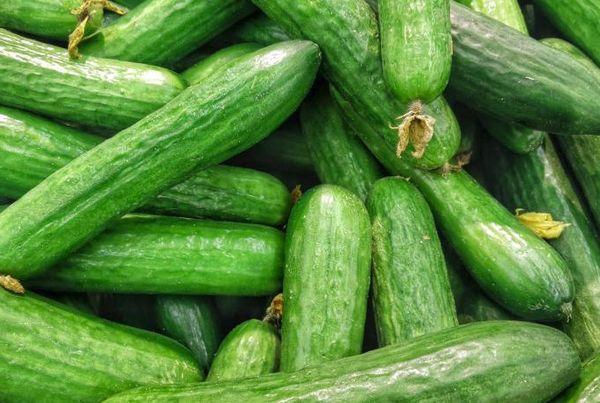
Harvesting begins immediately after the first cucumbers appear. Leaving the fruits on the branches will delay the formation of new ovaries. It's best to cut the stalk with a sharp knife, without twisting or pulling, to avoid damage. During peak fruiting, cucumbers are harvested every two days.
Fresh cucumbers don't keep for long. The following method will help extend their shelf life: wrap the cucumbers in a plastic bag and refrigerate them.
Methods of propagation of your favorite varieties
Cucumbers are most often propagated by seeds, but cuttings or layering are also possible. The latter two methods allow for a quick harvest, within a month.
Planting material is taken from a well-developed plant. When the lateral shoots reach 3 cm in length and the first buds and leaves appear, the cuttings are taken.
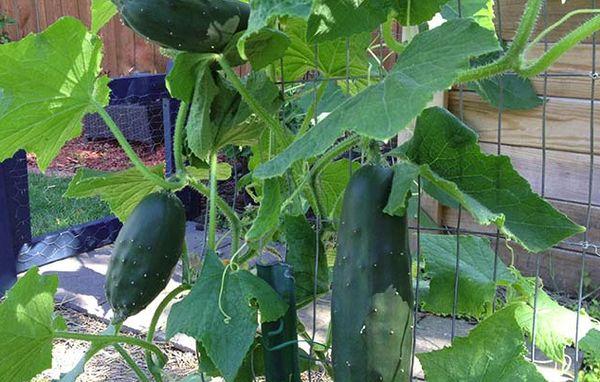
If you plan to propagate cucumbers by layering, press the desired vine into the ground and secure it with staples. Then, cover the vines with compost. After two weeks, divide the vine into several sections.
Difficulties and problems when growing cucumbers in open ground
Even experienced gardeners can encounter problems when growing cucumbers.
The cucumbers are bitter
Bitterness in vegetables is caused by a special substance called cucurbitacin, which is found in the peel. Its levels increase as a result of exposure to the following adverse factors:
- cold weather or watering with cold water;
- lack of moisture in the soil;
- hot, dry weather;
- poor soil composition;
- deficiency or excess of microelements.
The green ones aren't growing.
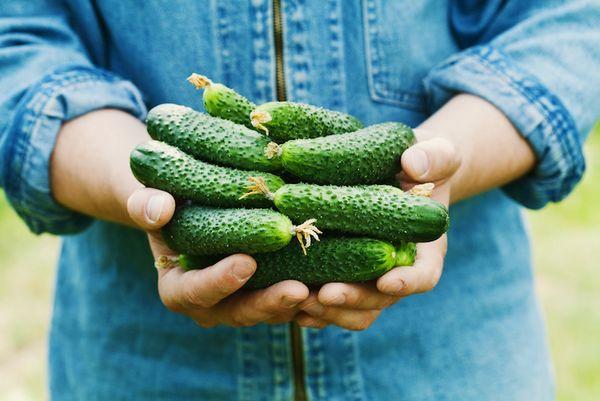
In some cases, cucumbers produce few fruits, stop growing, and become deformed. There are several possible causes for this problem:
- diseases;
- unsuitable soil composition;
- incorrect watering regime;
- bushes planted too closely;
- sharp temperature fluctuations;
- harvest not collected on time;
- pollination problems;
- incorrect application of fertilizers.
Lack of ovaries
The lack of ovaries on cucumbers is most often associated with a deficiency or excess of microelements in the soil, dense plantings, poor-quality seeds, or improper watering.
Wilting of cucumbers
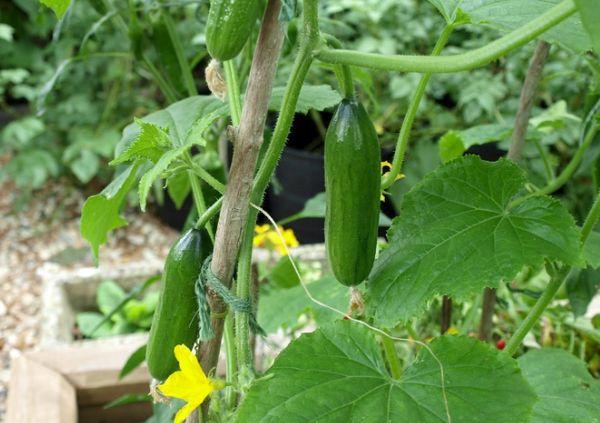
In most cases, cucumbers wither due to infection, pest damage, or insufficient or excessive moisture in the soil.
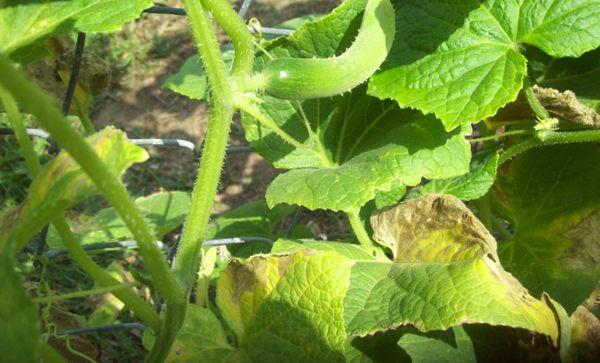
The lower leaves turn yellow and dry out.
Yellowing leaves are often attributed to improper cucumber care. The bottom row of leaves begins to turn yellow and dry out for the following reasons:
- lack of lighting;
- nutritional deficiencies;
- improper watering;
- diseases;
- hypothermia.
It is a natural process that old leaves will naturally begin to turn yellow and fall off over time.
The ovaries turn yellow and fall off
Cucumber ovaries turn yellow and fall off in the following unfavorable situations:
- poor planting material;
- weak root branches;
- planting in cold soil;
- lack of sunlight and warmth;
- improper watering;
- untimely application of fertilizers.
Tips and advice from experienced gardeners
Experienced gardeners are familiar with various situations related to growing cucumbers. Therefore, it's worth adopting a few tips:
- for growing in open areas, you need to choose a suitable variety;
- a good cucumber harvest can only be obtained from healthy seedlings;
- To increase yields, it is recommended to use solutions (Epin, Zircon) for foliar treatment;
- Do not allow the fruits on the branches to become overripe;
- cucumbers thrive when planted next to legumes, cabbage, lettuce or celery.
By following all the rules of agricultural technology, you will be able to grow a strong crop and harvest a high yield of cucumbers.
Related posts:
 Description of unusual methods for planting and growing cucumbers
 Description of the best varieties of Chinese cucumbers, planting, growing and care
 Is it possible to soak treated cucumber seeds before planting and how to do it correctly?
 How to properly plant cucumbers in open ground with seeds, and at what depth
 How to plant cucumbers in open ground under film: timing and cultivation technology
 TOP 30 best determinate cucumber varieties with descriptions
 Description of the best varieties of bee-pollinated cucumbers, rules for their formation and care
 How to properly plant cucumber seedlings in a greenhouse and care instructions