
- Do cucumbers in open ground need to be covered?
- The role and main advantages of film coatings
- The best varieties for planting under film
- Competitor
- Krinitsa
- Fontanelle
- Crane chick
- How to cover cucumbers in open ground: choosing the best option
- Film
- Covering material
- Planting cucumbers under film with seeds
- When to plant?
- Preparation of planting material
- Bed on film
- Care Features
- Weeding
- How often to water
- How and what to feed
- Protection from diseases
- The nuances of growing crops under film with arcs
- When to remove covering material from cucumbers
- What to do if cucumbers burn under film?
- Tips and recommendations from experienced gardeners
Growing cucumbers in a greenhouse is convenient. The vegetables thrive there, and even inclement weather and temperature fluctuations won't affect the harvest. But the old-fashioned method is still in use. Many gardeners, to the best of their ability, plant cucumbers under plastic, in microgreenhouses. What are the benefits? Planting cucumbers in open ground Planting under plastic cover has many nuances. How to plant, what kind of film to choose, and how to care for it. All the steps are slightly different from maintaining garden beds outdoors and under plastic cover.
Do cucumbers in open ground need to be covered?
Every vegetable crop requires specific growing conditions. Temperature is the most important of these. Cucumbers are a very demanding vegetable. At low temperatures, their growth slows, and achieving high yields is simply impossible.
What are the temperature thresholds for cucumbers:
- At daytime temperatures below +15 The crop is affected by powdery mildew and yields are falling.
- If at night the thermometer scale drops below +8 C, then young bushes may die.
- When the soil temperature is below +12 If so, the gardener will likely not live to see the seeds germinate. If cucumbers are planted using seedlings, the seedlings will turn yellow and stop growing.
- Daytime temperature above +23 C, and nighttime temperatures are above +15 C - cucumbers are doing great, growing actively and forming ovaries.
Covering cucumbers with film will provide optimal conditions. This is especially true in regions with consistently cloudy weather, little sun, strong winds, night frosts, and cold snaps.
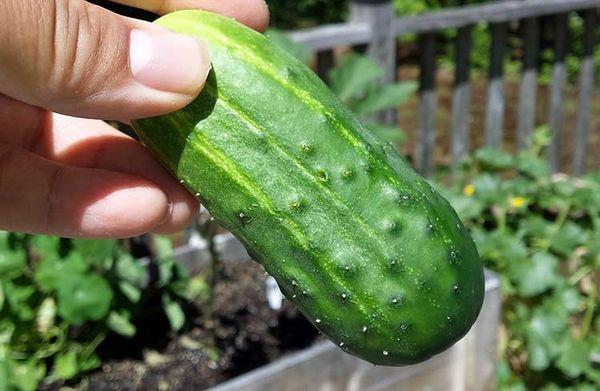
The role and main advantages of film coatings
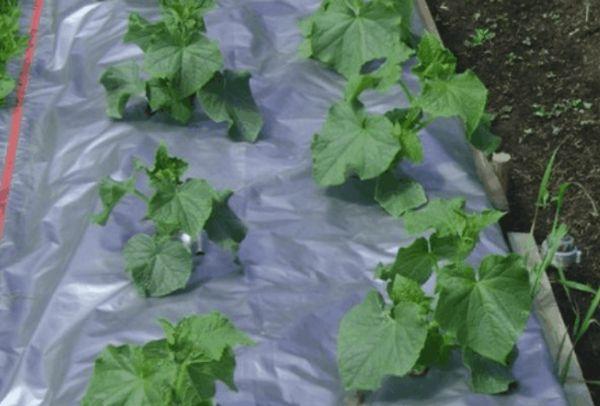
There are two ways to use film to cover plants: by covering the soil or by creating special frame structures covered with film. In the first case, the film protects the soil from low temperatures and weeds, helps retain moisture, and protects against rain and hail. However, cucumbers grow horizontally.
In the second case, there is some space under the frame structure covered with film, which creates a greenhouse effect; in addition, such structures allow cucumbers to be grown even vertically.
The second option is undoubtedly more convenient, what are its advantages:
- Convenient design. This means that once installed, you can use it for several years, replacing the covering material as the film deforms under the influence of outdoor elements.
- Simply move the film cover to a nearby free space or fold it back, if needed, and then apply the necessary agronomic measures to the cucumbers. Alternatively, remove it on a hot day.
- In this case, polyethylene has many alternatives: agrofibre, spunbond, PVC film and others, which are stronger and more durable.
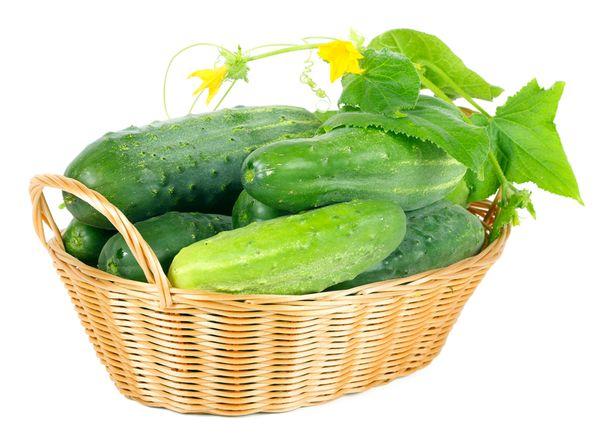
The only drawback of using film is its weight and size, but this can be eliminated by making a folding cover.
The best varieties for planting under film
The cucumber hybrids presented are grown both indoors and outdoors. The most common and popular varieties are as follows.
Competitor
One of the earliest maturing hybrids. From germination to the first cucumber harvest takes approximately 45 days. The crop yield per 1 m2 Up to 4 kg. Cucumbers have both male and female flowers, meaning cross-pollination must occur, which requires bees.
Young cucumbers are suitable for canning. The longest, most ripe cucumbers are 13 cm long. The skin is dark green. The surface is covered with numerous bumps and spines. The flesh is smooth and juicy. The long stem makes harvesting much easier. This variety is disease-resistant and easy to care for. It is suitable for growing under plastic and in the open ground.
Krinitsa
A bee-pollinated hybrid. Cucumbers reach 10 cm in length and weigh 110 g. This early-ripening variety, maturing in 45 days, is characterized by high resistance to powdery mildew, hardiness, and undemanding cultivation. Suitable for growing in greenhouses and outdoor beds without plastic.

The fruits are bright green with juicy flesh, but when overripe, an internal cavity forms, causing the cucumbers to become soft. They are versatile in use, both fresh and for canning.
Fontanelle
A mid-early variety with a ripening period of 55 days. The vines reach 3 m in height, with weak lateral branching. The fruits are light green, up to 12 cm long, and weigh 100 g. Cucumbers of this variety are characterized by a uniform shape, which is essential for winter pickling. The flesh is dense, juicy, and free of voids. The number of seeds is small.
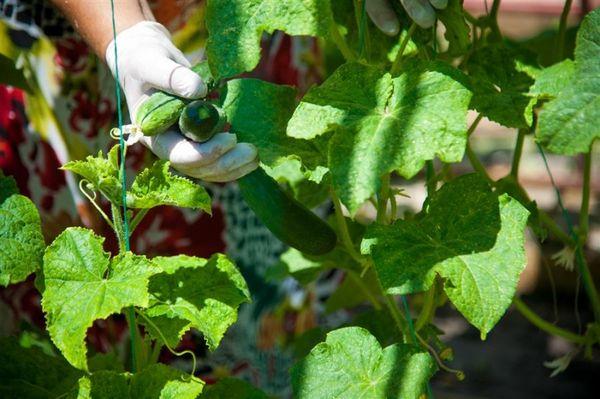
This cucumber variety is bee-pollinated, but can also be grown under plastic or in a greenhouse. Pollination is achieved by simply transferring pollen from one flower to another using a brush. It has a high yield, up to 7 kg per m.2, and with vertical cultivation up to 25 kg.
Crane chick
An early cucumber hybrid, ripening in 45 days. Ideal for growing on a vertical support, as the central stem reaches 2 m in height. It produces numerous lateral shoots. It is insect-pollinated. Ovaries form in clusters.
The cucumbers are small, dark green with whitish stripes across the surface. They have large, spine-covered tubercles, making them difficult to harvest. Overall, this vegetable crop is suitable for any growing method. A high-yielding variety, yielding up to 10 kg per square meter.2.
How to cover cucumbers in open ground: choosing the best option
Using film or agrofibre will allow you to plant cucumbers earlier than usual. You'll also be able to pick them sooner than your neighbors, for example, those who planted cucumbers outside.
Today the market offers a wide range of products for these purposes.
Film
The most common type of covering seen in gardens is regular polyethylene film. This flexible material is made of a single polyethylene film. During the first year of use, the film can withstand low temperatures down to -60 degrees. With subsequent use, this feature decreases.
The film deteriorates under direct sunlight, requiring replacement the following year. Its lifespan depends on the quality and thickness of the material itself. The thicker the film, the more durable it is and the better it withstands adverse environmental impacts.

Covering material
Non-woven spunbond is used as a covering material. It's lightweight and allows air and moisture to pass through, both in and out. Furthermore, it doesn't damage cucumbers and protects them from the harmful effects of ultraviolet radiation. Watering can be done directly onto it, which isn't possible with film.
This material can be sewn together if torn and washed if necessary. Moreover, it's inexpensive. The structure can be built on plastic arches, which are very easy to remove and move, even without assistance.
An alternative to covering cucumbers outdoors is agrotextile fabric. It's also easy to use. It's used to cover agricultural crops, as well as fruit bushes and ornamental perennials, for the winter. It allows moisture to pass through and allows air to circulate. It also prevents cucumbers from being damaged by disease.
Planting cucumbers under film with seeds
Planting cucumbers under plastic involves several stages. First, you prepare the bed, then construct the covering structures, and then begin planting. However, it differs somewhat from traditional planting, as the sowing dates shift, meaning all the necessary agricultural practices are different.
When to plant?
Plant seeds in soil under plastic or spunbond a couple of weeks earlier than if planting without cover. If cucumbers are planted in the first ten days of June, they can be sown under plastic in mid-May, provided the soil has warmed to 15°C at night and 23°C during the day.

When the risk of overnight frost persists, the spunbond or film can be folded in half. If inclement weather persists, the film or spunbond should not be removed until optimal weather conditions are established.
Preparation of planting material
Seed preparation begins a few days before the scheduled planting date. This preparatory stage includes hardening and warming. These seeds can withstand light frosts:
- Select quality seeds by placing them in a salt solution. Empty seeds will float and should be discarded.
- To harden, place the bag of dry seeds in the refrigerator for 24 hours.
- Keep it near a heating device for a month.
- Soak them in warm water for 24 hours. You can add a little potassium permanganate to the water to prevent further damage from putrefactive viruses.

This shaking of the seeds will allow them to withstand all inclement weather without damaging the soil. Here, you can wait for the seeds to germinate, and then plant them in holes or bury them in the soil while still swollen.

Bed on film
In this case, the film acts as mulch. This prevents the cucumber vines from touching the soil, meaning they're less susceptible to disease and less likely to die from cold.
- The soil under the plastic-covered bed is dug up about a month before planting. Humus is added.
- Then weed the area and level it with a rake, making a slight slope to one side to allow water to drain.
- Small trenches are made along the edges of the bed to bury the edges of the film in them.
- The soil is watered generously with very hot water (+60 degrees) so that it warms up faster.
- Immediately cover the beds with plastic film, slightly larger than the bed itself. The edges are buried in trenches and compacted.
- A layer of grass can be placed under the film to prevent weed growth.
- After 2 days you can start planting.
The location of the future sprouts is determined on the film and holes are made with a stick. A couple of seeds are placed into these holes at a depth of 2 cm. After the seedlings emerge, the weak sprout is removed, and the remaining one is brought out.
Care Features
Caring for cucumbers under or on plastic is not particularly difficult. It involves performing the following steps as needed.
Weeding
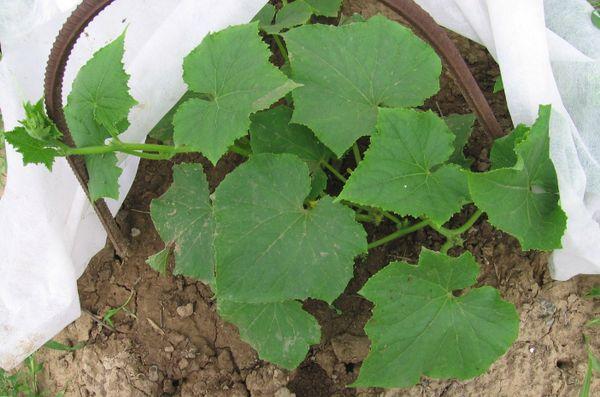
Interestingly, weeding beds under plastic or spunbond is not recommended. In this case, weeds act as a form of support for the plastic or spunbond. As they grow, the weeds lift the material, providing additional space for the cucumbers. It's important to ensure that mold doesn't form on the soil or grass, which is detrimental to the cucumbers.
How often to water
It's best to water cucumbers no more than once a week, in the evening, as condensation always forms under the cover. It runs down the plastic film, nourishing the soil surface. The leaves also receive the moisture they need.
Drip irrigation is used. To do this, a small tube with holes is inserted under the cover. Water is pumped into the tube, and through the holes, it saturates the soil around the plant.
How and what to feed
Fertilize after watering to prevent chemicals from harming the cucumbers. Fertilize several times per season:
- In the four-leaf phase, feed with a mixture of potassium sulfate, superphosphate, and ammonium nitrate, 25 g per 10 liters of water.
- Before flowering, fertilize with a solution of fresh cow manure and nitroammophoska. Add 0.5 kg of manure and 15 g of minerals per 10 liters of water.
- Before the fruit sets, you can use special fertilizers to stimulate fruit growth.
If the lower leaves turn yellow, the plants require nitrogen fertilizer; if only the leaf edges turn yellow, there's a potassium deficiency. These signs help determine when and what fertilizers to apply.
Protection from diseases
Mold can grow under the film, weakening the cucumbers' immune system and causing them to become ill. To avoid this, prevent mold growth. To do this, treat the plants with Thiophos three times per season.

Before planting seedlings or seeds, soak the film in copper oxychloride. Alternatively, plant spinach or Chinese cabbage between the cucumber rows; these plants will repel pests and various bacteria.
The nuances of growing crops under film with arcs
Experienced gardeners and gardeners recommend bee-pollinated varieties as the best. However, sometimes flowering occurs during periods of cloudy and cold weather, so the plastic wrap should not be opened.
In this case, it's necessary to intervene in the natural process precisely when the flowers begin to bloom. The plastic structure is opened in any case, and a support is placed underneath it. If this moment is missed, the cucumbers will bloom with empty flowers.

Each flower may have a small ovary, or none at all. To do this, take a cotton swab or a soft-bristled brush. First, dip the brush into the center of the male flower, where the ovary is not visible, and then move the brush to the female flower. This procedure is very laborious, and there's no chance of pollinating all the flowers. Artificial pollination is used if there are only a few cucumbers growing in the garden. Large plantings cannot be pollinated this way.
When to remove covering material from cucumbers
A film structure or greenhouse is used to protect cucumber plants from wind, cold, dew, and scorching sun. The film is stretched tightly to ensure there are no gaps. This must be maintained during leaf and shoot growth and ovary formation. Later, as the fruit ripens, the film can be removed to prevent disease.

Cucumbers are 90% water, and if condensation—that is, excess moisture—accumulates under the greenhouse, the fruit can suffer. This so-called ventilation is carried out in the morning, before full sunrise. The film is removed at other times when the vines are being trained and the runners and leaves are torn off. This also provides the plants with oxygen and additional light.
What to do if cucumbers burn under film?
Sometimes cucumbers burn under the film. This happens due to excessive heat and humidity. If you water the cucumbers during the day, the sun's heat through the film will cause the temperature inside the shelter to increase significantly. In this case, if the greenhouse is not shaded, the cucumbers may suffer.
What to do:
- Remove the film for ventilation.
- Inspect each vine. If only the leaves are scorched, they should be cut off, leaving only the shoots. It's important to preserve the growing points in the leaf axils. This way, the plant can be saved. The shoots should be doused with cool water and left in this position for the entire evening or morning.
- If the entire trunk is burnt, the plant cannot be saved and must be uprooted.
When such a situation occurs in June or July, then a new plant can be replanted in place of the dead one. early ripening varieties of cucumbers, which will have time to grow and produce a harvest in August or September.

When leaves turn yellow, it's often thought that sunlight is to blame. However, this can also be caused by a nitrogen deficiency, so applying Azotovit fertilizer can help the cucumbers to some extent.
Tips and recommendations from experienced gardeners
Recommendations from gardeners who grow cucumbers in a similar way:
- Since space is limited in a greenhouse and it's impossible to grow cucumber vines vertically, they should be carefully laid out on the soil, inspecting them regularly to ensure that new shoots don't become entangled. To do this, remove the runners.
- Trellis can be replaced with taut ropes to which the central stem is tied, and then the side stems.
- If planting takes place in April, cucumbers are sown from seeds. When the planting date is delayed until warm weather arrives, the best method for planting under plastic is seedlings. To minimize root damage, use peat pots, which are buried along with the seedlings.
Everyone has their own experience and skills in this field. Gardeners share opinions and solve problems that arise during cultivation. This allows new methods to be developed, the shortcomings of varieties are taken into account when developing new ones, and new film technologies are developed and existing ones improved, allowing for extended harvesting, right up until the frost.
Related posts:
 Description of unusual methods for planting and growing cucumbers
 Description of the best varieties of Chinese cucumbers, planting, growing and care
 How to properly plant cucumbers in open ground with seeds, and at what depth
 When to plant cucumbers in open ground in Siberia, how to grow them, and the best varieties
 Description of the best varieties of bee-pollinated cucumbers, rules for their formation and care
 What is the best way to feed cucumbers during flowering and fruiting?
 Why cucumber leaves are drying out and what to do, how to treat them in a greenhouse and in the ground
 How to care for cucumbers in open ground from planting to harvesting