
- Signs of drying out of seedlings and adult cucumber bushes
- The edges of the leaves are drying out
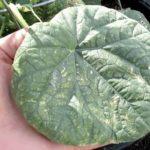
- Leaves turn pale or white
- White spots
- Why are cucumber leaves drying out?
- Insufficient lighting
- Lack or excess of moisture
- Sunburn
- Micronutrient deficiencies
- Diseases
- Fusarium
- Downy mildew
- Anthracnose
- Cucumber mosaic
- Pests
- Cucumber root injuries
- Reasons why plant stems dry out
- What to do if leaves are drying out
- If not properly cared for
- Under unsuitable growing conditions
- How to treat diseased and infected cucumber bushes
- Folk remedies
- Store-bought products
- How to treat cucumbers if they wilt and dry out in a greenhouse
- How to prevent cucumber leaves from drying out
Cucumber leaves are essential for the formation and growth of ovaries, so when the vibrant greenery begins to turn yellow and wilt, gardeners despair. Let's look at the main reasons. Why do cucumber leaves and stems dry out?, how to cure plants and protect them for the future.
Signs of drying out of seedlings and adult cucumber bushes
Experienced gardeners can recognize potential problems by the appearance of cucumber bushes and leaves. First, let's look at how leaves can change.
The edges of the leaves are drying out
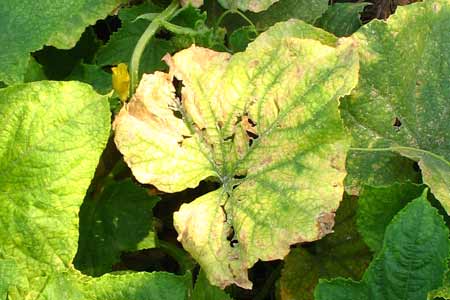
One of the most common problems is the drying and curling of the very edges of the leaf blade. The center of the leaf often remains green and fresh, but the edge first turns yellow, then dries out, curls, and begins to crumble. If left untreated, the cucumber leaf will eventually dry out completely.
Leaves turn pale or white
Cucumber leaves can discolor in different ways. Sometimes the entire blade turns a uniform pale green. Only the older foliage on the underside of the cucumber plant may turn pale. Often, the leaf blade's coloring becomes uneven. Only the veins remain green; the rest of the blade turns yellowish or whitish.

White spots
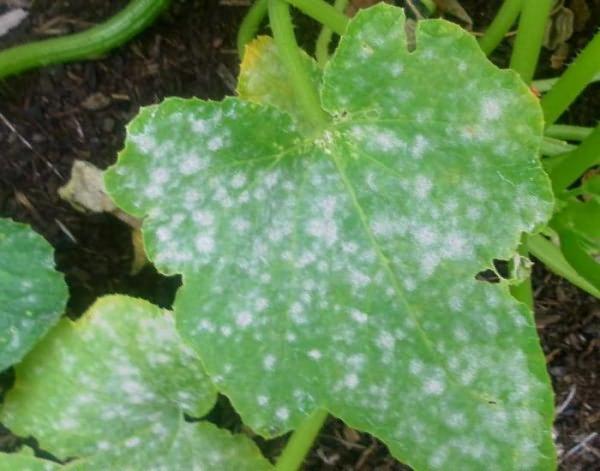
Whitish spots first appear as isolated rashes, then become more numerous. Gradually, the spots spread to cover most of the leaf. From a few leaves, they spread to the entire green part of the cucumber.
In some cases, the spots are initially yellow-brown, then areas of the plate dry out and the spots turn white.
Depending on the cause, the spots on the green part spread differently - sometimes the old leaves of cucumbers are the first to suffer, sometimes the middle ones, and sometimes the young shoots get sick first.

Why are cucumber leaves drying out?
When growing cucumbers, it's important to follow proper agricultural practices—choosing the right site, soil, recommended watering rates, and much more. However, some conditions are difficult to control—when planted outdoors, the plants are vulnerable to the vagaries of the weather, while greenhouse conditions present their own challenges.
The reasons for changes and damage to cucumber foliage can be divided into two groups:
- violations of agricultural technology rules;
- diseases and pests.
It's also worth noting that cucumbers often become diseased precisely because care instructions aren't followed. Let's look at the main causes of cucumber foliage changes.

Insufficient lighting
Full daylight is essential for healthy cucumber foliage. If the plant doesn't receive enough light, chlorophyll production is poor. This is why the lower leaves, which are poorly illuminated, are more likely to dry out.
If the apical part of the plant, where the ovaries are forming, lacks sufficient sun, emergency measures are required. Plantings should not be too dense; the distance between trellises should be at least a meter. The beds should be oriented east to west to ensure uniform light distribution. Plant cucumbers so that neighboring plantings do not shade the cucumber area.

Lack or excess of moisture
Cucumbers prefer consistently moist soil but do not tolerate excess water well. Experienced gardeners water cucumbers frequently, but in small amounts. In hot weather, when most of the moisture simply evaporates before reaching the roots, watering is done in the morning and evening.
A common mistake when watering is using cold water from wells or boreholes. The best option for irrigation is settled water in barrels, with a temperature above 22°C.
The amount of water is adjusted regularly based on weather conditions. Ideally, the soil should be constantly moist at a depth of 8-12 centimeters. For greenhouses, the recommended watering schedule is one bucket per square meter every 2-3 days.
When dry leaves appear on cucumbers, the first step is to adjust the watering regime. If the beds are overwatered, stop watering, provide drainage, and loosen the soil. Sprinkle the surface with sand or ash to absorb excess moisture.
If normalizing watering does not produce results and the leaves continue to turn yellow, the reason is different.
Sunburn
Sunburn, which results in dry spots, is a consequence of improper watering. The desire to refresh the foliage with surface irrigation often leads to water pooling on the green parts. Watering during the day when the sun is shining brightly is a surefire way to get sunburned.
Cucumbers are recommended to be watered in the morning and evening. If watering is necessary during the day, apply water directly to the roots to keep the green parts dry. Sprinkler irrigation should be performed when the temperature is above 25°C and the sun is out.

It's also worth noting that sometimes foliage dries out due to a sudden drop in temperature or cold snap. In this case, cucumbers grown outdoors are covered with plastic or placed in a greenhouse to protect them from hypothermia.
Micronutrient deficiencies
Lack of fertilizing or improper fertilization is another reason for cucumber leaves drying out. The appearance of the spots and their location can help you determine what the plants are lacking:
- dry ends, drying out of the edges – lack of potassium and magnesium;
- poor growth of green mass, yellowing of leaves – not enough nitrogen;
- dryness and yellowing of the upper leaves – lack of copper;
- Pale colored veins – iron and manganese deficiency.
It is especially important to observe the introduction of microelements when growing cucumbers in greenhouses using hydroponicsAll fertilizing should be done at specific times to ensure the plants receive the nutrients they need at the right time. Nutrient deficiencies are often caused by overplanting cucumber plants per unit area.

Diseases
A number of diseases, most of which are fungal, can cause yellowing and drying of cucumber foliage. Let's look at the most common ones.
Fusarium
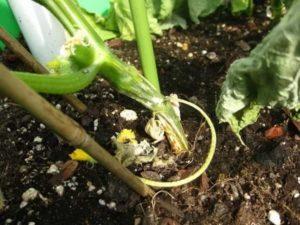
The disease begins in the root system, causing root rot. Subsequently, during warm periods of the day, the cucumber foliage wilts and hangs like tattered leaves. At night, the foliage regains its turgor. If the bushes are left untreated, dry white spots appear on the leaves, and the petioles dry out and become thinner. The entire bush becomes infected, and examination reveals colonies of fungi on various parts.

The source of the disease is usually seeds, poorly prepared soil for beds, and remains of diseased plants that have not been removed from the soil.
Downy mildew
This is the name given to downy mildew, a fungal infection. The disease thrives in conditions of high humidity and low temperatures. Rainfall and a cold snap (below 9°C) create favorable conditions for the development of fungi that cause downy mildew.
Brown spots spread across the upper leaves, and a gray-purple bloom develops underneath. Cucumber bushes can become dry and brittle within 4-7 days. Downy mildew begins in mid-summer, during fruit set and cucumber growth.
Anthracnose
This fungal disease causes yellow spots on leaf blades, thinning areas, and holes. Yellow marks and bumps appear on cucumbers, which develop into ulcers. Anthracnose spreads quickly across cucumber leaves in high humidity. Infection is transmitted by parasites, weeds, diseased plants, and rainwater.
Cucumber mosaic
The disease is caused by a whole group of viruses. The main symptoms of mosaic virus are:
- mosaic-like spots of light green and darker color;
- reduction of leaves, bending of edges downwards;
- stunting of bush development, shrinking of foliage;
- cracking of the leaf stalk.

Cucumbers are susceptible to several types of mosaic disease, with similar symptoms. The fruit gradually becomes infected, spots appear, and the flavor deteriorates.
Pests
Among the most common cucumber pests are:
- aphid;
- spider mite;
- scale insects;
- nematodes;
- mealybugs.
Pests suck nutrients from cucumber leaves and stems, damaging their structure. Nutrition is disrupted, spots form, and the leaves dry out and curl.
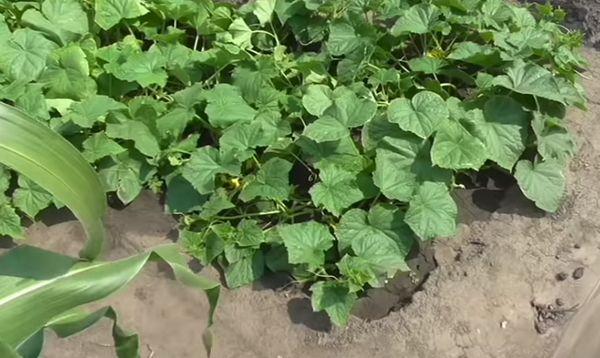
Inspecting the foliage can often help detect pathogens. If a bush is attacked by spider mites, they can be identified by the webbing on the underside of the foliage.
Cucumber root injuries
Gardeners themselves can damage cucumber roots through inept weeding. Roots are also damaged by garden pests such as mole crickets, moles, and rodents. Fungal diseases often start at the roots, caused by excess moisture and infection. If root damage occurs, the plant should be fertilized with nitrogen fertilizer and earthed up to a depth of 10-15 centimeters. If diseases and pests are present, treatment options should be sought.
Reasons why plant stems dry out
Root rot often causes cucumber stems to rot and die. Cucumbers don't tolerate being grown in one spot for long periods of time; fungal residues remain in the soil, which can attack young plants. It's important to follow crop rotation rules and avoid growing crops susceptible to common diseases in the same plot.
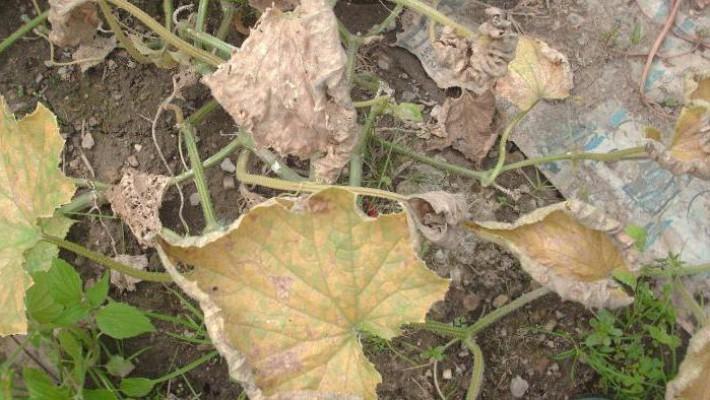 Drying of cucumber stems is caused by the same reasons as yellowing of foliage: disease, improper care, insufficient fertilizing, pests.
What to do if leaves are drying out
The first step in combating dying leaves is identifying the cause of the spots and dryness. It's important to note that the dying of lower leaves is a natural process; they should be removed; they have no effect on the plant's growth.
If not properly cared for
If you notice spots on the foliage and a dry trunk, you need to review the basic rules for caring for cucumbers:
- Water the roots with warm water, preventing puddles from forming and the soil from drying out. Only the top layer of soil should dry out, while the soil at a depth of 10 centimeters should be kept constantly moist. The watering schedule is determined by weather conditions.
- Mulching the soil makes watering easier.
- Timely feeding.

The following feeding times are recommended for cucumbers:
- when the green part grows – nitrogen fertilizers;
- during the period of ovary formation – potassium-phosphorus;
- when growing cucumbers - complex minerals.
Growth stimulants help plant development and prevent leaves from drying out, increasing resistance to diseases.
Under unsuitable growing conditions
It is necessary to take care of growing conditions during the planting period, choosing a well-lit area without stagnant water and arranging the beds in the following direction: west-east.

If you experience problems with leaves, you can improve conditions by:
- raise the bushes onto trellises, preventing the development of fungal diseases;
- If the area is very dense, remove excess plants.
This must be done quickly so as not to break the mature cucumber bushes with ovaries.
How to treat diseased and infected cucumber bushes
Many products have been developed to treat all types of cucumber diseases and eliminate pests. They act quickly, are effective, are harmless to humans, and allow you to preserve the plants and get a good harvest.

Folk remedies
Many summer residents prefer to use folk remedies:
- Pour a liter of water over the onion peels and boil for 20 minutes. Let it steep for 10-12 hours, then strain. Dilute the mixture in 10 liters of water and spray the cucumber plants, thoroughly soaking any damaged edges of the leaves.
- Spray the leaves with bread infusion every 10 days as a preventative measure. To prepare, soak a loaf of bread in a bucket of water for several hours. Add 40 drops of iodine, strain, and spray the solution on the damaged cucumber leaves.
- A mixture of ash and laundry soap. Grated soap (100 grams) and 2 cups of ash are steeped in 10 liters of water for 2 hours and then sprayed on cucumber foliage.

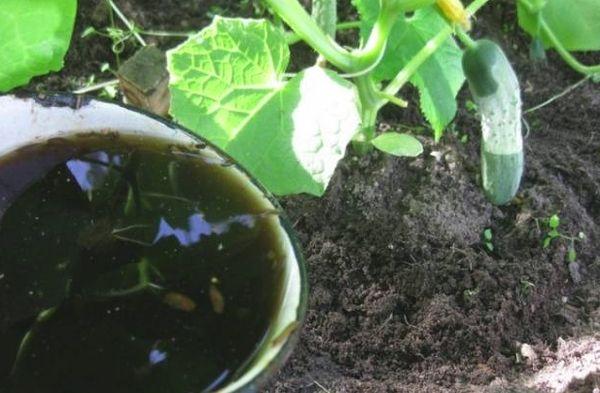
To combat yellowing, infusions of garlic, celandine, and chalk in combination with potassium permanganate are also used.
Store-bought products
The selection of pest control and disease control products is wide and varied. Popular fungicides for cucumber diseases include:
- Karatan;
- Bayleton;
- colloidal sulfur 1%;
- Rizoplan;
- Bordeaux mixture 1%;
- Oxychom;
- Previcur;
- Farmayod;
- Fitosporin;
- copper sulfate.
To combat pests that cause yellowing of leaves, insecticides are used:
- Caesar;
- Agravertin;
- Mospilan;
- Spark;
- Biotlin;
- Fitoverm.
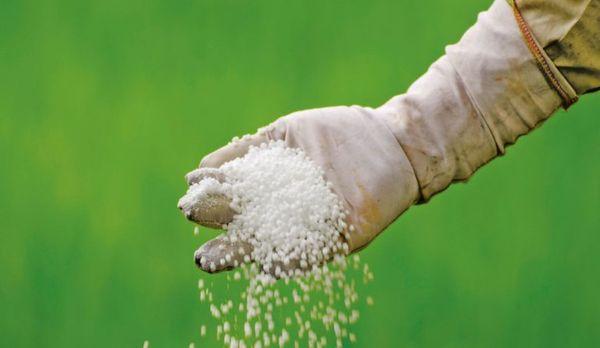
It is important to remember that the last treatment is carried out 2 weeks before harvesting; in the future, only folk remedies can be used.
How to treat cucumbers if they wilt and dry out in a greenhouse
When grown in greenhouses, cucumber leaves turn yellow and dry out for the same reasons as in open fields. Greenhouses are ventilated to prevent overheating during hot weather. Particular attention should be paid to the quality of the soil. When grown in greenhouses, cucumbers are planted in the same spot for a long time, which requires regular soil changes.
For fungal infections, spray with fungicides (Fitosporin, Bordeaux mixture), and for pest infestations, dilute insecticides according to the instructions. When working with chemicals in greenhouses, take especially strict safety precautions.

Proper care helps protect cucumber leaves from diseases.
You shouldn't expect the moisture in the greenhouse to be retained for a long time; watering should be regular and with settled water.
In greenhouses, it's especially important not to overcrowd cucumbers, as there's no natural ventilation. Instead of an increased yield, you'll end up with a rapid spread of fungal infections.
How to prevent cucumber leaves from drying out
Prevention of leaf drying and spotting includes the following measures:
- compliance with crop rotation;
- selection of a suitable site;
- planting according to recommended norms - no more than per square meter of area than indicated;
- growing cucumbers vertically;
- adherence to watering and fertilizing standards;
- soil preparation and fungicide treatment;
- seed treatment before planting;
- Preventive pollination with fungicides and folk remedies.
Most cucumber varieties are highly resistant to diseases and pests. It's important to plant varieties recommended for a given location, taking into account weather and climate conditions. Pre-planting soil cultivation significantly reduces the risk of infection. Diseased plants should be removed from the site immediately, burned, and their tops should not be used for mulch or to thin the soil.
Cucumbers require careful care throughout the season. Regularly inspect the plants to prevent the spread of pests and infections. At the first sign of dry leaves, identify the cause, adjust your care, and help combat the disease.
Related posts:
 Why do cucumber leaves curl inward and what to do about it?
 Why are cucumber leaves turning yellow on the windowsill? What to do and how to treat them?
 Description of the best varieties of Chinese cucumbers, planting, growing and care
 Description of unusual methods for planting and growing cucumbers
 Causes of cucumber diseases in open ground and how to combat them
 How to plant cucumbers in open ground under film: timing and cultivation technology
 TOP 30 best determinate cucumber varieties with descriptions
 Reasons why cucumber leaves turn yellow and what to do, how to treat and feed them
If you haven't managed to resolve the problem within two weeks, such cucumbers should be replanted to prevent spread. After harvesting, be sure to disinfect the soil.