
- How hydroponics works
- Types of equipment and characteristics of systems
- Is it possible to make hydroponics yourself?
- The advantages and disadvantages of growing cucumbers hydroponically
- What varieties are suitable?
- Varietal and hybrid
- Salad, general-purpose and canning
- Technology of planting and growing plants
- Sowing seeds in cassettes
- Transplanting seedlings into cubes
- Transplanting cucumber seedlings into mats
- Features of cucumber care
- Temperature and lighting
- Optimal humidity
- Substrate
- Nutrient solution
- Arrangement and garter of cucumbers
- Harvesting
A word that has become a trend in vegetable growing. And growing vegetables hydroponically has proven not only fashionable but also profitable, allowing for earlier and more abundant harvests from a smaller area. The "hydroponic cucumber" system is no exception. But, like any new technology, growing cucumbers without traditional soil has its own challenges.
How hydroponics works
Hydroponics is the cultivation of plants (vegetables, flowers, berries, and other crops) without traditional soil. The root system receives all its nutrients from an aqueous solution. Translated from the Greek, "hydro" means water and "ponos" means soil.
This method allows you to grow plants year-round. A bonus is the ability to provide plants with the nutrients and quantities they need at each stage of development. Cucumbers are no exception.
Types of equipment and characteristics of systems
There are many technologies for growing cucumbers without soil. The only differences are the setup, their complexity, operating principles, and, consequently, the price. The choice is up to the gardener, depending on their goals and their willingness to spend. The types of technologies are divided into the following: aeroponics – a nutrient layer technology using drip irrigation; the periodic flooding method; and the floating platform method.
Is it possible to make hydroponics yourself?
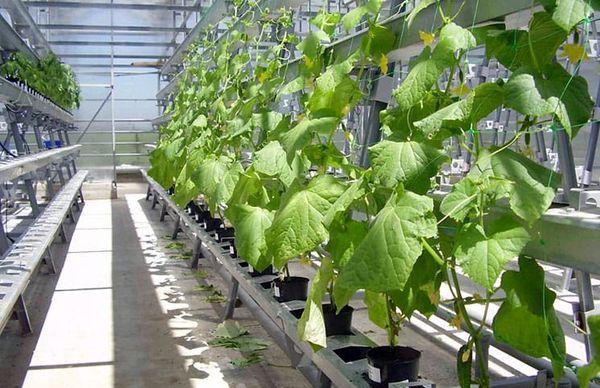
If desired, such a system can be created in any home. This technology doesn't require anything out of the ordinary. For growing cucumbers at home using hydroponics, the "periodic flooding" method is well suited. This involves immersing the cucumber root system in a porous material, which is periodically infused with a nutrient-rich solution.
To do this you will need:
- Expanded clay, fine-grained crushed stone and even coarse-grained sand.
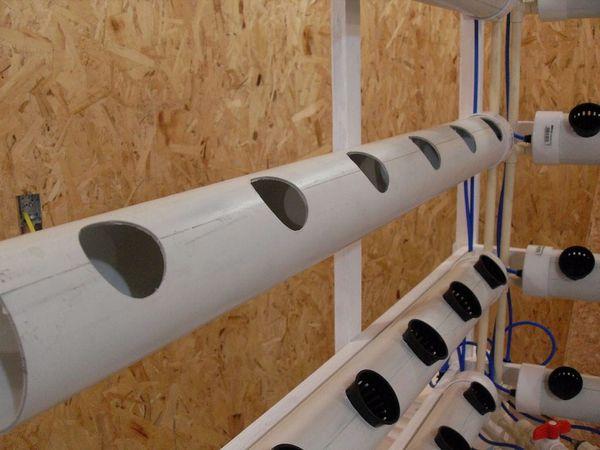
- Plastic pipes, preferably with a diameter of 15 centimeters.
- Water-soluble fertilizers with a wide range of macro- and microelements.
- Connecting tubes and fittings.
- Electric water pump and the water itself.
- If the water is of poor quality, with a high salt content, it is also advisable to install a filter.
- Special pots for hydroponics - with long side slits.
- Peat substrate.

Holes are cut in the pipes to fit the diameter of the pots. The pipes are installed horizontally, and all tubes, fittings, and the pump are connected. They are filled with expanded clay, and the pots containing the substrate are sunk into it, where the cucumbers are then planted. The nutrient solution is then supplied.
The advantages and disadvantages of growing cucumbers hydroponically
Like any technology, especially a new and advanced one, growing cucumbers hydroponically has its pros and cons. But, to this technology's credit, the advantages far outweigh the disadvantages. Both the average gardener and the farmer should consider all of this before deciding to grow vegetables hydroponically.
Pros:
- When grown this way, crop yields increase significantly.
- The ripening period of cucumbers is accelerated, making it possible to obtain more fruits in 1 season.
- Obtaining a good harvest from a relatively small area and making optimal use of it.
- Hydroponically grown cucumbers contain the most complete spectrum of vitamins and microelements, compared to those grown simply in soil.
- Plants are constantly provided with the required amount of moisture, which is especially important during the hot summer months.
- Saves time and effort on weeding, as well as regular loosening when growing in the ground. Overall plantings are kept clean.
- Plants have stronger stems and the overall health of the bush increases.
- Due to the absence of soil, pathogenic fungi, soil pests and harmful substances do not accumulate in it.
- It's portable and can be placed in a greenhouse or the basement of a multi-story building. Provided, of course, that it has adequate lighting and ventilation.
- Cucumbers develop good vegetative growth despite a modest root system. The plant doesn't expend much energy establishing roots in the soil and extracting nutrients from it.
Disadvantages:
- Significant financial investment for large areas. Smaller systems will also be expensive. However, the investment will quickly pay for itself.
- Waste of materials and effort to properly install the system.
- Hydroponics is unforgiving. It's much easier to ruin plants with improper cultivation techniques than with soil-based cultivation. A gardener needs a wealth of knowledge, particularly for proper, comprehensive, and timely fertilization and maintaining the proper pH level.
- Maintain an optimal temperature in the root zone of +18°C to +22°C. If the temperature rises to +26°C, plant development slows. A further increase can simply kill the plants.
What varieties are suitable?
In principle, all cucumber varieties and hybrids are suitable for hydroponic cultivation. The choice primarily depends on the gardener's goals, the intended use of the crop, and the location of the hydroponic system.
Varietal and hybrid
If the goal is to maximize profits in a greenhouse, parthenocarpic (self-pollinating) cucumber hybrids are selected. The emphasis is on early ripening, resistance to disease and adverse environmental factors, and yield. Varietal cucumbers are used primarily in hobby greenhouses. However, for maximum efficiency, it's worth considering parthenocarpic hybrids.
Salad, general-purpose and canning
Hydroponics can be used to grow both all-purpose cucumbers and varieties primarily used for salads. And the ever-popular pickling cucumbers are also suitable. However, it's important to remember that when growing bee-pollinated varieties in a greenhouse, pollinating insects must have access to the plants.
Technology of planting and growing plants
In greenhouses, when growing hydroponically, cubes for direct seed sowing, cubes for picking seedlings, plugs for sowing seeds and mats for transplanting seedlings are used as root substrate.
Sowing seeds in cassettes
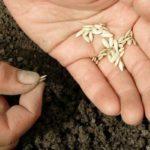
At this stage, the peat plugs (tablets) are thoroughly soaked in clean water or a growth stimulator solution. Then, a single cucumber seed is placed in the center of the tablet and further sprayed with water from a spray bottle. To maintain a certain moisture level, the seed is sprinkled with a thin layer of perlite (vermiculite).
Then, all peat tablets are covered with film to prevent moisture evaporation. For 3-5 days, the crops are regularly sprayed and ventilated daily. Optimal temperature for cucumber seed germination: +22 C, +25 C degrees.
Transplanting seedlings into cubes
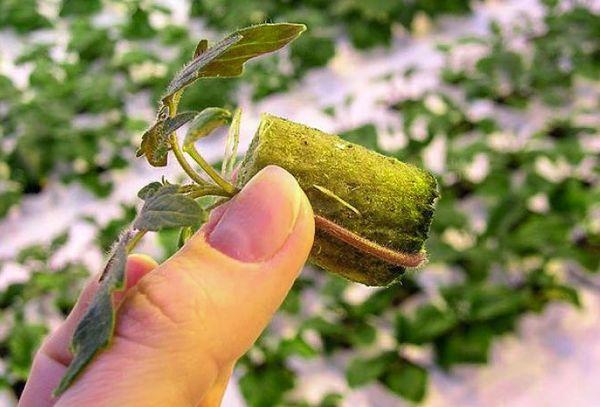
After a week, the tablets with the rooted and strengthened seedlings are transplanted into cubes. These are usually made of mineral wool. First, the cubes are thoroughly soaked in a nutrient solution. Under no circumstances should the root system be removed from the peat plug; instead, place the seedlings directly within it.
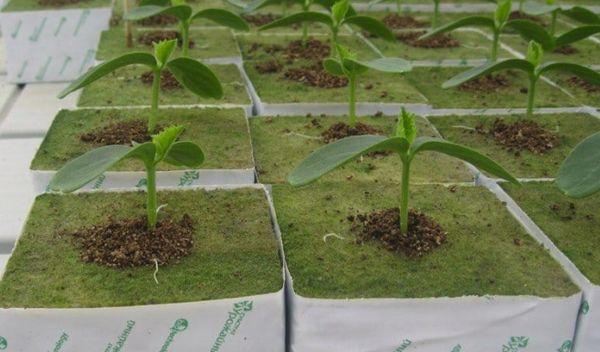
Cucumbers grow in these cubes for 1-1.5 months. The temperature can be reduced by a couple of degrees. Cubes for direct seeding are also available.
Transplanting cucumber seedlings into mats
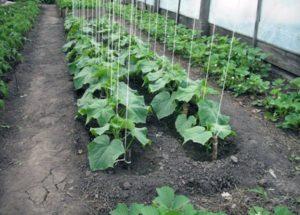
To further develop the cucumbers, the cubes containing the seedlings are placed in special mats. The cucumber root system is distributed along the entire length of the mats. The mats are made of mineral wool or coconut fiber. The horizontal structure of the fibers distributes water and nutrients along the entire length of the mats. This also improves air circulation.
Features of cucumber care
The general agricultural techniques for growing cucumbers hydroponically are similar to those for growing them in beds or soil. However, there are, of course, some nuances and differences.
Temperature and lighting
Cucumbers dislike both cold and excessive heat. The optimal growing temperature during the season is between 22°C and 30°C. During the hottest summer months, the greenhouse should be shaded. It's especially important to prevent the hydroponic system itself from overheating. Plants should be placed in sunny locations. When grown in winter and spring, cucumbers require supplemental lighting with special lamps.
Optimal humidity
The optimal atmospheric humidity level is 50-60%. To increase humidity, regularly spray with water or install a fogging system. To reduce humidity, conversely, frequent ventilation of the plantings is recommended.
Substrate
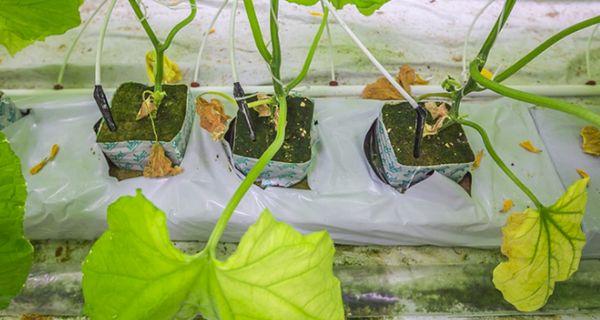
Hydroponic substrates can be made from perlite, vermiculite, mineral wool, coconut fiber, expanded clay, and neutral peat. For amateur growers, sphagnum moss, hydrogels, and even polystyrene foam beads are also suitable.
Nutrient solution
Nutrient solution plays a crucial role in the success of a plantation. It's easier to buy ready-made, commercial hydroponic "cocktails" with a precise balance of all micronutrients. Ready-made mixtures are not cheap, but such a solution is easy to prepare yourself. The solution's pH should be between 5.5 and 6.0.
Arrangement and garter of cucumbers
Plantings should not be densely packed – this is important for ease of harvesting and to prevent the development of fungal diseases. The distance between plants is from 35 to 50 centimeters, depending on the growth strength of the variety.
Harvesting
Harvesting is carried out as with conventional plantings. The harvesting interval is one to three days. It is advisable to plant hybrids that are resistant to overgrown fruit.
Related posts:
 Description of the best varieties of Chinese cucumbers, planting, growing and care
 Description of unusual methods for planting and growing cucumbers
 TOP 30 best determinate cucumber varieties with descriptions
 How to make a cucumber trellis with your own hands from scrap materials
 TOP 30 best varieties of cold-resistant cucumbers with descriptions and characteristics
 How to plant cucumbers in open ground under film: timing and cultivation technology
 How to properly plant cucumbers in open ground with seeds, and at what depth
 Why cucumber leaves are drying out and what to do, how to treat them in a greenhouse and in the ground