
- What is picking? Advantages and disadvantages of the method
- Which cucumbers need pickling?
- Timeframe for completion of works
- Preparing cucumbers for picking
- Selecting containers
- Soil preparation
- How to properly transplant seedlings: the procedure
- At home
- In the greenhouse
- Into open ground
- Caring for cucumber seedlings after picking
- Tips and recommendations from gardeners and vegetable growers
There's still a debate among gardeners about whether or not to transplant cucumber seedlings. Some prefer to sow the seeds in one container and then transplant them into individual pots. Others, on the contrary, believe it's better to leave the seedlings alone and immediately plant the cucumber seedlings in separate containers, such as peat pots.
What is picking? Advantages and disadvantages of the method
Typically, seeds of any agricultural crop are planted in one large container and then transplanted into individual pots once the seedlings have grown. This process is called pricking out. This method is used for crops grown indoors before being planted outdoors in a permanent location.
Benefits of pickling cucumbers:
- Pricking out allows you to select only the healthiest and most viable seedlings, which will produce a good harvest in the future.
- When all seedlings are kept in one container, they often lack nutrients. After transplanting them into individual containers, all the nutrients go to just one seedling.
- The root system grows more developed and powerful, which has a positive effect on crop yield.
The following aspects can be highlighted among the disadvantages of the method:
- For still fragile cucumber seedlings, such a procedure can be very stressful.
- Weak seedlings die, although there is no guarantee that they would not produce a good harvest in the future with proper care.
Pricking out has significant advantages, but its disadvantages shouldn't be overlooked. Furthermore, if transplanting procedures aren't followed correctly, all the seedlings may die.

Which cucumbers need pickling?
Any cucumber can be transplanted, regardless of variety. All seedlings growing in the same container are transplanted. Cucumbers are transplanted into individual pots once the first pair of full leaves appears.
The weakest point of cucumbers is their root system. It takes a very long time to develop, so transplanting even healthy seedlings can result in their death. Therefore, many gardeners prefer to leave their seedlings alone.
Timeframe for completion of works
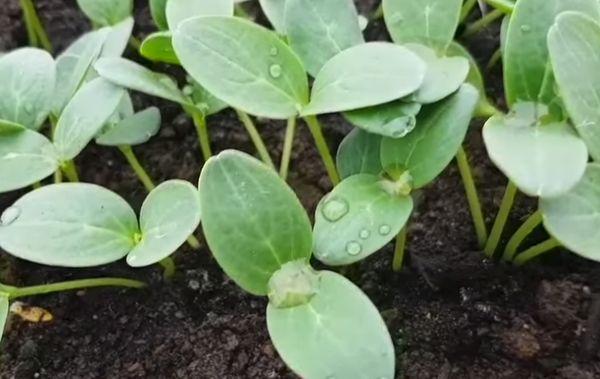
To transplant cucumbers correctly, it's important to determine the transplanting time in advance. Typically, this procedure is performed when the seedlings develop their first pair of cotyledon leaves or the first pair of full-fledged leaves. If you carry out the procedure while the cucumbers are still small, the risk that they will not take root is much lower.
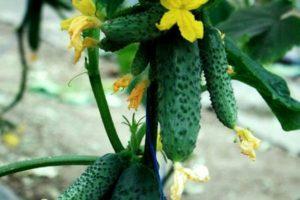
It's difficult to say exactly when to transplant cucumbers. It depends on when the seeds were sown. Sowing times vary by region. It's best to use the cucumbers' appearance as a guide.

Preparing cucumbers for picking
Picking cucumber seedlings should be approached with the utmost care. The future harvest depends on how well the procedure is performed. It's essential to follow all picking guidelines to ensure the cucumbers quickly establish themselves in their new location.
Selecting containers
Before transplanting the seedlings, you need to choose a container for transplanting the cucumbers. The best option is to transplant them into peat pots. When it's time to transplant the cucumbers into open ground or a greenhouse, plant them in the peat pots, which means the seedlings won't be damaged again during transplantation.
Seedlings are also planted in plastic cups. However, when planting cucumbers in their permanent location, the plants will have to be removed from the cups and only then replanted. This puts unnecessary stress on the seedlings, especially if they are weak.
Soil preparation
The second important step in transplanting cucumbers is soil preparation. The more fertile the soil, the faster the cucumbers will establish themselves and grow vigorously. You can purchase transplanting soil at gardening stores or prepare it yourself. The main mistake gardeners make is using soil from their own plot. Soil from the plot is often contaminated or may contain insect larvae, which can destroy the fragile seedlings. If you are using soil from your plot, you should at least calcine it or water it with a solution of potassium permanganate before planting cucumbers.
For the substrate you will need:
- turf soil;
- humus;
- sawdust;
- peat.
Mix everything thoroughly and fill the pots with the resulting soil mixture. Water the pots and let them sit overnight to allow the soil to settle. Only then should you begin transplanting the cucumbers.

How to properly transplant seedlings: the procedure
Once the container and soil for planting are prepared, it's important to learn how to properly transplant the seedlings. Cucumbers are transplanted in the same way if they're growing in a greenhouse. In this case, the procedure will differ slightly from that for home-grown cucumbers.
At home
The picking process is a very important one. The future yield and health of the plants depend on how successfully it goes.
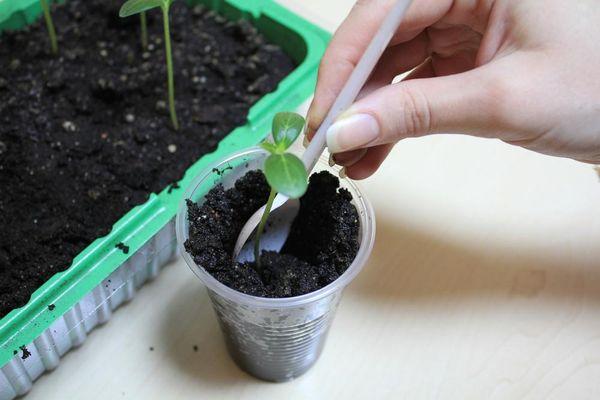
The process of picking cucumbers:
- As soon as the seedlings begin to stretch out and a couple of full-fledged leaves appear on the bushes, they are replanted.
- On the day of the procedure, the soil in the boxes with seedlings is watered.
- Make small indentations in the cups.
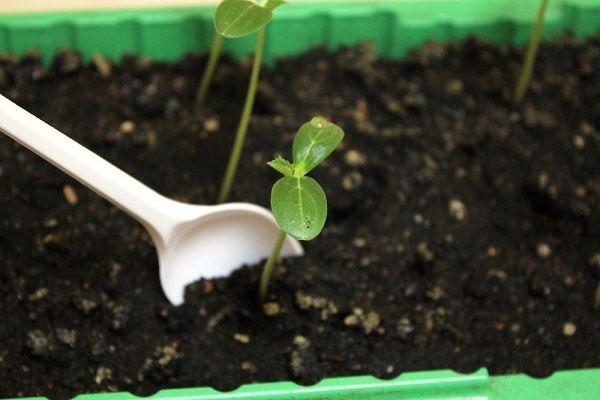
- Use a plastic spoon to dig the seedling out of the box. Don't hold the stem with your hands.
- Before planting in a cup, inspect the root system. If it's severely damaged, discard the plant.
- Healthy bushes are planted in pots and covered with soil up to the bend that is on the stem.

At the end of the procedure, the soil around the stem is lightly compacted. After this, the seedlings are watered with warm water.

In the greenhouse
Carrying out the procedure in a polycarbonate greenhouse:
- When growing cucumber seedlings in a greenhouse, you can first start them indoors and then transplant them into the greenhouse once the plants have developed a couple of full leaves. Alternatively, you can sow the seeds in the greenhouse and then transplant them.
- Before replanting, the soil is dug up, then weeds are removed and the soil is mixed with mineral fertilizers.
- Shallow holes are made in the beds.
- Before replanting, water the cucumbers.
- Dig up the seedling along with some of the soil and move it to a new location.
- Fill the hole with soil and compact it around the stem. It's not advisable to plant the bush too deeply.
At the end of transplanting, water the beds with warm water. When growing cucumbers in a greenhouse, there's no need to transplant them. You can immediately create the beds and plant the seeds in individual holes. This will save time and prevent the seedlings from experiencing stress when transplanting.

When growing any crops in a greenhouse, not just cucumbers, the soil must be fertile. In greenhouse conditions, soil depletes faster than in open ground, so it needs to be fertilized more frequently. Otherwise, you won't get a good cucumber harvest.
Into open ground
In open ground, the final transplant is performed. This procedure is carried out when the weather warms up. This is typically around early May. After transplanting into the open ground in their permanent location, the cucumber beds should be covered at night to prevent sudden night frosts from killing the still-stiff cucumber plants. The procedure in open ground is not much different from transplanting indoors or in a greenhouse.
Scheme for picking cucumbers in open ground:
- Dig up the soil, remove all weeds and water with a solution of potassium permanganate.
- Then add rotted manure and dig it into the soil.
- Make beds and holes, leaving a distance of up to 15 cm between holes.
- Plant the seedlings in peat pots. If the cucumbers were grown in plastic pots, remove the seedlings along with the soil.
- Place the bush in the hole and cover it with soil.
At the end of planting, the beds are watered with warm water from a watering can.
Caring for cucumber seedlings after picking
After the procedure, keep the soil around the bushes constantly moist. However, it's important not to allow the soil to become too wet. Water 2-3 times a week with warm water. Do not use cold tap water, as this can lead to the development of fungal infections.
After transplanting, the cucumbers require a lot of light. If the pots are in the shade, the cucumbers will outgrow their growth and need to be pinched. To prevent this, place grow lights near the cucumbers for 4-5 hours a day.
It's best to place the cucumber cups in a warm, draft-free place. The optimal room temperature should be between 19 and 21 degrees Celsius.
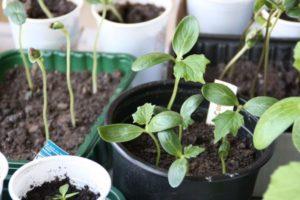
A week after transplanting, water the cucumbers with chicken manure or mullein diluted in water. While the plants remain indoors, they need to be provided with all the necessary conditions to develop foliage and rhizomes. Therefore, mineral and organic fertilizers are essential. For this purpose, small amounts of nitrogen-containing fertilizers are used.
Tips and recommendations from gardeners and vegetable growers
Tips and recommendations for gardeners on picking cucumbers:
- Cucumbers need to be replanted if some of the seedlings become diseased or begin to wilt. In this case, replant the healthy plants separately and discard the diseased ones.
- If an adult plant begins to overgrow, it is also pruned. This procedure slows the growth of the bush, and the roots become more powerful.
- It is not recommended to carry out the procedure if 3-4 full-fledged leaves have appeared on the bushes.
- When preparing the soil for planting, wood ash or nitrophoska is added to the substrate.
- After picking, for the first few days, the cups are placed in the shade or the windows are closed so that the sun's rays do not fall on the bushes.
- To ensure the bush grows lushly, you need to pinch the tops of the seedlings.
- Before planting in a permanent location, the soil must be disinfected. Insects often overwinter in the soil or lay their larvae there. To ensure the seedlings remain undamaged, water the beds with a solution of potassium permanganate or iodine before planting.
By following the proper seedling transplanting and caring for them, you won't have any problems growing cucumbers. You'll enjoy abundant yields throughout the growing season, and your cucumbers will be disease-free.
Related posts:
 Description of the best varieties of Chinese cucumbers, planting, growing and care
 Description of unusual methods for planting and growing cucumbers
 How to care for cucumbers in open ground from planting to harvesting
 How to plant cucumbers in open ground under film: timing and cultivation technology
 Why do cucumber leaves curl inward and what to do about it?
 Why cucumber leaves are drying out and what to do, how to treat them in a greenhouse and in the ground
 TOP 30 best determinate cucumber varieties with descriptions
 How to properly plant cucumbers in open ground with seeds, and at what depth