
The Tchaikovsky F1 cucumber, described as having excellent flavor, is considered a hybrid of the renowned Dutch variety Kibriya. The variety was improved to meet the needs of domestic gardeners and local growing conditions.
Plant characteristics
The first-generation hybrid, Tchaikovsky, is parthenocarpic. The vines produce predominantly female flowers. Ovaries are formed without the help of pollinating insects. Tchaikovsky cucumbers are suitable for both indoor and outdoor cultivation; their yield is unaffected by weather or the flight of bees and bumblebees.

The Tchaikovsky F1 cucumber produces cluster fruiting, forming up to five ovaries in a single leaf axil. Yields reach 50 kg per square meter during the growing season. The vines tolerate both intense heat and cold, prolonged rains.
Gardeners' characteristics indicate that the variety is resistant to fungal diseases (powdery mildew, root rot, cladosporiosis, etc.), and easily survives stress due to sudden temperature fluctuations.
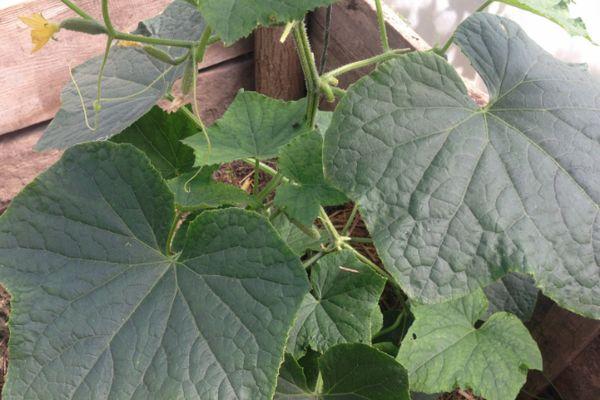
It takes 35-45 days from sowing the seeds to the first fruits. The main fruiting period begins after another 3-5 days and continues until frost. The plant is demanding in terms of mineral content in the soil and fertilization.
The vines are medium-length, reaching 2-2.5 m. When grown in a greenhouse, cucumbers need to be trained and tied to a trellis. In open ground, the vines can be trained along the ground or formed into 2-3 branches, pinching the top of the young cucumber above the 4th or 5th leaf. This method allows a single plant to produce a larger harvest.
Fruit characteristics
The Tchaikovsky variety is a gherkin-type fruit, small in size (up to 12 cm) and weighing 60-70 g. It's recommended to pick the fruits daily, although even if left on the vines for a short time, they don't become too large or develop voids inside. The seeds in the parthenocarpic fruits are practically undeveloped.
Take a look Also
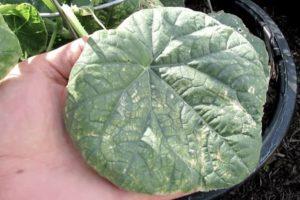
The skin is dark green, without any lighter zones, and uniformly colored along the length of the fruit. The green fruit is covered with numerous small tubercles with sharp, transparent spines. As the fruit grows, the tubercles become less frequent and less noticeable.
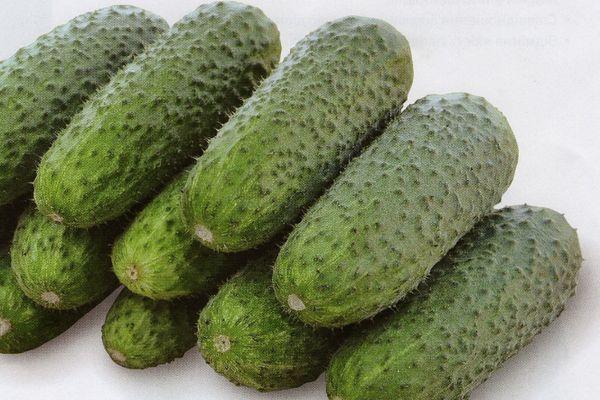
During transportation, the Tchaikovsky cucumber maintains its marketable appearance for 2-3 days, retaining its spines and a pleasant shine. At home, it can be stored in the refrigerator without losing its flavor for several days.
High shelf life and transportability make hybrid cucumbers attractive to farmers producing early vegetables.
The flesh is firm and crisp. The color has a light green tint, with a creamy or white center. The taste is excellent. Gardeners note the sweet taste of the cucumber flesh and its rich, characteristic aroma. These qualities remain unchanged even when overripe cucumbers are harvested.
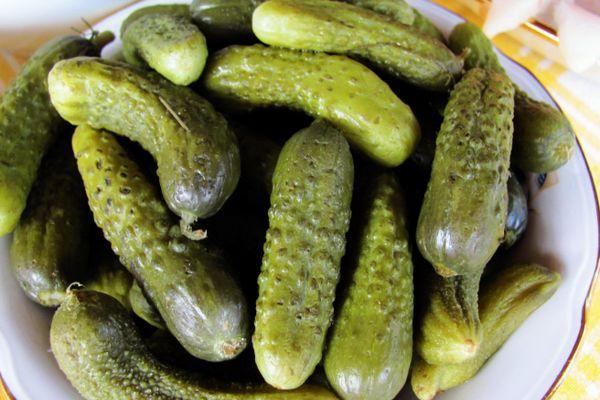
Tchaikovsky cucumbers are great for eating fresh. Early cucumbers can be used to create a variety of salads, mixing them with other vegetables and ingredients. They are also perfect for making elegant appetizers, wraps, and canapés. Thin cucumber slices pair well with sandwich ingredients.
Surplus produce can be preserved for future use. The range of canned cucumber snacks is vast: cucumbers are pickled for the winter and for lightly salted consumption in the summer, and are included in pickled vegetable platters. Overgrown large cucumbers can be used for pickling. cucumbers make delicious gourmet pickles and salads. The peeled and seeded pulp can even be included in lecho.
How to grow a good crop of cucumbers?
The location for the cucumber bed should be chosen so that it receives at least 12 hours of sun per day. However, full sun is not beneficial for cucumbers, so during the middle of the day (from 12 to 4 PM), the bed should be shaded by a tall tree or artificial plantings of tall crops (trellis tomatoes, corn, etc.). The soil should be loose and permeable to water and air.
Take a look Also
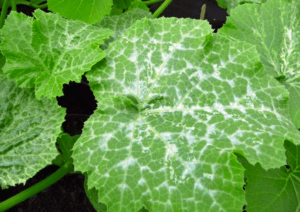
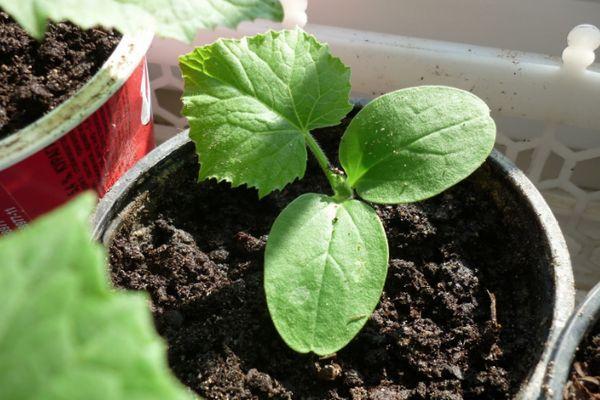
At the summer cottage warm beds are often arranged for cucumbers, placing a layer of compost or manure underneath. Cucumbers grow best in these conditions, as the soil stays warm even during cold snaps, which the green shoots tolerate well, but the plant's root system doesn't. Warm beds are convenient for growing both early cucumbers and those for late summer harvesting.
The timing of planting in open ground is determined by soil warming: at a depth of 10 cm, the temperature should not drop below 16°C, even at night. In insulated beds and raised beds, such conditions can be achieved in late May or early June.

To protect against recurrent frosts, wire arches are installed over these plantings and plastic film or lutrasil is stretched over them. As the weather warms, the cover can be removed. For a late summer harvest, it's best to sow cucumbers in early July. They will have plenty of time to grow and produce most of their harvest before the cold weather sets in.
Cucumbers are planted in a greenhouse or hotbed much earlier. Suitable conditions indoors are already created by mid-May. The season ends there 3-4 weeks later. In a greenhouse, cucumbers can be sown both for growing indoors and as seedlings for transplanting into garden beds in early June. The seedling method also helps to obtain an early harvest outdoors.

In addition to applying a full range of fertilizers when digging the beds, four additional fertilizing applications are carried out during the season, which allow for obtaining more marketable produce:
- 1 tbsp. urea per 10 liters of water at the age of 2-3 leaves, 0.5 liters per bush;
- repeat nitrogen fertilization after 2 weeks, add 1 liter per seedling;
- when the first flowers appear, add potassium and phosphorus in the form of 500 g of wood ash per 10 l or 15 g of potassium sulfate and 25 g of superphosphate per 10 l, 1 l per plant;
- carry out the same feeding after 2 weeks.
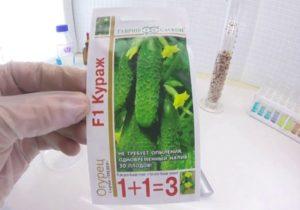
When choosing a ready-made mixture for cucumbers during the fruiting period, it is important to remember that excess nitrogen in the soil reduces yield and promotes the accumulation of nitrates in the fruit.
Related posts:
 TOP 30 best varieties of cold-resistant cucumbers with descriptions and characteristics
 Description of the best varieties of Chinese cucumbers, planting, growing and care
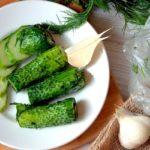 TOP 10 recipes for quickly preparing lightly salted crispy cucumbers using cold and hot methods in a saucepan
 Description of the best varieties of bee-pollinated cucumbers, rules for their formation and care
 How to prepare pickled cucumbers in adjika for the winter without sterilization and Caucasian style: recipes
 35 Best Powdery Mildew-Resistant Cucumber Varieties with Descriptions
 Growing cucumbers in open ground and greenhouses in the Leningrad region and varieties
 How and with what to cover cucumbers from the cold in open ground, what to do for protection