
- Why do cucumber leaves curl?
- Up
- Inside
- They are drying up
- They wrinkle
- Problems associated with planting and care
- Weather conditions
- Hypothermia
- Violation of the landing pattern
- In the greenhouse
- On the windowsill
- Incorrect watering
- Insufficient watering
- Abundant watering
- Nutritional deficiencies
- Ammonia burn
- Picking
- Diseases and pests
- Powdery mildew
- Root rot
- Viral infection
- When and how to feed cucumbers
- Preventive measures
Various problems can cause cucumber leaves to curl. These could be due to improper growing practices, micronutrient deficiencies, pest infestations, or infections. In any case, measures must be taken to preserve the harvest. If leaf edges curl and other symptoms appear, the situation may indicate more serious problems.
Why do cucumber leaves curl?
There are many unfavorable factors that affect the condition of cucumber leaves. They curl, wrinkle, dry out, and eventually begin to fall off.

The main reasons for this process are:
- lack of micro- and macronutrients in the soil;
- failure to observe proportions when applying fertilizers (their excess or deficiency leads to problems);
- incorrectly installed irrigation system;
- pest infestation;
- infections caused by viruses, fungi and bacteria;
- leaf blade burns.
By detecting the problem at the initial stages of development, you can quickly stop its further spread, and the diseased cucumber bush will be easier to restore.
Up
Cucumber leaves may curl upward for the following reasons:
- deficiency of microelements necessary for development, in particular sulfur, magnesium, potassium, nitrogen;
- the condition is observed in dry air during hot days (leaves curl, trying to reduce the area of moisture evaporation);
- pests may be the culprit;
- Leaves curl outward due to diseases, in most cases due to powdery mildew.
Cucumber plants should be carefully inspected for additional signs. Only after identifying the cause should you begin correcting the problem.

Inside
Why do cucumber leaves curl inward? This is a common question even for experienced gardeners. The problem can arise at any stage of cucumber growth, even if the seed and soil preparation guidelines were followed.
The leaves may curl inward as a result of the following factors:
- lack of water in the soil (insufficient amount of water during irrigation, infrequent watering, heat);
- the leaf curls downwards due to a lack of nitrogen (the situation can be corrected by adding ammonium nitrate or urea);
- a sharp change in temperature (often occurs when cold days come after hot weather);
- pest infestation;
- If the leaves are shrinking, diseases such as root rot and powdery mildew should be ruled out;
- Leaves may curl due to ammonia burn.

Any cause requires immediate intervention. Otherwise, yields will decline, and the fruit will become deformed and bitter.
They are drying up
The problem of leaf deformation and drying can arise even at the stage of growing cucumber seedlings.
- Often the leaves of young seedlings dry out due to a lack of moisture in the soil.
- If the leaves of your seedlings are drying out and curling, the problem may be related to dry, hot indoor air. At first, the edges of the leaves turn yellow, and over time, they fall off completely.
- In small containers where seedlings are planted, the supply of nutrients quickly runs out, so additional feeding is necessary.
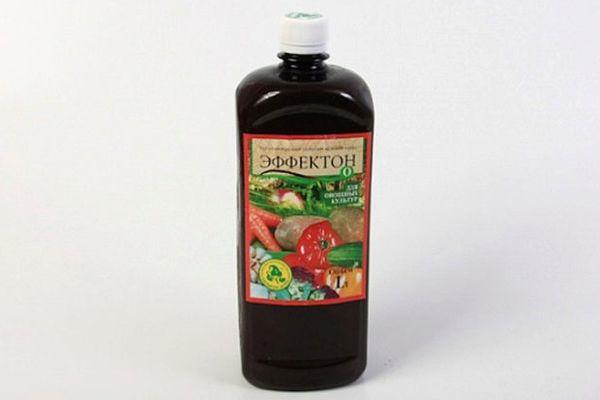
- Yellowing is often caused by a lack of nitrogen or potassium. Fertilizers such as potassium humate, "Effekton", "Kemira".
- Lack of light.
- Dense plantings prevent air and light from reaching the lower parts of the plant. Leaves dry out and wrinkle, and immunity is weakened. The risk of rot and fungal infections increases.
Leaves also dry out due to various diseases, pest attacks, sunburn, root damage, and improper care.
They wrinkle
When cucumber leaves begin to curl, it's another sign of trouble. Causes include the following factors:
- failure to comply with the watering regime;
- the leaves wrinkle due to a lack of nutrients in the soil;
- On cucumbers, you can find wrinkled leaf blades after prolonged exposure to sunlight on the beds;
- If wrinkled leaves begin to turn yellow, dry out, or develop spots, pest attacks and infections should be ruled out.

If an entire vine wilts, water the cucumbers and apply fertilizer. Dry leaves should be removed. All vital processes in them are halted, but they continue to draw nutrients, weakening the plant.

Problems associated with planting and care
Many gardeners grow cucumbers from seedlings. There are several reasons why the leaves on seedlings curl:
- improperly prepared soil (it is recommended to mix garden soil with sand, peat and humus);
- untreated seeds (planting material must be warmed up, disinfected, germinated, and treated with growth stimulants);
- transplanting seedlings into unheated soil (the soil should warm up to +16 degrees);
- damage to roots during picking.
Incorrect care also causes problems during cucumber cultivation: improper watering, fertilizing, and insufficient light.

Cucumber vines require shaping and pinching. This procedure allows for a bountiful, tasty, and nutritious harvest. Staking the vines is recommended to improve access to daylight and oxygen. This also prevents branches from intertwining, reducing the risk of disease.
Weather conditions
Cucumbers are considered heat-loving crops. For healthy underground growth, the ambient temperature should be between 25 and 29 degrees Celsius during the day and 17 degrees Celsius at night.
If the air temperature drops to 10 degrees Celsius, the plant stops absorbing moisture and nutrients, causing the leaves to curl, dry out, and fall off. If the temperature drops to 3 degrees Celsius, the cucumbers die.
In open ground, cucumber leaves can wilt and dry out due to high temperatures. Heat above 32 degrees Celsius is harmful to plants. The leaves dry out, and the pollen becomes sterile.

Hypothermia
Curling and yellowing of cucumber leaves can occur due to prolonged exposure to cold air:
- A sudden return of frost or heavy rain.
- Planting seeds or seedlings in poorly warmed soil.
- Incorrect hardening of seedlings before transplanting to a permanent location.
- Hypothermia can occur as a result of cucumbers growing in a place where there are drafts.
Before planting cucumbers, you need to choose the right location, calculate the timing, and protect the beds from rain and cold, for example, by covering them with film.
Violation of the landing pattern
There are many ways to plant and grow cucumbers. To ensure healthy seedlings, there's one key rule: maintaining proper spacing between seedlings. Cucumbers planted too close together suffer from a lack of daylight and nutrients.
It's best to grow seedlings in individual peat pots, as cucumbers often get sick after transplanting. When planting seeds directly in open ground, a ribbon system is often used. The spacing between rows is 62 cm, and between seedlings, no less than 22 cm.

Several seeds are placed in each prepared hole. As soon as the first pair of leaves appears, the first thinning is carried out, followed by a second thinning 12-14 days later.
In the greenhouse
There are several reasons, Why do cucumber leaves curl in greenhouse conditions? and in greenhouses:
- lack of sufficient nutrients in the soil;
- failure to comply with the norms and rules for applying fertilizers;
- leaves change color when the humidity in the greenhouse is too low;
- leaf curling occurs as a result of lack of moisture;
- lack of regular ventilation of the room;
- attack of insect pests.
It is essential to ensure proper temperature and watering of cucumbers. It is recommended to maintain the air temperature at +21 degrees, humidity at least 85-95%.

You can increase humidity levels in a greenhouse by watering frequently. Both low and high humidity, especially at night, are detrimental to cucumbers. Frequent ventilation can reduce humidity in the greenhouse.
On the windowsill
When growing cucumbers indoors, it's important to ensure all the conditions necessary for normal seedling growth are met. If the leaves on the seedlings begin to curl and turn yellow, problems have arisen:
- The room temperature should be 23 degrees Celsius during the day and can drop to 18 degrees Celsius at night. If the room temperature falls below these limits, it will negatively impact cucumber growth.
- Insufficient soil moisture or excessive waterlogging. If the air is dry, additionally mist the leaves with warm water. Drainage in each seedling container will prevent excess moisture from stagnating.
- Infertile and heavy soil. You can buy potting soil or make your own by mixing garden soil with sand and humus.
- Insufficient light intake causes cucumber leaves on the windowsill to wilt, turn pale, and curl.
Knowing the basic rules for caring for vegetable crops can help prevent many problems.

Incorrect watering
Cucumbers are moisture-loving vegetables, but this doesn't mean they need to be constantly overwatered. Insufficient moisture leads to wilting and brittle leaves. When the soil is too wet, the plant can't absorb oxygen, and fruit formation is poor. Cucumbers ripen bitter due to fluctuations in soil moisture.
Immediately after planting in open beds in spring, cucumbers are watered once every 6-7 days. In summer, the frequency of watering is increased to twice a day. On hot days, it is recommended to water the beds every other day.
It's best to water cucumber beds early in the morning or in the evening. The water should be settled and warm, at least 19 degrees Celsius.
Insufficient watering
Plant problems often arise from a lack of moisture. Missing watering or dry weather can cause leaves to dry out, discolor, and curl.

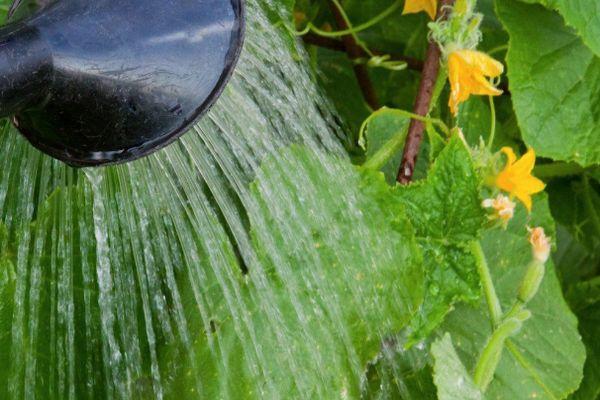
To correct the problem, restore the water balance. Water the soil with warm water until it remains moist to a depth of 11 cm. It is recommended to loosen the soil before watering.
Proper watering of cucumbers will prevent the soil from drying out. Water the beds every three days, or more frequently if there's no rain. Dry air also negatively impacts the leaves, so the necessary moisture is supplied by misting with a spray bottle.
Abundant watering
Overwatering cucumbers causes root rot and fungal diseases. A hard crust forms on the soil surface, preventing the absorption of nutrients.
Cucumbers are watered for the first time a couple of days after planting. After watering, the soil must be loosened. This procedure promotes even distribution of moisture and oxygen throughout the underground part of the plant.
Nutritional deficiencies
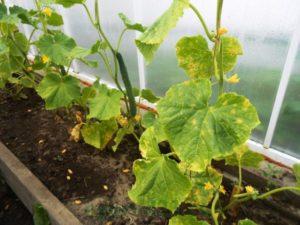
A lack of nutrients can cause a plant's appearance to change. It becomes weak and limp, the leaves curl, turn yellow, and develop stripes and spots.
- In case of deficiency nitrogen The stems are thin and weak, the green mass is sparse and develops slowly. The leaves acquire a pale green color. Ovaries are poorly formed.
- Deficit phosphorus This causes the foliage to take on a bluish tint. If not addressed promptly, the color will turn burgundy. Few ovaries are produced, and those that do develop poorly.
- A deep green color indicates a deficiency potassiumA yellow border appears along the edges. Over time, the entire leaf dries up and falls off. Ovaries are virtually absent.
- Whitish stripes along the veins on the leaves indicate a deficiency calciumOver time, the stripes widen, the leaves wither and fall off.
The plant also develops poorly if there is a deficiency of other microelements, including copper, zinc, boron, and sulfur.
Ammonia burn
Ammonia burn causes yellow spots to appear on the leaf blade, and the edges begin to curl inward. This may be caused by adding fresh manure to the soil or by improperly applying ammonium nitrate.

To solve the problem, remove the added components along with the topsoil. Afterward, cover the beds with fresh soil and water with settled water.
Picking
Pricking out is the process of transplanting young cucumber seedlings into a larger container. Cucumbers have a weak root system, so pricking out must be done carefully. The main reason cucumber leaves start to deteriorate after transplanting is damage to the root shoots.
The first few days after transplanting, the temperature should be 19°C (66°F), and the humidity should be 90%. These conditions will help the plants root more quickly. Four days after transplanting, it's helpful to apply a fertilizer containing superphosphate, ammonium nitrate, and potassium.

Diseases and pests
Cucumbers are often damaged by various infections and pests. The risk of this problem increases as the cucumber plant's immunity weakens due to the following adverse factors:
- a sharp change in air temperature;
- high humidity, overwatering and cold water for irrigation;
- lack of lighting;
- growing cucumbers in a draft;
- violation of crop rotation rules;
- lack of micro- and macroelements necessary for development.
 All these adverse factors significantly weaken the immune system. Growth and fruit set are inhibited, and cucumber leaves curl and dry out.
The main diseases of cucumbers are powdery mildew, anthracnose, white rot, gray rot, root rot, downy mildew, and green or white mosaic. Common pests include melon aphids, spider mites, mole crickets, whiteflies, and tobacco thrips.
Popular remedies for fighting diseases include: Fitolavin, Ridomil, Oxyhom, Fundazol, Topaz, Bordeaux mixture, and Ordan.
There are many medications that can be used to treat bushes that have been significantly damaged by pests: Fitoverm, Akarin, Actellik, and Komandor.

Folk remedies are considered effective. Popular solutions include solutions based on potassium permanganate, wood ash, kefir or whey, baking soda, and salt.
Powdery mildew
The onset of a fungal disease called powdery mildew can be noticed immediately. White spots appear on the undersides of the lower leaves, and the leaf blades themselves may curl. Gradually, the disease spreads throughout the plant, creating the appearance of the vines being dusted with flour.
Cold and rainy weather, overly dense plantings, excess nitrogen in the soil, watering with cold water, and the presence of weeds in the garden bed provoke the spread of the infection.

It's best to cut off and remove affected leaves from the area. If a large area of cucumbers is infected, use treatments such as Trichodermin, Oxychom, Topsin, and Fitosporin.
Root rot
The lower parts of the cucumbers and stems turn brown, the leaves wilt and develop yellow spots, the ovaries are few, dry up and fall off, and the cucumbers develop deformed shapes. Over time, the entire plant wilts and dies.
Increased soil acidity, high humidity, and improper watering using cold water can contribute to the development of the disease.
Biopreparations (Gamair, Integral) help combat the disease, as do solutions based on Trichodermin and Gliocladin. A popular folk remedy is a chalk and copper sulfate mixture.

Viral infection
Leaves curling and turning yellow can be caused by viral infections. The most common viruses are white and green mosaic. Fruit and all parts of the plant become covered in mosaic spots. White or yellow stripes may also be present. Aphids are often the vector.
Bushes infected with viral infections are difficult to treat. It's best to pull out affected seedlings by the roots and remove them from the area. Infected fruit should not be eaten. It's best to replant the remaining seedlings in a new location.
When and how to feed cucumbers
Cucumbers, like other crops, require periodic feeding. Mineral and organic foliar and root applications are suitable.

It is recommended to apply fertilizers and growth stimulants at least four times:
- The first feeding is done two weeks after planting the seedlings in their permanent location. Organic fertilizers include chicken manure, manure, or herbal infusion. Ammophos is a good choice for mineral supplements.
- The second feeding coincides with the onset of mass flowering. Superphosphate, boric acid, and wood ash are used.
- The next feeding is done during the period of active fruit formation. Suitable fertilizers include potassium nitrate, urea, and wood ash.
- After the first harvest, the final fertilizing is carried out to increase the duration of fruiting and the quality of the harvest.
Fertilizing is recommended to be done in conjunction with watering. Moist soil promotes better absorption of all components by the plant.

Preventive measures
Preventative measures will help avoid many problems when planting, growing, and caring for cucumbers:
- When planting, select varieties that can withstand adverse factors.
- The seeds of the selected variety are processed, hardened, germinated, disinfected and heated.
- The soil should be fertile, loose, with a normal acidity level.
- Crop rotation is essential. Don't plant vegetables in the same spot for several years in a row.
- It is recommended to prepare the area for planting cucumbers in the fall.
- Care must be proper. This includes regular watering, fertilizing, weeding, and shaping.
- Preventive treatment of vegetable beds will prevent the appearance of diseases and pests.
Knowing the methods and rules for planting cucumbers, as well as the secrets of caring for the plant, will allow you to reap a bountiful harvest of juicy and sweet fruits at the end of the growing season.
Related posts:
 Description of the best varieties of Chinese cucumbers, planting, growing and care
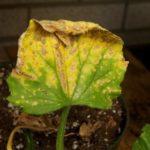 Why cucumber leaves are drying out and what to do, how to treat them in a greenhouse and in the ground
 Description of unusual methods for planting and growing cucumbers
 Why are cucumber leaves turning yellow on the windowsill? What to do and how to treat them?
 How to care for cucumbers in open ground from planting to harvesting
 TOP 30 best determinate cucumber varieties with descriptions
 How to plant cucumbers in open ground under film: timing and cultivation technology
 How and with what to cover cucumbers from the cold in open ground, what to do for protection
The condition of the foliage can tell a lot. Many diseases manifest themselves this way. I would recommend strengthening the seedlings with bioactivators. I've been using "BioGrow".