
Polish-bred cucumber hybrids are distinguished by their resilience when growing in adverse conditions. Cucumbers such as Krak F1, Soplica, Andrus, and others are similar in their fruit appearance and plant characteristics. Producers supply Polish cucumber seeds coated or encrusted, ensuring good germination and protecting seedlings in the early stages of development.
General characteristics of related hybrids
All hybrid varieties bred in Poland are classified as bee-pollinated. This means that they cannot be planted in greenhouses, or the presence of bees indoors is required. However, Polish cucumbers are most often successfully grown outdoors: in warm beds, under temporary shelters, or directly in the garden.
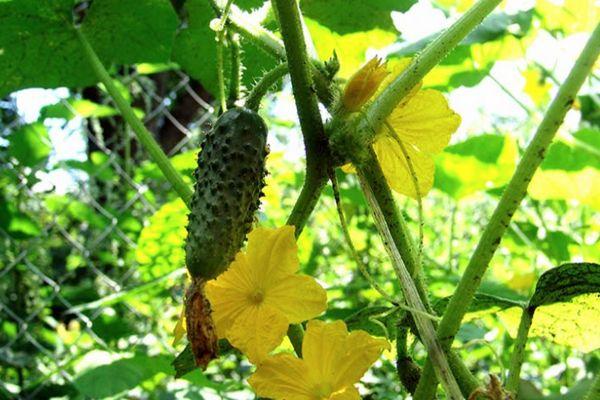
Hybrids produce predominantly female flowers and are characterized by high yields and early maturity. The first cucumbers can be harvested as early as 40-45 days after sowing the seeds. Gardeners note the cucumbers' ability to bear fruit for extended periods. With proper cultivation practices, the fruits can be harvested from the vines right up until the first frost.
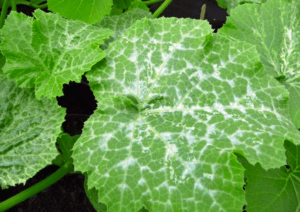
Polish cucumbers are resistant to downy mildew and powdery mildew. Genetic immunity to cucumber mosaic disease prevents crop losses due to this common disease. All hybrid varieties easily tolerate the sharp temperature fluctuations of midsummer, when hot, dry weather is followed by a period of cold rain.
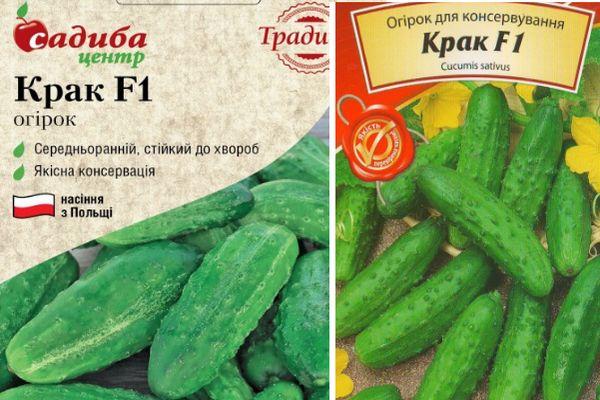
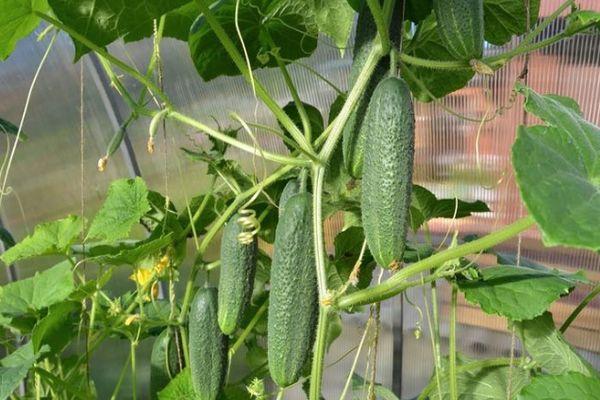
The Andrus F1 cucumber and similar hybrids such as Krak, Soplitsa, Sremsky, and others are gherkin-type varieties. They produce numerous small cucumbers, up to 10-12 cm long and weighing approximately 90 g. The cylindrical fruits, only 2-3 cm in diameter, do not curl even when overripe and retain their attractive appearance for a long time.
Cucumber skin is thick, but barely noticeable when eaten fresh. It reliably protects the cucumbers from wilting during transportation and storage. Cucumbers retain their shelf life for several days after picking and can be stored in the refrigerator for up to 7 days at home.

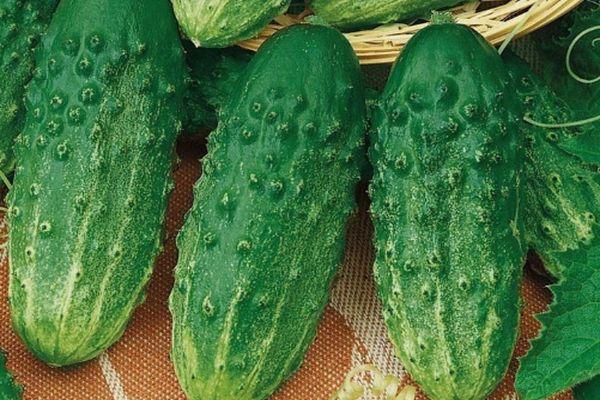
The skin is dark green. All Polish varieties have a noticeable lighter area at the top of the fruit and thin, light-green stripes. The bumps are moderate, becoming less noticeable as the fruit grows. They are adorned with blunt, light-colored spines.
The inside of the fruit is white or slightly greenish. The seed chamber occupies two-thirds of the fruit's diameter, but no seeds form within it. Most of the capsules remain empty. The flesh is crisp and juicy. Gardeners may describe the fruit's flavor as follows:
- cucumber Sremskiy F1 has a neutral taste and delicate aroma that does not interrupt the smells of other ingredients in a salad or appetizer;
- Krak is a hybrid with a distinct aroma and sweetish flesh;
- cucumber Titus F1 is good for canning, gherkins reach only 8 cm in length;
- Andrus and Soplitsa are varieties with light-colored cucumbers, sweet flesh with a crisp, firm consistency.
All varieties are distinguished by a complete absence of bitterness in taste, even under unfavorable conditions.
Gherkin hybrids are versatile. Fresh cucumbers are delicious sliced and in salads, and make a wonderful addition to gourmet appetizers. They are an essential ingredient in okroshka, Korean-style kuksi, and cold soups, while overripe cucumbers can be used to make refreshing drinks.
To preserve cucumbers longer, they are cold-pickled with a small amount of salt. Lightly pickled cucumbers are just one option for summer preserves that aren't preserved for long periods. You can also make Korean cucumbers, pickles, and other snacks that don't last longer than 1-2 weeks.
Gherkins are ideal for winter storage: calibrated small cucumbers are suitable both in a vegetable platter and in a separate jar. They can be included in a vegetable salad or appetizer; there are also Lecho with cucumbers recipes.
Take a look Also
Agrotechnical rules
The choice of growing method depends on the desire for an earlier or later harvest of gherkins. Many gardeners plant gherkin varieties outdoors for winter preservation. Polish varieties of bee-pollinated cucumbers are the best choice for this purpose.
Given the early maturity of the Krak, Andrus, Soplitsa, and other hybrids, in central Russia, sowing can be done later, waiting until the soil warms to 15°C at a depth of at least 10 cm. For planting, add 1 bucket of humus, 500-600 g of wood ash, and ground chalk per 1 m².
If necessary, ash and humus can be replaced with complex mineral fertilizers containing nitrogen, phosphorus and potassium (universal ammophoska, nitrophoska, Agricola Vegeta, etc.).
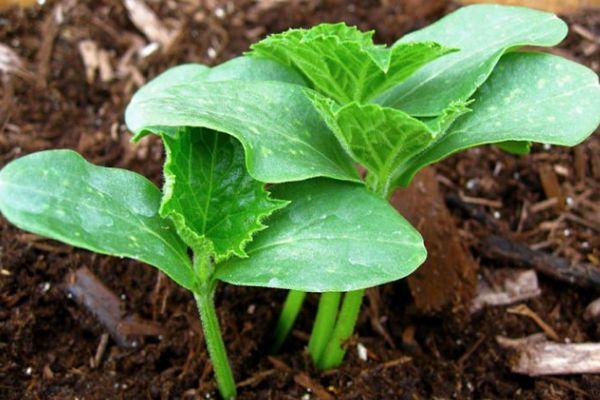
The additives should be distributed over the soil and then thoroughly dug over, mixing them with the nutrients. No more than 4-5 cucumber plants should be planted per square meter. To ensure germination, the seeds can be sown more frequently, placing 6-7 holes per square meter. After germination, some of the plants can be carefully transplanted with a root ball: cucumbers can tolerate transplanting well when they have 1-2 true leaves. However, the germination rate of Polish seeds is quite high, so gardeners can get the desired number of cucumbers without any additional efforts.
Soaking, treating, or sprouting Polish seeds is not recommended. They are coated with a coating of growth stimulants and nutrients essential for sprout development, and any manipulation will wash off the protective layer with water. Sowing should be done dry to ensure all the nutrients from the seed coat are absorbed into the seedbed. The only thing the amateur gardener will need is patience, as the cucumbers will take a little longer to germinate.
To ensure guaranteed results, many gardeners prefer to grow seedlings. This helps save some time on seed germination. To grow cucumber seedlings, use small (up to 0.5 liters) plastic cups or paper pots, which will soak in the garden and allow the roots to grow laterally.
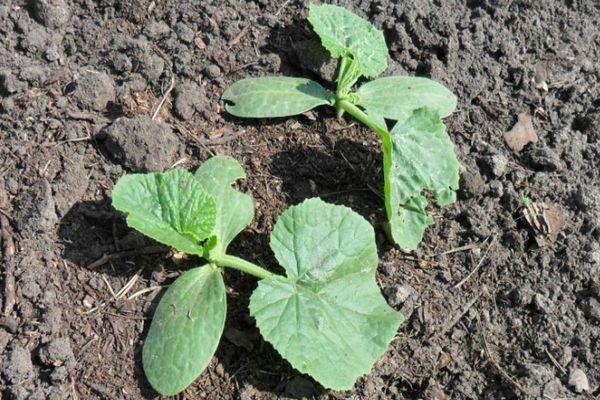
Sow seeds individually in containers at a depth of 2-3 cm. In a warm location (25°C), seedlings will emerge within 1 week. During this time, monitor soil moisture: it should not dry out more than 0.5 cm deep. Water with warm, settled water. These cucumbers can be transplanted into the garden bed when they have 1-4 true leaves, carefully removing the root ball from the plastic cup or planting them with the paper husk.
In a properly prepared bed, young plants only require watering until flowering. If desired, the vines can be tied to a trellis and trained. However, in open ground, cucumbers are most often allowed to grow freely on the beds. During flowering and fruiting, it is advisable to fertilize with wood ash or a phosphorus-potassium mixture every 2-3 weeks. Nitrogen fertilizers should not be used during this period.
Related posts:
 Description of the best varieties of Chinese cucumbers, planting, growing and care
 TOP 30 best varieties of cold-resistant cucumbers with descriptions and characteristics
 Description of the best varieties of bee-pollinated cucumbers, rules for their formation and care
 TOP 10 recipes for quickly preparing lightly salted crispy cucumbers using cold and hot methods in a saucepan
 Description of unusual methods for planting and growing cucumbers
 How to plant cucumbers in open ground under film: timing and cultivation technology
 Growing cucumbers in open ground and greenhouses in the Leningrad region and varieties
 35 Best Powdery Mildew-Resistant Cucumber Varieties with Descriptions