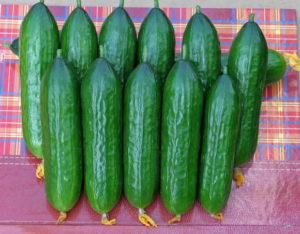
The Peterburgsky Express F1 cucumber is included in the State Register of Breeding Achievements and is intended for indoor cultivation. This variety is characterized by excellent adaptation to low temperatures and maintains fruit set under extreme conditions. The fruits are used in culinary pickling.
Features of the hybrid
The ultra-early cucumber variety "Petersburg Express" is a first-generation hybrid and begins bearing fruit 38-40 days after germination. The variety's description indicates high productivity and fruit set, regardless of weather conditions.

This cold-hardy hybrid shows no growth inhibition during short-term spring frosts. One to three ovaries form per node. The indeterminate bushes are characterized by vigorous growth, weak branching, and a moderate amount of foliage. The leaves are large, deep green, and slightly wrinkled. Restricting the growth of lateral shoots simplifies care.
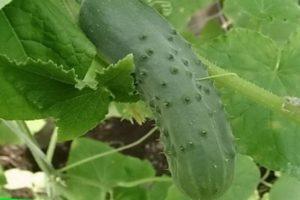
These cucumbers are pollinated by bees and have a predominantly female flowering type. This variety is suitable for cultivation in garden plots, homesteads, and small farms using plastic covers. The cucumbers are cylindrical, with blunt tips and medium-sized bumps on the surface. The fruits are dark green, with light stripes extending up to a quarter of the way down. The flesh is crisp, firm, and without bitterness.
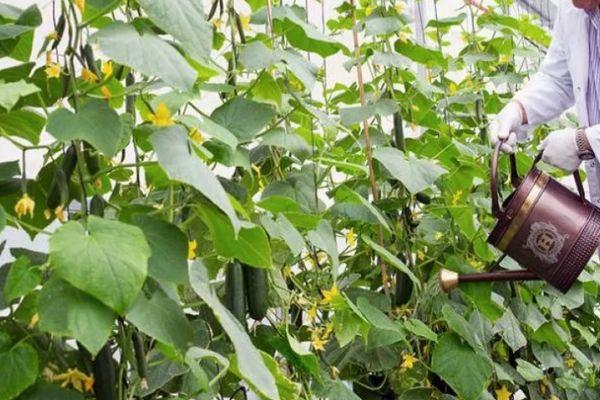
The ovaries are arranged in clusters at the nodes. Cucumbers are 10-12 cm long and weigh up to 80-83 g. The yield reaches 12.5 kg per square meter. The hybrid's characteristics indicate resistance to bacterial blight, root rot, and powdery mildew. The cucumbers are highly marketable. Gourmet reviews indicate that the pickled cucumbers retain their firmness and crunch when eaten.
Methods of growing cucumbers
Vegetable growers' feedback indicates that in cooler climates, cucumbers are best grown using seedlings. Planting time is calculated based on the climate of the growing region.
Seeds for seedlings are sown in the first half of April at a depth of 0.5-1 cm. For this, use 10 cm diameter pots filled with a potting mix. This mix includes:
- humus - 2 parts;
- turf soil - 1 part;
- washed river sand - 1 part.
To ensure the uniform emergence of seedlings and the formation of strong seedlings, it is important to maintain an optimal air temperature of +20…+24°C during the day and +16…+18°C at night.
For seedlings, use full-weight seed material. To protect the seeds from disease and speed up germination, it is recommended to soak them in an aloe vera juice solution.
Before planting, moisten the soil evenly. Excess water can cause the soil to become acidic, which can negatively impact the quality of the seedlings.
After emergence and throughout growth, maintain the air temperature at no less than 14°C. During seedling formation, apply one to two applications of nitrogen-rich mineral fertilizer.
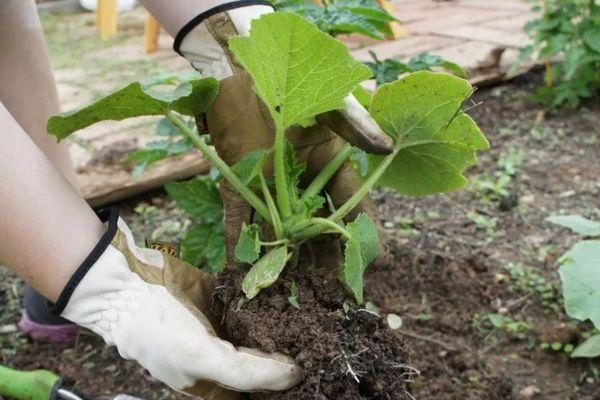
After the formation of 3 true leaves, add soil to the container up to the level of the cotyledons, which helps strengthen the root system.
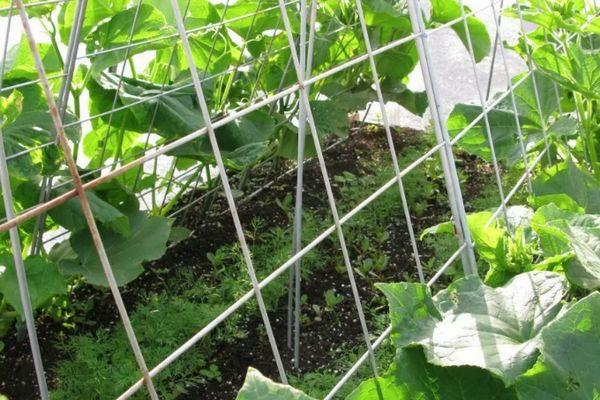
Seedlings are transplanted into the ground 15-20 days after the threat of spring frost. Plants are spaced 30-35 cm apart and 50-60 cm between rows. When planting, the cotyledons are positioned at ground level. When growing indoors, plants are tied to a trellis.
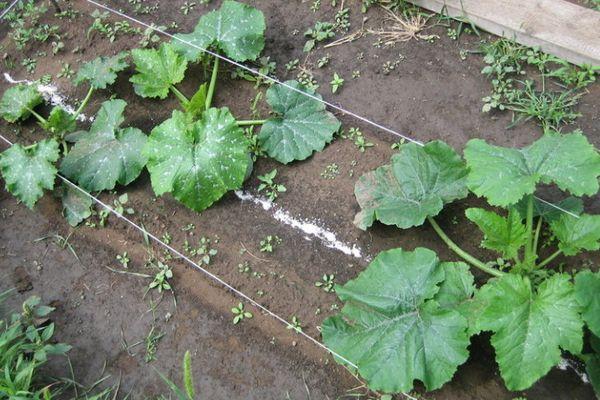
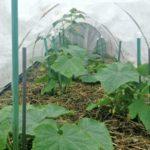
Seeds can be planted directly into the soil in a permanent location. Optimal results are achieved by growing the crops under a double layer of polyethylene film or a special covering material.
Cucumbers are sown outdoors in late May. The soil should be loose, as airy as possible, and neutral in pH. Seeds are planted at a depth of 1-2 cm. The plot allocated for cucumbers should be in a sunny location.
Rules for caring for the crop
When growing cucumbers, it's important to consider the characteristics of the hybrid variety. The Petersburg Express variety requires a system of agricultural practices.
Cucumbers' root system is located in the surface layer of soil. Care for the crop involves loosening the soil, which must be done carefully to avoid damaging the roots. This ensures air access to the root system and regulates soil moisture.
Watering of plants is carried out with warm water after sunset. Drip irrigation is the optimal method of water application. Water the crop generously, at least three times a week.
When growing a hybrid in sandy soil, water more frequently, using less water. On clay soil, water more frequently, applying less moisture. If flowering is delayed, reduce the frequency and volume of watering.
Cultivation includes weeding. Mulch (fiber, wood shavings) can be used to prevent weed growth.
Fertilize once every 7-10 days with organic and mineral fertilizers. The first application of complex fertilizers is done two weeks after planting the seedlings in the greenhouse.
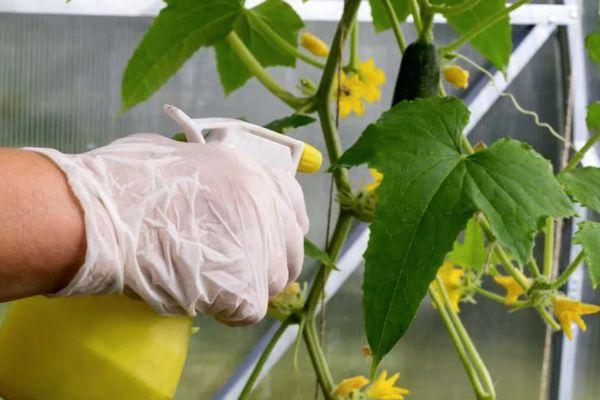
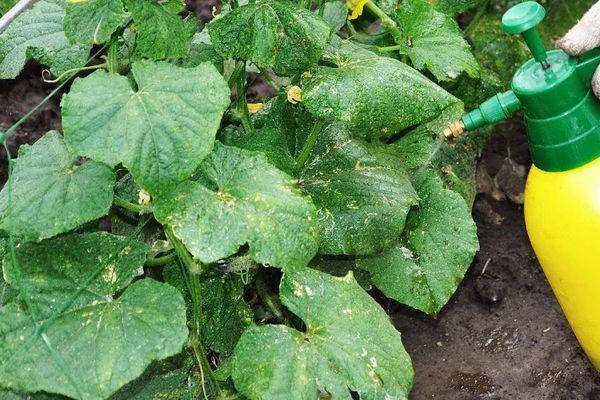
To prevent fungal diseases and biological pests, preventative measures are taken. It's important to remember that cucumbers planted under plastic film require pollinators. Harvesting should be done promptly, every other day.
Related posts:
 TOP 30 best varieties of cold-resistant cucumbers with descriptions and characteristics
 Description of the best varieties of Chinese cucumbers, planting, growing and care
 How to prepare pickled cucumbers in adjika for the winter without sterilization and Caucasian style: recipes
 35 Best Powdery Mildew-Resistant Cucumber Varieties with Descriptions
 The best eggplant varieties for growing in a polycarbonate greenhouse: planting and care
 TOP 10 recipes for quickly preparing lightly salted crispy cucumbers using cold and hot methods in a saucepan
 How to plant cucumbers in open ground under film: timing and cultivation technology
 How and with what to cover cucumbers from the cold in open ground, what to do for protection