
- Description of the insect
- Signs of cucumber damage
- What harm does it cause?
- Pest control methods
- Mechanical method of destruction
- Making a trap
- Proven folk methods
- Soap
- Garlic
- Yarrow
- Dandelion
- Biological methods of population destruction
- Chemical treatment
- How to treat a greenhouse for insects
- Preventive measures
Whiteflies on cucumbers are dangerous insects that feed on plant sap and quickly destroy the crop. Timely removal of the pest preserves the harvest and protects not only cucumbers but also other crops growing in the same area.
Description of the insect
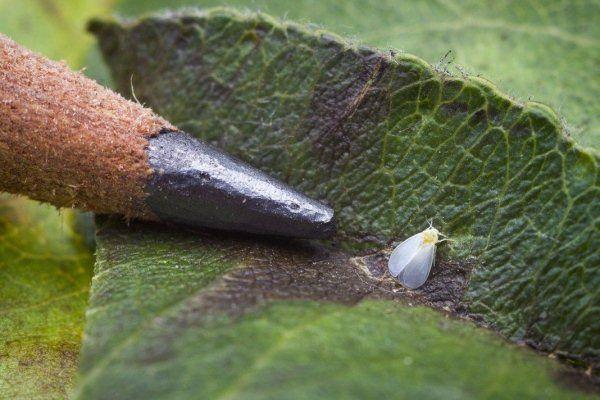
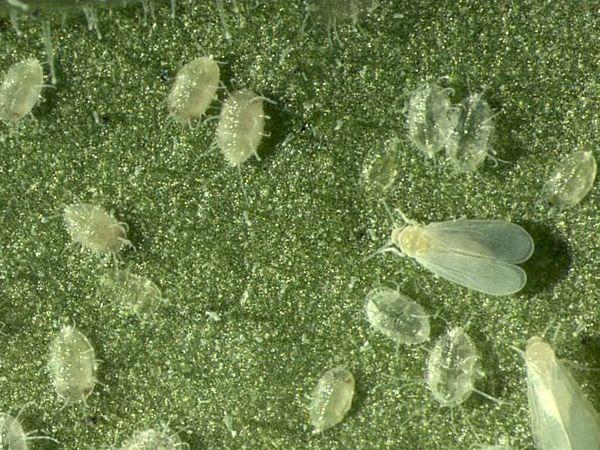
The insect is small and resembles a moth. The pest is white with yellow in color and no larger than 3 mm. It most often resides on the underside of plant leaves, so in some cases it may not be detected promptly.
It reproduces with light green eggs, which reach up to 0.2 mm in size, making them difficult to spot with the naked eye. The eggs gradually turn brown, and after 10 days, the larvae hatch. At all stages of development, the larvae feed on plant sap, which very often leads to the death of the crop.
Signs of cucumber damage
To spot pests in your garden early, regularly inspect your cucumber plants. Symptoms of a whitefly infestation include:
- small light-colored midges can be seen flying over the beds;
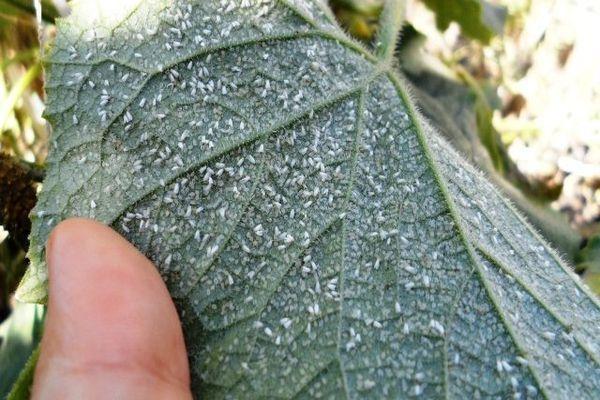
- the presence of scales on cucumber leaves, which are the larvae of the pest;
- the appearance of a sticky layer on the leaves of the plant;
- the appearance of small black spots on leaves and stems, which occurs as a result of the pest's waste products;
- the plant develops slowly;
- the leaves turn yellow and become spotted.
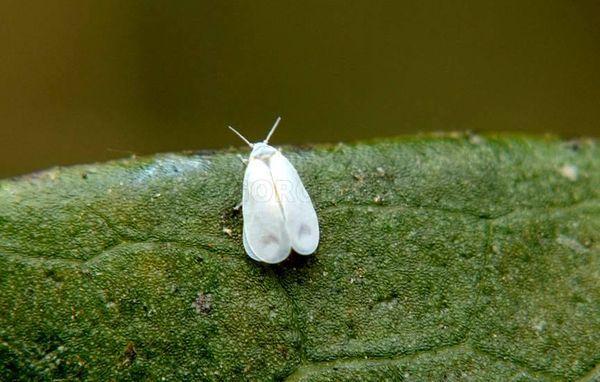
Whitefly can reduce yields and lead to complete destruction of the crop.
Important: Whiteflies reproduce very quickly. They can infest large areas within a few weeks and migrate from infected plants to healthy ones.
What harm does it cause?
Whitefly can cause the following significant damage:
- feeding on the sap, it causes the leaves to fall;
- damages inflorescences and reduces the number of formed fruits;
- by secreting a sticky liquid, it provokes the development of fungus and the formation of new diseases;
- attracts other pests such as ants;
- leads to the drying out of the bush.
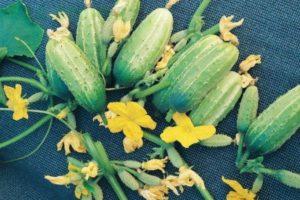
Pests can spread to other crops and increase in number by laying eggs.
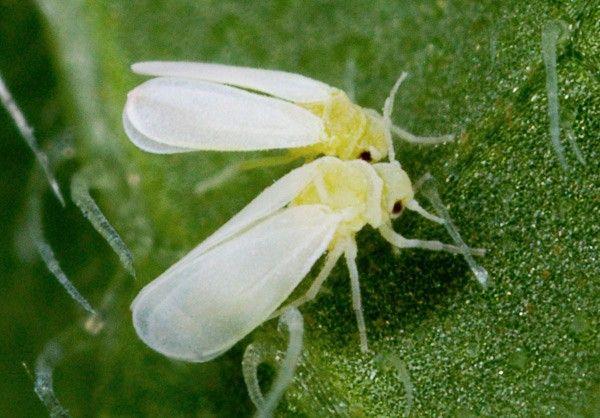
Pest control methods
There are many methods for eliminating pests. The choice of method depends on the number of insects infested.
Mechanical method of destruction
This method is used when pests appear in small numbers. Insects are collected by hand, and the leaves are wiped with a mild solution of laundry soap. In some cases, sticky fly traps are used in greenhouses.
Making a trap
One effective method of controlling whiteflies is to create special traps. To do this, follow these steps:
- the plastic plate must be painted bright yellow or orange;
- After drying, the plastic is covered with an adhesive substance; you can use homemade glue;
- A light is installed on the plate and the trap is suspended above the cucumbers.
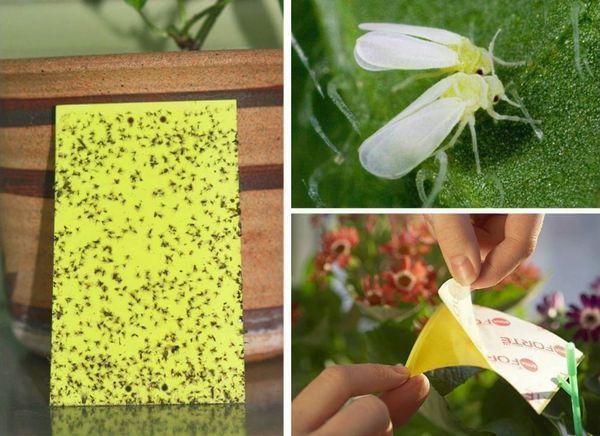
You can make a greenhouse trap that can be used at night. To do this, you'll need:
- make holes in a small box;
- the light bulb must be painted yellow and placed in a box;
- a vessel with water is placed under the light bulb;
- The light bulb is plugged into the network and attracts pests.
Such traps allow you to eliminate pests without harming the plant.
Proven folk methods
If whiteflies appear on cucumbers, you can use folk methods that have repeatedly proven their effectiveness.
Soap
This method completely eliminates insects. Use laundry soap. To prepare, follow these steps:
- the soap is grated (100 grams);
- dissolves in warm water (6 liters);
- The resulting solution is sprayed on the green part of the plant.
The solution is applied once a week, with a repeat spraying done after a week. For larger infestations, a small amount of the solution can be applied to the soil.
Garlic
This method repels the pest with its scent and kills the larvae. To prepare the solution, peel 100 grams of garlic and crush it with a garlic press. Place the garlic in half a liter of water and leave it in a dark place for 3-4 days. After this time, strain the infusion and spray the bushes at a ratio of 5 grams of garlic infusion per liter of warm water.

Yarrow
The leaves of the fresh plant are used. 100 grams of leaves are crushed and steeped in one liter of water. The infusion is sealed and left for two days. Then, it is strained and sprayed on each plant every few days.
Dandelion
To treat cucumbers against insects, use dandelion, including the rhizome and inflorescence. Rinse the plant with warm water, grind it in a meat grinder, and add a liter of water. Let the infusion sit for several days, then strain it and spray the crop once a week.
Biological methods of population destruction
To avoid damaging the crop, you can use biological methods. To eliminate whiteflies, you can use the following methods:
- Introduce insects: ladybugs and lacewings, which feed on whiteflies.
- Plant marigolds and calendula. These plants repel pests with their scent.
- Purchase Verticillin, a product containing strains of fungus that destroy pests and does not cause harm to plants or human health after use.
The use of biological methods is permissible when the insect appears in small numbers.
Chemical treatment
When asked how to quickly get rid of pests on cucumbers, many gardeners cite popular chemical treatments for the crop.
Among the most popular drugs, the following should be noted:
- "Aktara" is used to eliminate larvae and adult insects. The crop is sprayed once every few weeks.
- "Akarin" is sprayed on the plant. The insect consumes particles of the substance along with the sap and dies.
- "Admiral" is used in cases where the pest appears in large numbers, allowing for quick elimination of the insect and protecting the crop from re-infestation.
Chemicals can have a negative impact on the plant's condition, so it is recommended to read the instructions before starting treatment.
How to treat a greenhouse for insects
To prevent the harmful insect from returning next season, follow these recommendations:
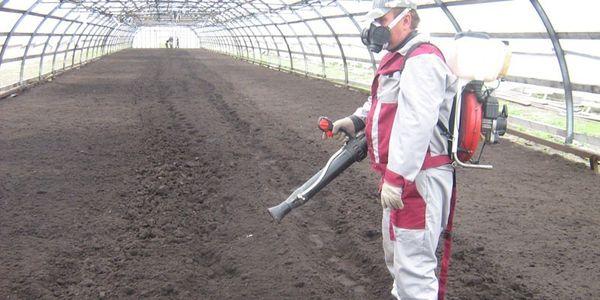
- In the autumn, all the soil in the greenhouse should be thoroughly dug over.
- All plants, leaves and branches are removed from the greenhouse and burned.
- In winter, it's necessary to freeze the greenhouse, removing all coverings. This method will eliminate the larvae and eggs of all possible pests.
- Treat the greenhouse frame with lime solution, and all other parts with copper sulfate.
All tools and film coverings must be treated before a new batch of seedlings is planted in the greenhouse.
Preventive measures
To reduce the risk of insect infestation, the following preventative measures should be taken:
- Carefully inspect all materials and objects entering the greenhouse. Larvae are often brought in by gardeners themselves.
- Use sticky fly traps throughout the greenhouse to prevent the spread of the pest.
- Do not store compost in a greenhouse.
Using pest control methods in a timely manner helps maintain the health of seedlings.
Whiteflies can damage large areas of cucumbers in a short period of time. At the first sign of symptoms, it's necessary to use specialized pest control products and infusions. It's also important to remember that whiteflies damage not only cucumbers but virtually all crops.
Related posts:
 Causes of phylloxera in grapes, control measures with drugs and folk remedies
 How to control onion flies using natural and chemical methods
 How to get rid of scale insects on plum trees and the best methods of control
 Diseases and pests of home lemons, treatment options, and solutions
 Description of turnip pests and their control using folk and chemical methods
 Which pests are eating cucumber seedlings in a greenhouse, what to do, and how to treat them?
 How to propagate and grow peas, cultivation technology, and care in open ground
 How to plant grapes step by step, with a description of the process and care