
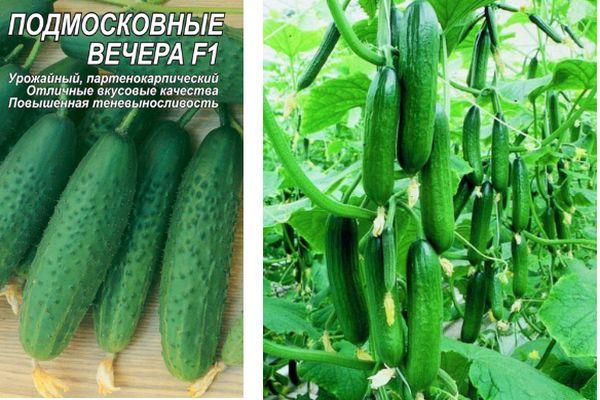
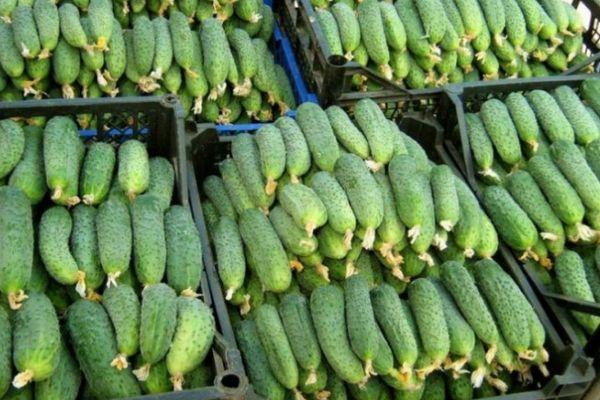
The Podmoskovnye Vechera F1 cucumber belongs to a group of hybrids intended for cultivation in open fields and plastic greenhouses. It is used fresh, in salads, and other dishes. The fruits can be transported over any distance. Some housewives salt and pickle them for the winter.
Some information about the plant and its fruits
The characteristics and description of the variety are as follows:
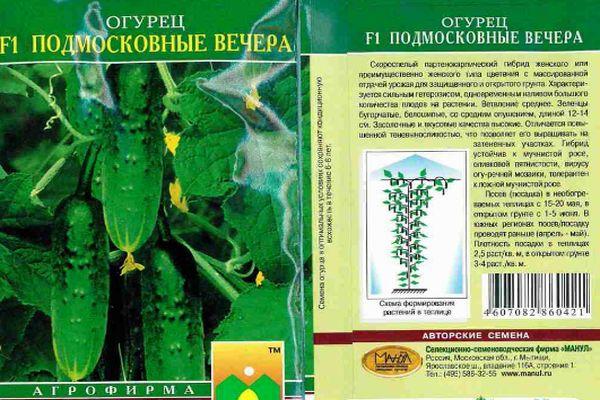
- The hybrid's growing season, from germination to full-fledged fruit, lasts 42-45 days. Pollination is not required.
- The height of the bush (main stem) is 1.5-2 m. Cucumbers of the described type have female flowers.
- The plant forms cluster ovaries (from 1 to 3 pieces per node).
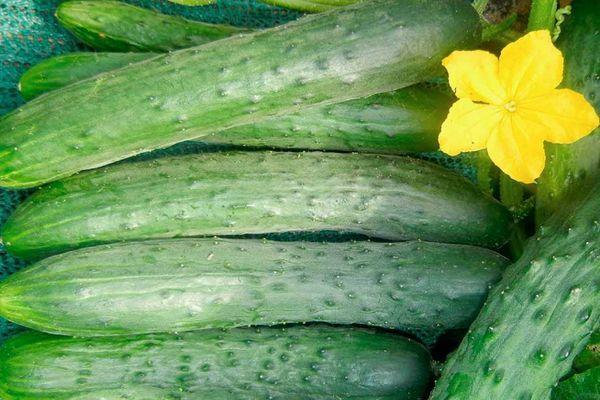
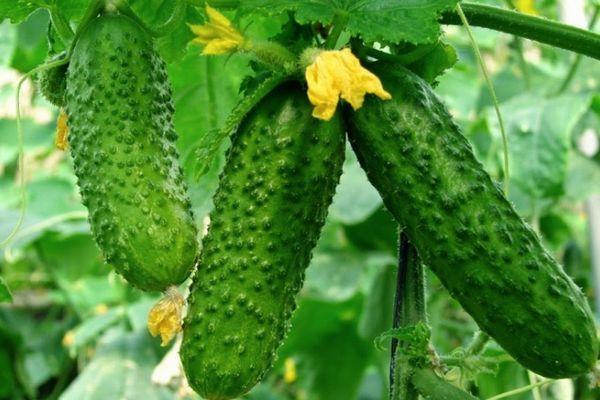
- The cucumbers are dark shades of green. The surface of the fruit has few bumps, but there are white spines.
- Cucumbers weigh from 90 to 110 g, and the length of the fruit reaches 120-150 mm with a diameter of 30 mm.
Reviews from gardeners growing the hybrid indicate that the yield of cucumbers from this variety is 13-16 kg per square meter of garden bed. Farmers note that the hybrid is resistant to most cucumber diseases. The plant produces fruit over a long period. Although most cucumbers prefer good light,
Evenings in the Moscow region easily tolerate some shade. Open-field cultivation is common in Russia's southern regions. Film greenhouses are common in central Russia. In the Far North and Siberia, the hybrid is grown in greenhouse blocks equipped with heating systems.
How to grow in your own backyard?
First, you need to grow the seedlings. The seeds are disinfected and then sown in trays filled with soil. The seeds are placed at a depth of 20 mm. After the sprouts emerge, they are fed with organic fertilizer and watered with warm water. When the seedlings are 20 days old, they are transplanted to permanent beds. The sprouts should have 4-6 leaves. The hybrid planting pattern is 0.5 x 0.5 m.

The plant can be grown using the following means:
- Bags or plastic bags.
- Shelter method of cultivation.
- Using inclined trellises.
In the first case, plastic bags with a capacity of over 100 liters or regular canvas bags are used. They are filled with prepared soil (peat, sand, or humus). A 200 cm long stake is driven into the center of the container. Short plastic watering tubes are installed around it. Three plants are planted in each bag or bag.
Three stakes are driven in around each improvised bed. A fishing line is stretched across them, and the free end is secured to a tall stake driven into the center of the bag. The plants will rise up on the fishing line.
When growing the hybrid using the tent method, seedlings are planted in a circle 180-200 cm in diameter. A tall stake with hooks attached to it is driven into the center. A small stake is installed near each bush, around which one end of a fishing line is wound, and the other is tied to a hook on the pole. The plants' tendrils cling to the fishing line and rise.
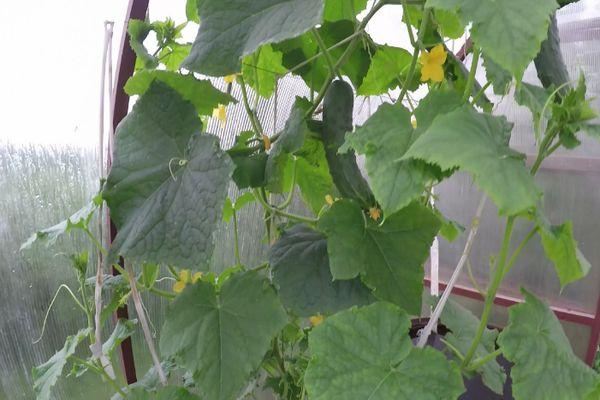
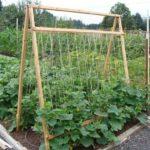
When using inclined trellises, the bushes are planted in narrow beds in two rows running parallel to each other. Tall stakes are driven into the ground at the beginning and end of each row. They are installed at an angle. All four stakes are connected by a long horizontal rod, from which a taut line is lowered to each plant. The bushes are secured to the rod by tendrils and grow upward.
Caring for growing bushes
It's recommended to water the plants in the evening, after sunset. Use water heated by the sun in a barrel. It's recommended to water the hybrid generously.
Fertilize the bushes once every 8-10 days. Initially, nitrogen fertilizers are used. After flowers appear, fertilizers are applied with potassium and phosphorus mixtures. When the first fruits form, it is recommended to switch the hybrid to mineral fertilizers.
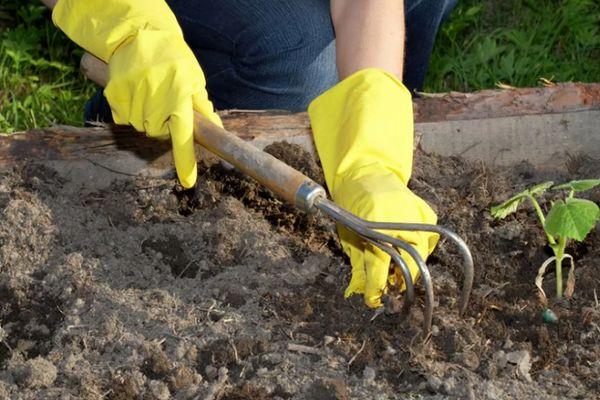
The soil is loosened 1-2 times a week. This improves aeration of the hybrid's root system and helps get rid of parasites living on the plant roots.
Weeding eliminates the risk of young seedlings becoming infected with fungal infections transmitted from weeds to cultivated vegetables. It also eliminates dangerous garden pests that thrive on weeds. Weeding should be done once a week.
If dangerous pests such as aphids, mites, or flying insects appear in your garden, treat the leaves and stems of your plants with chemical pesticides. It's also recommended to treat the hybrid with copper sulfate or a soap solution. Folk remedies, such as infusions of onion peels or garlic, can be used to kill insects.
Related posts:
 Description of the best varieties of Chinese cucumbers, planting, growing and care
 Description of unusual methods for planting and growing cucumbers
 TOP 30 best determinate cucumber varieties with descriptions
 TOP 30 best varieties of cold-resistant cucumbers with descriptions and characteristics
 How to care for cucumbers in open ground from planting to harvesting
 How to make a cucumber trellis with your own hands from scrap materials
 Is it possible to soak treated cucumber seeds before planting and how to do it correctly?
 How to properly plant cucumber seedlings in a greenhouse and care instructions