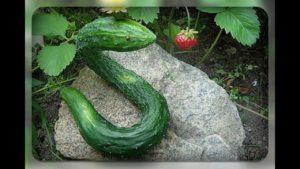
Garland cucumbers were developed by Russian breeders who aimed to create a variety that would meet all farmers' requirements, including being suitable for sale.
Description of the Garland variety
This tomato is a medium-sized bush with few branches. The variety description indicates that, unlike other cucumbers, Garlanda F1 does not require constant side shoots, while some varieties require weekly pruning of unwanted shoots. The leaves are relatively small and richly green. Three to five flowers form in each leaf axil, with empty flowers very rarely forming.
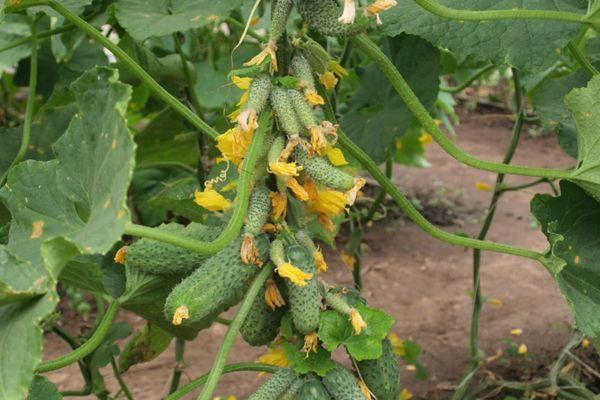
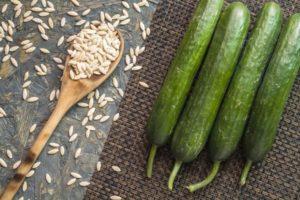
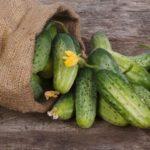
The fruits of this variety have white fluff and numerous small tubercles. They are characterized by a cylindrical shape and a rich green color.
The characteristics of the ripe cucumber Garland F1 are as follows:
- length - about 12 cm;
- the diameter can reach 3.5 cm;
- weight does not exceed 115 g.
Gardeners note that this cucumber variety has a good cucumber flavor and is suitable for eating fresh, slicing in salads, and pickling.
Specifics of growing cucumbers
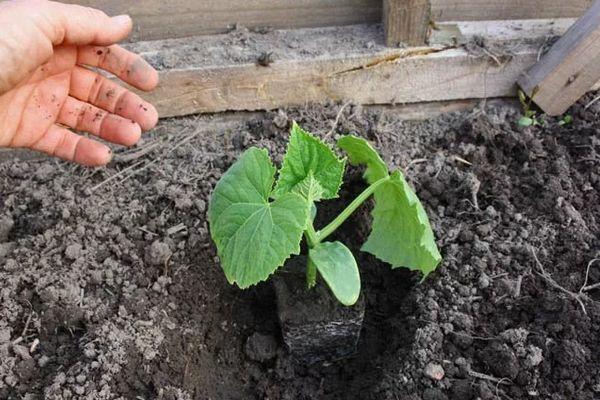
Let's look at how to grow this cucumber variety. Unlike other varieties, the Garland F1 cucumber variety doesn't require any special care. Growing this cucumber is quite simple: it can be planted in open ground, greenhouse blocks, or hotbeds.
This variety will produce equally well in any conditions. It is primarily grown in the central and southern regions of Russia, but many gardeners in the northern regions choose to grow this variety locally and are also pleased with the yield.

If you're planting Garland cucumbers in a greenhouse, you can plant a maximum of 5 plants per square meter. If you're planting outdoors, it's best to conserve space and plant no more than 3 plants per square meter. Experts recommend training the plant into a single stem, removing side shoots.
In addition, experienced farmers recommend getting rid of the flowers that form in the axils of the first two pairs of leaves.
If you're growing this variety outdoors, you can expect your first harvest within a couple of months of the initial shoots appearing. Harvesting can continue until mid-autumn. If you're growing the vegetables in a greenhouse, the harvest period will be shorter. Cucumbers grown in greenhouses can yield up to 12 kg per 1 m², with about 95% of the fruit being sold.
It's important to note that Garland is immune to a number of common diseases, including powdery mildew and cladosporiosis. Some diseases, such as cucumber mosaic, may still affect the plant, but this does not affect its yield.
Let's consider the pros and cons of each variety. Before choosing a cucumber for planting, it's important to familiarize yourself with its positive and negative qualities.
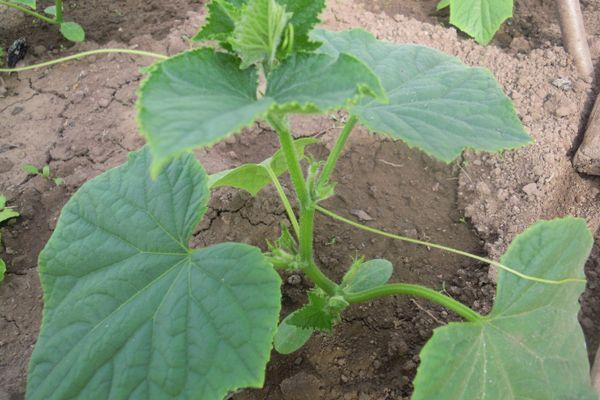
The garland has the following advantages:
- Good and balanced taste.
- Easy to grow.
- Quite a high yield for such an unpretentious plant.
- A high percentage of ripe fruits, which is convenient for sale on the market.
- Resistance to a number of common diseases.
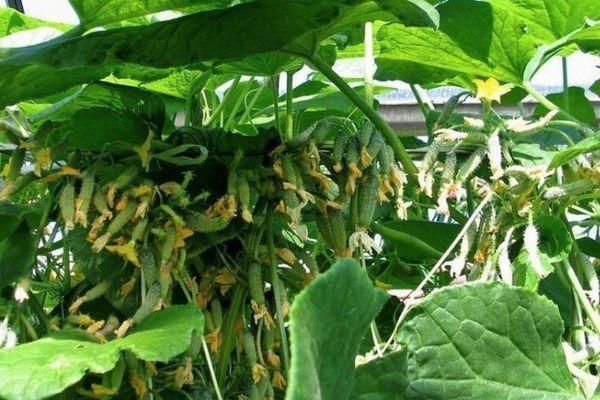
This variety also has some negative qualities that should be taken into account when choosing and cultivating cucumbers:
- Relatively late harvest period.
- Quite low yield compared to a number of other varieties.
Gardeners' reviews of this variety are mostly positive. The negative qualities don't deter gardeners, as for many, the key factor is the lack of intensive care required. Farmers who grow this variety generally speak highly of it, citing the excellent yield and high-quality fruit.
Related posts:
 Description and how to plant the Garland strawberry variety
 Description of the Siberian Garland cucumber variety, cultivation and formation
 The best grape varieties for growing in the Urals, planting and care rules in summer
 When to plant cucumbers in open ground in Siberia, how to grow them, and the best varieties
 Description of the Velika grape variety, cultivation and care tips
 Description of the best potato varieties of domestic and foreign selection
 The ripening time of grape vines by variety, how to speed up the process, and what to treat the plant with
 How to propagate and grow peas, cultivation technology, and care in open ground