
- Climatic conditions of the region
- What varieties are recommended for Siberia?
- Early varieties
- Mid-season
- High-yielding crops
- Cucumbers for open ground
- Varieties for greenhouses and hotbeds
- Self-pollinating varieties
- Bunch cucumbers
- The best varieties for Krasnoyarsk
- Planting a plant in open ground and in a greenhouse
- Selecting varieties
- Preparing the seeds
- Sowing patterns and technology
- Timing and rules for planting seedlings
- How to care for bushes
- Watering and fertilizing
- Weeding and loosening the soil
- Formation of the whip and pinching
- Insect and disease control
- Tips from experienced gardeners on growing cucumbers in Siberia
Cucumbers love warmth and sun, but growing this popular crop in Siberia is challenging due to the climate. A good cucumber harvest in Siberian open ground is only possible by strictly following agricultural practices. Breeders have helped Siberian gardeners by creating cucumber varieties with short growing seasons and increased cold tolerance. Let's look at which varieties are suitable for growing in the region and how to get a bountiful harvest in open ground.
Climatic conditions of the region
Summer arrives late in Siberia, and temperatures can drop significantly in late spring and early summer, which heat-loving cucumbers don't like. Many gardeners in Siberia prefer to use greenhouses to grow cucumbers to ensure a consistent harvest.
But you can grow cucumbers without a greenhouse, and many gardeners get wonderful cucumbers in the open ground.
Important: one of the necessary conditions for good growth and fruiting of cucumbers is the choice of a site for the beds.
In conditions of not too hot, short summers and the return of cold weather, this is one of the conditions for success. How to choose a location for beds:
- It's best to choose south-facing slopes for cucumber beds, with protection on the north side. A shed or fence can be used to block the cold air flow from the Arctic. It's important that they don't shade the bushes.
- You shouldn't choose low areas where water flows; the soil doesn't warm up for a long time, and puddles form.
- The area should be in the sun all day.
- The cucumber beds are arranged from west to east to ensure illumination throughout the day.
Choosing the right one place for planting cucumbers, you can help them grow and develop without much effort. Cucumbers don't tolerate drafts, so a sheltered area provides comfortable conditions for the plants.
What varieties are recommended for Siberia?
Breeders have come to the aid of gardeners by creating hybrids and varieties that take into account the key characteristics of Siberian weather and enable a good cucumber harvest. The resulting cucumbers are comparable in quality to those grown in warmer regions.
The main breeding requirements for Siberia are a short growing season, a uniform harvest, and increased cold tolerance. Siberian gardeners have adopted many cucumber varieties developed for the central and northern regions, whose climates are hardly better than theirs.
Let us note two companies specializing in the production of seeds for the region: “Semena Altaya” and “Sibirsky Sad”.
Early varieties
Every gardener strives to get an early cucumber harvest, and popular varieties help them achieve this:
- Alliance is one of the early bee-pollinated varieties, the weight of cucumbers is up to 115 grams, they are stored and transported well;
- Altai early - fruits appear in 38-50 days, juicy and sweet;
- Muromsky 36 – cucumbers ripen in a record 36-40 days, while being distinguished by a sweet taste and small size (6-8 centimeters);
- April – the cucumbers grow up to 15-22 centimeters, do not turn yellow, and up to 22 kilograms are collected from a square meter;
- Herman – the cucumbers do not grow larger than 100 grams, cylindrical in shape.

Early varieties are popular in Siberia, as there is little hope for a long summer.
Mid-season
Mid-season cucumbers can be considered the final season crop in Siberia. Planting late varieties is not advisable, as they won't have time to grow and ripen outdoors.
Let's note the popular varieties and hybrids of mid-season ripening - Rafael, Stepnoy, Konkurent, Athlete, Topolyok, Edinstvo.
High-yielding crops
The following varieties are considered the most productive for Siberia:
- Summer resident;
- April;
- Firefly;
- Brigantine;
- Gusto;
- Champion.
Many types of cucumbers produce a good harvest with proper care.
Cucumbers for open ground
The following varieties produce good yields and tasty cucumbers in open ground conditions in Siberia:
- Altai;
- Miranda;
- Apogee;
- Gusto;
- Brigantine;
- Serpentine;
- Claudia;
- Cascade.
Most gardeners begin growing their plants in greenhouses, and after the final arrival of summer, they transfer the bushes to open-air cultivation.
Varieties for greenhouses and hotbeds
Many varieties of cucumbers are successfully grown in greenhouses and hotbeds in the Siberian region:
- Amur;
- Orpheus;
- Courage;
- A present;
- Adam;
- Annushka;
- Patty;
- Northerner;
- Masha;
- Anyuta.
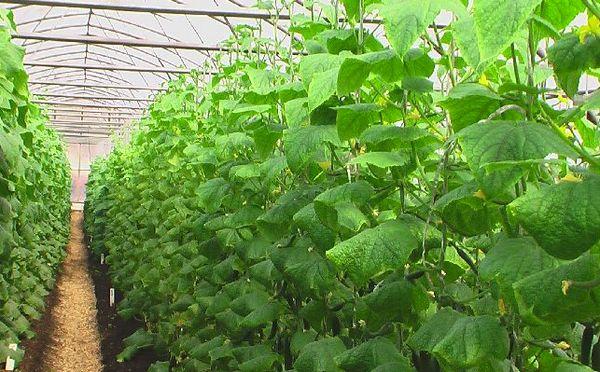
Greenhouse cultivation reduces dependence on the vagaries of the weather.
Self-pollinating varieties
Among the self-pollinating varieties, we highlight the best and most popular among gardeners:
- April. The fruits are large – up to 22 centimeters, weighing 250 grams, not bitter, with up to 12 ovaries per node;
- Alliance. Yield: up to 17 kilograms per square meter, with cucumbers weighing 120 grams;
- Emelya. Vigorous bushes, weight – 110-150 grams;
- A friendly family. The harvest is ready in 48 days, the green fruits are up to 90 grams, firm and juicy;
- Alex. The fruit has small bumps, weighs up to 90 grams, tastes sweet, without bitterness;
- Amur. Small cucumbers (9 centimeters); used for pickling and fresh.
The hybrids German, Artist, and Garland also have good taste qualities.
Bunch cucumbers
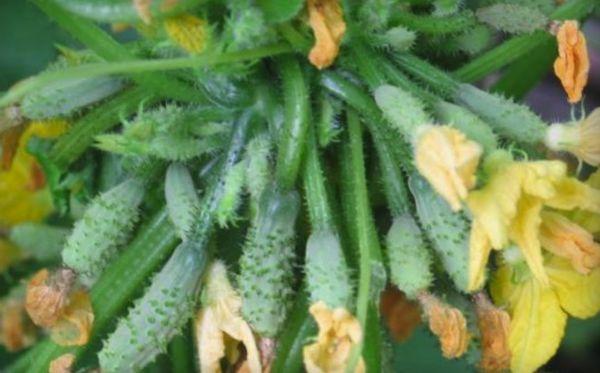
Cucumbers that form clusters of ovaries are popular with gardeners. Let's highlight the best varieties and hybrids:
- A friendly family - they grow up to 12-12 centimeters, there are 4-8 ovaries in a bunch, there is no bitterness;
- Labyrinth – ripens in 40 days, number of ovaries – up to 5;
- Hit of the season. Cucumbers – 12 centimeters, in a bunch – 3-6;
- Ant;
- Grasshopper;
- Bouquet.
The harvest is easy to collect, which is why all gardeners love these varieties.
The best varieties for Krasnoyarsk
The following varieties made it onto the list of the most convenient to grow in the region, as well as the most productive and tasty:
- Muromsky. Ripens in just 35-45 days, ideal for pickling;
- Zozulya. The main advantage is high yield; the fruits are long and tasty, without bitterness;
- Herman is suitable for any growing method and is resistant to diseases typical for the Siberian region;
- Altai. Greens are ready in 38-50 days; productive, excellent taste;
- Klavdiya. This variety is beloved for its early and abundant harvest, and its ability to be used fresh and for preserves.
In Krasnoyarsk, varieties developed for warmer regions are often successfully grown.
Planting a plant in open ground and in a greenhouse
For the Siberian region, it's important to choose the optimal planting time to avoid freezing the seedlings while ensuring the desired growing season. The short summers make it difficult to grow late-ripening varieties.
Let's highlight the main conditions for successful cucumber growth:
- the average daily temperature should be above 15°;
- soil acidity – above pH 5.6;
- Heavy loamy soils slow down the growth of green parts and lead to root rot; the soil needs to be lightened with peat and sawdust;
- Covering the soil with mulch, dark fabric or film warms the roots and improves vegetation.
Take a look Also

When humidity is high, the roots rot, the plant is affected by fungal infections, and the soil requires drainage.

Selecting varieties
Many gardeners prefer to choose Siberian-bred varieties and hybrids, which are ideally suited to their conditions. But don't limit yourself to these; you can also plant other varieties with shorter ripening times.
According to ripening time, two types are suitable: early and mid-season. Bush cucumbers – low-growing, many value them for their consistent harvest and conservation of planting space. Parthenocarpic varieties are popular in Siberia because they produce fruit well in greenhouses. In cold conditions and with few bees, they also produce fruit well in open ground.
Most summer residents plant 3-4 varieties, annually replacing 1 familiar variety with a new hybrid.
Preparing the seeds
You should buy seeds from reputable producers. Most popular cucumbers are hybrids, so you won't be able to obtain seeds yourself. You'll have to rely on seed companies.
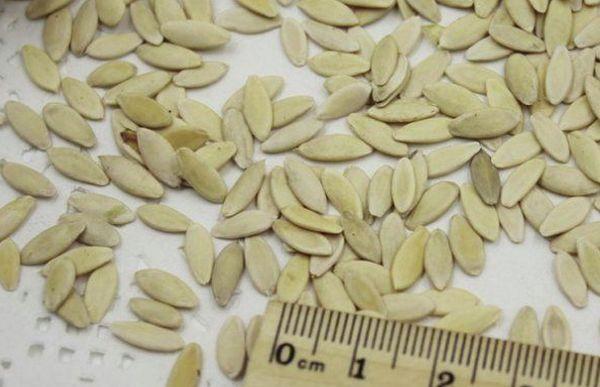
Before planting, the seeds are sorted, and damaged, chipped, small, and those that differ in appearance from the main mass are discarded.
Germination is tested in a glass of salt water; empty seeds float to the surface. Hardening is also common in Siberia. Before planting, the seeds are disinfected in a bright solution of potassium permanganate.
Sowing patterns and technology
In open ground, cucumbers are best grown in raised beds. The soil takes a long time to warm up, and waiting for it to thaw completely is a waste of time. The top layer of soil is removed, and the removed soil is cleared of roots, weeds, and larvae.
Walls are made of planks to hold the soil in place, and a layer of soil mixed with sawdust, leaves, tops, pine branches, and hay is added. The removed soil, lightened with peat, is then returned to this mound. The prepared bed is covered with a dark cloth to warm it. The soil is also prepared for planting seedlings in the greenhouse.
The best planting method for Siberia is seedling preparation. The plant begins to develop in a warm and comfortable environment, gaining strength and greenery. The initial stage of development is unaffected by weather conditions.
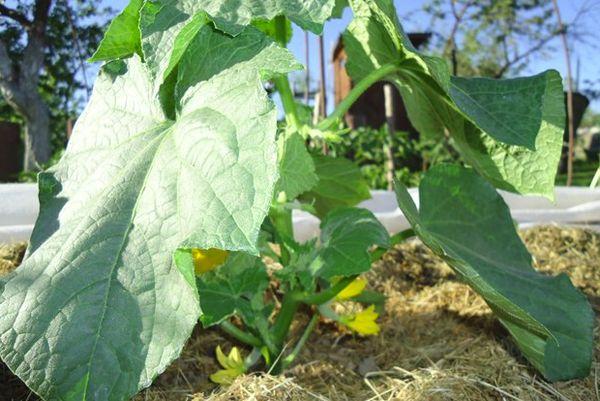
Beds are made in single or double rows. The distance between the holes depends on the size of the plant and ranges from 35 to 50 centimeters. When planting in double rows, the distance between paired rows is 50 to 60 centimeters. The distance between rows is 80 to 90 centimeters.
When growing horizontally, that is, horizontally, you need to provide space for the stems, which will climb, branch, and take up a large area. When tying to a trellis, you need to prepare the material for its construction in advance.
Timing and rules for planting seedlings
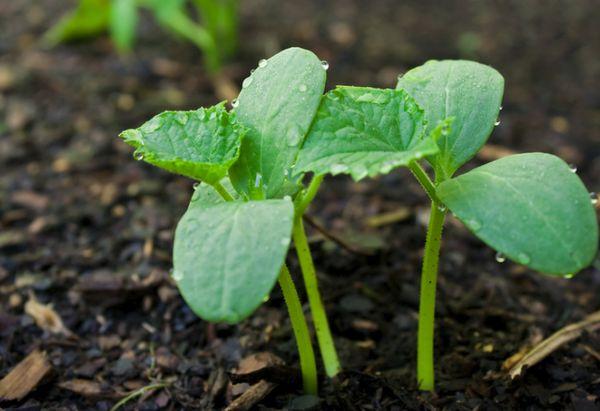
For seedlings, prepare containers with fertile soil; the seeds are germinated in damp cloth or planted dry. The seeds are buried 2-3 centimeters into the soil, watered, and covered with insulating film.
Planting in heated polycarbonate greenhouses begins in mid-April. Cucumbers should be planted outdoors after May 15, when the danger of severe frost has passed. The most productive way to quickly harvest cucumbers outdoors is to install hoops and cover the beds with plastic to provide constant warmth.
Important: the area for planting cucumbers must be changed regularly; the best crops that grow to cucumbers are tomatoes, legumes, and cabbage.
How to care for bushes
Cucumbers need to be cared for throughout the season, fertilizing regularly and ensuring the plants are disease-free. Following proper cultivation practices increases yields, resulting in juicy, tasty, and bitter-free cucumbers.
Watering and fertilizing
Cucumbers don't like either too much or too little moisture. Water them 2-3 times a week, and daily while the cucumbers are growing. During heavy rainfall, stop watering and ensure proper drainage to prevent root rot. The soil should be kept moist, and the cucumbers should be watered sparingly.
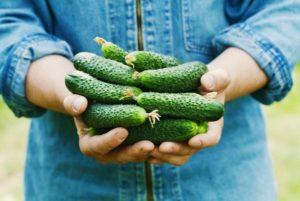
Fertilizing provides the necessary nutrients and gives cucumbers the strength to set fruit and grow cucumbers. The first feeding is done 2-3 weeks after planting, when the plants begin to grow, and then regularly, every 10 days. Typically, a combination of complex mineral fertilizers with potassium and phosphorus is applied, along with organic matter (chicken manure, chicken manure).
Weeding and loosening the soil
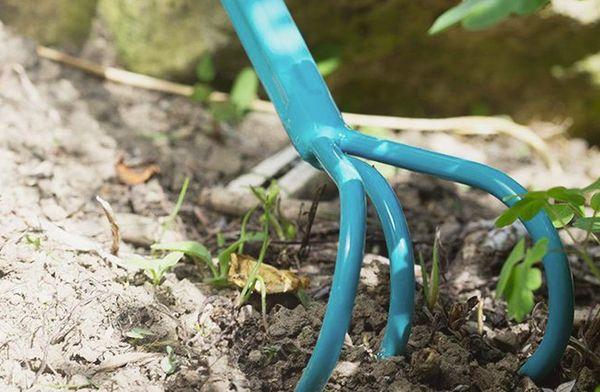
The soil under cucumbers is loosened when the top layer of soil has dried out. It's also important to remove weeds, which carry diseases. Loosening the soil enriches the root system with oxygen. Mulching is a good care aid. It prevents weed growth and prevents the soil from drying out. The organic matter, when dug, acts as fertilizer.
Formation of the whip and pinching
Bushes are easy to shape when grown on a trellis. Managing vines in horizontal beds is difficult, as there's a risk of breaking stems and damaging ovaries.
Pinching rules:
- removing shoots from the leaf axils when the sprout has grown to 5 centimeters;
- cutting off lower leaves;
- removal of shoots and ovaries from the 3 lower nodes.
Some gardeners practice pruning the upper part of the bush, which allows lateral stems with female flowers to grow.
Insect and disease control
Throughout the season, monitor the plants' condition to detect diseases and pests early. Preventatively treating bushes with fungicides is helpful to prevent the development of fungi, such as powdery mildew and various types of rot.
Bushes are sprayed with copper sulfate and other fungicides. Insecticides are used against pests (aphids, spider mites).
Important: growth stimulants and fertilizers help increase cucumbers' resistance to disease.
Tips from experienced gardeners on growing cucumbers in Siberia
Experienced gardeners offer the following advice on growing cucumbers in Siberian conditions.
Igor
"I spent several years trying to grow cucumbers in open ground in the Krasnoyarsk region. I couldn't get a consistent harvest, sometimes there was nothing at all. I built a polycarbonate greenhouse myself, following a description. Now I can plant any variety; the cucumber yield depends entirely on care."
Inna
"Here in Siberia, cucumbers are conveniently planted in open ground for those who spend all their time at their dacha, can cover and remove the plastic, and monitor the temperature. For everyone else, a large harvest can only be achieved in a greenhouse."
Valentina
"Our soil is heavy, so we go into the pine forest, collect pine debris, and use it to lighten the soil. Cucumbers are growing much better now. We choose cucumber varieties based on feedback from our neighbors, taste them, and monitor the yield."
Many Siberian gardeners manage to harvest a bountiful crop of their favorite crop. Cucumbers are not only eaten fresh; with the right variety and careful care, they yield plenty of vegetables for pickling and canning. The quality of Siberian cucumbers is in no way inferior to those grown in warmer regions.
Related posts:
 TOP 30 best determinate cucumber varieties with descriptions
 TOP 30 best varieties of cold-resistant cucumbers with descriptions and characteristics
 Top 50 Best Cucumber Varieties for Polycarbonate Greenhouses with Descriptions
 Description of the best, most productive and new varieties of cucumbers for 2025
 Description of the best varieties of pickling and barrel cucumbers for greenhouses and open ground
 Description of the best varieties of bee-pollinated cucumbers, rules for their formation and care
 Description of the best early-ripening cucumber varieties for open ground and greenhouses
 Description of the best varieties of Chinese cucumbers, planting, growing and care