
- Advantages and disadvantages of early cucumber varieties
- Ultra-early ripening cucumber varieties
- Semcross
- Puccini F1
- Delpina F1
- Foreman F1
- Roma
- Advance F1
- Moscow dandy
- Ataman F1
- Kids
- Saracen F1
- Baby
- Maresa
- Daria F1
- Wonderful Wonderful F1
- May
- Nightingale
- Barvina
- A bunch of grapes
- Gypsy
- Karaoke
- Bonus
- Dasha
- The best early ripening varieties of cucumbers
- Corinna
- Zador F1
- Meringue F1
- Little Raccoon
- Herman F1
- Recommended cucumber varieties for open ground
- Fontanelle F1
- Competitor
- Ant F1
- Masha F1
- Erofey
- April F1
- The best varieties of cucumbers for greenhouses and hotbeds
- Emelya F1
- Alekseich F1
- Murashka F1
- Tom Thumb
- F1 Benefit
- How to plant and care for early varieties and hybrids of cucumbers
- In open ground
- In the greenhouse and hotbeds
Early-ripening cucumber varieties for open ground boast a long list of advantages. By following proper agricultural practices, you can grow a bountiful and high-quality harvest. It's best to initially select varieties that boast high resistance to adverse factors, strong immunity, and low susceptibility to pathogens and pest attacks.
Advantages and disadvantages of early cucumber varieties
For early varieties of cucumbers, the period from the emergence of young shoots to the beginning of fruit formation lasts from 33 to 45 days.
The main advantages of early maturing varieties of vegetable crops include:
- the ability to harvest the first fruits after just 1.5 months;
- many varieties have high resistance to spring frosts;
- are distinguished by increased resistance to summer cold snaps;
- the cucumbers are smooth, dense, without voids or bitter taste;
- increased resistance to many diseases;
- versatility of use;
- The harvested crop can be transported over long distances.
Some care nuances can be considered as disadvantages. The bush must be trained and a support must be installed to support the stem.
Ultra-early ripening cucumber varieties
Cucumber varieties that are characterized by early harvesting are popular among vegetable growers.
Semcross
This variety begins bearing fruit early. It takes no more than 42 days for the first seedlings to emerge. Bees must be provided with access to the plants to ensure pollination. It is resistant to many diseases. Firm, fruit-bearing fruits form in any weather, without a bitter taste.

The fruit weighs 86 g and is no more than 98 mm long. The skin is covered with sparse tubercles with dark spines and light stripes.
Puccini F1
The description notes that the hybrid belongs to the parthenocarpic group of plants, with an indeterminate growth pattern. It produces few shoots, and the ovaries develop in clusters. The plant has good resistance to pathogens.
The fruits begin to ripen evenly. The oval-cylindrical cucumbers reach 11.6 cm in length and weigh 78 g. The bumps on the surface are clearly visible.
Delpina F1
This vegetable is considered ultra-early and parthenocarpic. The harvest time is only 38 days. It can be grown both indoors and outdoors. The bush is low-growing, indeterminate, and has a medium vine growth rate. Almost all planted seeds germinate well. Ovaries form in clusters of up to 8. It has good drought tolerance.
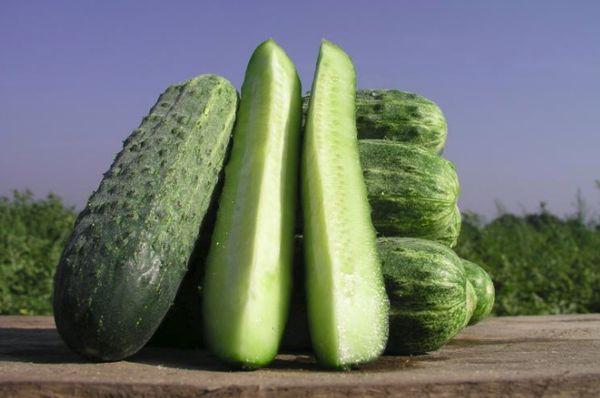
The fruits are cylindrical in shape with noticeable ribbing on the surface and weigh 87 g. The dark green skin is covered with light stripes and slight pubescence.
Foreman F1
The Brigadier variety begins to bear fruit after 1.5 months. Bees are required for pollination. The plant tolerates adverse conditions well and rarely gets sick. The bush is medium-sized, with moderate branching. The ovaries form in clusters.
The cylindrical fruits reach 11.3 cm in length and weigh 95 g. The surface is covered with large, sparse tubercles with black spines.
Roma
This variety is beloved by vegetable growers for its high yield of dense, sweet cucumbers. The fruit is 11.2 cm long. The plant is bee-pollinated and ripens early. It begins bearing fruit after 1.5 months. It is rarely susceptible to infection.

Advance F1
A super-early parthenocarpic hybrid. It begins bearing fruit in 37 days. The bush is vigorous and tall, with few branches. Ovaries are clustered in six-piece clusters. The cylindrical surface of the fruit is covered with frequent tubercles with whitish spines. They are 10.9 cm long and weigh up to 115 g.
Moscow dandy
This variety requires bees for pollination. A bountiful harvest can be harvested in 40 days. The cucumbers grow up to 10.6 cm long. The dark green skin is covered with small light stripes and bumps with brown spines. The plant is highly resistant to disease.
Ataman F1
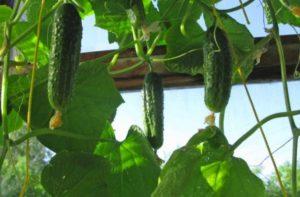
The growing season of Ataman F1 cucumbers lasts only 41 days. Up to five uniform fruits grow in each leaf axil. A strong immune system protects against diseases. The cucumbers grow up to 14.7 cm long and weigh 135 g. Small bumps are clearly visible on the dark green skin.
Kids
This hybrid is pollinated by bees and will delight you with an early harvest. The first fruits can be harvested in 40 days. The short, round-cylindrical fruits are covered with small, dense tubercles.
Saracen F1
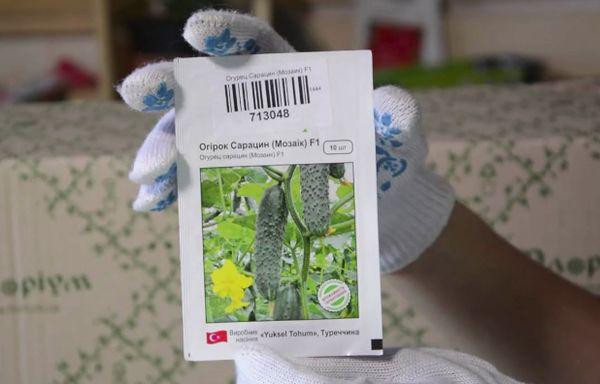
Vegetable growers prefer the Saracen variety for its short growing season, high yield, and strong immunity. Fruiting begins on the 36th day. The fruits are uniform and firm, no longer than 13.6 cm. A single leaf node contains up to five cylindrical fruits with tubercles and whitish pubescence.
Baby
The Krokha cucumber variety is a bee-pollinated variety with early ripening. The first fruits can be enjoyed in 41 days. The characteristics note high resistance to infections and inclement weather.
The fruits are a regular, oval-elongated shape, with large tubercles and whitish pubescence. The gherkins reach up to 14.7 cm in length and weigh 87 g.
Maresa
This hybrid is renowned for its abundant harvest. It is characterized by parthenocarpic pollination and early maturity. The plant is resistant to a wide range of diseases. The stem height is 240 cm, with few shoots.
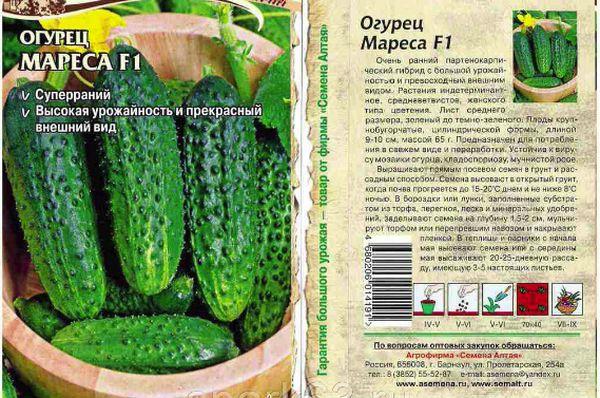
The oval-cylindrical cucumbers reach 12.8 cm in length and weigh 63 g. The dark green skin is covered with small tubercles.
Daria F1
The hybrid cucumber variety Daria produces numerous fruits per branch. The plant is parthenocarpic and early maturing. The fruits begin to ripen in 37 days. The vines grow up to 240 cm. The cucumbers are cylindrical, with frequent tubercles, and are 10.7 cm long.
Wonderful Wonderful F1
The plant's vines stretch up to 260 cm, producing numerous lateral branches. It belongs to the parthenocarpic category of vegetable crops. The first fruits will appear in just 38 days. The fruits are small, covered with small tubercles. The cucumbers are 11.4 cm long and weigh up to 128 g. A bountiful harvest is produced in any weather.
May
The Maysky cucumber variety is ready to harvest after 44 days. The plant is bee-pollinated and highly productive. Diseases rarely attack this hybrid. Cucumbers grow up to 17.5 cm tall and can weigh up to 160 g. Large bumps with whitish spines appear on the skin.
Nightingale
This cucumber variety is pollinated by bees. The harvest begins early. The first fruits are harvested after 44 days. The bush is medium-sized, with the main stem reaching up to 164 cm.
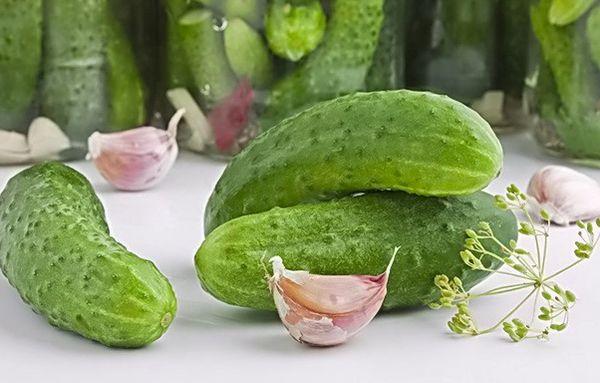
The cucumbers are characterized by an elongated cylindrical shape and large, sparse, dark-haired bumps on the skin. The fruits are no more than 10.7 cm long and weigh 77 g.
Barvina
This early-ripening and productive vegetable is ready for harvest in just 1.5 months. Fruiting lasts a long time. The plant has parthenocarpic pollination. The stem is medium-sized, with few shoots. The cucumbers are 11.2 cm long and weigh 87 g. The dark green surface is marked with short, light stripes and a faint, light-colored pubescence.
A bunch of grapes
The grape cluster begins bearing fruit in 42 days. It is characterized by a long period of formation of a large harvest. Reviews note that the plant tolerates cold and light shade well. Up to 11 fruits are formed per node.
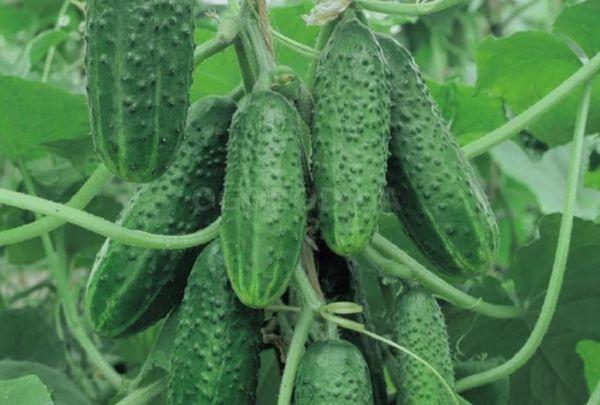
The cucumbers are small, oval-cylindrical in shape, no more than 7.3 cm in length, and weigh no more than 73 g. The surface is slightly ribbed and has large whitish spines.
Gypsy
This hybrid variety produces fruit early, pollinated by bees. It is highly resistant to many pathogens. The young fruits are no larger than 11.2 cm and weigh 96 g. The fruit is cylindrical, with large bumps and dark spines visible on the skin.
Karaoke
This vegetable has an early ripening period and produces a bountiful harvest. Harvesting begins after 37 days. It is a parthenocarpic plant with indeterminate growth habit. It is rarely susceptible to infection.

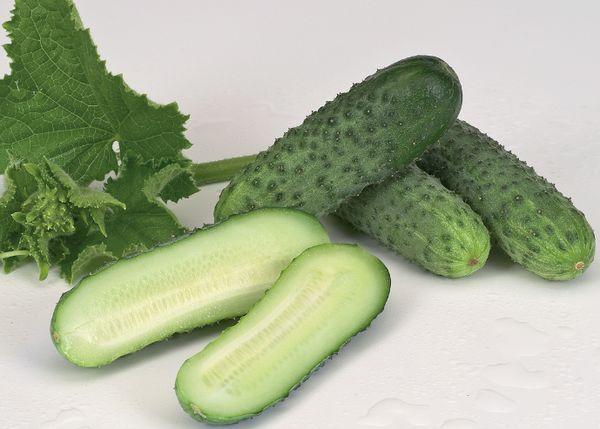
The cylindrical cucumbers reach 12.3 cm in length and weigh 84 g. The dark green surface is covered with light stripes and large tubercles with dark spines.
Bonus
This parthenocarpic variety begins to produce fruit in 38 days. The bush is characterized by indeterminate growth and few branches. It is rarely susceptible to infection.
The cylindrical cucumbers are short, no more than 11.6 cm long. The fruits weigh 132 g. The green skin is covered with large tubercles with white pubescence and light stripes.
Dasha
This early hybrid is pollinated by bees. The growing season lasts 45 days. The main stem of the bush reaches 240 cm. The oblong-cylindrical cucumbers weigh 96 g. Their dark green surface is marked with short stripes, small tubercles, and whitish pubescence.

The best early ripening varieties of cucumbers
Gardeners prefer to plant early cucumber varieties to avoid a long wait for the fruit to ripen. Furthermore, this group of vegetables requires little maintenance.
Corinna
This hybrid belongs to the parthenocarpic group of plants, producing large crops. The bush grows up to 182 cm tall. The gherkins are no more than 9.6 cm long. The dark green skin is covered with small tubercles with light-colored spines.
Zador F1
The growing season lasts 37 days. The plant has an indeterminate growth habit and is highly resilient. Few lateral branches are produced. The cylindrical fruits are no more than 9.4 cm long. The thin skin features light stripes, large, closely spaced tubercles, and light-colored fuzz.
Meringue F1
The early-ripening Meringue is a popular vegetable among vegetable growers. It reaches maturity in 35 days. Fruiting is long and abundant. The hybrid has parthenocarpic pollination. The fruits weigh 67 g and grow up to 12.8 cm in length. The dense, dark green skin is covered with small, densely spaced bumps with whitish spines.
Little Raccoon
The hybrid belongs to the parthenocarpic category of plants. Fruits begin to ripen in 41 days. Ovaries form in clusters of several. The yield is high, and the fruits ripen evenly. The cucumbers are oval-cylindrical in shape. They grow up to 8.4 cm in length and weigh 79 g.
Herman F1
The best early variety with parthenocarpic pollination. The first fruits begin to ripen after 36 days. Ovaries are arranged in clusters of seven. The plant has a determinate growth pattern.
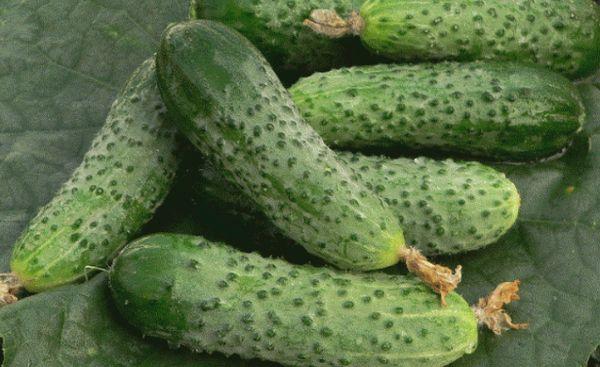
Smooth, dense gherkin-shaped cucumbers. They grow up to 10.2 cm long and weigh 78 g. The dark green skin is covered with small bumps with darkish spines and light stripes.
Recommended cucumber varieties for open ground
Varieties that continue to develop even with sudden changes in weather are suitable for planting in open areas.
Fontanelle F1
Cucumbers join the group of bee-pollinated plants Hybrids. Harvesting begins after 1.5 months. Cucumber vines are long, reaching 286 cm. They produce abundant fruit and are highly resistant to pathogens.
The light green fruits are covered with light stripes and small, sparse tubercles with brown spines. The smooth cucumbers are 11.3 cm long and weigh 107 g.
Competitor
The Konkurent variety begins to ripen after 1.5 months. Bees pollinate the inflorescences. The oval-cylindrical fruits have dark green surface with visible tubercles and black spines. The cucumbers reach 13.3 cm in length and weigh 128 g.
Ant F1
An ultra-early parthenocarpic vegetable. The harvest will take only 37 days. The bush is medium-sized with compact side branches. The ovaries are clustered in bunches of seven.
The cucumbers are smooth and cylindrical. The surface is slightly ribbed, covered with frequent tubercles with whitish spines and visible light stripes. They reach a length of no more than 8.2 cm and weigh 102 g.
Masha F1
This hybrid has a determinate growth habit, long fruiting, and produces a large harvest. A single leaf cluster contains up to seven ovaries. The variety has a strong immune system, so it rarely suffers from diseases.
The cylindrical fruits are covered with large tubercles with a whitish pubescence. The cucumbers weigh 102 g and are 11.7 cm long.
Erofey
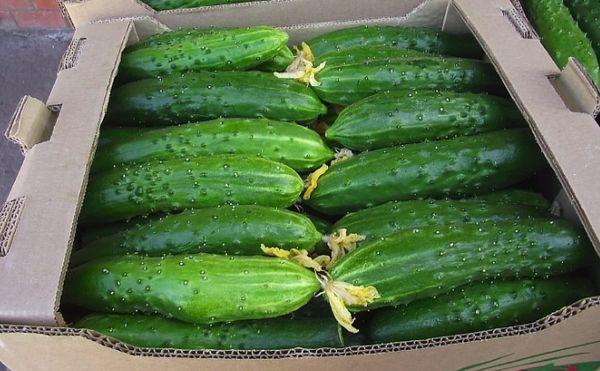
This early cucumber variety is pollinated by bees. The branches produce abundant fruit. The plant is rarely susceptible to infection and tolerates weather changes well. The bush is medium-sized, with ovaries clustered in a cluster. The cylindrical cucumbers reach up to 12.1 cm and are covered with tubercles.
Take a look Also

April F1
The Aprelskiy variety's characteristics note parthenocarpic pollination and indeterminate growth habit. Fruit ripens early and uniformly, within 40 days. The plant is disease- and cold-resistant.
The cucumber grows up to 18.2 cm in length and weighs up to 205 g. Its surface is slightly ribbed and has occasional tubercles with light-colored spines and stripes.

The best varieties of cucumbers for greenhouses and hotbeds
Parthenocarpic cucumbers with a short growing season and high resistance to adverse conditions are well suited for indoor cultivation.
Emelya F1
This greenhouse hybrid belongs to the parthenocarpic category of plants. It has high resistance to pathogens, tolerates cold, and produces a bountiful harvest. Harvesting begins after 42 days. Seven cucumbers develop in a single bunch.
The cylindrical fruits grow up to 6.2 cm in length and weigh 124 g. The surface is ribbed, with large, sparse tubercles and light-colored spines.
Alekseich F1
The ultra-early Alekseich variety begins bearing fruit on the 39th day. It belongs to the parthenocarpic category of vegetable crops. The bush is medium-sized. Up to three fruits are located in a single leaf node. The cucumbers grow up to 8.7 cm in length and weigh 74 g. The numerous fruits ripen simultaneously.
Murashka F1
The Murashka variety is planted in the greenhouse. Fruits appear in 37 days. It is an indeterminate variety with few lateral branches. The fruits reach 12.4 cm in length and weigh 97.5 g. The cucumbers are cylindrical. The skin has large tubercles with prickly brownish spines and light spots.
Tom Thumb
A super-early hybrid. Fruits are ready to harvest after 37 days. It is classified as parthenocarpic. The bush has an indeterminate growth habit, producing numerous vines. A single bunch contains up to 7 ovaries.
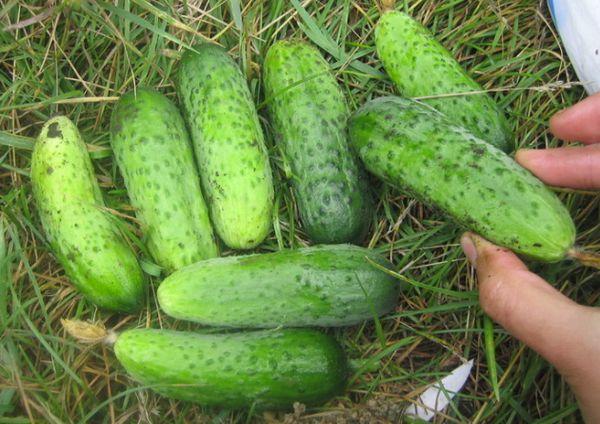
The fruits are short and oval-shaped. They are no more than 7.4 cm long and weigh up to 62 g. The surface is covered with sparse, small tubercles covered with light fuzz. Short, light-colored stripes are also visible.
F1 Benefit
A self-pollinating hybrid with early ripening fruit and high disease resistance. Fruiting begins in 45 days. The cucumbers grow up to 12.7 cm in length and weigh 115 g. They are cylindrical in shape, with closely spaced, small tubercles on the skin.
How to plant and care for early varieties and hybrids of cucumbers
To reap a good harvest, as stated in the characteristics of the selected variety, it is necessary to plant the crop correctly and provide it with proper care.
In open ground
Sowing seeds for seedlings begins in late April. Transplanting cucumbers into open beds is only done when the soil warms to 10 degrees Celsius and the threat of spring frosts has passed. Cucumbers are sun-loving, so don't overplant them. Leave 47 cm between plants.
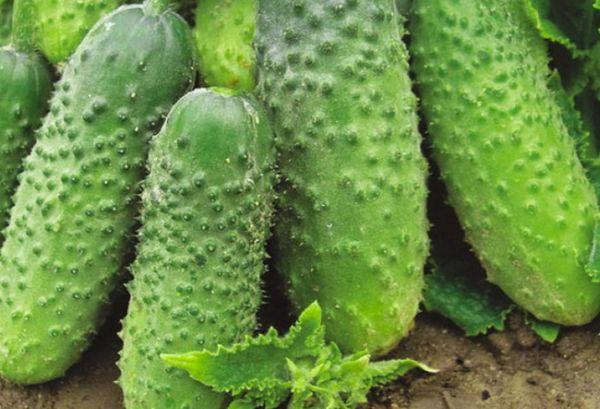
Caring for the crop involves timely watering, fertilizing, loosening and weeding the soil, shaping the bush, and treating it against pests and diseases.
In the greenhouse and hotbeds
Cucumbers can be planted in a polycarbonate greenhouse using seeds. The soil is dug, fertilized, and holes are made. The soil should warm up to 11 degrees Celsius by planting time. The seeds should be planted 3-4 cm deep.
For greenhouse cucumbers, it's important to provide not only proper care but also optimal growing conditions. Humidity should be maintained at 92%, and the temperature should be 25°C (77°F). Regular ventilation is essential.
Related posts:
 Description and characteristics of the best varieties of bunch cucumbers and how to grow them
 Description of the best varieties of pickling and barrel cucumbers for greenhouses and open ground
 Top 50 Best Cucumber Varieties for Polycarbonate Greenhouses with Descriptions
 Description of the best, most productive and new varieties of cucumbers for 2025
 TOP 30 best determinate cucumber varieties with descriptions
 35 Best Powdery Mildew-Resistant Cucumber Varieties with Descriptions
 Description of the best varieties of Chinese cucumbers, planting, growing and care
 Description of the best and most productive cucumber varieties for open ground