
- Criteria for selecting quality seeds
- Classification by ripening time
- Early ripening
- Mid-season
- Late
- Choosing the best cucumbers for open ground
- Self-pollinating or parthenocarpic varieties
- Prestige F1
- Son-in-law F1
- Claudine F1
- Metelitsa F1
- Bogatyrskaya Sila F1
- Bunch cucumber varieties
- Magdalena F1
- Quadrille F1
- Friendly Family F1
- Miracle Bouquet F1
- Bundle Charm F1
- The highest-yielding crops
- Sparta F1
- Pickles F1
- Zozulya F1
- Shade-loving varieties
- Moscow Region Evenings F1
- Muromsky 36
- F1 Company Secret
- The best in cooking method
- For pickling
- For preservation
- Juicy and crispy for salad
- What is suitable for greenhouse conditions?
- Alekseich F1
- F1 Benefit
- Murashka F
- Sanka's Love F1
- Tom Thumb F1
- Okhotny Ryad F1
- Miracle Tot F1
- We are choosing a variety for different regions of Russia
- The best varieties of the Moscow region
- State farm
- F1 View
- Movir 1 F1
- Frost-resistant for the Urals and Siberia
- Nezhinsky
- Bushy
- Competitor
- Altaic
- Serpentine
The quantitative and qualitative characteristics of the harvested crop depend greatly on the correct selection of varieties for cultivation in specific climate conditions and regions. Specially bred plants are available for planting in open beds and indoor greenhouses. Breeders are working tirelessly to offer gardeners new varieties with improved characteristics. The best cucumber varieties for 2025 are already available for sale.
Criteria for selecting quality seeds
When choosing cucumber seeds, the first step is to choose the variety. Every year, a huge number of new varieties and cultivars are introduced for greenhouses and open ground, so choosing them should be based on your personal needs and tastes. Cucumbers also differ in the time it takes to begin bearing fruit, so it's important to choose several types to ensure you have fresh fruit throughout the entire gardening season.
When purchasing seeds, pay attention to the pollination method. It's best to plant self-pollinating varieties in a greenhouse to avoid unnecessary hassle. When purchasing a packet of seeds, be sure to not only look at the attractive image on it but also carefully examine the back. Reputable producers will always provide the necessary information for the customer.
New cucumber seeds should only be purchased from authorized retailers or specialized stores.
Preference should be given to manufacturers that have received positive reviews from experienced gardeners and vegetable growers. This is the only way to protect yourself from counterfeits and low-quality seed.
Classification by ripening time
Perhaps the most important thing that gardeners pay attention to when choosing a cucumber variety for their own garden and summer cottage beds is the timing of the first vegetables and the yield.
Early ripening
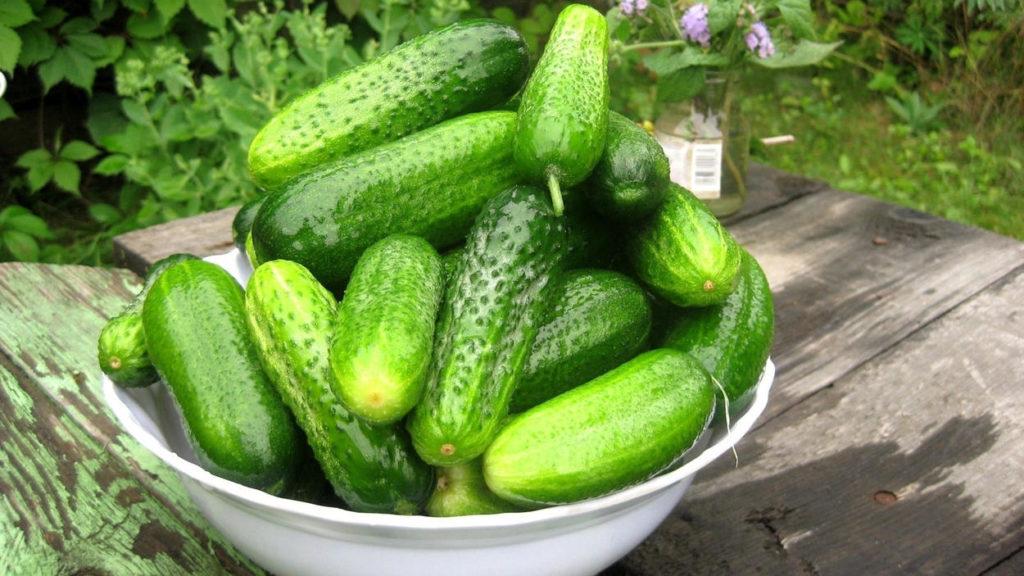
Early-ripening cucumber varieties are those that begin to bear fruit 30-40 days after germination. The harvest is released in a uniform manner, almost simultaneously. This variety has one drawback: a short period for harvesting cucumbers.
Mid-season
Cucumbers with a mid-season fruiting and ripening period offer the opportunity to enjoy a tasty treat 40-50 days after planting and germination. The harvest is spread out, allowing you to enjoy fresh fruit longer.
Late
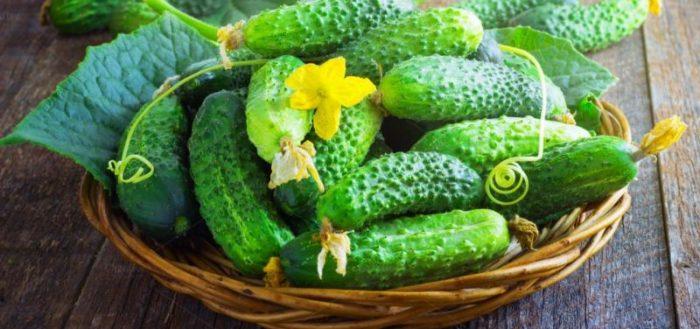
Late-ripening cucumber varieties allow for harvesting as early as 56 days after germination. They are resistant to viruses and pathogens, easily adapt to adverse climatic conditions, and allow for harvesting before the onset of persistent cold weather.
Choosing the best cucumbers for open ground
Almost any type of cucumber can be grown in open beds, except for those that have been bred specifically for greenhouses.
Self-pollinating or parthenocarpic varieties
Varieties that are able to pollinate their own flower stalks produce abundant harvests even in the absence of pollinating insects or under unfavorable weather conditions.These cucumbers can be grown both in open-air beds and in closed greenhouses.
Prestige F1
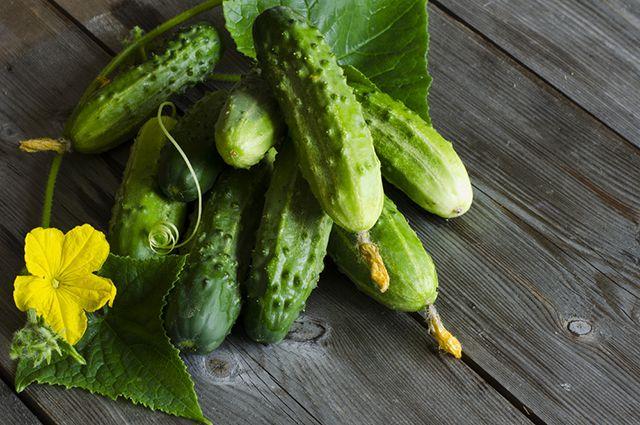
The harvest ripens in mid-season. The plant was bred by Russian scientists. Gherkins are consumed and processed 46 days after germination. This variety is recommended for cultivation in temperate climates. Fresh cucumbers can be eaten until the onset of persistent cold weather. The harvested crop is used for preserves and processing. The yield of cucumbers of this variety reaches 25 kg per 1 m.2There are few seeds, the pulp is not bitter, aromatic.
Son-in-law F1
An early gherkin. The cucumbers grow dense, tasty, and fragrant. The harvested cucumbers reach only 10 cm in length, with a white, spiny surface and clearly visible tubercles. A single ovary contains up to 12 cucumbers. The first fruits are produced 46 days after germination, yielding up to 7 kg of fruit per season.
Claudine F1
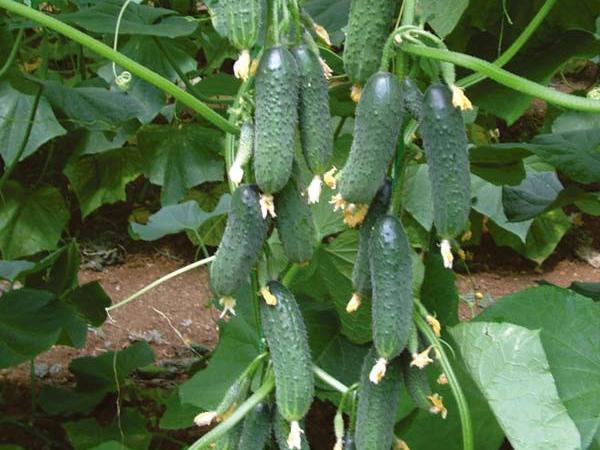
This variety is distinguished by its very early ripening period and is successfully grown both in open garden beds and indoor greenhouses. It takes 38 days from germination to harvesting the first gherkins. Gherkins are actively used for pickling., canning, processing, eating fresh, slicing, and in salads. Young cucumbers are covered with spines and barely noticeable bumps.
The cucumbers reach a maximum length of 10 cm and are characterized by excellent taste and crunch, without bitterness.
Metelitsa F1
This variety is suitable for cultivation in both indoor greenhouses and open garden beds. Flower stalks and ovaries form in clusters of up to four cucumbers each. Up to 14 cucumbers ripen on a bush each harvest. The plant is highly resistant to viruses and infections, produces only female flowers, and is self-pollinating. The cucumbers grow to a maximum length of 7.5 cm and are characterized by excellent flavor and crunch. There is no bitterness at all. The first ripe gherkins are harvested 34 days after germination.
Bogatyrskaya Sila F1
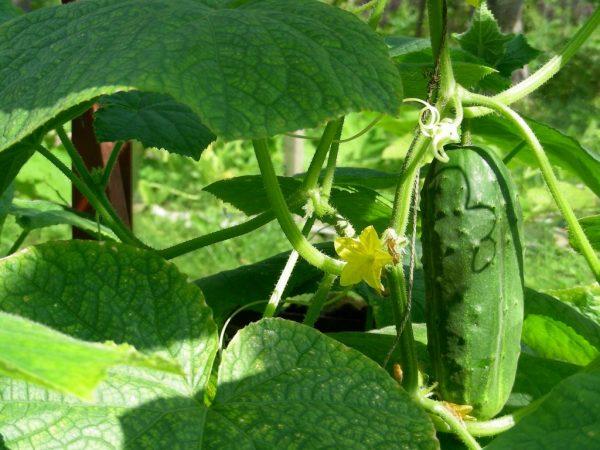
This cucumber is an early-ripening, self-pollinating variety. It produces only female flower stalks. The plant can be grown both in open beds and greenhouses. The harvest of delicious fresh fruits lasts until the end of September, requiring regular and frequent picking. A single plant can yield up to 20 kg of cucumbers per season. This variety differs from its competitors in that its vines are limited in growth, preventing the plant from wasting energy on their development.
Bunch cucumber varieties
Cluster varieties of plants allow you to get a lot of cucumbers while using a small area for planting.
Magdalena F1
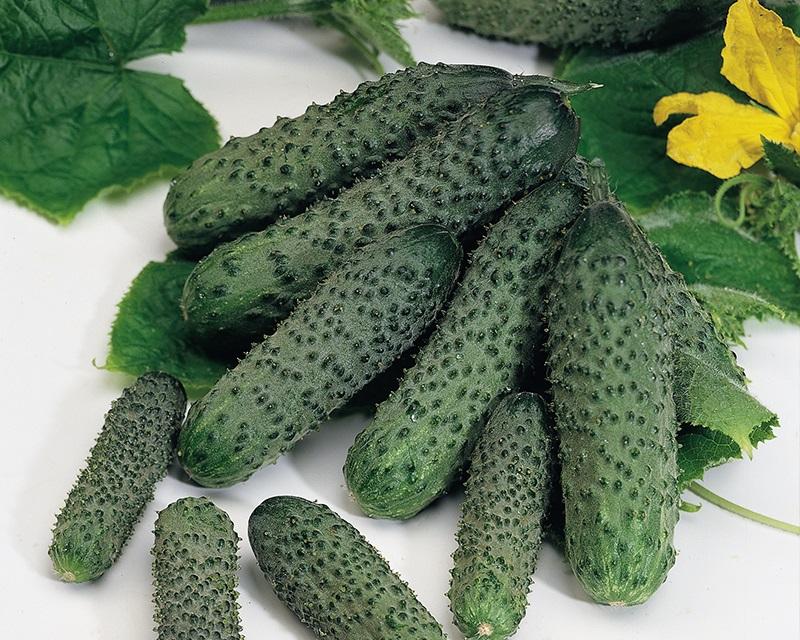
Cucumbers are self-pollinating, have early ripening fruit, and are suitable for cultivation in open garden beds and indoor greenhouses. From seed germination to harvest, it takes 34 days. From an area of 1 m2 If all agricultural practices are met, the yield can exceed 10 kg. The plant is resistant to infectious and fungal diseases and tolerates extreme weather conditions.
Quadrille F1
Cucumbers tolerate low temperatures, produce numerous high-quality fruits per season, exhibit high resistance to fungal and infectious diseases, and boast high yields and a consistent crop. Each bush yields up to 9 kg of cucumbers. They reach a maximum length of 13 cm, are bumpy, and have a distinctive white pubescence. They are distinguished by their excellent taste.
Friendly Family F1
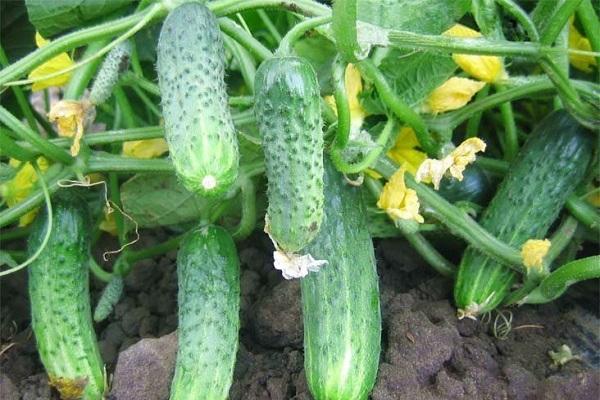
This variety has a very long fruiting period and a medium ripening time. The first gherkins appear 43 days after germination. The gherkins reach a maximum length of 12 cm. The flesh is not bitter. The fruits can be preserved, pickled, and processed. Cultivation is permitted in both open beds and indoor greenhouses.
Miracle Bouquet F1
The hybrid can self-pollinate its flower stalks, and the harvest time is average. Harvesting begins 48 days after the seeds hatch. Ovaries form in bunches of 5. The first gherkins are harvested in June and continue until the onset of sustained cold weather. The cucumbers reach a maximum length of 12 cm from an area of 1 m.2 They harvest over 13 kg of fruit. The plant is highly resistant to pathogenic bacteria and pests.
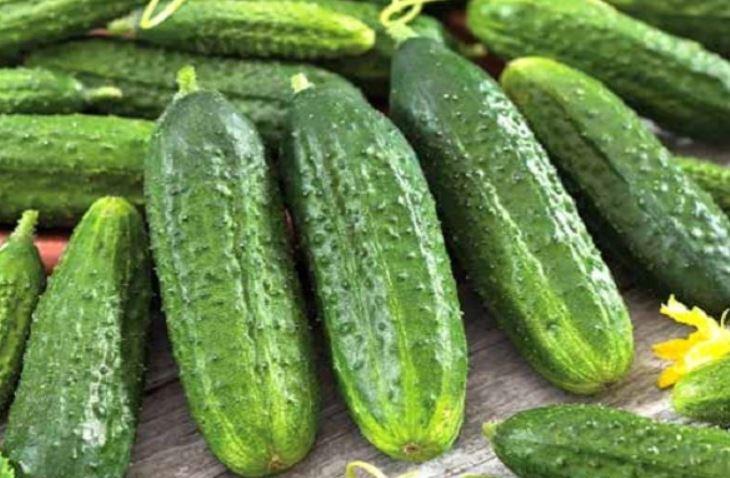
Bundle Charm F1
This variety is self-pollinating, resulting in virtually no barren flowers. Harvest time is average. It can be grown in both open garden beds and indoor greenhouses. The fruits are small, reaching a maximum length of 12 cm. There is no bitterness at all, and the flavor is excellent. The plant is disease-resistant. The harvest period lasts until the first frost. From 1 m2 They collect up to 16 kg of harvest.
The highest-yielding crops
When growing crops in small areas, gardeners pay special attention to yield indicators.
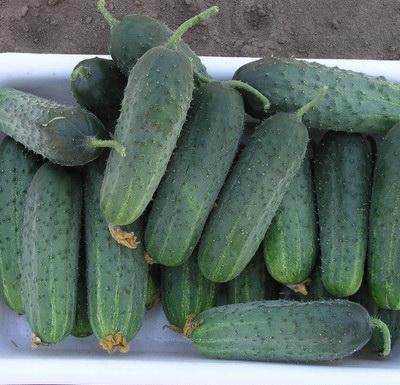
Sparta F1
This variety is suitable for open-field cultivation only and is pollinated by bees. It produces high-yielding cucumbers with excellent flavor, a crisp, crisp aroma, and a strong, consistent aroma. Even when overripe, it doesn't rot or become bitter. This versatile crop is ideal for all-purpose use.
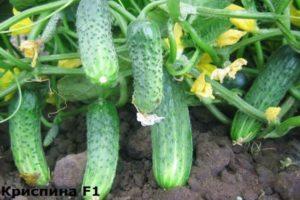
Pickles F1
A mid-late-ripening hybrid. It boasts high yields and is suitable for both open-field and greenhouse cultivation. Cucumbers grow up to 15 cm in length. Fruiting is prolonged, and the cucumbers have excellent flavor and marketability. The crop is versatile and retains its crispness when pickled.
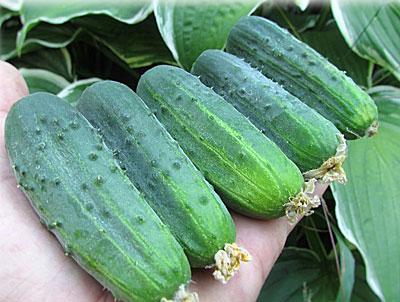
Zozulya F1
It is characterized by high yield and self-pollination. The hybrid is suitable for growing in greenhouses and open ground. The harvest occurs uniformly, within the first month of fruiting. From 1 m2 Cucumbers harvest up to 16 kg of fruit. Cucumbers are highly resistant to major diseases.
Shade-loving varieties
If you have an empty, shady spot in your garden, you can easily find a suitable variety of cucumbers that will delight you with a bountiful harvest and replenish your body's vitamin reserves.
Moscow Region Evenings F1
The hybrid is successfully grown in indoor greenhouses and open fields. It belongs to the mid-season varieties and produces female flowers. The plant is self-pollinating. The cucumber yields up to 16 kg of vegetables per 1 m.2The fruiting period is extended, and immunity to major diseases is high.
Muromsky 36
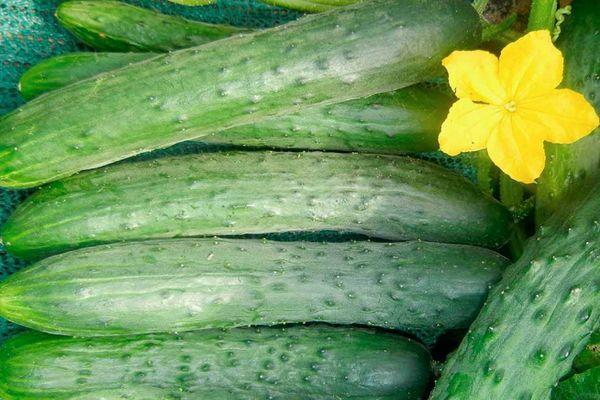
A super-early variety, yielding a harvest 32 days after germination. It is pollinated by bees and grown outdoors. Cucumbers grow up to 8 cm in length. The yield is average, from 1 m.2 The harvest yields 2-3 kg of fruit. The plant is resistant to low temperatures and is immune to major diseases. Fruiting continues until early to mid-August.
F1 Company Secret
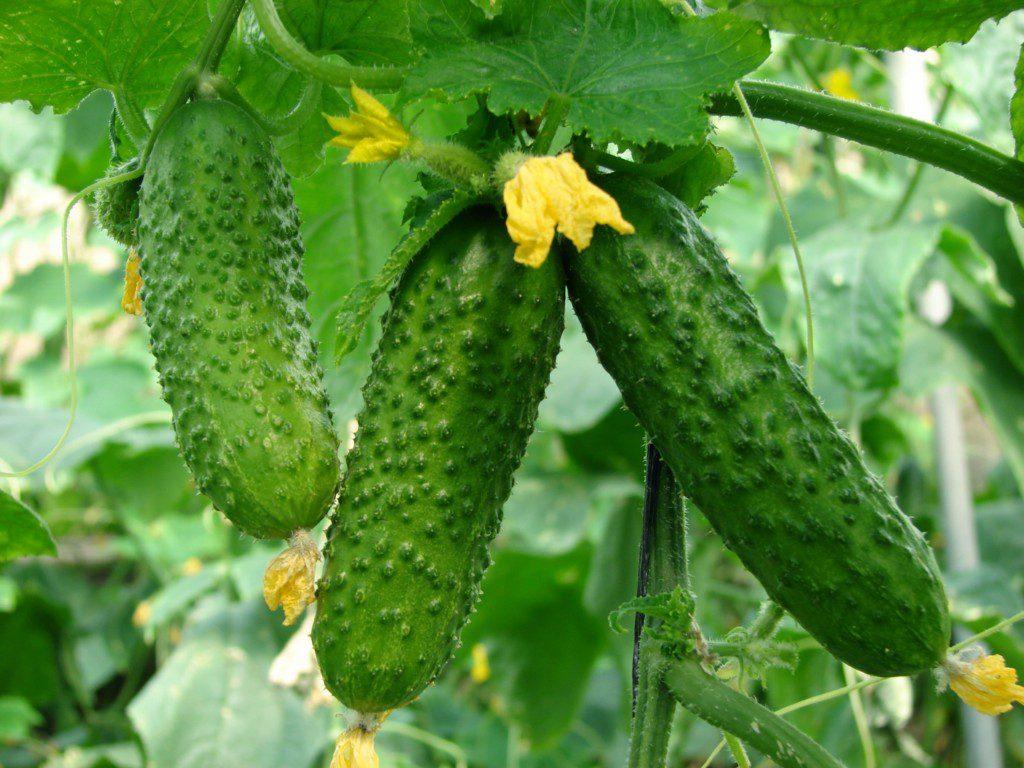
This cucumber is highly shade-tolerant, self-pollinating, and produces predominantly female flowers. Cucumbers grow up to 14 cm in length and can be eaten fresh or used for pickling and preserving at home. They have excellent flavor. This variety has increased immunity to fungal and other diseases.
The best in cooking method
Cucumber varieties bred for these purposes are suitable for various harvesting methods. When choosing seed, it's important to pay attention to this.
For pickling
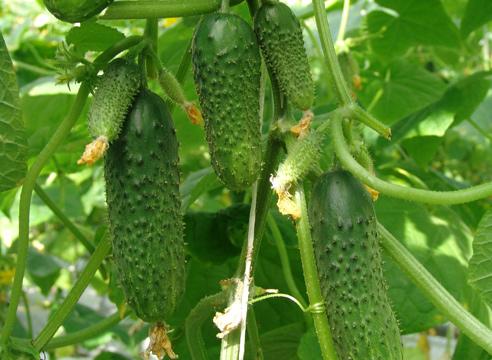
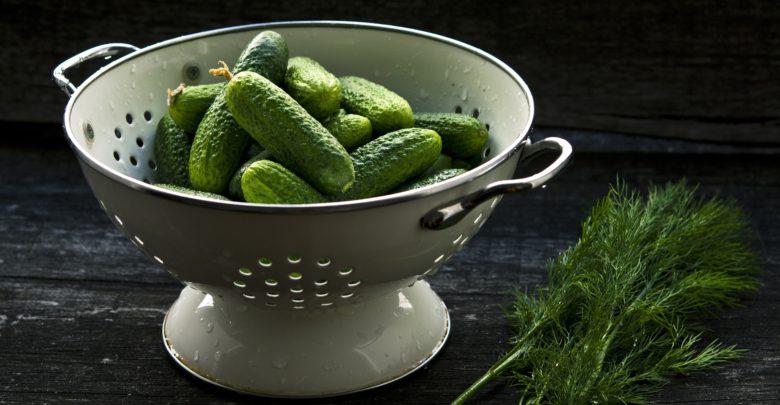
The best cucumber varieties for pickling and preserving are those with dark green skin and black pimples. These fruits can also be eaten fresh. The following varieties are considered excellent for pickling:
- Nezhinsky;
- Murom;
- Voronezh;
- Bushy;
- Fontanelle F1.
For preservation
Cucumbers suitable for canning are similar in appearance to those suitable for pickling. They have a firm but thin skin, dark pimples, and a rich, dark green color. The fruit should be very firm and elastic. The following varieties are best suited for canning:
- Amur;
- Hermann;
- Emelya;
- Cuckoo;
- Tom Thumb;
- Marathon.
Juicy and crispy for salad
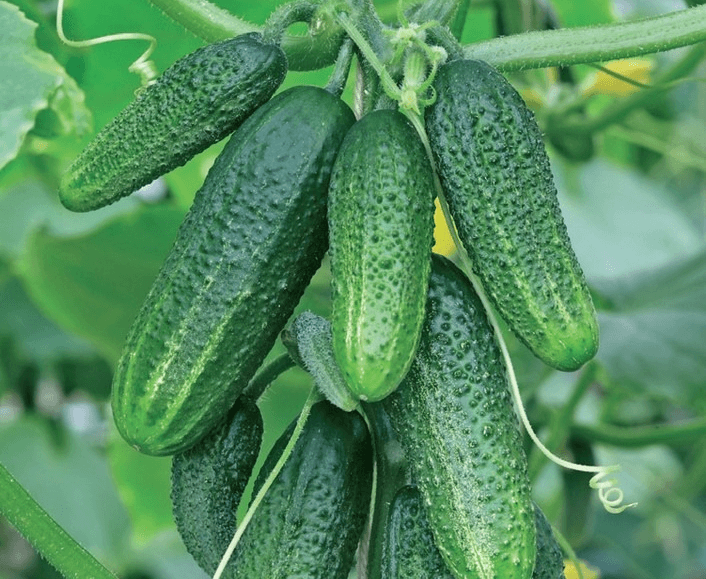
A distinctive feature of salad cucumber varieties is the presence of white thorns. Such cucumbers cannot be used for preserving and pickling, as they become soft and tasteless. But they look perfect in a salad, and the yield from these plants is higher than that of pickling plants. The best salad varieties are considered to be:
- Agate;
- Elegant;
- Aelita;
- Biryusa;
- Sultan;
- Adam.
What is suitable for greenhouse conditions?
The main requirement for cucumbers grown in greenhouse conditions is self-pollination.
Alekseich F1
An early variety, producing its first harvest 35 days after germination. Cucumbers grow up to 9 cm and are suitable for fresh eating and canning. A disadvantage is susceptibility to root rot and powdery mildew. The plant can be grown in open beds and indoor greenhouses.
F1 Benefit
This variety is characterized by excellent immunity to major diseases and high yields. The first harvest occurs 45-50 days after germination. Cucumbers grow up to 13 cm in length and are completely free of bitterness. This versatile crop is suitable for all types of use.
Murashka F
An early-ripening, self-pollinating hybrid that yields fruit 37 days after germination. The fruits are not bitter and are not prone to overgrowing. This cucumber can even be grown on an apartment windowsill. The fruiting period is long, and yields are high. The plant has increased immunity to common diseases.
Sanka's Love F1
A self-pollinating cluster hybrid with mid-early ripening and high yields. The fruits are not prone to overgrowing. Cucumbers grow up to 10 cm. Each bush produces up to 40 kg of cucumbers. The harvest is used for fresh eating and canning.
Tom Thumb F1
A heterotic hybrid with early ripening, producing its first crop 35 days after seed germination. The ovary is cluster-type. From 1 m2 Cucumbers are harvested in quantities up to 15 kg. The plant has high immunity to major diseases.
Take a look Also

Okhotny Ryad F1
A super-early hybrid with restrained branching. Cucumbers grow up to 8 cm in length, with cluster-type ovaries. It has increased disease resistance, particularly to downy mildew.
Miracle Tot F1
An early-ripening, self-pollinating variety, yielding a harvest 38 days after germination. Cucumbers grow to a weight of up to 100 g. The plant has increased immunity to major diseases. The harvest is suitable only for fresh eating and salads.
We are choosing a variety for different regions of Russia
The specific climatic conditions are certainly taken into account when selecting a cucumber variety for a garden plot.
The best varieties of the Moscow region
The weather in the Moscow region doesn't allow for the cultivation of all popular plant varieties and cultivars. These have specific requirements for hardiness and ripening time.
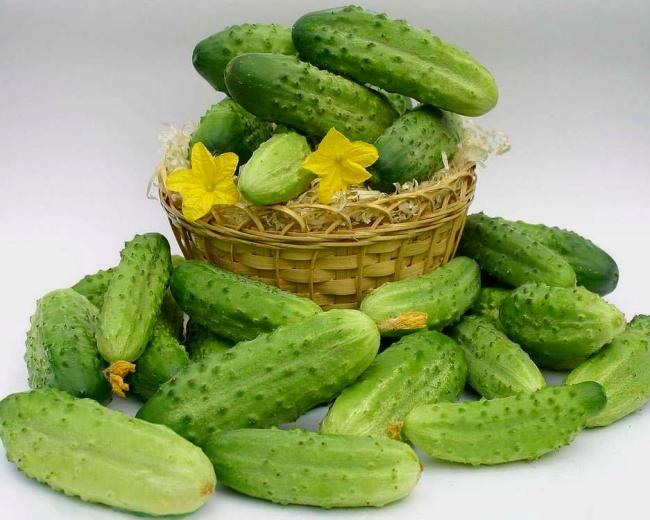
State farm
These mid-season cucumbers reach a maximum weight of 160 g. The first harvest is almost two months after germination. This versatile variety is used for machine picking of cucumbers. The plant is bee-pollinated and has a high resistance to pathogens.
F1 View
The harvest ripens early, but pollination of the hybrid is by bees, so yields may be significantly reduced under unfavorable conditions. The cucumber reaches a maximum length of 11 cm. The fruits are used for homemade preserves and retain their marketability and flavor for a long time during storage. The plant is resistant to major diseases.
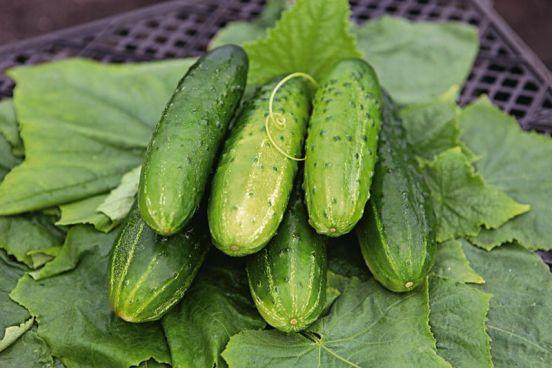
Movir 1 F1
This variety has female flowering and is pollinated by bees. It needs to be planted near a pollinator variety. The cucumber reaches a maximum height of 10 cm. The harvested cucumber is used for canning. Fruiting is long-lasting, and it is highly disease-resistant.
Frost-resistant for the Urals and Siberia
In harsh climatic conditions, cucumber varieties bred in Siberia are predominantly grown, possessing increased cold resistance and immunity to pathogens.
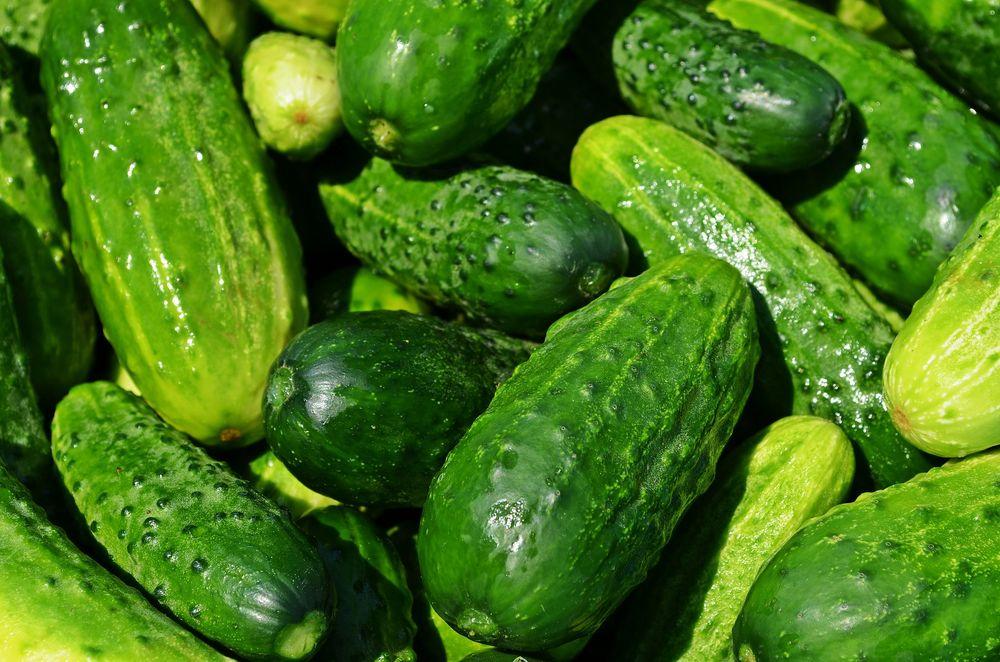
Nezhinsky
The ripening period is mid-season; pollination of the flower stalks is by bees. Fruiting begins 50 days after germination. Each cucumber weighs no more than 100 g. The harvested crop is ideal for canning and fresh eating. The plant tolerates drought, high temperatures, and exhibits cold hardiness.
Bushy
A time-tested bee-pollinated variety with an early ripening period. It forms a compact bush, making care significantly easier. Cucumbers reach 12 cm in length and can be used for canning and fresh eating. From 1 m2 They harvest up to 6 kg of fruit. The plant is disease-resistant and can withstand adverse weather conditions.
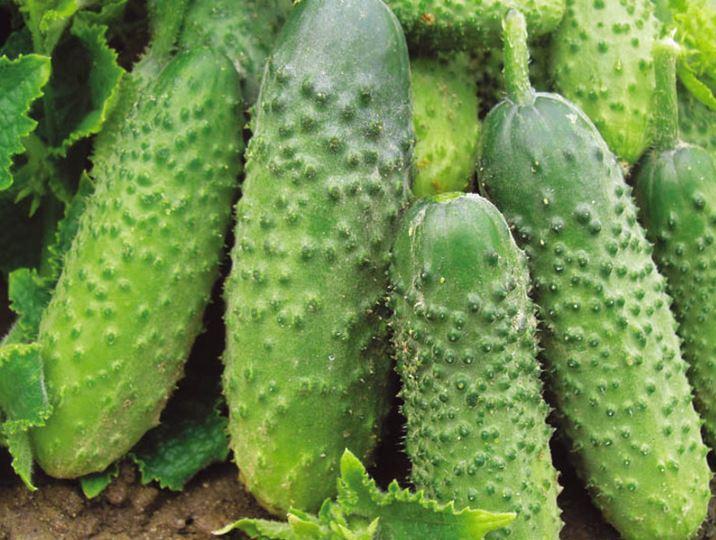
Competitor
This mid-early, bee-pollinated variety, known since Soviet times, begins bearing fruit 45 days after germination. It yields up to 4 kg of cucumbers per square meter. The cucumbers grow up to 13 cm in length, have excellent flavor, and are suitable for canning and fresh eating, retaining their flavor and marketability for a long time. Fruiting is prolonged, and they are highly resistant to diseases and adverse weather conditions.
Altaic
An early-ripening variety that begins bearing fruit 37 days after germination. Cucumbers grow up to 9 cm in length and are suitable for fresh eating; they lose their flavor when preserved. This plant produces high yields, has excellent resistance to disease and adverse weather conditions, and is grown outdoors.
Serpentine
An early variety, producing its first harvest 36 days after germination. It boasts high yields, with each bush yielding up to 6 kg of cucumbers. The fruits are bitter-free and do not turn yellow. The cucumbers grow up to 10 cm in length and can be eaten fresh or preserved. The plant has good disease resistance and tolerates recurrent spring frosts.
Related posts:
 Description of the best varieties of Chinese cucumbers, planting, growing and care
 80 Best Eggplant Varieties for Different Regions with Descriptions and Characteristics
 Descriptions of the 20 best cherry varieties for the Moscow region, their planting and care
 How to propagate and grow peas, cultivation technology, and care in open ground
 The best eggplant varieties for growing in a polycarbonate greenhouse: planting and care
 Description of the best pepper varieties for greenhouses and open ground in 2025
 Description of 30 varieties and types of Muscat grapes, planting, cultivation and care
 Description and characteristics of the best seeds of pea varieties and types
This year I grew "Prestige" cucumbers, and the yield was quite good. The seedlings sprouted quickly, and there were no diseases. I like that these cucumbers don't have any bitterness and are quite small.