
- History of origin
- Botanical features and description
- Vegetation cycle and classification
- Beneficial properties
- Nutritional value
- Taste qualities
- Treatment and prevention of diseases
- Features of cultivation
- Temperature conditions
- Weather conditions
- Humidity
- Soil structure
- Table of differences between a variety and a hybrid
- How to choose seeds
- Ripening period
- Mass production and productivity
- Duration of the fruiting period
- Winter hardiness
- Sensitivity to watering
- Shade tolerance
- Disease resistance
- General recommendations
- Successful varieties for open beds with photos
- Alekseevsky
- Vakula
- Banana
- Chinese lantern
- Emerald F1
- Negus
- Valentina
- Bourgeois
- Joker
- Dragon
- King of the North
- Prime Minister
- The Black Prince
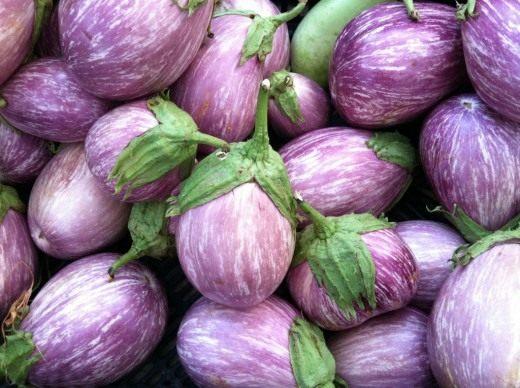
- Pink flamingo
- Nutcracker
- Bibo
- Korean dwarf
- Faith
- Mileda F1
- Anet F1
- Fabina F1
- Epic
- Popular mid-season varieties for open ground
- Diamond
- Albatross
- Brazilian orange
- Baltic
- Marzipan
- Mantle
- Hippopotamus
- Clorinda
- Roma
- Black beauty
- Sancho Panza
- Policeman
- Sailor boy
- Striped flight
- Robin Hood
- Bull's heart
- Late-ripening varieties
- Black beauty late
- Sofia
- Teddy Bear
- Black Moon
- Bagheera
- Namesake
- Unusual varieties
- Swan
- Golden eggs
- Red ruffled
- Rotonda Bianca
- Icicle
- Yoga
- The taste of mushrooms
- Pelican
- Iceberg
- Ping pong
- Greenie
- Lusiana
- Thai green
- Bumbo
- Romantic
- Reviews of the best regional varieties
- For central Russia
- Lilac fog
- King of the North
- Valentina F1
- Long purple
- Siberian early ripening
- Dwarf early
- Czech early
- Northern Blues
- Alenka
- Fluff
- Amethyst
- Kirovsky
- Andryusha
- Ultra-early F1
- Ural
- Suitable varieties
- Don Quixote
- Maria
- Ukraine
- Frost hardiness zones
- Varieties for growing
- Belarus
- Giselle
- Ilya Muromets
- Station wagon
- Growing methods
- Seedling
- Greenhouse
- Adviсe
- Garden beds
- Soil with humus
- Planting order
- Sowing time
- Reviews
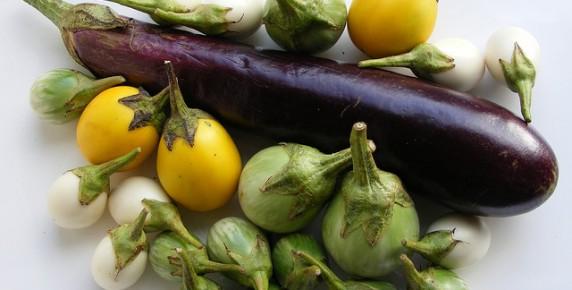
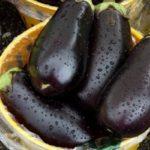
Among the many eggplant varieties, people can purchase seeds for growing. In addition to the familiar dark purple, there are also varieties in white, red, yellow, green, and other colors. This vegetable has an unusual flavor, resembling a cross between mushroom and meat.
History of origin
Eggplant was known to the ancient Greeks and Romans. People living in those days gave the vegetable an unusual name: "madness apples." They believed that eating them would cause rabies.
People held this opinion for a long time. Attitudes toward the vegetable changed after the discovery of America. Native Americans grew eggplants, and Europeans turned their attention to them. In Russia, the vegetable became known in the 17th century.
Botanical features and description
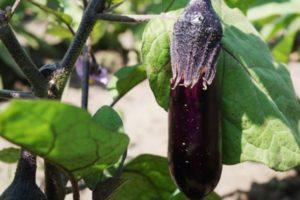
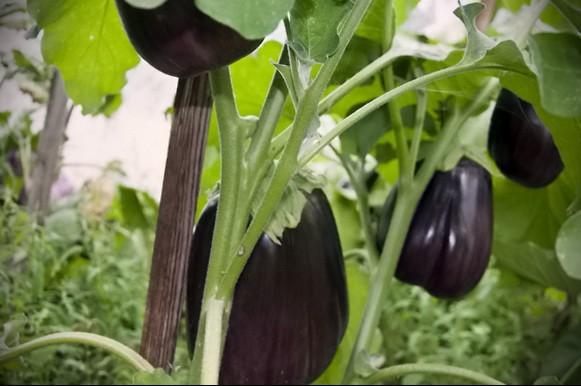
Eggplant belongs to the Solanaceae family. The cultivated species is an annual plant. It has a straight stem, often woody at the base, and reaches a height of 1.5 m. The bush does not require support and is spreading. Foliage is sparse. The leaf blades are ovate or oval. They can be light or dark green, with some specimens displaying a purple tint.
Eggplant has a powerful root system, located just below the soil surface. Individual roots often extend deep into the soil. Some varieties have roots reaching a depth of 2 meters.
Vegetation cycle and classification
The plant's flowering period begins in July and continues until September. Flowers are singly or clustered in inflorescences. Eggplant is self-pollinating, but insects may contribute to this process. The pollen is heavy and can be carried by the wind up to 1 m away.
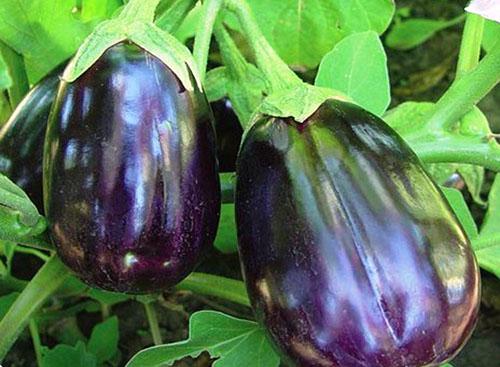
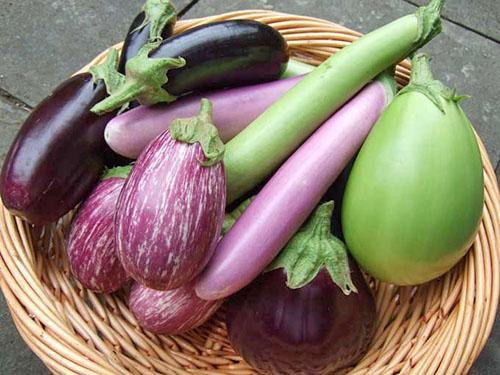
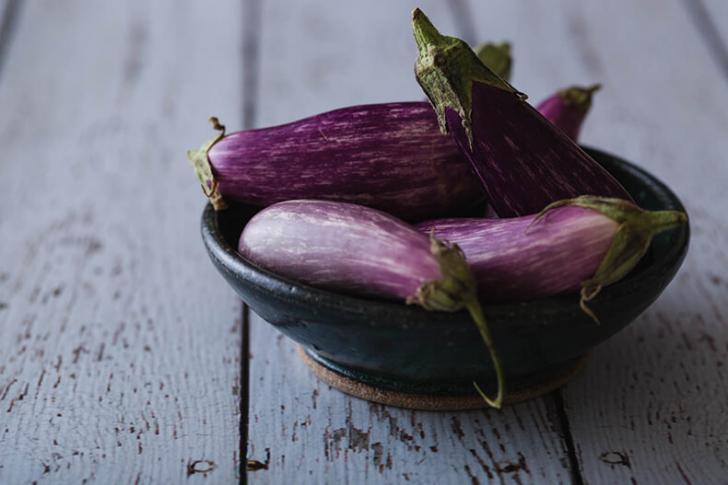
The fruits ripen 100-160 days after sprouting. Ripe fruits are elongated and pear-shaped. A single eggplant can weigh from 20 g to 1 kg. The beige flesh can be covered with a skin of various shades—red, blue, yellow, white, and green. The coloring isn't always uniform, and interesting "patterns" can sometimes be seen on the surface. However, eggplants are typically dark purple. Small seeds are found within the flesh.
After harvesting the seed material, it retains its germination capacity for 5 to 7 years.
Beneficial properties
Eggplant contains many beneficial substances. Their active action positively impacts the functioning of internal organs and plays an active role in the proper functioning of these systems.
Nutritional value
The energy value of this vegetable is 100 kJ per 100 g. Eggplants contain iron, potassium, sodium, phosphorus, iodine, and other nutrients. They are also rich in fiber, vitamins, minerals, and tannins. Vitamins include folate, ascorbic acid, carotene, and vitamins B and B2.
Taste qualities
Fresh eggplants smell like mushrooms. When fried, their flavor can be mistaken for meat or veal. Everyone who has tried eggplant enjoys its unique flavor. Eating eggplant stimulates the production of digestive juices.
Treatment and prevention of diseases
Eggplants reduce the risk of atherosclerosis, improve heart function, and normalize vascular health. They also promote kidney function and cleanse the intestines and bile ducts.
Eggplant juice has antibacterial and antiseptic properties, helping the body fight infection faster.
Because eggplant prevents uric acid from accumulating in the body, it is used to combat gout. These vegetables are beneficial for diabetics, as they lower blood sugar levels. Eggplant is included in many dietary dishes.
Features of cultivation
Eggplants are characterized by a long ripening period. Depending on the variety, maturity varies from 80 to 160 days. Therefore, eggplants are grown exclusively from seedlings. Typically, the seeds are planted at the same time as bell peppers or 5-7 days earlier.
Temperature conditions
Eggplants are sensitive to even minor temperature fluctuations. Sudden increases or decreases in temperature negatively impact the plant, causing flowers and fruit to drop. To ensure proper fruiting, eggplants need temperatures between 25-28°C.
Weather conditions
Insufficient light affects the plant's appearance and leads to a host of problems. Prolonged cloudy weather causes eggplant shoots to stretch, resulting in thin and brittle shoots that easily break if handled carelessly. The same problem can occur when planting eggplants in the shade of trees or a nearby fence.
Humidity
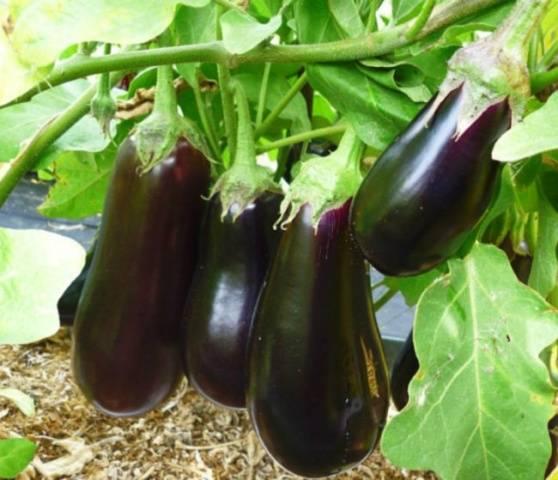
Since eggplants are native to the tropics, they are fussy in this regard. A lack of water affects their growth. They grow slowly, produce many branches, and bloom prematurely. As a result, the fruits become small.
Soil structure
Eggplants grow in loose, nutrient-rich soil. The soil must be non-acidic and free of pathogens. Eggplants prefer loose, well-drained soil.
The vegetable soil is prepared as follows: 1 part lowland peat is mixed with 2 parts compost. The final component is 0.5 parts last year's sawdust. The soil is prepared in the fall and stored in a shed or other enclosed area.
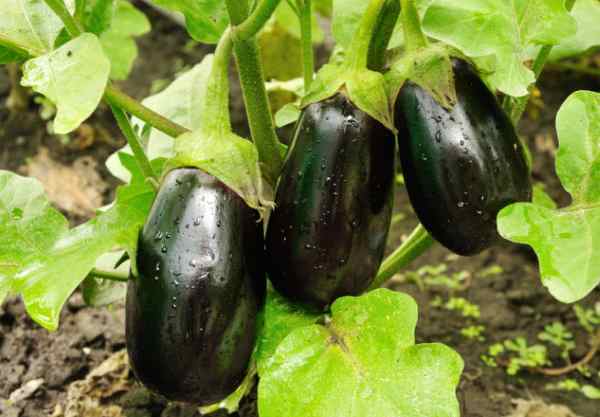
Table of differences between a variety and a hybrid
Many gardeners don't pay attention to the type of eggplant. Without regard for whether it's a variety or a hybrid, they often run into various problems. Typically, the result isn't what they expected. Knowing the differences between varieties and hybrids can help you choose the most suitable option.
| Characteristic | Variety | Hybrid |
| What is it | A separate group of plants selected as a result of breeding | It is the result of crossing several varieties |
| Germination and fruiting | The collected seeds germinate well and produce a good harvest the following year. | The collected seed material is not capable of reproduction. Fruitful only in the first year of planting. |
| Immune system | When attacked by pests, they require human assistance. | As a result of selection, the immune system has acquired good protective properties. |
These are the main factors that distinguish a hybrid from a variety. The packaging indicates the type of eggplant and whether it is a variety. Based on this information, everyone can choose what suits them best and what they desire in an eggplant.
How to choose seeds
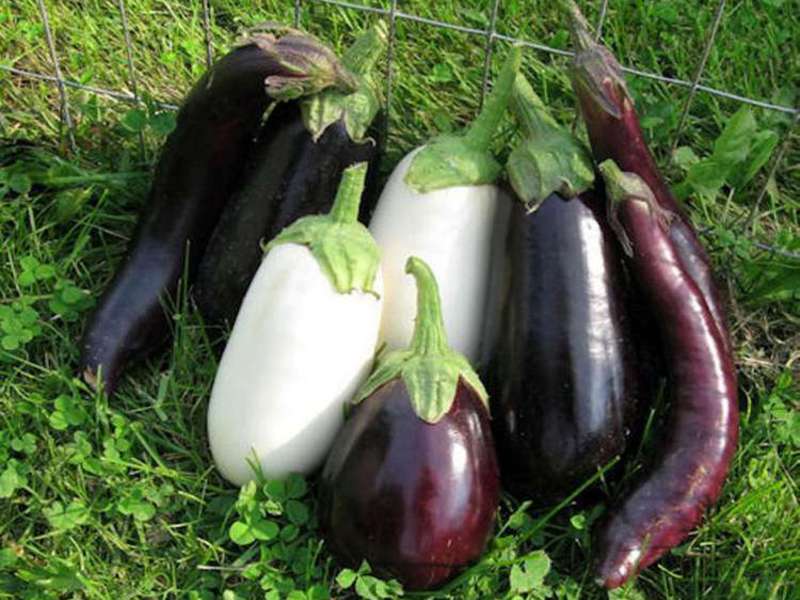
When selecting seed material, many factors are taken into account.
Ripening period
Eggplants, like other vegetables, vary in maturity time. If climate conditions permit, early, mid-season, and late-season varieties are grown safely. If the weather isn't warm enough, early-ripening varieties are chosen. In the latter case, eggplants ripen during the short, cool summer.
Mass production and productivity
The second factor is the yield of the eggplant. A farmer who grows the vegetable exclusively for personal consumption chooses varieties with an average yield. If a farmer plants eggplants for sale, high-yielding varieties are considered.
Duration of the fruiting period
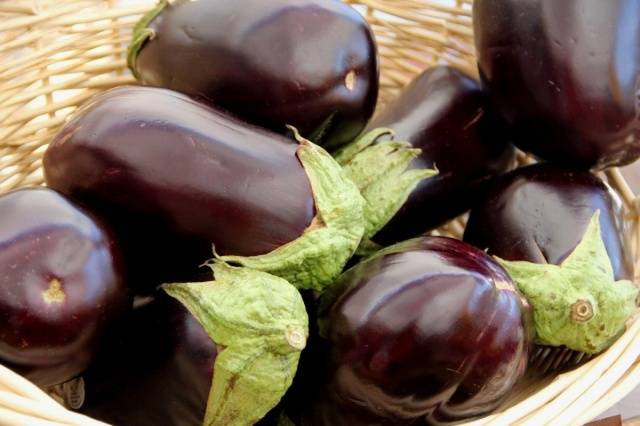
Some people want to pick the ripe fruits all at once, clean up the garden, and do other chores. Others want to continue cooking fresh eggplants until late autumn. In this case, it's recommended to consider the length of the fruiting period.
Winter hardiness
If you live in an area where winter doesn't readily yield its grip to spring, you'll experience frequent late frosts. Many people plant eggplants and other vegetables in the spring, despite the possibility of frost returning. Your efforts won't be in vain if you plant varieties that are highly resistant to cold snaps and short-term low temperatures.
Sensitivity to watering
Eggplants thrive on moisture and require regular and frequent watering. In hot climates, be prepared to stock up on water while growing eggplants. Fortunately, breeders have developed varieties that can easily withstand drought.
Shade tolerance
This vegetable requires full daylight. Shade-tolerant varieties adapt to regions with frequent cloudy weather. However, planting them in shaded areas is not recommended.
Disease resistance
The plant's resilience is an important criterion that makes caring for it easier. The eggplant variety must have a strong immune system. This will eliminate the need for constant pest control.
General recommendations
When choosing eggplants, it's recommended to read the manufacturer's information on the packaging. It contains everything a gardener needs to know to successfully grow the vegetable. If the seller is an eggplant expert, they will be able to answer any questions and help you choose the right variety.
Successful varieties for open beds with photos
If you can't grow vegetables indoors, you can do so in your garden. There are many early, mid-season, and late-ripening varieties available on the market. Early varieties are more suitable for southern regions. They adapt more quickly to a new location after planting.
Alekseevsky
The dark blue fruits that form the eggplant bush have long been a favorite of gardeners. The variety is resistant to cucumber and tobacco mosaic. It has excellent flavor and is used for winter preserves.
Vakula
The seedlings are planted in late May and can withstand temperature fluctuations. The bush reaches 1.2 m in height. Vakula has a dense, thick stem. It is a large-fruited variety, with a single bush yielding up to 9 kg of fruit per season.
Banana
The Banana eggplant is an ultra-early maturing variety recommended for planting outdoors. The first fruits are harvested three months after sowing. With proper care, a single crop can yield up to 4-5 kg of eggplant per season. They can be stored for a long time without losing quality.
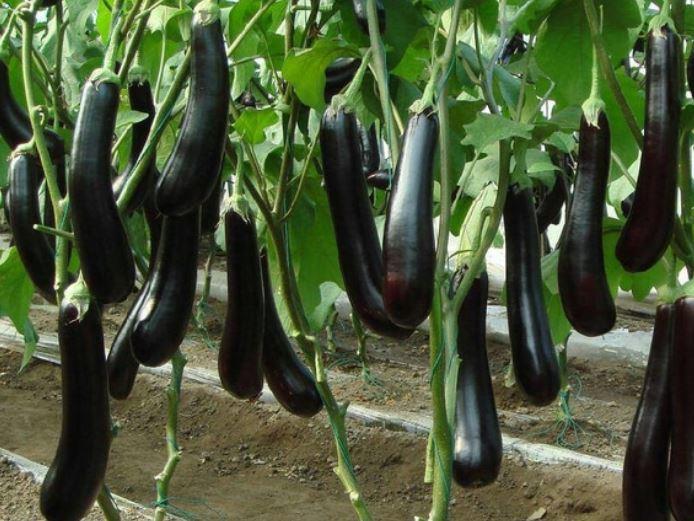
Chinese lantern
The variety gets its name from the color of its fruits as they ripen. They become covered with attractive red spots. The bush grows up to 70 cm. The yield is modest—one bush produces no more than 3 kg of fruit.
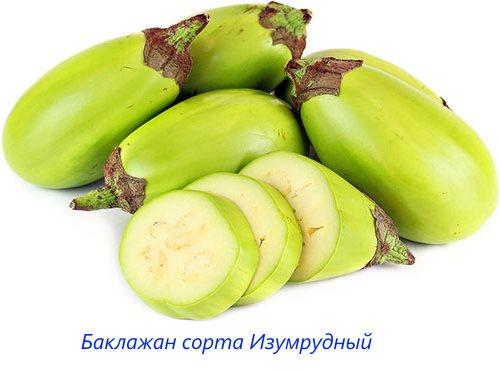
Emerald F1
Another variety name alludes to the color of the fruit. When ripe, they acquire a rich green hue. Suitable for growing in open ground, this variety is early maturing.
Emerald F1 is a small bush variety. It tolerates cold temperatures well. The fruits are cylindrical and weigh up to 0.5 kg. When cut, the flesh is creamy and non-bitter.Emerald F1 is a high-yielding variety.
Negus
Another early eggplant variety. The compact plant produces fruit 60 days after planting. The purple eggplants are round, with average fruit weights of 140-300 g. They are grown commercially because they transport well. They shed their fruit early. Mature eggplants are harvested every 7-9 days.
Valentina
Seedless eggplant pulp. It has a wide range of beneficial properties:
- good yield;
- excellent taste of the pulp;
- adaptation to climate;
- easy to care for;
- early fruiting;
- strong immunity.
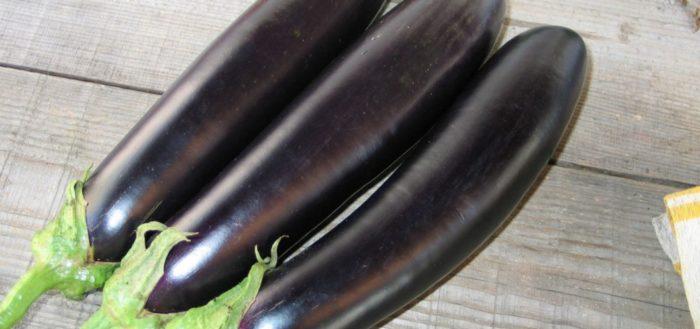
The Valentina eggplant variety is one of the most commonly found in gardens.
Bourgeois
A single ripe eggplant can be used to prepare a full meal, as it weighs up to 0.6 kg. The rounded eggplant has dark purple skin. Growing this variety in a greenhouse is challenging due to its height—1.6 m. Therefore, it is planted outdoors using a trellis.
Joker
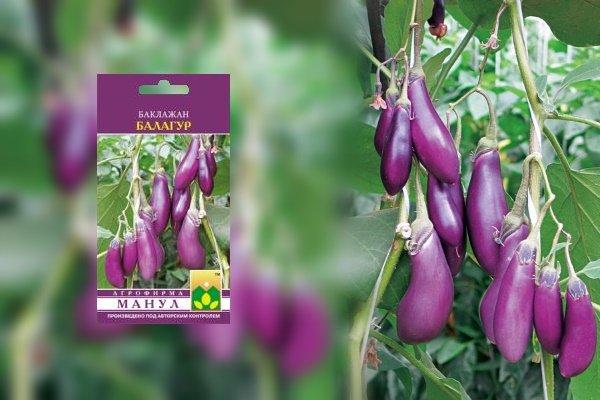
It has a cluster-like growth habit, making it unlike other members of the Solanaceae family. A single cluster produces 3 to 7 perfectly elliptical fruits. The skin is bright pink with a glossy sheen.
Dragon
After planting, the seeds grow and develop quickly, eventually becoming a mature plant. It was bred for cultivation in regions with unfavorable climatic conditions and thrives even in soils with minimal nutrients.
King of the North
Mature fruits have virtually no voids. The hybrid tolerates low temperatures, provided the young shoots have been hardened off. Up to 5 kg of fruit can be harvested from a single bush. Harvested eggplants should be stored in a cool place for 1-1.5 months.
Prime Minister
This variety produces dark purple fruits of the familiar pear shape. The bush develops vigorously during growth and has a distinctive flavor. It thrives in warmth, light, and abundant watering.
The Black Prince
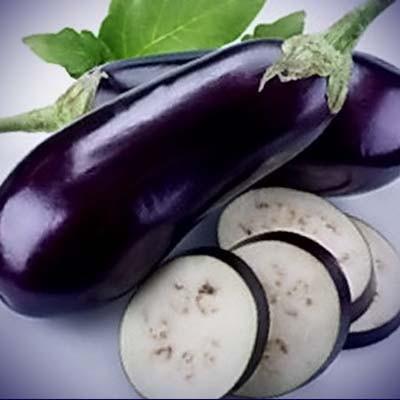
This variety is suitable for growing in areas with limited space. Fruit sets on the bush daily. It is virtually disease-resistant and produces a high yield.
Pink flamingo
Ripe fruits acquire a delicate lilac hue. The plant bears fruit early and is tall. The longest stem reaches approximately 2 m in height. A single bunch contains 3 to 5 ovaries. The fruits of this variety have an exotic appearance. They are elongated and weigh approximately 400 g. Hidden beneath the pink skin is white flesh, which has no noticeable bitterness.
Nutcracker
An early ripening variety of eggplant In greenhouse conditions, it reaches 1 m in height. The spreading bush requires plenty of space. Due to the abundant production of ovaries, it has a long fruiting period.
Bibo
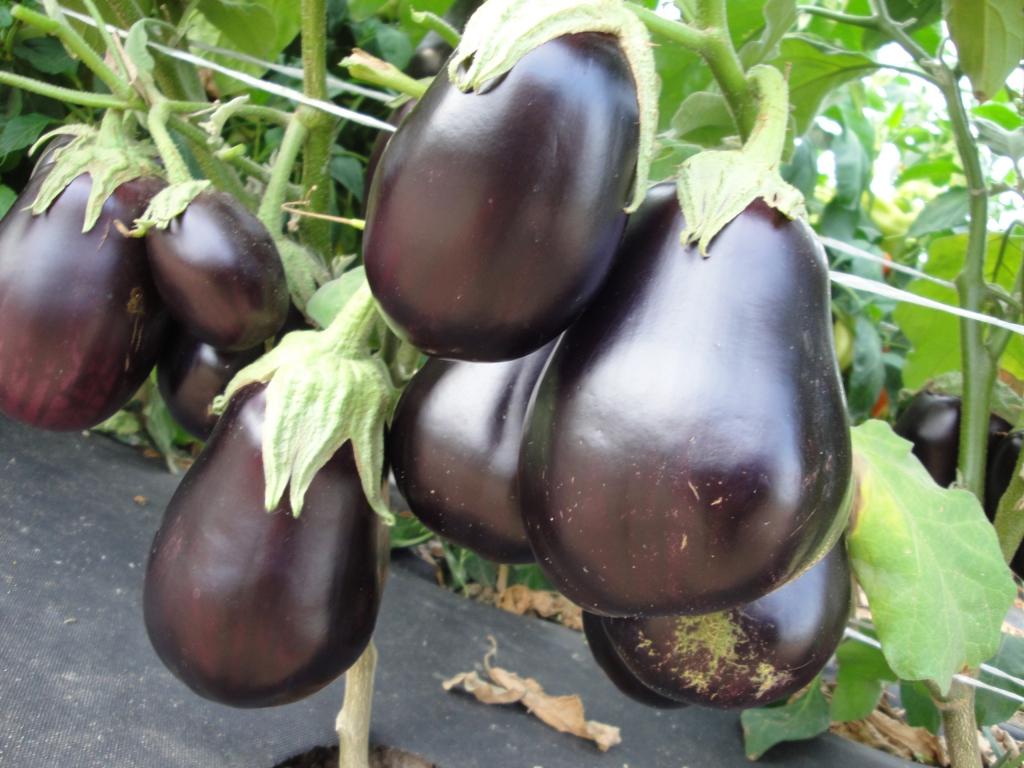
The bushes produce white eggplants. They form in clusters, making them considered high-yielding. The 1-meter-tall bushes require staking. Beneath the white skin lies the equally white flesh. It has a delicate flavor and is not bitter. The vegetables are used for canning and stewing.
Korean dwarf
It tolerates frequent nighttime cold snaps, so even critical temperatures are not a problem for it. The plant produces eggplants of a classic shape. Cold weather does not affect the yield.
Faith
It grows successfully in open ground conditions. Ripe fruits resemble pears and are purple in color. The pale yellow flesh tastes like meat.Rarely susceptible to plant diseases, it keeps well when cut and has a sprawling yet compact bush.
Mileda F1
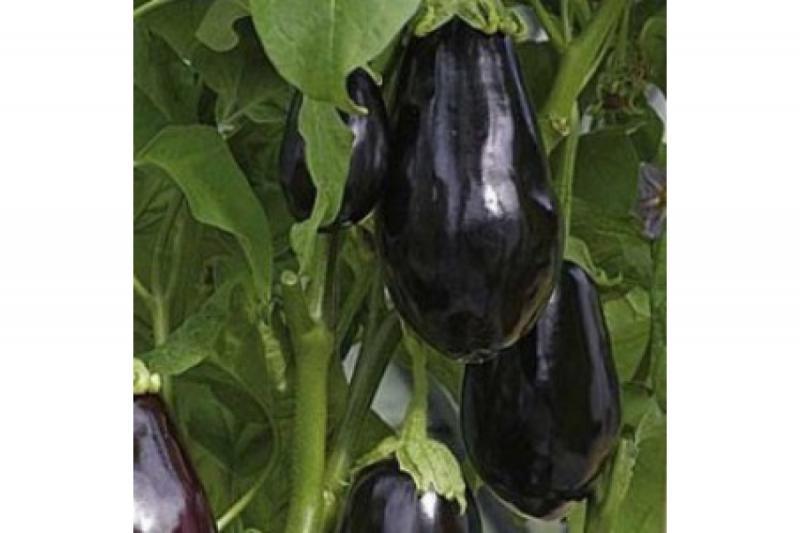
A Dutch-bred variety. Individual specimens exceed 20 cm in length. The shoots are thornless, and fruit sets occur even in cold weather.
Anet F1
After planting the seeds, a vigorous, spreading bush forms, abundantly covered with foliage. Gardeners report abundant fruiting. It produces its first harvest early, and fruiting continues until late autumn.
Fabina F1
This ultra-early hybrid stands out for its large size. The vigorous, spreading bush requires no staking. Each bush produces at least nine eggplants at a time.

Epic
This eggplant variety has all the characteristics people look for in a cultivated plant. The fruits can be picked from the branches two months after planting in open ground. The skin of the fruit has a rich purple hue.
Popular mid-season varieties for open ground
Typically, most early eggplant varieties stop bearing fruit early. They yield their fruit, and the plants are removed from the beds. After the early varieties ripen, mid-season varieties begin to yield.
They are grown in open ground and are suitable for preparing any dishes.
Diamond
Despite its branching, this variety is considered a dwarf. Round fruits form on the shoots. In addition to its primary use, it also serves as an ornamental plant.
Albatross
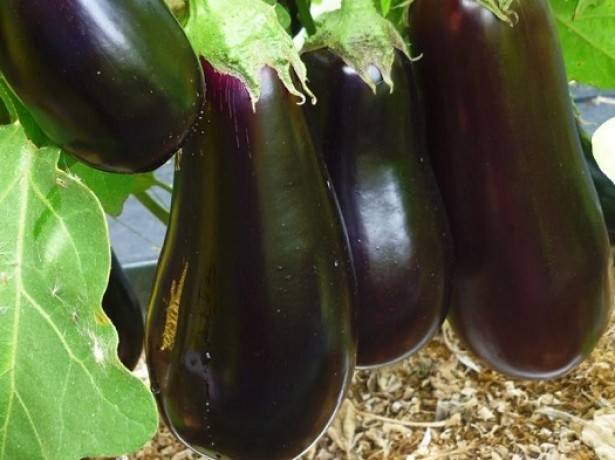
The softness of the fruit makes it ideal for fresh consumption. Teardrop-shaped eggplants are suitable for canning and long-term storage. Due to their excellent shelf life, they are considered a favorite among gardeners.
Brazilian orange
An unusual eggplant variety due to its shape and color. The fruits are orange with green stripes throughout. The oval eggplants weigh up to 100 g. The fruits are considered ripe when they turn a deep red. However, they are eaten only when they turn orange. Red ones are not eaten due to their bitterness.
Baltic
It prefers a warm climate, making it suitable for southern regions. Good care combined with proper watering ensures a high yield. It is grown primarily for commercial purposes.
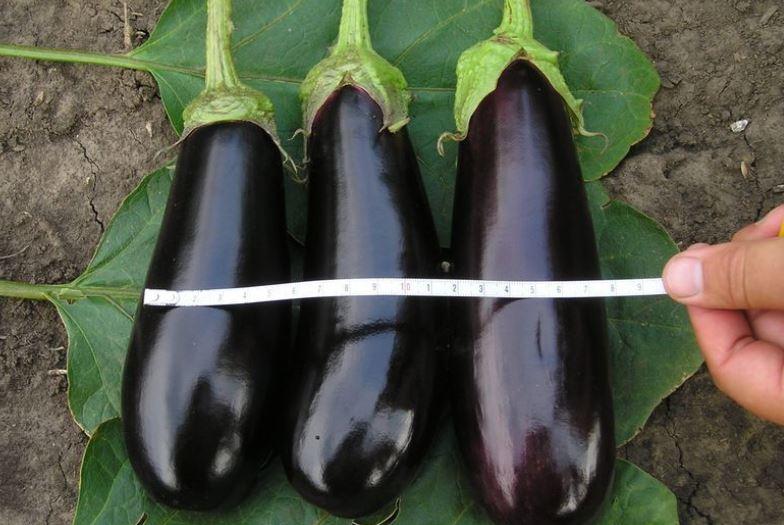
Marzipan
The eggplant has tender and delicious flesh. The pear-shaped fruits are deep purple in color. Ripening occurs in 100-115 days.
Mantle
The tall bush produces numerous clusters of small fruits. The milky color of the fruits indicates they are unripe. As they ripen, the color changes to orange with vertical green stripes. The flesh has a sweet taste. The fruits are rich in carotene, making them healthy.
Hippopotamus
The bushes are frost-resistant, and their immune system protects them from many diseases. The flesh is milky white. Begemot produces abundant harvests.
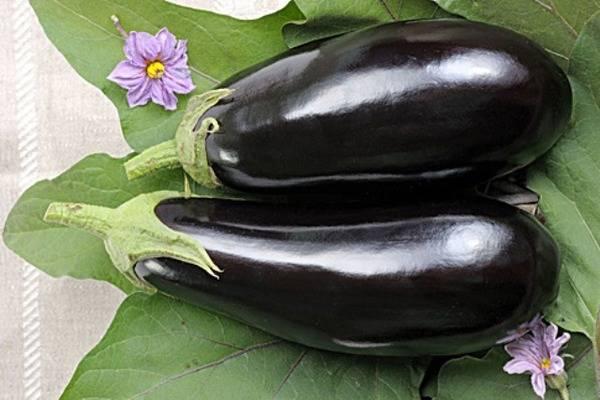
Clorinda
This hybrid is suitable for growing in outdoor beds. Planted bushes thrive in the garden, provided they have sufficient space. Compact and small bushes require staking. It tolerates cold snaps in late May and early June.
Roma
This variety is ideal for regions with cool summers. Growing the Roma eggplant requires minimal care. The fruits have green flesh and are veinless.
Black beauty
This variety of eggplant isn't known for its abundant yield, but its excellent flavor makes up for it. The fruits are purple. The plants produce fruit generously, but require shelter at night.
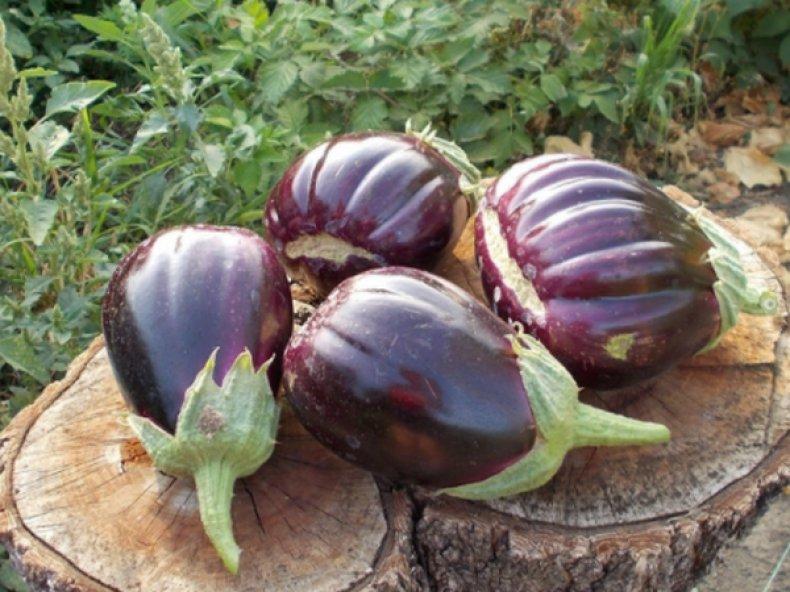
Sancho Panza
A small bush produces giant eggplants. This variety is resistant to pests and frost. It is used in various dishes due to the flavor of its flesh. The branches cannot support the weight of the fruit, as large specimens are common. It requires support.
Policeman
The bush grows very tall—from 2 to 2.5 meters. A single plant can yield up to 10 kg of fruit. During growth, the bush requires shaping. It is recommended to leave no more than two stems, which ensures 15-20 fruits ripen simultaneously.
It can be stored for 2-3 months. Its appearance suffers, but the flavor remains the same. It can be eaten fresh or used for pickling.
Sailor boy
The fruits attract people thanks to their unique coloring. When ripe, they are white with blue stripes. They are characterized by early and uniform ripening. The taste of the fruit is mild, which is appreciated even by professional chefs.
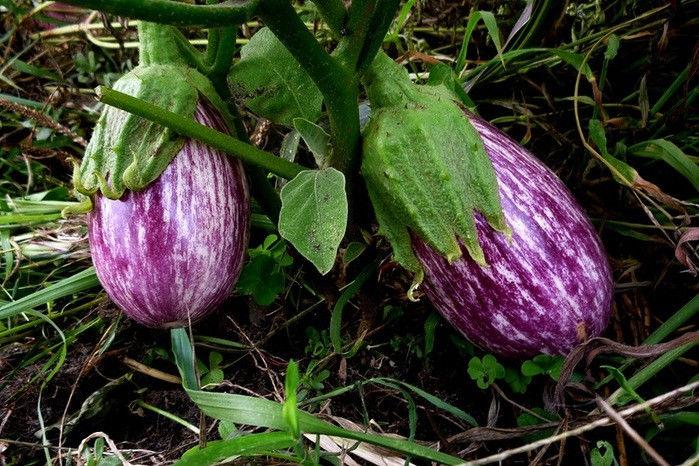
Striped flight
The fruit's unusual coloring gives it an exotic appearance. The neat cylinders are covered in stripes of pink and purple. They reach 20 cm in length, and some weigh up to 250 g.
Robin Hood
The low bush requires pruning while still a young plant. The eggplant's branches are covered in thorns, so harvesting is done carefully. The fruits are round in shape and have a hint of bitterness when eaten.
Bull's heart
It is planted in open ground after the last frost has passed. A single bush yields 7 to 14 kg of fruit per season. Although it prefers warmth, it does not tolerate overwatering.
Late-ripening varieties
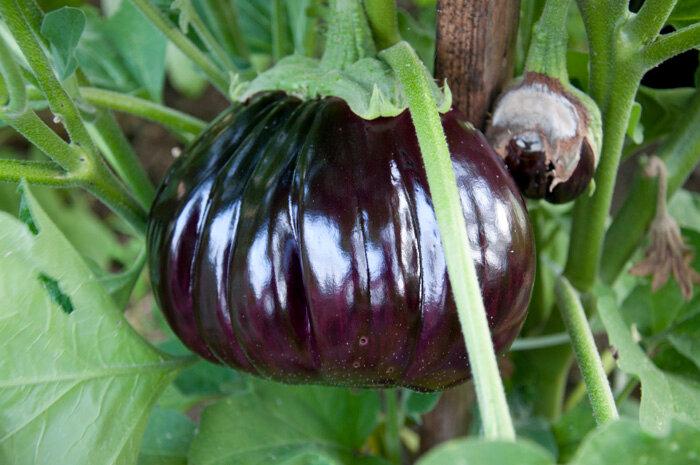
Not all gardeners dare to grow late-ripening eggplants. Considering the time it takes for the seeds to germinate, it takes about six months to harvest. However, they have one advantage: they store much longer than other varieties. Residents of regions where winter arrives later can grow them.
Black beauty late
The fruits of this variety are long and perfectly smooth. The average weight ranges from 450-650 g. Some truly giant fruits weighing up to 1 kg have been observed. Fruiting continues despite falling temperatures.
Sofia
A typical representative of the nightshade family, with white-green flesh. It grows successfully even in greenhouses. Its flavor is delicate and very aromatic.
Teddy Bear
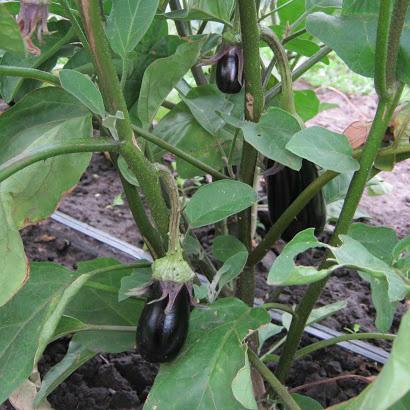
The excellent flavor of its flesh makes it a favorite culinary vegetable. Its deep purple color is often mistaken for black. It withstands the most extreme weather conditions.
Black Moon
Temperature fluctuations do not affect fruiting. It is resistant to tobacco mosaic virus. It is often used for canning.
Bagheera
The taste of the fruit bears no resemblance to its name. The blue ones are delicious, tender, and aromatic. When cooked, the flesh becomes juicy and spicy.
Namesake
Thanks to its adaptability, the variety is cold-tolerant. It is resistant to rot and common plant diseases. Fruiting begins in 115-135 days.
Unusual varieties
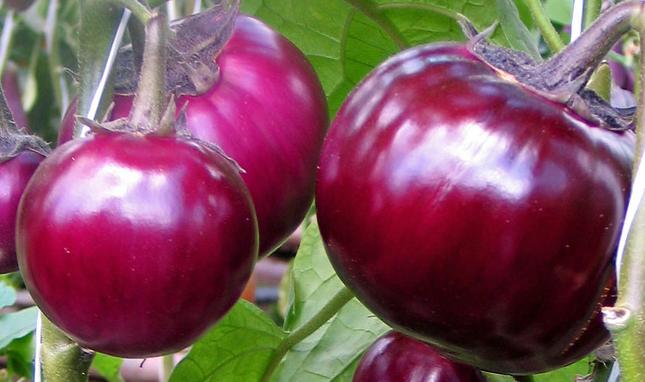
Gardeners are accustomed to eggplants having a dark blue or deep purple color. That's why they're also called "little blue" (or "little blue"). But there are also varieties that can satisfy the tastes of true gourmets.
Swan
The skin and flesh are the same color—white. In addition to being grown outdoors, it also produces fruit in greenhouses. Lebediny is a high-yielding variety.
Golden eggs
Considered unique due to its golden color, it is grown not only for consumption but also as a garden ornament. The round fruits resemble an egg in appearance.
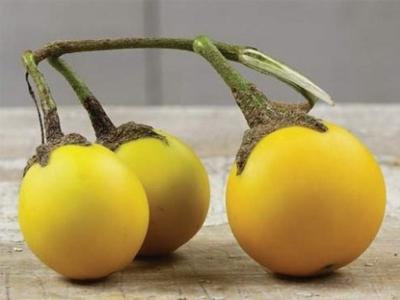
Red ruffled
This variety is characterized by a continuous growth of new fruits. Round and ribbed, they can easily be confused with tomatoes. Each fruit reaches 4 cm in diameter.
Rotonda Bianca
A high-yielding variety. Its large fruits lack the typical eggplant bitterness. They are oval-shaped and covered with a pinkish bloom.
Icicle
It got its unique name from its color and shape. This white vegetable weighs about 300 g. Up to 5 kg of fruit can be harvested from a single bush.
Yoga
Cylindrical eggplants with glossy skin, elongated and suitable for baking. Seedlings are planted outdoors in late May.
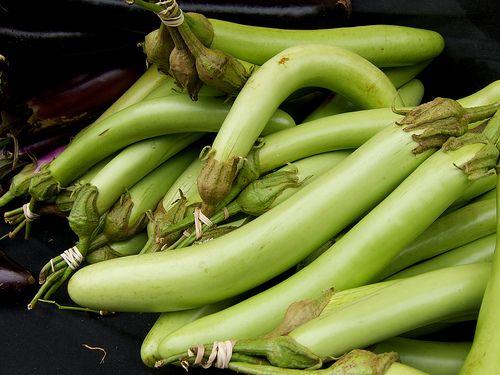
The taste of mushrooms
Forms ovaries even at low temperatures. The fruits have thin skin and tender flesh. The flavor has mushroom notes.
Pelican
The eggplants are shaped like a saber. They are not straight, but slightly curved. They are completely white. They have a pleasant taste and are not bitter.
Iceberg
The taste lacks bitter notes due to the absence of anthocyanin pigments. This gives them a white color, rather than purple like other eggplants. The fruits are elongated and widen toward the bottom.
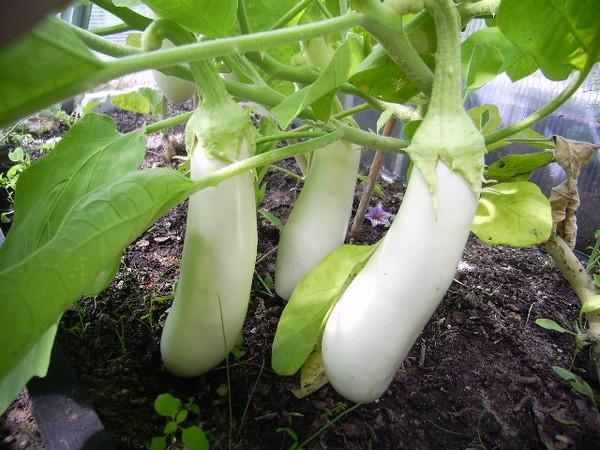
Ping pong
The fruit can easily be mistaken for balls, hence the variety's unique name. It thrives in warmth and is therefore not grown in regions with cold climates. It can be stored for a long time and transported over long distances.
Greenie
The fruits are also spherical, but quite large. The flavor has mushroom notes. It is grown in open areas, which positively impacts the yield.
Lusiana
This variety is an American selection that has gained recognition in other countries. The yield is average—3 kg per bush. Cylindrical, smooth, and uncurved.
Thai green
The plant was brought from exotic, warm climates and therefore doesn't like cold temperatures. Eggplants reach 25-30 cm in length. After transplanting into open ground, they begin to bear fruit in 85 days. Seeds are quite expensive.
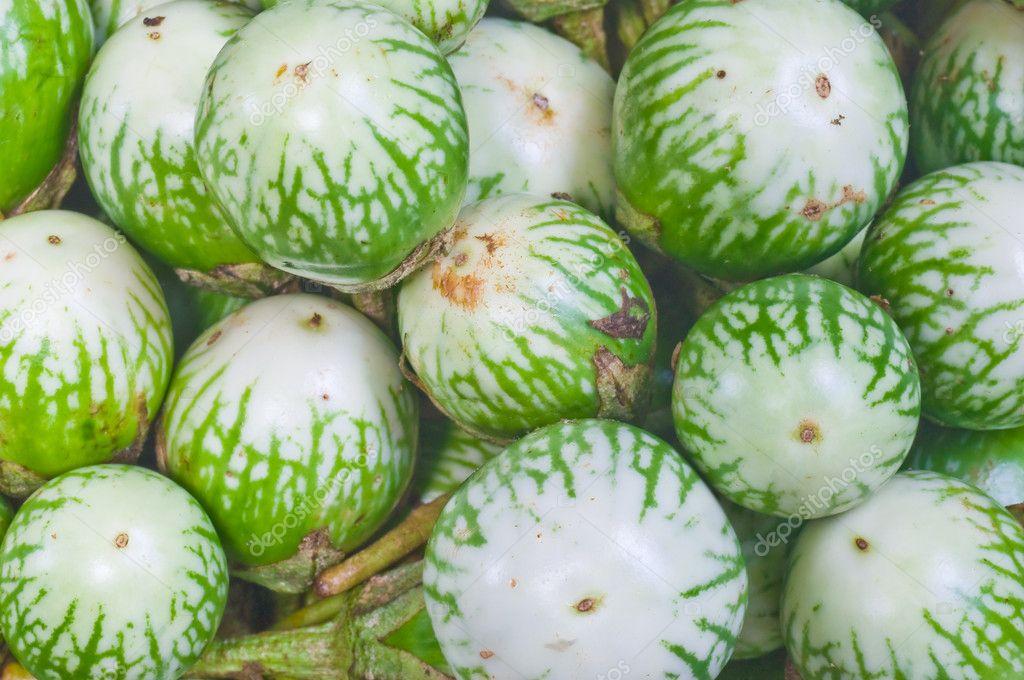
Bumbo
The firm fruits are a light lilac color. Inside, the flesh is white and non-bitter. The branches are occasionally thorned, and the foliage is medium.
Romantic
The fruits are beautiful in appearance. The white flesh is hidden beneath a thin, delicate pink skin. The variety produces fruit consistently, and the shoots grow quickly.
Reviews of the best regional varieties
People living in different regions of the country grow vegetables in different climates. Some places are characterized by consistently low temperatures. Varieties developed for each region are adapted to all climate conditions.
For central Russia
Warm weather in summer is rare, and the season isn't as long as desired. Eggplant thrives in full sun, so there's a risk it won't ripen fully in open ground. There's a solution: grow the plant from seedlings. If necessary, cover the plantings with plastic film.
Lilac fog
This early-ripening variety ripens 85-100 days after sowing. For excellent growth, Lilac Mist requires regular fertilizing. Loosening the soil is also recommended. The plant will reward you with a bountiful harvest for minimal maintenance.
King of the North
The vegetable's main characteristic is its cold resistance. It grows and develops well in open ground. Its modest-sized bushes produce a good harvest.
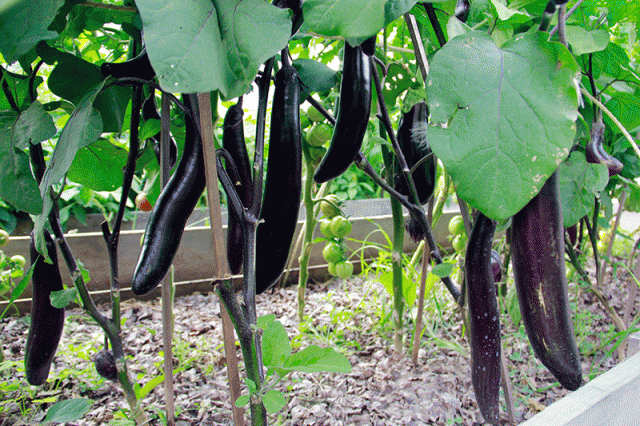
Valentina F1
Ripe vegetables look appetizing and grow up to 25 cm in length. The modest yield is compensated for by the incredible flavor of the fruit. The skin is a rich, almost black color.
Long purple
The plant's compact size allows it to be grown in different locations. Yields are low, but they can be increased by artificial pollination during flowering.
Siberian early ripening
This variety is prized for its good tolerance to low temperatures. It thrives in adverse weather conditions. Gardeners who plant this variety are guaranteed a harvest.
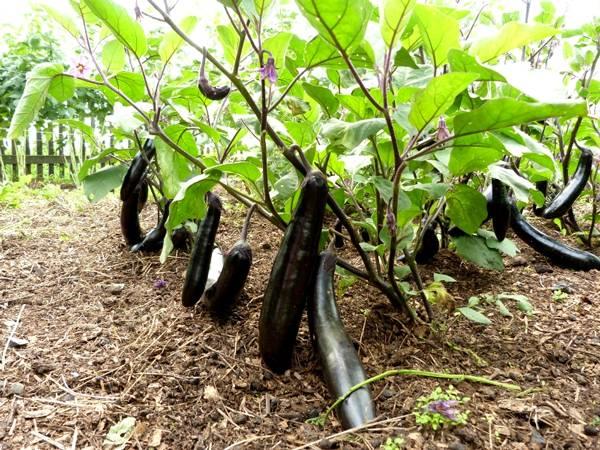
Dwarf early
This variety is low-maintenance and requires standard care. Dwarf Early combines low-maintenance care with amazing flavor and high yield. Yields can be increased by covering the plant during particularly cold days and nights.
Czech early
Planting in open ground begins in May, allowing for the first fruits to be harvested quickly. They become edible as early as August. The low-growing plant produces a small amount of fruit, but it's very tasty.
Northern Blues
Although this variety is not affected by low temperatures, it is recommended to use cover when growing it. The bush is tall and requires support. Approximately 3-4 kg of oval, lilac-colored fruits are harvested per square meter.
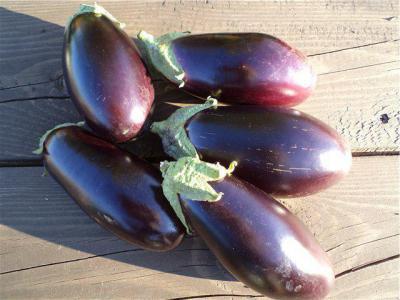
Alenka
This early-ripening variety boasts interestingly colored fruits. In the case of Alenka, the familiar green color indicates their ripeness. The flesh also has a pleasant green hue.The vegetable is suitable for consumption raw.
Fluff
The fruits are oval-shaped, barrel-shaped. Pushok is a white eggplant variety. The flesh inside is also white and very soft. The fruits ripen en masse.
Amethyst
The crop produces abundant fruit, making it possible not only to enjoy fresh eggplants but also to preserve them for the winter. Three months after sowing, the first fruits are ready to eat. The vegetable retains its attractive appearance when cooked.
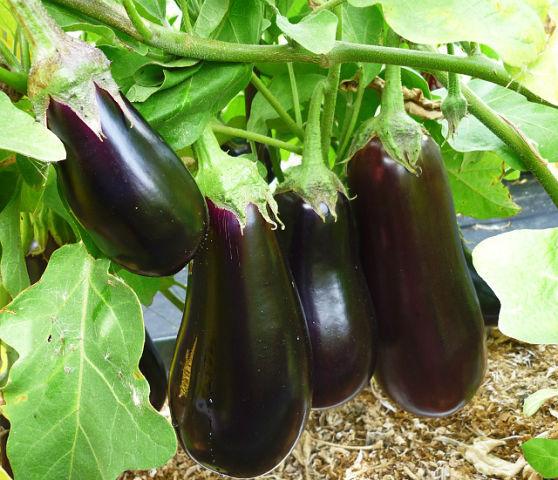
Kirovsky
A striking example of domestically bred varieties. Low light and low temperatures do not affect fruiting. The eggplants ripen at the same time and have virtually identical shapes.
Andryusha
An eggplant variety with a low yield. Planting in protected soil increases yield. The same result can be achieved by covering plants grown in open soil.
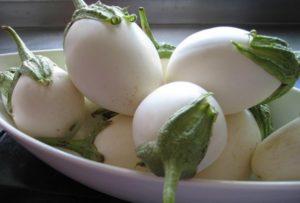
Ultra-early F1
Blue bears fruit early, but requires special care. It's picky about its growing location. It grows well after melons, cucumbers, cabbage, and onions.
Ural
Early- or mid-season varieties are typically grown in the region. Seedling planting begins in February. Many varieties are suitable for outdoor cultivation.
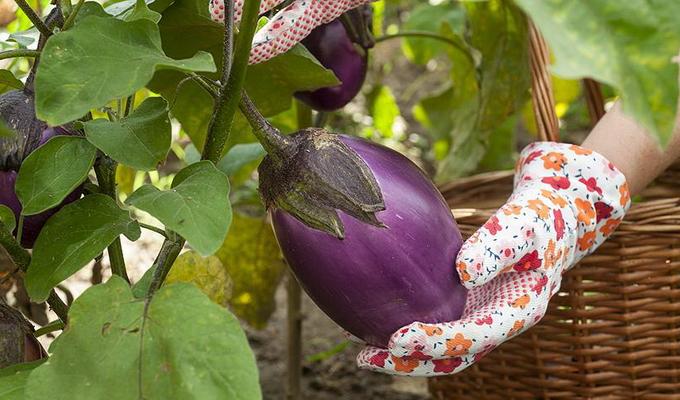
Suitable varieties
Most popular:
- Robin Hood;
- Alekseevsky;
- Lilac fog;
- Black beauty;
- Joker;
- Black moon.
The varieties have similar characteristics. They are predominantly dark purple in color, with the exception of a few specimens with a delicate lilac hue. They are used in a variety of dishes.
Don Quixote
The blue ones of this eggplant variety are thin and long. The inside contains tender flesh, covered by a thin, non-bitter skin. They are often used in salads. Due to their small size, they are often chosen for grilling, as they cook evenly.
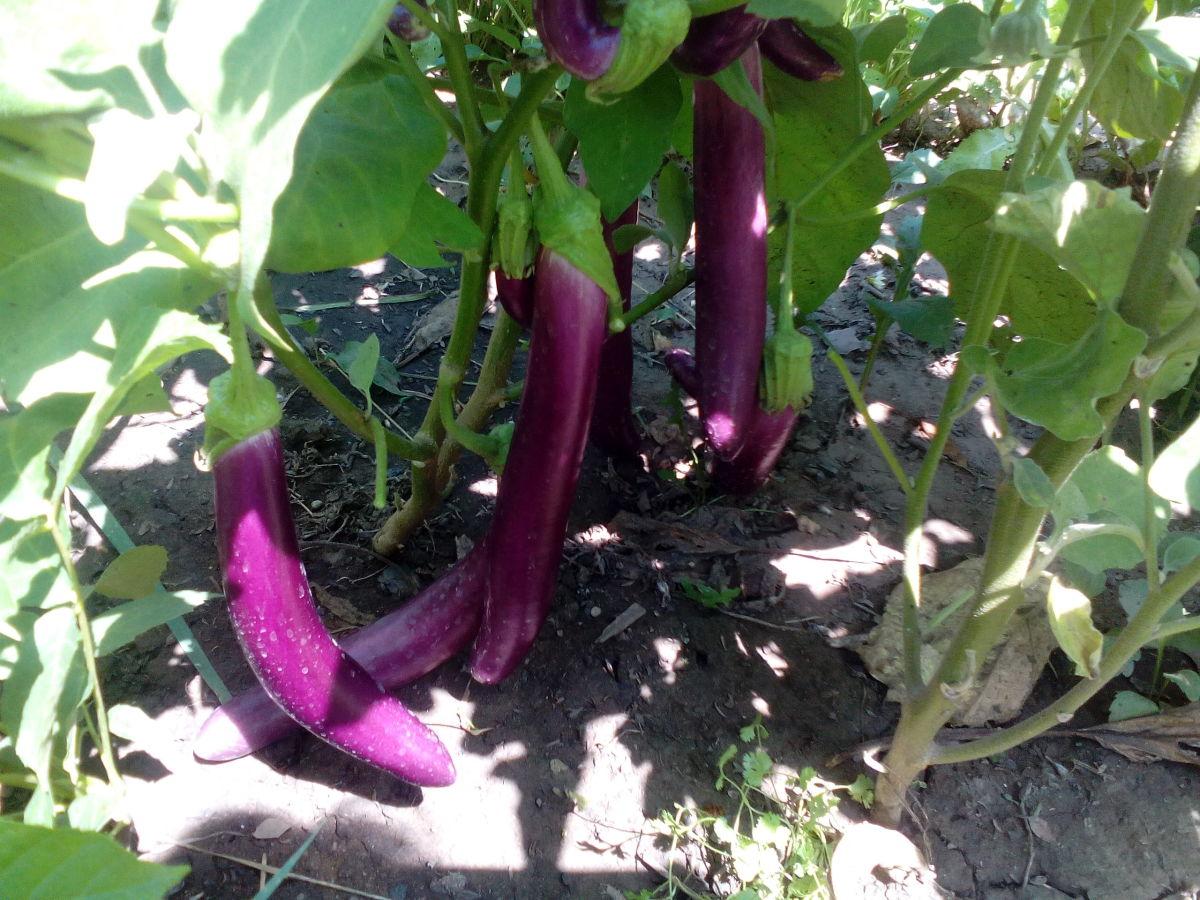
Maria
The low bushes are abundantly covered with bitter-free fruit. Staking is recommended when carrying a large number of eggplants. During the growing season, phosphorus- and potassium-based fertilizers are readily absorbed. If cold weather is frequent in the summer, foliar feeding with micronutrients is recommended.
Ukraine
Beyond Russia, this vegetable is grown throughout Ukraine. It is especially common in the south of the country. It is grown not only for personal consumption but also on an industrial scale. The wide variety of cultivars allows for cultivation in the east, west, and even north.
Frost hardiness zones
Ukraine is a country characterized by a narrow temperature range. Generally, the south feels warmer than other regions. There are no extreme temperature drops, so eggplant can be grown outdoors.
Varieties for growing
In Ukraine, the most common varieties are:
- Bibo;
- Faith;
- Diamond;
- Black beauty;
- Prime Minister.
Among the newcomers, Bibo, Vera, and Black Beauty stand out. They appeared relatively recently, while Almaz has long been a regular garden staple. Eggplant, a vegetable crop, is characterized by a long fruiting period. Therefore, you can enjoy your favorite dishes for weeks.
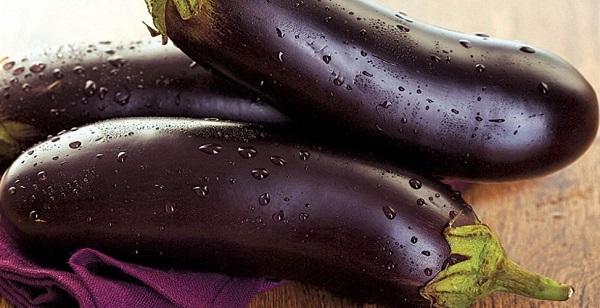
The fruit is a distinctive dark purple color. These varieties can withstand temperatures even below freezing. If frost threatens, they are temporarily covered. The average bush height is 1 m. Each fruit weighs between 200 and 700 g. Some specimens can reach 1.5 kg, but this is rare.
Five to nine eggplants ripen on a single plant at a time. The white flesh is hidden beneath the purple skin. When cut, the flesh remains light and does not darken. To grow vegetables at home, choose varieties with a large number of seeds.
Belarus
Eggplant is also one of the most beloved vegetables in this country. But not everyone dares to grow it in an open garden.
The climate of Belarus is the opposite of what the vegetable is used to.
The weather is often characterized by strong winds, cool temperatures, and sudden temperature fluctuations. Prolonged rains and droughts also occur. To prevent eggplants from dying, they need proper care and, if necessary, cover.
Giselle
One of the few varieties that can survive cold. Fruits weighing 300-500 g store well. Yield varies depending on growing conditions.
Ilya Muromets
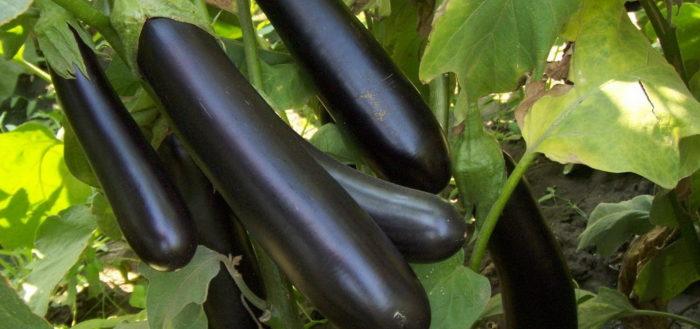
Ripe fruits are massive and firm in appearance. They are used exclusively for cooking. Seeds are rarely found in the pulp, even among the largest specimens harvested from the bushes.
Station wagon
This eggplant variety tolerates temperature fluctuations without any problems and requires no cover. It rarely suffers from common nightshade diseases. Mature vegetables are small in size, making them easy to handle during cooking.
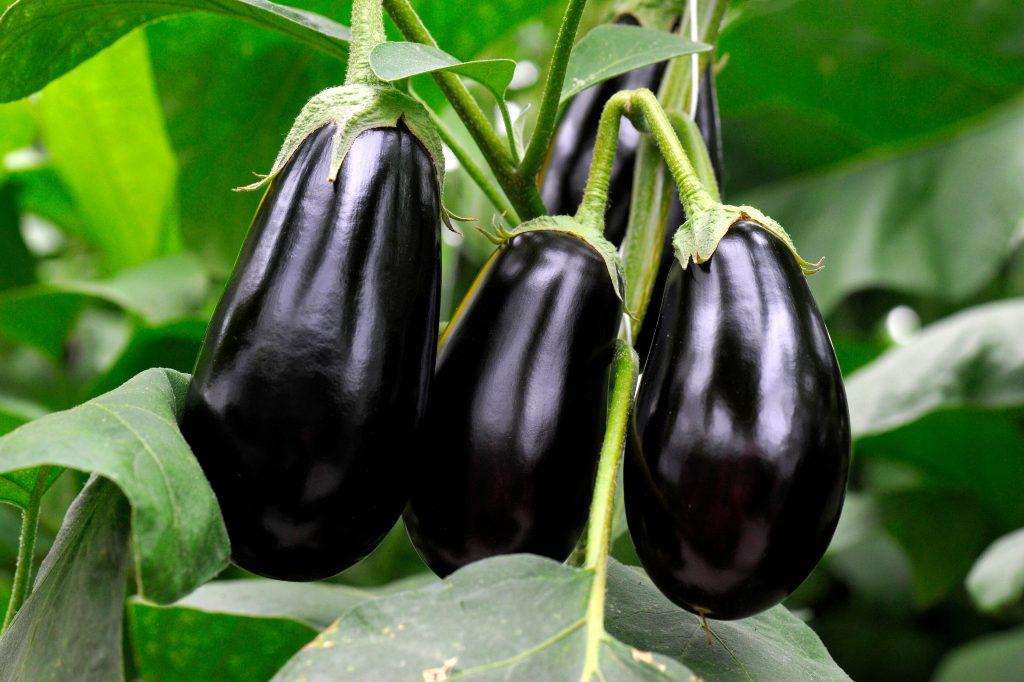
The fruit contains a delicate yellowish flesh. It tastes tender and juicy. Eggplants make a delicious and nutritious dish. When plucked from the branches, the dark purple fruits keep fresh for a long time.
Growing methods
Eggplant is grown in two ways - by seedlings and by seed (greenhouse). This allows each gardener to choose the option that best suits their specific conditions. Both methods are effective and produce a large harvest of delicious fruit.
Seedling
It consists of several stages:
- Preparing the soil.
- Sowing of seed material.
- Care before and after germination.
- Planting in open ground.
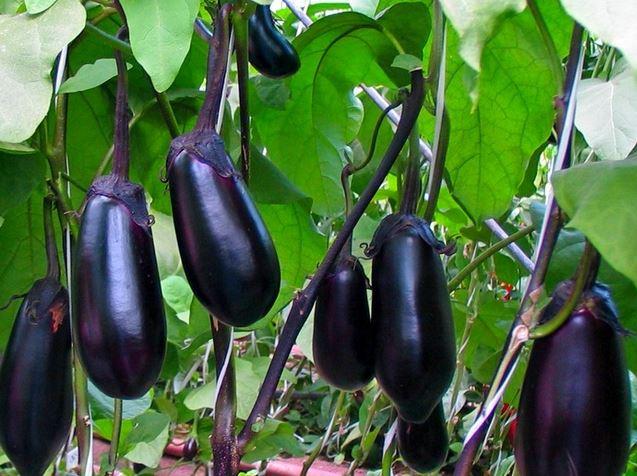
To ensure the seedlings establish quickly and smoothly in their new location, they are hardened off. They are taken outside for 5-10 minutes each day. Increase this time just before planting.
Greenhouse
What are the stages of cultivation:
- Preparing beds and seeds.
- Planting of material.
- Care before fruiting.
The number of steps might make it seem like greenhouse growing is much easier than seedling growing, but that's not the case. Greenhouse growing requires constant care. But it also has an undeniable advantage: the fruits plucked from the branches can be enjoyed year-round.
Adviсe
Experienced gardeners are happy to help novice vegetable growers and share their secrets for successful cultivation. Over the course of our practice, we've gathered quite a few.
Garden beds
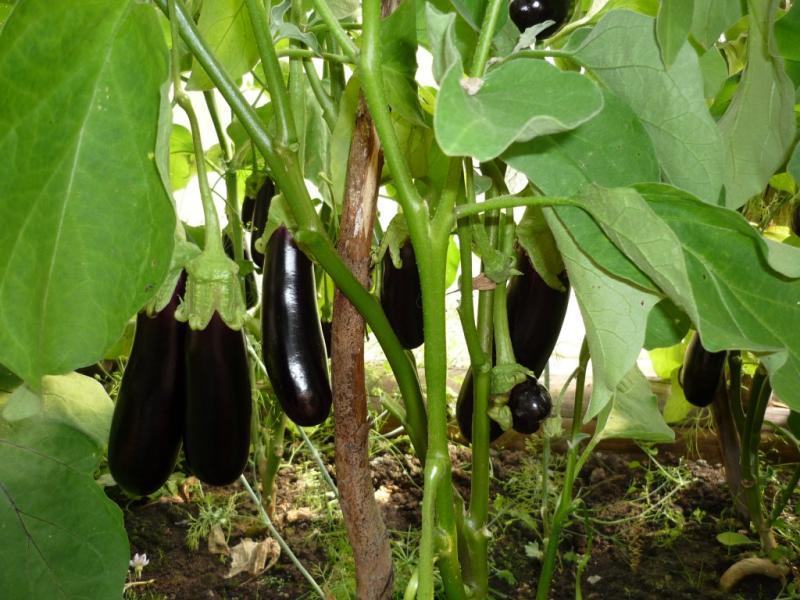
Eggplant is a heat-loving crop that requires plenty of light. The beds should be located in a location that is protected from the wind and receives even sunlight. In this case, you can plant peas, beans, or leeks around the perimeter of the plot.
The beds should have enough space to ensure the bushes aren't crowded. This approach will make it easier to remove weeds and tend to the crops. When planning the plot, consider the variety of the plant. Tall specimens require additional support.
Soil with humus
Eggplants prefer soil rich in sand, peat, and humus. It should be neutral, light, and loose, allowing air to reach the root system. The soil for eggplants is prepared in the fall.
Planting order
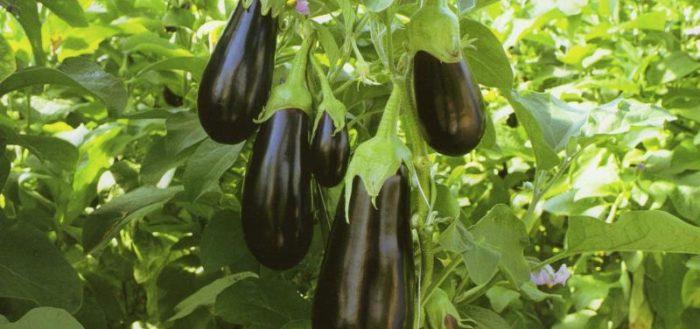
Eggplants, like any other garden crop, are not planted in the same spot every year. Crop rotation rules allow for planting in the same spot at least every three years.
One of the secrets to getting a good harvest is planting eggplant after friendly crops.
Eggplants thrive in areas previously occupied by root vegetables, legumes, cauliflower, cabbage, onions, and corn. Cucumbers, zucchini, and greens like dill and parsley also make good predecessors. Eggplants should never be planted in areas previously occupied by other members of the Solanaceae family.
This dark-purple-fruited crop doesn't absorb many nutrients while growing and developing in the garden. Afterward, the plot is suitable for planting other vegetables. Absolutely all crops can be planted after eggplant. However, planting onions, potatoes, and garlic is the best option, as the yield increases after eggplant.
Sowing time
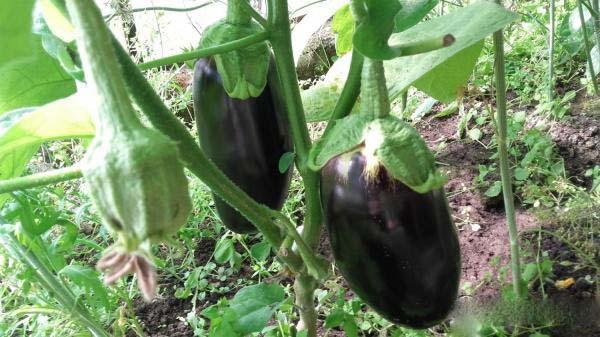
The timing of sowing seeds depends on the location where the eggplant will be grown. When grown in a greenhouse, sowing occurs in February. This can be done throughout the month. In this case, planting in the ground is possible in April.
Seeds for seedlings for outdoor cultivation are sown in March. The optimal time of month is the second and third weeks. Transplanting into the ground is possible in early June, by which time the threat of late frosts should have passed.
Seedlings are planted in their permanent location at the age of 2-2.5 months. Therefore, experienced gardeners use this as a starting point when planning their agricultural practices for the upcoming season.
Reviews
Among vegetable growers, in addition to positive comments, there are also negative ones. The latter are related to growing a particular variety. People often complain that the chosen variety did not produce the expected results. Most of the negative reviews are undeserved.
Gardeners influence their yields without even realizing it. The most common mistake is choosing the wrong variety for a given location. Many don't take this factor into account. Then comes care. If a crop lacks something, it can always be determined by its appearance.
Many people avoid growing eggplant because they believe it won't yield results. But that's not true. This exotic vegetable, originally from warmer climates, has been successfully grown for many years, not only by professionals but also by beginners.
Related posts:
 The best eggplant varieties for growing in a polycarbonate greenhouse: planting and care
 Characteristics and description of the Almaz eggplant variety, cultivation and care
 Causes and treatment of eggplant pests and diseases, how to combat them at home
 How to quickly prepare pickled eggplant in jars for the winter, the most delicious recipes and storage conditions for the preparations
 Characteristics and description of the Black Beauty eggplant variety, planting and care
 Description and characteristics of the Bibo eggplant variety, cultivation and care
 Planting, growing, and caring for eggplant seedlings at home
 How to grow eggplants outdoors and properly care for the plant