
- Description of the plant
- Eggplant varieties
- Diamond
- Black beauty
- Epic
- Albatross
- Basic requirements for growing
- Features of agricultural technology when growing eggplants
- Preparing the garden bed
- Preparing for growing seedlings
- Sowing seeds
- Caring for seedlings
- Picking eggplants
- Transplantation into open ground
- Caring for the crop
- Fertilization
- Watering and loosening
- Bush formation
- Potential problems when growing
- Pest and disease control
- Harvesting and storage of crops
Eggplant is a vegetable that gardeners crave. But not everyone can grow it. Growing eggplants is a challenging process. By choosing a variety that suits your region's climate and following proper growing practices, you'll reap a bountiful harvest of firm, flavorful fruit.
Description of the plant
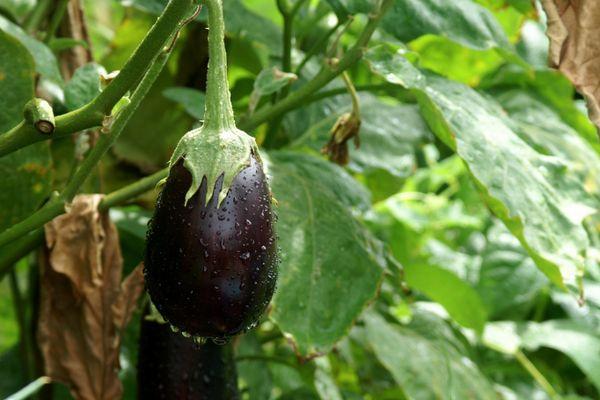
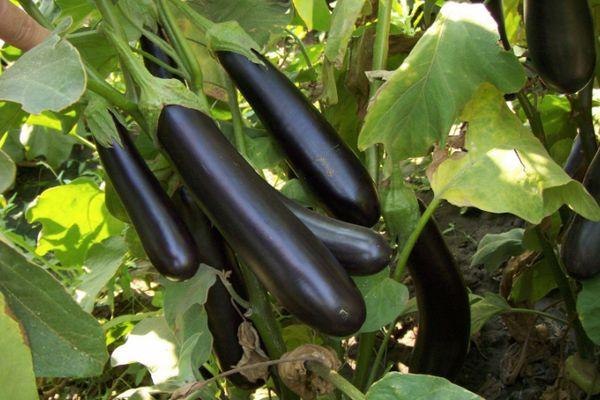
Eggplant belongs to the Solanaceae genus, also known as blue eggplant. It is a perennial plant that produces purple fruits. The vegetables come in round, pear-shaped, or cylindrical shapes. The thick skin covers the milky-colored flesh. Inside are small seeds, the number of which varies depending on the variety.
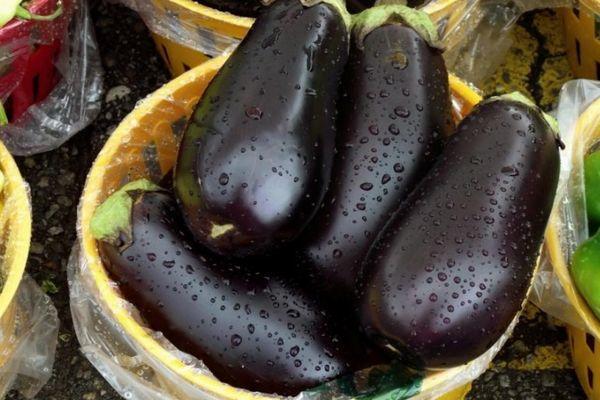
The work of breeders from around the world has paid off, as they have developed new colors. The list ranges from white to deep purple. Eggplants weigh between 35 g and 1.5 kg. A single plant can yield between 2 and 5 kg.
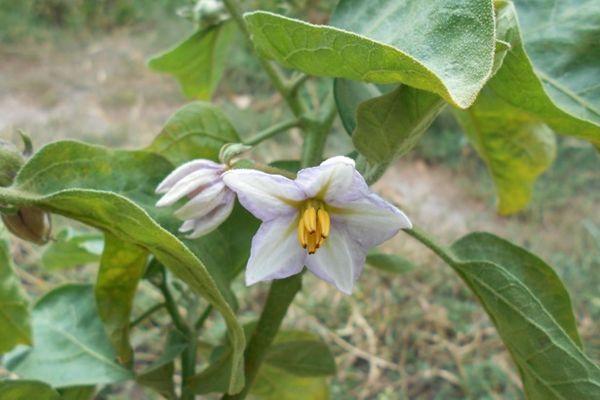
Some varieties grow up to 1 m tall and can have a branched structure. The rich green leaves are covered with fine bristles, giving them the nickname "velvet." Purple eggplant flowers form in clusters.
Eggplant varieties
There are numerous varieties available on the market, developed by breeders. They come in both traditional and exotic colors. In addition to dark purple, orange, red, striped, and green varieties are also available. They also have some differences in flavor. Among the many varieties, vegetable growers prefer those suitable for growing in different agro-climatic zones.
Diamond
Most gardeners love it. Those who try it once will definitely grow it every season. The fruits are cylindrical, about 20 cm long, and weigh between 90 and 200 g. They have a traditional purple color.
Black beauty
It produces best in regions with very hot summers. Each eggplant weighs up to 200 g. It has a delicate, non-bitter flavor. It is rarely affected by disease and is suitable for long-term winter storage.
Epic
A hybrid variety suitable for growing in regions with a variety of climates. Fruit ripens early and produces high yields. It is resistant to pests.
Albatross
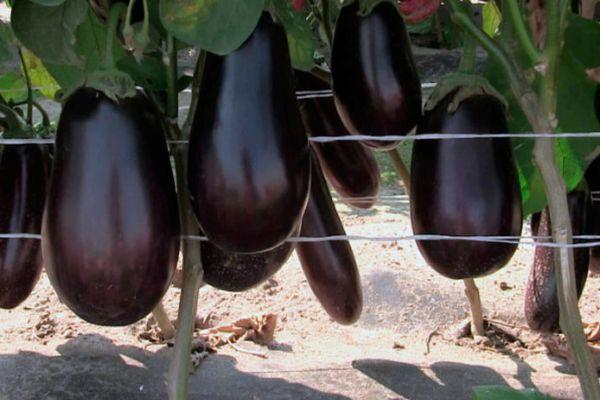
Another member of the Solanaceae family, the blue-violet fruits are covered in shiny skin. The flavor is mild and lacks bitterness. Its shape resembles a pear, as it is shorter. A single eggplant can weigh up to 500 g.
A rich assortment of colors allows you to create dishes on the festive table that resemble a multi-colored palette.
Basic requirements for growing
The list includes the following items:
- Late frosts cause damage to young crops.
- For normal growth and development of the plant, the soil and ambient temperature should not be below +20 °C.
- Eggplant loves sunny places.
- Lack of moisture affects flowering and fruiting.
- A high yield is possible only on light and fertile soil.
If you want to grow eggplants, it's important to consider the following points. Even neglecting one of them will negatively impact the crop. Eggplant is a demanding plant that requires care. Careful care will be repaid in the form of large, firm, soft, and delicious vegetables.
Features of agricultural technology when growing eggplants
Growing eggplant is an art form, requiring gardeners to adhere to all agricultural practices. Crop rotation plays a major role. It's best to choose bell peppers and tomatoes as neighboring plants, as eggplants thrive with them but don't thrive after them. It's not recommended to plant eggplants in a plot previously occupied by any member of the Solanaceae family. Cucumbers, carrots, melons, and other vegetables are good choices for predecessors.
Preparing the garden bed
When growing eggplants, planting location plays a crucial role. Sunny, wind-protected sites are preferred. Eggplant thrives in warm climates but does not tolerate heat. If the air temperature reaches 30°C and the sun shines overhead, the plant may drop its ovaries and fail to produce fruit.
The soil in the garden bed should be fertile and well-drained. As the plant develops, the root system needs to be able to breathe. Heavy clay soils are not suitable for this. This is also a factor to consider.
The plant requires water. Warm air and high humidity are the perfect combination for eggplants. Regular watering in the evening is recommended. Gardeners should ensure that the soil in the beds does not dry out.
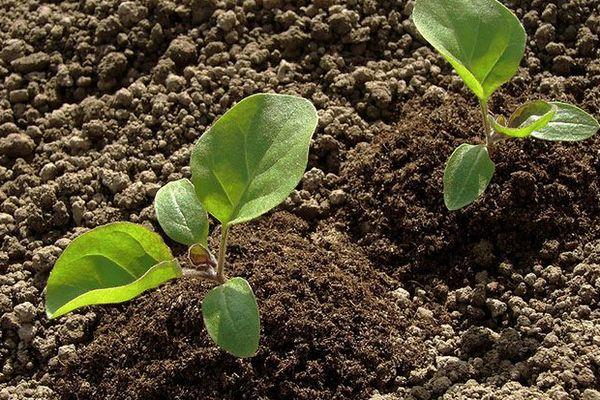
Preparing the eggplant bed should begin in the fall. The soil is dug over, adding potassium and phosphorus fertilizers as needed. Only 50 grams of the mixture is needed per square meter. Nitrogen fertilizers are added in the spring. Mineral fertilizers are added just before planting.
Preparing for growing seedlings
To ensure good seedling growth, each seedling should be given its own cup. This makes transplanting easier or even avoids it. Plants don't tolerate transplanting well and may die before reaching fruiting age.
Seedling soil is sold in specialty stores. You can also take it from your garden. In the former case, general-purpose soil is suitable. If you choose to take soil from your garden, it must be disinfected. Boiling water or a solution of potassium permanganate will kill harmful microorganisms.
Sowing seeds
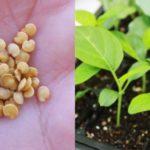
Before the procedure, be sure to check the planting material for germination. Take 10-15 eggplant seeds from a batch, wrap them in cloth, and soak them in warm water for 24 hours. Place the homemade bag in a warm place, adding water as the bag dries. If 5 seeds have sprouted after 5 days, the seedlings are suitable for outdoor cultivation.
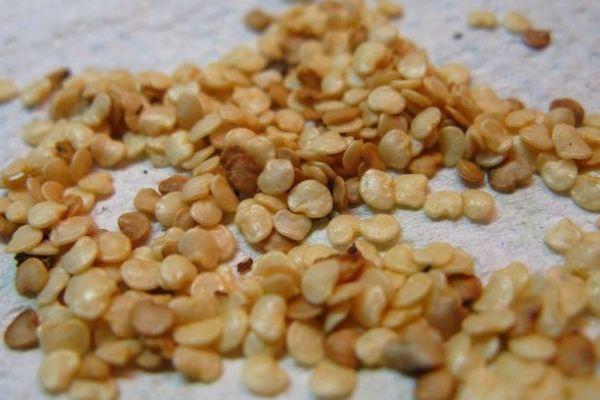
The remaining seeds are treated with a potassium permanganate solution. They should remain in the solution for at least 30 minutes. After this, the germination test is repeated. It's necessary to wait until the seeds begin to sprout.
Seedlings typically appear within a week of sowing. Avoid planting too deep into the soil, as this will hinder germination. A hole 1 to 1.5 cm deep is sufficient.
Caring for seedlings
To ensure proper seedling growth, maintain a regular watering schedule. Moisten the soil in the container at least three times a week. Continue this watering until the seedlings are ready to be transplanted into the open ground. Do not allow the soil to dry out.
Picking eggplants
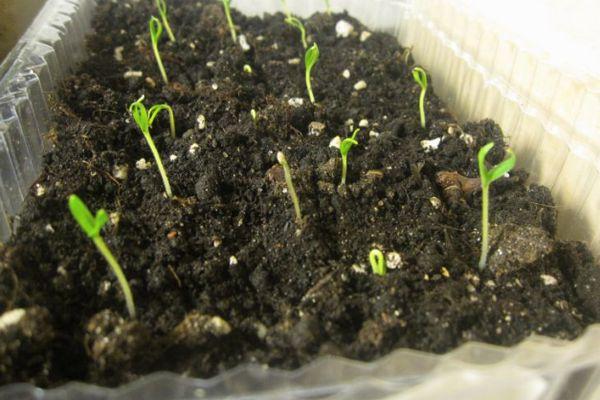
The vegetable tolerates the transplanting process more easily when it has one or two true leaves. Experienced gardeners recommend transplanting at the cotyledon stage, before the leaves have even emerged. This early transplant is less painful than traditional transplanting. The roots don't take up much space and can be transferred to another container with a lump of soil. If you miss the time to transplant eggplant, the seedlings will overgrow, and the transplanting process is unlikely to be painless.
Transplantation into open ground
The seedlings' readiness for transplanting is indicated by their appearance. The sprouts should be at least 20 cm tall and have five true leaves. The optimal planting period is from late May to early June. During this period, nighttime temperature fluctuations and late frosts are no longer common.
Before planting the seedlings in prepared beds, harden them off. The containers with the established seedlings are taken outside every day for 12 days. The seedlings spend up to two hours outdoors. There should be at least 40 cm of space between rows of eggplants, and 20 cm between plants.
The transplantation includes the following stages:
- Make small holes in the soil and water them with warm, settled water. Add 1 to 4 liters of water to each hole.
- The young plant is removed from the pot along with the root ball. This step must be done carefully to avoid damaging the root.
- The hole is made up to the first leaves.
The planting process ends with filling the holes. For this, use dry soil. Cover the hole with peat. This is optional, as you can simply fill the plant with dry soil.
Caring for the crop
Eggplant care requires a comprehensive approach. The plant needs to be watered, fertilized, trained, and protected from pests. Eggplant beds should be weed-free. At the first sign of disease, treat the plant with a proven product. If you follow all the recommendations correctly, the eggplant will grow and develop fully and reward you with a bountiful harvest.
Fertilization
Fertilize at least three times during the season. The first application is two weeks after planting the seedlings outdoors. To ensure the plants receive all the necessary nutrients, alternate between organic and complex mineral fertilizers. You can use either natural fertilizers or commercially available special preparations.
Watering and loosening
After transplanting, the eggplant needs to be provided with all the necessary conditions to ensure it takes root well. To achieve this, water the plant 3-4 times a week. Once the sprouts have established themselves, reduce watering to 1-2 times a week. After the soil is moistened, loosen the soil. Repeat this procedure every month or more often.
Hilling after loosening can increase crop yields.
Bush formation
Proper bush training also influences the yield. The optimal number of stems per bush is three. After the eggplant has formed in the open ground, it is recommended to remove any emerging shoots. These shoots reach a length of 5 cm.
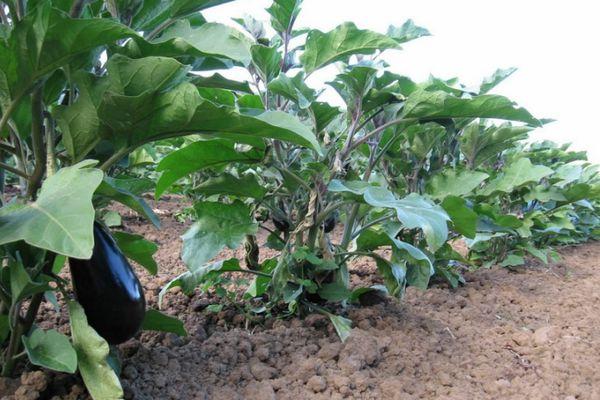
Leaves that shade the sun's rays also need to be trimmed. This determines the formation of fruit buds on the branches. After side shoots are removed, the stems continue to grow vigorously. As they grow, shoots can break, and to prevent this, a trellis is used.
Potential problems when growing
Many gardeners take on the challenge of growing eggplants, and each encounters certain challenges during the growing season. This crop is demanding and requires increased attention. People report leaf curling and pest infestations. Fruit may also fail to set. Planting eggplants requires knowledge of plant diseases and their treatment methods.

If no ovary develops, then there are no fruits. Eggplant is a self-pollinating plant that doesn't require outside help. However, sometimes it is necessary. To improve ovary formation, artificial pollination is helpful.
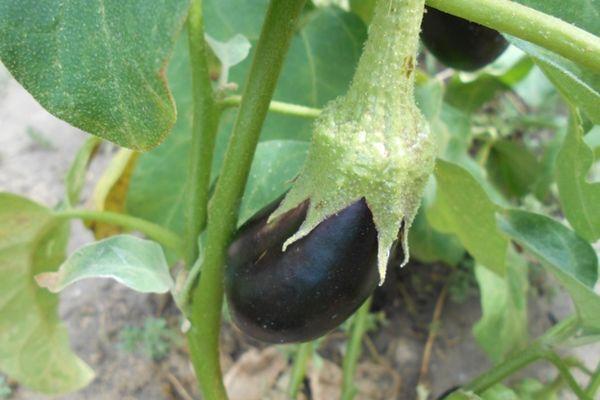
Another problem encountered when growing eggplants is a bitter taste. Many factors contribute to this phenomenon. The most important are late harvesting, variable weather conditions, and poor care. The vegetable's bitter taste may be a characteristic of which a person was unaware when purchasing the seeds.
Pest and disease control
If eggplants aren't turning blue, there's one reason: insufficient air temperature. Vegetables thrive on warmth, so it's essential for proper development. It's no wonder gardeners prefer versatile varieties.
Eggplants don't tolerate high humidity well. If water gets on the leaves or stems during watering, it can lead to fungal diseases. Gardeners often notice blackleg on eggplant bushes. Colorado potato beetles are the main pests responsible for damage to the plant. They can not only cause significant damage to the plants but also deprive gardeners of their harvest.
To prevent disease and insect infestations, it's important to follow the growing process. This includes proper soil preparation and crop rotation. If pest infestations cannot be avoided, spray the plants. If insecticides are used, monitor their toxicity levels. It's best to avoid using chemicals once the plants have set fruit.
Harvesting and storage of crops
Eggplants are picked from the bushes 4-5 weeks after flowering. Use a knife or pruning shears. It is recommended to wear gloves and handle the tools carefully to avoid damaging the plant. The harvest should be completed before the first frost.
Vegetables are placed in wooden boxes in one or two layers, separated by newspaper if necessary. The storage area should be dry and cool. Inspect the vegetables periodically and discard any spoiled ones.
The bushes with remaining green fruit are dug up and transplanted into a greenhouse. This will allow the vegetables to reach commercial maturity.
Due to eggplant's demanding nature, many difficulties arise when growing the crop. However, these can be avoided with a wise approach to growing and a commitment to comprehensive and timely care.
Related posts:
 The best eggplant varieties for growing in a polycarbonate greenhouse: planting and care
 Causes and treatment of eggplant pests and diseases, how to combat them at home
 How to properly plant and care for eggplants in open ground
 Planting, growing, and caring for eggplant seedlings at home
 80 Best Eggplant Varieties for Different Regions with Descriptions and Characteristics
 Characteristics and description of the Black Beauty eggplant variety, planting and care
 How to grow eggplants outdoors and in a greenhouse in Siberia, care tips, and the best varieties
 How to quickly prepare pickled eggplant in jars for the winter, the most delicious recipes and storage conditions for the preparations