
- Peculiarities
- Growing from seeds
- Sowing and selection of seeds
- Growing seedlings
- Picking
- Planting in open ground
- Landing time
- Selecting soil
- Rules
- In the greenhouse
- Selecting varieties
- Preparing the beds
- Landing plan
- Watering
- Top dressing
- Care
- How to water
- Garter
- Fertilizer
- Diseases and pests
- Diseases
- Blackleg
- Mosaic
- Stolbur
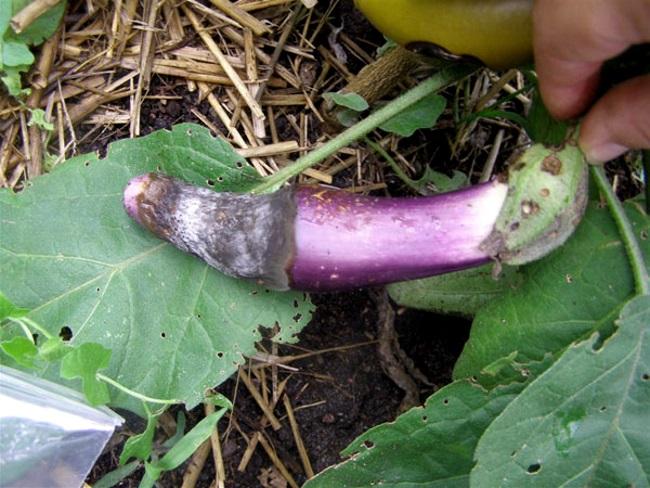
- Gray rot
- Pests
- Spider mites
- Aphid
- Naked slugs
- Processing
- Seeds
- Soil
- Bushes
- Collection and storage
- Answers to questions
Growing eggplants Requires not only the right variety selection but also the necessary care and disease prevention measures. To grow large, healthy plants of this heat-loving vegetable, you need to understand its characteristics and strictly follow the planting technique. By understanding how to plant eggplants correctly, you can ensure high-quality seedlings that will guarantee a future harvest.
Peculiarities
Growing eggplants has a number of special factors:
- high heat requirements;
- frost intolerance;
- the need for constant, uniform watering;
- need for short daylight hours with bright sun;
- Normal development is possible only on highly fertile soils.
Growing from seeds
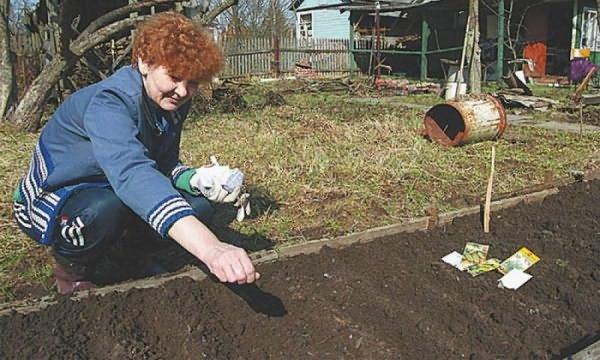
The growing season for eggplants is 100-150 days, depending on the early maturity. Therefore, when planting, it's important to consider the local climate and plant this vegetable using seedlings. A ready-made seedling soil, consisting primarily of peat with added organic matter, sand, and vermicompost, is suitable for sowing seeds.
Sowing and selection of seeds
The best germination rates are achieved with second-year stored seeds. Annual seeds germinate much more slowly, with the germination period extending up to 30 days. The time to sow eggplants depends on the expected time of planting the seedlings. The shoots should be 60-75 days old to reach the required viability.
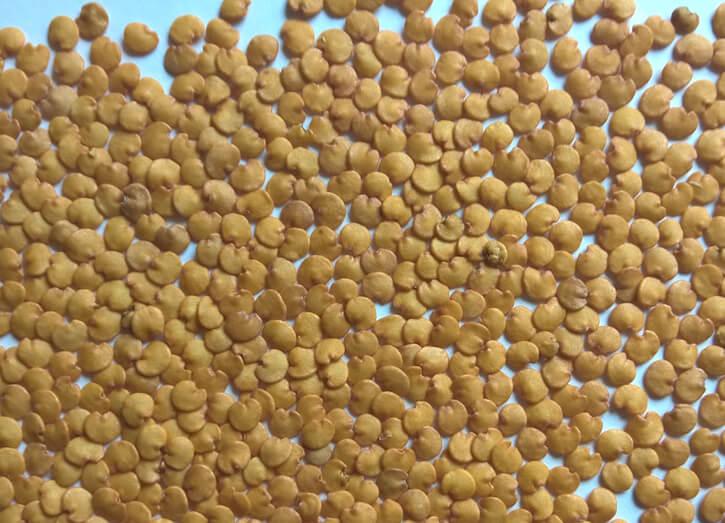
Seed planting algorithm:
- The seeds are soaked for 24 hours in a solution of a growth stimulant, such as potassium humate.
- In moistened soil, grooves about 15 mm deep are formed.
- The seeds are evenly distributed throughout the hole and covered with soil.
- The soil is lightly compacted and covered with film.
For sprouts to appear, it is necessary to constantly maintain a temperature close to 26 °C..
Growing seedlings
After germination, reduce daytime temperatures to 16°C and nighttime temperatures to 13°C. Water the plants regularly to maintain moderate soil moisture. It is recommended to use a spray bottle and let the water settle in the same room beforehand. After two true leaves appear, apply the first fertilizer, consisting of a mixture of:
- water;
- superphosphate;
- potassium salts;
- urea.
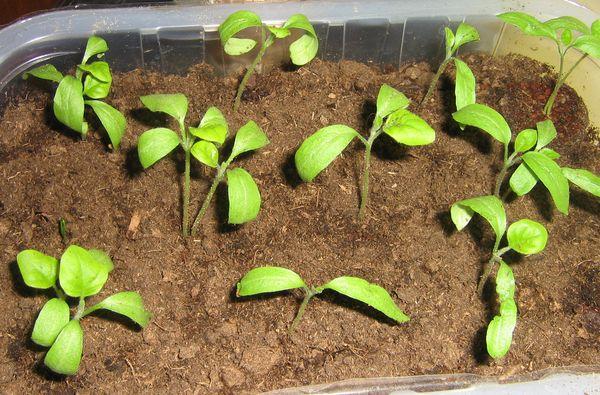
For full seedling growth, a 12-hour daylight period is necessary. It's best to choose specialized artificial lighting that provides diffused light similar to sunlight. The source should not be located too close to the seedlings, as this can cause drying and burning of the young foliage.
Picking
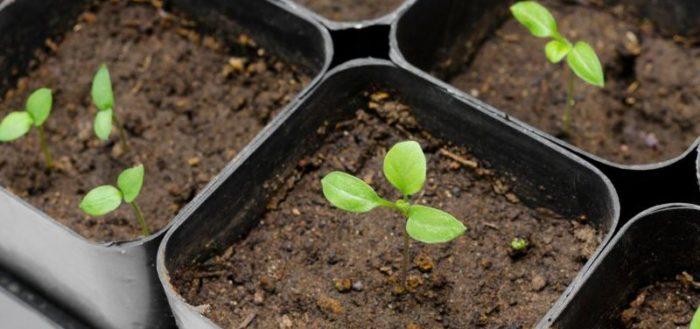
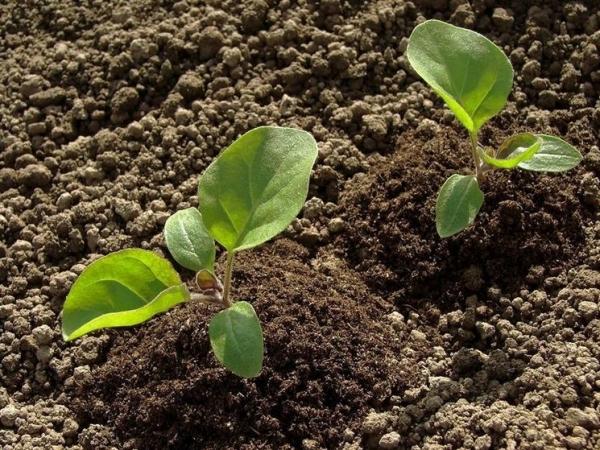
At 14 days old, seedlings are transplanted into small individual pots. Biodegradable containers with a capacity of 0.2-1 liter are convenient. The plants are removed with a trowel, along with some of the soil, and separated individually. Each eggplant is placed in the hole, the roots are straightened, watered along the stem, and the hole is filled with soil up to the level of the cotyledons. After transplanting, the room temperature is increased to 24°C during the day and 20°C at night. Gradually, the temperature is reduced by a few degrees, but not below 13°C.
Planting in open ground
For planting outdoors, it's best to select early, low-growing eggplant varieties. The further north the growing region, the hardier the plants should be. Avoid risking the harvest by choosing mid-season or late-season varieties. Early ripening in the open ground ensures harvesting before the first frost.
Landing time
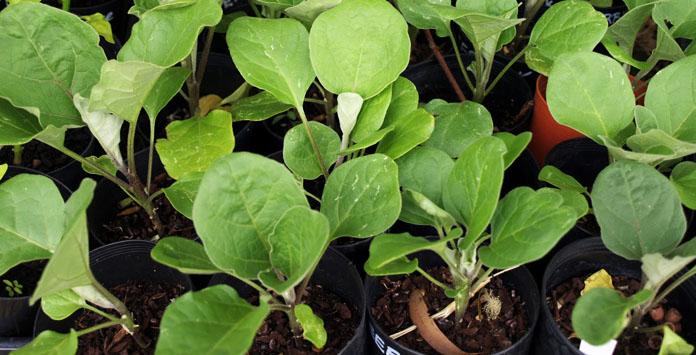
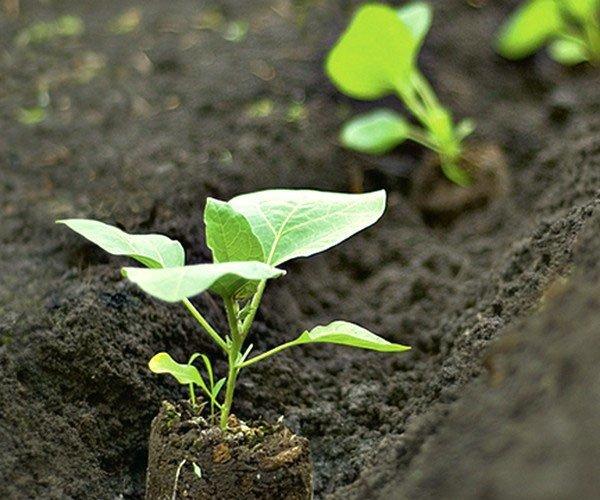
Seedlings are planted in open ground no sooner than two months after sprouting. Consistently warm weather typically occurs in late spring or early summer. Seedlings should have a developed root system that envelops the entire growing container. A strong shoot should have at least five leaves. However, don't delay transplanting; eggplants have a harder time establishing themselves after 10 leaves have emerged.
Selecting soil
Sandy loams and light loams are best for growing eggplants. Heavy soils are enriched with a mixture of humus and peat, supplemented with sawdust, fine river sand, or chopped straw. Sandstones are too light for growing eggplants; clay and peat soils, along with sawdust, are added.
Peatlands can also be adapted for this crop by mixing them with turf and humus. The mixture is added in the fall and followed by digging.
Rules
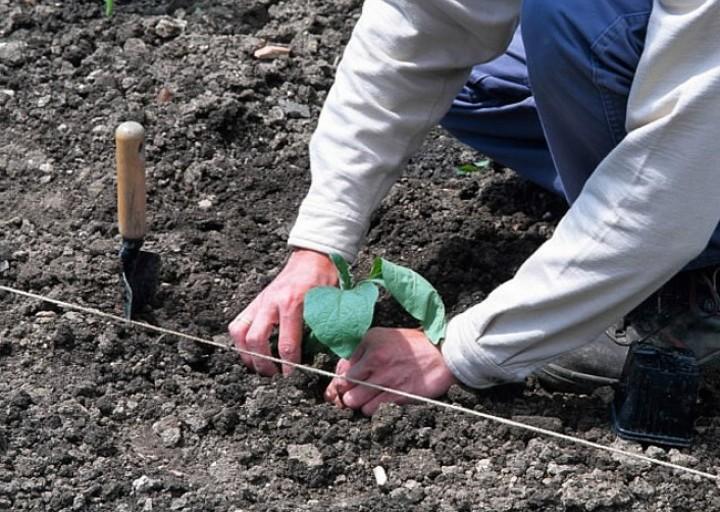
Before planting seedlings outdoors, eggplants need to be hardened off for 14 days, bringing the indoor temperature closer to that of the outside. A level, well-lit area protected from drafts is ideal for the beds. Clear the soil of weeds before planting. Dig holes for the plants every 0.4-0.5 meters. Initially, cover the eggplants with plastic wrap at night, and do the same during sudden cold snaps.
In the greenhouse
Planting eggplants in a greenhouse will protect demanding plants from sudden cold snaps and winds.
If necessary, they can be equipped with additional lighting, which allows for a large harvest in short daylight hours.
A heated greenhouse is the best option for eggplants; the ability to adjust the temperature makes it possible to grow any variety.
Selecting varieties
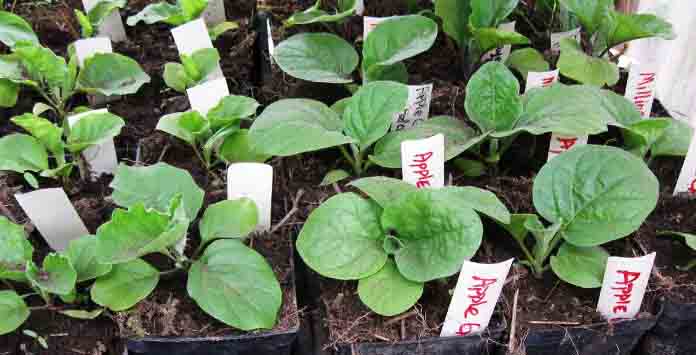
Most eggplant varieties can be grown in greenhouses. However, experienced farmers prefer low-growing varieties to eliminate the need for staking. Due to the long growing season, mid-season or early-ripening varieties are a safer bet, but late-ripening varieties can also be grown in heated greenhouses. Popular varieties include Bagira, Baikal F1, Fabina F1, and Sofya.
Preparing the beds
Preparatory work for planting eggplants in a greenhouse includes:
- soil treatment against insects;
- digging;
- application of fertilizers.
After a few days, the soil is dug up again and divided into beds.
Landing plan
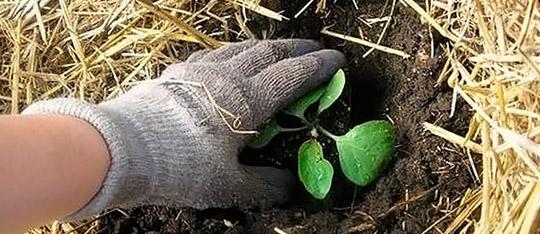
Eggplant seedlings are planted in holes 10-15 cm deep. The distance between plants should be at least 0.45 m, and between rows about 0.3-0.6 m. It is preferable to plant the bushes in a staggered pattern.
Watering
Water the seedlings 2 hours before transplanting into the greenhouse and immediately after planting and compacting the soil. The next watering is 5 days after planting.
Top dressing
Soil amendments are added to the soil before planting seedlings. To do this, mix the soil with peat, potassium sulfate, ash, and sawdust. If necessary, dolomite flour is also added to reduce acidity.
Care
To obtain a high-quality harvest, eggplants need to be cared for throughout the growing season:

- The soil in the beds is regularly loosened, especially after rain, and cleared of weeds.
- Water the eggplants as needed, preventing the soil from drying out or becoming waterlogged.
- Fertilizer is applied three times per season.
- Plants are constantly inspected for signs of disease or pests and the necessary preventative measures are carried out.
- The bushes can be hilled and tied up.
How to water
The optimal watering regimen involves watering twice a week. This can be adjusted based on weather conditions. The water should be settled and well-warmed. After watering, the soil should not be compacted; it should be slightly loosened.
Garter
Tall shoots or bushes with weak stems can be tied to a trellis. It's important not to damage the plants or create unnecessary shade. Dwarf varieties don't require support; removing a few extra shoots is sufficient, but without pinching out any side shoots.
Fertilizer
The first feeding is done 2.5 weeks after planting the seedlings. Once growth has begun to accelerate, potassium supplements can be added. During the fruiting period, sprinkle with ash and water with a nutrient solution. Before harvesting, apply a potassium sulfate solution.
 During autumn digging, the soil can be fertilized with fresh manure, and in the spring it should be rotted to balance the growth of foliage and the formation of fruits.
Diseases and pests
Eggplants, like other crops, are susceptible to fungi, viral infections, dangerous bacteria and agricultural pests.
Diseases
Eggplant, regardless of the cultivation method, is susceptible to fungal and viral infections, including:
- blackleg;
- stolbur or late blight;
- gray and white rot;
- mosaic;
- Black bacterial spot.
Blackleg
This fungal disease affects the root collar, where a grayish coating forms, causing the eggplants to dry out and die. Control measures for blackleg:
- For preventive purposes, seeds are treated with potassium permanganate before planting.
- When symptoms appear, damaged plants should be completely removed and the soil treated with fungicides.
Mosaic
The virus causes leaf deformation and the appearance of a bright green mosaic pattern. This subsequently leads to yellow spots on the eggplant fruit. To eliminate the mosaic:
- Every 10 days, carry out preventative spraying of plants with a milk-based soap solution.
- If spots appear, diseased bushes should be pulled out, tools and the greenhouse should be disinfected, and healthy eggplants should be treated with Fitosporin.
Stolbur
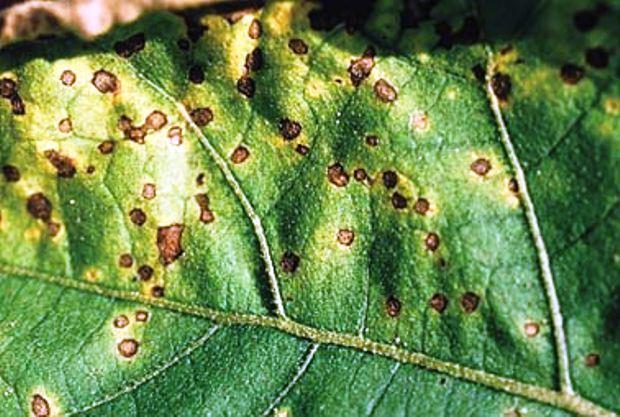
This fungal disease causes rusty spots that can lead to dryness or rot, depending on the weather. To prevent infection:
- Treatment with Bordeaux mixture or copper sulfate solution.
- Burning tops in autumn.
- Preventive spraying with garlic infusion.
Gray rot
High humidity causes dark spots on leaves and a grayish coating on shoots. Prevents gray mold:
- Preventive removal of weeds.
- Maintaining normal soil moisture.
- After symptoms appear, treat the bushes and soil with fungicides.
Pests
The following pests have a significant negative impact on the vegetation of eggplants:
- spider mite;
- aphid;
- slug;
- whitefly;
- mole cricket;
- Colorado beetle.
Spider mites
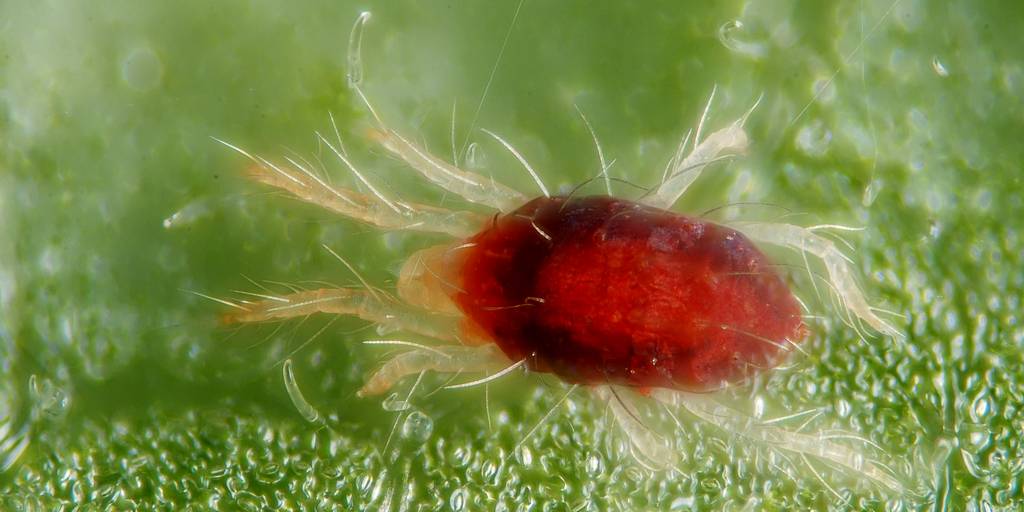
The appearance of webbing on the green parts of eggplants and a decrease in plant vigor indicate a spider mite infestation. Ways to prevent plant death:
- Spray the leaves with water in hot weather.
- Treat plants with agents against these insects.
- Spray the bushes with soapy water containing an infusion of a mixture of dandelion, onion and garlic.
Aphid
Aphid infestations on eggplants result in leaf curling, cessation of photosynthesis, and death. There are several ways to get rid of the insects:
- Carefully observe the water, air and temperature conditions.
- Use chemicals against aphids.
- Spray the eggplants with a soap solution with the addition of wood ash.
Naked slugs
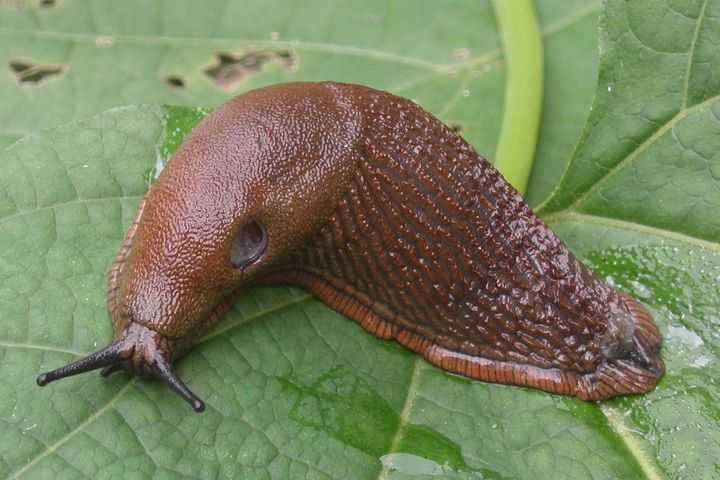
High natural humidity encourages the rapid proliferation of slugs, which actively feed on the green parts of eggplants. Control involves:
- Remove weeds regularly.
- Loosen and mulch the soil.
- If there are a large number of naked slugs, treat the plants with metaldehyde.
Processing
To prevent eggplant diseases and pests, it is necessary to carefully treat the seeds and soil before planting, as well as the bushes during the growing season.
Seeds
Pre-treatment of eggplant seeds involves soaking them for 20 minutes in a 1% potassium permanganate solution. Exposing the seeds to high temperatures in water has a similar effect. After this, the eggplant seeds can be planted as seedlings.
Soil
The soil for planting eggplant seedlings is disinfected by steaming and adding a weak solution of potassium permanganate. The planting site and the soil in the greenhouse are treated with a hot, aqueous solution of copper sulfate or dry bleach powder.
Bushes
Bushes are treated with chemicals or folk remedies, depending on the specific disease or pest affecting the plant and surrounding areas. By following planting and care guidelines, the risk of infection is minimized.
Collection and storage
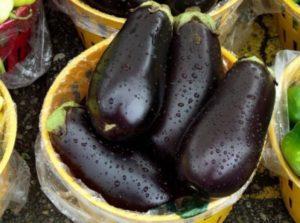
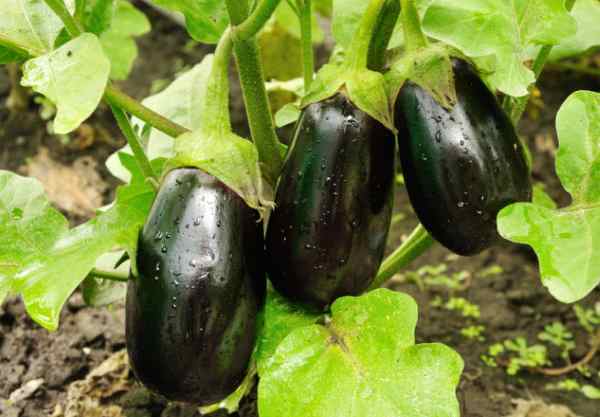
Ripeness occurs approximately 30 days after flowering. Light-colored fruits will be unripe and slightly bitter, while brown eggplants are overripe and have lost their flavor and softness. The vegetables are cut off along with the stems with a sharp knife, preserving the stems. Fresh eggplants are extremely difficult to store for long periods; it's best to eat them within a few days or process them.
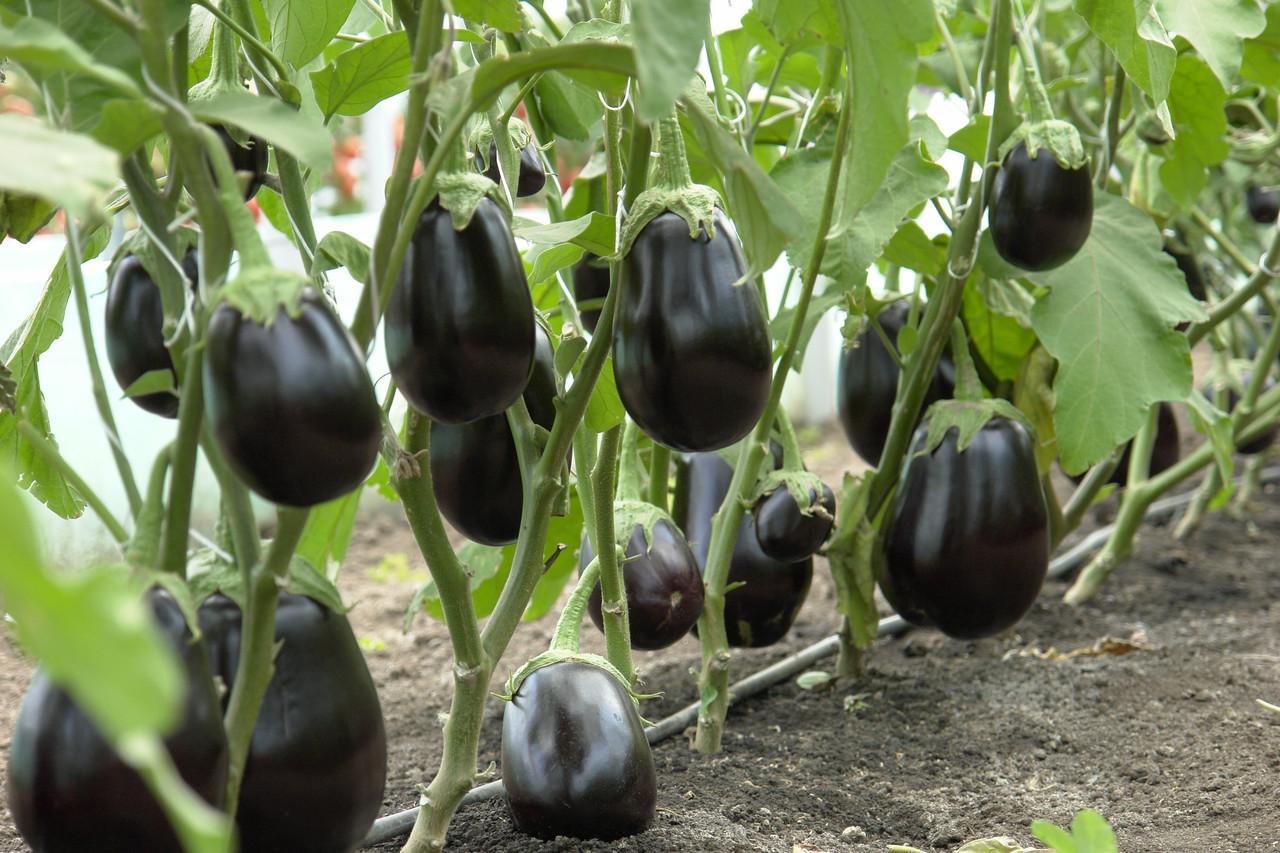 The time for harvesting eggplants depends on the variety, so it is better to be guided by the appearance of the fruit, cutting off bright fruits with a glossy, shiny surface..
Answers to questions
What crops should be planted the following year after eggplants?
Subsequent crops may include pumpkins, root vegetables, onions, garlic, and thyme.
What can you plant eggplants with in a greenhouse?
Cucumbers, peppers, cabbage, zucchini, and beans can be planted together with these nightshades.
How to check seeds for germination?
The seed material is soaked in warm water for 6 minutes, after which the good seeds will sink to the bottom and the bad ones will remain on top.
Related posts:
 The best eggplant varieties for growing in a polycarbonate greenhouse: planting and care
 80 Best Eggplant Varieties for Different Regions with Descriptions and Characteristics
 Causes and treatment of eggplant pests and diseases, how to combat them at home
 How to quickly prepare pickled eggplant in jars for the winter, the most delicious recipes and storage conditions for the preparations
 Making finger-licking good eggplant caviar with peppers and tomatoes
 Planting, growing, and caring for eggplant seedlings at home
 How to grow eggplants outdoors and in a greenhouse in Siberia, care tips, and the best varieties
 27 of the most delicious eggplant appetizer recipes for the winter