
- History of variety selection
- Description and photo
- Fruit
- Bushes
- Characteristics of the variety
- Productivity and fruiting
- Scope of application
- Resistance to diseases and pests
- Peculiarities
- Advantages and disadvantages
- Growing seedlings
- Timing
- Soil preparation
- Seed sowing pattern
- Care
- Temperature conditions
- Daylight hours
- Irrigation
- Top dressing
- Picking
- Additional feeding
- The effects of nutrient deficiencies
- Nitrogen
- Phosphorus
- Potassium
- Bor
- Magnesium
- Manganese
- Planting seedlings in open ground
- Care
- Watering and soil care
- Top dressing
- Spraying against pests and diseases
- Bush formation
- Harvesting and storage
- Secrets of vegetable growers
- Reviews
Vegetables grown in your garden are rich in vitamins and microelements essential for maintaining good health. The Vera eggplant variety is suitable for growing outdoors and in greenhouses. This hybrid is easy to grow and maintain. With proper care, you'll be able to reap a bountiful harvest in the fall.
History of variety selection
The Vera eggplant hybrid was developed by domestic breeders from Barnaul. Work on developing the new variety began in 1997, and the Vera hybrid was produced in 1998. In 2001, the variety was included in the State Register. Due to its low yield, the variety is intended for private cultivation and is not suitable for industrial-scale production.
Description and photo
The Vera eggplant variety is virtually indistinguishable in appearance from other similar varieties. A detailed description of the hybrid will help you understand its true nature.
Fruit
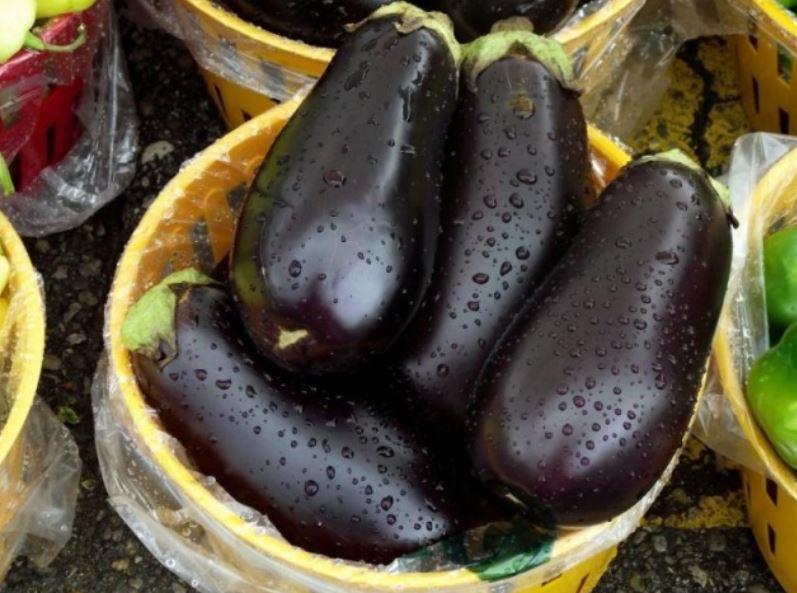
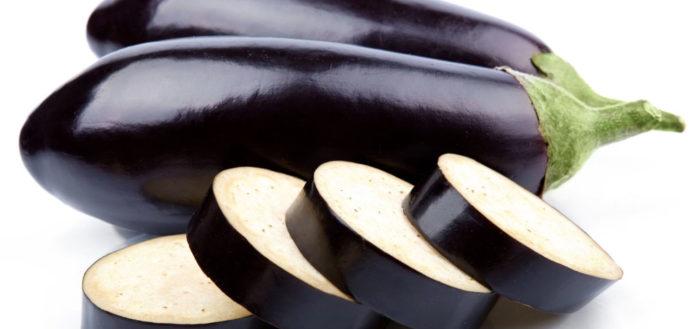
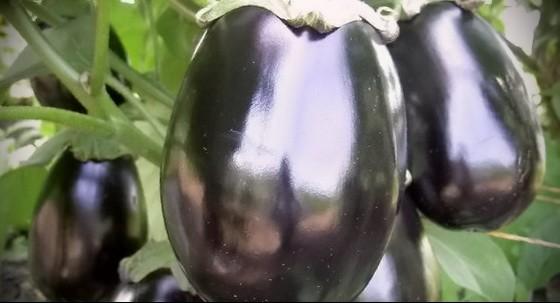
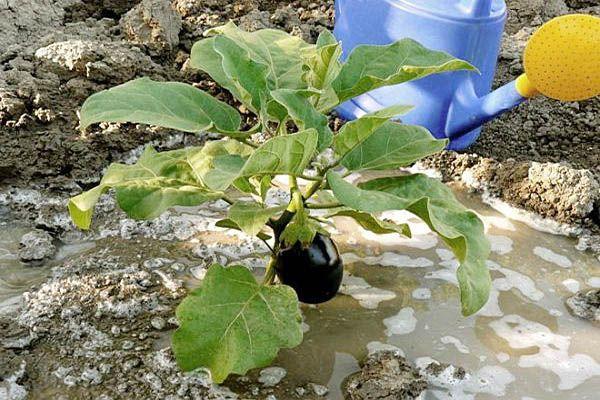
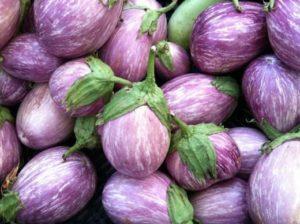
Eggplant is a variety with early ripening fruit. The skin of ripe vegetables is a rich purple hue, the flesh is milky in color with a small number of seeds inside. There's no noticeable bitterness when eating eggplants. Fruits weigh between 140 and 190 g at the technical maturity stage, with a maximum weight of approximately 300 g. The Vera variety's fruit is round.
Bushes
Mature bushes are quite compact in size, growing to a height of 70-80 cm. The leaves are medium-sized, green with a purple tint. The stems are strong and do not break under the weight of the fruit.
Characteristics of the variety
Important characteristics when choosing a variety include yield and resistance to diseases and pests. Winter hardiness and heat tolerance are also worth considering.
Productivity and fruiting
The variety begins to bear fruit early; fruits appear on the bushes within 105-117 days after planting the seeds in the ground.
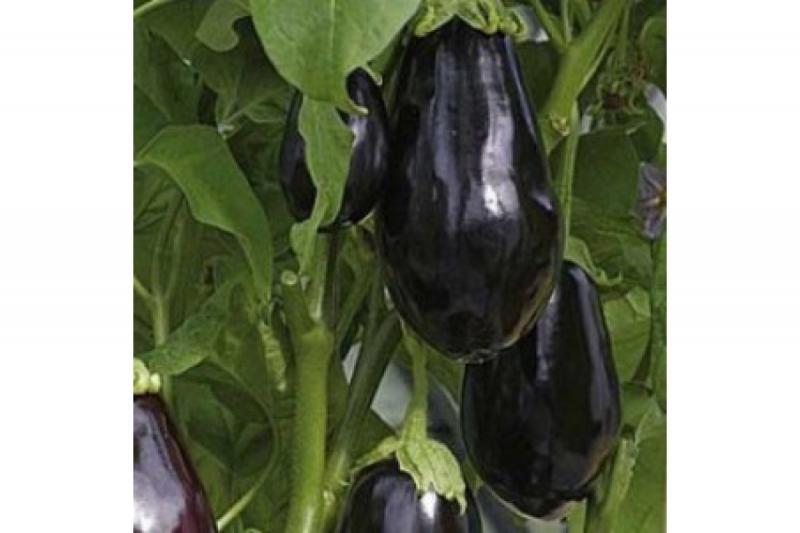
The yield is average, reaching approximately 1.5 kg per bush. With proper care, the yield can be increased to 3 kg.
Scope of application
Ripe eggplants are used in a variety of dishes. They can be baked, fried, or used in vegetable stews. They are also suitable for preserving for the winter, for example, in caviar and various salads.
Since the pulp is not bitter, it is not necessary to soak the vegetables in salted water before cooking to remove the bitterness.
Resistance to diseases and pests
Resistance to insects and agricultural diseases is average. If improperly cared for or not cared for at all, the bushes may become diseased.

Peculiarities
A distinctive feature of the Vera eggplant variety is the absence of bitterness in its flesh. Most hybrids have slightly bitter flesh. Otherwise, the Vera variety is similar to other eggplant hybrids.
Advantages and disadvantages
The advantages of the Vera eggplant variety include:
- absence of bitterness in the pulp;
- early maturity;
- unpretentiousness in cultivation;
- resistance to sudden cold snaps.
The disadvantages of this hybrid include its yield. Among similar varieties, there are more productive ones than the Vera variety.
Growing seedlings
Growing eggplant seedlings is a crucial stage on which future yields largely depend.
If you don't follow agricultural practices when planting seeds, the seedlings will grow weak and often get sick.
Timing
The optimal time for planting seedlings is considered to be late February to early March. However, instead of growing seedlings indoors first, you can sow the seeds directly into the ground. If you choose this method, it's best to sow the seeds in late May, when the weather has warmed up.
Soil preparation
For planting, it's best to purchase ready-mixed potting soil for vegetable crops. If using soil from your own plot, it should be calcined before planting to kill fungal spores and insect larvae. It should then be watered with a weak solution of potassium permanganate. The calcined soil is mixed with manure and river sand.
Seed sowing pattern
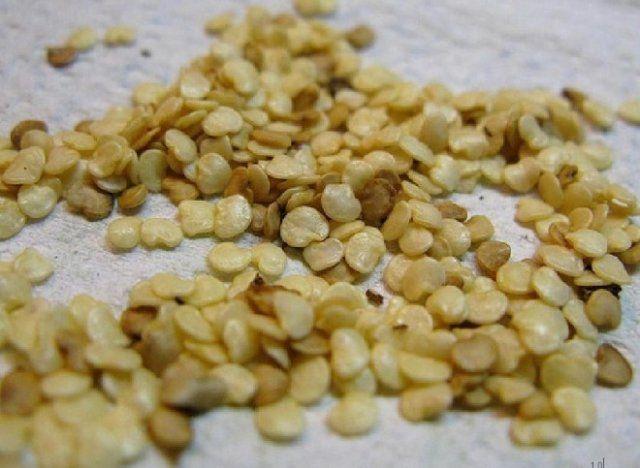
Place the soil in the containers. Make furrows in the soil 1-1.5 cm deep. Plant the seeds so that when the seedlings emerge, the bushes don't interfere with each other. Lightly cover the seedlings with soil and water generously with warm water.
To speed up seed germination, cover the boxes with plastic wrap. Remove it regularly to aerate the soil and water.
Care
After that how eggplant seeds will be planted, they need to be provided with optimal conditions for growth.
Temperature conditions
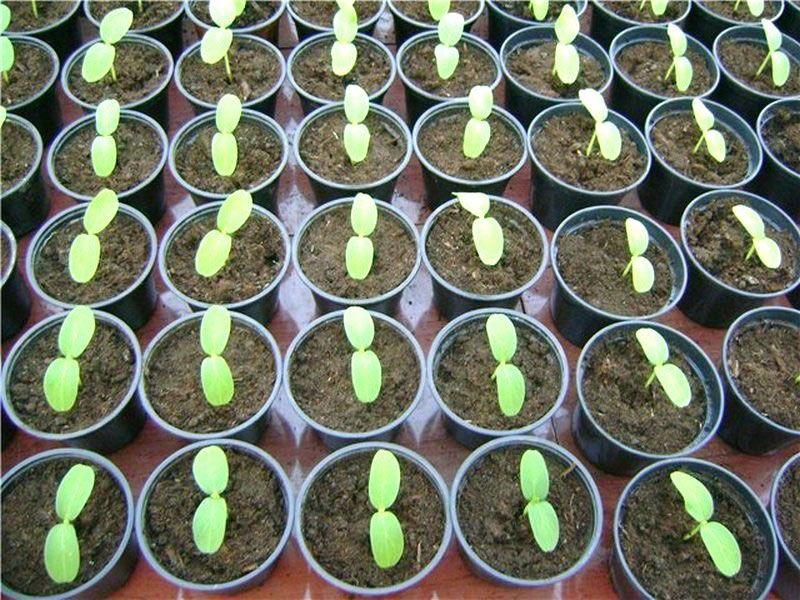
Eggplants germinate at temperatures from +18 to +23 degrees. It's not recommended to leave the boxes in a draft. Seeds don't like sudden temperature changes.
Daylight hours
For rapid germination, at least 14 hours of daylight are needed. If the weather is often cloudy, consider supplemental lighting. Place lamps near the containers and turn them on for a few hours in the late afternoon.
Irrigation
Use only warm water for watering. It's advisable to filter the water before watering if using tap water. A spray bottle is best for watering to ensure even distribution of the liquid across the soil. Water as the soil dries.
Top dressing
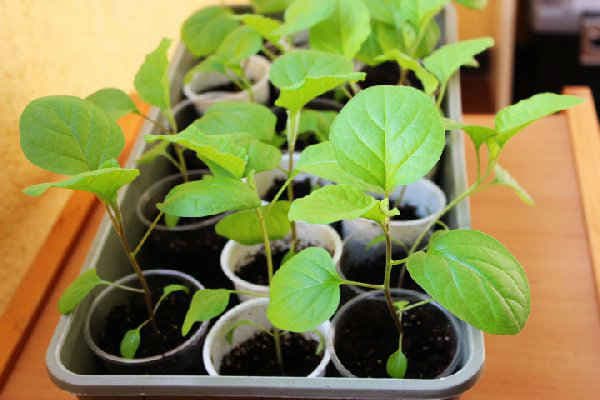
First fertilizing eggplants Fertilizing is carried out after the first shoots appear. Potassium humate concentrate is suitable for this purpose. It is diluted in warm water and used to irrigate the soil. Seedlings can also be fertilized with wood ash diluted in water.
Take a look Also

Picking
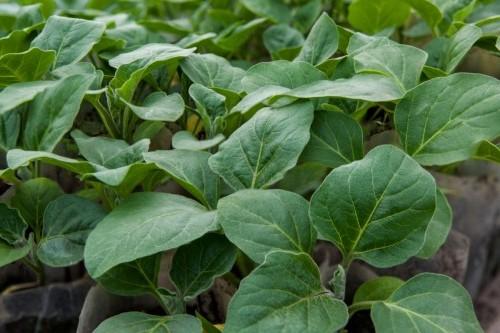
The seedlings are pricked out after the first pair of full-fledged leaves have appeared on the bushes. It's best to transplant the seedlings into peat pots so that they don't have to be removed when planting outdoors. Seedlings planted in peat pots are then planted together with the pots in their permanent location.
Additional feeding
After transplanting, continue feeding the bushes. Fertilizing at this stage will help them adapt to their new location more quickly. The seedlings are watered with chicken manure diluted in water.
The effects of nutrient deficiencies
When growing eggplants, mineral fertilizers are essential. Deficiencies in certain nutrients can lead to problems with plant growth and yield.
Nitrogen
If the soil lacks nitrogen, the foliage becomes small and pale green. If the soil is very poor, the leaves begin to fall off. Vegetables grow small.
Phosphorus
A phosphorus deficiency in the soil is characterized by leaves turning blue-purple. Plants themselves grow poorly, and yields decline.
Potassium
If the edges of the leaves start to turn yellow, this indicates a potassium deficiency. In this case, the vegetables will begin to develop spots.
Bor
When boron is deficient in the soil, inflorescences lose their ability to pollinate and begin to fall off. Yields decrease.
Magnesium
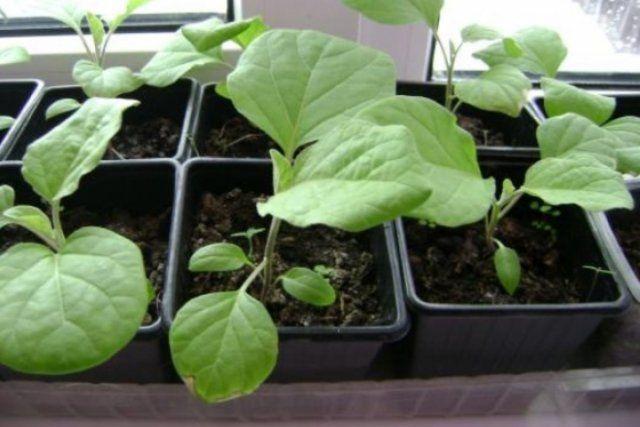
Magnesium deficiency is characterized by the appearance of discolored veins on the leaves.
Manganese
When there is a manganese deficiency, irregularly shaped yellow spots begin to appear on the leaves.
Planting seedlings in open ground
Eggplants should be planted in their permanent location once the weather warms up. This is usually mid-May. In northern regions, the planting date shifts a few weeks, closer to June. In the south, on the contrary, seedlings are planted in early spring.
- Before planting, the soil is dug up, weeds are removed and manure is added.
- Make beds and dig holes 30 cm deep.
- The distance between the holes is 50-60 cm.
- Place the seedling in the hole and cover it with soil.
- Lightly compact the soil near the base of the stem.
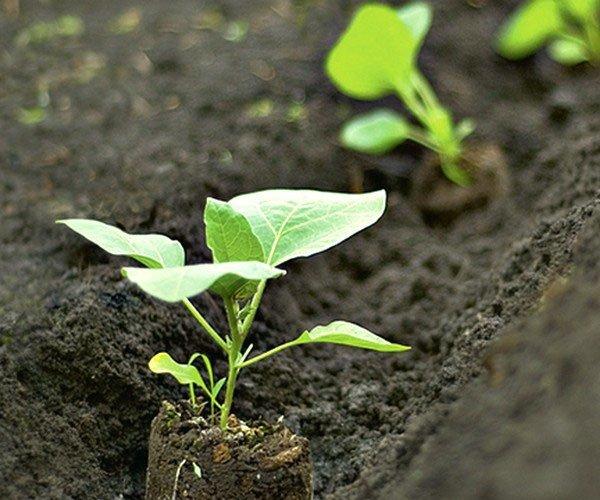
At the end of transplanting, water the soil with warm water. Cover the beds with a warm cloth at night.
Care
After transplanting eggplants into the ground, they need to be cared for. Without care, the plants will bear less fruit.
Watering and soil care
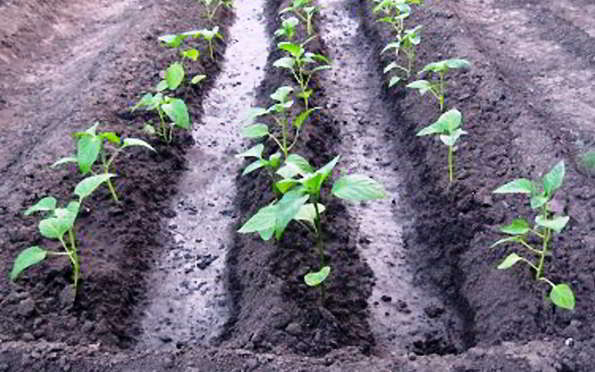
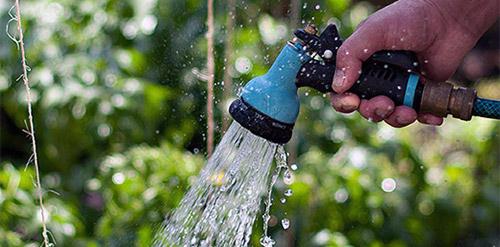
The soil is regularly loosened and weeded. It is recommended to loosen the soil before watering to allow the root system to absorb oxygen along with the water. Water the beds after sunset, in the evening. Use only warm or sun-warmed water. Using cold water increases the risk of fungal diseases.
Top dressing
Fertilizers are applied to the soil at all stages of fruiting. In the first half of the season, the soil is fertilized with nitrogen-containing fertilizers. Nitrogen stimulates plant growth. After the eggplants enter the flowering and fruiting stages, they are watered with phosphorus- and potassium-containing fertilizers.
Suitable nutrients include weed infusions, wood ash, dolomite flour, and mullein. The main thing is not to overfeed the bushes. Overfertilized soil causes the bushes to actively grow foliage and stop bearing fruit.
Spraying against pests and diseases
In early spring, spray the plants with Bordeaux mixture as a preventative measure. In the fall, after harvesting, dig the soil to a depth of 15-20 cm to prevent insects from appearing in the spring. Although insects are rarely encountered on eggplants, with the exception of the Colorado potato beetle.
The main diseases of eggplants are:
- blackleg;
- late blight.
To combat diseases, the beds are sprayed with fungicides and copper-containing preparations. If the bushes are severely affected, they are dug up and destroyed. The soil is then watered with a solution of iodine or potassium permanganate.
Bush formation
Eggplant bushes don't need to be trained. Simply pinch off the tops if they start to stretch upward. You can also trim the lower leaves. All bush training is best done in the evening, after sunset.
Harvesting and storage
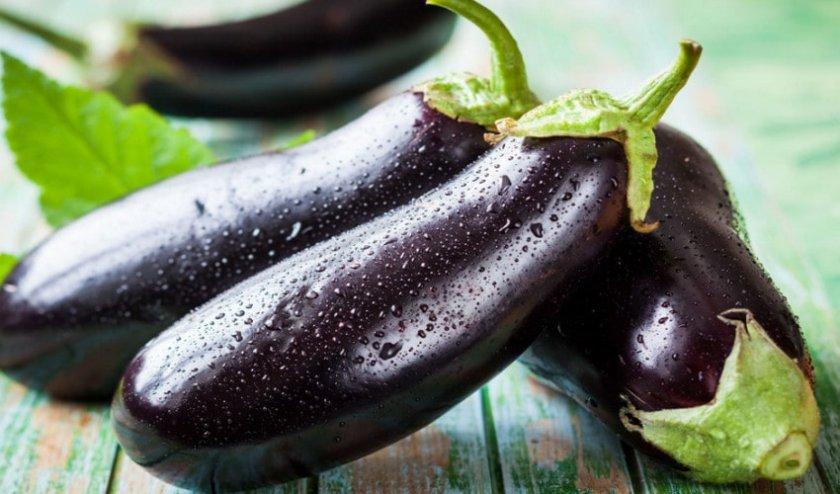
The harvest is done closer to autumn. Ripe fruits are cut off along with the stems. Eggplants are stored in the refrigerator. The shelf life is approximately a week and a half after harvesting. They can also be frozen for the winter.
Secrets of vegetable growers
To prevent Colorado potato beetles from infesting eggplants, plant marigolds or basil nearby. Before planting, soak the seeds to encourage germination. This will speed up germination. Leaving ripe vegetables on the vine for too long is undesirable, as they lose flavor, the skin becomes tough, and the flesh becomes bitter.
Reviews
Karina, 32: "I'd been looking for a non-bitter eggplant variety for a long time. Vera turned out to be the perfect one. Another plus is that the mature plants are very compact and don't take up much space in the garden. The seeds sprouted evenly, and after transplanting, they quickly adapted to their new location. I really liked the variety."
Vasily, 62: "I'm not much of an eggplant fan, but I fell in love with this variety right away. The yield is good, and the vegetables ripen early and evenly. The flavor is also good, and the best thing is that the flesh isn't bitter. We only plant the Vera variety now."
Related posts:
 The best eggplant varieties for growing in a polycarbonate greenhouse: planting and care
 80 Best Eggplant Varieties for Different Regions with Descriptions and Characteristics
 Causes and treatment of eggplant pests and diseases, how to combat them at home
 Planting, growing, and caring for eggplant seedlings at home
 How to properly plant and care for eggplants in open ground
 Characteristics and description of the Black Beauty eggplant variety, planting and care
 How to grow eggplants outdoors and properly care for the plant
 Description and characteristics of the Ilya Muromets eggplant variety, cultivation and care