
- Moon phases in September 2026
- The influence of the moon phase on planting
- Zodiac Signs in September
- Lunar sowing and planting calendar by day for September 2026 (table)
- Favorable
- Unfavorable periods
- When to transplant plants in September?
- What work to do this month
- In the garden
- In the garden
- In the greenhouse
- Features of agricultural work in different areas
- Tips for gardeners
The lunar calendar for gardeners and vegetable growers, calculated for September 2026, will be a true help for many. After all, by working with the moon's position in mind, you'll achieve much better results and a more bountiful harvest. Knowing the favorable and unfavorable dates of the first month of autumn will help novice gardeners avoid many mistakes.
Moon phases in September 2026
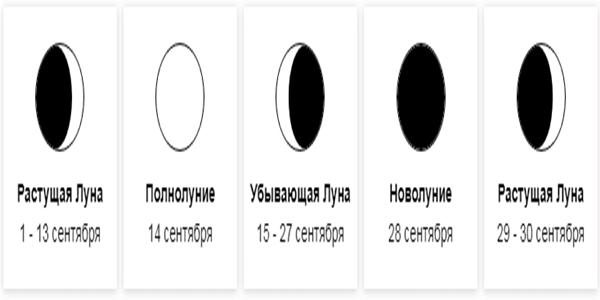
September begins with the New Moon, followed by the Waxing Moon until mid-September. This two-week period ends with the Full Moon. Then, from mid-September to the end of the month, comes the Waning Moon, ending with the New Moon. From the beginning of the month, the Moon waxes for two weeks, and starting in mid-September, it wanes for two weeks.
Lunar phases for September:
- Waxing (1st…13th).
- Full moon (14th).
- Waning (15th…27th).
- New moon (28th).
- Waxing (29,30).
The influence of the moon phase on planting
As Earth's satellite, the Moon influences vegetation. If anyone doubts this, consider the phenomenon of the tides. The movement of water is caused by the Moon's influence on Earth's gravitational field. The sap within plants, like any liquid, is subject to its influence. During the waxing phase, all energy is directed upward. During this period, the nourishing sap is used to develop stems, leaves, and fruits.
With the arrival of the Waning Phase, energy, and along with it plant fluid, rushes down to the roots.
Taking these facts into account, it is advisable to plant plants that bear fruit above the ground during the Growing Phase (in the first ten days of the month).
During the Waning Moon, it's recommended to fertilize and water plants. This is because roots absorb liquid and nutrients well during this period. Planting root vegetables is also recommended during the Waning Moon. Gardening is prohibited during the New Moon and Full Moon. However, you can remove weeds that interfere with your crops.
Take a look Also
![Gardener's lunar planting calendar for August [year]](https://harvesthub.decorexpro.com/wp-content/uploads/2019/07/lunnyj-kalendar-avgust-2018-300x174.png)
Zodiac Signs in September
Besides the Earth's satellite, the Signs also influence vegetation growth. There are twelve of them. Throughout September, the Moon will spend two days in each. Only six can be considered fertile: Cancer, Scorpio, Pisces, Taurus, Libra, and Capricorn. Less fruitful are Sagittarius, Virgo, and Gemini. Relatively barren are Aquarius, Leo, and Aries.
The influence of Signs on vegetation:
- Earth (Virgo, Taurus, Capricorn) - for the development of roots and root crops.
- Waters (Scorpio, Pisces, Cancer) - on foliage and above-ground vegetation.
- Air (Gemini, Aquarius, Libra) - for flowering and formation of ovaries.
- Fire (Aries, Sagittarius, Leo) - for the germination of seeds and root crops.
Agricultural work permitted in September:
- Collect fruits, sow seeds: Libra (1,2), Scorpio (3,4) and Pisces (13,14).
- Collect root crops, plant young trees: Taurus (18,19), Cancer (22…24).
Lunar sowing and planting calendar by day for September 2026 (table)
Agrotechnical works in September (table):
| Number | Lunar phase | Agricultural work |
| 1.2 | Waxing (in Libra) | Collection of seed material and ripe fruits. |
| 3.4 | Waxing (in Scorpio) | Sowing crops that bear fruit above ground. |
| 5…7 | Waxing (in Sagittarius), First Quarter | Collection of seed material and ripe fruits. |
| 8.9 | Waxing (in Capricorn) | Collection of seed material and ripe fruits. |
| 10…12 | Waxing (in Aquarius) | Remove weeds and fallen leaves. Preventative treatment with fungicides and insecticides. |
| 13…15 | Full Moon Days | They do not carry out any work (except for removing weeds and garbage). |
| 16.17 | Waning (in Aries) | Removing weeds, fallen leaves, and debris. Pruning branches. |
| 18.19 | Waning (in Taurus) | Harvesting root vegetables, planting bulbs and garlic. Transplanting garden flowers into containers for the winter. Planting seedlings. Fertilizing the root systems of overwintering flowers and fruit and berry crops. |
| 20.21 | Waning (in Gemini) | Harvesting root crops. Fertilizing plants before winter. |
| 22…24 | Waning (in Cancer)
Third quarter |
Harvesting root crops. Collecting corms and seed tubers. Planting tree seedlings, bulbs, and garlic. Fertilizing. |
| 25.26 | Waning (in Leo) | Harvesting root crops.
Preventative treatment against insects and diseases. Branch pruning. |
| 27…29 | New Moon Days | They do not carry out any work (except removing weeds). |
| 30 | Waxing (in Libra) | Seed collection. |
Favorable
The following dates are considered suitable for sowing seeds: September 3rd, 4th, 8th, and 9th. Young trees are recommended to be planted between September 18th and 25th. Potatoes, carrots, and beets should be harvested between the 18th and 25th. Cucumbers, cabbage, tomatoes, and peppers are harvested between the 3rd and 13th. It is advisable to plant bulbs and garlic for the winter on September 18th, 19th, and 22nd to 24th.
Unfavorable periods
On the days of the New Moon or Full Moon, gardening is prohibited. However, on unfavorable days (13th-17th and 27th-29th), you can remove trash, weeds, and fallen leaves.
When to transplant plants in September?
With the arrival of cold weather, annuals growing in the flowerbed can be transplanted into indoor pots and containers. This is especially true for petunias, pelargoniums, and impatiens. The transplanted plants can remain on the windowsill all winter.
The main thing is that the temperature in the room where they will be located does not fall below 17 degrees Celsius.
It's recommended to repot flowers during the waning phase, as the most important factor is not lush blooms, but the root system's establishment. It's best to transfer the plant with its root ball to a container and leave it undisturbed for a couple of days. Then, move the flower to a windowsill and water it generously.
What work to do this month
In September, ripe fruits are harvested, young trees are planted, and crops are treated with insecticides and fungicides to protect against insects and fungal diseases. This month, landscaping work begins, and fallen leaves and dry branches are collected.
In the garden
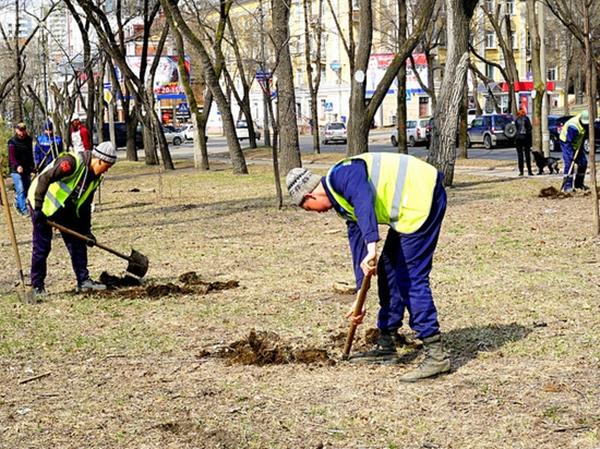
From the 3rd to the 13th, it's time to harvest fruits and berries. In the second ten days of September, you can prune branches and remove dry, broken, and diseased shoots. Young tree saplings are also planted during this period so they have time to establish themselves in their new location before the cold weather sets in.
Starting from September 17, you can fertilize plants with manure or potassium and phosphorus to increase the supply of nutrients and stimulate bud formation.
In the garden
From September 3rd to 13th, you need to harvest all vegetables growing above ground. It's best to dig up root vegetables starting on the 18th. Garlic can be planted for winter on September 18th, 19th, 22nd, and 24th.
In the greenhouse
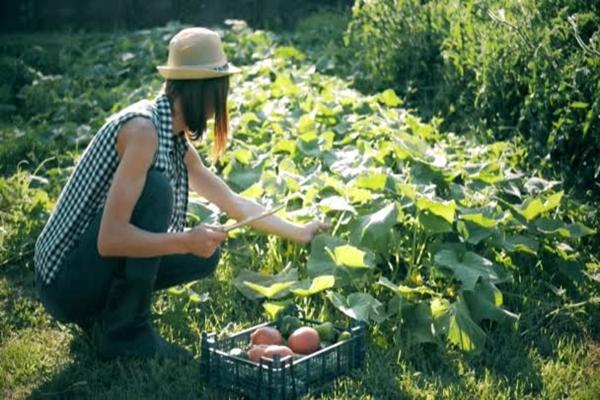
From September 3rd to 13th, late-season tomatoes, cucumbers, and cabbage are harvested. Parsley, dill, and onions can also be sown during this period for their green shoots. In a heated greenhouse, tomato and cucumber seeds are sown from early to mid-September. In late autumn, the growing seedlings will need to be illuminated with fluorescent lamps. By the New Year, crops sown during this period will yield a fresh harvest of vegetables.
Features of agricultural work in different areas
In European regions, late-season garden and vegetable crops are harvested in September. The second half of this autumn month is spent pruning branches and planting young trees.
In northern regions, night frosts begin in September, meaning fruit and root crops should be harvested no later than September 7-10. Starting mid-month, you can begin preventative maintenance and insulating trees before winter.
Tips for gardeners
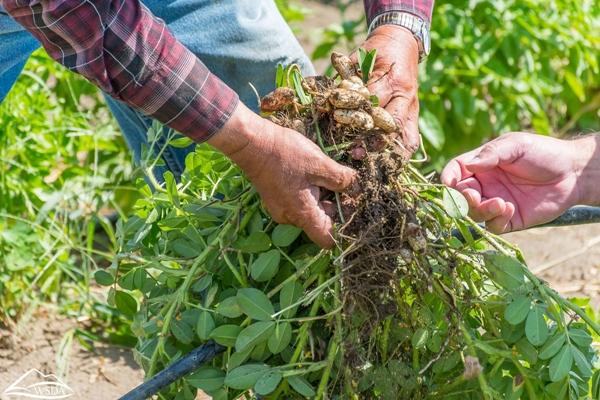
Animals and birds sense the approach of bad weather. If flocks of birds fly south in early September, it means cold weather is coming. Before the frost arrives, it's important to take preventative measures to protect your garden from diseases and insect pests, such as whitewashing trees and shrubs.
The soil in the garden needs to be dug up and watered with a solution of copper sulfate, colloidal sulfur, and treated with insecticides.
Related posts:
 Gardener's lunar planting calendar for August 2026
 Lunar sowing calendar for June 2026, favorable and unfavorable days
 Lunar sowing calendar for the gardener for March 2026, planting days
 Lunar sowing calendar for gardeners for July 2026
 Lunar sowing calendar for gardeners and vegetable growers for April 2026
 Lunar sowing calendar for October 2026 for gardeners and vegetable growers
 Planting days according to the gardener's lunar calendar in February 2026
 Favorable and unfavorable days for sowing according to the lunar calendar for gardeners and vegetable growers for 2026