
- What you need to know about the phases of the moon
- Waxing Moon
- Full Moon Phases
- Waning Moon
- Phases of the New Moon
- What plants can be planted during the waxing moon?
- What to plant on the waning moon?
- What plants should be planted during the new moon and full moon?
- Is it possible to care for plants during a lunar eclipse?
- Should you trust and use the lunar calendar?
- Zodiac signs and gardening
- Table of favorable and unfavorable days for planting and caring for plants in 2026
- January
- February
- March
- April
- May
- June
- July
- August
- September
- October
- November
- December
Gardeners and vegetable growers, preparing for the 2026 planting season, plan their work based on the lunar phases and the planting calendar. This calendar will help them determine what work to do and when, when to plan to plant cucumbers or peppers, and what days are best for pruning, fertilizing, pinching, and removing side shoots. While different days are favorable for planting different crops, there are general principles that depend on the lunar phase.
What you need to know about the phases of the moon
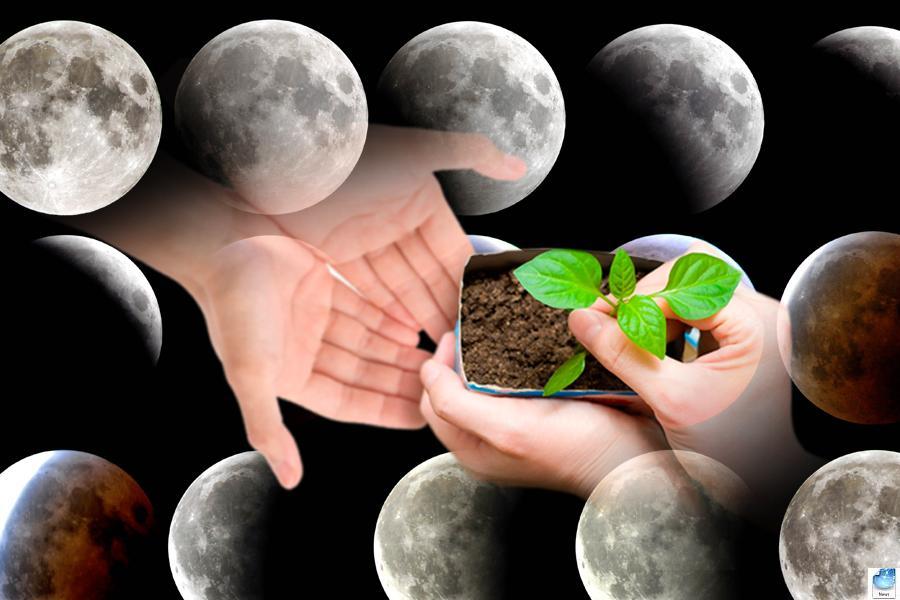
Farmers have long observed that plants planted on specific days of the lunar cycle take root more easily and grow better. Even ancient people conducted astronomical observations, comparing the success of sowing with the waxing and waning of the moon. Based on these findings about the lunar phases, they sowed their crops and harvested the ripened fruit.
Waxing Moon
The moon waxes from new to full, during which time trees, bushes, flowers, and upward-growing vegetables should be planted. Shortly before the full moon, harvest the fruits, seeds, and shoots from these plants. Regular watering is essential during this period.
Full Moon Phases
This period includes three days—the day of the full moon itself, one day before, and one day after. During the full moon, no planting, pruning, or grafting is done. Weeding, fertilizing, and pest control are permitted. Medicinal ingredients for infusions and decoctions are collected.

Waning Moon
The moon wanes from the full moon to the next new moon. The energy has a less active effect on the part of the bush located above ground, moving toward the roots. During this period, the focus is on planting bulbs (onions, garlic), root vegetables, and tubers, while shoots and leaves are pruned and pinched.
Phases of the New Moon
This phase encompasses three days—one day before, the day itself, and one day after the new moon. It's the least suitable phase for sowing, planting, cultivating, and grafting. During the new moon, weeding and pruning of dead fruit trees are common.
What plants can be planted during the waxing moon?
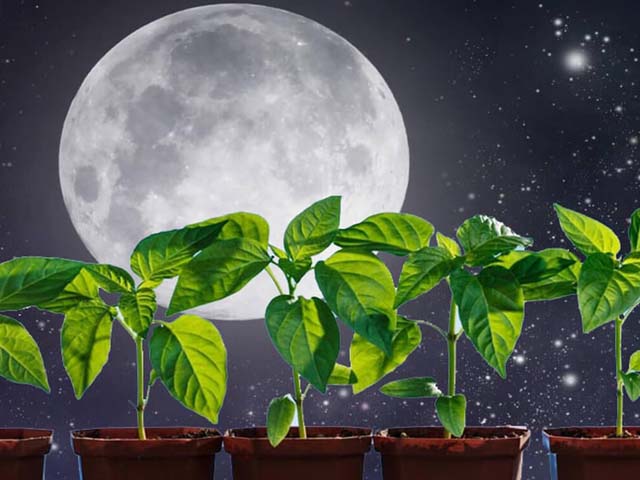
The moon is gaining strength, and all its energy is directed upward—to the leaves, shoots, and stems. When planting, preference is given to the "tops"—crops whose edible portion lies above the soil surface. Corn, tomatoes, squash, and salad greens are all planted during this period. Pruning and pinching are not recommended.
![Lunar sowing calendar for June [year], favorable and unfavorable days](https://harvesthub.decorexpro.com/wp-content/uploads/2019/05/911b8b8c503f5f7768d10bbbb6413e3d-300x225.jpg)
What to plant on the waning moon?
After the full moon, the moon begins to wane, and the seedling's energy drains downward. During this period, it's recommended to plant "rooted" vegetables, such as root vegetables and tubers, whose underground organs provide nutrition. Accordingly, potatoes, turnips, horseradish, root parsley, and radishes are recommended for planting.

What plants should be planted during the new moon and full moon?
During a full moon, you shouldn't plant or transplant seedlings or saplings in your garden. Seeds should be sown. Experiments have shown improved germination of wheat sown during the full moon. Planting vegetable seeds immediately before the full moon also yields good results.
During the new moon, any kind of sowing is not recommended. Seedlings may not survive even minor damage.
Is it possible to care for plants during a lunar eclipse?
During a lunar eclipse, all sowing and planting should be suspended. Bushes should not be pruned, trees should not be grafted, and vines should not be pinched. Transplanted seedlings may die. During a lunar eclipse, garden beds should be watered, crops should be harvested, and fertilizer should be applied and pests should be controlled.
Should you trust and use the lunar calendar?
At the start of the growing season, every gardener faces the question: what principles should be followed when sowing seeds and caring for plants? Some rely solely on scientific data, confirmed by experiments. Others rely on the advice of neighbors. Others trust only their own experience.
It's undeniable that the moon has a significant influence on our planet, the most obvious example being the tides. Plants and animals are equally influenced by the moon, but the effects aren't always obvious and are sometimes delayed. The lunar calendar provides a comprehensive understanding of the moon's phases and their impact on plant life. By following this information, gardeners can bring natural harmony to their gardens.
Zodiac signs and gardening
The Moon can be in different zodiac signs. Depending on which sign it is in at a given time, the types of gardening activities are determined. Zodiac signs are divided into fertile, barren, and of average fertility.
| Fertile | Average fertility | Infertile |
| Pisces, Cancer, Scorpio | Sagittarius, Taurus, Capricorn, Libra | Leo, Aries, Aquarius, Gemini, Virgo |
Table of favorable and unfavorable days for planting and caring for plants in 2026
When planning gardening, remember that the lunar planting calendar recommends that the days of the full moon and new moon are inappropriate for planting and sowing. On these days, sowing seeds, planting seedlings, and transplanting plants is prohibited. Other days are more or less suitable for sowing. Below are the necessary tasks and days recommended for planting, by month.
![Lunar sowing calendar for gardeners and vegetable growers for April [year]](https://harvesthub.decorexpro.com/wp-content/uploads/2019/03/instrumenty_sad6-300x200.jpg)
January
It's still too cold for outdoor gardening this month. However, gardeners are already beginning to prepare seeds, inspect, and treat overwintered bulbs. Some greenhouse-grown plants are beginning to be planted indoors. The following are the prohibited planting dates in January:
- January 6 - new moon;
- January 20th is the full moon.
February
Temperatures are still low, but daylight hours are longer, and preparatory work is gaining momentum. Potatoes are being placed out to sprout if they are planned for early planting, and greens and seeds are being sown to produce seedlings. Seeds should not be sown:
- February 5 - new moon;
- February 19th is the full moon.
March
This month, with the melting snow and rising temperatures, preparations for planting in the garden begin. If the weather permits, potato tubers are dried, individual flower varieties are placed in flower beds, and the finishing touches are sowing tomatoes and peppers for seedlingsPlanting and sowing are not carried out:
- March 6 - new moon;
- March 21st is a full moon.
April
Preparatory work is increasing. Care for previously planted seedlings continues, as well as their transplanting. On the most favorable days, early-ripening tomato and pepper seeds are sown for seedlings. At the end of April, cold-hardy crops are sown, covering the beds with plastic. If the weather is warm and sunny, potatoes are planted. Sowing should not be done:
- April 5 - new moon;
- April 19 is the full moon.
May
Gardeners' workload increases significantly, as this is the time for mass transplanting of grown seedlings and sowing seeds in open beds, initially covering the plantings with plastic. Seedlings are prepared for transplanting by hardening them off. As temperatures rise, pests are awakened in the garden, so protective measures are required. Prohibited days for sowing and planting:
- May 5 - new moon;
- May 19 is the full moon.
June
Seedling planting continues, although most were planted in May. Seedlings are thinned as needed. Potatoes are harrowed and hilled. Cucumber vines and tomatoes are tied up in greenhouses. Cucumber seeds are resown so that later-planted seedlings will produce a harvest until autumn. Regular watering and weeding are essential. Do not plant on the following days:
- June 3 - new moon;
- June 17th is the full moon.

July
In addition to the routine tasks of watering, hoeing, weeding, and pest control, come the chores of harvesting and processing ripe fruit. To speed up ripening and improve the quality of the harvest, bushes are pinched and fertilized. In July, fruit trees are grafted, root crops are thinned, and potatoes are hilled. Greens are resown, except for:
- July 2 - new moon;
- July 17th is the full moon.
Take a look Also
![Gardener's lunar planting calendar for August [year]](https://harvesthub.decorexpro.com/wp-content/uploads/2019/07/lunnyj-kalendar-avgust-2018-300x174.png)
August
August is the peak season for cucumbers, the month for mass tomato harvesting, and onion and garlic picking. If desired, early-ripening greens, green manure, and perennial crops can be planted in the vacated space. The cellar is disinfected and ventilated, preparing it for storing the harvested crop. Avoid planting on the following days:
- August 1st – new moon;
- August 15th is the full moon.
September
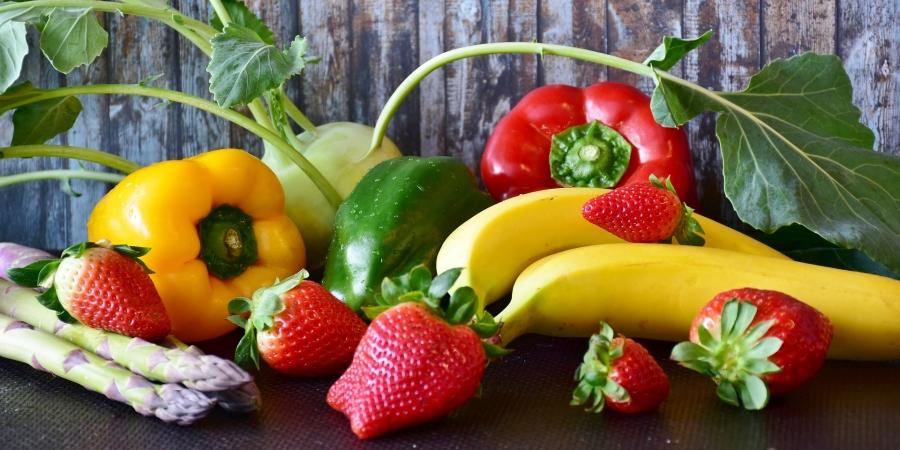
The harvest of tomatoes, peppers, and cucumbers continues. If early frosts are forecast, cabbage, carrots, and beets are harvested. Beds with late-season varieties are loosened, weeded, and watered. Planting of winter garlic begins. Strawberry, currant, and raspberry bushes are planted. However, the following dates should be avoided:
- September 28 - new moon;
- September 14th is the full moon.
October
For gardeners, October marks the end of the season. Horseradish roots, Jerusalem artichokes, and leeks are harvested. After harvesting, organic matter is carefully removed, the beds are dug over, and fertilized. Winter crops and green manure are planted. The following days should be avoided:
- October 28 - new moon;
- October 14th is the full moon.
November
The planting season is over in a garden plot once the snow has settled. Some gardeners postpone planting carrots, parsley, and spinach in pre-prepared beds until November. Sowing seeds in slightly frozen soil and covering them with compost will prevent them from sprouting prematurely and freezing. When planning your work, keep the following in mind:
- November 26 - new moon;
- November 12 is the full moon.
December
In December, inspect trees and greenhouses in the garden, shaking off excess snow. If the snow cover is thin, use a shovel to push snow onto tree trunks, shrubs, and strawberry beds. At home, you can plant vitamin-rich greens:
- December 26 - new moon;
- December 12th is the full moon.
There's a lot of work to do in a garden year-round. A lunar calendar can help you schedule the necessary tasks, avoid missing important ones, promote high germination rates and a good harvest, and ensure long-term storage of your harvested produce.
Related posts:
 Lunar sowing calendar for June 2026, favorable and unfavorable days
 Planting days according to the gardener's lunar calendar in February 2026
 Favorable and unfavorable days according to the gardener's lunar calendar for May 2026
 When is the best time to plant cucumbers in open ground in 2026? Auspicious days according to the lunar calendar.
 Favorable and unfavorable days for planting tomatoes according to the lunar calendar in 2026
 Lunar sowing calendar for gardeners for July 2026
 Gardener's lunar planting calendar for August 2026
 Lunar sowing calendar for gardeners and vegetable growers for April 2026