
- Sowing dates
- According to climate indicators
- Depending on the variety
- Depending on the growing region
- How to prepare and improve seed germination at home
- Selecting a container and substrate
- Sowing technology
- We create optimal conditions for seedling germination
- Temperature conditions
- At what temperature do seedlings die?
- Optimal humidity
- Illumination
- How long does it take for pepper seedlings to sprout?
- Caring for grown sprouts
- How often to water
- What to feed
- Picking
Growing peppers in a greenhouse or open ground requires pre-planting seedlings. Knowing how to properly plant pepper seedlings will help you grow healthy seedlings that will thrive in their permanent location.
Sowing dates
The period when sowing work must be carried out depends on several factors. The timing of planting is influenced by the climate and weather conditions in which the crop will grow, as well as the characteristics of the specific variety, soil type, and other nuances.
According to climate indicators
Since peppers are heat-loving vegetables, it's important to harvest the entire crop during the warm season. The first frosts of autumn negatively impact the flavor of the fruit and the yield.
When grown in hot climates, later planting is allowed.
Depending on the variety
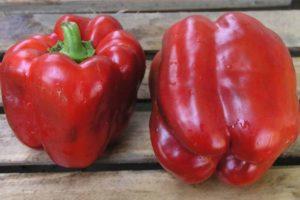
Peppers begin to ripen 100-150 days after germination, and seedlings are transplanted into the ground after 60 days. The exact ripening period depends on the variety. All varieties of sweet, bitter, and hot peppers can be divided into three categories: early, mid-season, and late-season.
Depending on the growing region
In northern regions with short warm periods, seedlings are planted as early as possible, starting in the first ten days of February. If the peppers are to be grown in the south, sowing should be done before mid-March.
It is also necessary to take into account the specific soil characteristics in a particular region, including fertility and acidity indicators.
How to prepare and improve seed germination at home
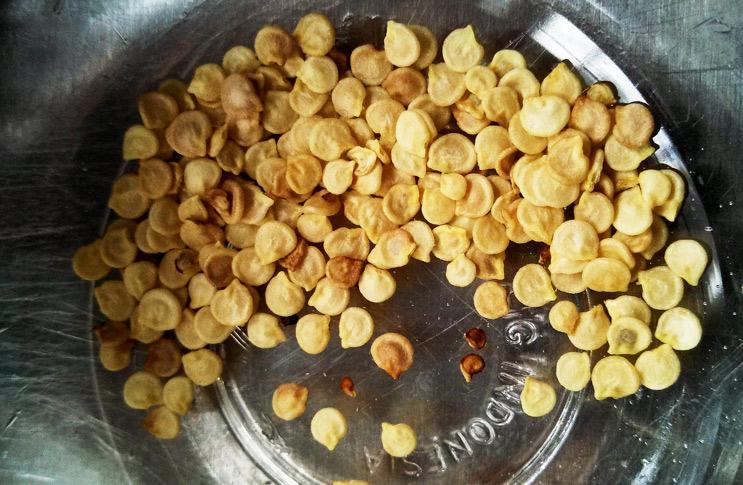
Pre-treatment improves seed germination. Seed preparation involves the following steps:
- First, soaking is carried out before planting in a growth stimulator for more active development in the soil.
- After soaking in the stimulator, the planting material is wrapped in cloth and placed in a weakly concentrated solution of potassium permanganate for disinfection.
- One to two days before sowing, warm the seeds in an oven at home at 80 degrees Celsius. It is also acceptable to warm the seeds near a heating element for 24 hours.
Selecting a container and substrate
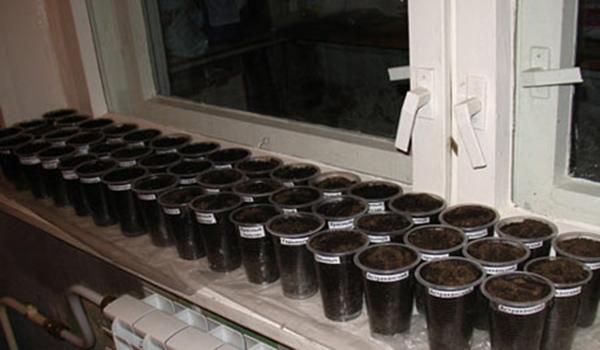
Standard plastic pots, peat cups, and wooden boxes are suitable for seedlings. Store-bought soil specifically designed for seedlings can be added to the chosen container. The prepared mixture contains the necessary nutrients and is suitable for peppers based on their type and pH. Sifted, washed sand is added to the substrate at a ratio of 0.5 to 3.
You can also prepare your own seeding substrate. To do this, mix humus or well-rotted compost, peat, and river sand in a 2:2:1 ratio. Sift the mixture thoroughly and let it evaporate for an hour to prevent weeds and fungal diseases.
Sowing technology
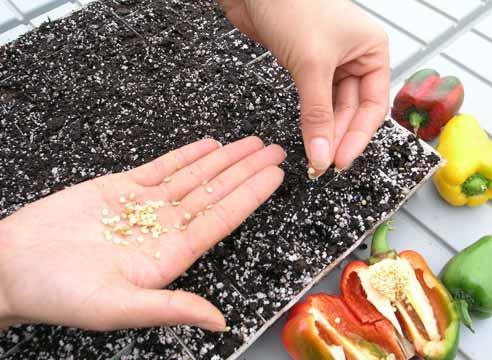
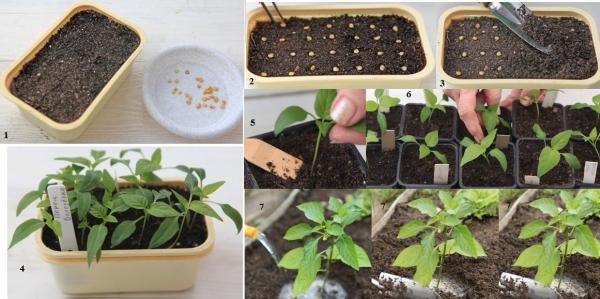
Seeds germinate best in dense soil with loose, aerated soil underneath. This helps the sprouts grow more vigorously, so it's important to plant the plants correctly. It's recommended to press the seeds into the soil. Pepper seeds are planted at a depth of about 1 cm, then watered and covered with loosened soil.
We create optimal conditions for seedling germination
To ensure seedlings sprout on time, it's essential to provide comfortable environmental conditions. Pepper seedlings should be grown under suitable temperature, humidity, and light conditions.
Temperature conditions
The ideal temperature for growing pepper seedlings ranges from 25-28 degrees Celsius. This temperature range should be maintained from sowing until the first shoots appear. Once the seedlings begin to emerge, the temperature is lowered to 14-16 degrees Celsius for 3-5 days. This temporary temperature drop promotes active root growth.
At what temperature do seedlings die?
The minimum temperature at which seedlings can grow is 20 degrees Celsius. At this temperature, growth will be slow, and the seedlings may be weak. If the temperature drops further, the seedlings fail to germinate and die. This often happens when seed containers are placed on an uninsulated balcony or windowsill.
Optimal humidity
Peppers are sensitive to atmospheric humidity. Low water vapor levels cause young seedlings to wilt, and inflorescences and ovaries to drop. Insufficient humidity is especially dangerous during hot weather. The optimal humidity for most pepper varieties is 70%.
Illumination
Adequate light is necessary for proper photosynthesis. Insufficient light will cause plants to become deformed and lose their immunity, which will negatively impact their development. Seedling containers can be placed on an insulated window to allow natural sunlight to reach the seedlings. If natural light is unavailable, additional artificial light sources should be used.
How long does it take for pepper seedlings to sprout?
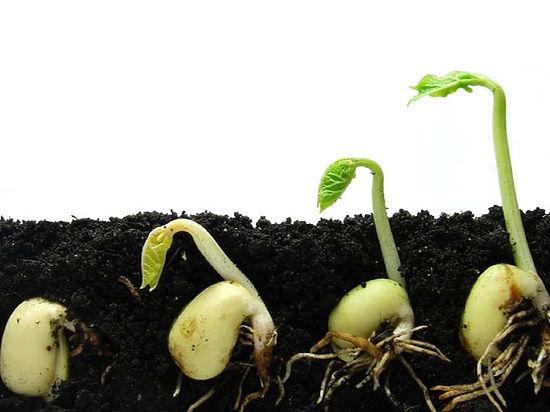
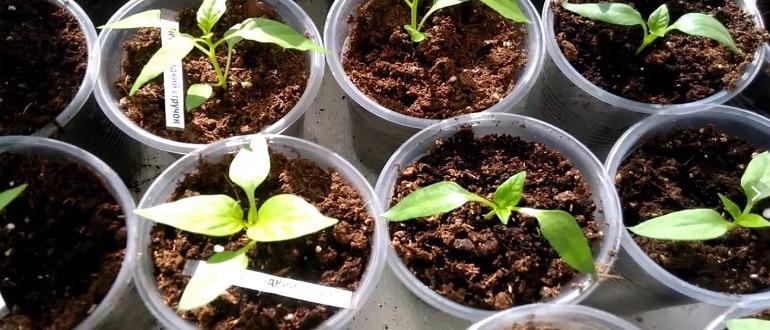
If all planting and growing conditions for the seedlings have been met, the first shoots will begin to emerge from the soil within 7-14 days. The exact time frame depends on the pepper variety planted. In the early stages, the shoots appear as a loop of stem, from which cotyledon leaves later form.
Pepper seedlings can sprout all at once, but often this happens gradually. Typically, two weeks is enough for all the seeds to germinate.
Caring for grown sprouts
Once the seedlings emerge, care is needed to ensure they continue to grow and are properly formed by the time they are transplanted to their permanent location. Pepper seedlings require basic, comprehensive care, including regular soil moisture, fertilization, and timely transplantation.
How often to water
Throughout the entire growing period, the soil in the pepper containers should be kept moderately moist. Water carefully to avoid exposing the fragile roots with a strong stream.
Use warm water for watering. Before each watering, it's recommended to check the soil moisture level by hand to prevent overwatering or drought.
What to feed
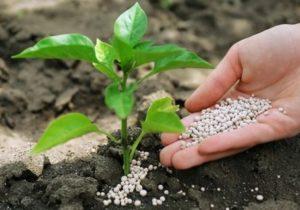
For full development of pepper seedlings, 1-2 additional feedings are sufficient before transplanting. The first portion of fertilizer is applied after 2-3 leaves have formed. To prepare the fertilizer, dilute 5-7 g of urea and 30 g of superphosphate in 10 liters of water. The second feeding is applied 3-4 days before transplanting the seedlings into the soil. Before transplanting, add 20-30 g of potassium salt and 50 g of superphosphate to 10 liters of water. Fertilizing promotes active root and aerial growth, boosting immunity and resistance to external influences.
Take a look Also
Picking
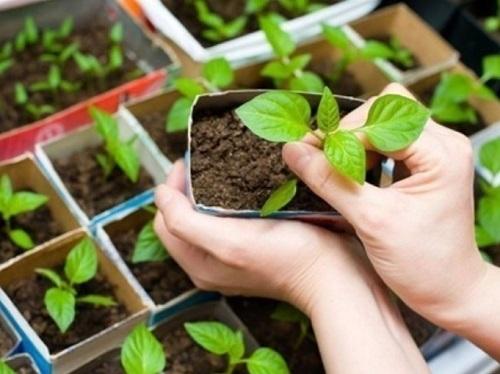
After 4-6 leaves appear on the seedlings, transplant them. Planting them later in open ground will create stress for the seedlings. If the seedlings are planted in peat pots or pellets, place them immediately in the planting holes. When growing in other containers, carefully remove the seedlings with a small lump of soil to avoid damaging the roots. For ease of transplanting, it is recommended to moisten the soil beforehand.
Related posts:
 How to grow peppers from seeds at home: choosing a variety, planting, and care
 Planting, growing, and caring for bell peppers in open ground
 What is the best way to feed tomato seedlings to make them plump?
 Planting, growing, and caring for peppers in open ground in the Moscow region: the best varieties
 The best eggplant varieties for growing in a polycarbonate greenhouse: planting and care
 When to plant pepper seedlings in 2025, favorable days according to the lunar calendar
 Why are pepper leaves turning white? What to do and how to feed them in a greenhouse and in the ground.
 Causes of pepper diseases in greenhouses, their description and treatment
I believe the process of growing peppers this way is no different from growing them in a greenhouse. I've been growing peppers on my balcony in winter for several years now, and the yield is excellent. I regularly fertilize the soil.