
- Climatic features of the region
- Selecting a variety for open ground
- Kolobok
- Montero
- Aries
- United
- Poplar
- Mercury
- Victoria
- A gift from Moldova
- Planting seeds
- Preparing seeds for sowing
- Soil preparation
- Sowing technology
- Planting seedlings
- When to plant peppers
- Selecting a site
- Landing
- Rules for caring for a plant in an open area
- Frequency of irrigation and fertilizing
- Formation
- Mulching and soil care
- Preventive treatments
- What crops are suitable for greenhouses?
- California Miracle
- Arsenal
- Ox ear
- Hercules
- The Orange King
- Bagheera
- Requirements for growing conditions
- Temperature conditions
- Light mode
- Humidity
- Preparation and sowing of seed material
- Seed quality testing
- Disinfection
- Germination
- How to care for peppers in a greenhouse
- Ventilation of greenhouses
- Watering
- Loosening
- Picking
- Fertilizers
Every vegetable gardener tries to plant sweet bell peppers in their garden. The crop has southern origins. Despite this, breeders have done everything possible to ensure that the peppers produce fruit in cold climates. Growing peppers in the Moscow region in open ground is not considered difficult. To ensure a successful harvest, it is necessary to select varieties suitable for a specific location.
Climatic features of the region
In the Moscow region, summer lasts 90 days, or three months. Temperatures during this period range from 16 to 22 degrees Celsius. Daylight hours last 14 to 17 hours. Humidity hovers around 78%.
For successful pepper growth, the following conditions are provided:
- location of roots during watering at a depth of 20-30 cm;
- air temperature from +20 to +27 degrees;
- 12-hour daylight;
- weed removal;
- sufficient amount of fertilizers;
- a plot of land with nutrient components.
Pepper's characteristics make it suitable for cultivation in the Moscow region. Growing in open ground requires the temporary use of a plastic cover.
Selecting a variety for open ground
Growing peppers begins with choosing the right variety. This vegetable crop is characterized by a long growing season. Ultra-early varieties have a growing season of 95 days, while late varieties have a growing season of 150 days. For the Moscow region, if seedlings are planted at 8 weeks old, varieties with a growing season of no more than 140 days are suitable. The best varieties of sweet peppers are early and mid-season.
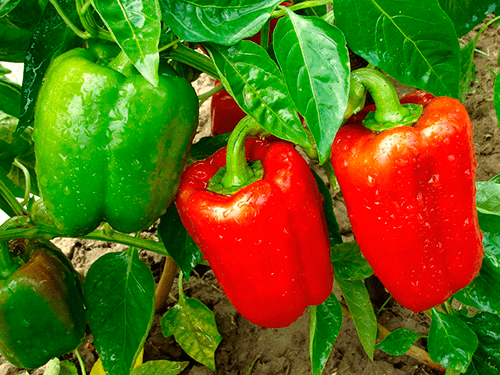
Kolobok
This variety is noted for its good survival rate, especially for growing in Moscow region plots. Kolobok is easy to care for and tolerates temperature fluctuations. Under minimal conditions, peppers will begin to bear fruit 8 weeks after transplanting the seedlings to a permanent location.
The crop produces bright red fruits. They are spherical in shape with a thick layer of pulp. They are suitable not only for fresh cooking but also for canning. The plant is low-growing, so it doesn't need staking.
Montero
An early-ripening hybrid that produces large fruits. Freshly picked peppers weigh 250-300 g. Their attractive appearance makes them a highlight of any dish. The pepper's walls are 7 mm thick or more.
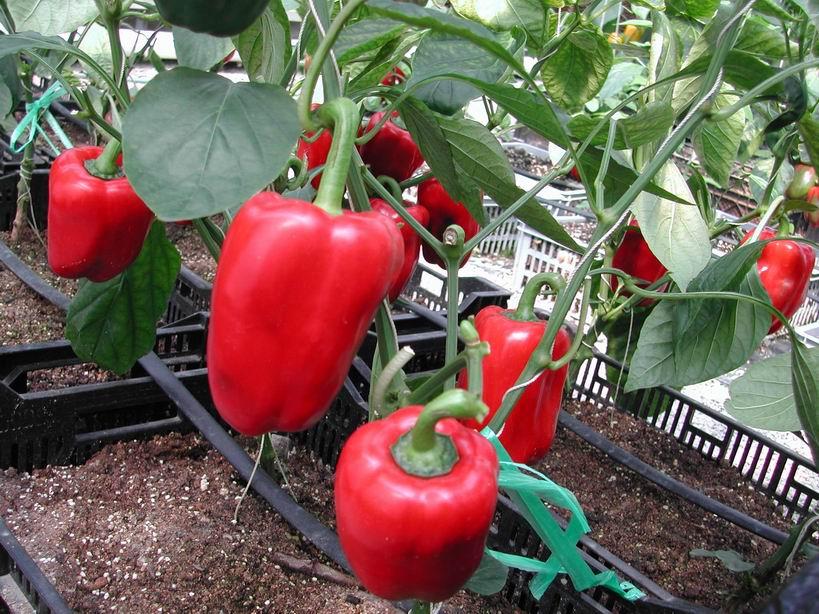
Planting seedlings in the garden beds occurs on the 50th to 65th day. It is recommended to transplant the seedlings before mid-April. This way, gardeners will harvest their first crop in June. If the plants don't require space or water, a single plant will yield 7-8 kg of peppers.
Aries
A pepper variety with excellent appearance and flavor. Its immune system is resistant to viral and fungal diseases. The fruits are prismatic and dark red. This early hybrid reaches 1.5 m in height.
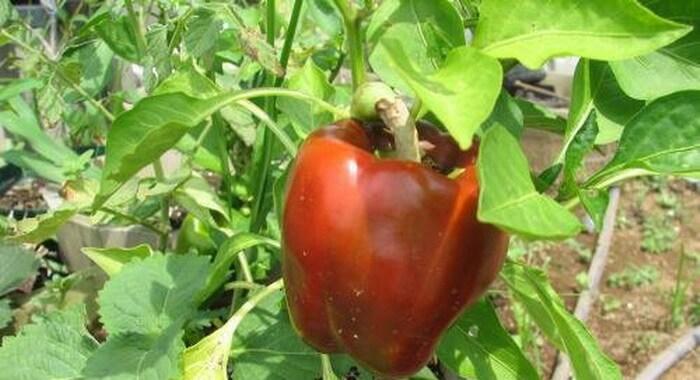
United
Thanks to its biological properties, this variety boasts consistent fruiting even under unfavorable conditions. It ripens early, with fruit appearing 40-45 days after transplanting the seedlings. It is also resistant to low temperatures.
Despite the bushes' short stature, they require support. Planted bushes should be spaced at least 40 cm apart. Each bush yields up to 4 kg of fruit per season.
Poplar
Ripe peppers are elongated and cone-shaped. The flesh is a rich red. Due to the weight of the fruit, the plant needs to be supported. Poplar is used as an ingredient in fresh salads, baked, and canned.

Mercury
The 1.5-meter-tall bush has small internodes. Branching is weak, and despite its spreading form, the bush appears compact. The cone-shaped red fruits are very juicy and tasty. Mercury is resistant to tobacco mosaic virus.
Victoria
Seeds for planting in Moscow region gardens are sown at the end of February. Victoria peppers have a mid-season ripening period. In May, the seedlings are planted in open ground, and in the last week of July, you can enjoy the first sweet peppers.
The peppers that form on the vines are very sweet, fresh, large, and fleshy. Even the shortest bush produces 5 to 8 red peppers. The smallest weighs 120 g, the largest – 250 g.
A gift from Moldova
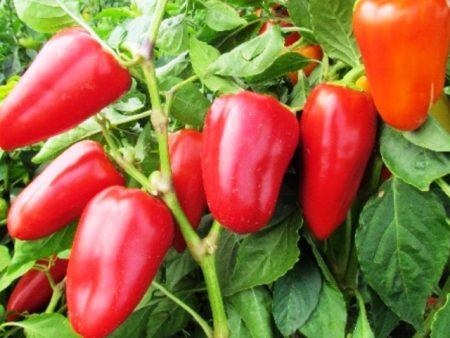
After 110-135 days of mass germination, the peppers are ripe and ready to eat. Up to 5 kg of vegetables can be harvested per square meter. The rich red flesh is covered with a thin skin. The surface of the vegetables is smooth and shiny.
Moldova's Gift: A Pepper Variety, requiring shaping and support. It grows up to 55 cm in height. A strong immune system protects against many plant diseases.When flowers appear, the lower shoots are removed up to the first fork.
Planting seeds
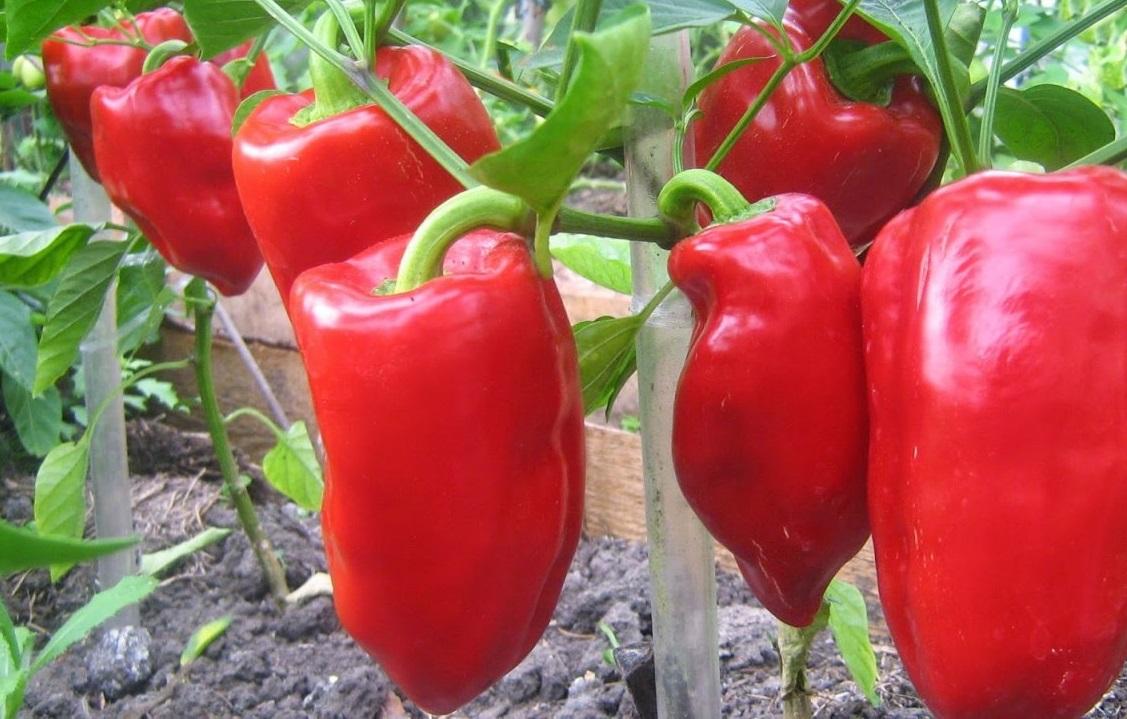
Seeds are sown in the ground in late February or early March. This will allow the seedlings to gain strength and develop properly before being planted outdoors.
When planning to grow bell peppers in greenhouse conditions, seeds are planted even earlier.
Preparing seeds for sowing
Proper seed preparation is the key to germination. First, the seeds are inspected and calibrated. Only high-quality specimens are selected for planting. For ease of use, they are laid out on a flat, clean surface to weed out any small ones immediately.
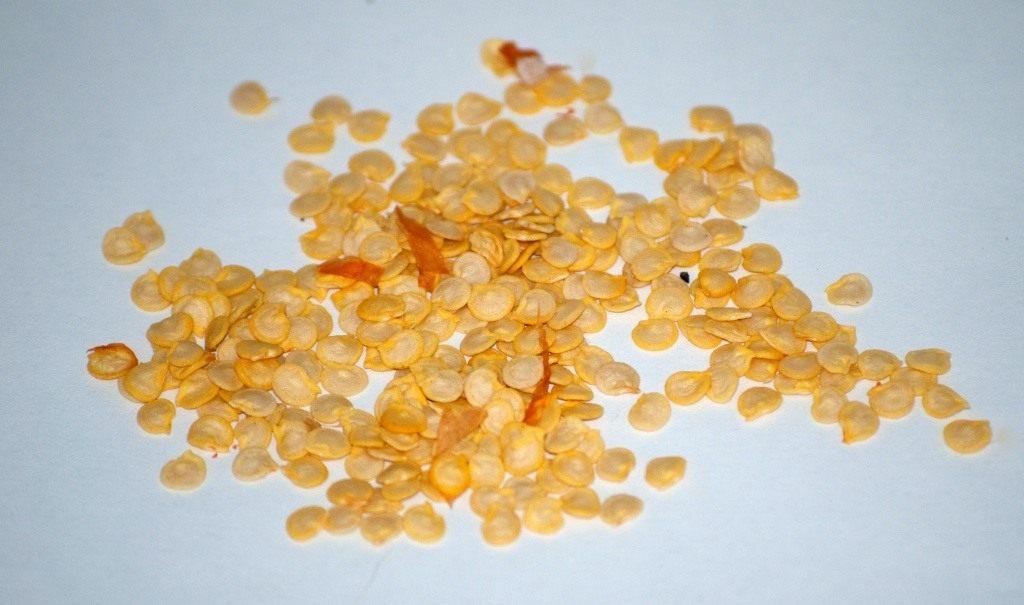
After inspecting and removing all unnecessary debris, proceed to the second stage of calibration. Salt is added to the container of water and mixed thoroughly. The seeds are placed in the liquid for 7-9 minutes. Empty seeds float to the surface and are then discarded along with the water.
The remaining material is disinfected with a weak solution of potassium permanganate. The peppercorns should not be soaked in the solution for more than 30 minutes. After disinfection, they are rinsed with room-temperature water.
Soil preparation
The growth rate of seedlings depends not only on the quality of the seed. Soil preparation is equally important. Pepper seedlings prefer loose soils with excellent moisture absorption. Before planting, gardeners create their own soil mixture. To do this, they mix humus with sod ash and peat. Sand can also be added.
To improve seed germination, vegetable growers add mineral-based fertilizers to the mixture. For every 10 kg of soil, add 1 teaspoon of potassium salt, 4 g of superphosphate, and the same amount of ammonium nitrate.
If gardeners don't want to bother with preparing the soil mixture, they can purchase a ready-made product from a specialty store.
Gardeners and vegetable growers face the problem of moisture evaporation from the soil. This process can be slowed down with a trick. Hydrogel retains water in the soil for as long as possible, so it's added to the soil.
Sowing technology
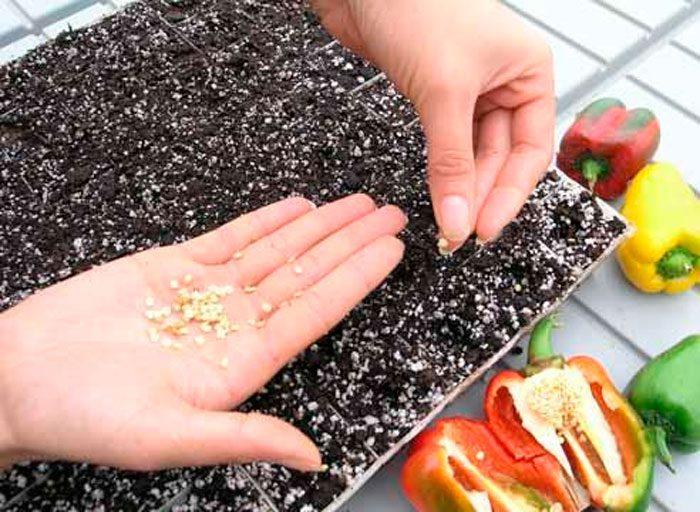
Peppers are planted in boxes that can accommodate several plants at once. The procedure consists of the following steps:
- Prepared containers are filled with potting mix. Try not to fill them completely, leaving a few centimeters of space at the top.
- Dig holes in boxes filled with soil. Each hole should be no more than 2 cm deep. Leave a 4 cm gap between the holes. If the holes are too deep, the seeds will not germinate.
- After all the seeds have been laid out in the holes, they are covered with a layer of soil and watered.
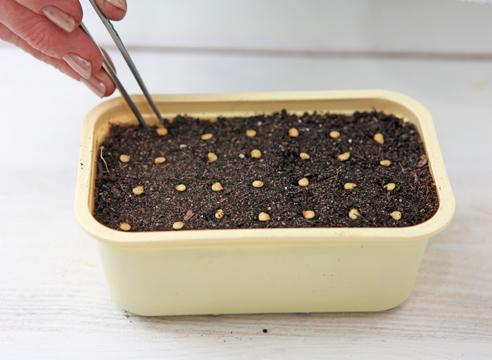
Each container is covered with glass or plastic film. The boxes are then moved to a warm room. This action accelerates the germination of the seeds.
Planting seedlings
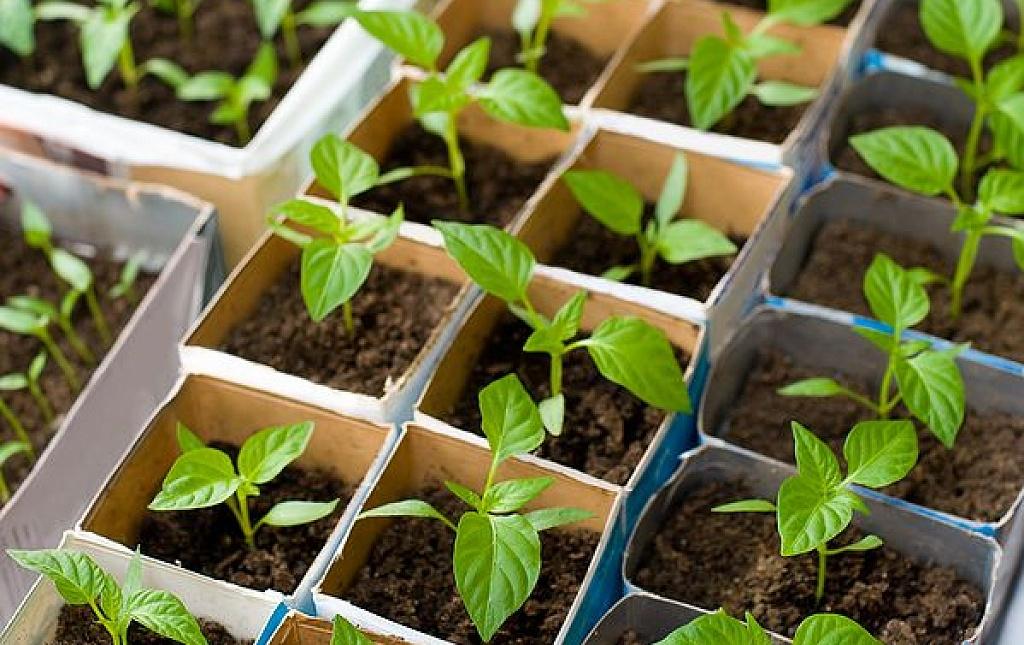
Transplanting seedlings to a permanent location doesn't require any complicated steps. Holes are dug in the ground with a hoe, forming beds. Each bed is watered generously. Once the water has soaked in, the seedlings are planted in the moist holes and covered with soil.
When to plant peppers
Weather conditions play a major role when planting seedlings. Cold weather slows the crop's development. In the Moscow region, the last frosts occur during the first 10 days of May. By mid-May, temperatures reach 15 degrees Celsius and remain stable. Pepper planting in the Moscow region begins in mid-May.
Selecting a site
The quality of the harvest depends on the location of the beds. Peppers grow and develop well in sunny, well-heated locations. The soil should contain a minimum of clay and sand.
Landing
The scheme is as follows:
- Containers with peppers and holes in open ground are watered.
- After the moisture has been completely absorbed, the plants are removed from the pots along with the root ball.
- The sprouts are transferred to a new location, ensuring that the root collar is deepened into the ground by 1.5-2 cm.
- The holes with seedlings are filled with soil, pressing down with hands from above.

At first, the seedlings are covered at night. Simply cover each sprout with a plastic bottle and remove it in the morning. This simple step will protect the seedlings from the cold.
Rules for caring for a plant in an open area
This step is crucial, as the growth of the seedlings depends on following these rules. If you do everything correctly, new leaves will begin to appear at the tops of the bushes.
Frequency of irrigation and fertilizing
Newly planted seedlings are watered every evening for a week. This helps them establish themselves more quickly in their new location. The frequency of watering depends on the climate. If it is constantly hot outside, at least 4 liters are poured under each bush.
Only warm water is used for watering. Gardeners use a little trick for this: they fill buckets with water in the morning and spray the peppers in the evening. This allows the water to warm up thoroughly during the day, which won't harm the plants.
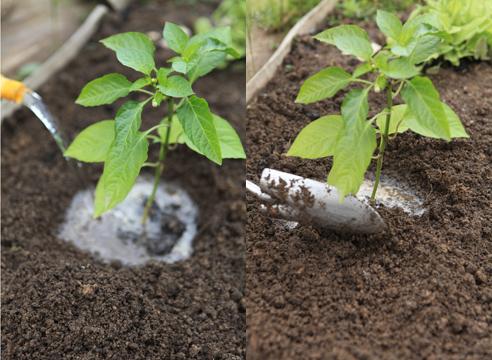
Don't forget about fertilizing either. Sweet peppers will produce the best harvests with organic or mineral fertilizers. Wood ash can be used as a basic fertilizer.
Formation
When the plant begins to branch, the gardener should select two strong, primary shoots. The remaining branches are trimmed with pruning shears or any other sharp object. If the plant begins to branch again, repeat the pruning. During growth, fruitless shoots will emerge. It is recommended to prune them off without regret. Forming the plant helps conserve energy for fruit development.
Mulching and soil care
The land where peppers are grown must be kept clean. Despite soil cultivation, weeds will reappear. They must be removed from the beds.
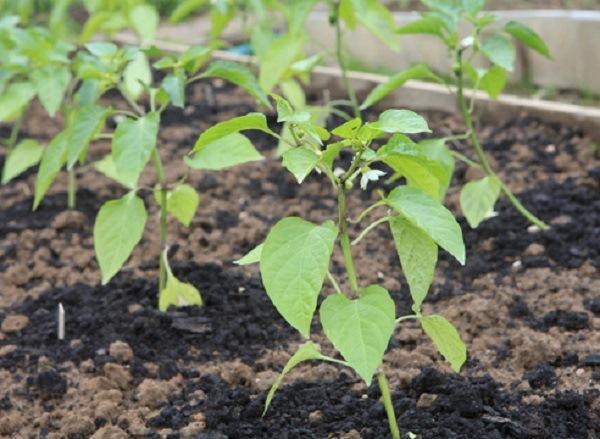
Mulching can make garden bed maintenance easier. The soil surface is covered with straw, peat, or sawdust. This reduces the need for watering, and eliminates the need for tilling.
Preventive treatments
Prevent occurrence diseases on bell peppers Following proper growing practices will help. Planting plants near the crop that won't harm it will help. Preventative spraying will protect against pests.
What crops are suitable for greenhouses?
In addition to open-ground cultivation, many prefer greenhouse cultivation. Since crops are grown in a greenhouse, gardeners don't have to worry about frost damage. Special varieties have been developed for greenhouse cultivation.
California Miracle
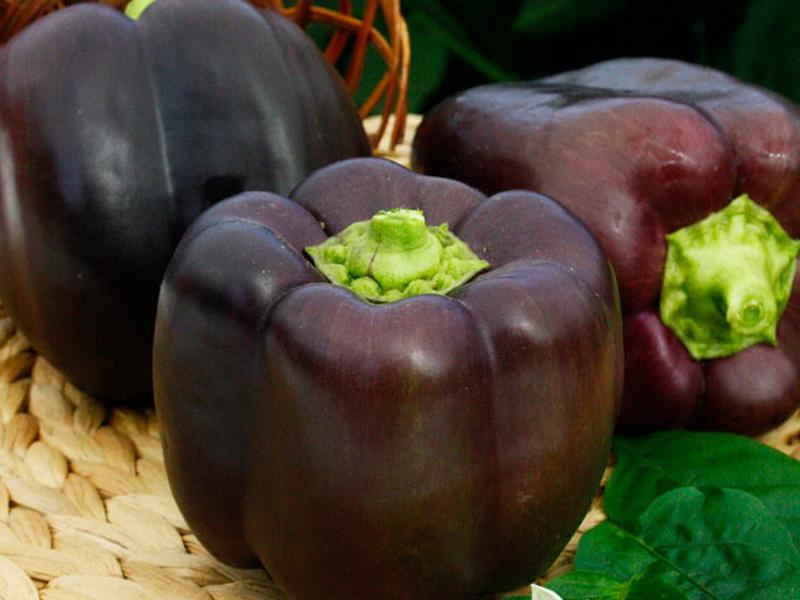
This pepper variety isn't a hybrid, but its characteristics are in no way inferior to them. The bush grows large and vigorous, with sturdy branches supporting beautiful peppers with incredible flavor. Despite its name, this variety thrives in greenhouses in the Moscow region.
Arsenal
The bushes produce sweet peppers of the typical shape for this vegetable. Average specimens weigh up to 120 g. As they ripen, the fruits change color from green to red.
Ox ear
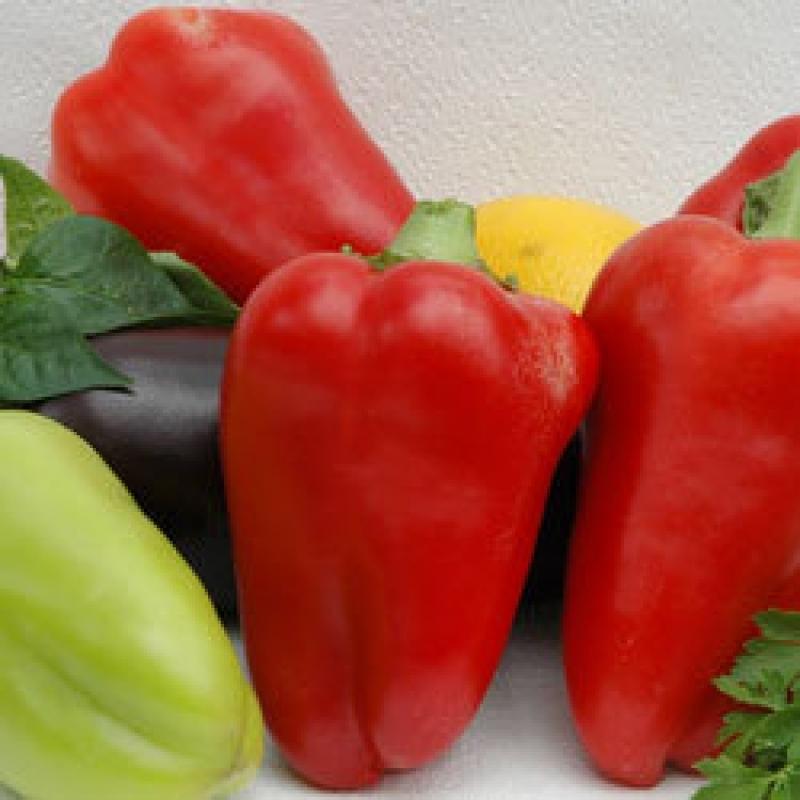
Ox-ear bushes grow large. To prevent branches from breaking under the large fruits, they are tied up. The harvest is an elongated cone-shaped fruit. The skin is smooth and shiny.
Hercules
This greenhouse pepper variety produces large fruits weighing up to 300 g. The flesh is juicy and exudes a distinctive vegetable aroma when cut. Each plant produces up to 3 kg of fruit per season. The plant is resistant to many diseases that affect garden crops.
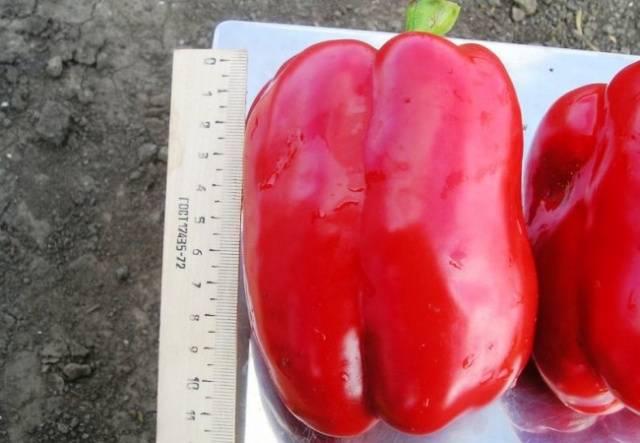
The Orange King
This variety is designed for growing indoors. The maximum height of the bush does not exceed 1.5 meters. The period from sprouting to fruiting takes 92 to 113 days. The variety's name alludes to the orange color of the ripe fruit.
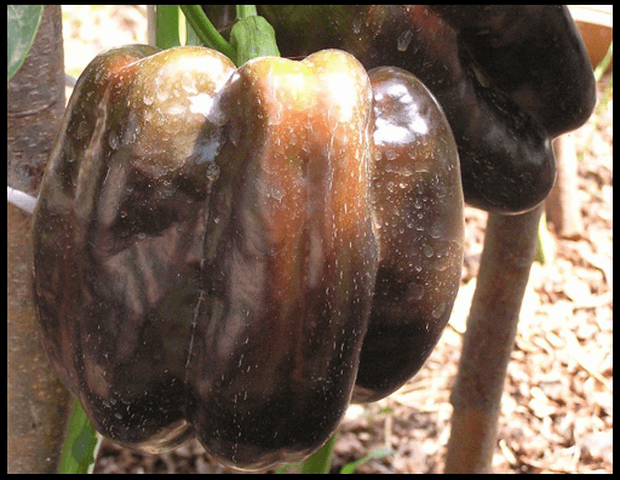
Bagheera
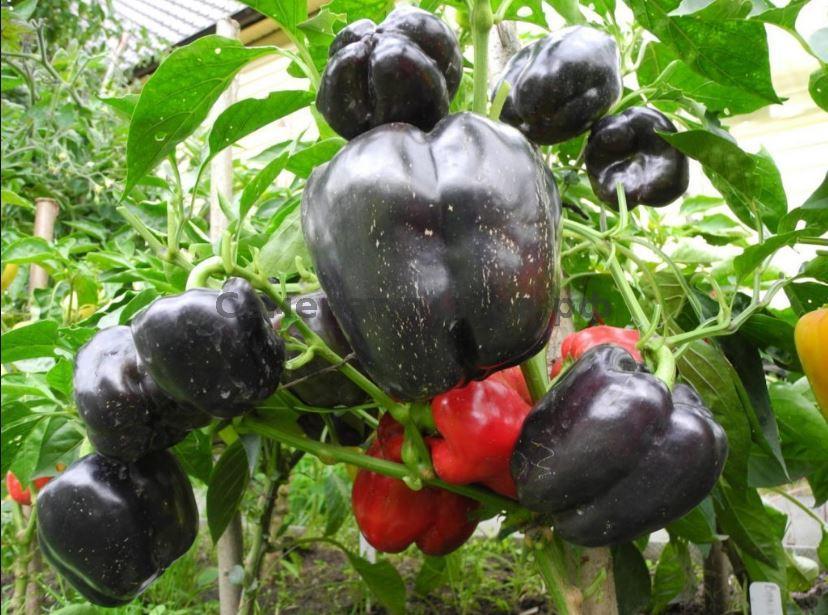
This pepper variety gets its name from the color of its fruits. Ripe fruits are black. Bagheera is suitable for growing not only in plastic shelters but also in open ground.
The plant is a compact bush, 40 to 55 cm tall. The leaves are medium-sized and rich green. Wrinkling is slight. This variety requires shaping by removing side shoots before the first fork.
Requirements for growing conditions
People who try to grow peppers in a polycarbonate greenhouse always get the desired result.
Temperature conditions
Pepper seedlings are sensitive to environmental conditions. They should be grown indoors in a mildly warm environment. The optimal temperature is 25°C. A greenhouse should always maintain this temperature, as peppers are not adapted to sudden changes.
Light mode
Even if peppers are grown in hotbeds or greenhouses, they need light. The light supply should be equivalent to a full daylight hours.
Humidity
Peppers are plants that thrive in moderate humidity. A slight increase in humidity is acceptable.
Preparation and sowing of seed material
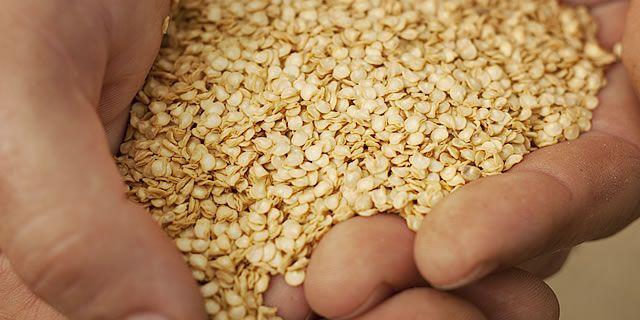
Sweet pepper seeds have a poor germination rate compared to other garden crops. Failure to properly prepare the plant can delay germination by up to a week.
Seed quality testing
Seed suitability for planting is determined through calibration. This process is not skipped, especially if the seed was collected by hand last season.
Disinfection
The preparation stage consists of simply soaking the seeds in a solution of potassium permanganate.
Germination
The final preparation step gives the seeds the strength they need to germinate. This procedure involves soaking them in a nutrient solution containing boric acid, aloe vera juice, or other ingredients.
How to care for peppers in a greenhouse
Care for the seedlings begins immediately after planting the seedlings.
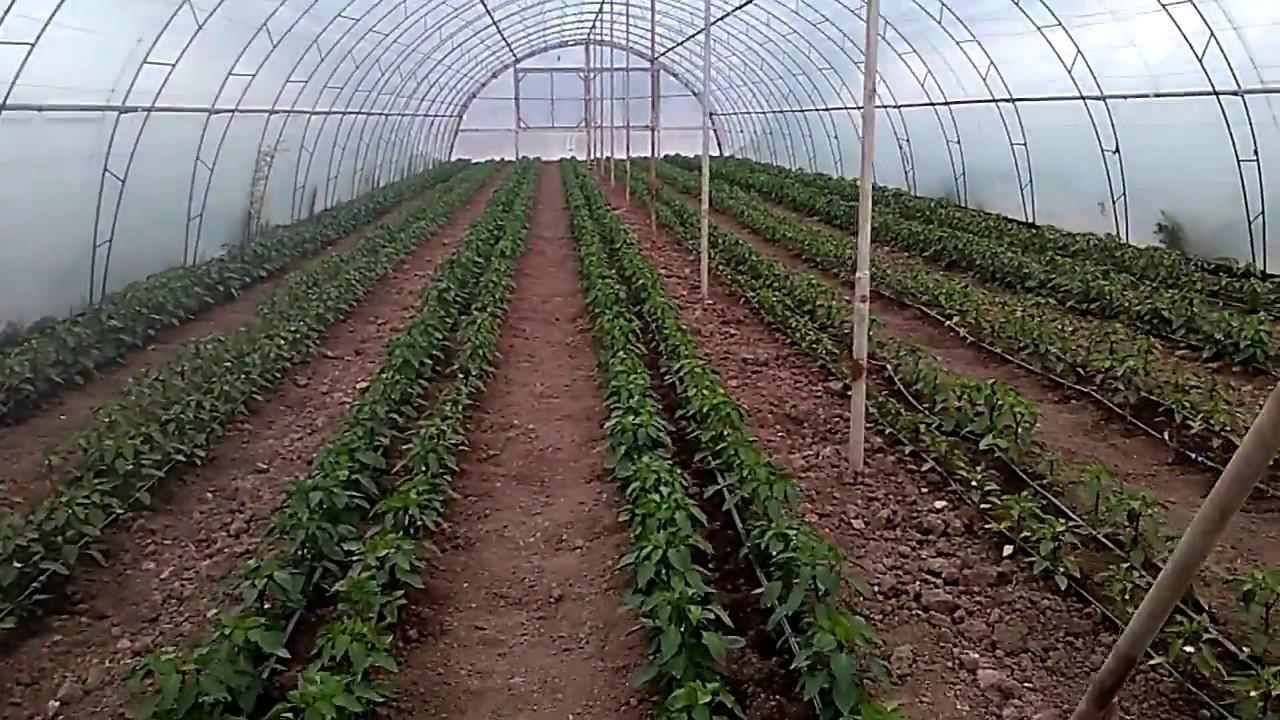
Ventilation of greenhouses
The plants must have access to clean air. Greenhouses are opened several times a day for ventilation. After 5-10 minutes, the room is closed.
Watering
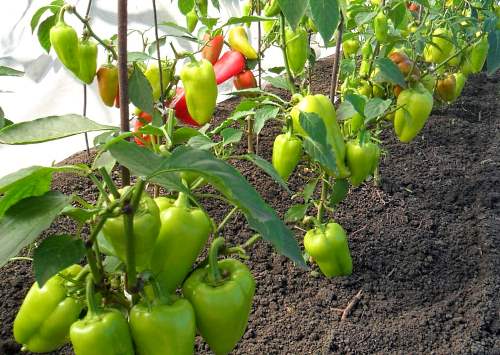
Although peppers love moisture, don't overdo it. High humidity encourages pests and parasites to thrive.
Loosening
Weeding and loosening the soil should be done regularly. Peppers don't require deep tilling. However, even shallow tilling of the soil oxygenates it, which is beneficial for plant growth.
Picking
To facilitate transplanting, seedlings are planted in peat pots. This will prevent damage to the root system. When planting, the peat pot should be level with the soil surface of the permanent location.
Fertilizers
Fertilizing begins 14 days after planting the seedlings in the greenhouse beds. Every two weeks, the peppers are fertilized with cow manure. Complex mineral fertilizers are an excellent option.
Peppers are a crop loved for their incredible flavor, juicy flesh, and attractive appearance. They are suitable for both open-air and indoor cultivation. Therefore, if you're planting crops, you can safely use either option.
Related posts:
 Description of the best varieties of ornamental peppers, growing and caring for them at home
 TOP 40 New Year's 2020 Meat Recipes Using Pork, Beef, Chicken, and Lamb
 TOP 40 Hot Dish Recipes for New Year 2020: What to Cook
 Planting, growing, and caring for bell peppers in open ground
 How to grow peppers from seeds at home: choosing a variety, planting, and care
 Description of the best pepper varieties for greenhouses and open ground in 2025
 10 simple Armenian-style pickled hot pepper recipes for the winter
 TOP 20 delicious recipes for preparing bell peppers for the winter