
- Why is saltpeter used in the garden?
- Benefits of fertilizers for peppers
- How to determine what exactly your peppers are lacking
- Instructions for use: how to dilute and use the pepper solution
- Ammonium nitrate
- Foliar application
- Calcium nitrate
- We apply fertilizer under the root and on the leaves
- Potassium
- Feeding schedules and timing
- Fertilizing seedlings after picking
- After planting in the ground or greenhouse
- We feed during the flowering period
- During fruiting for rapid ripening of fruits
- Compatibility with other drugs
- Precautionary measures
Gardeners know that meticulous care alone isn't enough to achieve a bountiful pepper harvest. Plants require nutrients to promote vegetation, abundant fruit set, and fruit growth. Calcium nitrate is a versatile fertilizer for garden crops. Let's look at the features and rules for using calcium nitrate on sweet peppers, as well as the composition and timing of applications.
Why is saltpeter used in the garden?
Nitrate is a salt of nitric acid. Depending on the other elements it contains, the following types of nitrate are distinguished:
- potassium;
- ammonia;
- calcium;
- ammonium-potassium and others.
All types of fertilizer contain nitrogen. This element is especially essential for plants during the period of root formation and the growth of stems and green mass. It is essential for the formation of chlorophyll, which absorbs sunlight. Without sufficient nitrogen, vegetation is inhibited, and the formation of cellular protein—the building material of cells—is slowed.
Each type of saltpeter has its own areas and features of use:
- Calcium – nitrogen (13%), calcium (19%). Stabilizes soil composition, promotes nitrogen enrichment in a plant-available form. Protects against diseases and pests.
- Potassium – potassium (46%), nitrogen (13%). Improves photosynthesis and oxygen absorption by plants.
- Ammonia – nitrogen (26-34%), sulfur (3-14%). Increases plant immunity, yield, and extends fruit shelf life.

Fertilizing with saltpeter increases resistance to temperature fluctuations and adverse weather conditions. Soil enrichment is necessary when planting crops outdoors, but is especially important when growing in greenhouses, where soils quickly become depleted.
Benefits of fertilizers for peppers
Heat-loving peppers require special care and feeding. If nutrients are lacking, the plants become diseased, produce few fruits, and the peppers' walls become thin and dry.
What are the benefits of calcium nitrate:
- accelerates the absorption of nitrogen from the soil, due to which the stem and foliage grow, and photosynthesis accelerates;
- calcium makes the stems strong and slender, and the foliage fresh and healthy;
- the number of flowers that develop into ovaries increases;
- the number of full-fledged fruits increases by 15-20%;
- increases immunity against fungal diseases and pests;
- Peppers are more fleshy and juicy, their taste quality improves, and their shelf life increases.
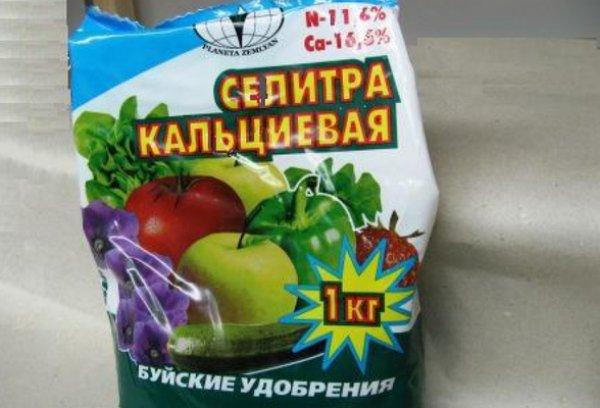
Fertilizing with saltpeter is important for obtaining full-fledged seeds, which many gardeners prepare themselves.
Important: When applying all types of saltpeter, it is necessary to strictly adhere to the dosage and timing so as not to exceed the nitrate content in the fruits.
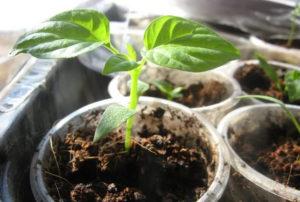
How to determine what exactly your peppers are lacking
Nutrient deficiencies are reflected in the appearance of pepper plants and their growth patterns. How to tell which nutrients your pepper is deficient in:
- weak leaves, quickly turn yellow, fall off - lack of nitrogen;
- the edge of the leaf dries out, bends downwards, the foliage is wrinkled - there is not enough potassium;
- darkening of foliage - dark green, with a blue or red tint - lack of phosphorus;
- small apical buds that fall off or stop growing, apical rot, spots on leaves and curling - calcium deficiency;
- veins are darker than the main part of the leaf – iron deficiency;
- Light-colored leaves with red or yellow color between the veins – low in magnesium.
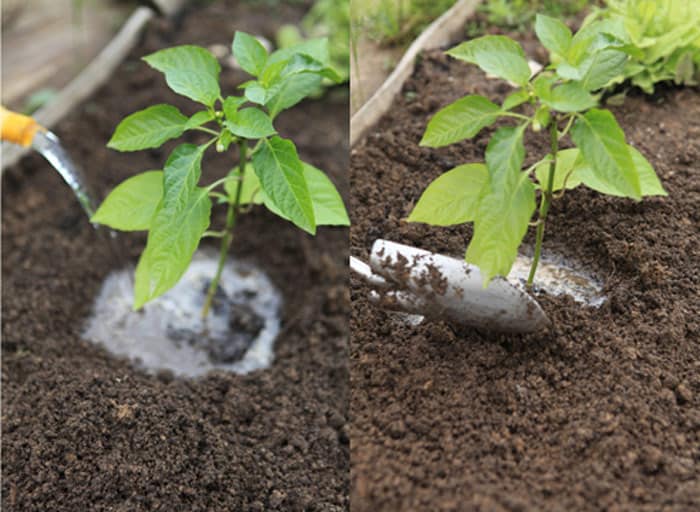
Peppers react sensitively to more than just nutrient deficiencies. Excess nitrogen leads to dense bushes, few flowers, and the plant's inability to set fruit. Excessive calcium also has a negative effect: dry, drooping foliage, small fruit, and poor growth.
Instructions for use: how to dilute and use the pepper solution
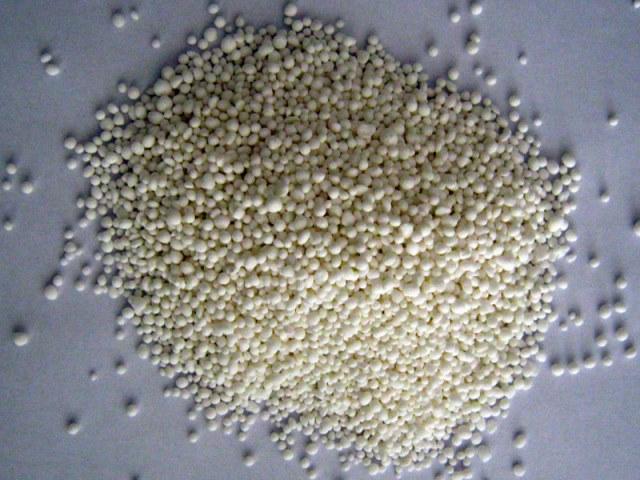
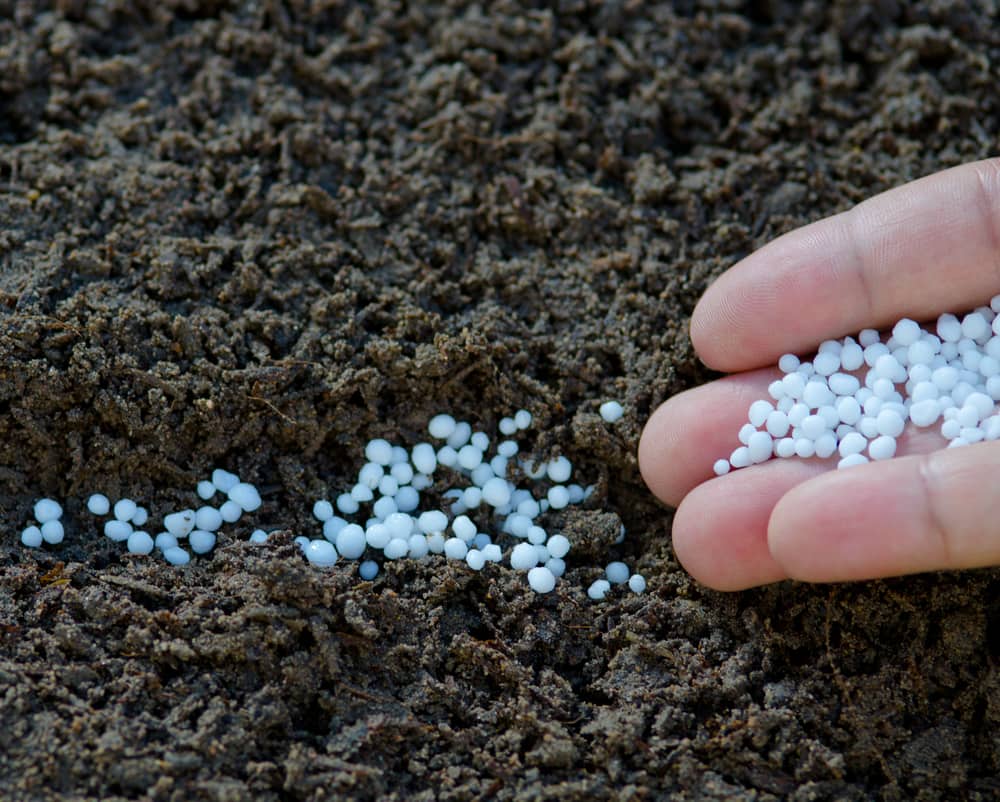
A remarkable property of all types of saltpeter is their good solubility in water. These preparations are available in the form of large granules.
The pepper root system receives all the nutrients in the form of aqueous solutions; this is the only way they are absorbed by the plants.
Basic rules for applying fertilizers:
- All fertilizers are applied after watering, when the soil is well moistened;
- solution temperature – 22-26 °, the same as water for irrigation;
- When the top layer of soil under the peppers dries out, you need to loosen the soil shallowly.
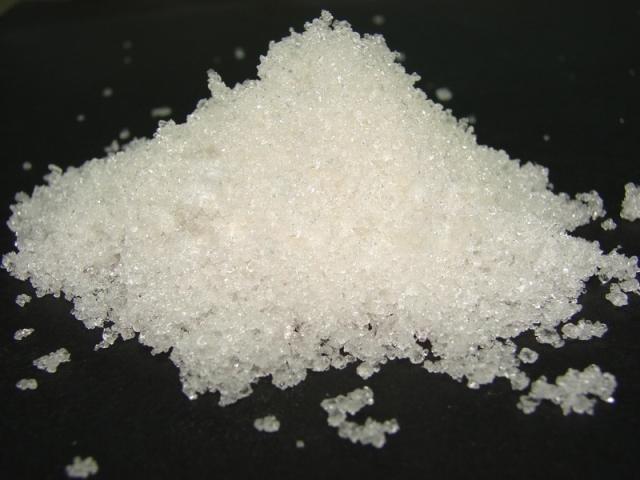
Different types of fertilizing for peppers are carried out no more than once a week.
Ammonium nitrate
Ammonium nitrate contains the highest percentage of nitrogen and is used at the beginning of the growing season. This fertilizer is beneficial for all plants and is especially useful for peppers. Once the plants have finished their rapid growth and have begun to produce fruit, that is, in the second half of summer, ammonium nitrate is not used. The recommended fertilizer ratio for peppers is 12 grams per 10 liters of water.
Important: ammonium nitrate is used in combination with alkaline fertilizers on acidic soils.
Foliar application
It's best not to spray pepper leaves with ammonium nitrate due to the high risk of burning. If necessary, prepare a urea solution.
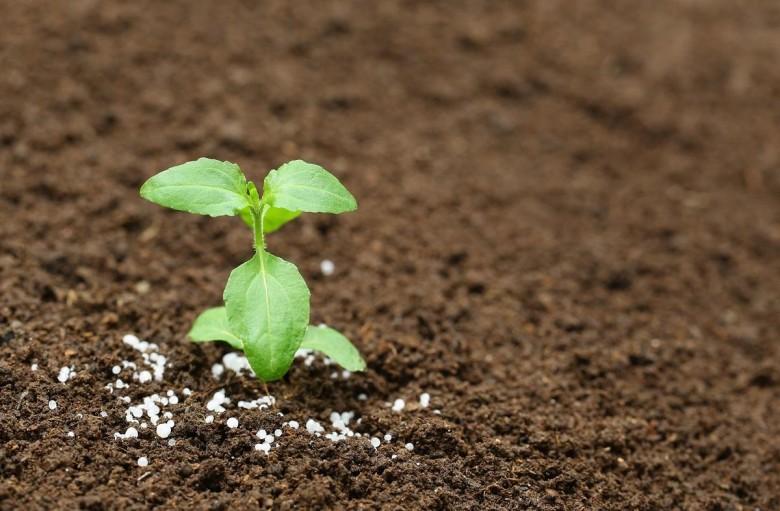
Calcium nitrate
The fertilizer doesn't increase acidity, so it can be used in a variety of soils. Calcium nitrate neutralizes excess acidity and binds excess iron and manganese. The fertilizer is applied during spring soil preparation for planting. Fall application is not recommended, as most of the nitrogen is lost to the soil during snowmelt. Calcium supplementation without nitrogen support is useless, as it is not absorbed by peppers.
After planting pepper seedlings, the bushes immediately receive the nutrients they need for growth, rooting occurs more quickly, and the green part develops vigorously. The vigorous plant blooms profusely and sets fruit.
We apply fertilizer under the root and on the leaves
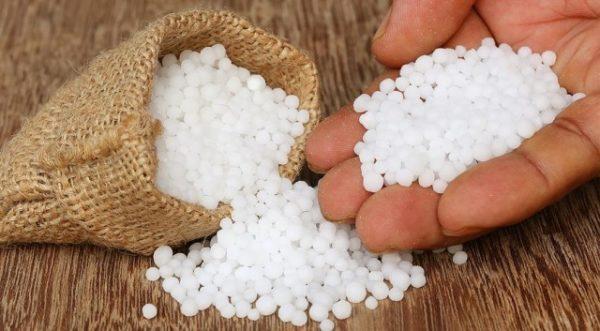
During the growing season, apply fertilizing solutions. Calcium nitrate dissolves readily in water, retaining all its beneficial properties. Its components quickly penetrate all parts of the pepper plant.
The fertilizer composition is 20 grams of fertilizer per 10 liters of water. This amount is sufficient for 1-1.5 square meters of pepper beds.
Apply the fertilizer under the roots, one liter per bush. If damaged leaves or bud rot appear, spray the foliage with a 0.2% solution. The beneficial components are absorbed through the surface of the leaves and stems.
Potassium
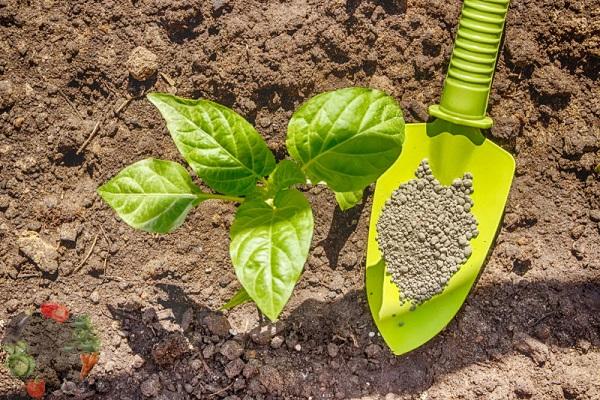
Potassium nitrate is used as a solution and dry granules. Potassium inhibits the growth of green mass and promotes fruit growth, making them juicier, richer in sugars, and larger.
For peppers, use 20 grams of fertilizer per 10 liters of water. The same proportions apply for foliar feeding. In rainy weather, potassium nitrate protects against fungal diseases and root rot.
Feeding schedules and timing
Mineral fertilizers are applied according to specific guidelines, as excess nitrogen, calcium, and other nutrients are harmful to peppers. Gardeners should be aware of the soil composition in their plots and monitor the condition of their plants so they can adjust their fertilizers as needed and apply the nutrients they need at the right time.
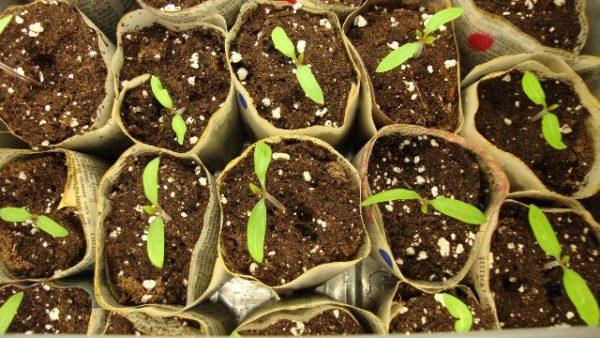
Fertilizing seedlings after picking
Seedlings require fertilizing to build strength for fruit set. Three fertilizing sessions are recommended before the start of outdoor cultivation. Alternate mineral fertilizers with organic matter, maintaining the correct dosage. Fertilizer composition for 10 liters of water:
- manure (kilogram) or bird droppings (0.5 kilogram) – dilute in water and leave for 24 hours;
- ammonium nitrate (5 grams), superphosphate (30), potassium sulfate (10);
- superphosphate (20 grams), urea (5), potassium sulfate (10).
The first application of fertilizer is done two weeks after transplanting, when the pepper seedlings have begun to grow. Fertilize with a mineral fertilizer. The second application is done two weeks later; organic fertilizer is preferred. The final application should be 7-10 days before planting in the permanent location.
After planting in the ground or greenhouse
As a reminder, you need to prepare the soil before planting peppers. A good fertilizer would be the following (per 10 liters of water):
- calcium nitrate – 15 grams;
- superphosphate – 30 grams.
Prepare the beds in advance, letting the soil sit for a week before planting the peppers. Two weeks after planting the pepper seedlings, fertilize the soil with ammonium nitrate (6 grams) and potassium magnesium sulfate (20 grams).
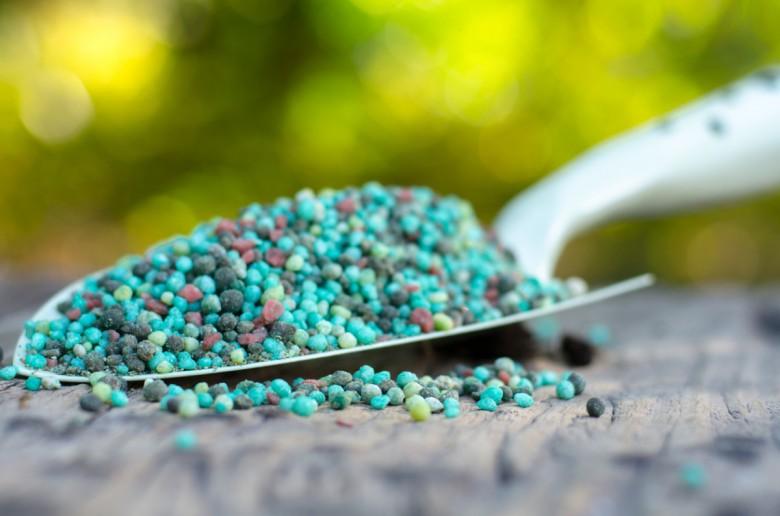
Many gardeners choose organic fertilizers, herbal infusions, or ready-made biological growth stimulants, believing them to be healthier, more environmentally friendly, and safer. Ready-made mineral complexes (Rastvorin) can also be used.
We feed during the flowering period
Fertilizing during flowering protects peppers from losing ovaries, dropping flowers, and small fruits. This type of feeding is especially important during poor weather and insufficient light and warmth.
Options for spraying bushes:
- superphosphate - a teaspoon per 5 liters of hot water;
- magnesium sulfate, boric acid - one gram per 5 liters of water.
The bushes are sprayed from a spray bottle in the absence of sun.
During fruiting for rapid ripening of fruits
During the fruit growth period, potassium fertilizers are used in combination with phosphorus, which improves the taste, size, and ensures long-term storage of peppers.
The recommended fertilizing ratio is 2 teaspoons of superphosphate and potassium nitrate per 10 liters of water. For a more effective solution, it's convenient to spray the plants. This should be done 10-14 days before harvesting. Before harvesting, water the plants several times to remove any remaining nitrate.
If fruit growth has slowed down, spraying with a urea solution (30 grams per 10 liters of water) will help speed up vegetation.
When blossom end rot appears, the bushes are watered with calcium nitrate and potassium sulfate (a tablespoon of each type per 10 liters).
Compatibility with other drugs
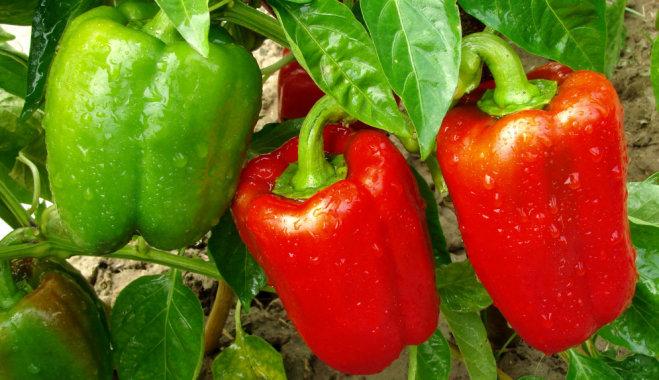
Calcium nitrate helps peppers grow stronger, produce foliage, and maintain a robust plant body while protecting against disease. It's important to read the instructions before using the fertilizer.
Calcium nitrate is not recommended for mixing with certain types of fertilizers. Avoid using it with different types of nitrogen fertilizers to avoid exceeding the recommended nitrogen dosage.
Alkaline compounds, pesticides, growth stimulants, potassium chloride, and humates are used in separate fertilizers from calcium nitrate, observing a weekly interval between applications.
Precautionary measures
Calcium nitrate is classified as a moderately hazardous substance (Class 3), so care must be taken when handling and storing it. Store the fertilizer in a sealed bag for no more than 6 months after opening. The granules quickly absorb moisture from the air, so after opening, carefully reseal the bag and store it out of reach of children and animals.
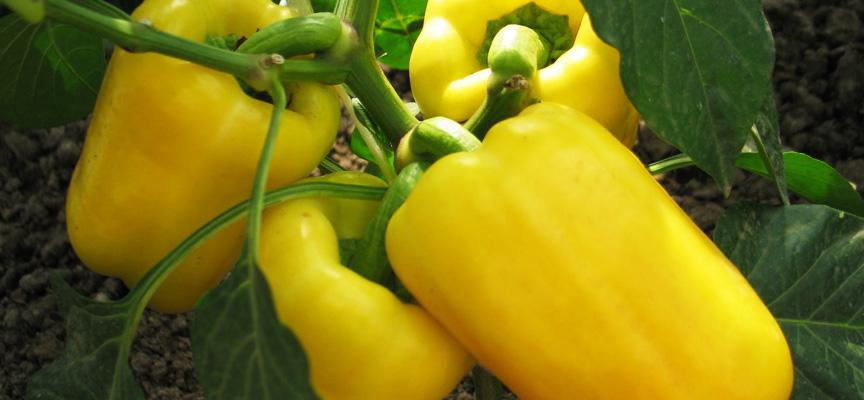
When working with saltpeter, wear gloves and protective clothing, and protect your eyes and skin from contact with particles. Do not give granules to children; carefully supervise them to ensure they do not put them in their mouths. If swallowed, drink up to a liter of water and seek medical attention.
It's also important to take precautions when fertilizing and applying fertilizer to the soil. Do not exceed recommended doses. Avoid preparing more concentrated solutions or applying granules by eye.
Peppers require timely fertilization, otherwise you won't get a good harvest. Fruit quality also depends on the use of fertilizers. Calcium nitrate helps speed up vegetation, increase yield, and make peppers juicier and tastier.
Related posts:
 Composition and chemical formula of calcium nitrate, instructions for use
 Using calcium nitrate for cabbage, how to feed it and the application rate
 The best eggplant varieties for growing in a polycarbonate greenhouse: planting and care
 Types and chemical formula of saltpeter, composition and what the fertilizer is used for
 Composition and molar mass of potassium nitrate, its formula and application as a fertilizer
 Planting, growing, and caring for bell peppers in open ground
 40 Best Sweet Pepper Varieties with Descriptions and Characteristics
 Planting, growing, and caring for peppers in open ground in the Moscow region: the best varieties