
It's difficult to achieve high yields without the use of mineral fertilizers. Using saltpeter, which contains nitric acid salts, promotes active growth of plant foliage. It also extends the flowering period, which contributes to increased yields. The fertilizer is effective for growing many crops.
Description of the substance
Saltpeter is a common name for minerals consisting of nitrates of various metals (alkaline earth and alkaline) and ammonium. The most well-known types are: ammoniacal/nitrogenous, barium, potassium, magnesium, calcium, and sodium/chilean. These substances appear as colorless crystals. Fertilizers, depending on their composition, have different characteristics.
Substances are used for various purposes. Potassium nitrate (formula KNO₃) is used to supplement plants with potassium. Ammonium nitrate (chemical formula NH₄NO₃) is used as a nitrogen fertilizer and an element in explosives. Chilean nitrate (sodium nitrate) and potassium nitrate are used in the food industry as preservative additives (in the production of sausages and cheeses).
Varieties
The specific uses of various types of saltpeter are determined by the chemical elements they contain. Four types are most in demand in agriculture.
Potassium
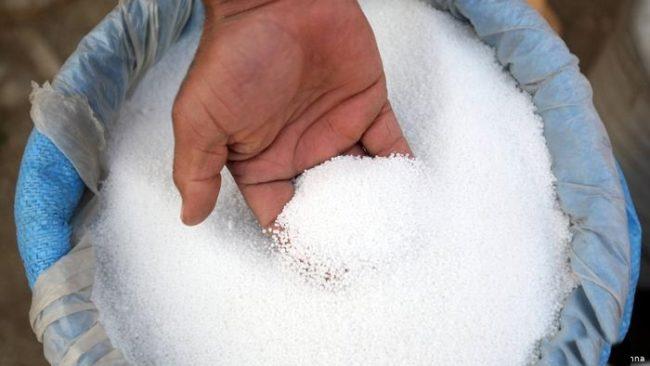
Saltpeter's composition is 1/3 nitrogen, 2/3 potassium nitrate. The nitrogen stimulates foliar growth, while the potassium promotes flowering and fruiting. The fertilizer is available as a colorless, odorless powder. The working solution (2% concentration) exhibits increased activity in loam, clay, and sandy soils.
Recommended periods for fertilizer application: during April and May bed preparation, and during the bud formation and ovary set stages (June-July). Manufacturers recommend the last application 25-30 days before harvest.
Calcium
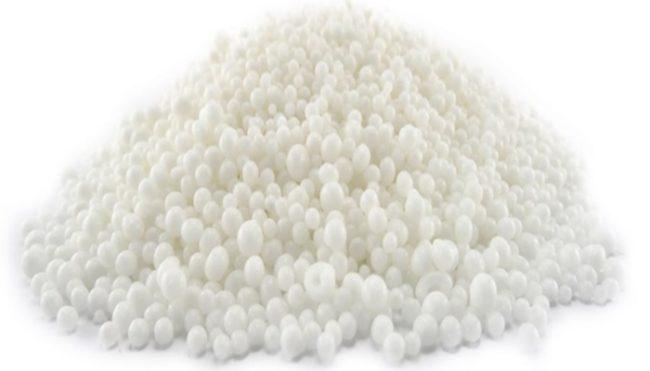
This product increases plant resistance to diseases and pests and stimulates root and foliar growth. It contains 19% calcium and 13-16% nitrogen. The solution is effective in a variety of soils and climates (including arid regions).

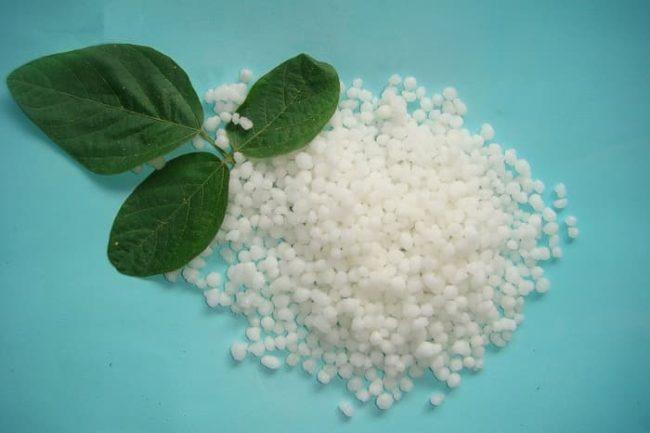
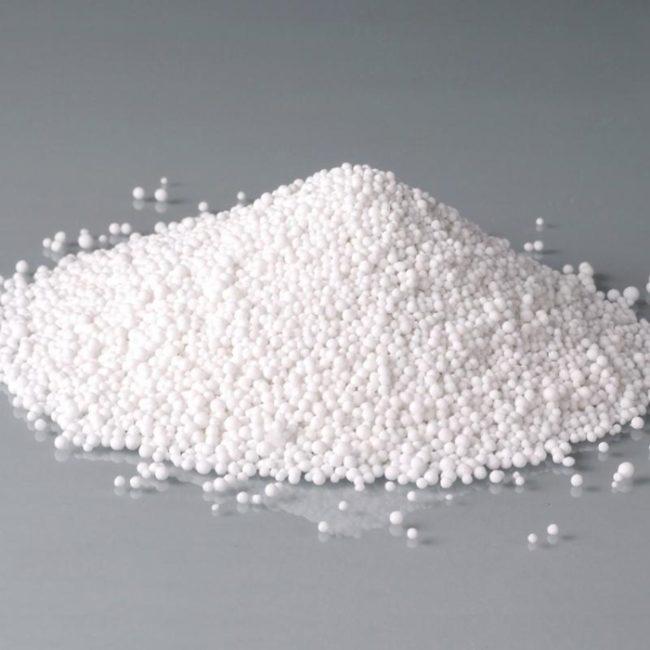
The fertilizer is produced in the form of white granules or translucent crystals. Fertilizer application rates are determined not only by plant species but also by the stage of development.
Sodium
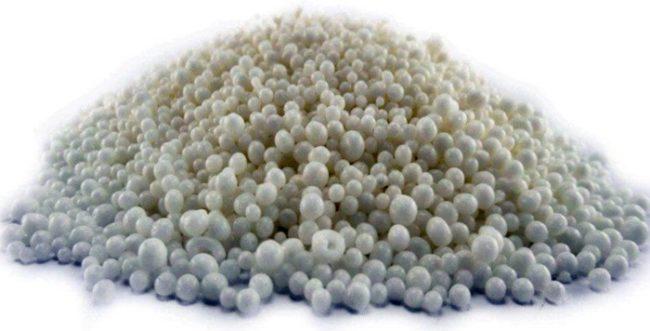
Nitrate fertilizer contains 15-16% nitrogen and 26% sodium. It is produced as a finely crystalline salt with a white or grayish tint. It is highly water-soluble and is used during pre-sowing cultivation. It is also used as a supplemental fertilizer during the growing season (it is a source of nitrogen).
Nitrate can be applied to all types of soil, with the exception of saline soils and solonetz soils. The greatest effect is observed when applied to sugar beets and various root crops. Sodium redirects carbohydrates from the leaves to the roots, promoting increased root crop yields.
Ammonia
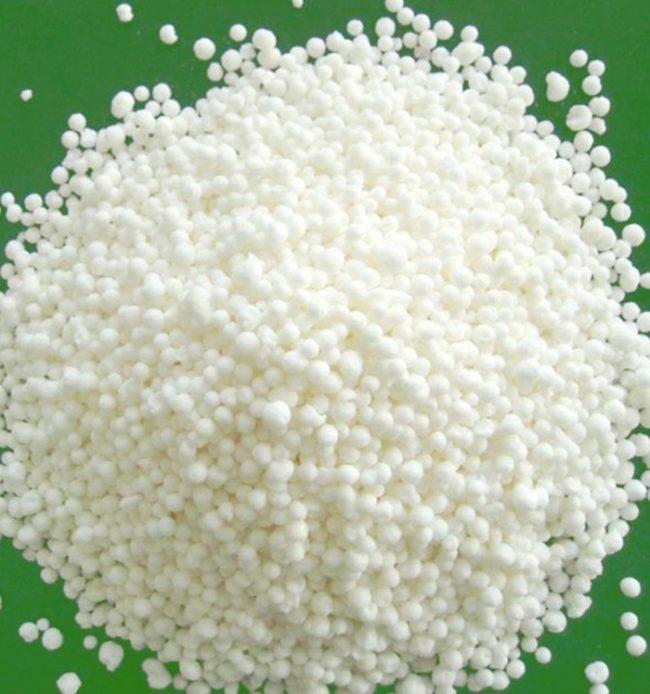
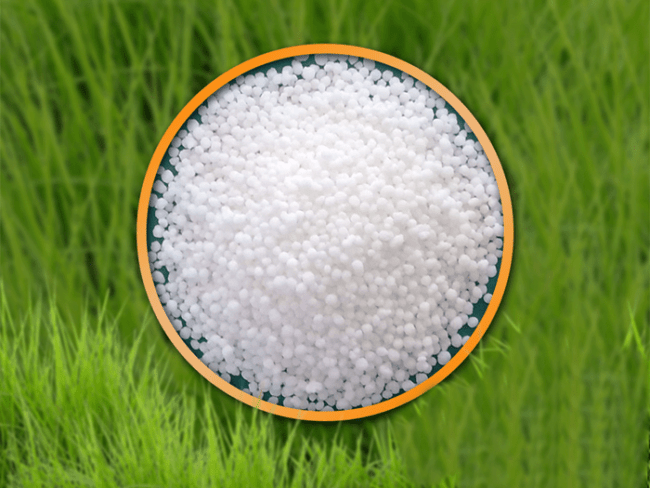
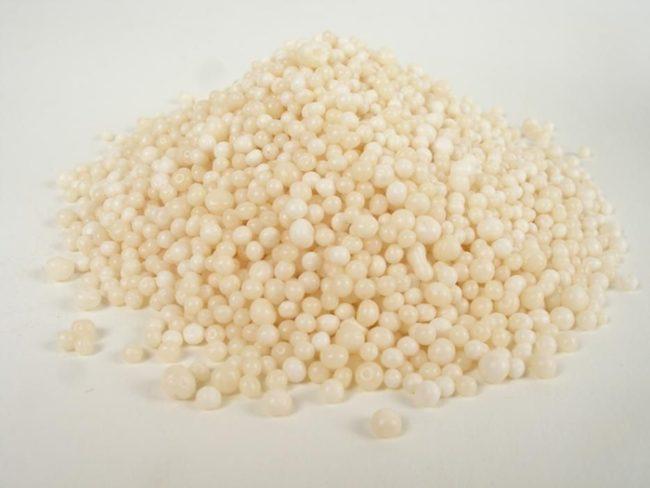
Nitrate is considered a universal fertilizer. It comes in the form of small yellowish granules that dissolve readily in water. The product's main component is nitrogen (26-34%), which is absorbed with sulfur (3-14%). It is suitable for use as a seedling fertilizer, and can be used in both open and closed soil.
Terms of Use
Gardeners most often use ammonium nitrate for plant care. Here are the basic rules for applying the fertilizer:
- The first time, top dressing is applied in the period from April to June, when active growth of seedlings occurs and lush green mass is formed;
- When growing peppers, tomatoes, and cabbage, add the fertilizer at the seedling planting stage. To prepare the working solution, dissolve 30-35 g of granules in 10 liters of water;
- When sowing root crops (beets, carrots), granules are poured into the soil at a rate of 50 g per square meter of the bed (in the case of primary feeding).
The preparation is not used in the second half of summer, since the fertilizer will promote the growth of shoots, which will delay the ripening of the fruit.
Safety precautions
In terms of its impact on the human body, nitrate is considered moderately hazardous (Class 3). However, when using fertilizers, certain rules must be observed:
- work is carried out using personal protective equipment (rubber gloves and shoes, respirator, safety glasses and special clothing);
- It is prohibited to drink, smoke and eat during the preparation of the working solution and application of fertilizer;
- You also cannot remove personal protective equipment while working.

After finishing the work process, it is recommended to take a shower and thoroughly wash your body and hair with soap.
Advantages and disadvantages
Like any fertilizer, saltpeter has both positive and negative qualities. Benefits of the supplement:
- is a source of "fast" nitrogen;
- significantly increases yields if application rules are followed;
- affordable cost, ease of use.
When using saltpeter, one must also consider its downsides: nitrates accumulate in fruits if application rates are exceeded or exceeded; applying granules in the second half of the season can reduce yields.
Also, oversaturation of the soil with the additive contributes to an increase in its acidity, which leads to a slowdown in plant growth.
Is compatibility possible?
Mixing fertilizers significantly simplifies plant care and saves time. However, to maximize the effectiveness of the additives and avoid damaging the garden beds, follow the manufacturer's recommendations. Ammonium nitrate should not be mixed with ash or lime, as this will result in nitrogen loss. Calcium, sodium, and potassium nitrates should also not be mixed with manure.
When combining superphosphate with ammonium nitrate, it is necessary to first mix the superphosphate with bone meal or phosphate rock to prevent the formation of a dense mass that cannot be dispersed.
Storage conditions
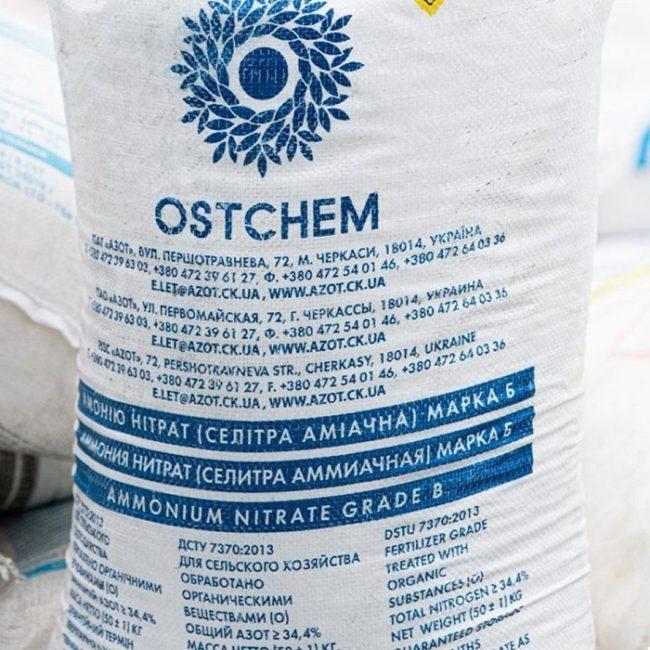
When organizing storage conditions for granules or powder, it's important to consider their hygroscopic properties. Therefore, choose dry, well-ventilated storage areas. Ammonium nitrate is highly flammable. Therefore, storing flammable materials (coal, sawdust, hay, peat) in the premises is prohibited.
Fertilizer is stored on a fire-resistant base. Temperatures above 50°C are considered dangerous. Therefore, the warehouse should be protected from direct sunlight, and heat sources should be placed at least 1.5-1.7 meters from containers containing granules or powder.
Analogues
Urea is a common analogue of ammonium nitrate. It supplies plant systems with nitrogen supplements (amide, nitrate, and ammonium) throughout the entire growth and development period.
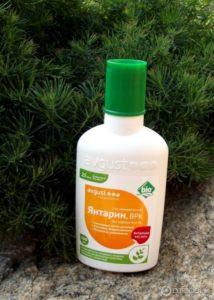
"Multcrop" is a potassium nitrate analogue. It contains increased levels of potassium and phosphorus, and these elements are present in forms readily available to plants.
Nitrate is considered the optimal fertilizer for plant care during the early growing season. It's inexpensive, and its use requires little skill. However, its flammability should be taken into account. Therefore, it's important to follow safety precautions and storage guidelines.