
Coffee lovers often encounter a pile of coffee grounds left over after drinking their coffee. Many people throw these grounds away, but they can be very beneficial for plants. Using coffee grounds as fertilizer has a number of advantages. This substance enriches the soil with valuable nutrients, improves crop growth, and increases yields. It also helps control pests.
Benefits of coffee grounds
Used coffee grounds act as an organic fertilizer that acts much more slowly than chemical alternatives. As a result, the grounds gradually release all their valuable nutrients, benefiting crop growth and soil health. Regular use of coffee grounds in the garden eliminates the need for chemical fertilizers.
This composition brings the following benefits:
- Improves soil structure. Application of this product loosens the soil and increases its air permeability. Coffee adapts to all types of soil and improves its composition.
- Saturates the soil with important minerals.
- Helps plants absorb nutrients from the soil.
- Activates the growth processes of young shoots.
- Repels parasites.
- Attracts earthworms.
Coffee grounds can also be used for seedlings. The mixture is beneficial for houseplants. Roses, ficus, and palms respond best to this fertilizer. It's also beneficial for violets and ferns.
What plants need this type of feeding?
Coffee grounds are beneficial for a variety of crops. This substance is ideal for tomatoes, sweet peppers, and radishes. It can also be used for legumes and carrots.
Ground coffee has a beneficial effect on the development of fruit and berry trees. It can also be used for indoor and outdoor flowers. Coffee grounds are recommended for lilies, begonias, roses, and heather. They are also suitable for azaleas and ferns.
Take a look Also
How to apply
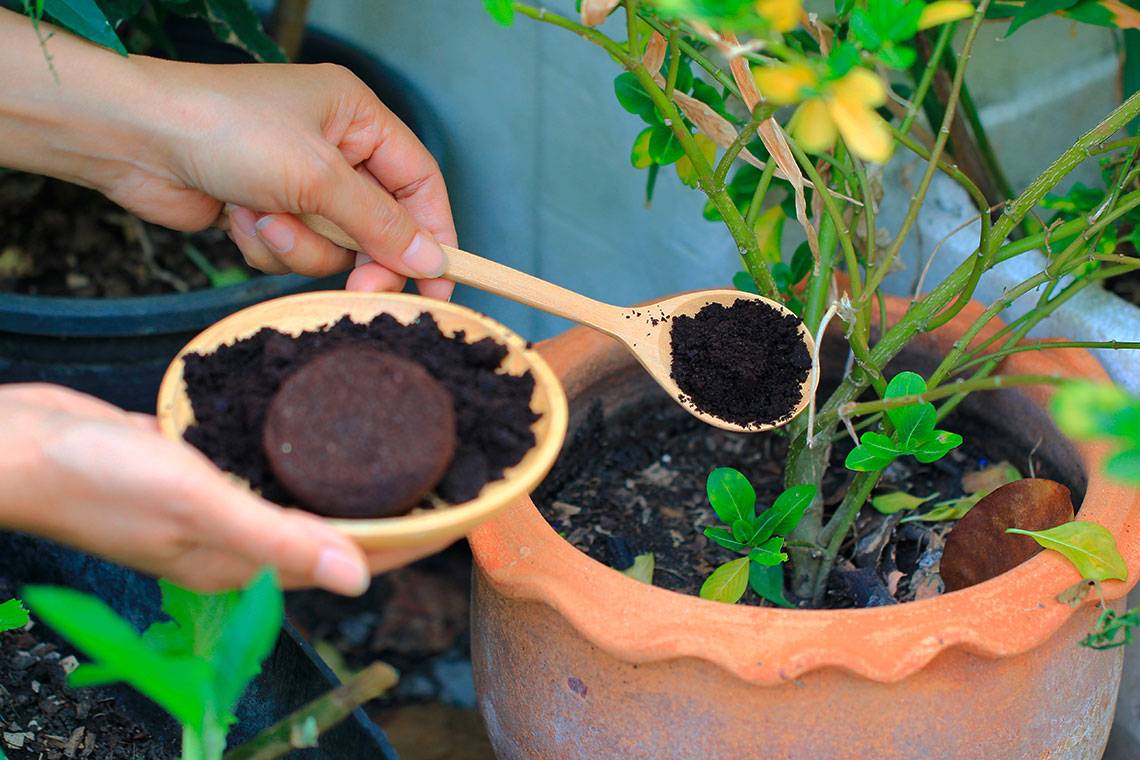
When using coffee as a fertilizer, it's important to follow basic recommendations. Freshly ground coffee contains a lot of nitrogen, which can cause root burn. It's also important to consider that coffee is highly acidic, which can affect soil pH.
Brewing coffee reduces acidity, so the remaining grounds can be safely added to the soil. To prevent mold and mildew growth, dry the coffee grounds before adding them to the soil. This can be done in the oven or on a regular sheet of paper.
Soil supplement
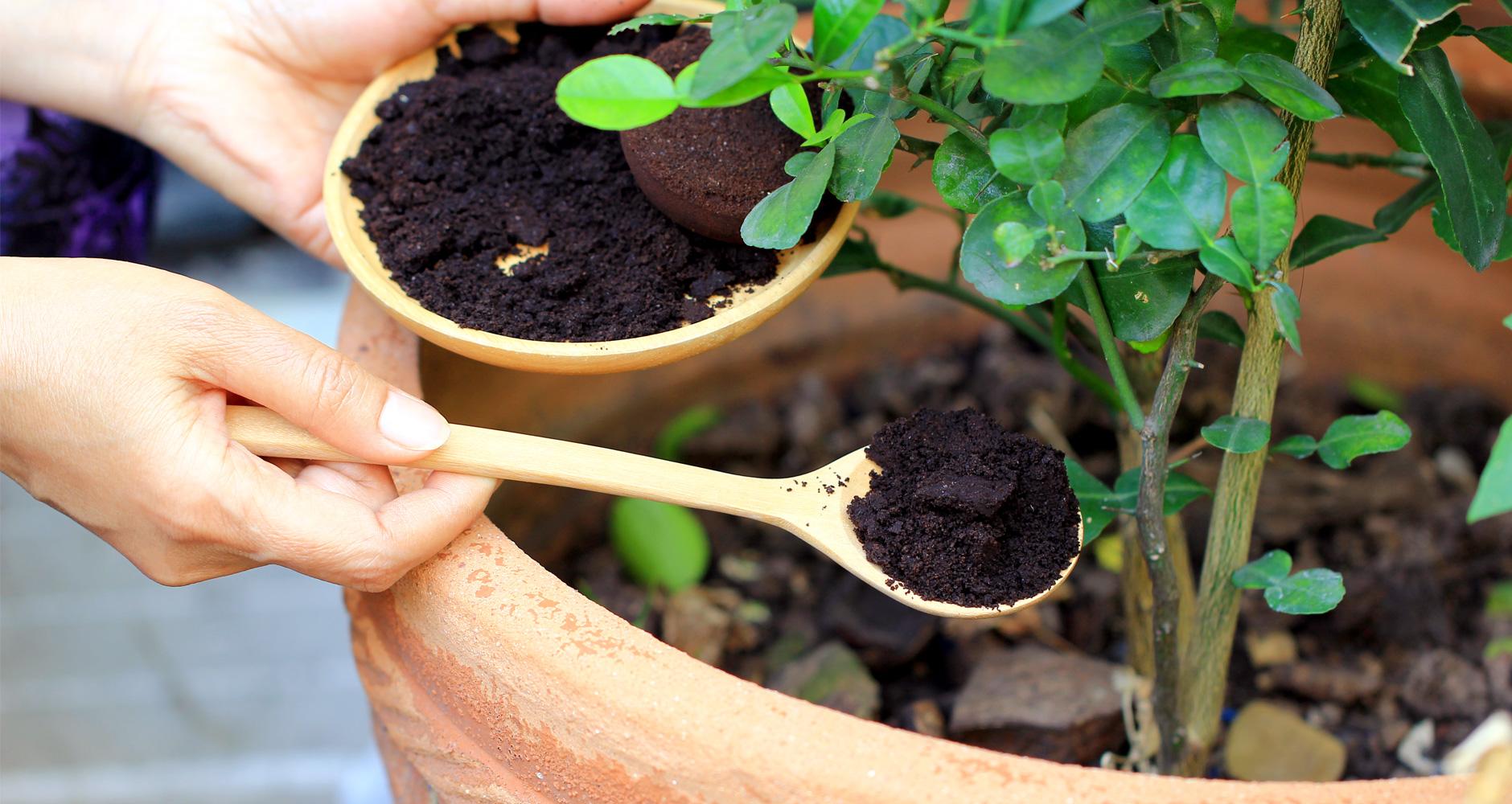
Used ground coffee can be added to the planting hole before planting. This helps improve the soil structure. This technique helps loosen and drain the soil, which ultimately improves plant health and yield.
When used in light soil, the grounds act as a binding agent. In this case, it is recommended to apply the fertilizer to the top layer of soil. A recommended application rate is 200 milliliters per square meter.
For seedlings
Recently, coffee soil has been increasingly used for growing seedlings. To prevent soil depletion, it's worth applying a combined fertilizer periodically.
Compost
To speed up compost maturation, simply sprinkle each layer, up to 10 centimeters thick, with coffee infusion. The coffee grounds act as nitrogenous substances, triggering exothermic reactions within the pile. Essentially, they simply heat the mass, accelerating its maturation.
This method is considered very effective. That's why some gardeners specifically purchase readily available ground coffee and use it for compost.
Pest control
Coffee grounds are an excellent insect repellent for plants. They help protect plants from attacks by ants, slugs, snails, and aphids. Many gardeners claim that coffee even helps get rid of pest larvae—primarily mosquitoes and garden bugs. This mixture is less effective than insecticides, but significantly safer.
Take a look Also

Watering
When choosing coffee as a fertilizer, you can use it to water your plants. However, you must first dilute the mixture with water. To make a suitable solution, mix 1 cup of grounds with 10 liters of water. Pour a small amount of liquid over the grounds and let them sit for 24 hours. Once the mixture has swelled, add water to the calculated amount. You can water your plants with the resulting mixture.
After adding the solution to the soil, it needs to be watered again. This time, it's recommended to use clean water. This method will ensure a slow release of minerals and their enrichment with nutrients. When planting shrubs, it's a good idea to water the soil with the coffee solution. It's recommended to use 1 liter of the solution per seedling.
Mulching
Coffee grounds can be used as mulch. This helps protect plants from drying out, repel pests, and improve soil structure. However, it's important to keep in mind that coffee grounds should be dried before using as mulch. This will help prevent mold growth.
When use is contraindicated
Coffee contains a large amount of nitrogen, so it must be applied sparingly. If the concentration is too high, the powder can burn the roots. Wet coffee quickly becomes moldy. It also encourages the growth of fungi. Therefore, coffee should be dried before use.
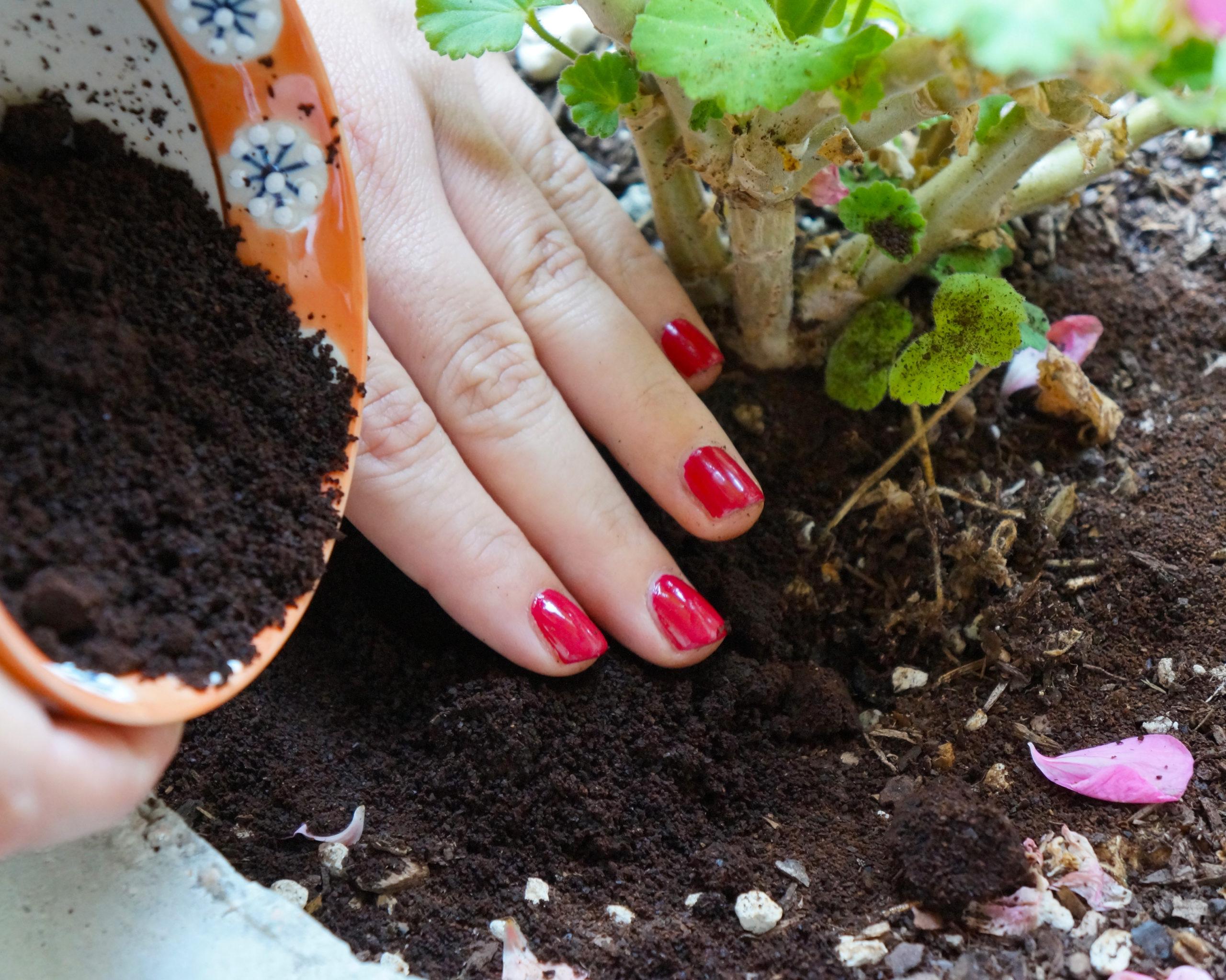
This fertilizer should not be used on plants that require alkaline soil. Furthermore, the fertilizer may change the color of rose petals. If the foliage changes color, it is recommended to replace the fertilizer or strain the infusion and use only the liquid. This composition is also not suitable for asparagus, geranium, and spiderwort.
It's important to remember not to use substances containing sugar or milk as fertilizer. This is because the sweet component attracts ants, while milk promotes rotting. Fresh coffee is also not recommended. It's acidic and contains too many active ingredients, which, if in excess, can be harmful to plants.

How long does it remain usable?
The wet mixture has a short shelf life. Therefore, it must be dried in the oven before use. It is recommended to store the powder in airtight containers in a dry, dark place. Use the mixture as needed. If an unpleasant odor or mold appears, discontinue use. Otherwise, the mixture will become a source of diseases and pests.
Coffee grounds are an effective compound containing many beneficial components. Therefore, they are often used as a fertilizer. To ensure the desired effect, it is important to follow the instructions carefully. However, the compound has certain limitations for use.