
Many gardeners and horticulturists use mullein fertilizer. It's considered a universal product and is suitable for virtually all crops—vegetables, flowers, and fruit trees. Mullein helps increase the humus content of the soil. It also enriches the soil with nutrients. For the fertilizer to be effective, it's important to use it correctly.
Description and characteristics of the substance
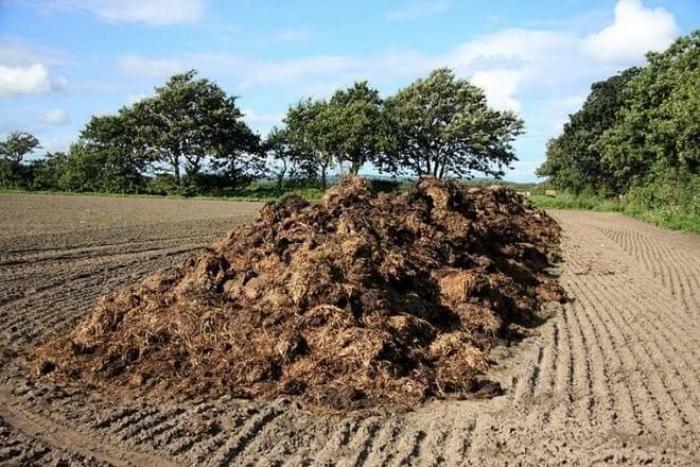
Mullein is the name given to the lumpy, cake-like excrement of cows. The term is also used to describe a fermented or putrefied aqueous solution of cattle excrement. Fresh manure is primarily composed of water. It also contains the following components:
- Nitrogen – its amount is 0.5-2%. The content of this component depends on nutrition and urine excretion.
- Potassium oxide – 0.5-0.7% of this component is found in mullein. This amount depends on the diet. Pelleted feeds and food supplements increase its content.
- Calcium oxide—its volume is 0.25-0.5%. This depends on the amount of bone meal and other calcium-containing products in the animal's diet. Furthermore, elevated calcium levels may indicate metabolic problems.
- Phosphorus in the form of oxide – its content is 0.25-0.5%. Specific parameters depend on the amount of pelleted feed used. The higher the proportion, the higher the phosphorus content.
Sometimes cattle excrement even contains heavy metal salts. However, their concentrations do not exceed those found in the surrounding grass.
Using mullein helps achieve a whole host of beneficial effects. These include the following:
- Rapid decomposition of microorganisms necessary for plants in the soil and the formation of a humus layer.
- Transformation of insoluble elements present in the soil into soluble ones.
- Forming small clods in the soil. Cloddy soil is the optimal composition for growing garden and vegetable plants.
- Improving the fertile properties of clay soil.
How does it differ from liquid manure?
Slurry is an organic fertilizer. However, it contains many pathogens, which is considered a major drawback. It's easy to distinguish mullein from this product. The latter is a fermented mass with bubbles on the surface. The composition is primarily influenced by the animal's diet. However, in any case, the product contains large amounts of potassium and nitrogen.
When cow manure decomposes, it releases methane and ammonia, which negatively impact plant growth. Fresh manure contains all the nutrients, but cow manure is considered safer for the garden.
Mullein has the following advantages:
- natural origin and high efficiency;
- low price;
- ease of absorption by plants;
- reliable protection against pathologies and parasites.
Cooking instructions
Making cow dung from fresh manure is quite simple. To do this, you'll need the following:
- 1 part manure;
- 5 parts water.
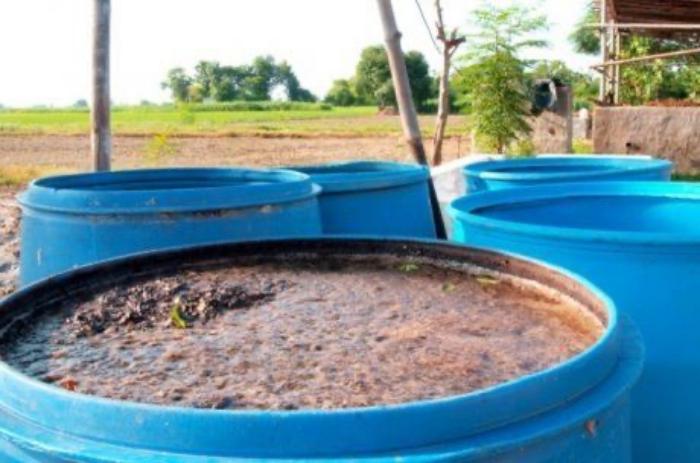
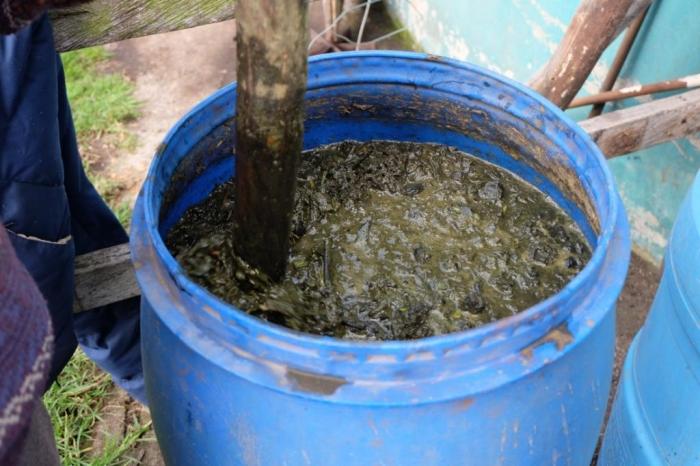
Combine all ingredients in a large container, seal, and let it steep for 14 days. Stir daily and seal again. Once fermentation begins, bubbles will appear on the surface. After 5-7 days, the infusion will change color and become much lighter. Large fragments will also begin to settle.
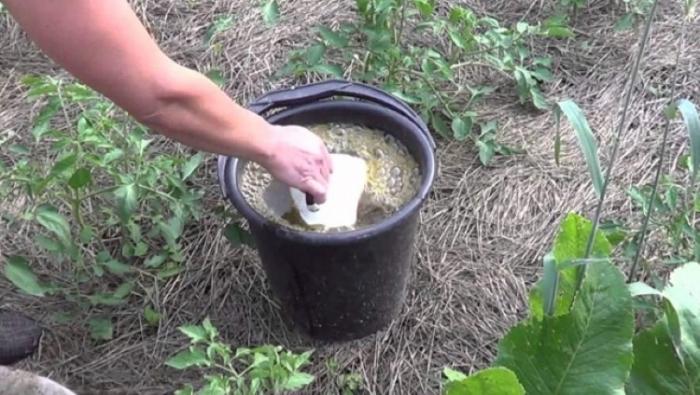
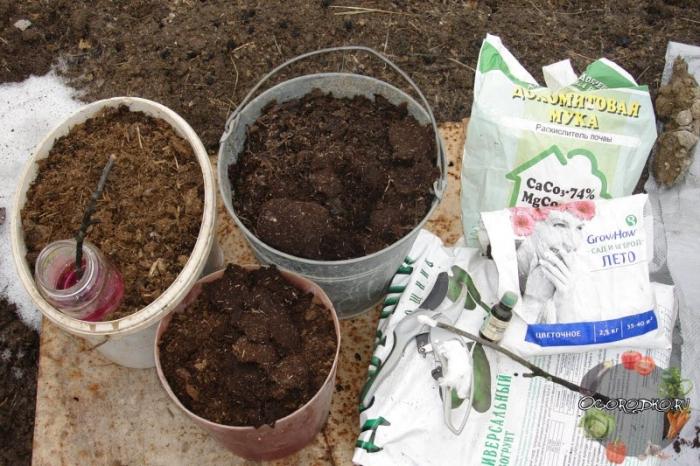
To make the mixture more effective and enrich it with potassium and phosphorus, you can add superphosphate. To do this, use 100 grams of superphosphate per bucket of fertilizer solution. You can also add 500 grams of wood ash to the mixture.
Mix all ingredients and let sit for 1 hour. To prevent ammonium carbonate from evaporating, keep the fertilizer in a closed container. This will help preserve the maximum amount of beneficial properties.
Rules of application
To ensure the desired effect, it's important to strictly follow the instructions for use. It's also important to consider the plant species.
Take a look Also
For tomatoes
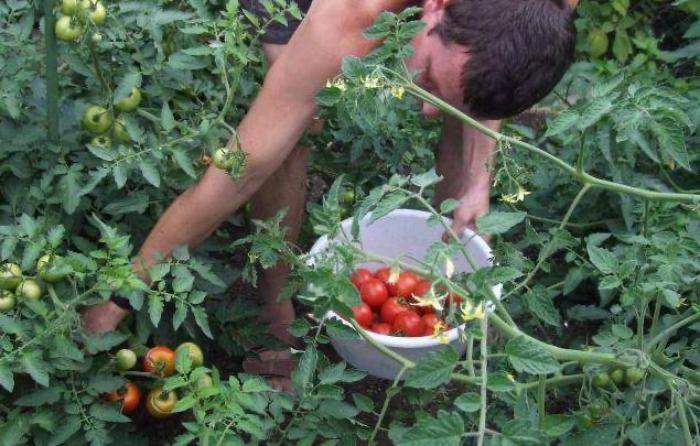
To fertilize tomatoes, prepare a 1:20 solution. The first application is 10 days after planting. The next application is before flowering. This is recommended a couple of weeks after the first application. You can also apply 1-2 additional applications during the fruit growth stage.
Before applying the mullein, the plants should be watered thoroughly. Afterward, apply 0.5-1 liter of diluted mullein. After this, it's recommended to water the plants thoroughly again.
For cucumbers
Fertilizing should begin before flowering. Use 1-2 cups of fertilizer per bucket of water. A second application is made at the initial fruiting stage. Apply 8-10 liters of the mixture per square meter of garden bed.

For spinach
This crop is considered early maturing and requires no additional feeding. However, to significantly increase the yield, it's worth fertilizing the spinach with mullein. This should be done at the initial stage of the growing season. First, make an infusion by mixing the mullein with water. Maintain a 1:5 ratio. This mixture should be left for 10-12 days. Then, dilute the mixture with water 1:10 and water the bed. 500 milliliters of the mixture is required per plant.
For garden trees
Trees should be fertilized in the spring or early summer. This is when they require the most nutrients. To fertilize garden crops, mix a bucket of mullein with water at a ratio of 1:5.
For beets
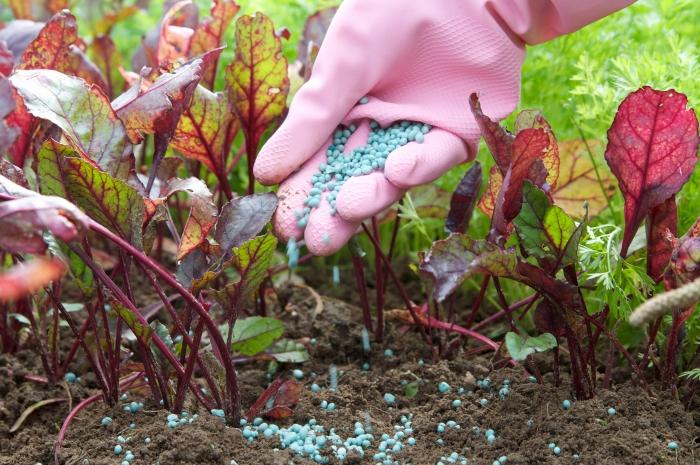
Before applying the product, the plantings must be thinned. To apply the product, mix it with water at a ratio of 1:8. Apply 1 liter of the solution per linear meter of row.
For onions
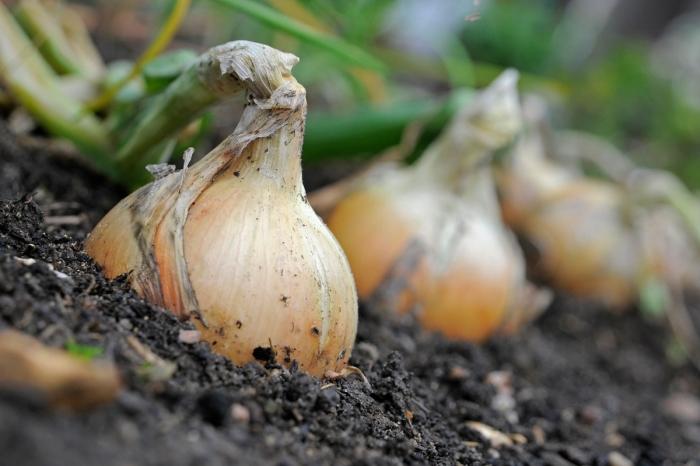
It's best to fertilize onions at the beginning of the growing season. This is especially helpful when the green growth is weak. To do this, mix 1 cup of mullein with 10 liters of water. Apply 2-3 liters of the solution per square meter of garden bed.
For pepper
The first time, fertilizer should be added to the holes before planting the seedlings. To do this, mix 0.5 liters of mullein with 10 liters of water and heat to 35 degrees Celsius. Apply approximately 1 liter of the solution to each hole. Subsequently, it's worth fertilizing peppers grown in a greenhouse.
15 days after planting, apply a mixture of bird droppings and mullein to the seedlings. Apply 1 liter of the mixture under each plant.
The second application of the fertilizer should be done after flowering, diluting it 1:10. A small amount of complex mineral fertilizer should also be added to the mixture. The final application should be done after the first harvest.

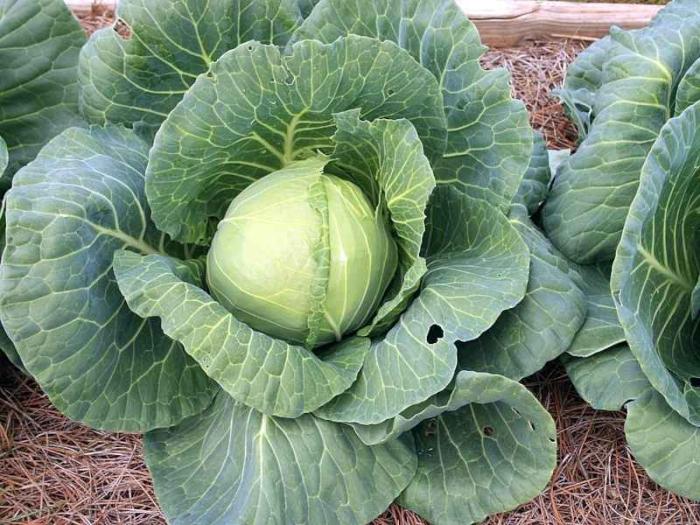
For cabbage
Cabbage should be fed a couple of weeks after planting in open ground. Apply 500 milliliters of the solution to each seedling. Apply the solution a second time one month after planting. Late-growing varieties require additional feeding. Apply 1.5 liters of the solution per plant. Add 30 grams of superphosphate for every 10 liters of solution.
For cucumbers, zucchini, pumpkin, melon and watermelon
Cucurbitaceae plants can be fertilized even at the seedling stage. To do this, dilute the fertilizer 1:10. Hot water is recommended. The resulting mixture should be left to steep for several hours. After this, dilute it again with water 1:5 and apply to the crops.
The second feeding should be done a couple of days before transplanting. A third feeding is done 14 days after planting. Mix mullein with water at a ratio of 1:10.
Safety precautions
When using the substance, follow standard safety precautions and wear personal protective equipment. In case of poisoning by fertilizer vapors, the victim should be taken to fresh air and kept warm. If itching occurs, the affected areas of skin should be washed with soap and water.
It is recommended to store mullein in solid form. It's best to use the cold method, which involves storing the substrate in 30-centimeter-high layers on the site. It's recommended to layer these layers with soil or peat. Liquid mullein should be stored in closed containers to prevent the nutrients from evaporating. It's best to use the mixture immediately after preparation.
Mullein is an effective fertilizer that provides significant benefits to plants. To ensure the desired results, it's important to prepare and apply the nutrient mixtures strictly according to the instructions.