
- What is the product and its mechanism of action?
- What is included in the composition and purpose
- How to cook
- When to use
- In the fall
- In the spring
- Features of application
- Strawberries and raspberries
- Potato
- Tomato
- Ornamental shrubs and flowers
- Grape
- Beet
- Onion
- For pears, apple trees and quince
- Cucumbers, watermelons and melons
- Gooseberries and currants
- Precautionary measures
- Analogues
- The differences between copper sulfate and Bordeaux mixture and which one to choose
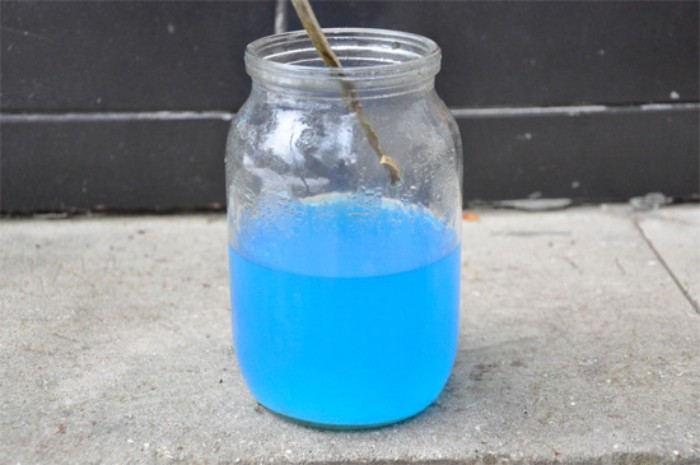
Bordeaux mixture is a solution of copper sulfate in lime milk. This liquid has a sky-blue tint and is used in plant growing as a fungicide. The product was first developed by the French botanist Millardet. It was intended to protect vineyards from the mold Plasmopara viticola. Today, the product is widely used in plant growing. It is important to strictly follow the instructions for use.
What is the product and its mechanism of action?
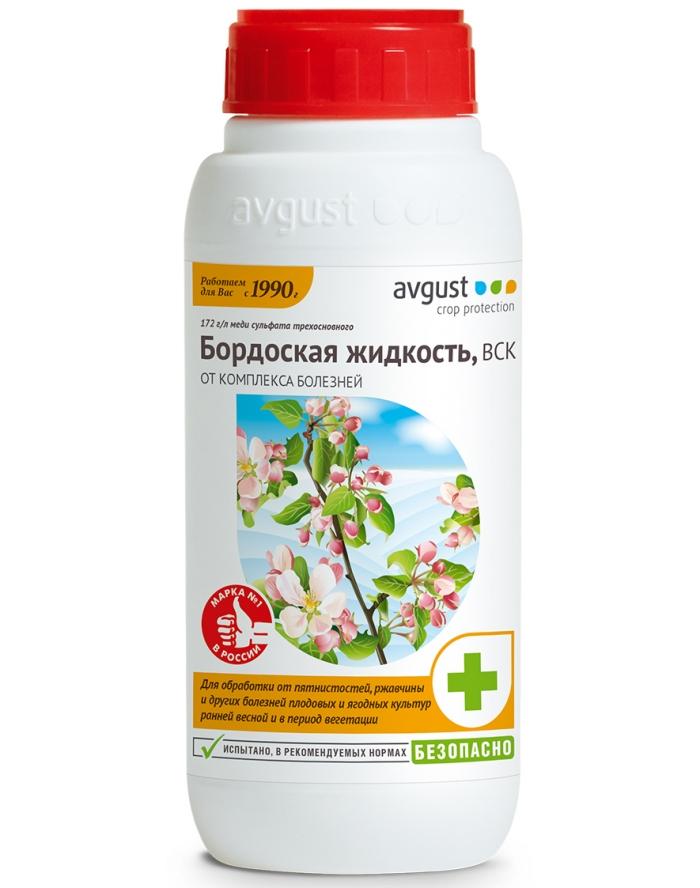
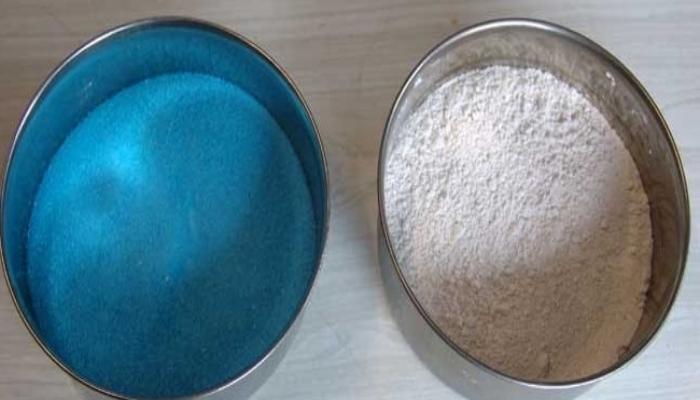
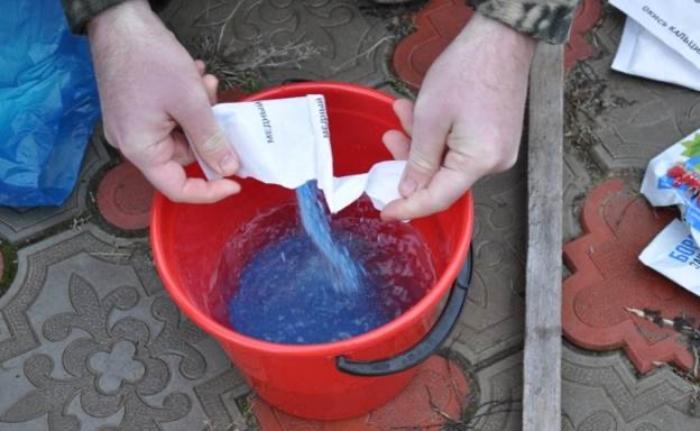
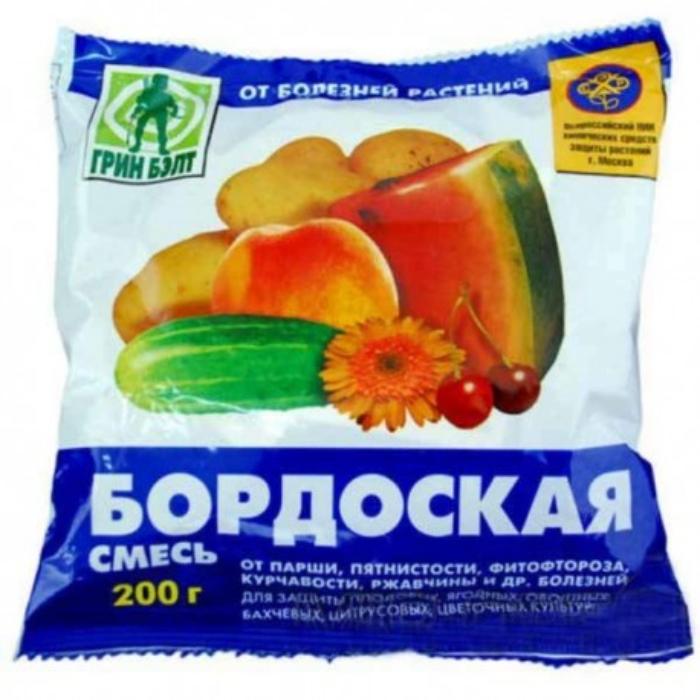
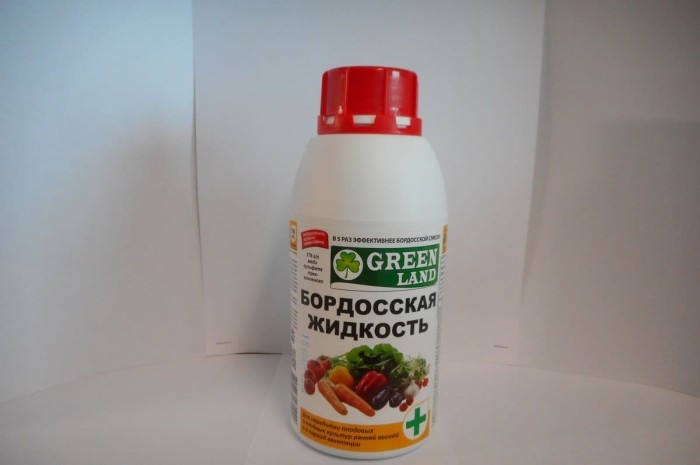
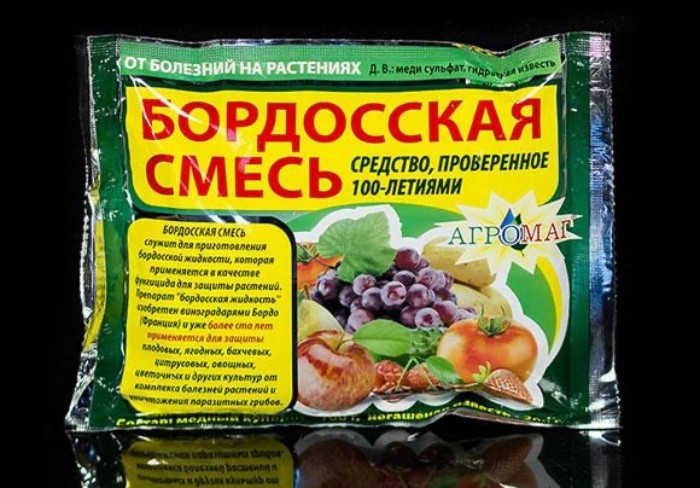
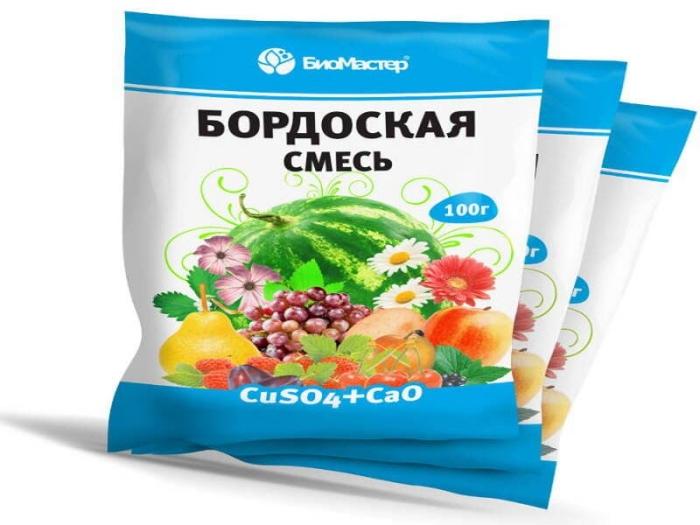
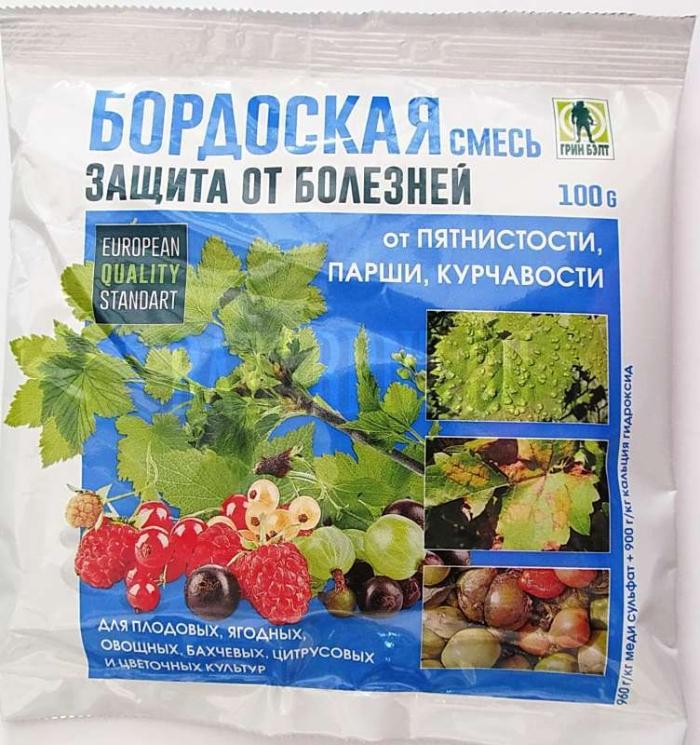
Bordeaux mixture is an aqueous solution consisting of copper sulfate and calcium hydroxide. It is usually sold dry. The kit includes two packets. One contains blue copper sulfate powder, the other contains white slaked lime.
You can also make your own solution. To do this, you'll need to purchase copper sulfate and quicklime separately. Sometimes you can find the solution ready-made in a bottle.
Bordeaux mixture works by influencing parasites and fungi with residual copper ions. This occurs at the cellular level. The compound is effective not only for treating trees and shrubs but can also be used on flowers with damaged buds. The substance also has a repellent effect on many harmful insects.
A pure copper sulfate solution would be much more effective. However, it negatively impacts plant growth. Calcium compounds act as a binding agent and neutralize the negative effects of copper.
What is included in the composition and purpose
A ready-made mixture is often used in gardening. It is an aqueous solution of calcium hydroxide and calcium sulfate. It also contains suspended copper hydroxide. The standard recipe for the product includes several ingredients, including copper sulfate, quicklime, and water. The concentration of the solution varies, depending on the amount of copper sulfate added to the water mixture.
This product helps combat virtually all fungal microorganisms that negatively affect plants. It helps eliminate the following diseases:
- different types of rot - gray, brown, black;
- powdery mildew;
- bacteriosis;
- stem black rot;
- olive spot;
- late blight;
- Cercospora leaf spot;
- holey spot;
- plum rubella;
- coccomycosis of stone fruit trees;
- leaf curl or deformation;
- grape mildew;
- scab.
How to cook
To make the drug yourself, it is recommended to do the following:
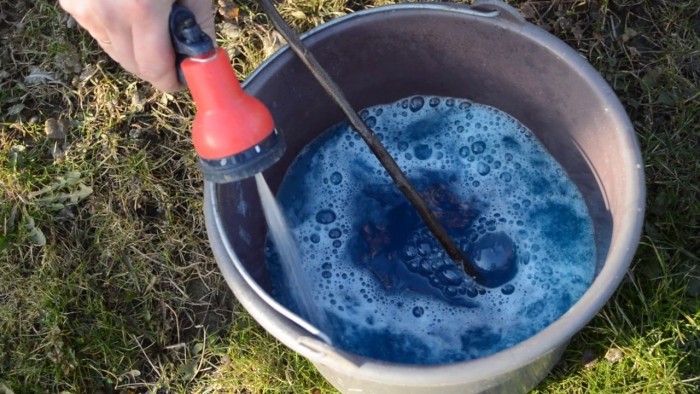
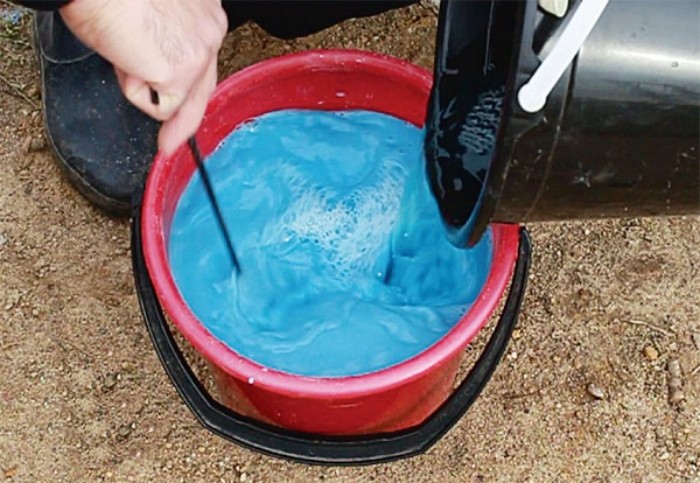
- Mix copper sulfate and quicklime with a small amount of hot water. This should be done in separate containers. Lime should not be slaked in plastic buckets. Copper sulfate and Bordeaux mixture should not be stored in metal bottles.
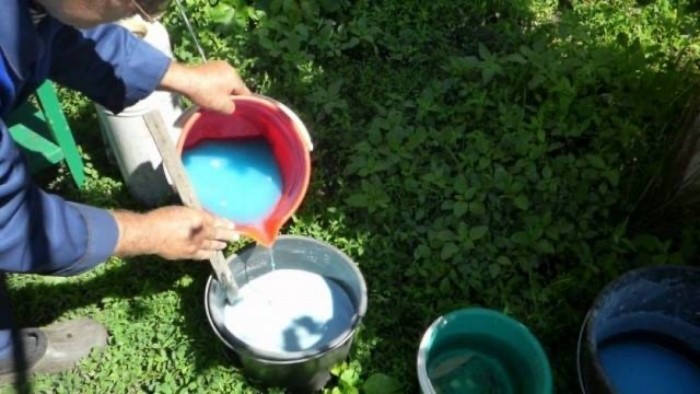
- Dilute both solutions to a volume of 5 liters. Then mix them.
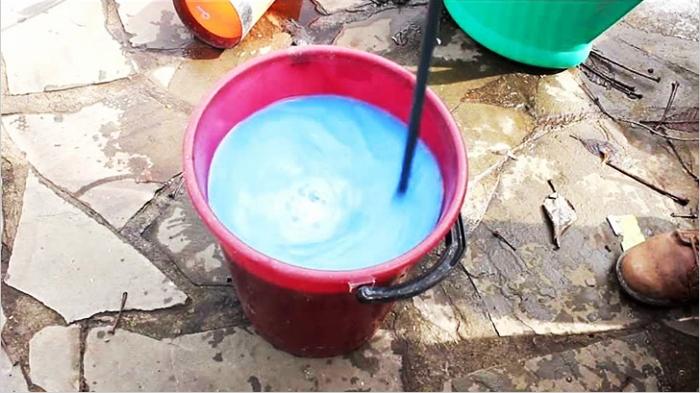
- The copper sulfate solution should be poured in a thin stream into the slaked lime solution, stirring continuously.
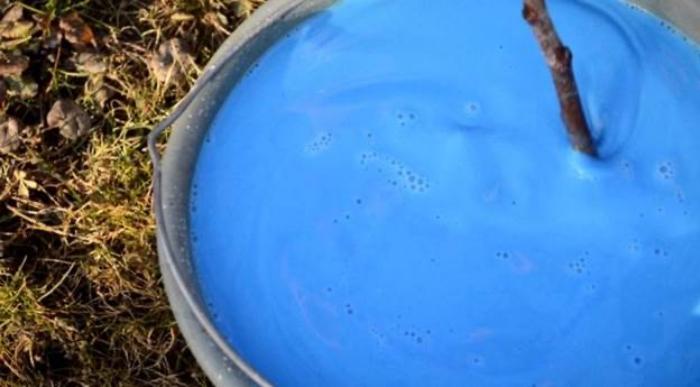
The finished composition is an opaque blue suspension. Its suitability is assessed by testing the pH with litmus paper. If an acidic solution is detected, a small amount of lime is added. The finished product should be neutral or slightly alkaline.
For 10 liters you need to take the following amount of components:
- 100 or 300 grams of copper sulfate;
- 100 or 300-500 grams of quicklime.
Once prepared, the mixture should be used immediately, before the small copper hydroxide fragments form larger aggregates. Stirring occasionally helps maintain a dispersed solution. Prolonged storage causes the hydroxide particles to clump and precipitate, clogging the sprayer nozzle. To use the mixture within 2 days, add 5-10 grams of sugar.
When to use
However, it is necessary to take into account some nuances.
In the fall
In late autumn, a 3% solution can be used. At this time of year, trees and shrubs are treated with Bordeaux mixture. A product with this copper content is considered quite strong. After spraying, a bluish coating remains on the branches for a long time. This type of spray is called blue.
In the spring
At this time of year, Bordeaux mixture should be used with extreme caution. When buds are already at the green cone stage, a 1% concentration should be used. During the growing season, this concentration is also necessary to avoid harming the plants. Stone fruit trees and grapes are considered particularly sensitive.
Features of application
The use of the drug varies depending on the crop to be treated.
Strawberries and raspberries
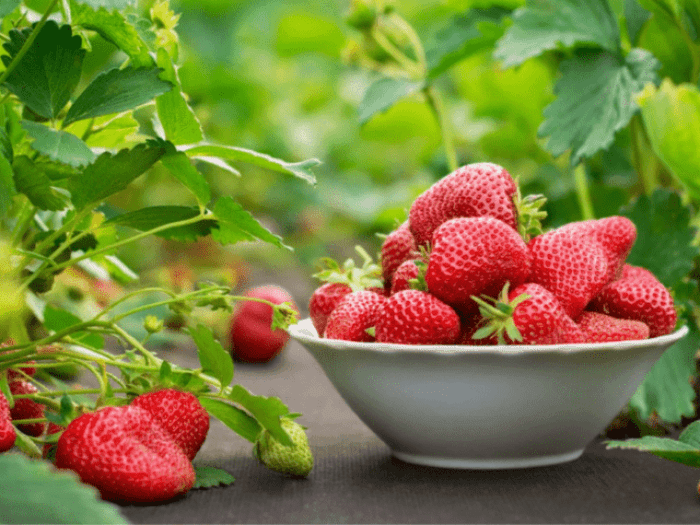
These plants require a highly concentrated solution in the spring. 1.5 liters of solution are needed per 10 square meters. After harvesting, spray with a 1% solution.
Potato
To treat this crop, use 1-1.5 liters of solution per 10 square meters. Spraying can be done a maximum of four times during the planting season.
Tomato
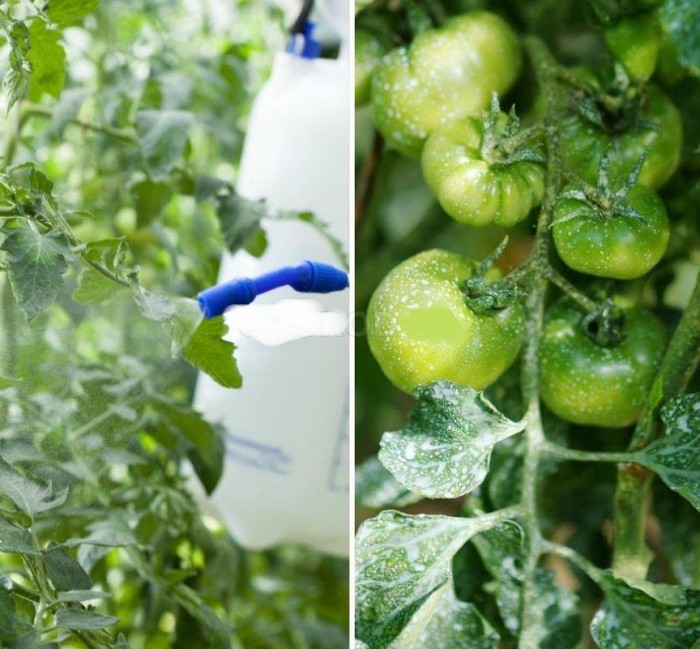
In this case, it's not recommended to use a concentrated solution. Use 1-1.5 liters of the solution per 10 square meters. A maximum of four treatments are allowed per season.
Ornamental shrubs and flowers
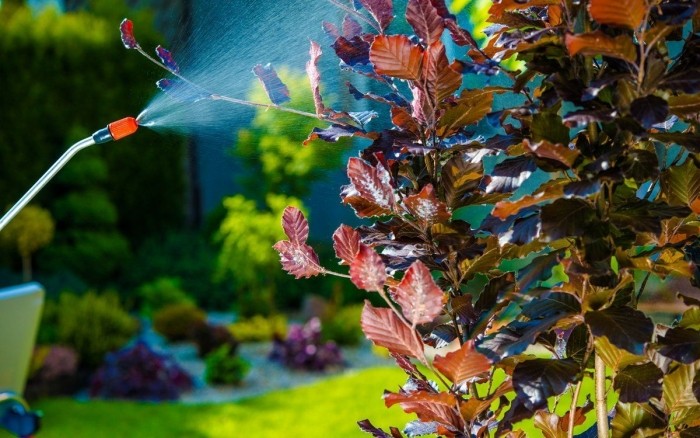
In spring and fall, shrubs can be treated with a 3% solution. In summer, only a 1% solution is acceptable. One to two liters of the solution are required per plant. For flowers, only a weak solution is acceptable.
Grape
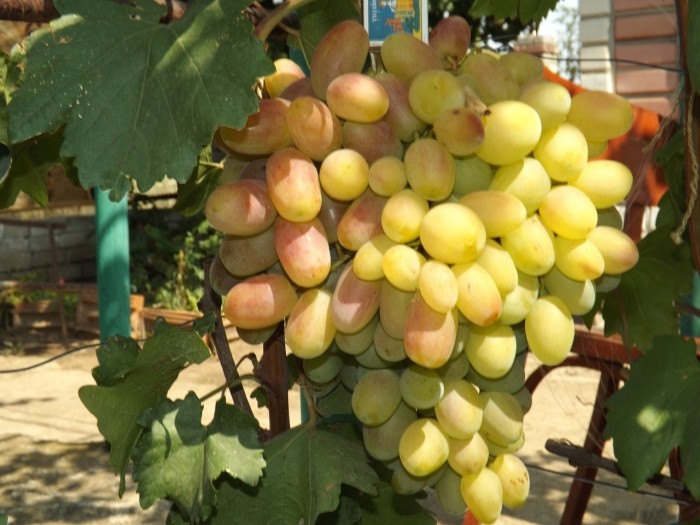
This product helps combat mildew and oidium. Vines should be sprayed in the spring or fall—before the leaves emerge or after they fall. If necessary, this can also be done in the summer at intervals of 1.5 to 2 weeks. The last application should be 15 days before harvest.
Beet
Plants can be sprayed a maximum of three times per season. Use 1 liter of the solution per 10 square meters. The solution concentration should be 1%.
Onion
When growing onions for bulbs, you can use a 1% solution three times during the season. Bordeaux mixture should not be used for green onions.
For pears, apple trees and quince
The product is used on mature and young trees. A 23% solution can be used in the fall and spring. A 1% solution is used before flowering. The interval between treatments is 1-1.5 weeks. The final spraying is performed a couple of weeks before harvest.
Cucumbers, watermelons and melons
For cucumbers, use 1.5-2 liters per 10 square meters. A maximum of three applications per season are permitted. For melons and watermelons, use a maximum of 1 liter of the product per 10 square meters.
Gooseberries and currants
In spring, a 3% solution should be used. A 1% solution should be used before flowering. Allow 1.5-2 weeks between treatments. In mid-summer, after harvest, another treatment should be performed using a 3% solution.
Take a look Also
Precautionary measures
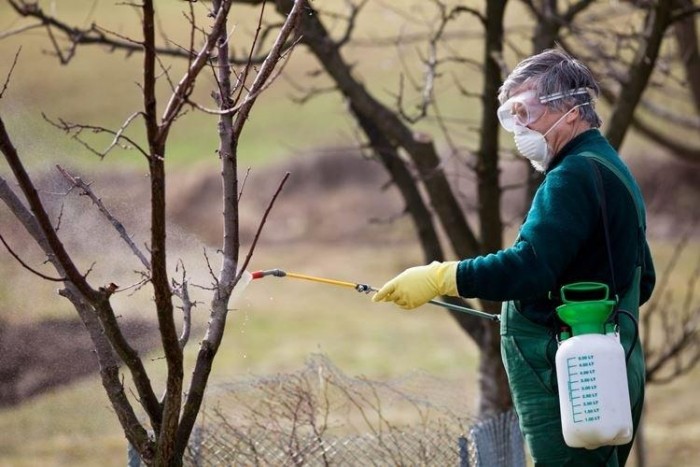
The product is considered quite toxic. It is classified as Class 2 for humans and Class 3 for bees. Therefore, when handling the substance, wear thick clothing. Protect your hands with gloves. A mask and goggles are also recommended.
Do not eat, drink, or smoke while applying the substance. After spraying, wash your hands and face. If the substance comes into contact with your skin or mucous membranes, rinse them with running water.
Bordeaux mixture should not be combined with organophosphorus compounds or substances that decompose in an alkaline environment. Industrially prepared Bordeaux mixture can be stored for 2 years. The prepared solution retains its properties for a maximum of 24 hours and must be used on the day of preparation.
When treating gardens and flower beds, it's recommended to ensure the substance doesn't reach the soil. Copper can accumulate in the soil and negatively impact plants.
Analogues
Any copper-containing fungicides can be used instead of Bordeaux mixture. For home use, products such as "Hom," "Kumir," and "Oksikhom" are acceptable. They have the same effect as Bordeaux mixture. Furthermore, these products have a relatively long shelf life.
The differences between copper sulfate and Bordeaux mixture and which one to choose
The active ingredient in both products is copper. Copper sulfate and Bordeaux mixture serve the same purpose. However, the latter is considered less toxic. This is due to the neutralizing effect of lime. It is considered more resistant to rainfall and adheres better to foliage.
The main differences between copper sulfate include the following:
- more toxic to garden plants;
- does not adhere well to plant foliage;
- not as resistant to precipitation;
- can be used only in early spring before bud break.
It's worth noting that Bordeaux mixture can be used during periods of precipitation. Furthermore, the substance can be used until late autumn.
Bordeaux mixture is a highly effective treatment for a wide variety of fungal diseases. To ensure the desired results, it's important to strictly follow the instructions. Adhering to safety precautions is also crucial.