
- List of fertilizers suitable for geraniums
- Hydrogen peroxide
- Castor oil
- Milk formula
- Yeast
- Ash
- Boric acid
- Sugar
- Ready-made fertilizers
- Iodine solution
- Other means
- How to choose fertilizer
- Features of applying fertilizer at different times
- In winter
- In the spring
- In summer
- In the fall
- How often should I apply?
- How can you spot a lack of fertilizer?
- Nuances of fertilizing
- Fertilizers for various problems
- At home
- For abundant flowering
- For seedlings
- Reasons for the lack of flowering
- Common mistakes
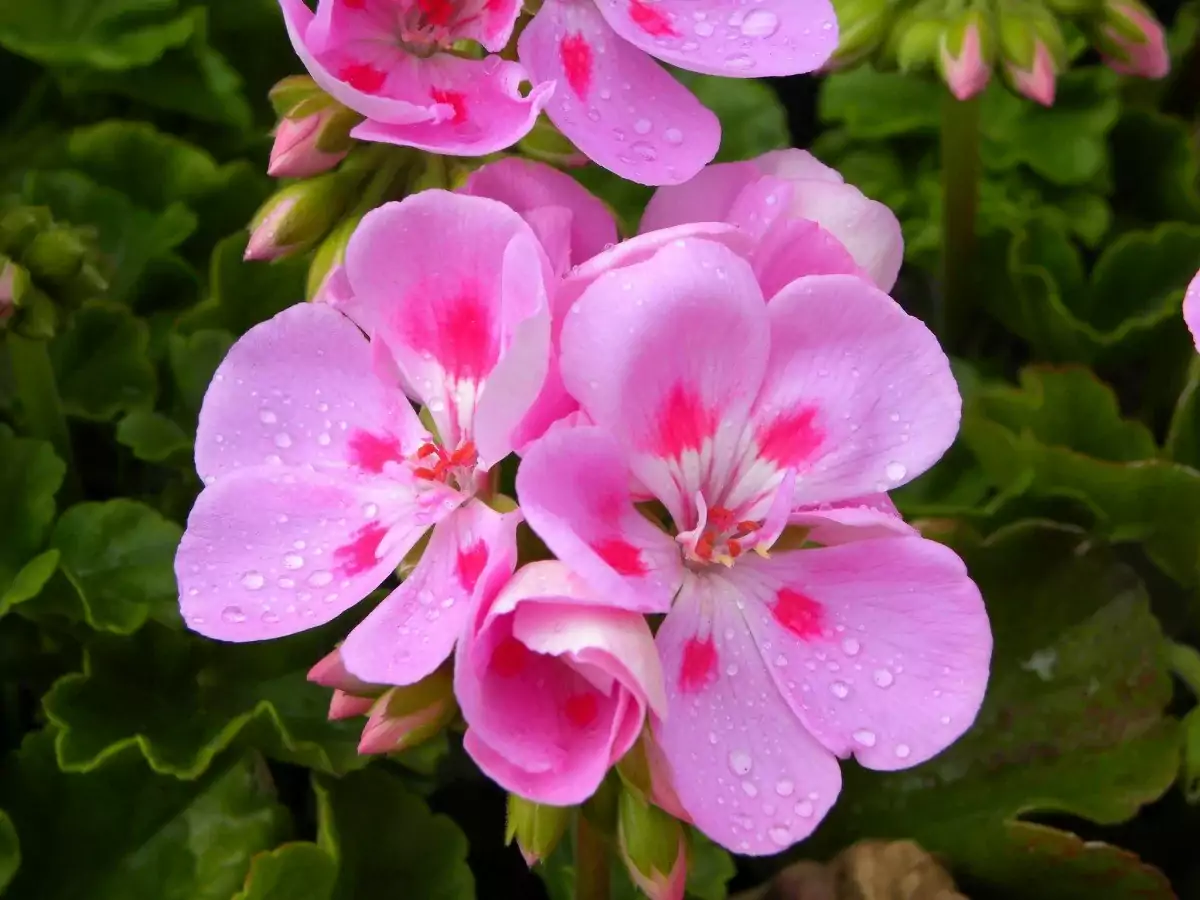
Geranium is a popular plant, often grown on windowsills, balconies, and garden plots. This flower boasts beautiful decorative qualities and is very easy to grow. It is characterized by rapid growth and long, lush blooms. To ensure its decorative appearance lasts as long as possible, it's important to know how to feed geraniums.
List of fertilizers suitable for geraniums
To ensure geraniums thrive, they require high-quality care. Fertilizing is a crucial step.
Hydrogen peroxide
This solution is recommended for monthly fertilization of geraniums. To make a nutrient solution, mix 25 grams of hydrogen peroxide with 1 liter of water. Spray the plant with the resulting solution. This method should be used when the plant's growth is noticeably weakened. This treatment helps combat diseases.
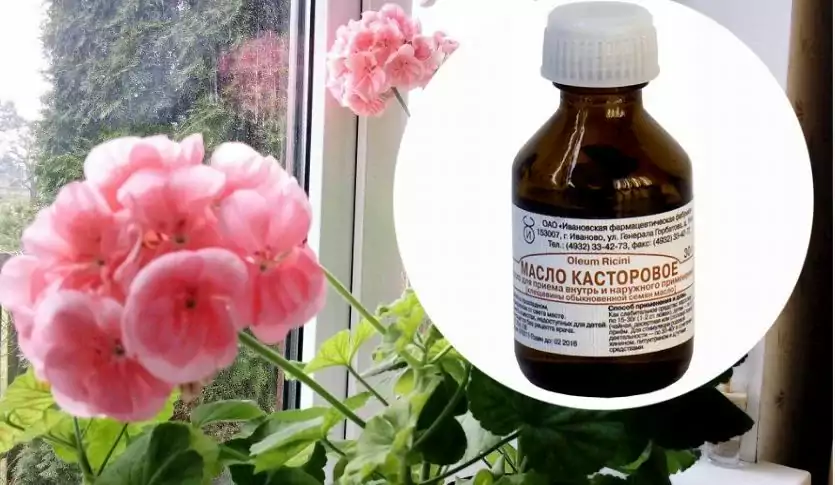
Castor oil
This substance contains ricinoleic acid, which helps activate the geranium's protective functions. Castor oil stimulates cell division and helps form new shoots. It also has a beneficial effect on the budding process. To make a beneficial solution, add 20 milliliters of castor oil to 1 liter of water. Apply the resulting solution to the plant to prevent foliar burn.
Milk formula
To prepare a beneficial mixture, it is recommended to use 100 milliliters of milk per 1 liter of water. The resulting mixture will help replenish calcium, which is necessary for healthy root development. Alternate the use of the milk mixture with watering with plain water.
Yeast
To prepare this beneficial solution, add 100 grams of yeast to 1 liter of warm water. The yeast solution should be used immediately after preparation. This supplement is especially important in spring and summer, the period of active growth.
If geranium foliage has dried out or turned yellow, this indicates a nitrogen overdose. In this case, you should stop using yeast or reduce its dosage.
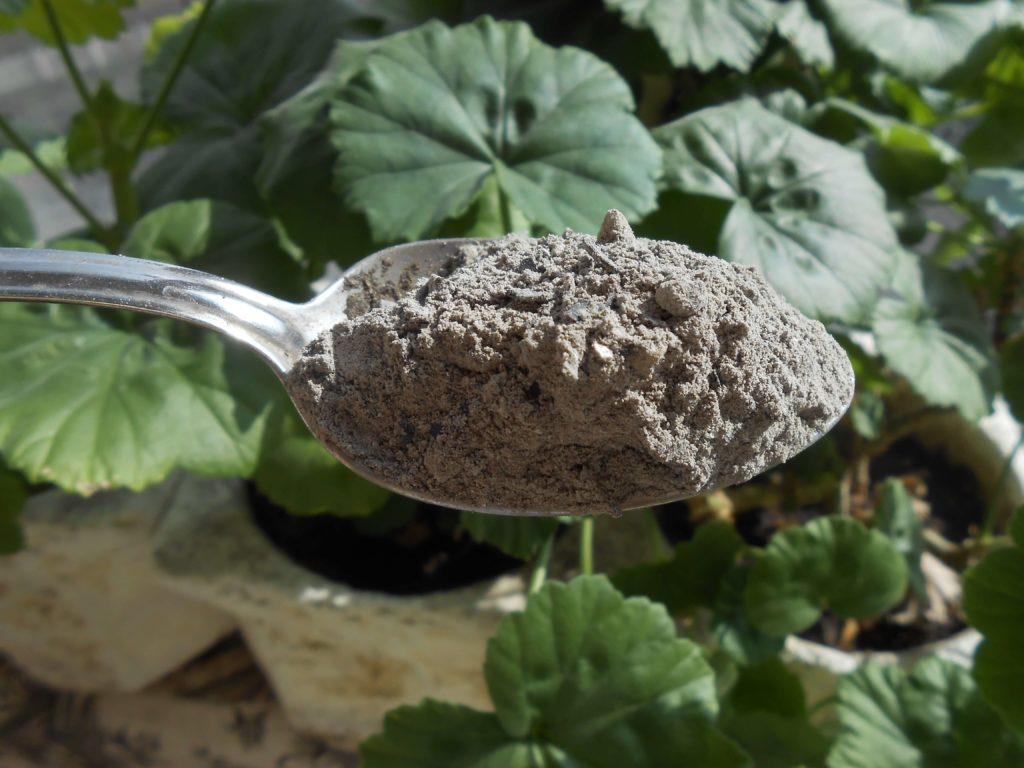
Ash
This natural mineral supplement helps replenish potassium reserves. It should be applied dry, mixed with soil, or diluted in water. In the latter case, use two tablespoons of powder per liter. Geraniums should be watered with this solution at two-week intervals. This promotes more lush flowering. Ash should be added in spring and fall.
Boric acid
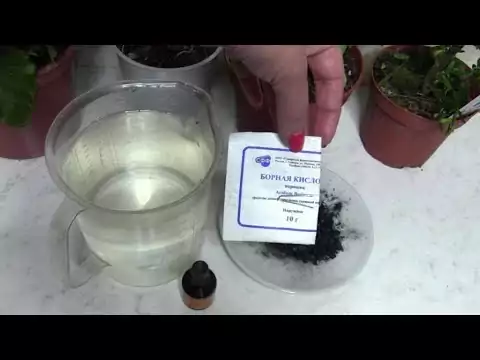
Boric acid helps increase chlorophyll levels in geraniums and stimulates flowering. During active growth, water the plant with a solution of 10 liters of water, 10 grams of boric acid, and 1 cup of ash.
Sugar
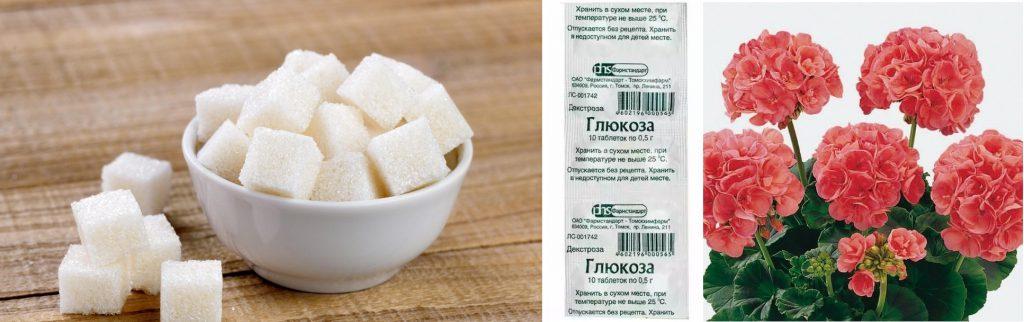
Geraniums respond well to the addition of sugar. To prepare a beneficial solution, add 2 tablespoons of sugar to 1 liter of warm water. To ensure better absorption, gardeners recommend using an essential oil product in parallel.
Ready-made fertilizers
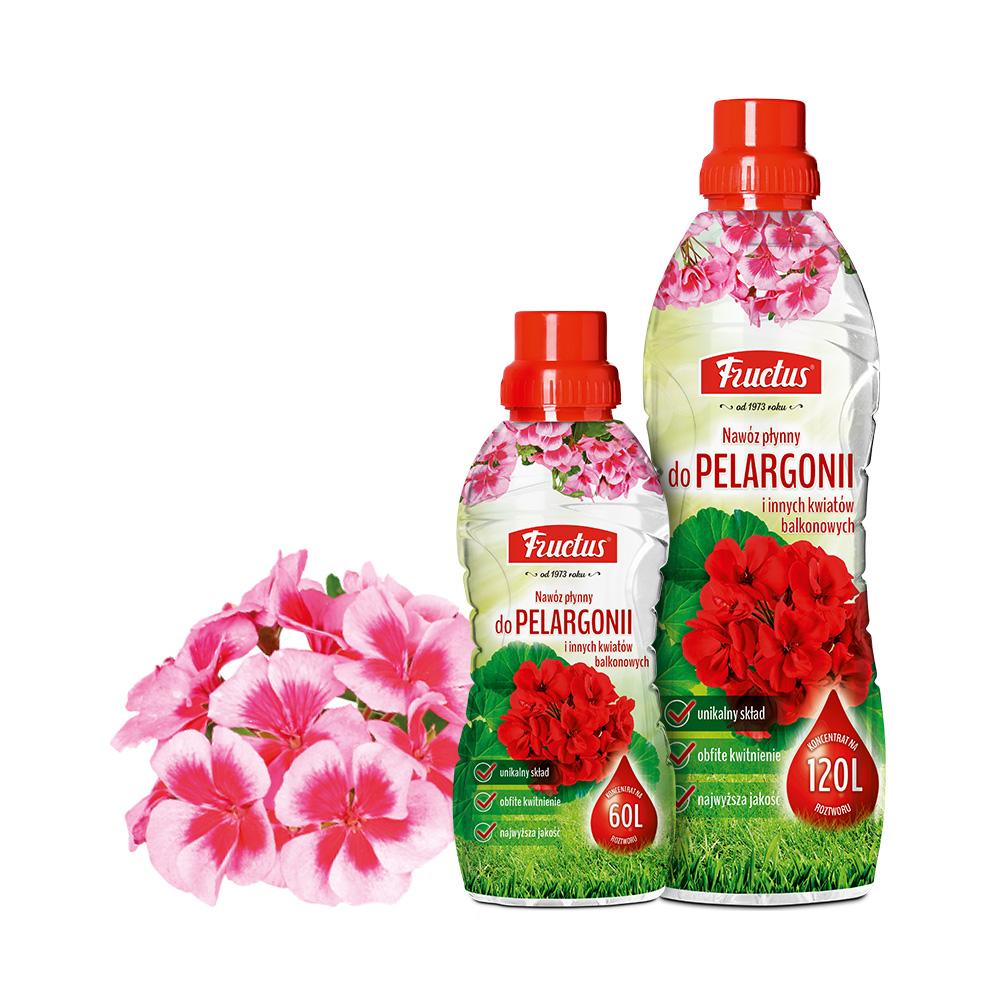
Geraniums can be fed with liquid or dry preparations. Pokon's universal products, designed for indoor plants, are considered an excellent option. They stimulate geranium growth and flowering.
Nitrogen application promotes foliage growth and strong root development. However, too frequent nitrogen fertilization can cause the plant to become overweight and prevent it from blooming.

Iodine solution
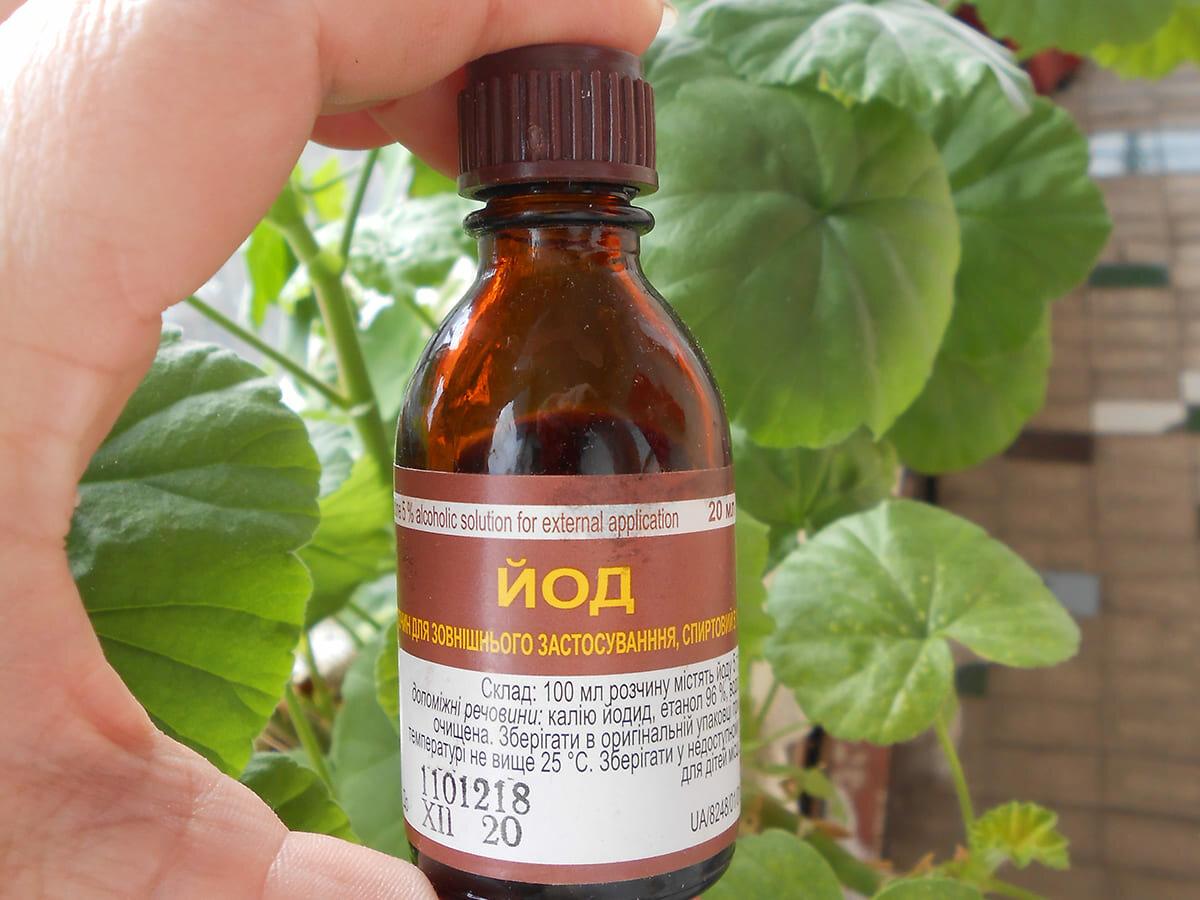
To make this fertilizer, use 2 drops of iodine per 1 liter of water. It is recommended to use 40 milliliters of solution per flower. Apply it only to the walls of the pot. Pouring the solution into the center of the pot may burn the roots.
This substance helps stimulate flowering. After just two iodine-containing fertilizers, geraniums will produce numerous buds. Furthermore, the product makes the plant stronger and healthier. Iodized water should be used from May to the end of August.
Other means
To improve the development of geraniums, you can use the following means:
- Eggshells – an infusion made from this substance helps replenish seasonal calcium deficiency. They are also used as drainage when replanting plants.
- Used tea leaves help strengthen the plant's root system. To do this, dry the tea leaves, place them in a pot, and lightly cover with soil. As the soil becomes moist, the tea will infuse the geranium with nutrients.
- Aquarium water – this solution should be used from spring to mid-summer. This is the period when geraniums are actively growing and experience a significant nitrogen deficiency. Aquarium water contains humus, which saturates the plant with nutrients and stimulates growth. Pelargoniums should be watered with this solution once every 45 days.
How to choose fertilizer
To ensure geraniums thrive and bloom profusely, they require mineral fertilizers. Ready-made nutrient complexes are considered the optimal fertilizer for this plant, as they contain everything it needs.
The fertilizer must contain the following components:
- Nitrogen is essential for young plants to stimulate foliage development. Mature plants require this nutrient after spring pruning. Before flowering, the amount of nitrogen should be reduced to prevent the plant from wasting energy on foliage development.
- Phosphorus – activates the processes of flowering and bud formation.
- Potassium has a strengthening effect and ensures prolonged flowering of geraniums. It is recommended to feed geraniums with large amounts of potassium before flowering begins.
- Magnesium sulfate – activates the development of new buds.
- Calcium – promotes plant growth. It helps make stems and foliage more resilient.
- Iron – ensures normal photosynthesis and helps maintain the richness of foliage color.
- Zinc – participates in photosynthesis and promotes normal flower development.
- Boron – activates flowering and growth of geranium.
Features of applying fertilizer at different times
To ensure the desired effect from fertilizing, it's important to strictly follow the instructions. Seasonal factors should also be taken into account.
In winter
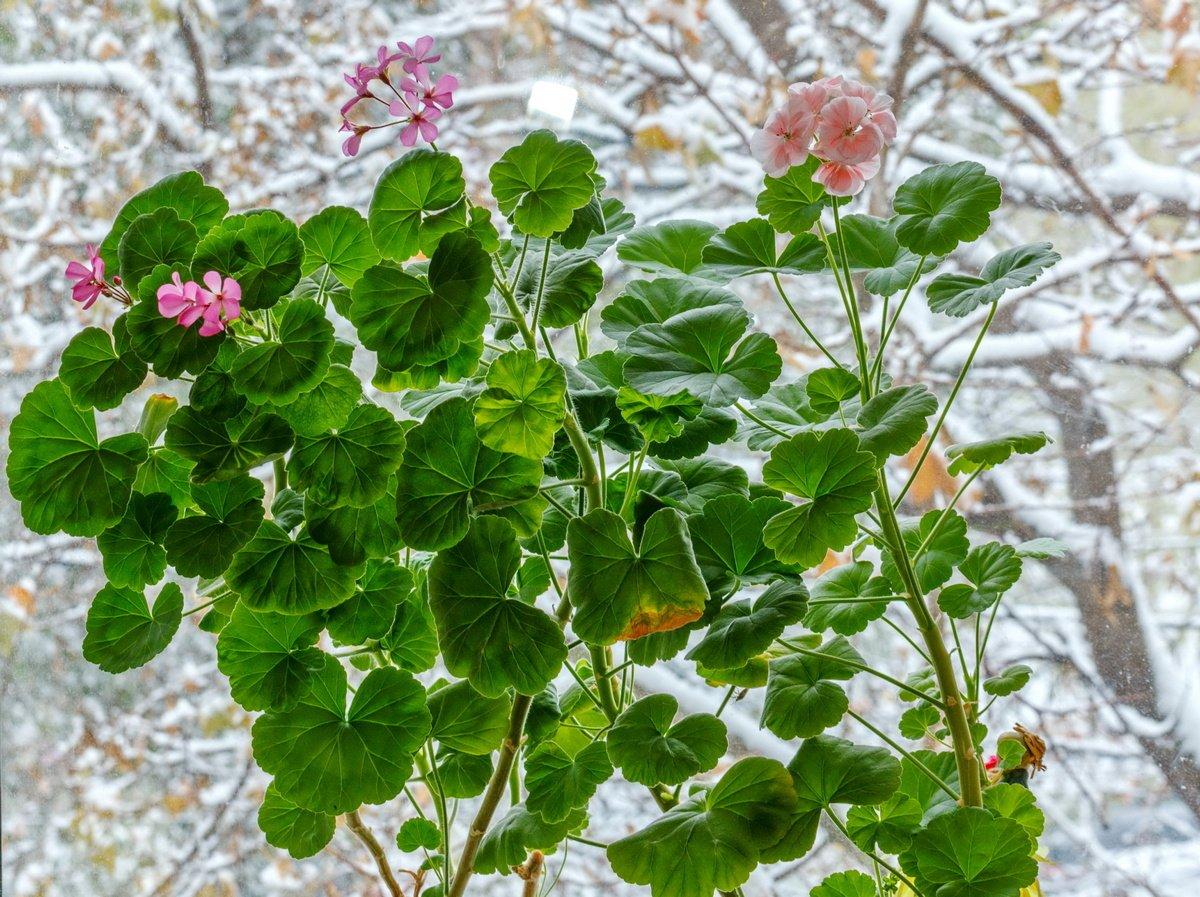
During winter, the plant goes dormant. Therefore, it shouldn't be fertilized. In fact, frequent watering isn't even recommended. The room temperature shouldn't exceed 12 degrees Celsius.
In the spring
After pruning, it's recommended to fertilize geraniums with nitrogen-based fertilizers. Complex fertilizers should be applied twice a month. Treating the plant with an iodine-containing fertilizer is also beneficial.
It is better to apply fertilizers monthly:
- March – you can use ammophoska or azophoska. 5 grams of the substance is required per 1 liter of water.
- April – At this stage, nitrogen fertilizers are added. The recommended dosage is 7 grams per liter of water.
- May is the time when geraniums need potassium superphosphate. The recommended dosage is 5 grams per liter of water.
In summer
At this time of year, the plant is actively budding and developing. Therefore, it is recommended to apply fertilizer more frequently. To ensure vigorous flowering, regular feeding is required. This should be done at 10-day intervals.
To ensure the crop develops well, fertilizers should be applied on a monthly basis:
- June is the best time to apply potassium superphosphate. Use 5 grams of the product per liter of water.
- July – at this stage, geraniums require potassium phosphate and nitrogen fertilizers.
- August – at this time the crop requires iodine with peroxide, which ensures the formation of buds for the next season.
In the fall
After flowering, the dosage should be reduced to a minimum. This is important so the plant can prepare for the dormant period. Therefore, in the fall, the soil should be fertilized twice, 40 days apart. In September and October, superphosphate should be applied once a month. Geraniums do not need fertilizing in November.
How often should I apply?
The frequency of fertilization depends on the type. Mineral fertilizers should be applied twice a month, while organic fertilizers should be applied once every two years.
How can you spot a lack of fertilizer?
Nutrient deficiencies can be determined by the flower's appearance:
- development of diseases – a weakened crop is susceptible to root rot, rust, and late blight;
- paleness and wilting of leaves;
- lack of budding;
- slowing down of growth processes.
Nuances of fertilizing
Fertilizer application should be adjusted taking into account existing problems and the stage of plant development.
Fertilizers for various problems
One of the most common problems with geraniums is yellowing leaves. To resolve the problem, you need to determine its cause and adjust your care. Fertilizer application guidelines vary depending on the situation:
- If yellowing foliage is due to overwatering, the plant should be repotted and the drainage replaced. Afterward, water the bush with a glucose solution and apply organic fertilizer.
- If the foliage has turned yellow because the plant has become too crowded, it should be repotted into a larger container. After some time, the plant should be moistened with a weak iodine solution.
- Leaves may turn yellow due to an excess of mineral fertilizers. This is due to root burn. To prevent leaves from turning yellow, remove the geranium from the pot, rinse the roots under running water, and repot it in new soil. Avoid using mineral fertilizers. Once the plant's appearance improves, you can add a little organic matter.
At home
Houseplants require fertilizing. However, using organic fertilizers is strictly prohibited. Experienced gardeners recommend the following:
- The main focus should be on potassium and phosphorus. It is recommended to add them to the water twice a month. These elements help strengthen the plant and prolong flowering.
- Before winter, it's worth using sugar water or a Heteroauxin solution. Both natural and artificial stimulants should be applied once a week.
- This complex fertilizer is an excellent replacement for other fertilizers. It's important to follow the instructions and maintain the correct dosage.
For abundant flowering
Geraniums can be fertilized with a variety of products. However, for lush and abundant blooms, iodine is recommended. To create a beneficial solution, it is recommended to use settled or rainwater. It is softer and does not contain trace elements that could react with the alcohol solution.
Take a look Also
To make a beneficial solution, add 2 drops of iodine to 1 liter of water, shake thoroughly, and pour it over the soil. It's best to pour the solution around the edges of the pot, as applying it to the roots can cause root burn. This stimulating solution allows for bud formation after just 3 applications.
For seedlings
The first seedling feeding should be done 18 days after planting. During this time, it's important to stimulate the plant's growth. Watering with nitrogen fertilizers helps develop healthy roots and lush foliage.
One of the most effective treatments is Planta vermicompost. It should be applied weekly before planting the geraniums in their permanent location. First, transplant the plants, and then apply Kemira or ammonium nitrate just before planting.
Reasons for the lack of flowering
The absence of flowering in geraniums may be due to the influence of the following factors:
- Heavy soil. Incorrect soil composition is often the cause of problems. Sandy or sandy loam soil is ideal for this plant. Using peat soil negatively impacts the plant's growth. Peat does not allow sufficient air to pass through and retains moisture for a long time. This leads to root rot and promotes the development of fungal diseases.
- Watering problems. Geraniums aren't considered moisture-loving plants. They react very sensitively to overwatering. This results in a lack of blooms and yellowing leaves. It's recommended to water the plant in the tray or after the top layer of soil has visibly dried out. For this purpose, use settled water.
- Higher temperatures in winter disrupt the plant's dormancy. Consequently, the geranium fails to bloom.
- Fertilizer deficiency. To ensure lush blooms, geraniums require regular fertilization. Potassium-rich fertilizers or those containing minimal nitrogen should be used. Organic fertilizers are rarely used.
- Insufficient Light. This plant is considered a very light-loving plant. It is sensitive to insufficient natural light. When choosing a location for geraniums, avoid a north or northwest exposure. It is also not recommended to place the plant near large, dense plants.
- Untimely pruning. Lack of systematic pruning is also considered a significant factor in the cessation of flowering.
- No repotting. The key to long and lush flowering is timely repotting outdoors. This should be done in the morning or evening. After a short time outdoors, return the geranium to its pot. Be sure to refresh the soil during this time.
Common mistakes
When caring for geraniums, inexperienced gardeners make the following common mistakes:
- Fertilize the plant when it's in full sun. First, move it to a shadier location.
- Don't loosen the soil after applying fertilizer. This is essential to ensure sufficient oxygen reaches the roots.
- Fertilize the plant when dry leaves or signs of wilting appear. First, it's important to understand the cause of the changes.
- Don't check the soil before applying fertilizer. Overdried soil must be thoroughly watered first.
- Fertilizer is applied in winter. This brings the plant out of its dormant phase. In this case, don't expect abundant flowering.
- Geraniums are being fed too frequently. This should be done no more than once a week.
Geranium is a fairly popular houseplant that requires proper care. To ensure its healthy growth and profuse blooms, it requires proper feeding.