
Magnesium nitrate is an effective product that stimulates photosynthesis in plants. It contains magnesium and nitrogen, essential elements for crops, in nitrate form. It is successfully used for irrigation and foliar feeding in open soil and greenhouses. It is particularly effective in the early stages of vegetation, as it promotes chlorophyll synthesis.
What does its use give to plants?
Magnesium and nitrogen, which are included in the fertilizer, activate photosynthesis. This ensures more active crop development and stimulates their growth. The substance also helps increase flowering and yield. Magnesium increases the activity of certain enzymes and transports phosphorus, which is essential for plants.
The substance benefits berry, fruit, and ornamental crops. It is recommended for use on cereals, vegetables, and herbaceous plantings. It also benefits trees and shrubs.
A magnesium deficiency causes plants to become depleted and weakened. Such plants are more susceptible to pest and disease attacks. They cannot withstand strong winds, drought, and weed growth. Therefore, it is crucial to apply this mineral promptly.
Main components and chemical formula, purpose
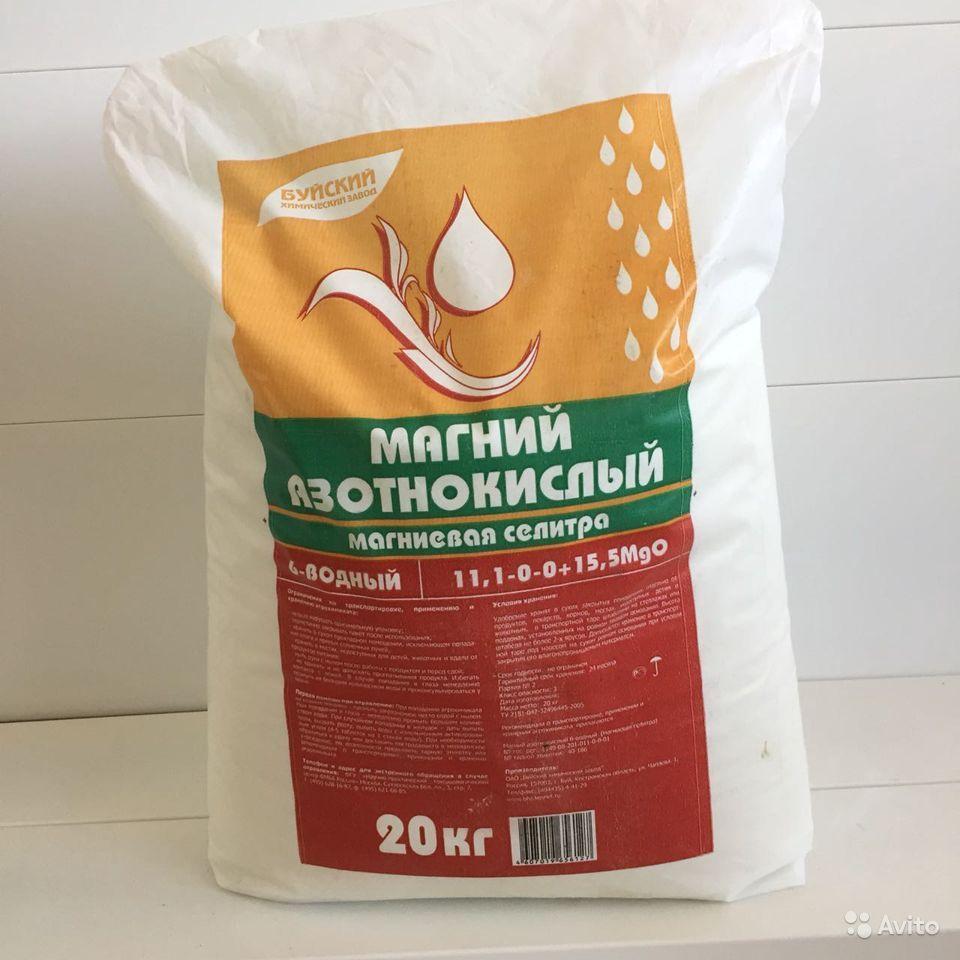
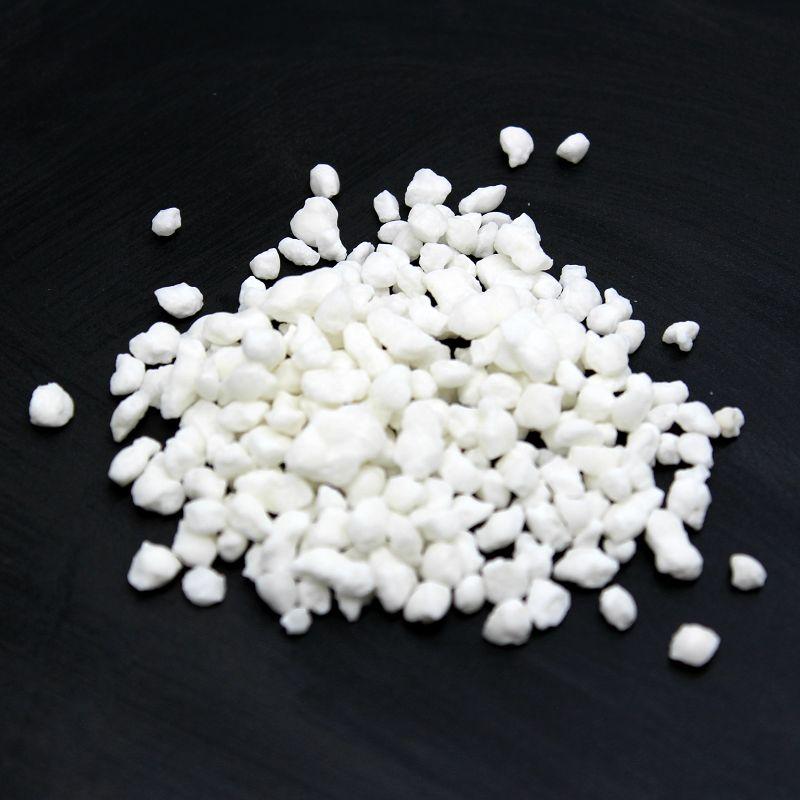
Magnesium nitrate has the formula Mg(NO3)2. It is also known as "magnesium nitrate." It is sometimes called "magnesium nitrate." It is a white crystalline powder. It is highly hygroscopic, so it mixes easily with water. Since it does not contain sulfates, it can be combined with calcium nitrate.
Magnesium nitrate is a truly effective fertilizer widely used in agriculture. It helps significantly improve crop yields and produce higher-quality products.

How it works
The main components of the product include magnesium and nitrogen. Because the nitrogen is in nitrate form, it is more quickly absorbed by the plant's vascular system.
Magnesium plays a vital role in photosynthesis. It is a component of chlorophyll, the substance that oxygenates plants and gives them their green color. Magnesium also facilitates the rapid transport of nutrients throughout the plant. This process is especially important for phosphorus.
The use of magnesium nitrate helps to achieve the following results:
- restore metabolic processes in plants;
- improve the synthesis of proteins, carbohydrates, and organic elements;
- make seeds of better quality;
- increase fruit formation;
- speed up the process of cereal ripening;
- increase the frost resistance of winter cereals, berry bushes and fruit trees.
How to recognize a magnesium deficiency and what consequences it poses for plants
Magnesium deficiency triggers the development of a serious plant disease called chlorosis. This condition can also be caused by deficiencies of other essential micronutrients, including iron and nitrogen.
It's important to note that, unlike chlorosis caused by nitrogen deficiency, which causes the lower leaves to turn yellow, magnesium deficiency begins in the center of the plant. This condition significantly weakens crops, as it indicates a chlorophyll deficiency. Consequently, photosynthesis is impaired, and the crop receives insufficient amounts of valuable nutrients even with adequate light and water. If magnesium supply is not maintained, the plants will become depleted and die.
Instructions for use
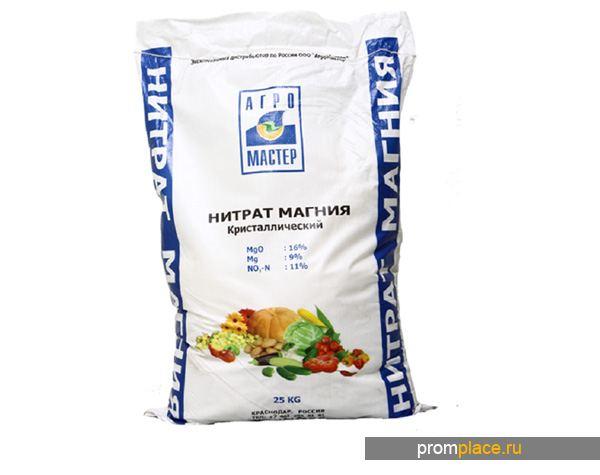
Magnesium nitrate is available in both dry and solution form. When purchased as a liquid, it does not require additional mixing with water. It is ready to use.
To make a working solution from the powder, take 0.5-1 gram of the product and mix it with 1 liter of water. This amount is considered optimal for root application. For foliar application, dilute 1-2 grams of magnesium nitrate in 1 liter of water. When treating large areas, use 1,000 liters of working solution per hectare. Fertilizing should be done at two-week intervals.
Magnesium nitrate can be applied early in the growing season. It can be used from April to August. When irrigating plants with the working solution, it is recommended to do so in the evening. This will help prevent foliar burn.
Precautionary measures
To prevent harm, it's important to use the product strictly according to the instructions. When doing so, keep the following in mind:
- When working with the substance, use personal protective equipment. This may include a mask, goggles, or a respirator. Hands should be protected with rubber gloves.
- When spraying, wear protective clothing. After work, change clothes, wash with soap, and take a shower.
- Drinking, eating, smoking and talking are prohibited during work.
- If the substance comes into contact with skin or mucous membranes, wash the affected areas with plenty of water.
- If the drug is accidentally swallowed, rinse the stomach and consult a doctor.
If safety regulations are strictly observed, the product does not harm people or the environment, including water inhabitants and honeybees.
How and how long to store
Magnesium nitrate is highly hygroscopic. To prevent clumping and caking, store it in a dry place, protected from sunlight. Store in an airtight container. If stored properly, the product has an unlimited shelf life.
Magnesium nitrate is an effective product that enriches plants with essential elements. To ensure the desired results, carefully read the instructions and follow the application guidelines. Adherence to safety precautions is also crucial.