
- Properties and composition of ash
- Can it be used?
- What kind of fertilizer does it belong to?
- What soils can it be used on?
- How to prepare the product?
- Dry fertilizer
- Liquid fertilizer
- Use of ash as a fertilizer
- In the garden
- In the garden plot
- For flowers and indoor plants
- Use against diseases and pests
- In what cases should ash not be used?
The combustion products of plant waste contain many valuable elements, including magnesium, zinc, calcium, and sulfur. This is far from a complete list of the components necessary for plant growth. How to properly use ash as fertilizer? This question concerns many gardeners. The product can be used as a powder or made into various infusions.
Properties and composition of ash
The composition of ash depends on its origin. The most valuable product is obtained from burnt grass—especially sunflower and buckwheat. It contains up to 36% potassium oxide. Wood ash is very useful. Peat ash contains less potassium and phosphorus. This substance is also high in calcium.
The potassium and phosphorus in this product are quickly absorbed. The absence of chlorine is a distinct advantage, making it suitable for plants sensitive to this element. The ash contains iron and zinc. The product is also rich in manganese, sulfur, magnesium, and boron.Coal ash deserves special mention. It contains little calcium and potassium. It also contains little phosphorus. Therefore, it cannot be used as a fertilizer. However, coal ash contains approximately 60% silicon oxides.
That is why it is used to drain and increase the looseness of clay soil.
Ash fertilizers normalize soil composition. They supply it with beneficial elements and normalize the alkaline properties of humus. Ash alters the soil's acidity, increasing its pH. This has a beneficial effect on crop yields.
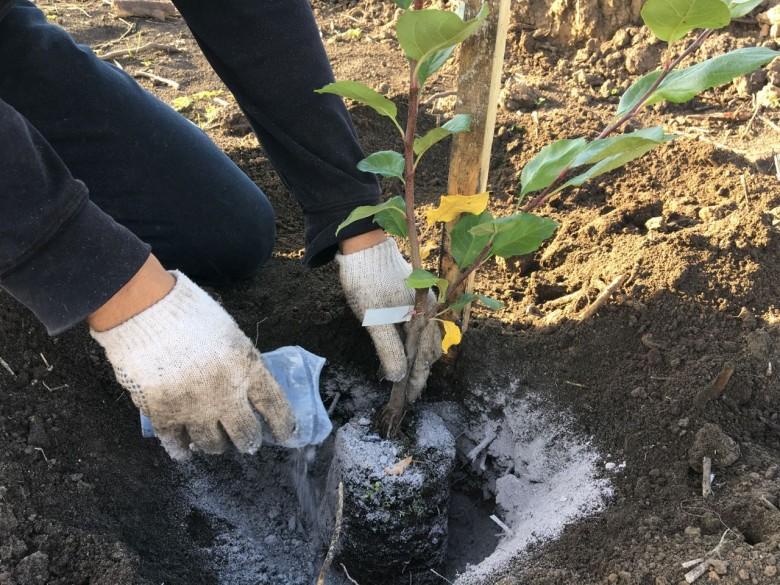
The unique characteristics of the substance include the following:
- When applied, the soil structure is normalized. The product promotes soil loosening.
- The use of ash increases crop yields on loamy soils, facilitates mechanical tillage, and ensures normal plant development.
- Fertilizers made from ash change the physical composition of the soil and increase the flow of oxygen into it.
To increase the effectiveness of the procedure, ash should not be applied in its pure form. It is best to combine the substance with peat or compost. It can also be combined with humus. Using ash with organic matter ensures their accelerated decomposition. Direct application of the product to the soil is also acceptable. This helps improve fertility and stimulates crop fruiting.
Can it be used?
Stove ash is considered an excellent fertilizer. Therefore, it is often used to improve soil composition. It reduces soil acidity and promotes the accelerated decomposition of organic matter. It can be added to any soil, with the exception of carbonate soils, which are characterized by an alkaline reaction.
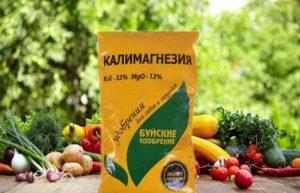
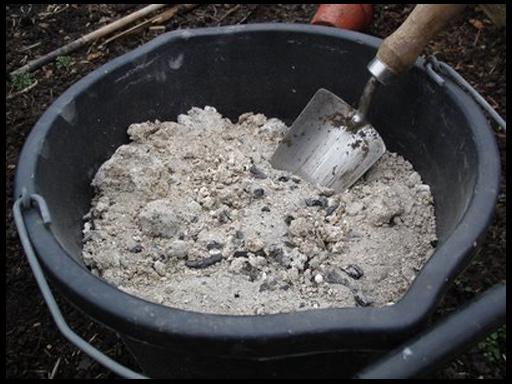
Avoid combining the product with slurry, feces, and bird droppings. Clay soil should be treated in the fall before tilling. For light soil, apply the product in the spring. Apply to a depth of 6-8 centimeters. The product can be applied to any plant. It is especially beneficial for root vegetables, all types of cabbage, and potatoes. On average, 1-2 kilograms of the product is required per 10 square meters.
What kind of fertilizer does it belong to?
This product is classified as organic. It contains potassium, phosphorus, and iron. It's also rich in elements such as sulfur, calcium, and magnesium. Therefore, it replaces many synthetic fertilizers. Many gardeners wonder whether this fertilizer is nitrogen-based or phosphorus-based. This product is classified as a phosphorus fertilizer. Nitrogen fertilizers should be applied separately if necessary.
What soils can it be used on?
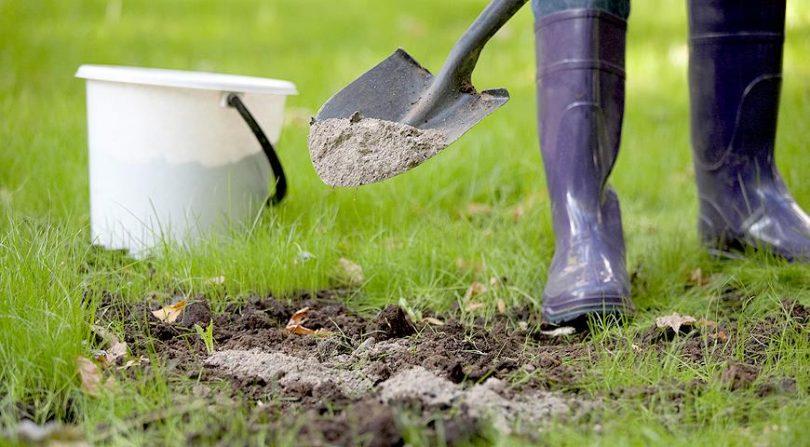
Ash is highly alkaline. Therefore, it helps neutralize excessive soil acidity. This is why the product is used for acidic soils. The amount of product applied depends on the soil's acidity and the amount of organic matter in the soil. The type of soil—heavy or light—is also important. Larger quantities of the product are added to peat and clay soils.
How to prepare the product?
To achieve excellent results after using ash, it's important to follow all the rules for applying it. The product can be used dry or used to make solutions.
Dry fertilizer
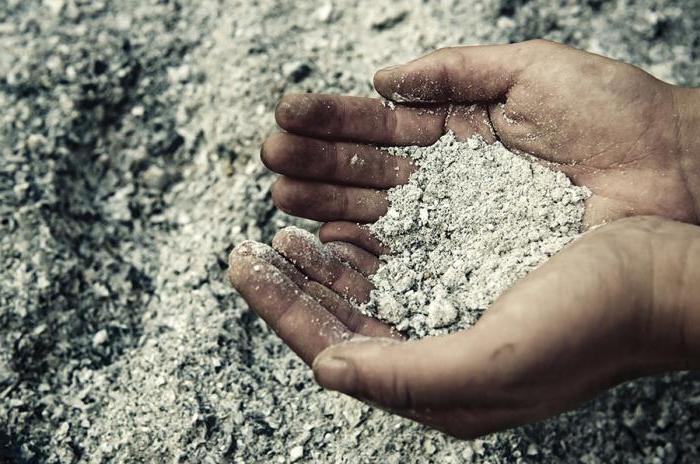
This fertilizer is very easy to prepare. It's used in its original form—as a fine powder. It doesn't require sifting.
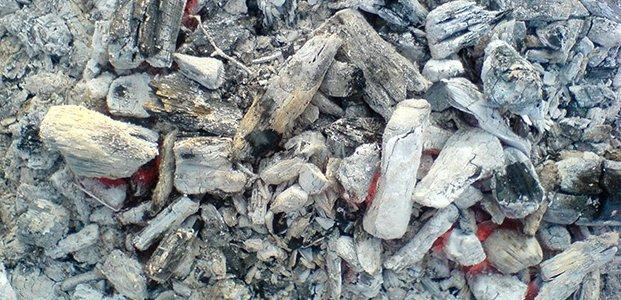
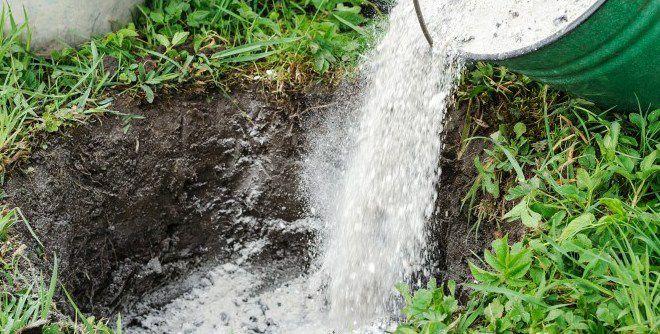
To normalize the soil's composition, simply take the required amount of the substance and spray it on the ground. Then, dig up the soil or leave the product in place. It will act as mulch. Under the influence of moisture, the element will gradually penetrate the soil structure.
When using the substance, adhere to the recommended proportions. For sandy loam soil, 100-200 grams of ash per square meter is required; for loamy soil, the dosage should be increased by 2-4 times. Exceeding the recommended amount is prohibited, as this will alter the alkalinity of the soil, which will adversely affect crop growth.
Coal ash is rarely used as a soil fertilizer. It is usually added to improve soil consistency. To feed plants, a mixture of coal and manure is recommended.
Liquid fertilizer
Making this fertilizer requires patience. The fertilizer should be prepared using the cold soak method. The ash is placed in cold water and left for 6-7 days. The volume of ash and liquid depends on the crops being fertilized. Add 100-200 grams of ash to 10 liters of water.
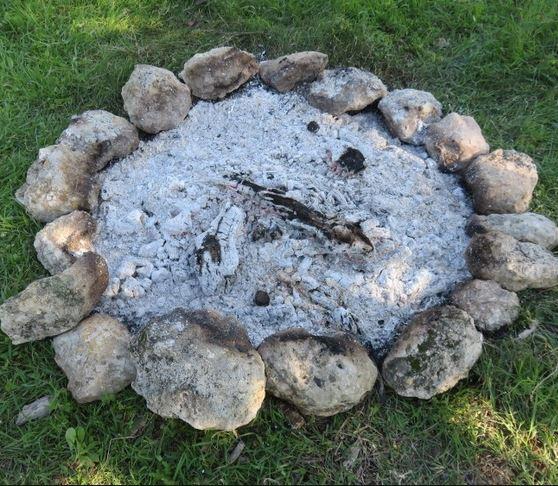
The solution is easily absorbed by plants. It is used for watering crops. It is also suitable for foliar feeding. Ash can be used to make an effective infusion. Add 1 kilogram of ash to 10 liters of water. Boil the mixture for 10-20 minutes. Then mix 1 liter of the solution with 10 liters of water. Apply the prepared solution to the plants.
Use of ash as a fertilizer
The substance is used for various crops. It is used to feed vegetables, trees, and houseplants.
In the garden
Ash can be used on almost any plant. Those most susceptible to it include:
- legumes;
- nightshade;
- buckwheat;
- potato;
- tobacco.

In the fall, apply ash to the area where onions and dill will be planted. Use up to 2 cups of the mixture per meter. This will help protect the plants from root rot. The mixture increases the permeability of the soil for air and moisture.
In the spring, when preparing to plant potatoes, apply 1 cup of the product per meter. This is done while digging the plot. You can also add 2 tablespoons of the product per hole during planting. Mix the ash with the soil. When hilling, apply 1-2 tablespoons of the product per bush. It's also acceptable to sprinkle it on potatoes that are in bloom.
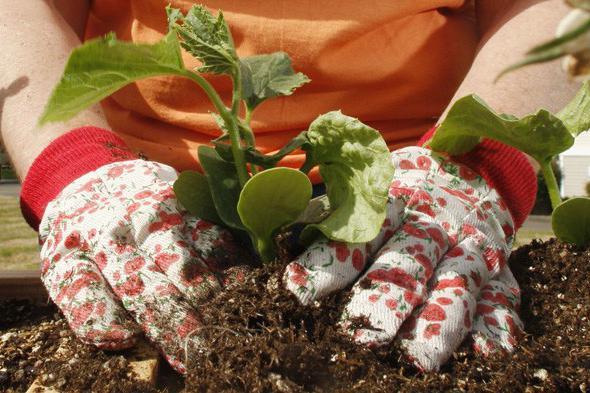
For zucchini and cucumbers, it's recommended to add 1 cup of ash when tilling the soil. You can also apply 1 tablespoon of the product per hole when transplanting the crop. For cabbage, apply 1-2 cups of the product per square meter. This amount is required during tilling. Before planting tomatoes and eggplants, add 3 cups of ash. A similar amount is suitable for peppers. When planting vegetables, you can add a handful of ash per hole.
 For carrots, parsley, and legumes, apply 1 cup of ash. A similar amount is used when planting lettuce, dill, radishes, and beets.
In the garden plot
This product has a beneficial effect on the development of fruit and berry crops. When planting trees, add 1-2 kilograms of ash to each hole. Subsequently, use the same amount when tilling the soil. Grapes should be fertilized with this product 3-4 times per season. In the evenings, after sunset, spray the leaves with an infusion of the product. To do this, mix it with water in a ratio of 1:5.
The substance can also be used for strawberries. In the fall, apply 1 cup of the solution to the plot. Before mulching and after harvesting, spread ash between the rows. Before flowering, the bushes can be fertilized with a special solution. To do this, dissolve 1 cup of ash, 2 grams each of boric acid and potassium permanganate in 10 liters of hot water. Spray the plants with the prepared solution during periods of minimal sun exposure – morning or evening.
For flowers and indoor plants
In this situation, an ash infusion is suitable. To make it, steep 3 tablespoons of ash in 1 liter of water. Shake the mixture periodically to help the particles dissolve. Before use, strain the mixture and mix it with water in a 1:3 ratio. Use no more than 100 milliliters of the mixture for a 1-liter pot.
Among garden crops, roses require this type of fertilizer most often. They can be watered with a solution of 100 grams of ash per bucket of water. Spraying the foliage is also very beneficial. For this, use 200 grams of ash per bucket of water.
The substance can be used to fertilize lilies and clematis. It is also used for peonies and gladioli. For this, use 300-400 milliliters of the infusion. When planting crops, apply 5-10 grams of ash per hole.
Use against diseases and pests
To combat pathologies and parasites, it is worth using the following recipes:
- To eliminate cruciferous flea beetles, crops are sprinkled with a composition based on dust and ash.
- A product based on ash and tobacco is suitable for eliminating flies and weevils.
- To combat powdery mildew, dust the bushes with ash. Apply 10-15 grams of the product per plant.
- To combat aphids, you can sprinkle the soil under berry bushes.
In what cases should ash not be used?
There are certain restrictions on the introduction of the substance:
- Ash should not be combined with fresh manure. This reduces the nitrogen content and creates substances that are not absorbed by the roots.
- It is prohibited to use ash and nitrogen simultaneously. They are applied at different times of the year.
- It is prohibited to use the composition for seedlings until the leaves appear.
- Ash is not used on alkaline soils.
- When planting crops, the substance should be mixed with the soil. This will help prevent tissue burns.
- Do not add the product to fresh compost. This prevents nitrogen accumulation.
Related posts:
 Methods for planting and propagating cherries at home
 The best grape varieties for growing in the Urals, planting and care rules in summer
 How to properly feed peppers with ash and is it possible to do so?
 Conditions for growing mandarin at home and rules for caring for the tree
 How to properly use ash in your garden and when to apply it
 Growing and caring for hazelnuts in open ground, rules for planting hazelnuts
 Methods of dealing with caterpillars on apple trees, how to treat them correctly and what is the best way to do it
 Rules for planting and caring for pears in open ground, how to grow them correctly
Thank you for the useful article!